

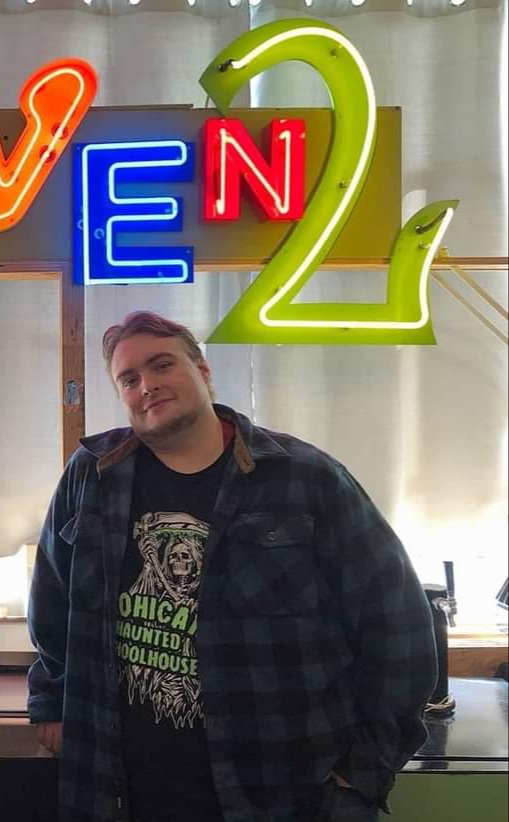

We recently connected with Jared Gepperth and have shared our conversation below.
Jared, looking forward to hearing all of your stories today. How did you learn to do what you do? Knowing what you know now, what could you have done to speed up your learning process? What skills do you think were most essential? What obstacles stood in the way of learning more?
During the ceramics classes at university I had an amazing professor named David Williamson. Professor Williamson really helped boost my interest in the artform and aided my path learning the trade. During my courses and outside learnings I taught myself some techniques and skills by experimentation, some of those projects where done incorrectly but produced results I enjoyed and actually helped me form my first line of work.
The most useful skill I learned was just being ready to fail. If you always expect everything to be perfect you might never find the cool and amazing things that can just happen by accident. Be ready to do things over and over and each time things will get better and new techniques might grow from each accident that occurs. Experiment and always have fun with what you’re doing.
Great, appreciate you sharing that with us. Before we ask you to share more of your insights, can you take a moment to introduce yourself and how you got to where you are today to our readers.
I guess I would say I’ve always been a pretty easy going guy. I always had an attachment to art and have always tried to bring that into much of what I do. I will say that easy going nature has gotten me into some situations I should’ve just walked away from, but that attitude has also led me to meet many great people and experience some amazing things I normally might of avoided.
Fortune seems to be the thing that pushed me the most. I was fortunate to find myself in the classroom that made me fall in love with ceramics. Fortune brought me great mentors and opportunities that helped push me to finding my own style and my first shows.
My path has really been shaped by a willingness to experiment and follow creative instincts wherever they led. Instead of sticking to a rigid formula, I tried new approaches, explored unconventional ideas, and treated mistakes as part of the process rather than failures. That openness let me discover what genuinely worked for me, and over time it built both confidence and a unique perspective that set my work apart.
A big part of that growth also came from learning alongside and from others who pushed me further. Mentors like Dave Williamson and R!ch Cihlar played an important role in guiding me, offering insight, and challenging me to think differently. Their experience and encouragement helped refine my direction while still leaving space for my own creativity to evolve.
In the end, it’s been that combination of curiosity, experimentation, and strong mentorship. That has kept me moving forward. Each step wasn’t perfectly planned, but by staying creative and open to learning, I’ve been able to carve out a path that feels both authentic and continually advancing.
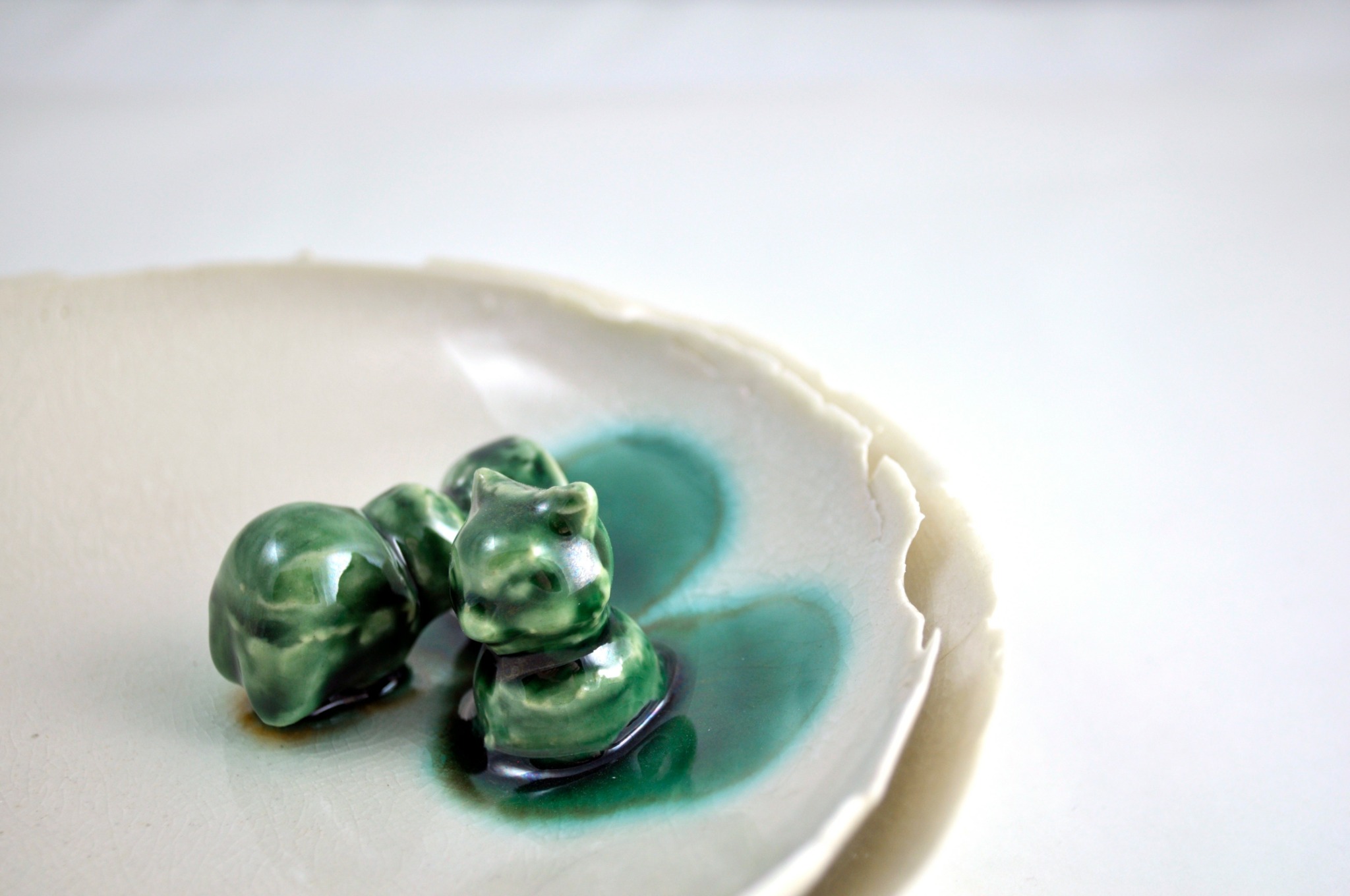
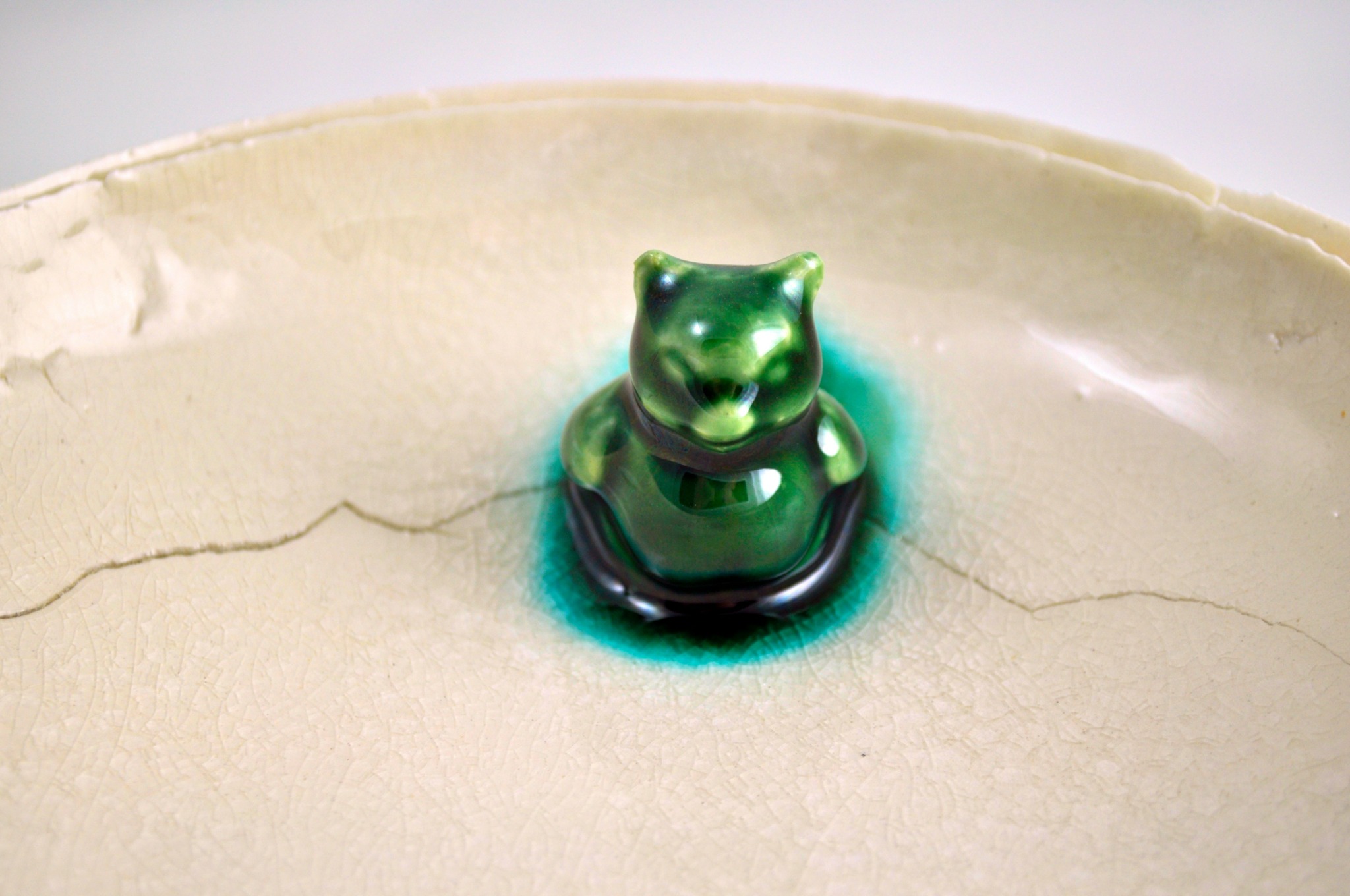
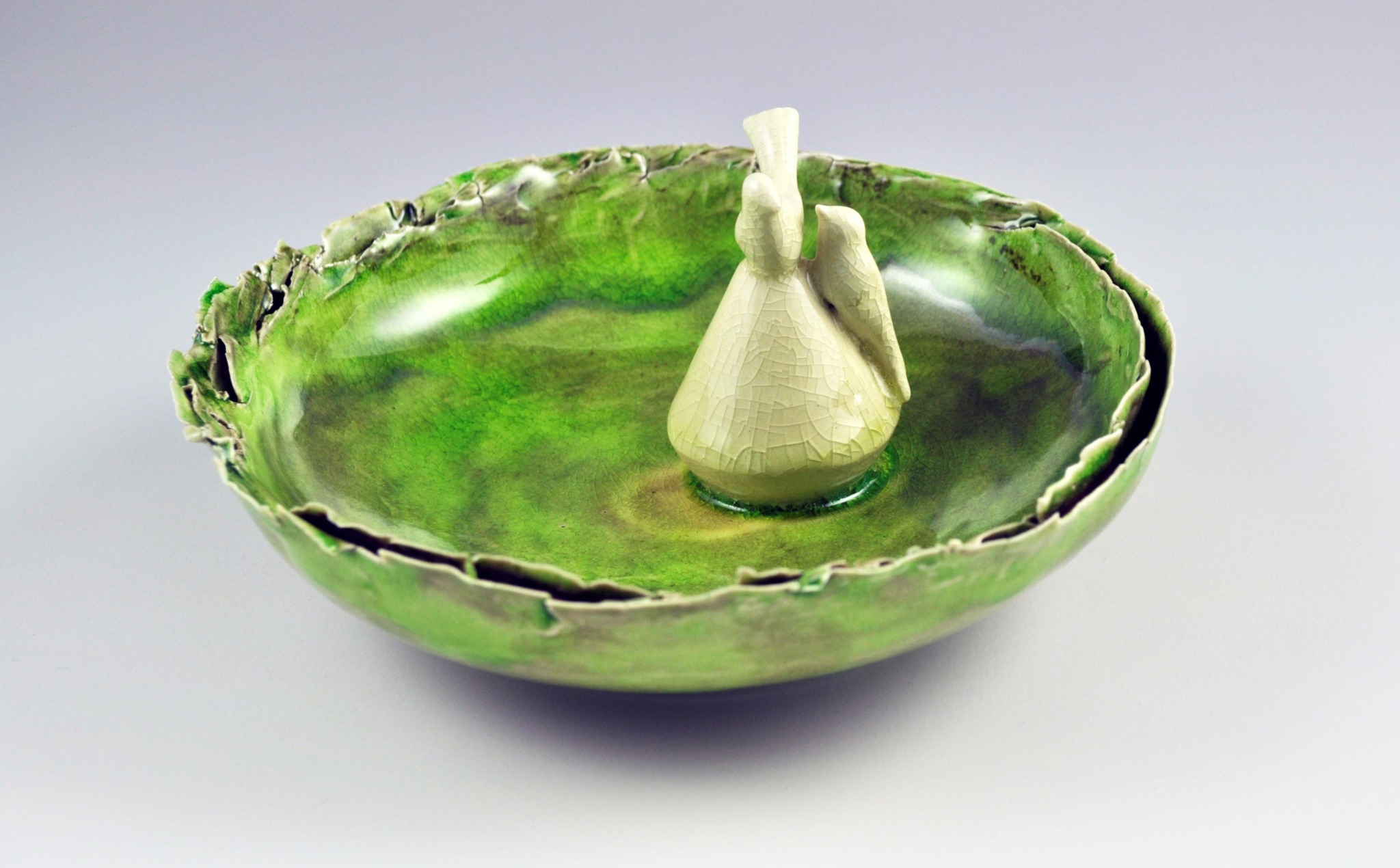
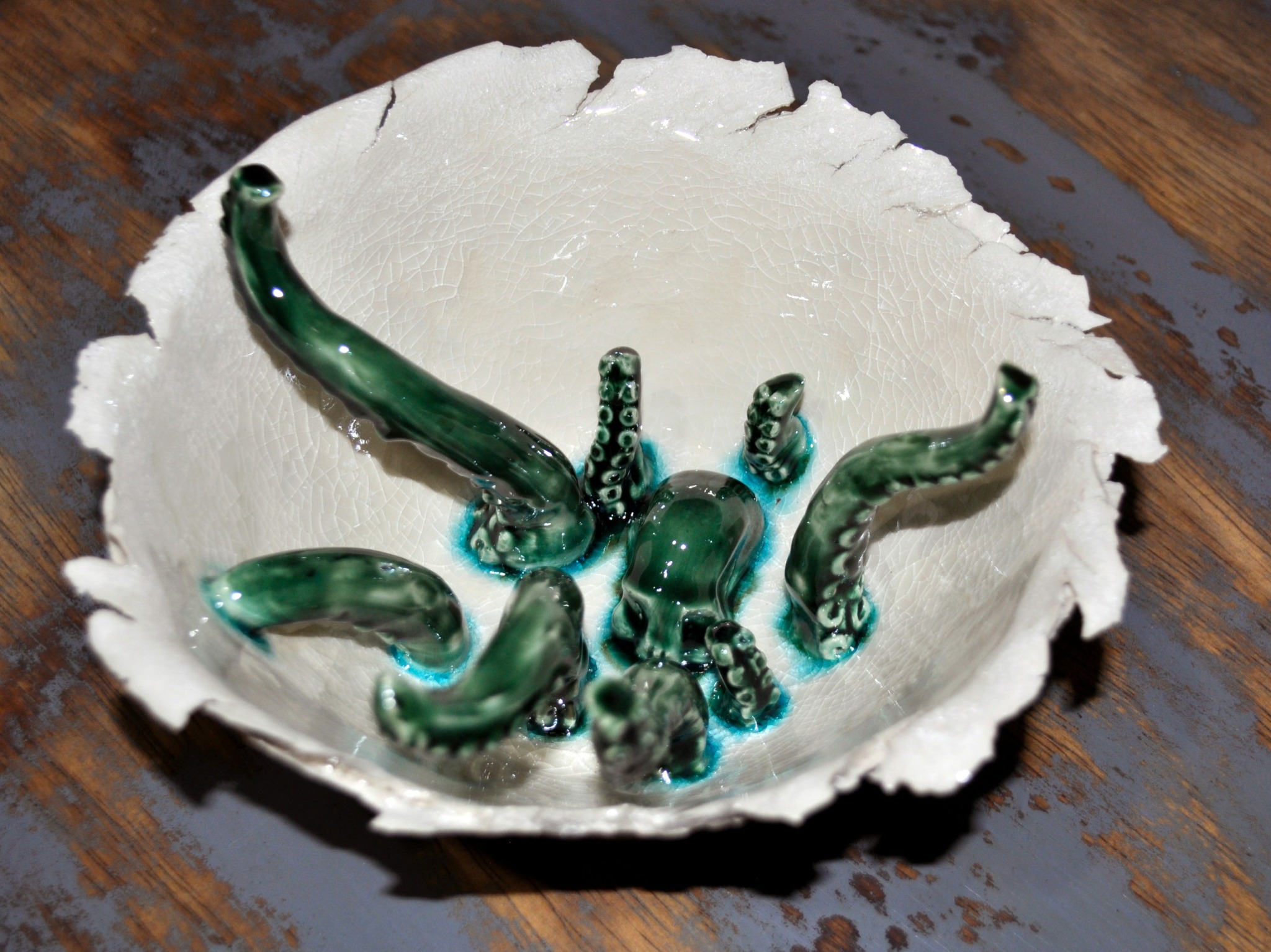
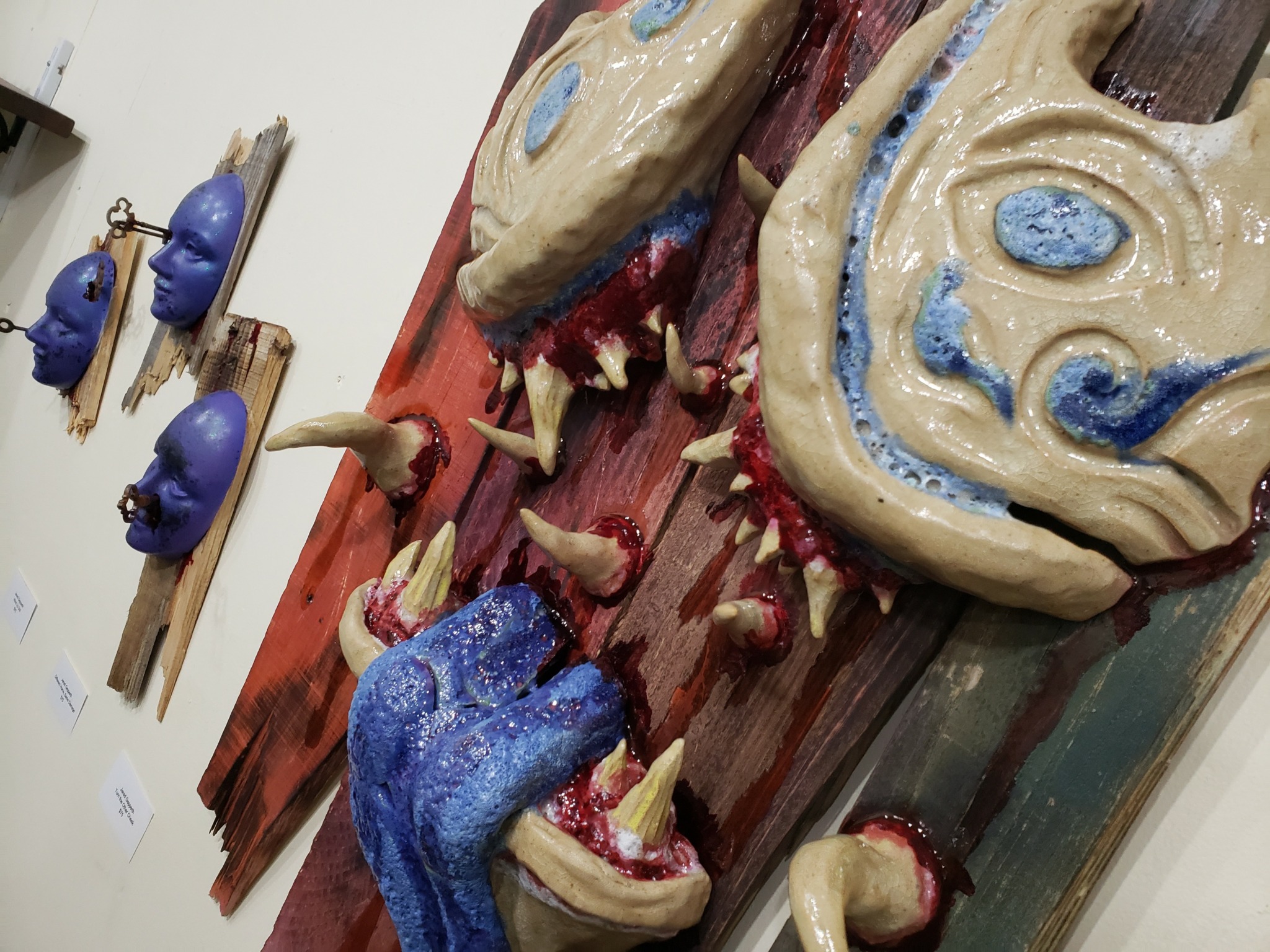
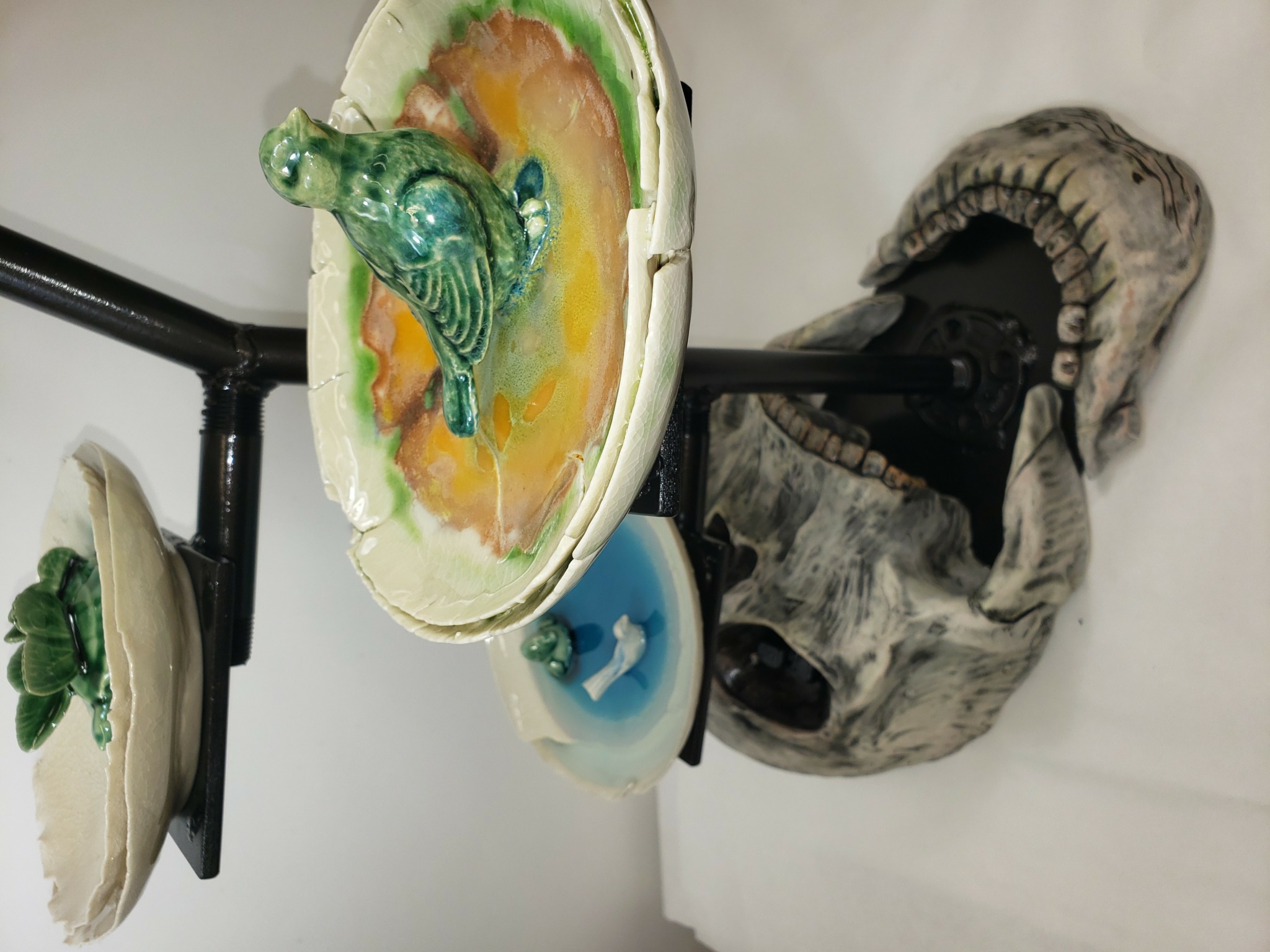
The works I create usually derive from a clay mold or hand built form to begin. I enjoy the craft of creating molds to create many pieces due to the opportunity to then use that piece in as many ways as I can imagine. If it comes from cutting up my little clay animals to create my own Frankenstein monsters or creating a mold incorrectly to give me the fine double-edged feature of the my bowls then I find fun in all the strange fusions I can create. You never know what you can create and the mold making process just allows me to create originals, then make an army of replicas ready to be torn apart and recreated into something fun and strange.
I love finding the right form to fit my clients or current shows tastes. You never know what someone will ask you to create and in the world of always trying fun new things these potential new fusions bring much delight. I often find some of my best inspiration started from a question from a new client. Everyone has stories to tell and you never know what kind of story you’ll get to tell, but when you’re working with someone else the collaboration is as much part of the story just as the art is.
I’d have to say I’m most proud of not letting myself stop. Many times when life gets tough and you get busy it would be so easy to just put art on the backburner and move forward. When I get really busy and got to pay the bills, I still try to find the time to just let myself relax and dive back into the creativity of just creating, not for a client or a project but just for myself.
I’m proud of all the relationships I formed along the way, some of the best people I’ve ever had the chance to call friends all came from the crazy world I’m part of. I’m proud anytime I get asked for advice or help by anyone trying things I enjoy. It makes me remember the amazing mentors I had that guided me and makes me feel like I get a chance to give back a little bit of the great fortune I had.
For you, what’s the most rewarding aspect of being a creative?
For me, the most rewarding part of being an artist is the connection it creates with people. There’s something really special about putting a piece of yourself out into the world, especially when it’s strange, unexpected, or a little wild, and then watching how others respond to it. I genuinely enjoy people, and my art feels like a bridge that lets me reach them in a way words sometimes can’t. It lets them see a side of me that I sometimes don’t present normally.
One of my favorite moments is that first reaction people have to my strange clay creations. When someone sees one of my pieces and pauses, smiles, laughs, or just tilts their head trying to make sense of it. That moment of curiosity or surprise feels like a spark. It’s even more meaningful when the work resonates on a deeper level, when someone tells me it made them feel something or reminded them of a memory. These are the moments that make me and I’m sure many other artists find true rewards in.
What can society do to ensure an environment that’s helpful to artists and creatives?
A thriving creative ecosystem starts with a simple mindset shift of not everything needs to be understood or liked to be respected. Society can do a lot of good by resisting the urge to tear down what feels unfamiliar or different, and instead choosing curiosity, or at the very least a simple neutrality. Creatives and innovators have always been the ones who bring color, humor, and new perspectives into the world, often shaping culture in ways that only become clear over time. If we allow space for experimentation and self-expression without immediate judgment, we give those creators the freedom to make things that might one day mean something deeply to others.
Contact Info:
- Instagram: https://www.instagram.com/jaredgepperth
- Facebook: https://www.facebook.com/jared.gepperth
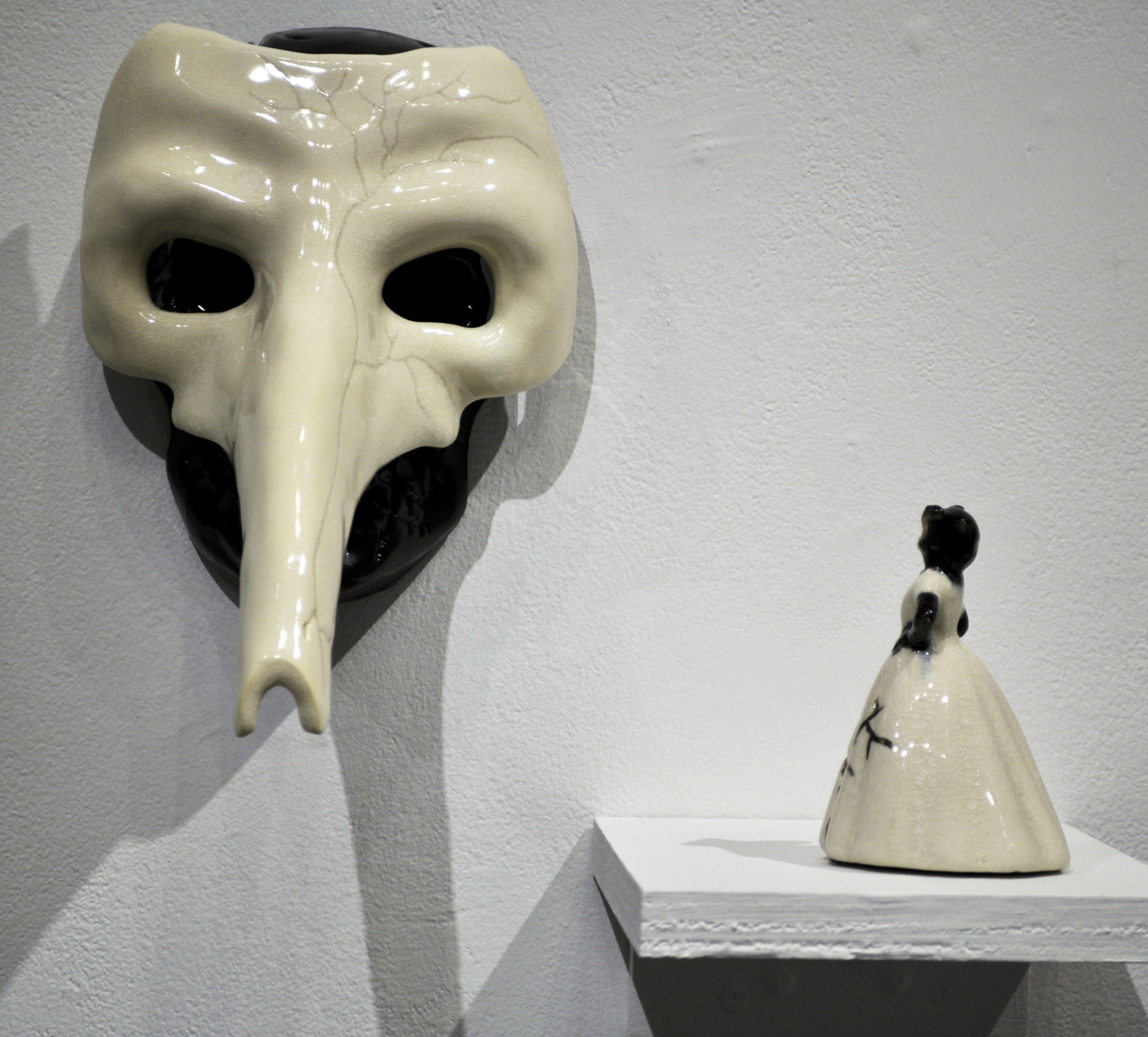
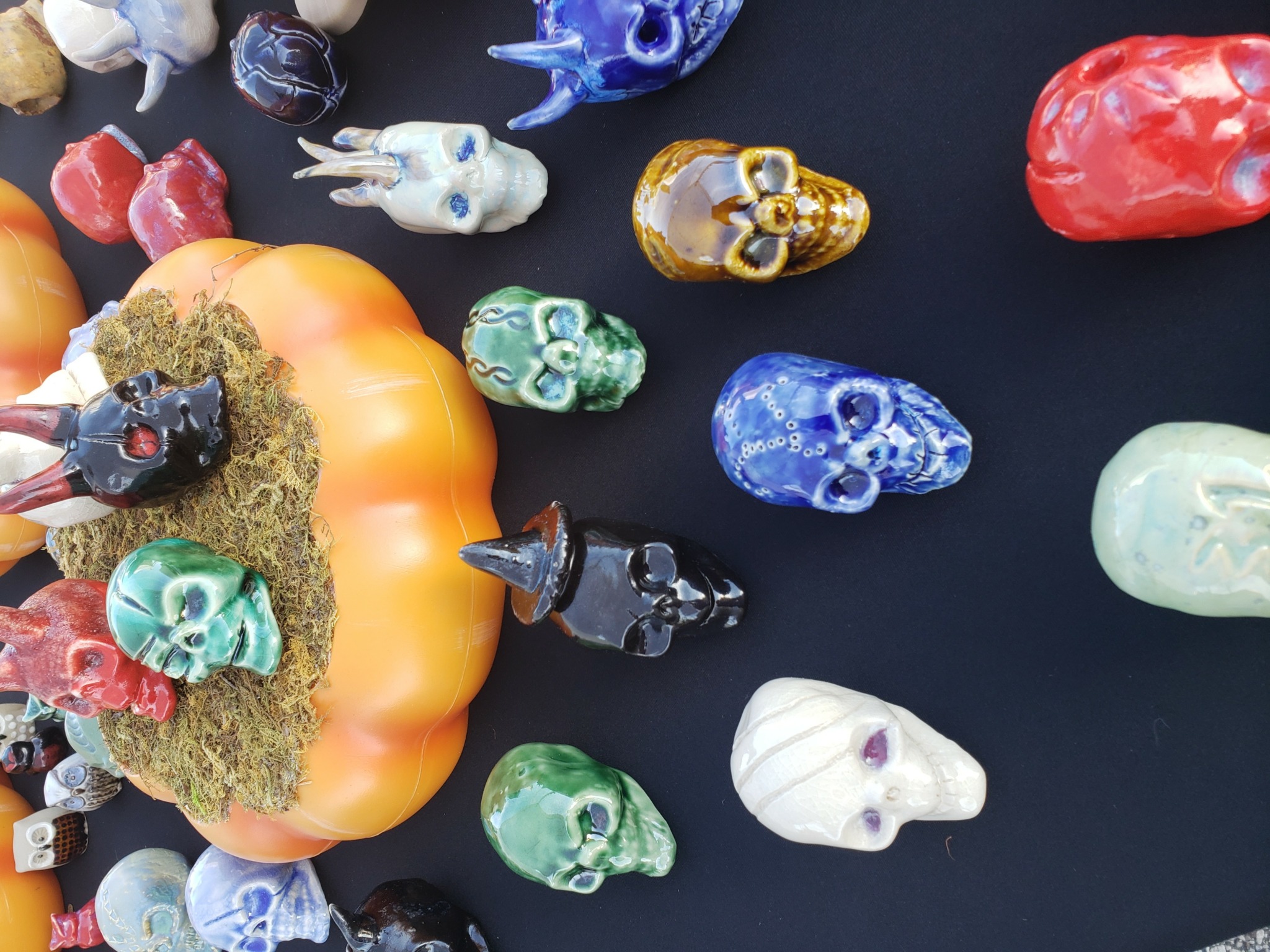
Image Credits
All images where taken and edited by Jared Gepperth