

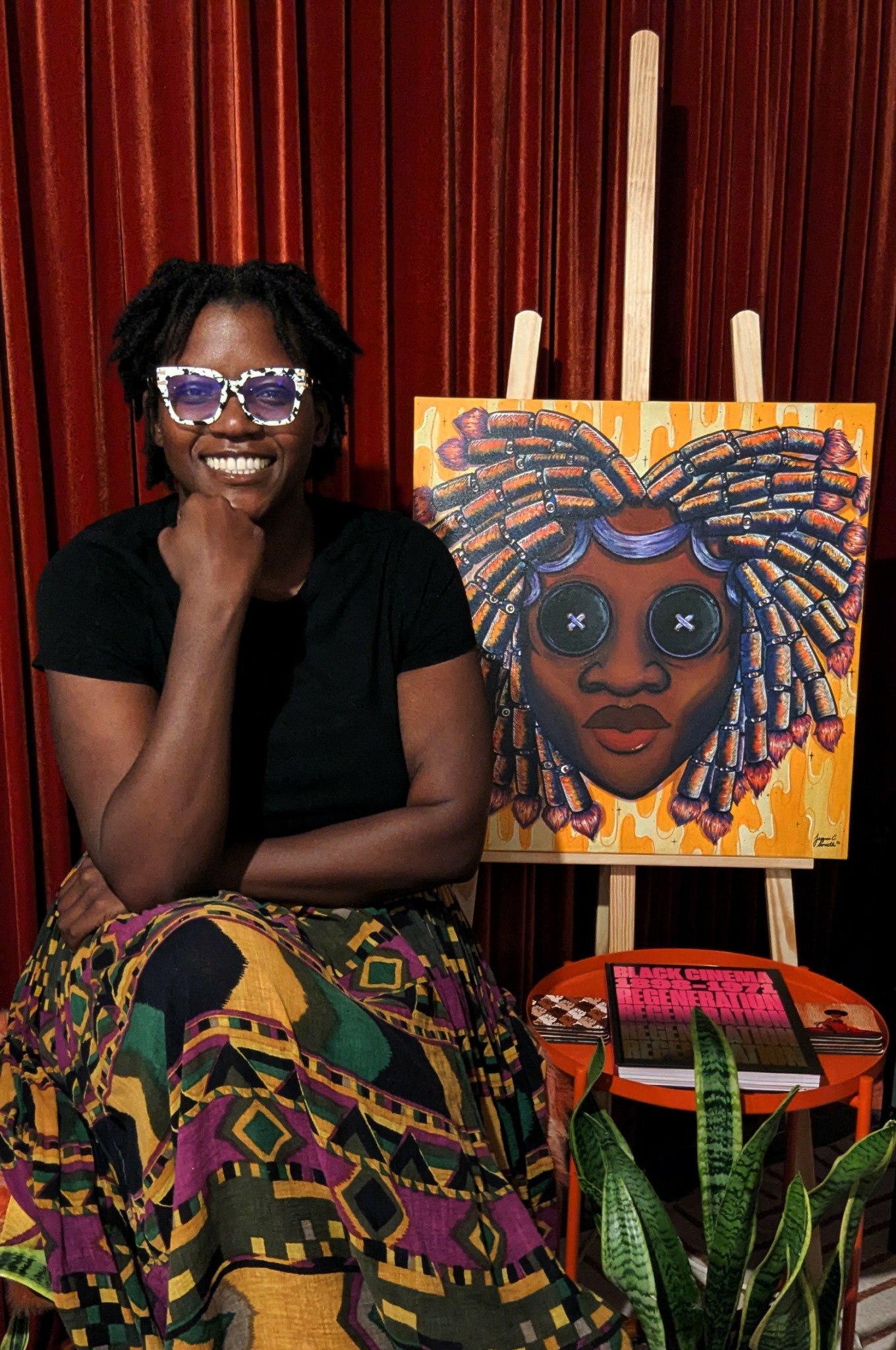

Alright – so today we’ve got the honor of introducing you to Jacqui C. Smith. We think you’ll enjoy our conversation, we’ve shared it below.
Alright, Jacqui C. thanks for taking the time to share your stories and insights with us today. I’m sure there have been days where the challenges of being an artist or creative force you to think about what it would be like to just have a regular job. When’s the last time you felt that way? Did you have any insights from the experience?
Creativity has always been woven into my life. As a child, every career I dreamed about was somehow connected to art. First, I wanted to be a fashion designer, then an architect, and eventually an animator. Because of that, I never seriously imagined myself pursuing a non-creative career beyond temporary jobs to help pay the bills during slower seasons.
Then the slow seasons stopped being seasons.
In early 2024, I was working full-time as an illustrator while recovering from surgery and trying to find my footing after a period of burnout. At the same time, AI platforms were rapidly emerging and the creative landscape felt like it was shifting beneath my feet. Projects that once came steadily started disappearing. The inbox that had once brought opportunities began bringing silence. Month after month, I watched my income shrink until I was barely making enough to survive.
One afternoon, I received a text from a former boss at a fashion company where I had occasionally picked up extra work. He asked if I was available for a few hours. I replied yes, but then added a question of my own: “Would you consider hiring me full-time?”
To my surprise, they said yes.
Suddenly, I had stability again. A steady paycheck. Predictable hours. Benefits. I threw myself into the work, learning every position I could. Eventually, I became Assistant Wholesale Manager and later Production Manager. For the first time in a long while, I wasn’t wondering how I was going to pay my bills. On paper, everything was improving. But every morning I would walk into the office feeling like a piece of me had been left somewhere else. I was succeeding professionally, yet I felt disconnected from the thing that had always given my life meaning. I missed creating. I missed storytelling. I missed being surrounded by people who believed art could change lives.
Then, in December 2024, something unexpected happened.
My cousin Hiawatha and his wife Veronica, who owned a Black-centered art gallery in Seattle, invited me to dinner while they were visiting Los Angeles. I thought we were simply catching up. Instead, somewhere between dinner conversations and stories about the gallery, I realized I was being interviewed.
During that meeting, Veronica, the gallery’s founder and visionary, invited me to attend a women’s retreat they were hosting in Seattle. I hesitantly accepted. Deep down, I knew I needed a change. What I didn’t realize was how much that retreat would challenge me to examine what was missing from my life.
For several days, I sat with difficult questions. What fulfills me? What kind of impact do I want to have? What would it look like to build a life that aligns with my purpose instead of simply providing security?
By the end of the retreat, I had my answer. I told them I wanted to move to Seattle and join the team.
A few months later, I downsized, packed up my life, and became the General Manager of WOW Gallery. It was one of the most transformative experiences of my career. For the first time, I was immersed in a space dedicated to celebrating Black women through art, storytelling, and community. Every day showed me new possibilities for what an artist’s life could be. I wasn’t just managing a gallery; I was witnessing how creativity could heal, empower, and connect people. I felt alive again.
Then, just as quickly, everything changed.
The gallery closed.
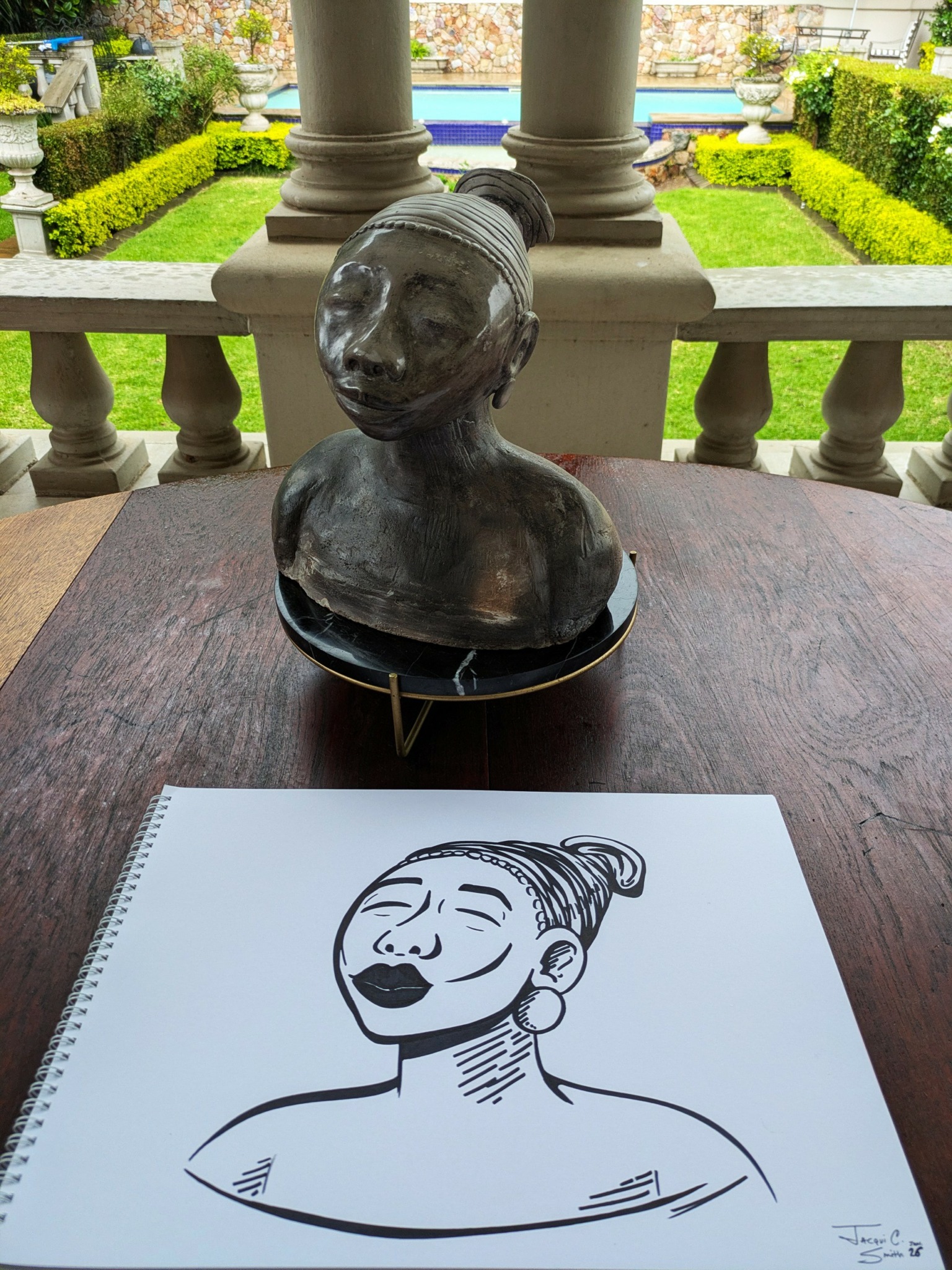
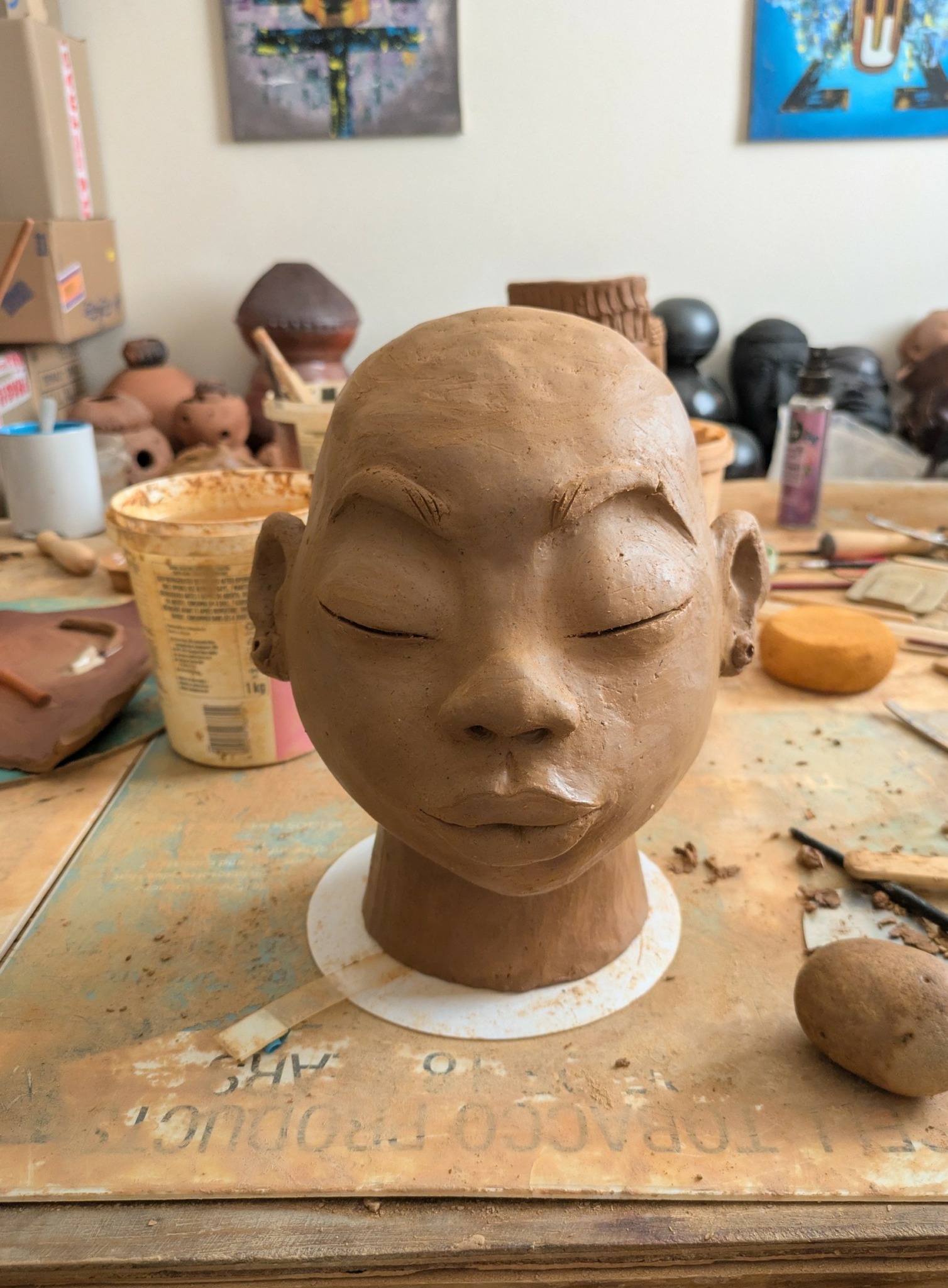
After a two-month sabbatical, our team traveled to Johannesburg, South Africa. Looking back, that trip completed the puzzle. While Seattle had reconnected me to community and purpose, Johannesburg reconnected me to making art itself. I met artists like painter Joel Mamboka (IG @mamboka_joel_studio), painter Emmanuel Nguga (IG @emmanuel_ngunga_) & ceramicist Mpho (IG @mphossible), who were creating boldly despite obstacles that would stop many people. Their work, courage, and imagination challenged me. They reminded me that pursuing your calling isn’t about certainty. It’s about commitment.
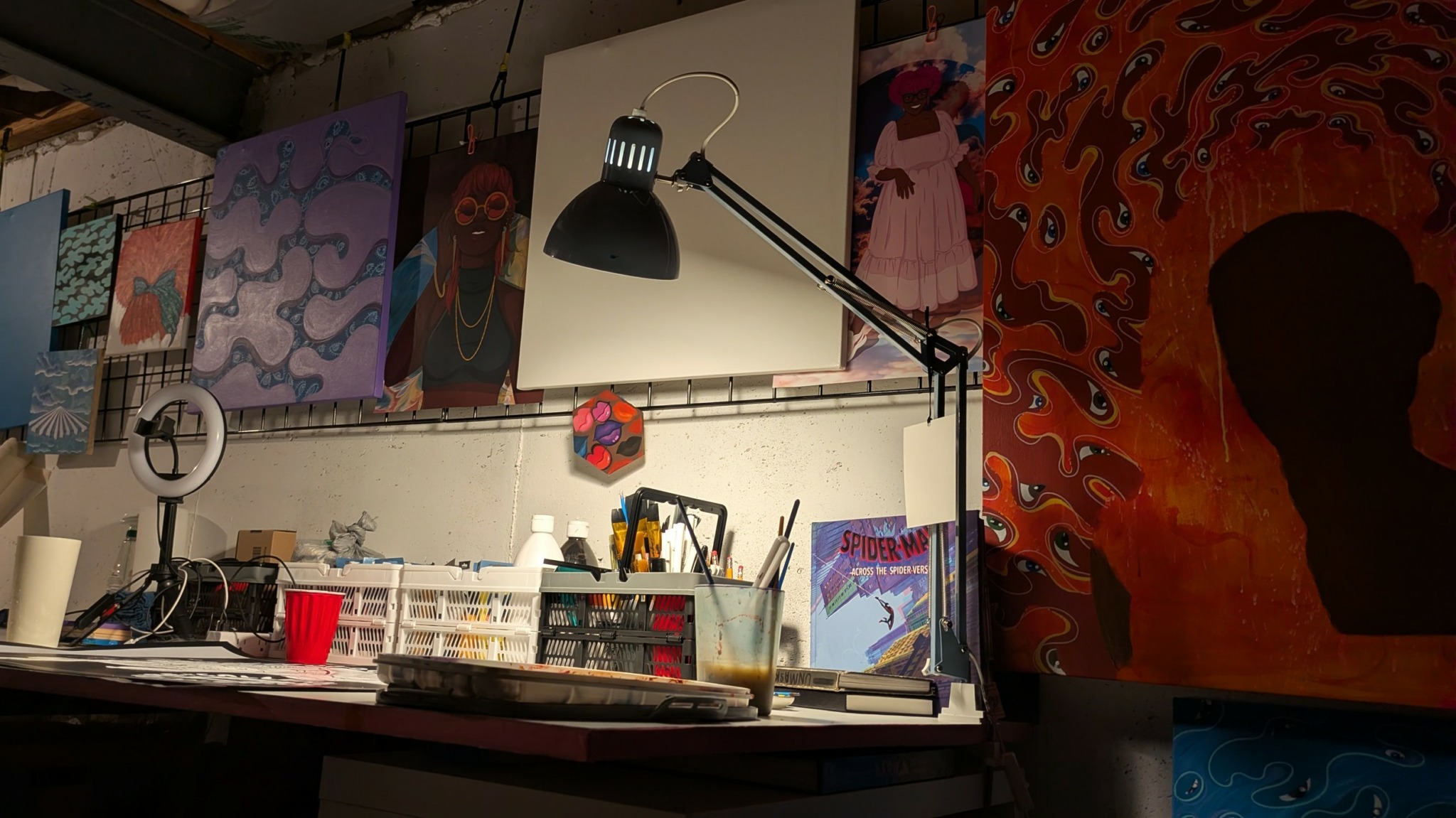
By the time I returned to the United States, I knew what I needed to do. I packed up my apartment in Seattle, moved back to the south suburbs of Chicago, and set up a studio in my mom’s basement.
Today, my life is somehow both better and harder than it has ever been. The challenges that pushed me toward a traditional career haven’t disappeared. Funding is still difficult. Clients can be unpredictable. The market is constantly changing. Some days are filled with uncertainty. But when I walk into my studio each morning, I feel something I never felt during my most stable years in fashion: peace.
The last time I seriously wondered whether I should leave art behind for a more conventional career, I ultimately discovered that the question wasn’t really about money or job titles. It was about purpose. Stability matters, and I have immense respect for people whose fulfillment comes from traditional careers. But my journey taught me that creativity is not simply what I do for a living. It’s how I contribute to the world. It’s how I connect with people. It’s how I make meaning of my experiences.
For me, art isn’t just a career path. It’s home.
Great, appreciate you sharing that with us. Before we ask you to share more of your insights, can you take a moment to introduce yourself and how you got to where you are today to our readers.
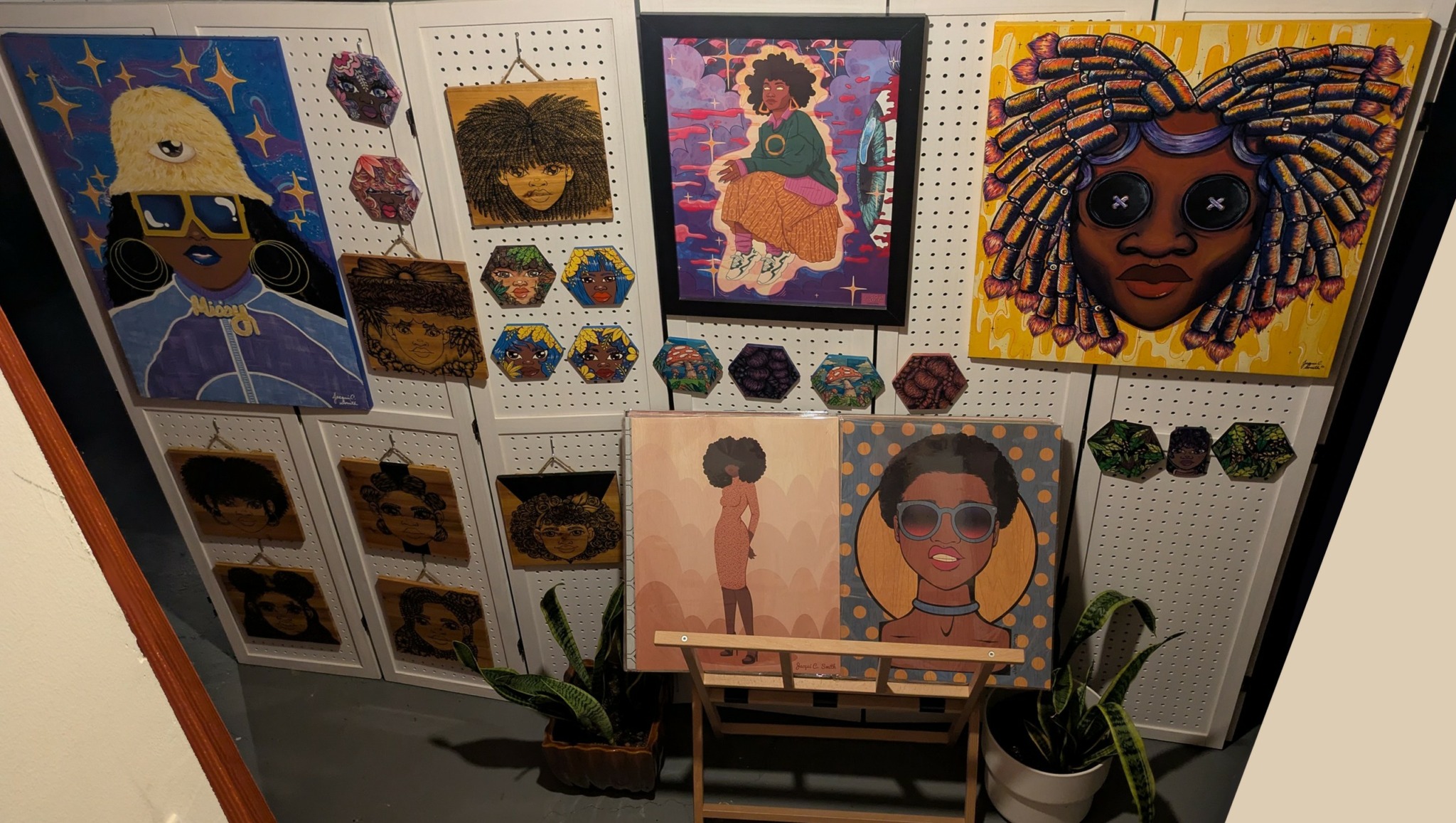
My name is Jacqui C. Smith, and I am a multidisciplinary artist, illustrator, and creative leader whose work explores the beauty, identity, emotional complexity, and versatility of Black women.
I earned a degree in Traditional Animation from Columbia College Chicago and began my career as a freelance illustrator. Over the years, I have illustrated more than twenty-five children’s books, created artwork for clients including Harlequin UK, Scholastic UK, and YWCA, and designed more than sixty large-scale murals in Walmarts across twenty-three states. Through each project, I have remained committed to using visual storytelling as a tool for connection, representation, and empowerment.
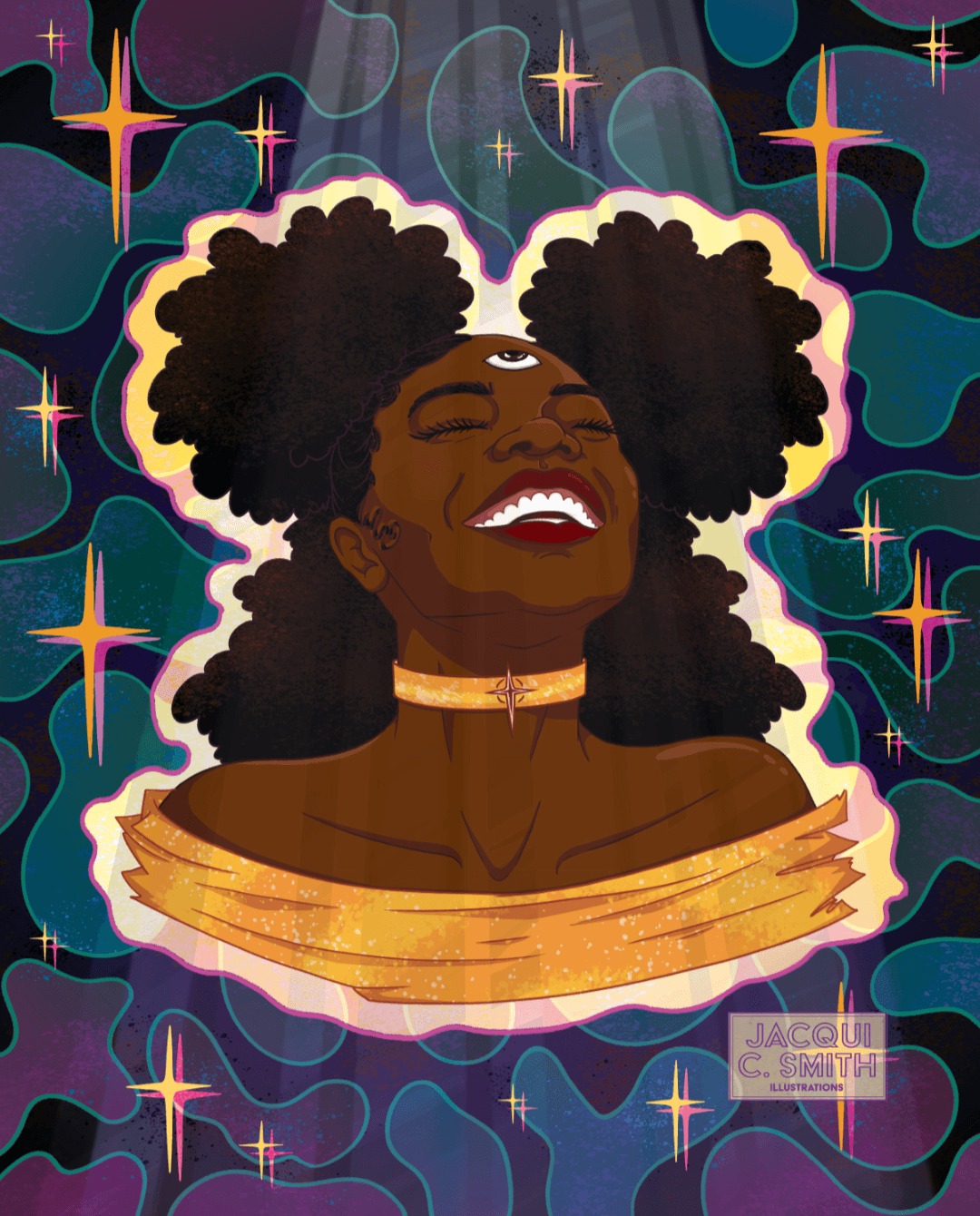
Today, my practice spans illustration, painting, mixed media, public art, and community-centered creative work. Afro-futurism, Surrealism, Black culture, Animation, and a love of bold color and vibrant imagery heavily influence my visual language. I am drawn to creating work that feels both familiar and dreamlike, inviting viewers to reflect on identity, belonging, and self-discovery.
My current body of work, Unmasking, explores the identities we construct, conceal, and reveal throughout our lives. Through portraiture, symbolism, and layered storytelling, the series examines authenticity, vulnerability, and the process of allowing ourselves to be fully seen.
What sets my work apart is my commitment to centering Black women in all of their complexity. I strive to create images that celebrate joy, softness, strength, imagination, resilience, vulnerability, and possibility. Whether through a painting, mural, illustration, or gallery installation, my goal is to create work that expands representation and invites connection.
More than any single accomplishment, I am proud of the impact the work has had on the people who encounter it. Whether it’s a child seeing themselves reflected in a book, a community connecting with a public artwork, or a viewer finding a piece of their own story within a painting, those moments of recognition are what matter most to me.
If there is one thing I hope people take away from my work, it is that representation is about more than visibility. It is about creating space for people to feel seen, understood, and valued.
Have you ever had to pivot?
One of the most significant pivots in my career is the one I’m currently navigating.
For most of my professional life, I was known as an illustrator and mural designer. My work centered around client projects, children’s books, public art, and visual storytelling for brands and organizations. While I loved that work, I began to realize there were stories and questions I wanted to explore that didn’t fit neatly inside a client brief.
Instead of asking, “What does the client need?” I started asking, “What do I want to say?”
That question became the foundation for my transition into fine art. Through painting and mixed media, I am creating work that is more personal, experimental, and emotionally vulnerable than anything I have made before. My current body of work, Unmasking, explores identity, authenticity, and the masks we wear to navigate the world.
The pivot hasn’t been without challenges. Building a fine art practice requires a different mindset, a different audience, and a willingness to embrace uncertainty. But it has also been one of the most rewarding transitions of my career because it has allowed me to create from a place of deeper curiosity and personal truth.
What I’ve learned is that growth often requires permitting yourself to evolve. The skills I developed as an illustrator haven’t disappeared, but have simply become part of a larger artistic language that continues to expand.
What can society do to ensure an environment that’s helpful to artists and creatives?
One of the most impactful ways society can support artists is by investing in affordable housing and creative spaces designed for working artists.
For two years, I lived at the Hollywood Arts Collective in Los Angeles and was one of the property’s earliest residents. The affordable rent allowed me to live independently and continue pursuing my creative career during a period when many artists were being priced out of the city. The building also offered valuable resident services and community resources.
At the same time, the experience highlighted an important gap. While the housing was intended for artists, it wasn’t truly designed with the realities of an artist’s practice in mind. There was little flexible space for creating artwork and limited accommodations for working artists. And the affordability was an illusion. Due to annual rent hikes that significantly impacted struggling artists, many were unable to afford the housing designed for them.
Artists don’t just need affordable places to live; they need affordable places to create. Too often, those conversations are separated when they’re deeply connected. When artists spend the majority of their income on housing or lose access to creative workspaces, entire creative communities suffer.
If we want thriving creative ecosystems, we need to invest in the infrastructure that supports them: affordable housing, accessible studio space, public arts funding, and community-centered creative hubs. When artists can sustain themselves and their practices, they can contribute more fully to the cultural life of their communities.
Contact Info:
- Website: http://www.jacquicsmith.com
- Instagram: https://www.instagram.com/jacquicsmith/
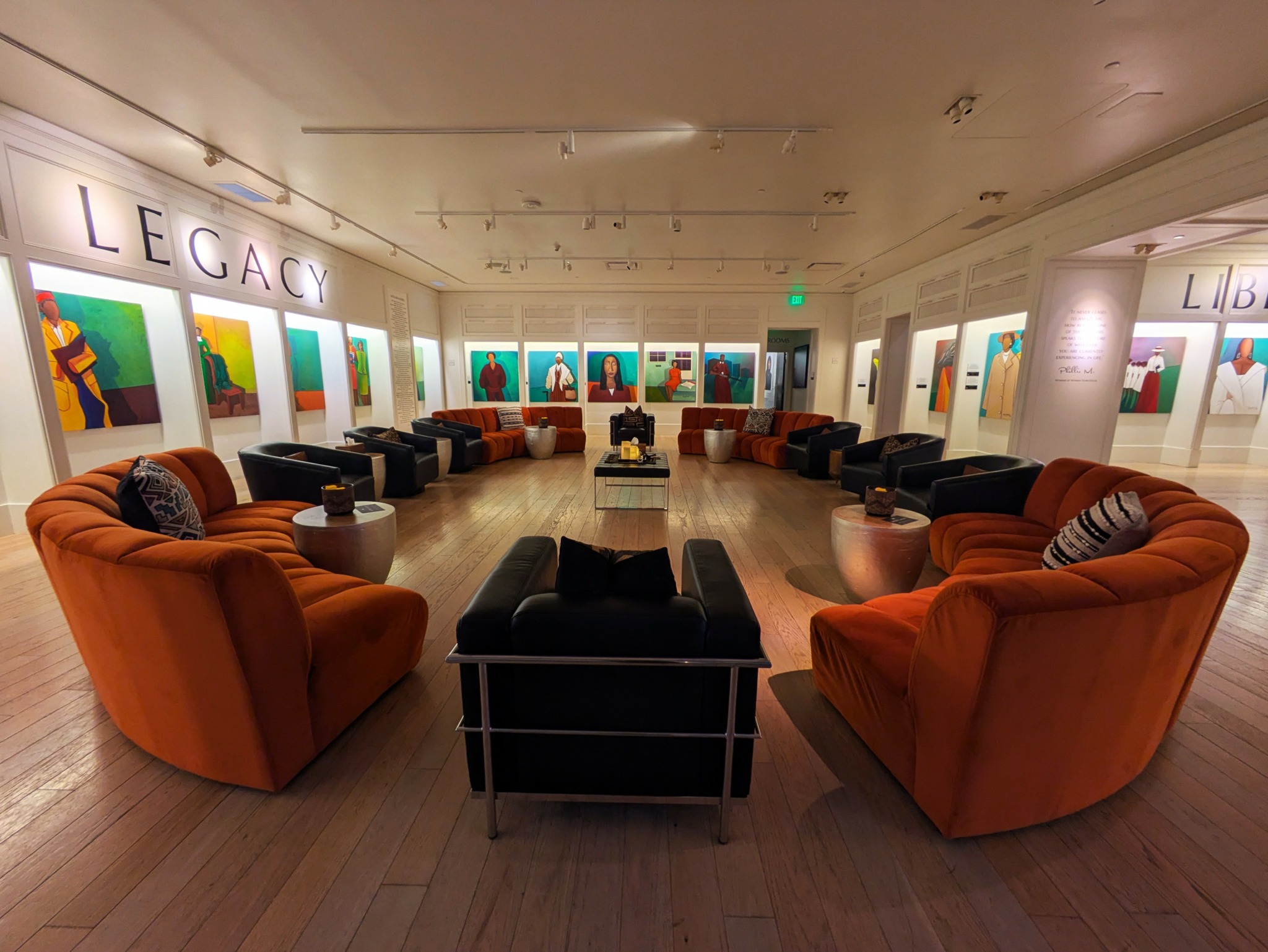
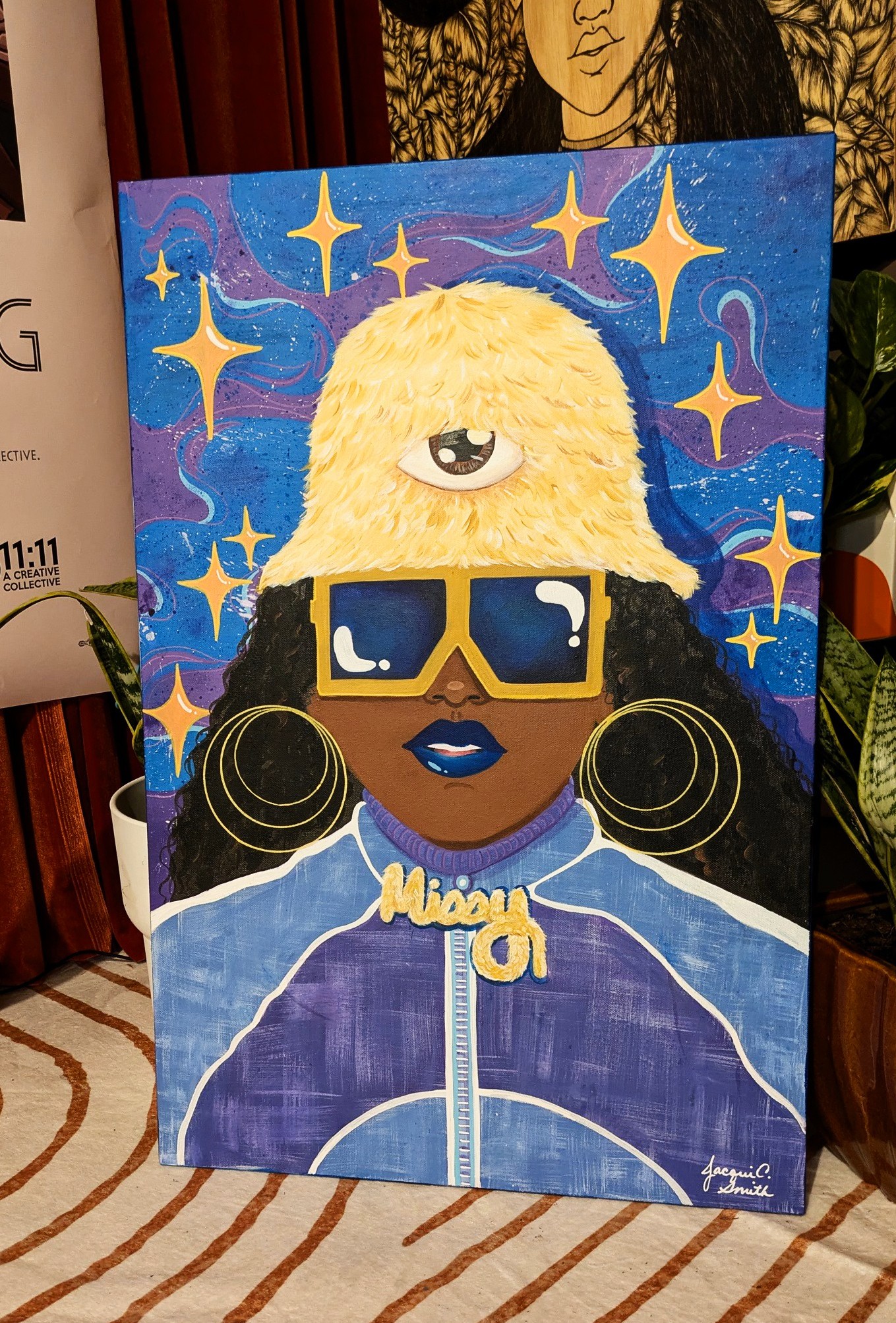
Image Credits
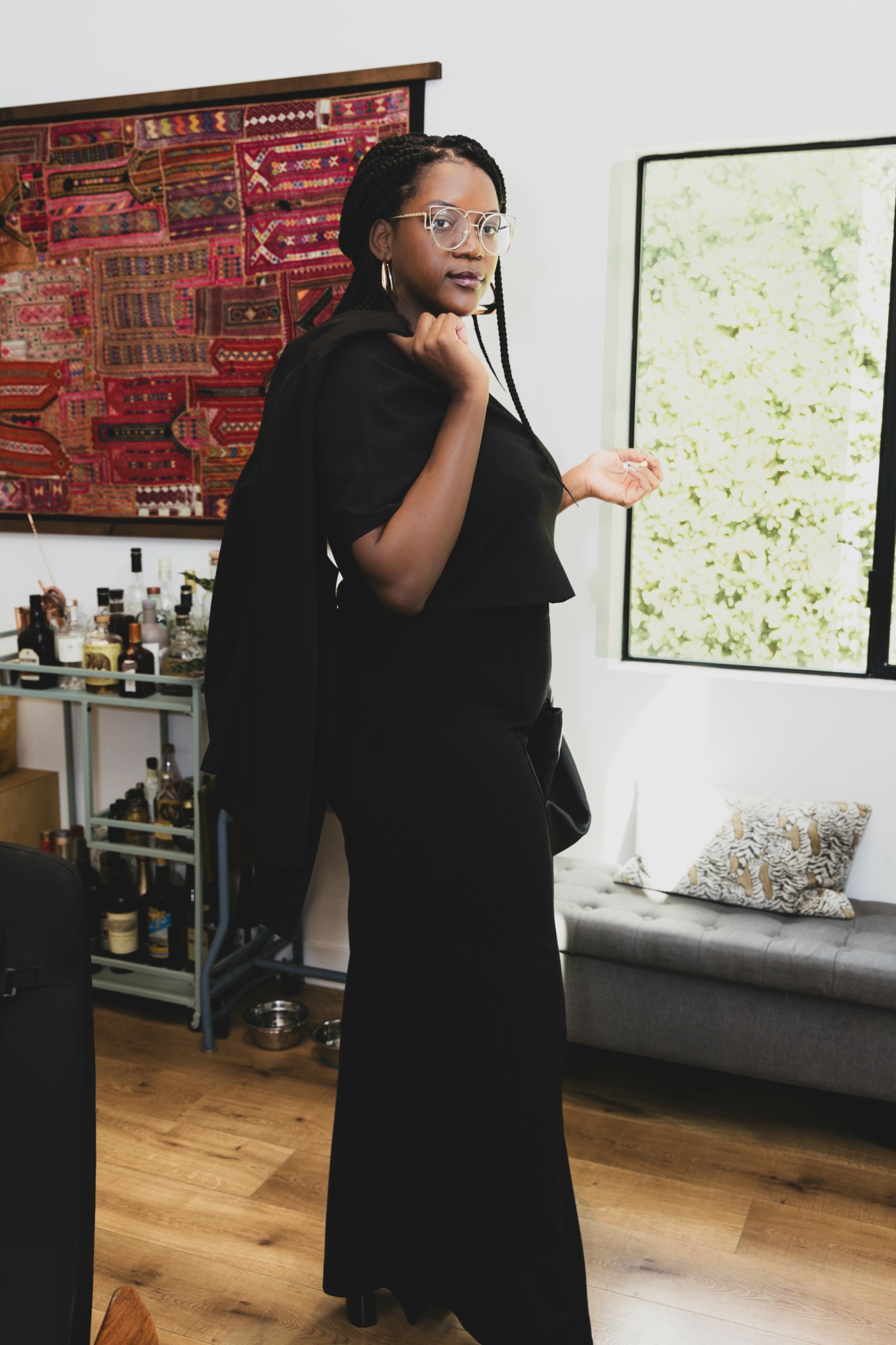
Fashion_Ripley Rader_2024.jpg – Credit: Ripley Rader