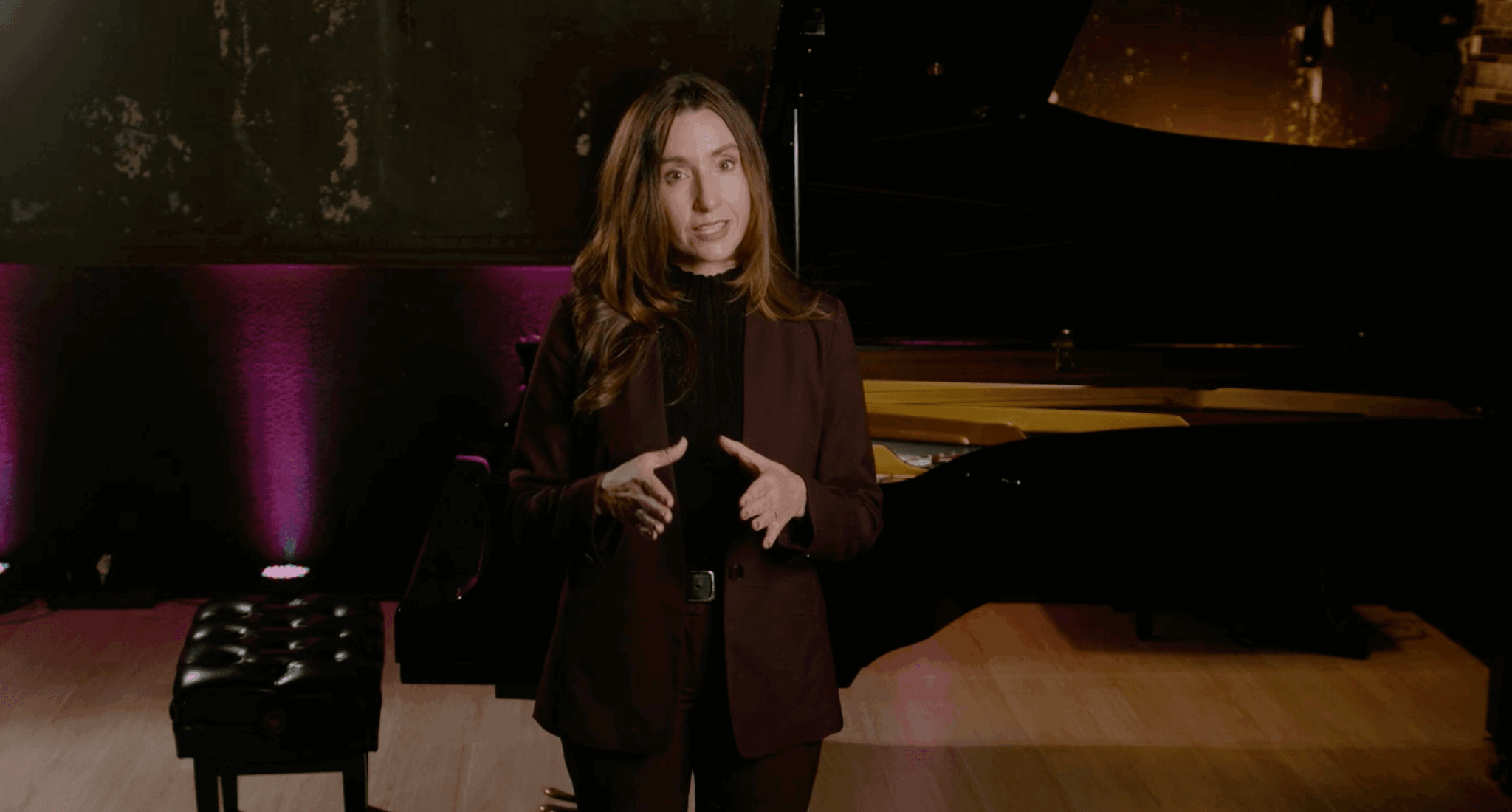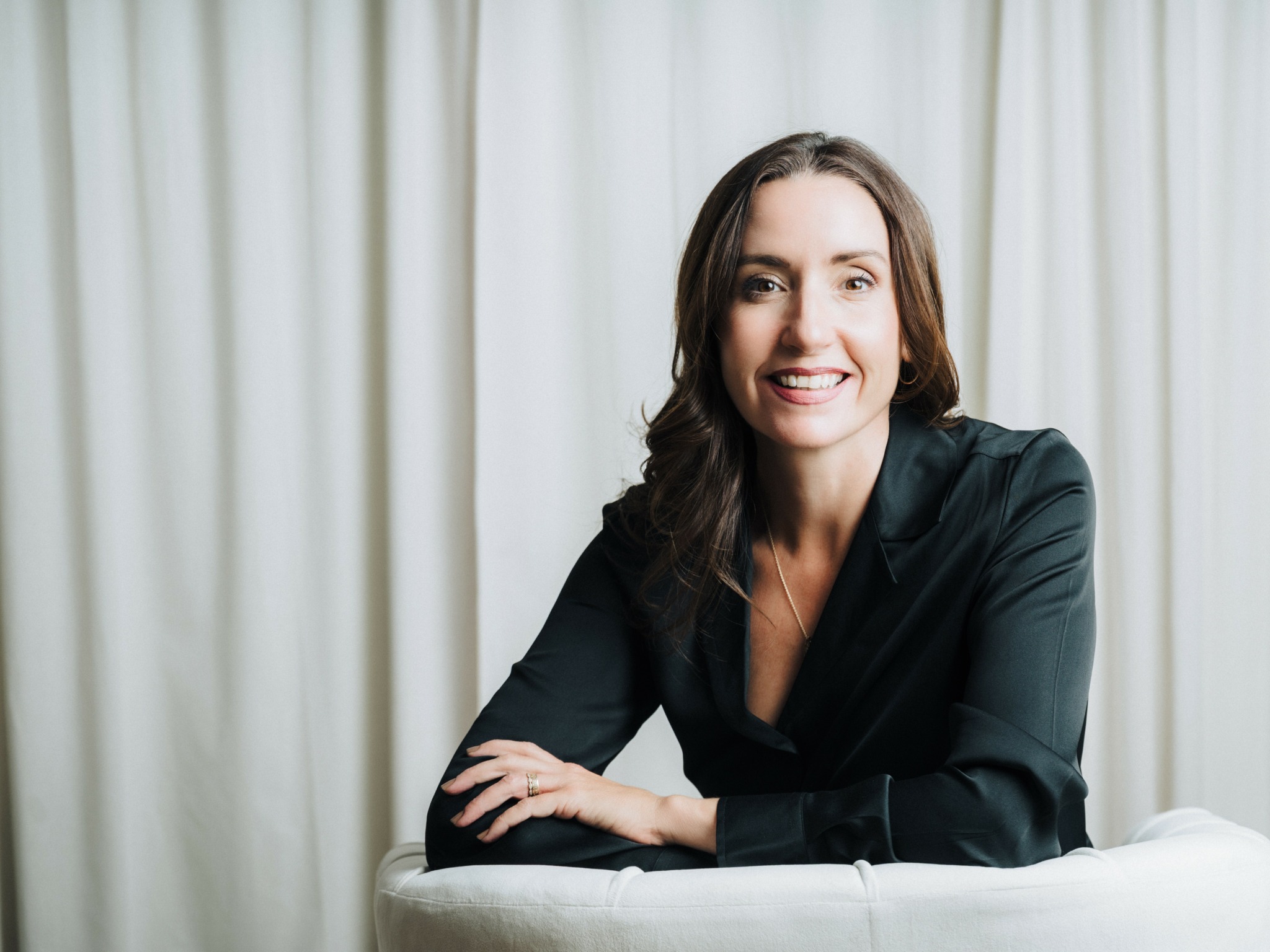

Alright – so today we’ve got the honor of introducing you to Heidi Vass. We think you’ll enjoy our conversation, we’ve shared it below.
Heidi, thanks for taking the time to share your stories with us today Learning the craft is often a unique journey from every creative – we’d love to hear about your journey and if knowing what you know now, you would have done anything differently to speed up the learning process.
As a voice teacher, it is not enough to know how to sing. You have to understand the instrument, respect the individual, be able to diagnose vocal faults, and communicate effective solutions that will work in the context of another person.
I received my foundational training in vocal pedagogy at Westminster Choir College in the 1990s and completed my master’s work at USC. I have been working in the field as a university professor, and now in private practice, for over 25 years. I also led the launch of the tonebase Voice platform, the world’s largest classical music education platform.
Across all of these roles, I have come to recognize that there are certain skills required to be an effective voice teacher.
First, you have to have the training. There are many people offering voice lessons who have never truly studied the instrument or the science behind the process. In 2025, during a panel for the Voice Foundation, Dr. Robert Sataloff addressed this issue directly, noting that many individuals teaching voice are not qualified to do so, and that this is contributing to a significant number of singers ending up in ENT and otolaryngology offices each year.
The human voice is a delicate instrument, and negligent training can lead to serious negative outcomes. I take that responsibility very seriously.
Not only have I been working in this field for over 25 years, but I also remain committed to staying current with the latest research in voice science, vocal health, and singing practice. Even a master’s degree in voice is not enough. If you are not continually curious about the instrument, you do your clients a disservice.
I take my work seriously because it involves someone else’s voice. When you approach teaching with a service mindset, you have an obligation to be informed, thoughtful, and responsible.
One of the major obstacles today is the overwhelming amount of information available online that claims to teach people how to sing. There is a seemingly endless supply of influencers, and even well-meaning voice teachers, offering quick fixes for vocal improvement.
The problem is that even good information may not be the right information for you in a given moment. Constantly trying new tips and tricks can lead to cognitive overload and muscular confusion. Undoing these quick-fix strategies can be difficult and time-consuming.
Building a solid technical foundation takes time. In an environment dominated by quick solutions and flashy content, the real work of developing the voice can easily be derailed by the constant influx of new techniques.
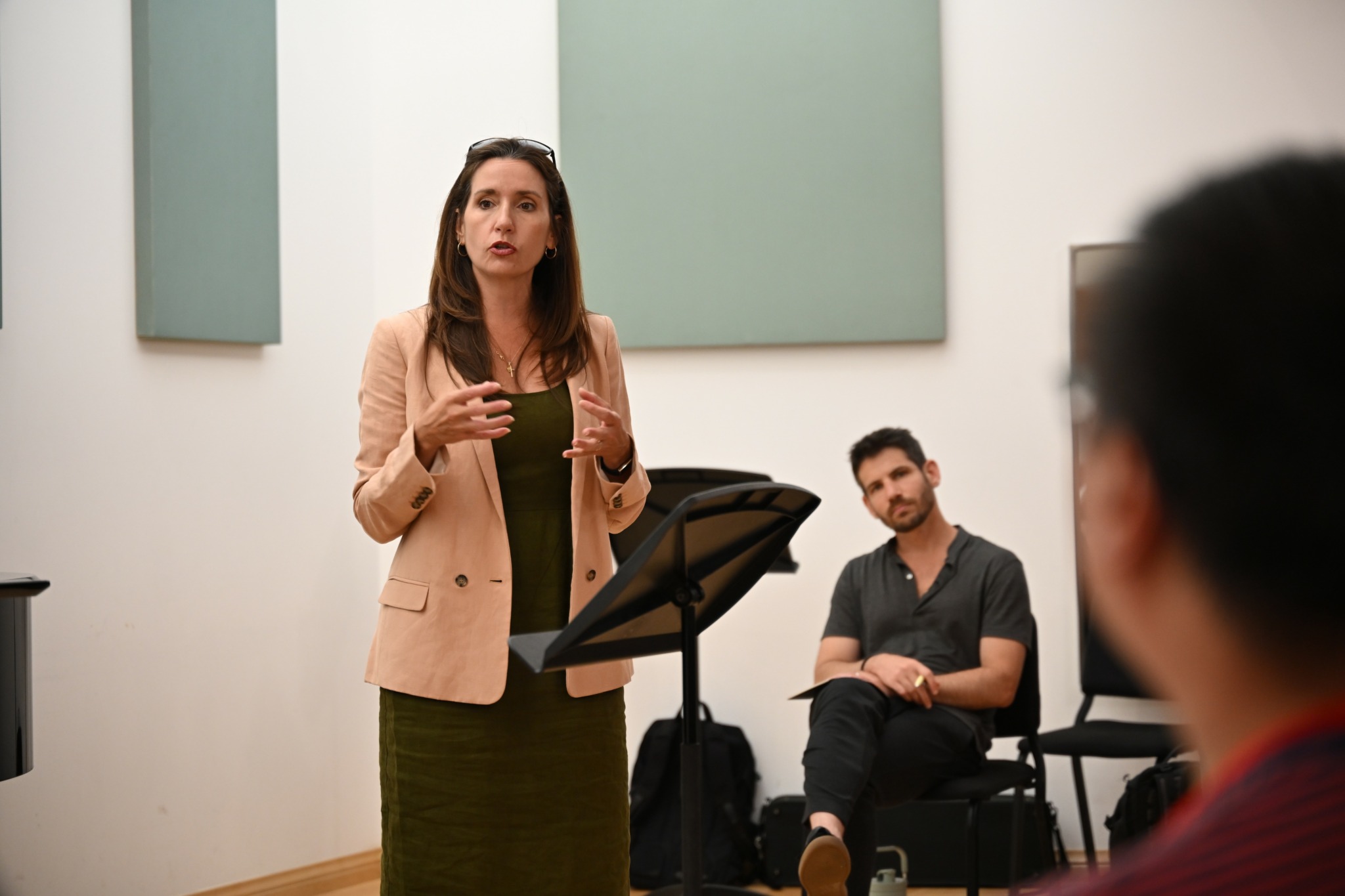
Heidi, before we move on to more of these sorts of questions, can you take some time to bring our readers up to speed on you and what you do?
I came to this work as a singer first. Like many musicians, I was initially focused on performance, but during my undergraduate studies I discovered that I was just as drawn to understanding how the voice works as I was to using it. I had the privilege of studying with Marvin Keenze and Scott McCoy, both luminaries in the field of vocal pedagogy, and that experience fundamentally shifted my path. It was the first time I encountered voice teaching approached with real intellectual rigor and scientific curiosity. That foundation was further cemented in graduate school, where my focus on pedagogy deepened and ultimately shaped the direction of my career.
My work now centers on helping singers build technique that is functional, reliable, and adaptable across styles. I specialize in style differentiation, working with singers preparing for Broadway callbacks, college auditions, album releases, or simply looking to sing more efficiently and confidently in a choir setting. Regardless of the goal, the underlying work is about building coordination that can translate across different musical demands.
One of the biggest challenges singers face today is not a lack of information, but a lack of clarity. There is an overwhelming amount of content online offering solutions, and even when that information is well intentioned, it is not always relevant to the individual singer in that moment. Without the right context, singers can end up cycling through techniques without ever building consistency.
What I do is help singers cut through that noise. I identify what is actually happening in the voice and provide solutions that are specific, practical, and immediately applicable. Just as importantly, I help them understand how to adjust those solutions as the musical context changes, so they are not locked into a single approach.
I approach this work with a strong sense of responsibility. The voice is a physical instrument, and training it requires care, precision, and an understanding of long-term development. My goal is always to create progress that is efficient, sustainable, and grounded in how the instrument actually functions.
What sets my work apart is the combination of depth and application. I stay closely connected to developments in voice science and pedagogy, but I am equally focused on translating that knowledge into clear, usable strategies that singers can implement right away.
What I am most proud of is helping singers move from inconsistency to reliability. Whether someone is preparing for a high-stakes performance or simply wants to feel more in control of their voice, that shift has a lasting impact.
At its core, my work is about giving singers a way forward that makes sense. Not more information, but better information, delivered at the right time, in a way they can actually use.
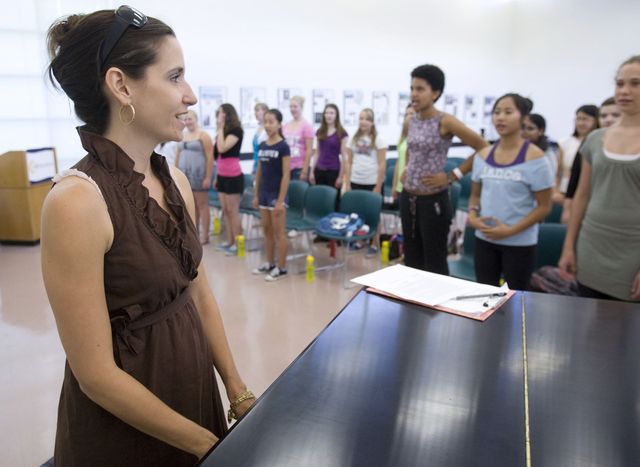
Is there a particular goal or mission driving your creative journey?
It’s really about helping singers find their voice. So many people assume that their singing voice is simply what comes out when they decide to sing. They don’t realize that the human voice has the capacity to produce nearly three million different sounds. So much of how we sing is shaped by the choices we make.
When singers begin to discover what is actually possible in their own sound, it is incredibly empowering. That is why I love what I do. Introducing singers to the full potential of their voice and helping them shape their artistry in a way that gives them real control over the process is my “why.”
I can’t think of a more rewarding line of work.
What can society do to ensure an environment that’s helpful to artists and creatives?
One of the most important things society can do is actively support live, human-created art. That means showing up. Attend concerts, go to performances, sit in the room with real artists making real sound in real time. There is no substitute for that experience, and those moments are what sustain both the artist and the art form.
We also need to encourage people to cultivate their own inner artist. Creativity is not reserved for professionals. When more people engage with music, singing, and the arts in their own lives, they develop a deeper respect for the skill, discipline, and training that goes into it. That creates a culture that values artistry rather than consuming it passively.
A thriving creative ecosystem depends on both participation and support. We need audiences who are willing to invest their time and attention, and individuals who are willing to stay connected to their own creative voice. When those two things are in place, the arts don’t just survive, they thrive.
Contact Info:
- Website: https://www.heidivass.co
- Instagram: https://www.instagram.com/heidivalenciavass/
- Facebook: https://www.facebook.com/heidi.vass