
We were lucky to catch up with Heather Hays recently and have shared our conversation below.
Heather , thanks for taking the time to share your stories with us today Do you think your parents have had a meaningful impact on you and your journey?
I grew up in a home where love didn’t always look soft—it often looked like structure, discipline, and high expectations. My parents believed in me long before I fully understood what that meant, and they made sure I felt it not just through words, but through how they raised me.
They were strict, no question about it. There were rules, clear boundaries, and consequences when I pushed against them. At the time, it sometimes felt limiting, like I was being held back from the freedom I saw other kids have. But looking back, I realize those boundaries were never about control—they were about building something steady inside me. They were teaching me responsibility, resilience, and the ability to follow through, even when things were hard.
My parents didn’t just want me to do well—they expected it. They set the bar high, and then stood beside me, making it clear that I was capable of reaching it. There wasn’t much room for excuses, but there was always room for growth. When I doubted myself, they didn’t lower the standard; they reminded me I could rise to meet it. That belief shaped how I see challenges even now—not as barriers, but as invitations to step up.
My mom was the heart of encouragement in our home. She had a way of making me feel seen and understood, even when I was struggling. She kept communication open, making it safe to talk about fears, mistakes, and dreams. She didn’t just listen—she believed. When I had an idea, no matter how big or uncertain, she would meet it with warmth and reassurance: You can do this. That steady support gave me the courage to imagine a future bigger than what I could see in front of me.
And then there was my dad, whose lessons often came without many words. He worked hard—consistently, quietly, and without complaint. I watched him show up day after day, putting in the effort, doing what needed to be done. He didn’t need to lecture me about discipline or commit
Together, my parents created a balance that shaped me in lasting ways. From them, I learned that love can be both firm and gentle. That belief in yourself is something that can be taught. That hard work matters. And that having people who push you, support you, and expect the best from you is one of the greatest gifts you can receive.
Their parenting wasn’t perfect—no one’s is—but it was intentional, and it was full of purpose. And because of that, I grew up not just feeling loved, but prepared.
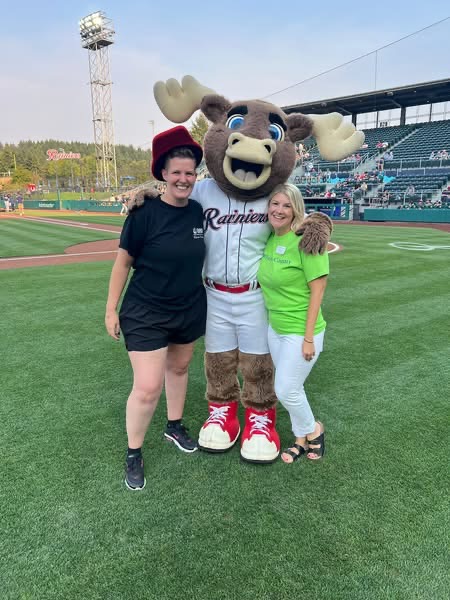
Heather , love having you share your insights with us. Before we ask you more questions, maybe you can take a moment to introduce yourself to our readers who might have missed our earlier conversations?
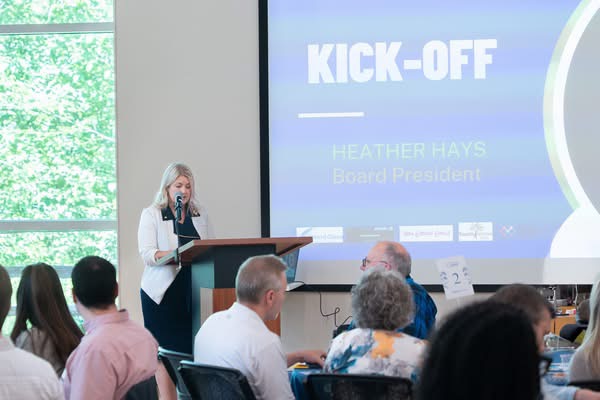
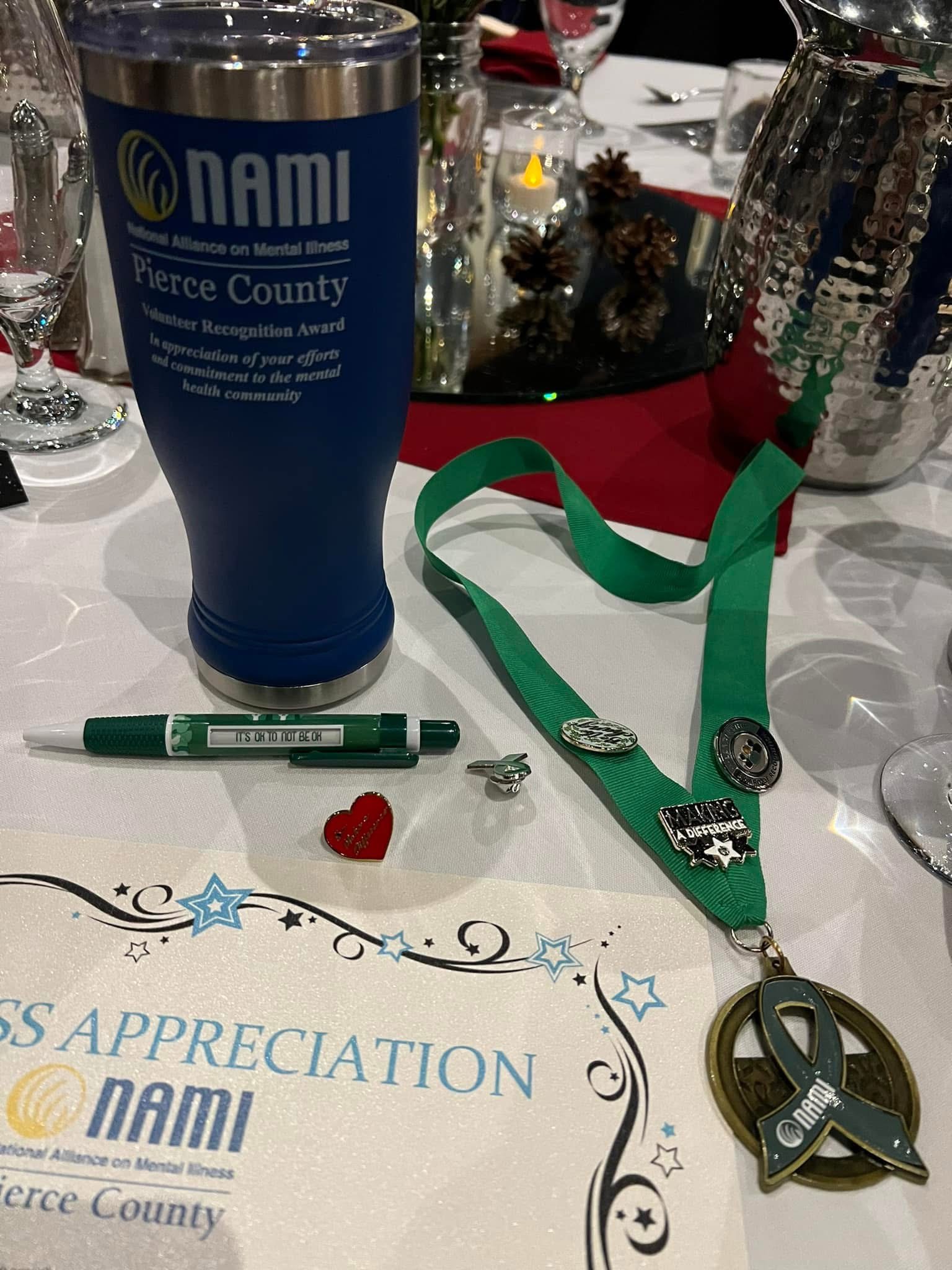
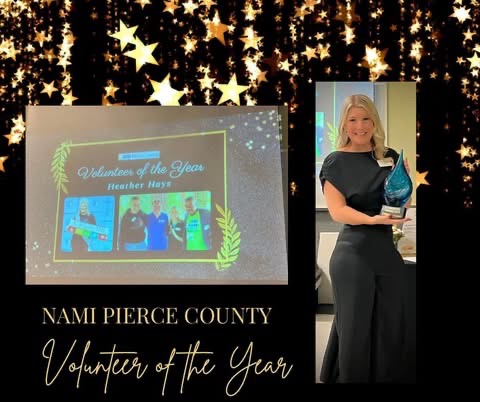
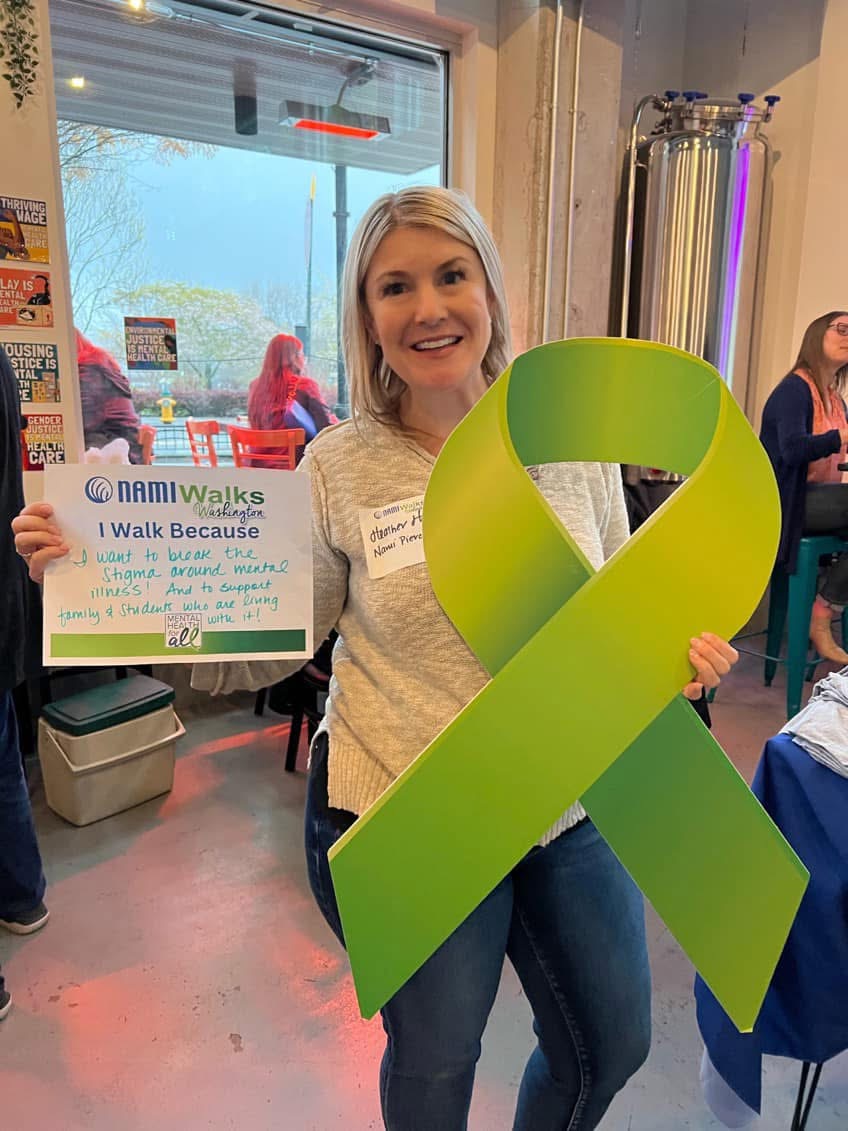
Over the past four years, I have had the privilege of volunteering with NAMI Pierce County, serving most recently as Board President. This role has been a meaningful extension of my lifelong commitment to mental health advocacy and awareness. Throughout my career as a high school counselor and social worker, I have seen firsthand the growing and urgent need for mental health support—especially among young people and families navigating complex challenges. That experience has shaped not only my professional path but also my passion for breaking stigma, expanding access to resources, and building compassionate communities.
Serving in a leadership role with NAMI Pierce County has allowed me to channel that passion into action—supporting programs, advocating for equity in mental health care, and working alongside dedicated individuals who share a common purpose. It has been deeply rewarding to contribute to an organization that empowers individuals and families, amplifies lived experiences, and fosters hope. This work is more than volunteer service to me—it is a reflection of the values that have guided my career and a cause I will continue to champion.

Putting training and knowledge aside, what else do you think really matters in terms of succeeding in your field?
Sustaining a long and meaningful career in mental health—whether through professional work or volunteer service—is both deeply rewarding and uniquely demanding. It requires intention, reflection, and a commitment not only to others, but to yourself.
At the heart of longevity in this field is prioritizing self-care. Supporting others through their struggles can be emotionally taxing, and without regular restoration, burnout can quietly take hold. Self-care isn’t just occasional time off—it’s a consistent practice. This might look like maintaining healthy routines, seeking your own counseling or supervision, spending time in nature, or simply allowing space to rest. When you take care of yourself, you show up more fully and sustainably for others.
Equally important is setting and maintaining healthy boundaries. In mental health work, it’s natural to feel deeply connected to the people you serve. However, carrying their pain as your own or overextending beyond your capacity can lead to compassion fatigue. Boundaries are not barriers—they are safeguards. They allow you to be present and empathetic while still protecting your own well-being. Knowing when to step back, refer out, or say no is not a weakness—it’s a professional strength.
Another essential element is practicing self-compassion and forgiveness. In this work, you will encounter moments where outcomes are not what you hoped for. You may question whether you did enough or made the right decision. It’s important to remember that you are only one person. You cannot fix everything, and you are not meant to. Offering yourself grace in those moments allows you to continue forward without carrying unnecessary guilt or self-doubt.
Sustaining a career in mental health also means staying connected to your purpose and passion. Revisit why you started. Celebrate small wins. Recognize the quiet, often unseen impact you are making in people’s lives. Over time, it’s these moments that build resilience and reaffirm your commitment.
Finally, lean on community. Whether it’s colleagues, peer support groups, or fellow volunteers, having people who understand the work can make all the difference. Sharing experiences, processing challenges, and supporting one another creates a sense of belonging and reduces isolation.
A long career in mental health isn’t about doing everything—it’s about doing what you can, with care, consistency, and compassion. When you honor your own limits while continuing to show up for others, you create a sustainable path that allows both you and those you serve to thrive.
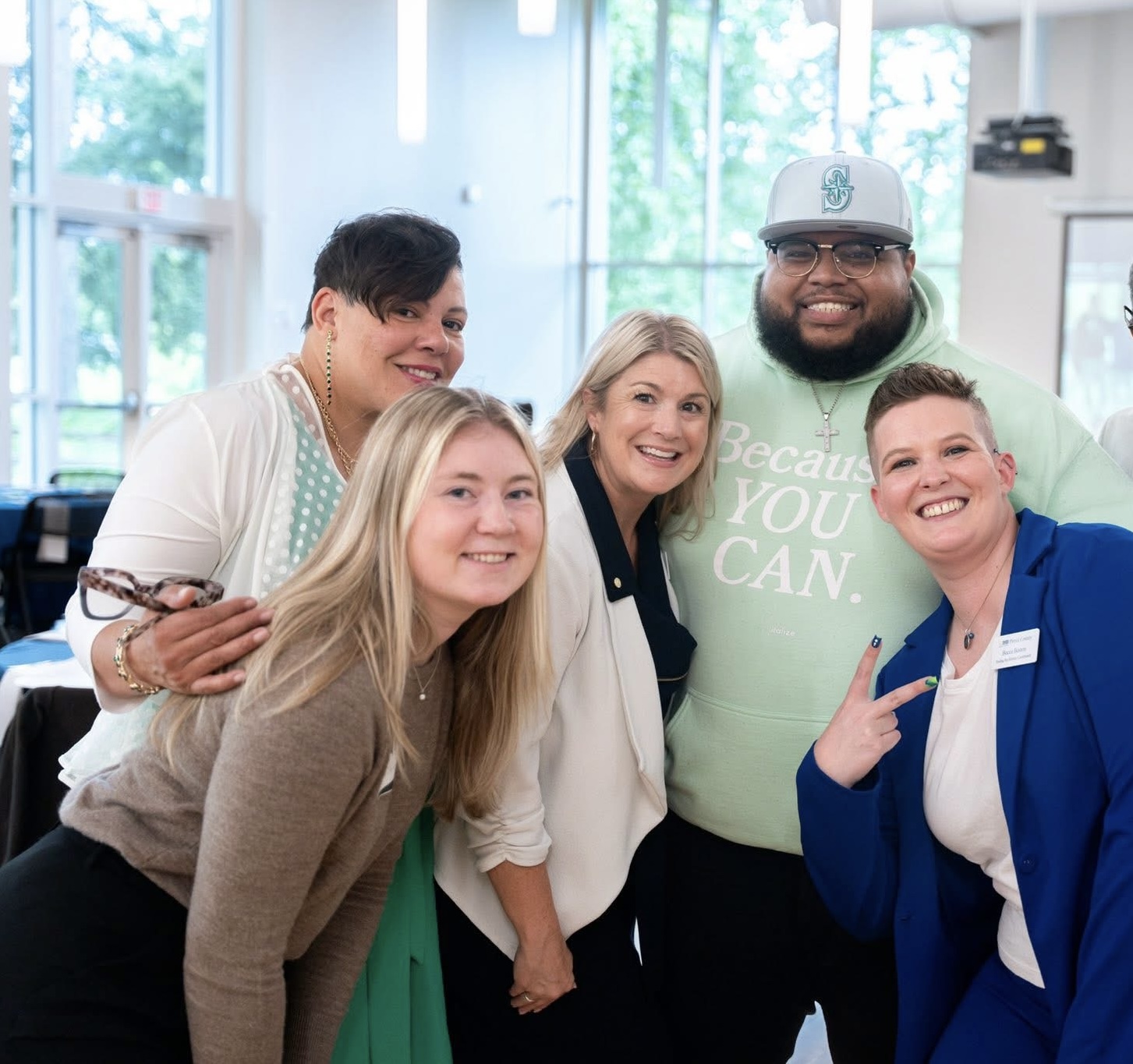
Do you think you’d choose a different profession or specialty if you were starting now?
If I had the chance to go back and choose my career path again, I would still choose to work in the field of mental health—without hesitation.
This work has never just been a job; it has been a calling rooted in connection, compassion, and purpose. Being able to walk alongside individuals during some of their most vulnerable moments is both a profound responsibility and a deep privilege. I’ve witnessed people find hope when they thought none existed, rebuild their sense of self, and discover strength they didn’t know they had. Knowing that I’ve played even a small role in those journeys is something I would never trade.
What I didn’t fully realize at the beginning, though, is how much this work would shape me in return. The resilience, honesty, and courage I’ve seen in others has influenced how I show up in my own life. It has taught me patience, humility, and perspective. It has reminded me, time and time again, of the importance of empathy and the power of simply being present for someone. In helping others heal, I’ve grown in ways I never expected.
The impact of mental health work extends far beyond individual interactions. Every person who feels seen, supported, and understood carries that experience forward—into their families, their workplaces, and their communities. The ripple effects are real and lasting. This work contributes to breaking stigma, fostering awareness, and creating spaces where people feel safe to speak openly about their struggles. Over time, those shifts change lives and, ultimately, shape a more compassionate world.
So yes, if I could go back, I would choose this path again. Not because it has been easy, but because it has been meaningful. And in the end, it’s the meaning—the lasting impact on others and the growth within myself—that makes it all worth it.
Contact Info:
- Instagram: @heather.marie7 or @2023worldunitedmiss