

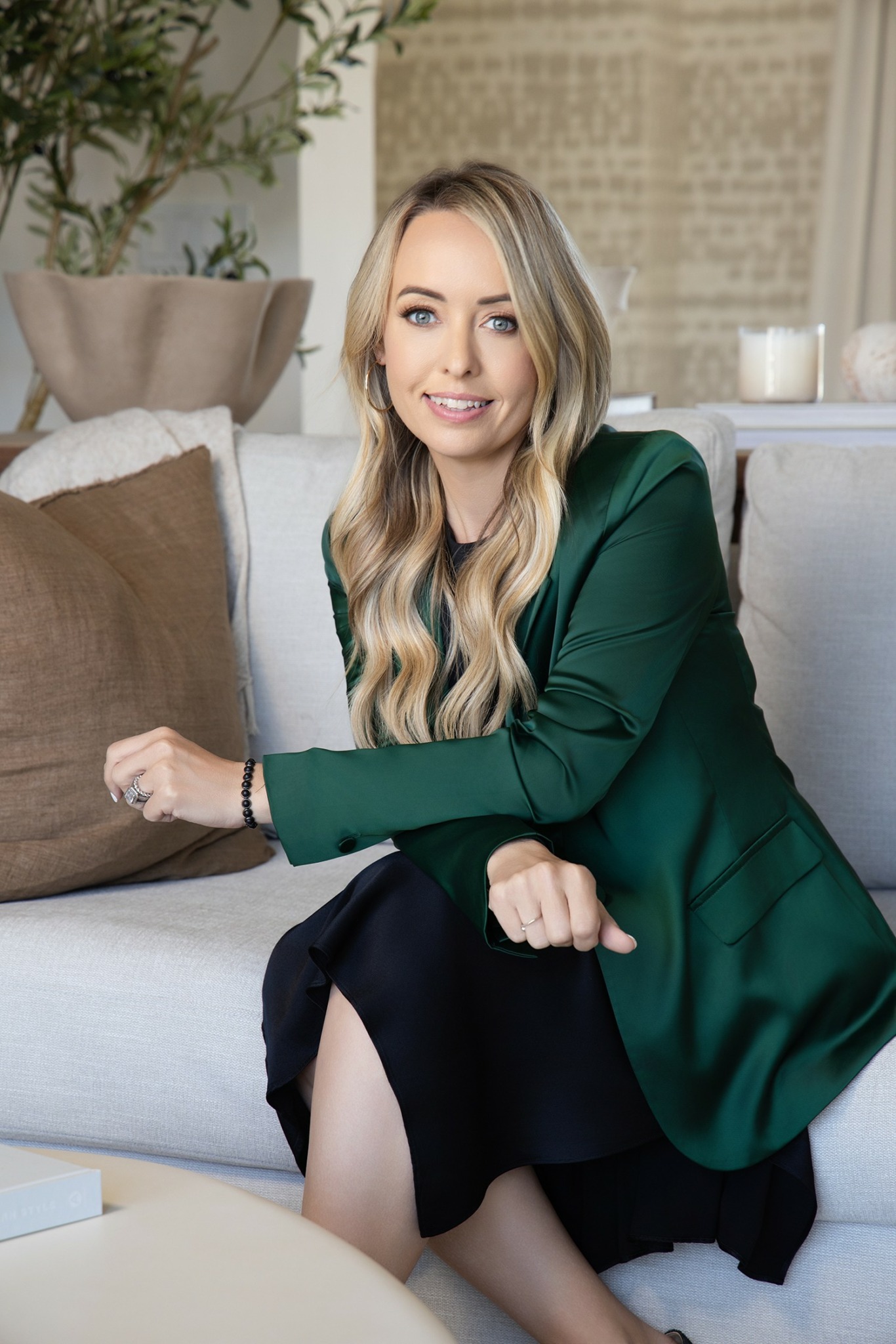

We caught up with the brilliant and insightful Heather Frank a few weeks ago and have shared our conversation below.
Heather, thanks for joining us, excited to have you contributing your stories and insights. We’d love to have you retell us the story behind how you came up with the idea for your business, I think our audience would really enjoy hearing the backstory.
The idea for Collective Purpose Philanthropy wasn’t born out of a desire to start a business. It came from a moment of realization that I couldn’t unsee.
I had spent years working along side hundreds of nonprofits, helping lead major fundraising efforts and working at a level where strategy, structure, and discipline drove real results. I was part of teams raising significant dollars, building strong donor pipelines, and operating with clarity around how growth actually happens.
At the same time, I kept seeing another side of the sector.
Smaller and mid-sized nonprofits, doing incredible and meaningful work, were stuck. They were working just as hard, if not harder, but they were constantly in reaction mode. Chasing events. Hoping for grants. Leaning on the same donors year after year. There was so much passion, but not enough infrastructure to support sustainable growth.
And I remember thinking, this isn’t a mission problem. It’s a model problem. That was the moment everything started to shift for me.
I realized that the strategies I had been using to help organizations raise millions weren’t actually complex or out of reach. They just weren’t being shared in a way that was accessible or actionable for most nonprofits. There was a gap between what works and what most organizations were being taught to do.
From an entrepreneurial standpoint, that’s where the opportunity was. I wasn’t looking to create another consulting firm that focused on one piece of the puzzle. I wanted to build something that addressed the whole system. How nonprofits think about revenue. How they build donor relationships. How they create long-term sustainability instead of short-term wins.
What made me believe this would work wasn’t just intuition. It was evidence. I had already seen what happens when you apply the right strategy consistently. I had seen organizations move from uncertainty to confidence, from inconsistent fundraising to real growth. I knew the model worked. But stepping out and building it on my own was a different kind of risk.
At that point in my life, I was also navigating being a wife and a mom, and I had to ask myself a bigger question. If I’m going to build something, it has to matter. Collective Purpose Philanthropy became that answer. It gave me the ability to take everything I had learned, every success, every failure, every pattern I had seen, and turn it into a model that other organizations could actually use. Not theory. Not one-off tactics. A clear path to building sustainable revenue. And that’s really what drives me as an entrepreneur.
The best businesses don’t just offer a service. They solve a real, recurring problem at its core. Nonprofits didn’t just need help raising money. They needed a smarter, more disciplined approach to growth. That’s what we built. And the most exciting part is that it works. This is not a concept. It’s a proven model, validated by the growth we’ve driven and the results our clients continue to achieve.
And if there’s one thing I’ve learned as an entrepreneur, it’s this: When you see a problem clearly enough, and you know there’s a better way, you have a responsibility to build it.

Heather, before we move on to more of these sorts of questions, can you take some time to bring our readers up to speed on you and what you do?
I’m Dr. Heather Frank, CFRE, PHILD, Founder and CEO of Collective Purpose Philanthropy. My work sits at the intersection of strategy, fundraising, and long-term growth for nonprofits, but more than anything, I help organizations build the systems and confidence they need to scale their impact.
I built my career supporting national nonprofits, building major annual fundraising events, leading development efforts and working on everything from major gifts to large-scale campaigns. Over time, raising more than $350 million for over 500 organizations. That experience shaped how I see this work. I learned that successful fundraising is not about luck or personality. It is about structure, consistency, and a very clear understanding of donor behavior.
What pulled me into this space more deeply was seeing how uneven access to that knowledge really is.
Many nonprofits are doing incredible work, but they are operating without a roadmap. They are told to “raise more money” without being given a real strategy to do it. They rely heavily on events, one-time campaigns, or a small group of loyal donors, and when those things shift, everything feels uncertain.
That’s where we come in.
At Collective Purpose Philanthropy, we provide strategic fundraising and development support. That includes building major gift programs, creating sustainable revenue plans, strengthening donor pipelines, guiding campaigns, and helping organizations think differently about how they grow. We also support messaging, positioning, and marketing when it directly impacts revenue, because those pieces cannot live in silos.
What sets us apart is that we don’t operate as traditional consultants. We operate as an extension of our clients’ teams. We are in the work with them, building systems, guiding decisions, and holding a level of discipline that most organizations don’t have the internal capacity to maintain on their own.
We are also very focused on sustainability. Anyone can help an organization raise money once. What matters is whether they can do it again, and again, with increasing confidence and clarity. That is the difference between short-term success and long-term impact.
The problem we are solving is not just fundraising. It is inconsistency. It is the lack of structure that keeps organizations in a cycle of reacting instead of leading.
What I am most proud of is the transformation we see in our clients.
Yes, the revenue matters. Seeing organizations grow, secure major gifts, and hit milestones is incredibly rewarding. But what stands out to me is the shift in how they operate. Teams become more confident. Leadership becomes more decisive. Boards become more engaged. There is a sense of momentum that replaces uncertainty.
That is when you know the work is working.
If there is one thing I want people to understand about me and about our brand, it is that we are deeply committed to both excellence and impact. We care about results, but we care just as much about how those results are built.
We are not here to chase dollars. We are here to help organizations build something that lasts.
And at the end of the day, that is what matters most to me.

We’d love to hear about how you keep in touch with clients.
For us, client relationships are everything. We don’t think about communication as something we “manage.” It’s something we build into how we operate every day. We stay closely connected through consistent touchpoints. Ongoing communication throughout the week, and clear visibility into what we are working on and why. Our clients are never guessing where things stand or what the strategy is. That level of transparency builds trust quickly.
But what really fosters loyalty goes beyond communication. It’s how we show up.
We operate as an extension of our clients’ teams. That means we are not just delivering recommendations and stepping back. We are in the work with them, helping make decisions, navigating challenges in real time, and adjusting strategy as things evolve. There is a level of partnership and accountability that feels different than a traditional consultant relationship.
We also focus heavily on clarity and results. When clients can see progress, understand the strategy, and feel momentum building, it creates confidence. And confidence is what keeps relationships strong.
Another big piece for us is consistency in tone and experience. Whether it’s a strategy call, an email, or a campaign rollout, our clients know what to expect from us. Professional, thoughtful, and grounded in their mission. That consistency builds a sense of reliability, which is critical in this space.
And honestly, we care. We care about their organizations, their teams, and the work they are doing. That shows up in how we communicate, how we problem solve, and how we celebrate their wins.
At the end of the day, brand loyalty is not built through tactics. It’s built through trust, results, and the feeling that you have the right partner in the room.
That’s what we aim to create with every client we serve.
Do you have any insights you can share related to maintaining high team morale?
Managing a team and maintaining high morale starts with how you show up as a leader.
People don’t thrive in environments where expectations are vague or constantly shifting. When your team understands what matters, what success looks like, and where you’re going, it removes a lot of unnecessary stress. It allows people to move forward with confidence instead of hesitation.
I’ve also learned that people want more than direction. They want ownership. When someone feels trusted to lead within their role, to make decisions, and to contribute in a meaningful way, their level of engagement changes. It becomes personal. That’s where you start to see real growth, not just in output, but in people.
But beyond all of that, I think morale is deeply tied to a shared sense of purpose. When a team is connected not just by tasks, but by a mutual belief in the work and why it matters, it creates a different kind of energy. It’s no longer just a job. It becomes something people are proud to be part of. That shared passion carries teams through the harder seasons and keeps them grounded in the bigger picture.
Consistency matters more than motivation. Your team is paying attention to how you handle pressure, how you communicate, and how you respond when things don’t go as planned. If you stay steady and focused on solutions, it creates a sense of stability. That kind of environment allows people to do their best work.
I don’t avoid hard conversations. Addressing challenges early, with honesty and respect, actually builds trust. It shows your team that standards matter and that you are paying attention. Avoidance tends to create confusion and frustration over time.
And then there’s recognition, which is often overlooked. People want to feel seen. Not in a generic way, but in a way that acknowledges their specific contributions and impact. When someone knows their work matters, it changes how they show up.
At the end of the day, morale isn’t something you manufacture. It’s a byproduct of a healthy, well-led environment. When people feel supported, trusted, and connected to something meaningful, morale tends to take care of itself.
Contact Info:
- Website: https://www.collectivepurposephilanthropy.com
- Instagram: https://instagram.com/collectivepurposephilanthropy/
- Facebook: https://www.facebook.com/collectivepurposephilanthropy/
- Linkedin: https://www.linkedin.com/company/100907247/admin/dashboard/
- Youtube: https://www.youtube.com/@collectivepurposephilanthropy
- Other: Tik Tok- https://www.tiktok.com/@thecpp24
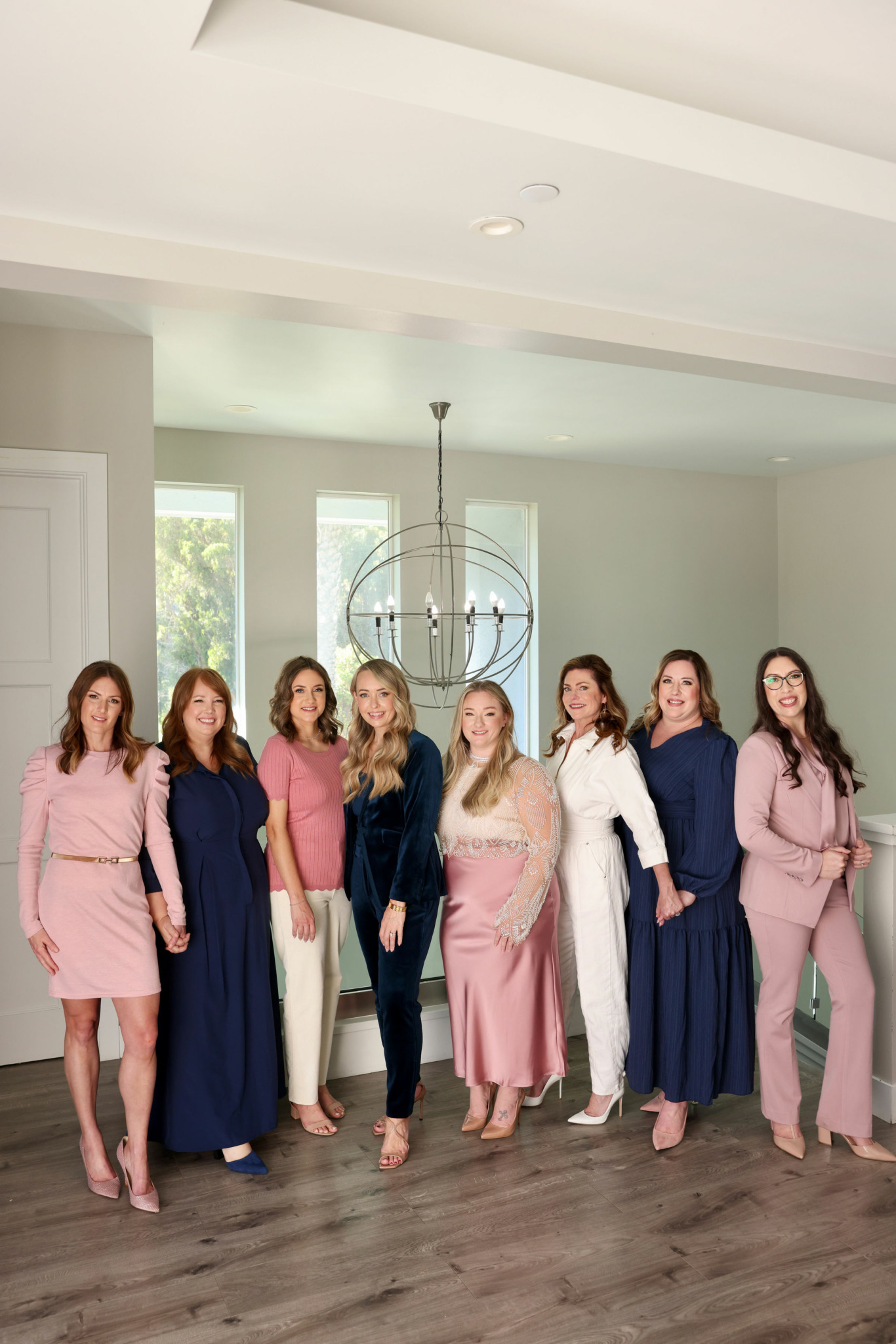
Image Credits
Photo Credit:
April Massirio McGill
aprilmcgillphoto@gmail.com
aprilmcgillphoto.com
Adam David Welch
Hello@adamdavidwelch.com
www.adamdavidwelch.com