

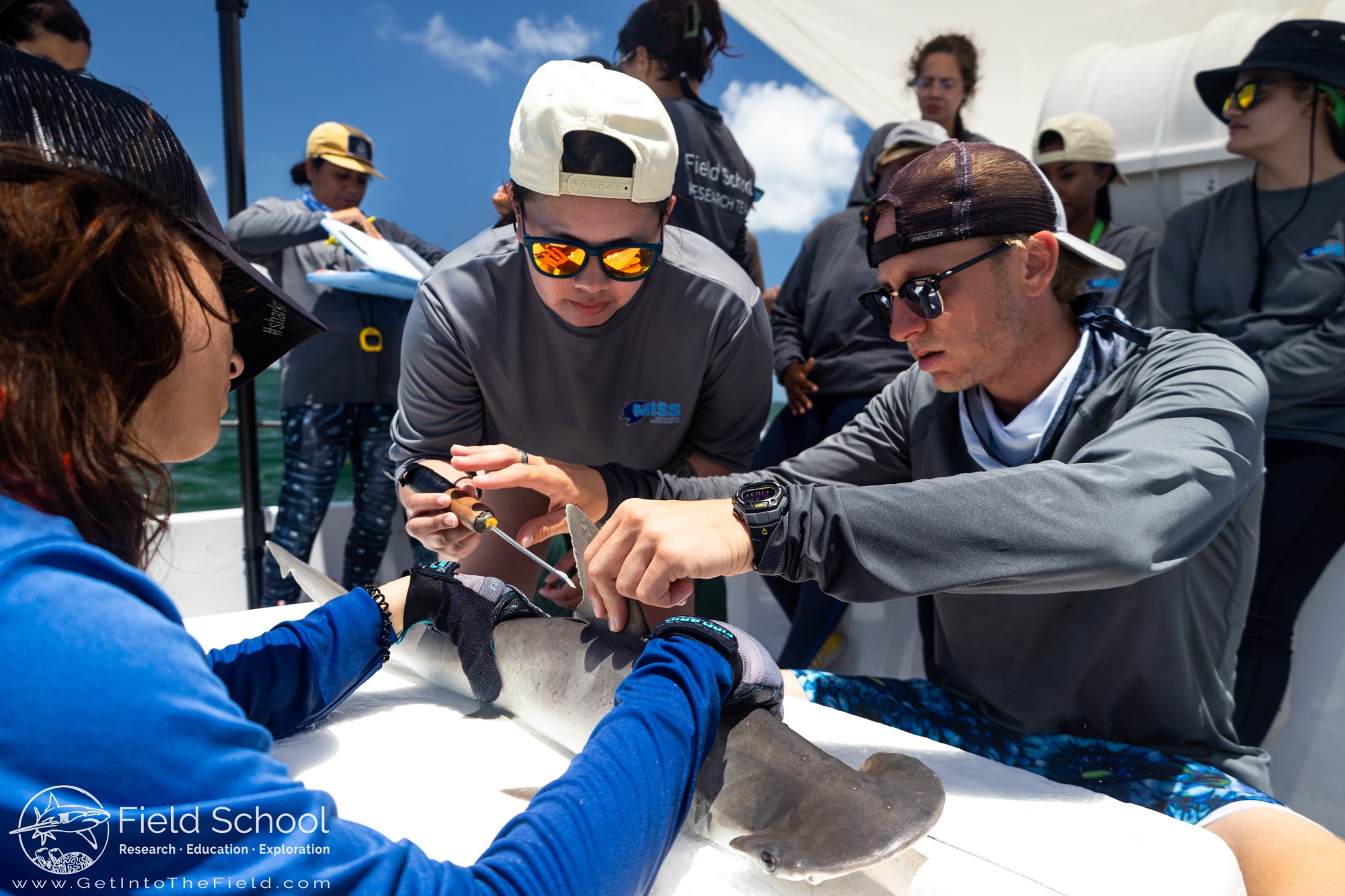

We recently connected with Emery Cruz and have shared our conversation below.
Emery, looking forward to hearing all of your stories today. It’s always helpful to hear about times when someone’s had to take a risk – how did they think through the decision, why did they take the risk, and what ended up happening. We’d love to hear about a risk you’ve taken.
I think one of the biggest risks I’ve taken is deciding to pursue fisheries and marine science. I was already taking a risk when I got my first degree in theatre costuming because it wasn’t the career path my parents wanted for me (for those of us who are Asian diaspora, you know they wanted us to go into the medical field, haha). Although I love theatre costuming, I found myself in a more comfortable, cushy job as a fashion stylist (the one I went with isn’t quite as exciting as other fashion styling jobs) and found myself hitting a wall. I wasn’t enjoying my job, and I wanted to do something that I loved. I had long burnt out from doing costuming for theatre, though, so I had to figure out what I wanted to do.
I remembered my love for marine biology. I never stopped loving it or being interested in it, I just thought that it wouldn’t be realistic for me to pursue it because I wasn’t good at things like math, and science really needs math. However, even though it has been a long time since I’ve done any advanced math, I still wanted to pursue it, so I decided to.
I’m currently still a student as I only just started in 2024, but I’m taking it slow because I am a working adult who has bills to pay, haha! So I work alongside doing school. It’s definitely tough at times. Sometimes I just want to take a break after work and not jump into school work where my mind will devolve further into brain soup, but knowledge and education are a privilege, and I want to be able to pursue this field to the best of my ability, so I make sure to do my work. I’m incredibly happy with my decision, though. There are times when it’s really tough, but I wouldn’t have it any other way!
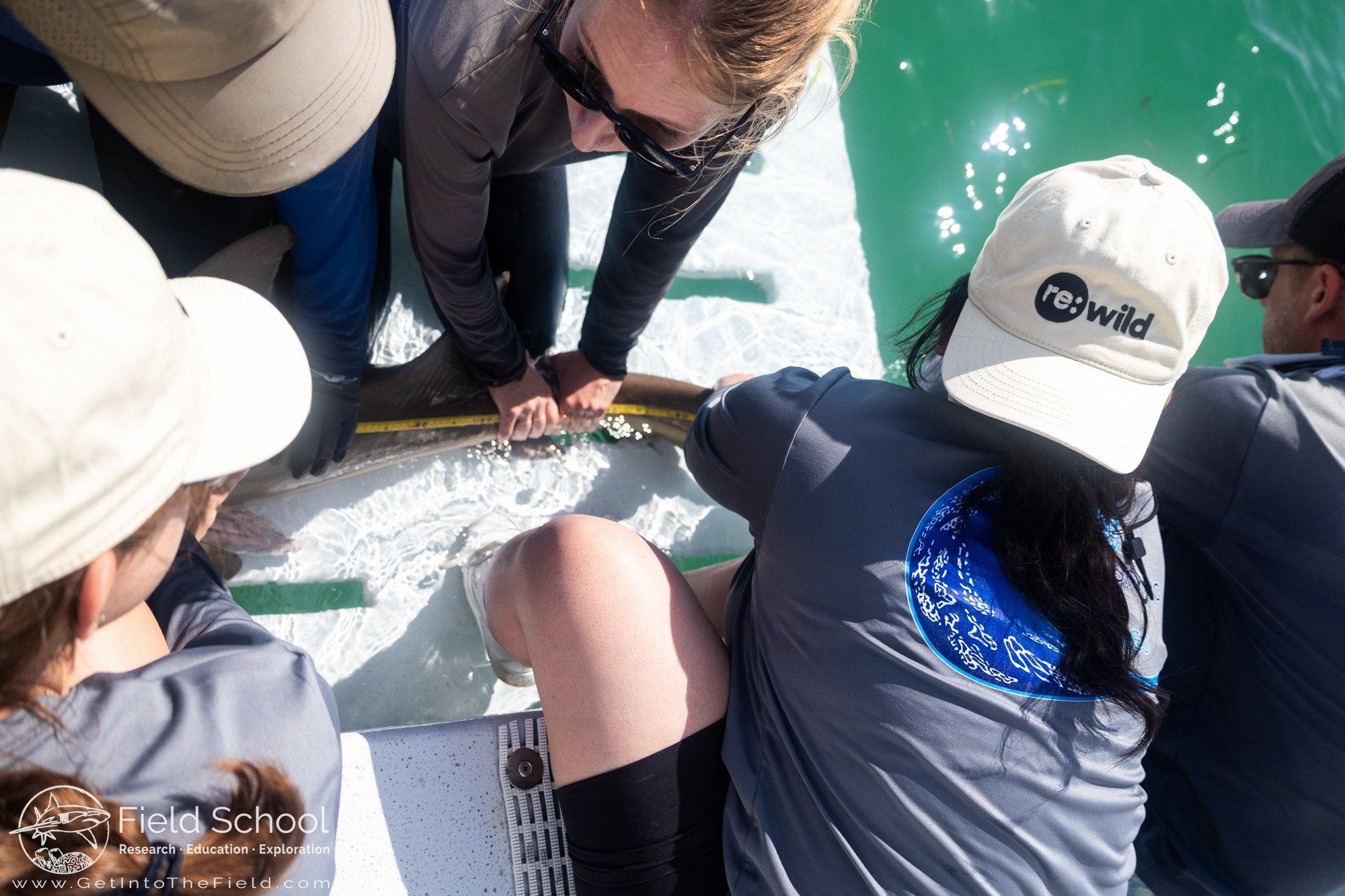
As always, we appreciate you sharing your insights and we’ve got a few more questions for you, but before we get to all of that can you take a minute to introduce yourself and give our readers some of your background and context?
I’m Emery, and I’m a non-binary Tagalog creative. I got my first degree in theatre costuming at Florida State University, and I have a strong focus on character illustration and design because of it. Right now, I’m studying for my Bachelor of Science in Fisheries and Marine Science at the University of Alaska Fairbanks, where I hope to pursue a career in Pacific salmon fisheries and conservation, or in river ecology and conservation in general.
How does art come into this? Well, I want to be able to communicate science alongside my research and conservation work, and for me, art is the way I want to communicate that science to the general public. One of the biggest things gatekeeping science from people is the scientific research papers. I don’t think it’s necessarily on purpose, as these papers require a lot of specific scientific lingo to write and accurately express what was done in the research, so, naturally, the layman wouldn’t be able to understand it easily. Even with me studying science, I still have a hard time deciphering the language and often have to reread research papers. My nanay (mom in Tagalog) has difficulty understanding some information in English since it’s her second language, so I can only imagine how tough it is for people who aren’t as proficient in their second language. Comprehending a research paper may not even be on the table for many. However, science is for EVERYONE, and it should be accessible to everyone.
So, here I am. Using my artistic skills I collected from being a hobby artist and from getting my degree in theatre costuming to use them for communicating science. I’m very fresh in the field of science illustration, so I’m still figuring out my style. With my character illustration, I really lean into a style that is a mix of traditional Filipino art and a bit of the more expressive, stylistic fantasy art that you might see in games like Dungeons & Dragons and Magic the Gathering. I’m trying to find a nice balance between realistic and stylistic when it comes to my nature art. Right now, it’s pretty realistic, which is good for actual science illustration that would be utilized for research and textbooks, but to satisfy myself, I’m still on the search for a sort of ethereal, magical style to communicate science for my personal branding.
I want to focus on creating art that sparks a love and interest for science—especially for the environment and conservation and that would involve mixing together that fantastical, ethereal style that is reflected in my character illustrations and the inclusion of the natural world (animals, landscapes, ecosystems, etc). I’ve actually done that in a recent project that I did with Minorities in Shark Sciences and Christina Meiping Chen (the creator of The Shark Lady Musical). They wanted a new key illustration and logo for the musical and I was so happy to accept and collaborate with them on this project. The result is stunning and I hope that you all will have the opportunity to go watch that amazing show and maybe take a look at the playbill where you’ll see my art featured on the cover.
That being said, hope that when you look at my work, you’ll feel a sense of wonder and curiosity for the natural world. After all, the first step of conservation is love and understanding.
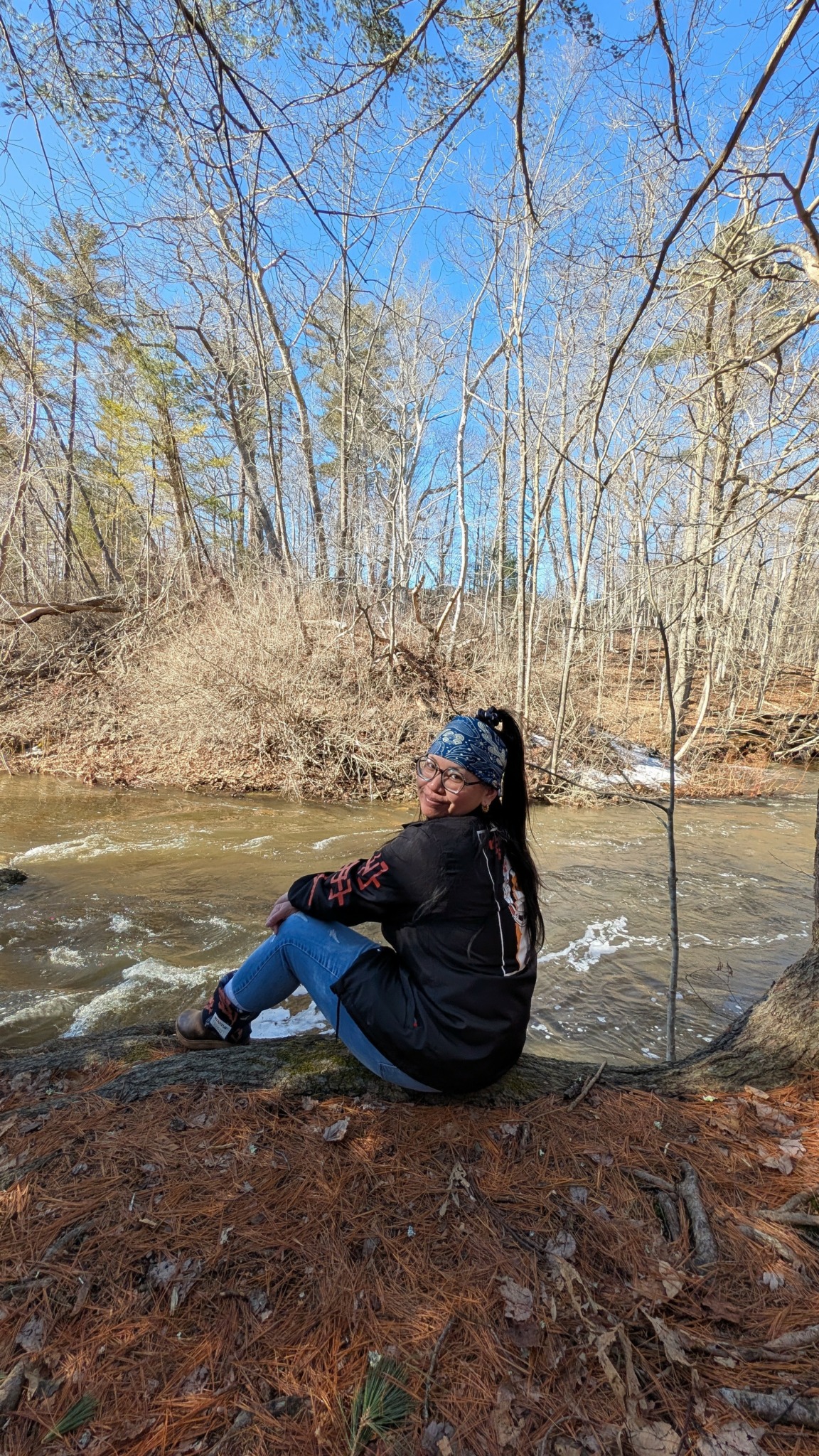
What can society do to ensure an environment that’s helpful to artists and creatives?
We currently live in a society where the sciences are questioned and creative spaces are being overrun with people who want to use generative AI disingenuously. When generative AI first dropped, I saw it as a tool that could be used to help artists get to their final illustration better because being able to describe a scene or idea you love and have the vision presented before you is incredible. However, it’s a shame that people want to use it to replace the artists that the technology is stealing from in the first place. Without proper rules and regulations in place for generative AI, I don’t think there’s an ethical way to use it right now and artists are suffering.
The best way to support artists and creatives is to actually support them. Buy directly from an artist if you have the means. Share an artist’s work that you love and don’t forget to follow them. In a world that demeans the arts and brushes it off as “not a real job” or “a little hobby”, who is creating the TV shows or songs that you love so much? Who is writing the books that you enjoy when you want to relax after a long day at work? Artists are, and they deserve to have recognition and respect! And until there are more regulations for generative AI, try to not use it as much. Not only does it just steal from artists and devalues creativity, it isn’t great for the environment. Of course, billionaires and companies might be doing worse, but if we put that mindset towards everything, all those little things will continue to build up until it overflows and creates a flashflood that no one can stop.
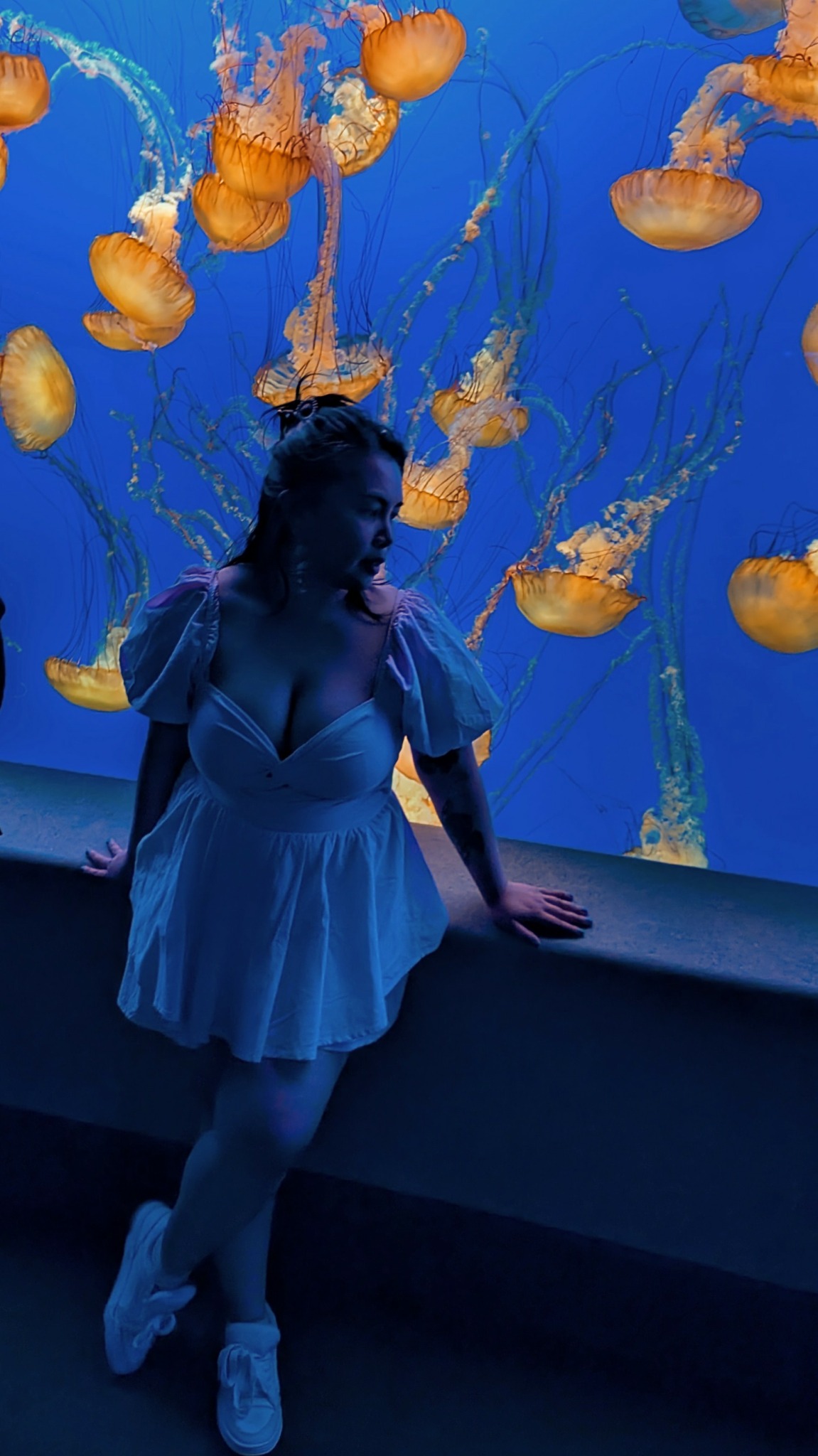
For you, what’s the most rewarding aspect of being a creative?
The most rewarding aspect of being a creative is being able to get my ideas out there. And I don’t just mean for the world to see. I don’t have a big following on social media because I took a long break from it after I got burnt out from theatre costuming. I removed a lot of my old socials and I’m starting from scratch with almost no following. What I mean is just being able to see the results of what I envisioned in my mind. I have hundreds of projects and ideas pending and—as other creatives will know—that thought bank continues to grow and will never stop expanding, just like the universe.
Ideation is one of the most fun parts of being a creative though. I love when some random thought or comment that comes up in conversation can grow into a fully realized project. A lot of my best work evolved from some small random idea. I feel like I could come up with ideas for stories and illustrations forever without ever running out. And then, when I’m actually able to take those ideas and put it in an illustration, that’s where the true reward comes in. Because it takes a lot of time, planning, and effort to realize an illustration or project.
I have a ton of work in progress pieces that haven’t made it past the sketching stage. Some I’ve gotten so far as to get the line art done, but I haven’t gone back to colour it. Motivation ebbs and flows and I think it’s important to let your work ebb and flow along with it. If you lose passion for one piece, move onto the next. Having a little collection of works in progress never hurt anyone. Though, I do want to revisit several of them and see them through till the end. They all have a special place in my heart.
Contact Info:
- Website: https://emerythos.wixsite.com/emerythos
- Instagram: https://www.instagram.com/emerythos/
- Youtube: https://www.youtube.com/@emerythos
- Other: Bluesky: https://bsky.app/profile/emerythos.bsky.social
TikTok: https://www.tiktok.com/@emerythos
Tumblr: https://www.tumblr.com/emerythos
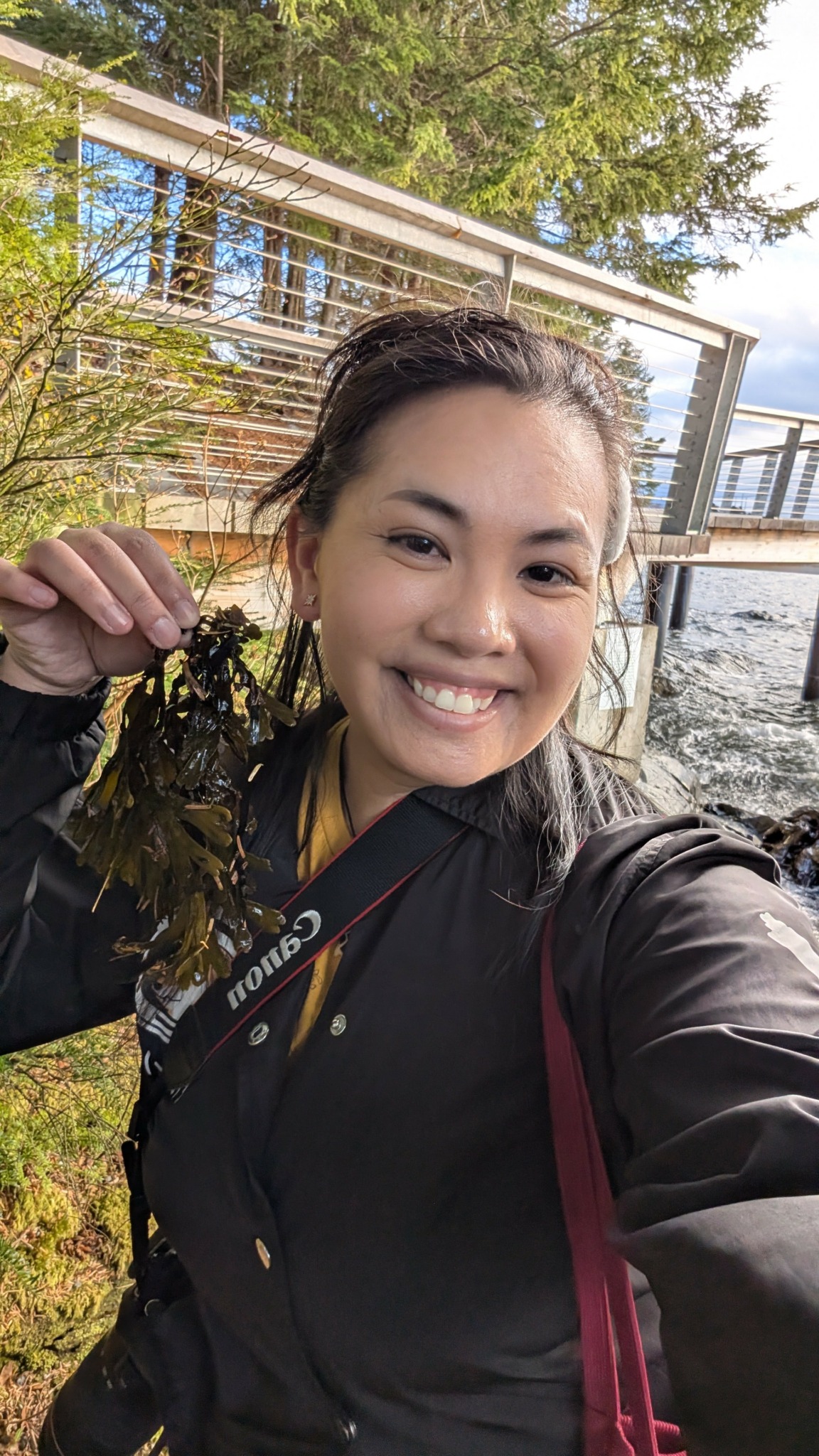
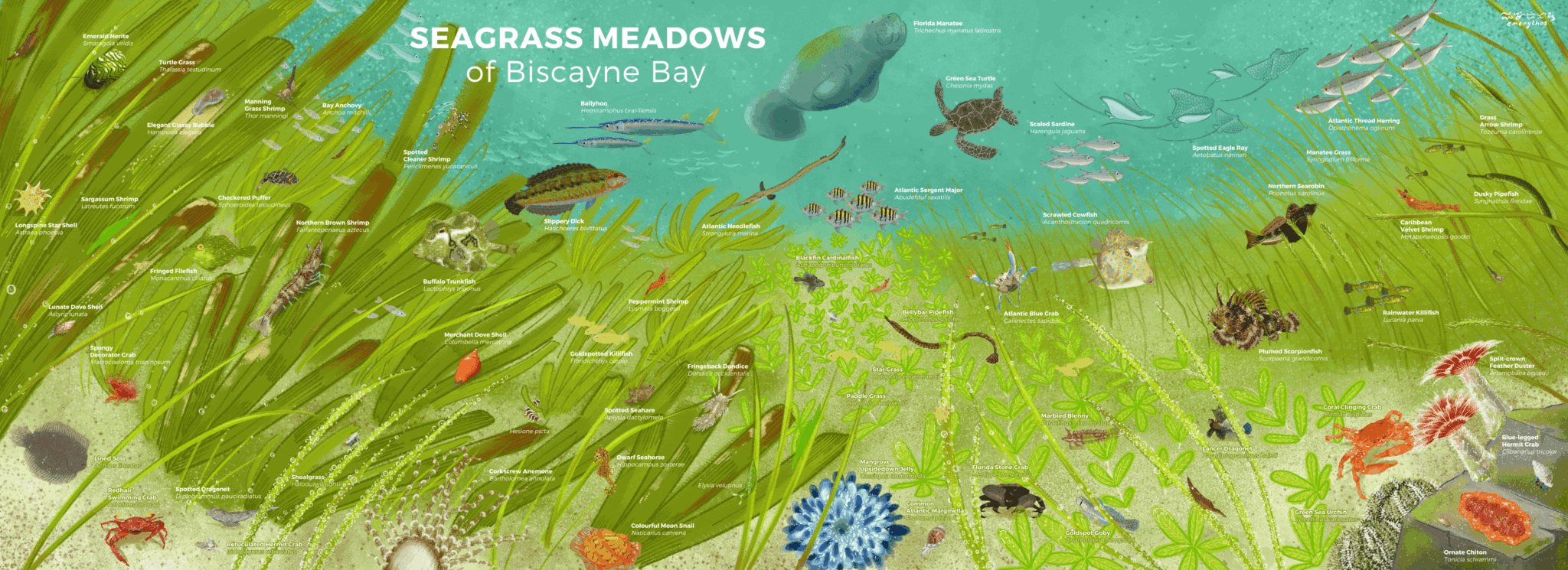
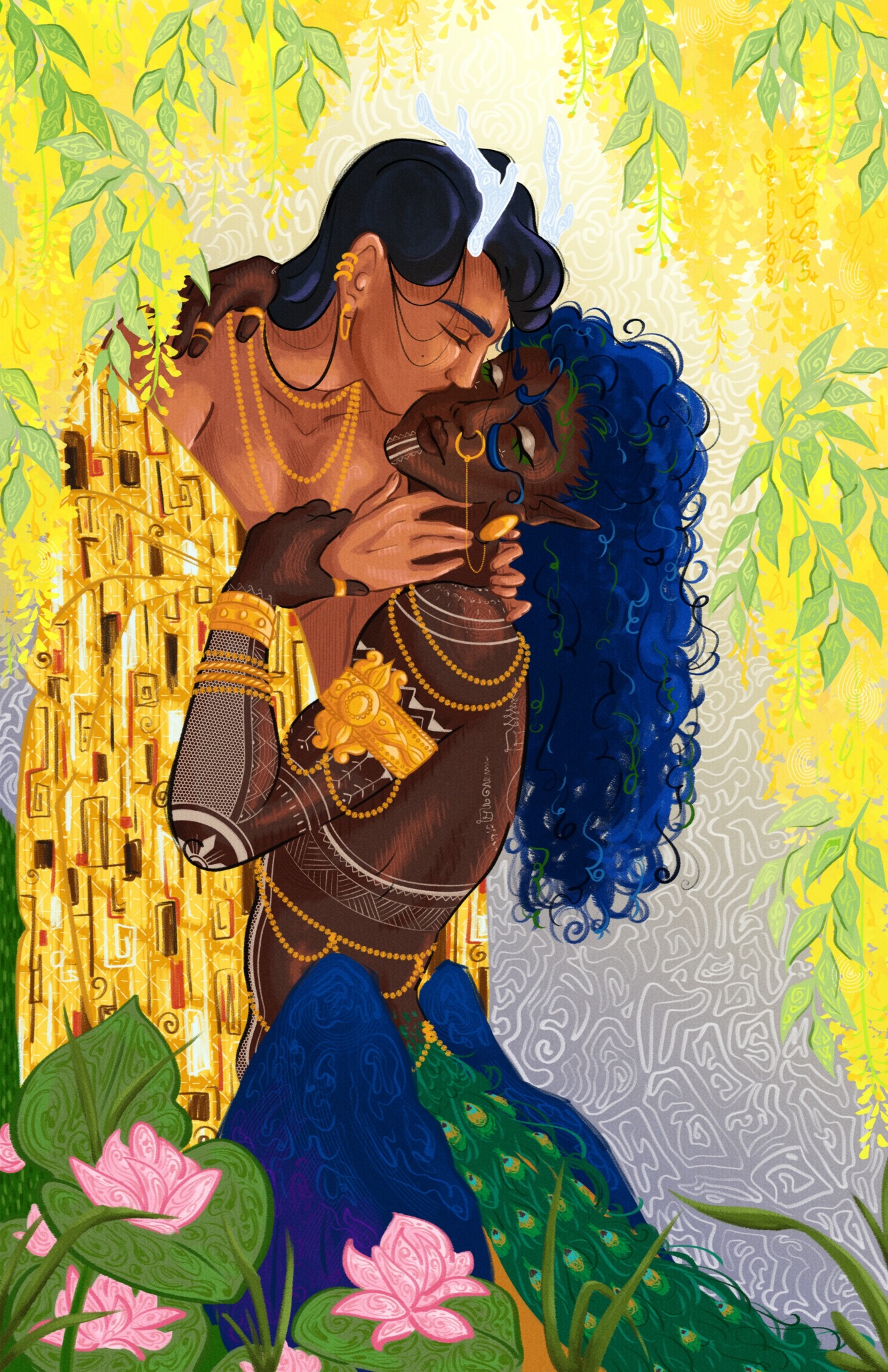
Image Credits
Minorities in Shark Sciences
Field School