
We’re excited to introduce you to the always interesting and insightful Diana Skellenger. We hope you’ll enjoy our conversation with Diana below.
Diana, thanks for joining us, excited to have you contributing your stories and insights. One of the most important things we can do as business owners is ensure that our customers feel appreciated. What’s something you’ve done or seen a business owner do to help a customer feel valued?
For us, appreciation starts long before any “extra” gesture—it begins with delivering a truly high-quality project. In our industry, trust is everything. Our clients are investing significant time, money, and emotion into their homes, so the first and most important way we show appreciation is by honoring that trust with exceptional work. If the end result doesn’t exceed expectations, no gift or gesture can make up for that.
The second layer of appreciation shows up during the project itself. Construction is inherently complex, and challenges are inevitable. We see those moments as opportunities to demonstrate our commitment. Instead of passing along problems, we focus on presenting thoughtful, solution-oriented options. Clients don’t just want to be told what’s wrong—they want to feel taken care of. When you can calmly guide someone through an issue and offer clear, proactive solutions, it builds a level of confidence and respect that lasts far beyond the project.
This year, we’ve become even more intentional about how we nurture our client relationships, especially since referrals are such a meaningful part of our business. To us, a referral isn’t just a lead—it’s a reflection of trust. That’s why we’ve started investing more in client-centered experiences that feel personal and genuinely enjoyable.
One of our favorite examples was renting out a spa for a day and inviting both past and current clients. Each guest could choose a service—whether it was a manicure, pedicure, or blowout—and simply relax. It wasn’t about marketing or selling anything; it was about creating a space where our clients felt valued, cared for, and able to unwind. The feedback we received was incredible because it gave people something they rarely take for themselves: time to feel appreciated.
We’re also building out more practical appreciation initiatives, like offering complimentary home maintenance days. This includes sending our team to handle things like filter replacements, and checking plumbing and HVAC systems. For many homeowners, these small but important tasks often get overlooked, so being able to step in and take that off their plate is both helpful and meaningful.
At the end of the day, the best way to show appreciation is to be consistent—deliver excellence, show up when it matters most, and find thoughtful ways to give back to the people who trust you. When you do that well, clients don’t just feel satisfied—they feel genuinely valued, and that’s what turns a one-time project into a long-term relationship.
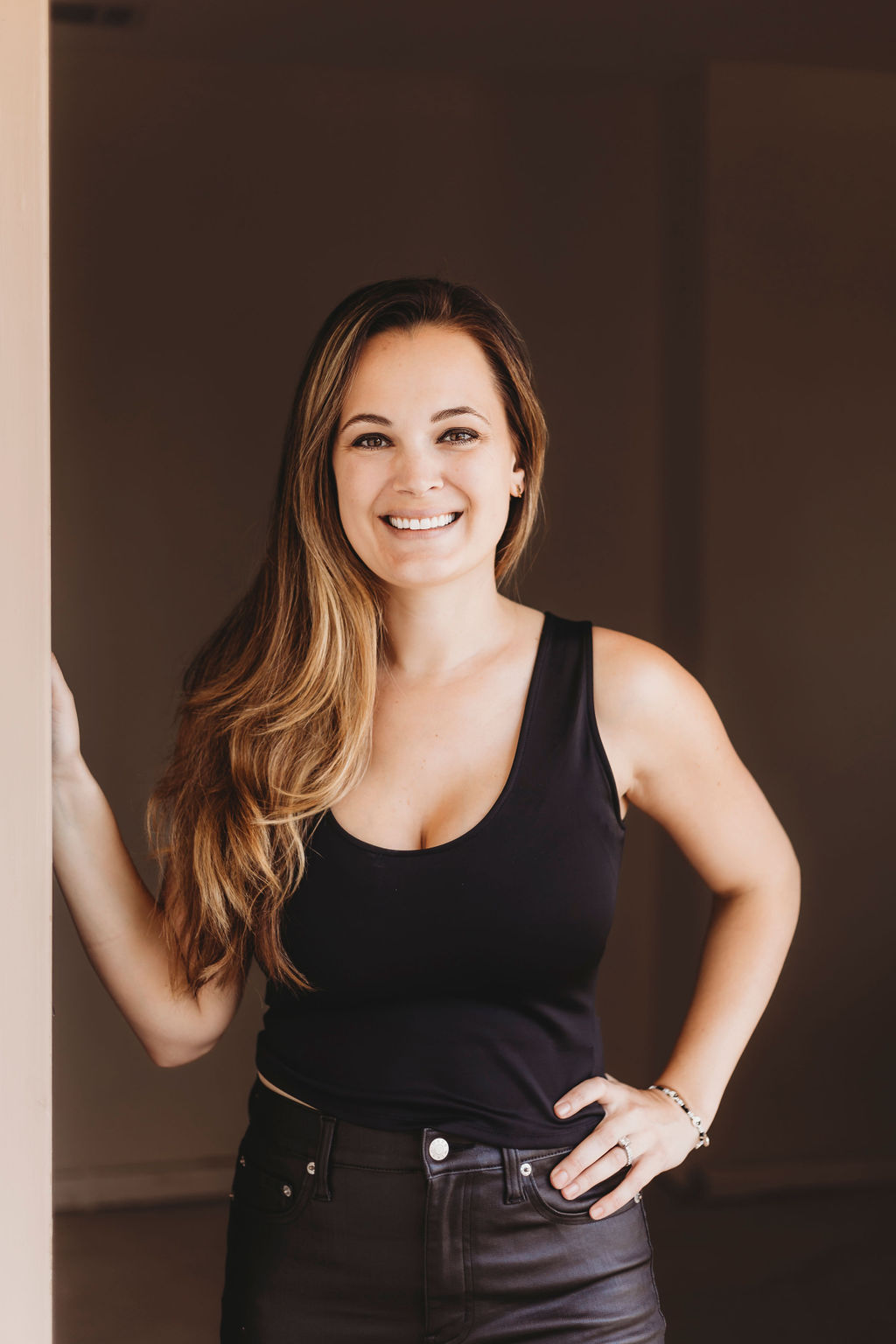
Great, appreciate you sharing that with us. Before we ask you to share more of your insights, can you take a moment to introduce yourself and how you got to where you are today to our readers.
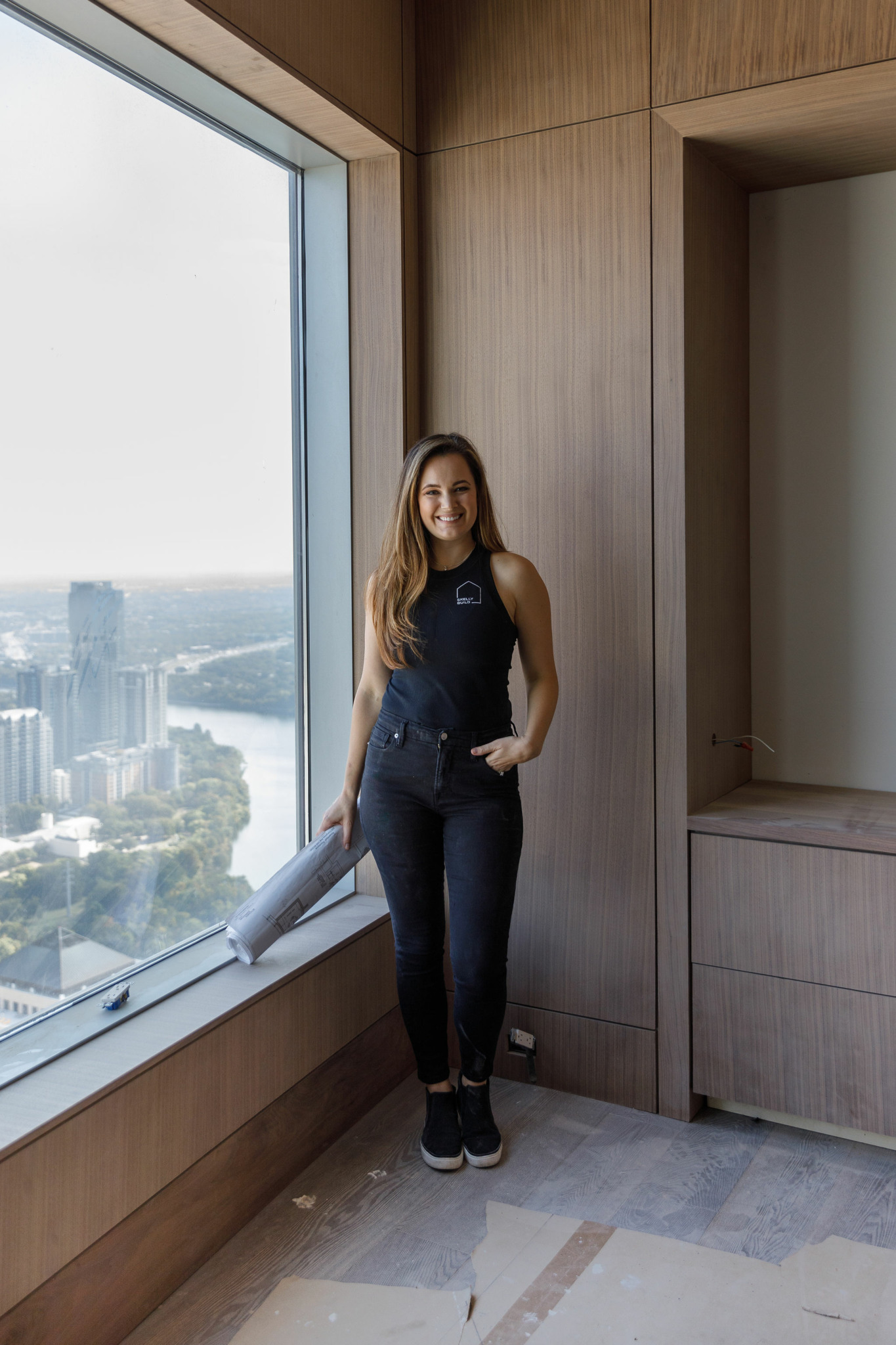
I started Skelly Build nine years ago, but my path into construction wasn’t accidental—it was shaped early on by working for another female-owned construction company. That experience was incredibly formative for me. It showed me not only what was possible in an industry that’s traditionally male-dominated, but also how powerful it is to lead with a different perspective—one that prioritizes communication, relationships, and a high level of service alongside technical excellence.
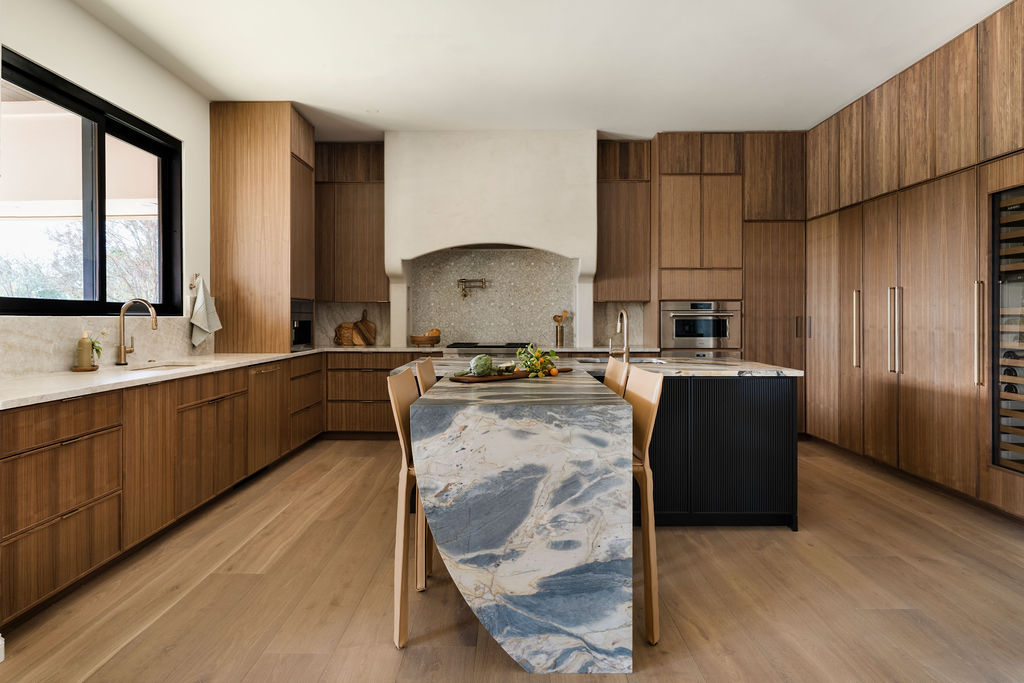
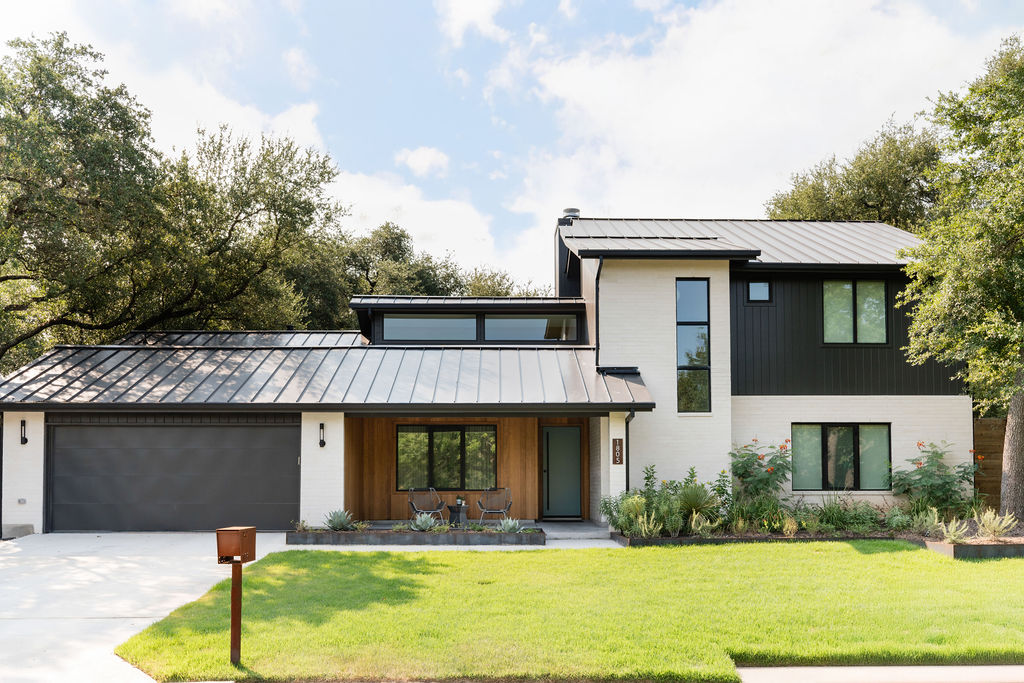
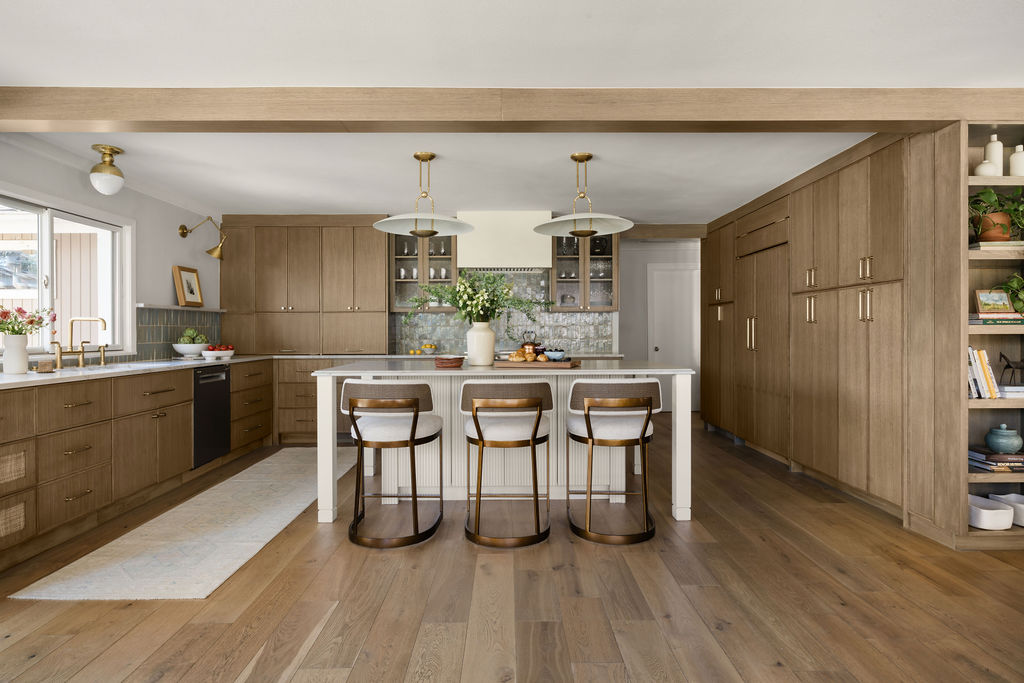
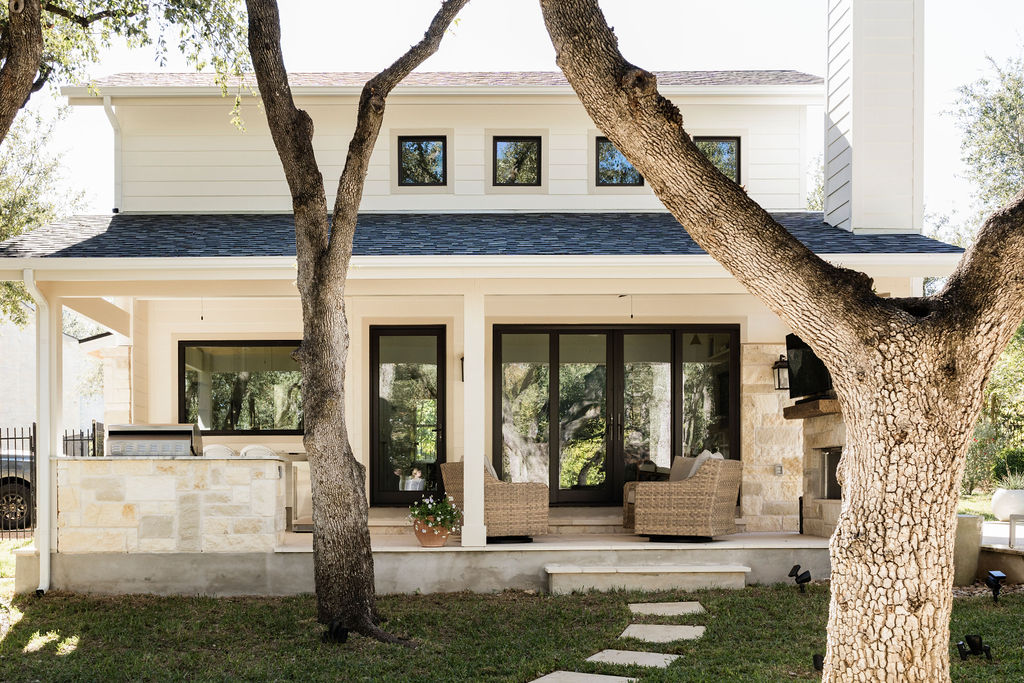
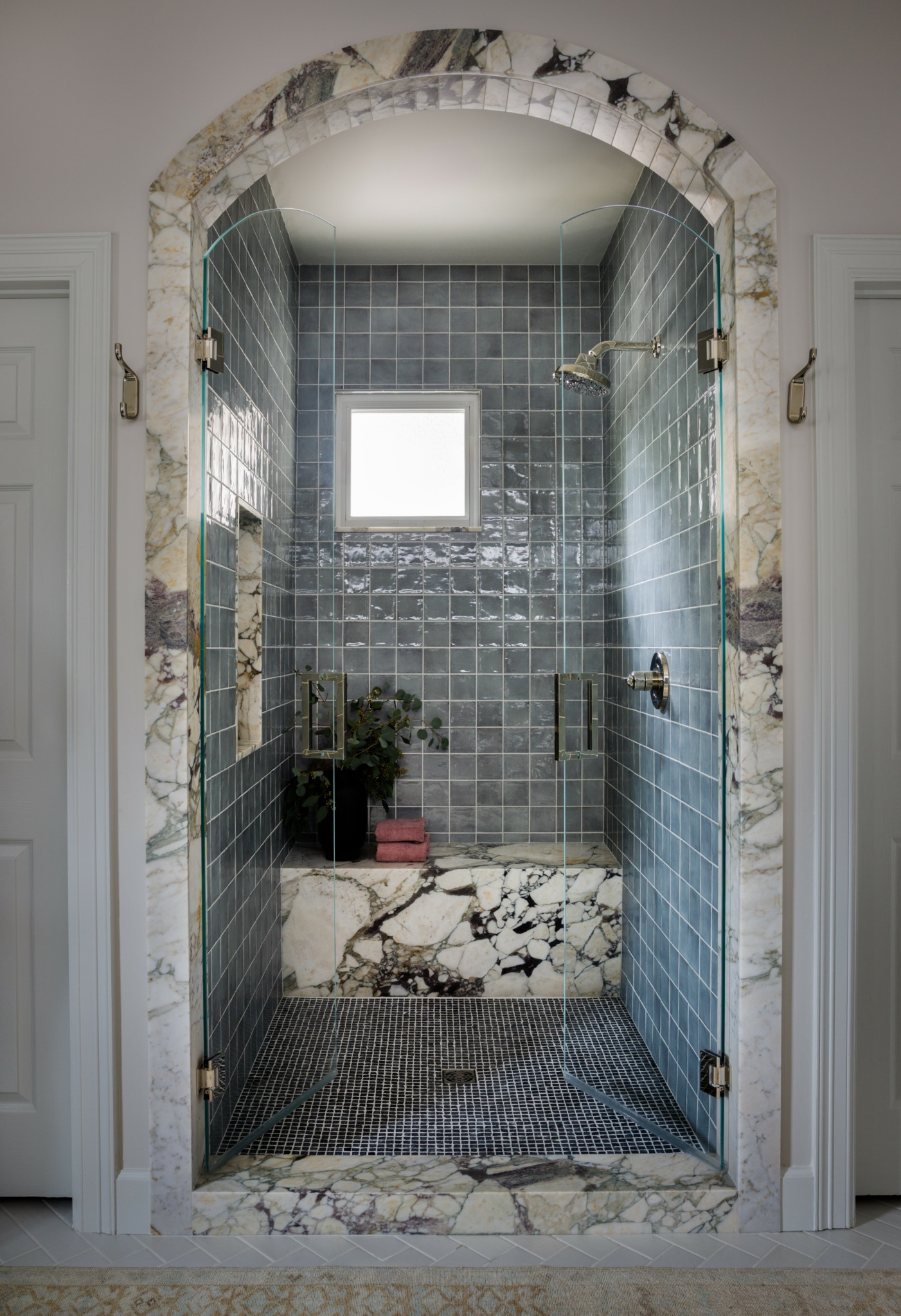
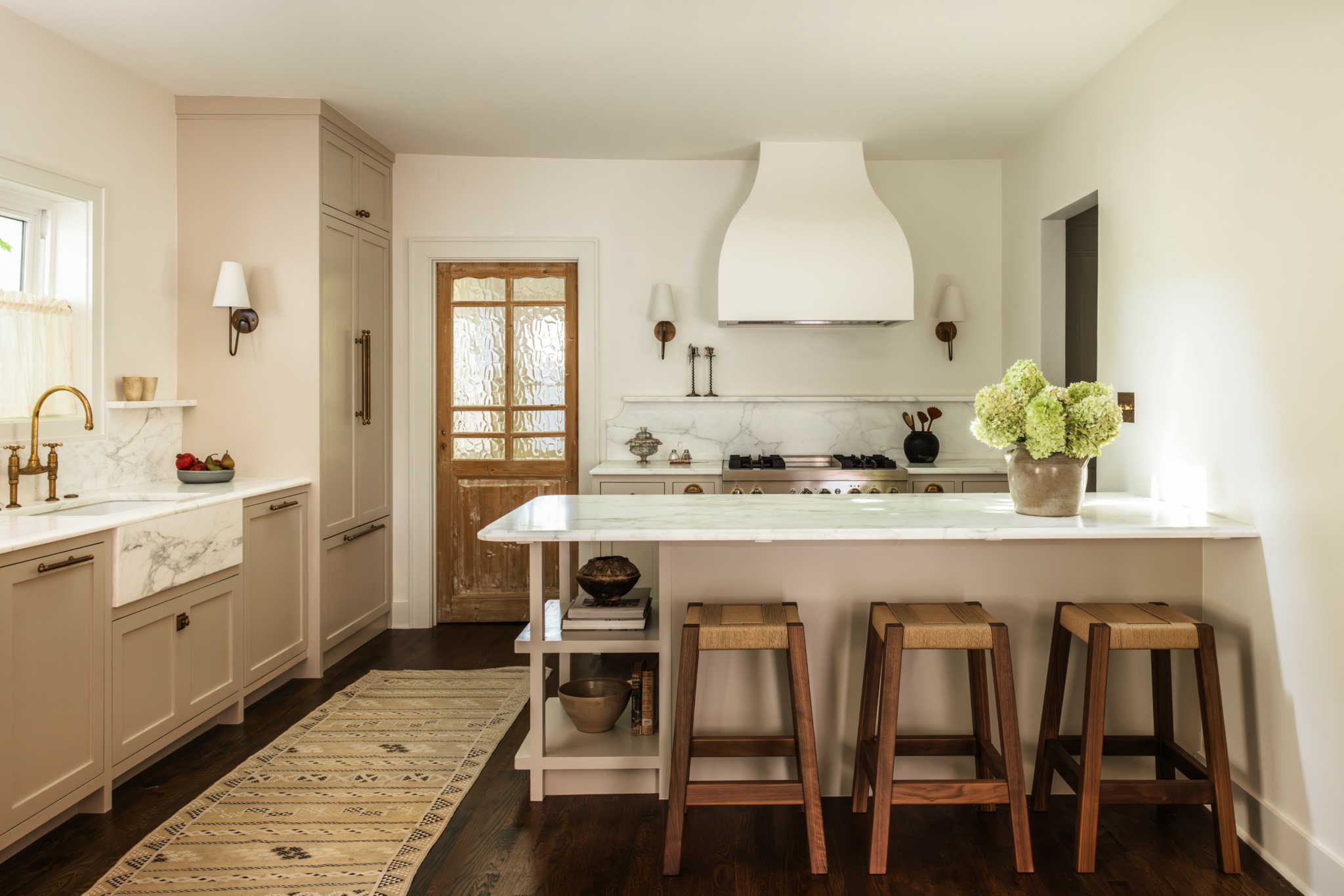
From the beginning, I knew I wanted to build a company that felt different. Today, Skelly Build is a residential construction and remodeling firm focused on high-quality, design-forward projects. We work closely with homeowners, architects, and interior designers to bring thoughtful, well-executed spaces to life. But beyond the finished product, what we really provide is guidance. Most of our clients are not building experts—they’re navigating a complex, emotional, and often overwhelming process. Our role is to simplify that, advocate for them, and make sure they feel confident every step of the way.
At its core, we solve two major problems: uncertainty and trust. Construction can feel unpredictable, and many clients come in with hesitation based on past experiences or stories they’ve heard. We work hard to eliminate that by being extremely proactive in our communication and transparent in our process. Our clients always know where things stand, what decisions need to be made, and what to expect next. That level of clarity is something people don’t always realize they need—until they experience it.
What sets us apart comes down to a few key things. First, our commitment to communication. It sounds simple, but it’s one of the biggest gaps in this industry. We’ve built systems and a team culture that prioritizes responsiveness, clarity, and consistency. Second, our level of service—we’re not just managing a project, we’re managing an experience. Third, our ability to problem-solve. No construction project goes exactly as planned, but we pride ourselves on being solution-oriented and calm under pressure. And finally, we bring a highly collaborative mindset to every project, working seamlessly with design teams to ensure the end result is cohesive and intentional.
What I’m most proud of is the reputation we’ve built. A large portion of our work comes from referrals, and to me, that’s the highest compliment. It means our clients not only trusted us with their homes, but felt confident enough in the experience to recommend us to others.
As we continue to grow, we’re becoming even more intentional about nurturing those relationships. We’ve started creating more client-focused touchpoints—whether that’s hosting appreciation events or offering services like complimentary home maintenance days—because we believe the relationship shouldn’t end when the project does.
At the end of the day, I want people to know that we genuinely care for them and they’re space. We care about the quality of our work, the experience our clients have, and the long-term relationships we’re building. This isn’t just about construction for us—it’s about creating spaces people love and making the process feel as seamless and supported as possible.
Let’s move on to buying businesses – can you talk to us about your experience with business acquisitions?
Yes, about 18 months ago we acquired a fully operational cabinet shop as part of a larger strategy around vertical integration. As our projects grew in scale and complexity, we saw an opportunity to bring a critical piece of the construction process in-house. Cabinetry is such a defining element of a home—both functionally and aesthetically—so having more control over quality, timelines, and customization was a natural next step for us.
Going into the acquisition, we were very intentional about our expectations. This wasn’t a short-term financial play—we fully anticipated that the business wouldn’t be profitable for at least the first year. Instead, we focused on reinvesting heavily into the operation. That included upgrading machinery, implementing more advanced software systems, and building out the right team to support the level of work we expect to deliver. It was really about setting a strong foundation for long-term success rather than immediate returns.
The acquisition process itself was relatively straightforward, largely because it was a strategic fit and we already had a relationship with the seller. There was a level of trust and transparency that made the transition smoother than a typical acquisition. That said, even a “simple” acquisition comes with its challenges—integrating teams, aligning standards, and evolving systems takes time and focus.
Overall, it’s been a valuable move for our business. It’s allowed us to elevate the level of service we provide to our clients and create a more seamless, controlled construction experience from start to finish.
We often hear about learning lessons – but just as important is unlearning lessons. Have you ever had to unlearn a lesson?
One of the biggest lessons I’ve had to unlearn is the belief that I had to both do everything myself and constantly prove myself in order to be successful.
When I first started the company, it was just me, and being deeply involved in every detail was necessary. At the same time, as a woman in construction, I felt an added pressure to prove that I belonged in the room—that I had all the answers, that nothing would slip through the cracks, and that I could outwork any doubt. That combination drove a lot of early success, but it also created habits that weren’t sustainable as we grew.
As the business scaled, that mindset became a limitation. Trying to stay in control of everything slowed us down and didn’t leave room for my team to step up and grow. I also realized that constantly trying to prove myself wasn’t actually leadership—it was pressure I was putting on myself that didn’t serve the business long-term.
Unlearning that meant learning to trust people, delegate meaningfully, and build a team that could uphold our standards without my involvement in every decision. It also meant getting comfortable not having every answer and recognizing that strong leadership is about setting direction, asking the right questions, and empowering others to do great work.
That shift—from doer to leader, and from proving to trusting—has been one of the most important parts of scaling from just me to a team of nearly 40. It’s not something that happens overnight, but it’s what allows a business to truly grow.
Contact Info:
- Website: https://skellybuild.com
- Instagram: @skellybuild
- Facebook: https://www.facebook.com/skellybuild/
- Linkedin: https://www.linkedin.com/in/diana-skellenger
- Youtube: https://www.youtube.com/c/SkellyBuild