

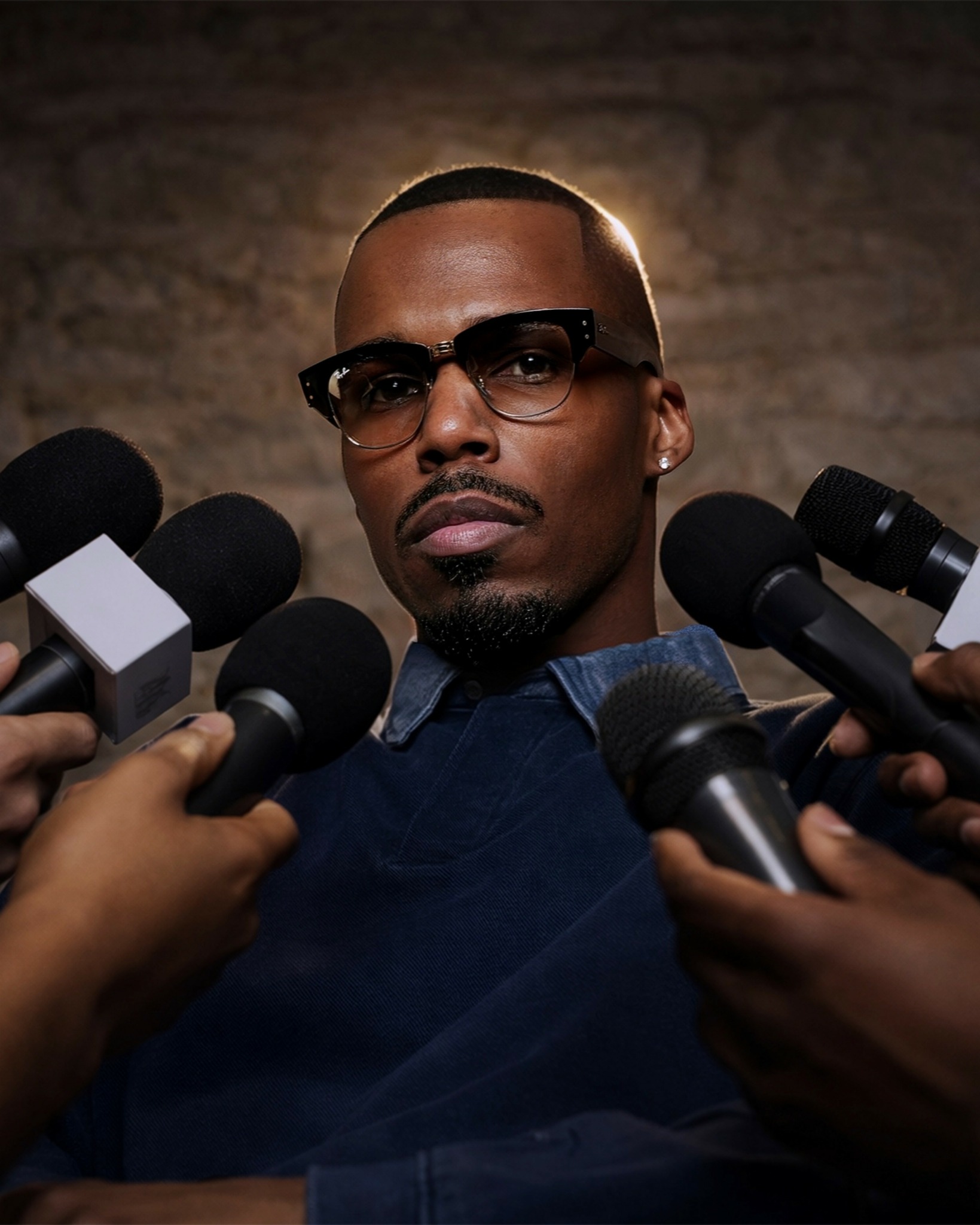

We caught up with the brilliant and insightful Deon Stubbs a few weeks ago and have shared our conversation below.
Deon, thanks for taking the time to share your stories with us today Can you talk to us about how you learned to do what you do?
I learned to do what I do by being in it long before anyone was watching. Almost Famous did not come from theory or shortcuts. It came from doing the work over and over in real time. Writing scenes that did not land. Producing with limited resources. Directing people who were learning alongside me. Editing footage late at night and realizing what did not translate emotionally on screen. I learned by paying attention to what worked and being honest about what did not. Most of the learning happened outside of formal rooms. It happened through observation conversations mistakes and repetition. The process forced me to understand storytelling not as an idea but as a responsibility to the audience and to the people whose lives and realities were being reflected.
Knowing what I know now the biggest way I could have sped up my learning process would have been by asking better questions earlier and seeking critique sooner. I spent a lot of time trying to figure things out on my own out of pride or necessity when collaboration and feedback would have sharpened the work faster. I also would have focused earlier on understanding systems not just creativity. Distribution contracts budgeting audience analytics and ownership matter just as much as the art. Once I understood how the business side connects to the creative side everything accelerated.
The most essential skills for me were storytelling, discipline, communication, and adaptability. Storytelling because if the story does not connect nothing else matters. Discipline because consistency is what turns ideas into finished work. Communication because you are always translating a vision to actors crew partners and audiences. Adaptability because nothing ever goes exactly as planned and the ability to adjust without losing the core vision is critical. Almost Famous exists because of adaptability. Almost every obstacle forced refinement and starting over.
The biggest obstacles to learning were access, time management, and misinformation. Access to the right information and people is not evenly distributed especially for independent Black creators working outside major markets. Time was another barrier because learning while producing while funding while managing life requires constant balance. Misinformation was also a challenge. There is a lot of noise about how things are supposed to be done and much of it does not apply to independent creators building from the ground up. Learning to filter advice and trust lived experience was part of the education.
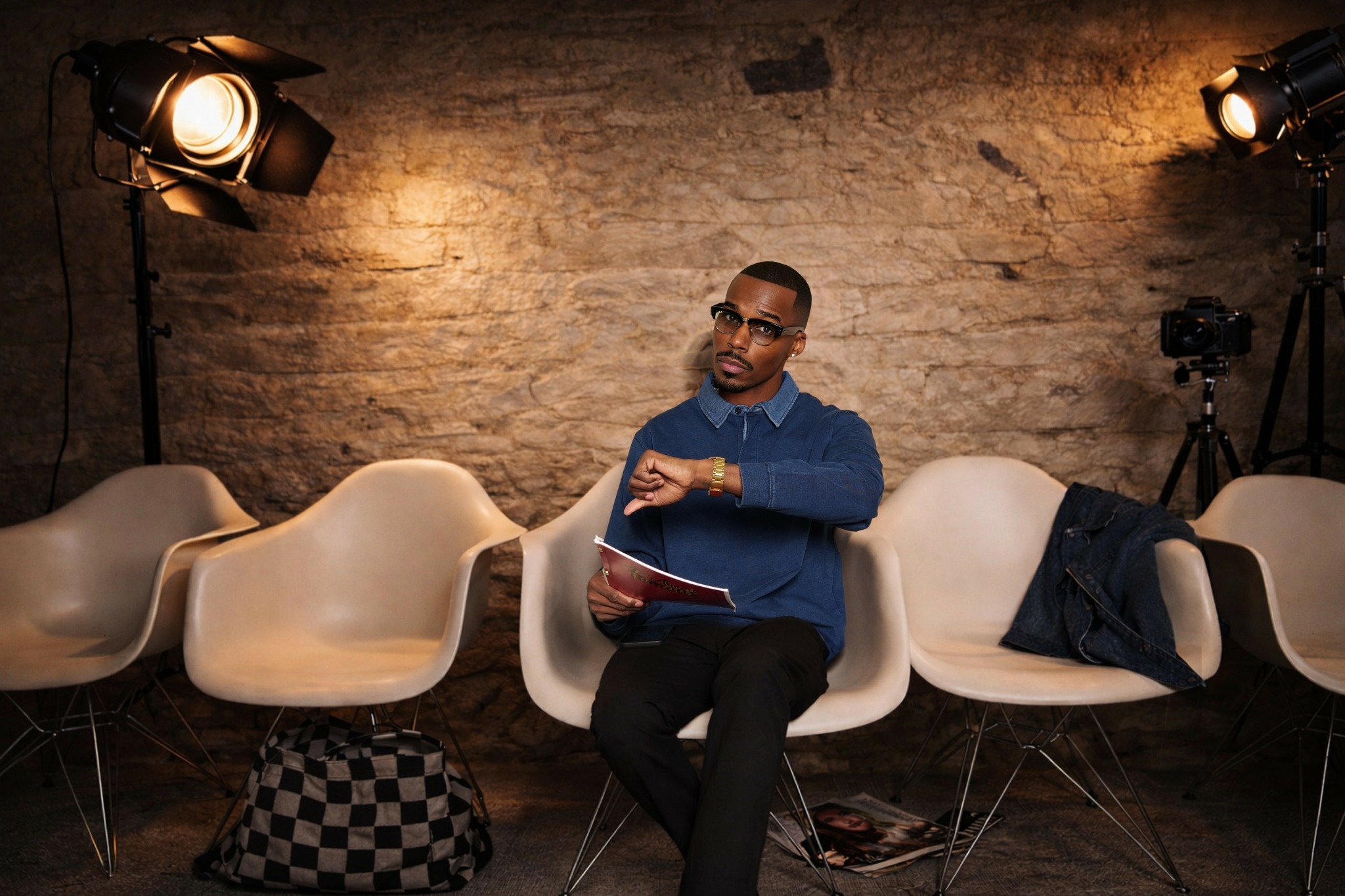
Deon, before we move on to more of these sorts of questions, can you take some time to bring our readers up to speed on you and what you do?
I am a filmmaker writer and producer who builds original work from the ground up with ownership intention and community at the center. I got into this work out of necessity and curiosity before it ever felt like an industry. I was drawn to storytelling because it was the most honest way to document ambition struggle and growth as it was happening in real time around me. I did not come into this through a traditional pipeline. I learned by creating by studying what resonated with people and by staying close to the realities of the audiences I wanted to serve. That path shaped how I move and why I approach the work with both creative integrity and business clarity.
Deon’s Almost Famous is the clearest expression of that approach. It is an independently owned scripted series that explores ambition visibility community and the emotional cost of chasing success before the world is watching. The work I provide lives at the intersection of storytelling production and brand building. I create original television and film projects while also producing content experiences and campaigns that help clients and partners communicate with authenticity. Whether it is a narrative series branded content or live experiences the goal is always the same to tell stories that feel lived in not manufactured.
The problem I solve is translation. Many creators, brands, and organizations have powerful stories but struggle to communicate them in a way that feels real and scalable. I like to think I help bridge that gap by combining creative direction production strategy and audience awareness. Furthermore, what sets me apart is that I am not chasing trends or optics. I am building systems and stories that can grow over time because ownership, representation, and sustainability matter to me. I always try to think long term even when working on short term deliverables.
What I am most proud of is building Deon’s Almost Famous independently while maintaining creative control and reaching audiences organically. The project has generated hundreds of thousands of organic views and interactions across platforms before its public release and has done so without compromising voice or vision. I am also proud of creating pathways for other creatives to be seen heard and paid fairly through the work and platforms I build.
What I want potential clients, followers, and fans to know is that my work is intentional. Every project is rooted in purpose not just production value. I care deeply about how stories land and who they serve. My brand is about showing what it really looks like to build something meaningful from where you are not where you are told you need to be. If you connect with Deon’s Almost Famous, you are connecting with a larger belief that visibility is earned through consistency integrity and community.
What can society do to ensure an environment that’s helpful to artists and creatives?
A thriving creative ecosystem starts with taking artists seriously as workers and business owners, not as hobbies or afterthoughts. Society often celebrates the end result of creativity while ignoring the infrastructure required to sustain it. Real support begins with fair compensation, clear contracts, access to capital, and respect for ownership. Creatives should not have to trade exposure for survival. When artists are paid fairly, they are able to focus on quality, longevity, and innovation.
Access is another critical piece. Education, resources, and mentorship are often concentrated in major markets or locked behind gatekeeping systems. Supporting creatives means decentralizing opportunity and investing in regional talent, not just coastal hubs. When artists are given access to tools, space, information, and distribution without having to leave their communities, the entire ecosystem benefits. Creativity thrives where people feel seen, supported, and rooted.
Society also needs to rethink how risk is shared. Independent artists take on enormous financial and emotional risk to create work that shapes culture. Grants, funding programs, and partnerships should be structured to reduce that burden, not increase it with impossible requirements. Support should be flexible and trust based, allowing creatives to build at their own pace while remaining accountable. Sustainability should be valued as much as visibility and virality.
Finally, support looks like audience responsibility. Viewers, readers, and consumers play a role by engaging intentionally, sharing work, supporting releases, and showing up consistently. Culture does not move forward on algorithms alone. It moves when people choose to invest attention, time, and resources into the stories that reflect who they are and who they want to become. It’s important to note that when society treats creativity as essential infrastructure rather than decoration, artists and creative ecosystems can truly thrive.
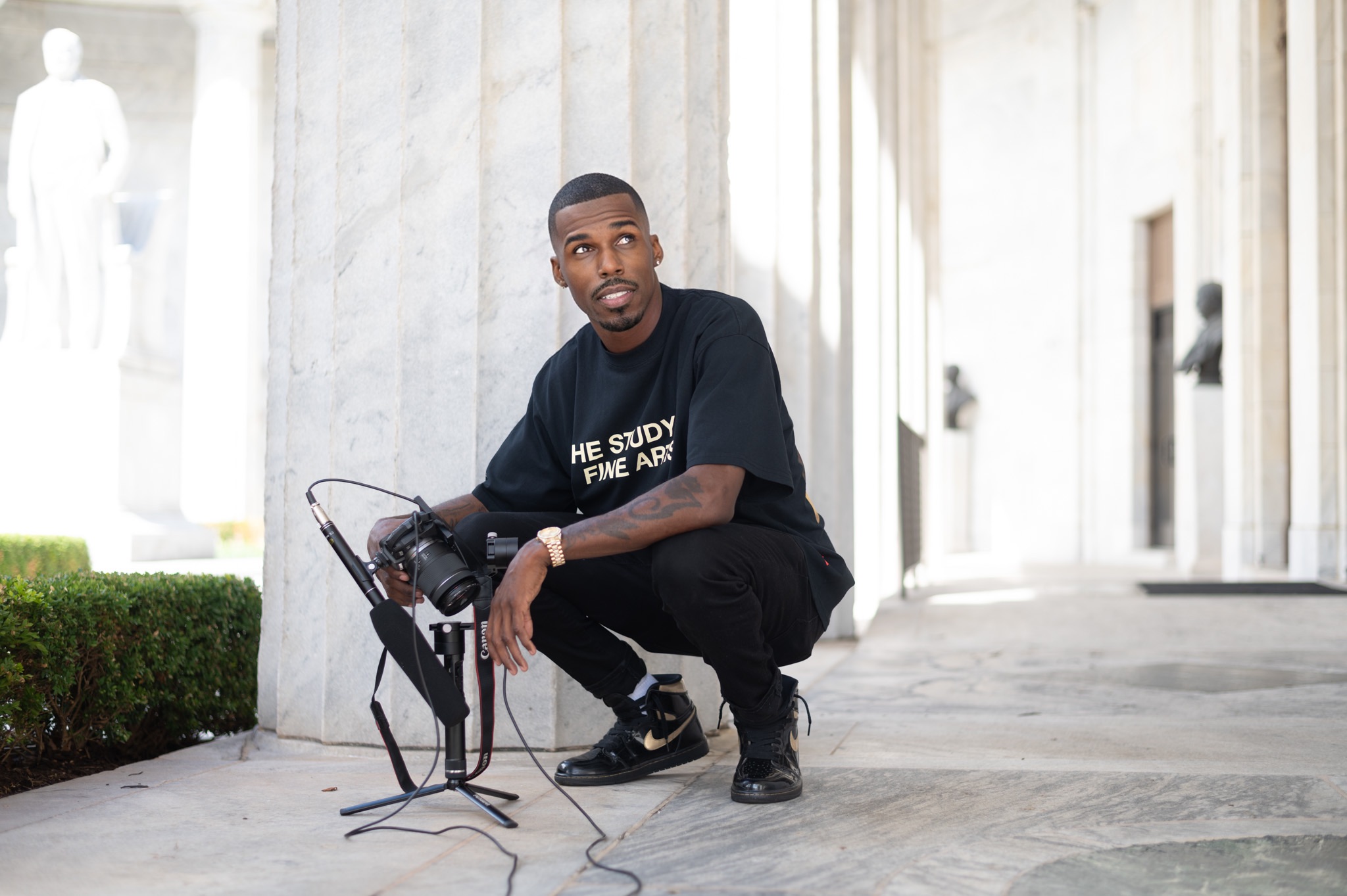
Do you think there is something that non-creatives might struggle to understand about your journey as a creative? Maybe you can shed some light?
One thing I believe non creatives often struggle to understand is that our journey is rarely linear or predictable. From the outside it can look like inconsistency or a lack of direction, when in reality it is constant problem solving, recalibration, and learning in motion or just simply looking for money or funding for our project. Progress does not always show up as visible wins. Sometimes it looks like starting over, refining an idea, or choosing not to move forward with something that no longer aligns. That invisible labor is where most of the growth happens.
Another misunderstanding is how much of the work happens before there is any public validation. Long before an audience sees a finished project there are months or years of development, self-funding, rejection, and revision. Creatives are often carrying both the emotional weight of the work and the financial risk at the same time. That dual responsibility can be isolating, especially when the results are not immediate or guaranteed.
There is also a misconception that passion alone sustains the journey. Passion opens the door, but discipline carries the work forward. Creativity requires structure, deadlines, difficult decisions, and the ability to keep showing up when inspiration is low. Loving the work does not make it easy. It makes it demanding in a different way.
What I hope non creatives understand is that the creative path is not about chasing attention. It is about commitment. Commitment to the craft, to growth, and to telling stories or building work that matters even when there is no applause. That commitment shapes resilience, perspective, and patience in ways that are hard to explain but deeply transformative for anyone willing to walk the path.
Contact Info:
- Instagram: https://www.instagram.com/deonthegreatt/
- Youtube: https://www.youtube.com/@hyermeritassociation
- Other: https://www.instagram.com/deonsalmostfamous/
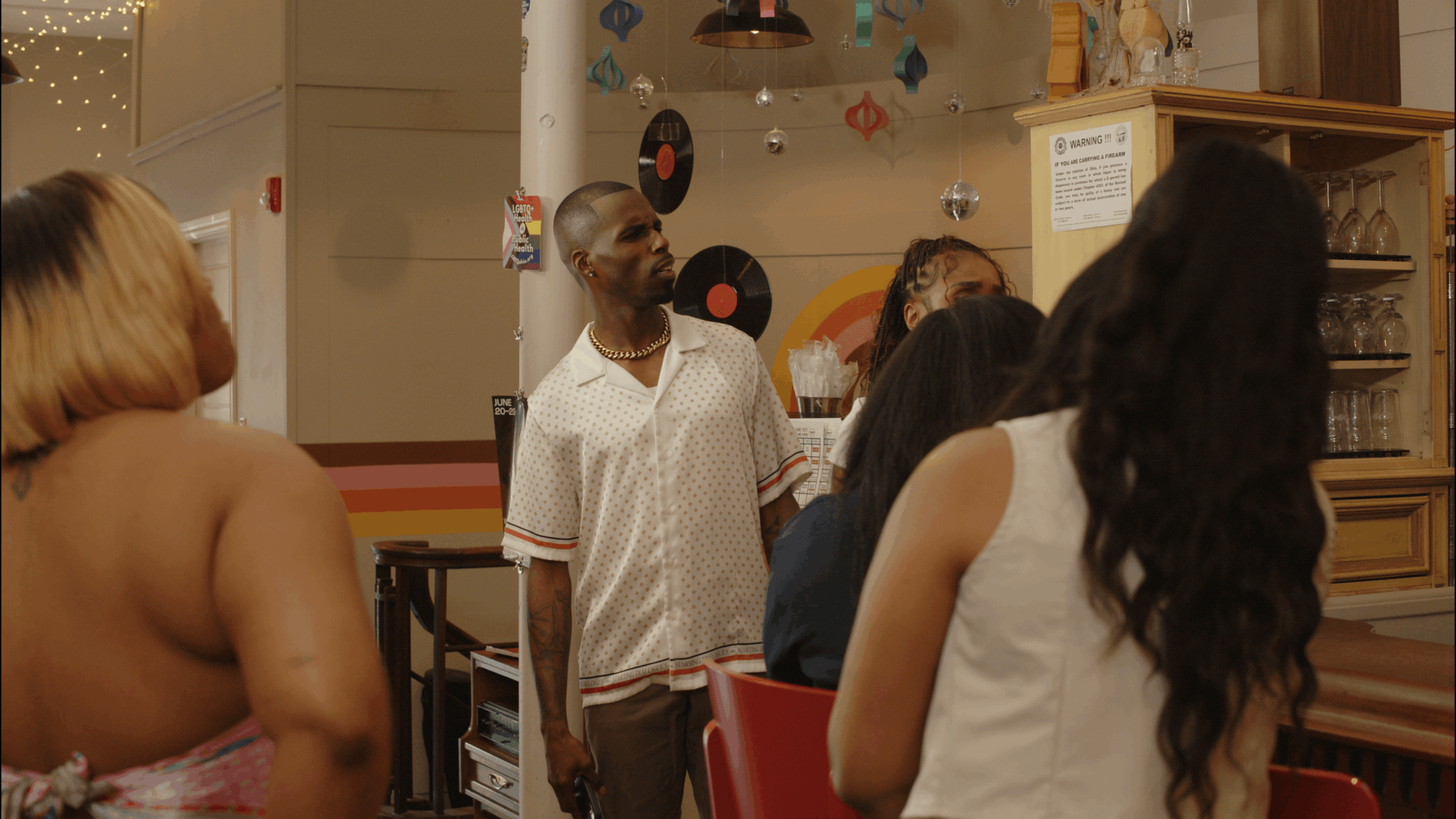
Image Credits
Kaylan Robinson
Krypto Divine
Deon Stubbs
Sonnie Provitt