
We were lucky to catch up with Dawn Levian recently and have shared our conversation below.
Dawn, appreciate you joining us today. Risk taking is something we’re really interested in and we’d love to hear the story of a risk you’ve taken.
One of the biggest risks I’ve ever taken was opening Break Room Therapy in 2019. At the time, rage rooms were still relatively new in many areas, and none existed in West Michigan. I had never owned a business before, and I was stepping into something that many people didn’t fully understand yet.
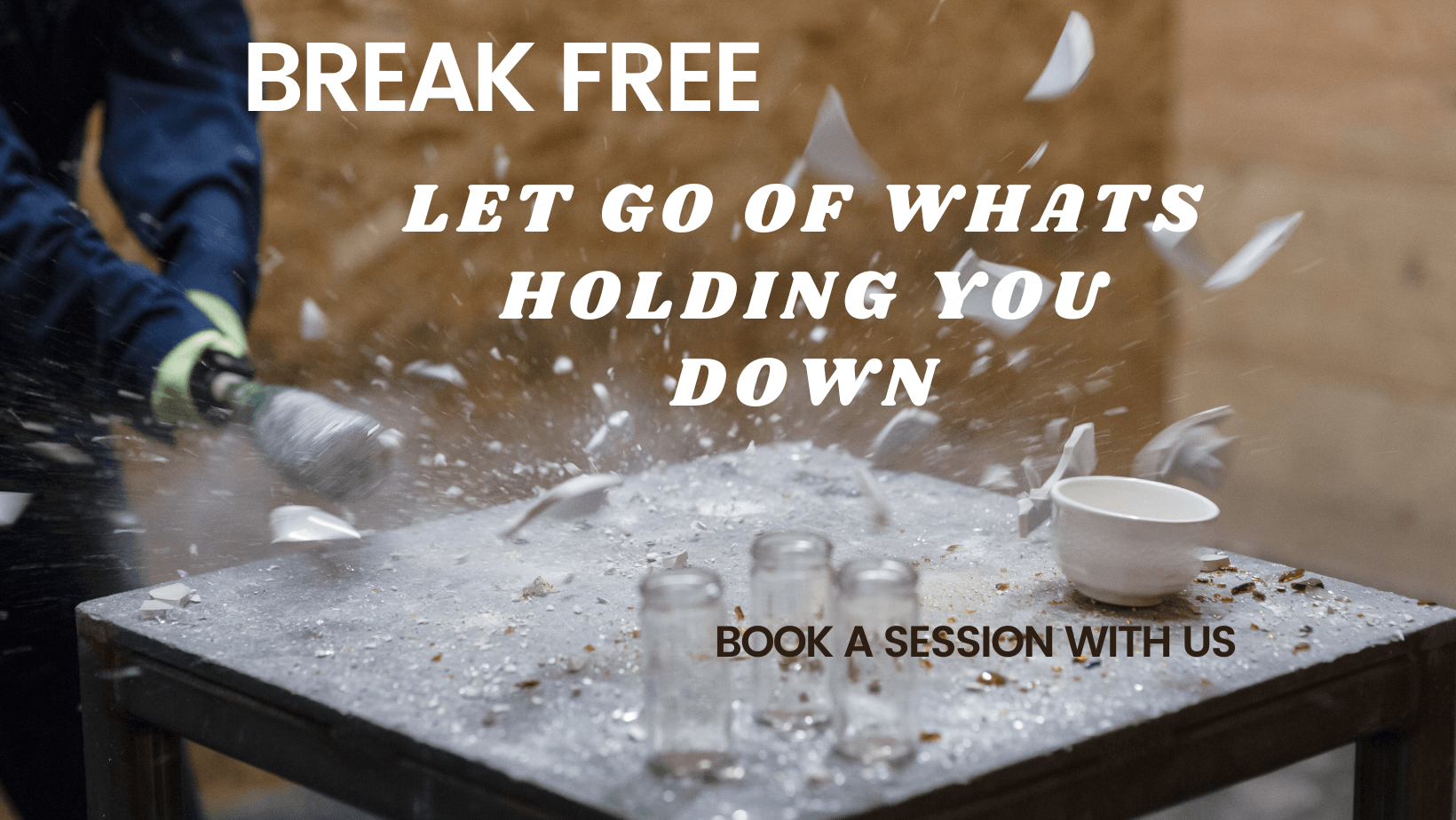
What I believed, though, was that our community needed a safe space where people could release stress and emotions in a healthy, controlled environment. Life can be overwhelming, and not everyone has an outlet for the pressure they carry. The idea of Break Room Therapy wasn’t about destruction for the sake of it — it was about permission. Permission to let go of anger, grief, frustration, or stress in a way that doesn’t harm yourself or anyone else.
Starting the business meant taking a leap of faith. There were financial risks, of course, but there was also the risk that people simply wouldn’t understand what we were trying to create. I had to trust that if we built the space with intention, safety, and compassion, the community would eventually see the value.
Seven years later, that risk has proven worth taking. Thousands of people have walked through our doors for everything from birthday celebrations to team building to moments of personal healing after difficult life events. We’ve watched people leave lighter than when they arrived, and that reminds me that sometimes the biggest risks are the ones rooted in believing your community needs something different.
Looking back, opening Break Room Therapy wasn’t just a business decision—it was a leap of faith that people deserve spaces where they can safely release what they’ve been holding inside.
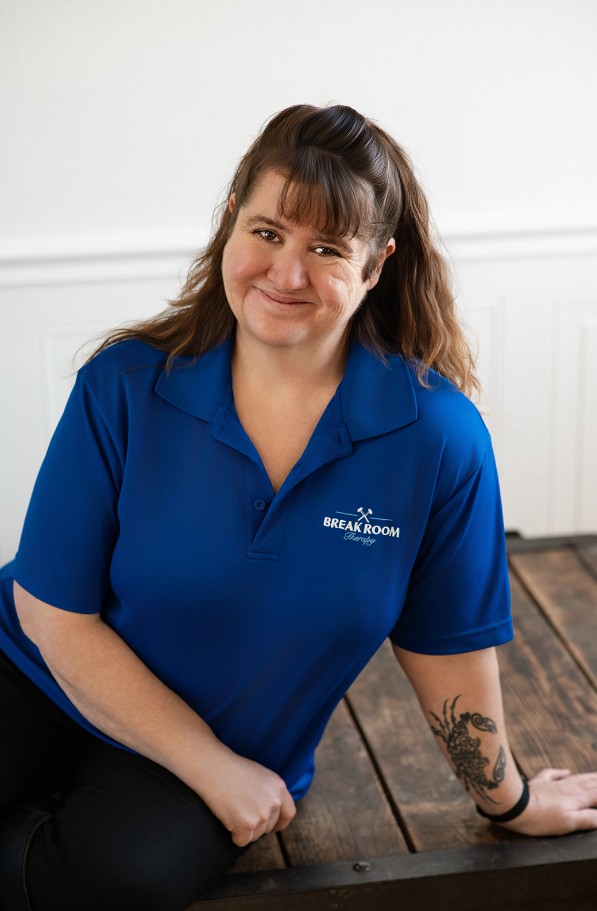
As always, we appreciate you sharing your insights and we’ve got a few more questions for you, but before we get to all of that can you take a minute to introduce yourself and give our readers some of your back background and context?
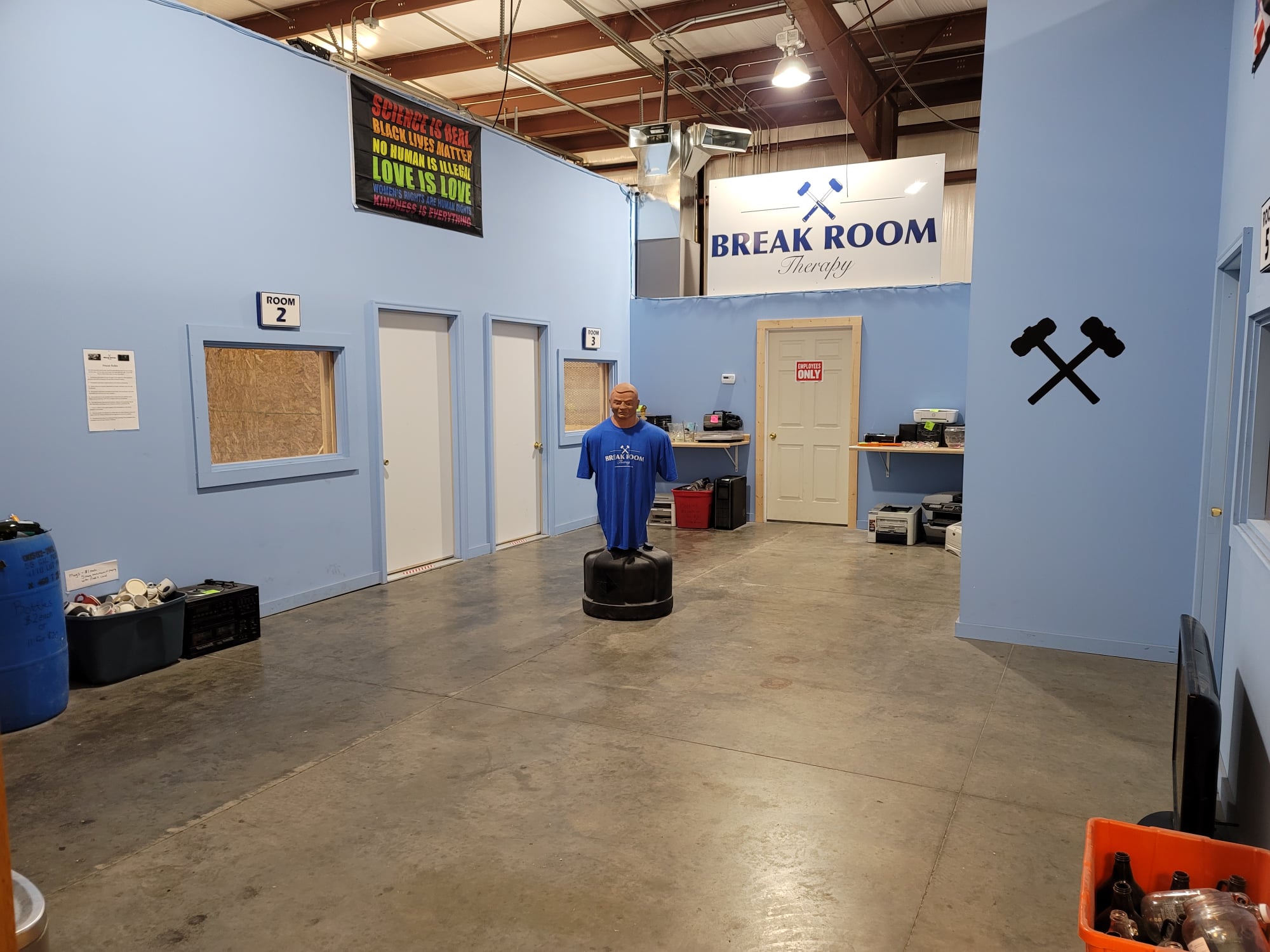
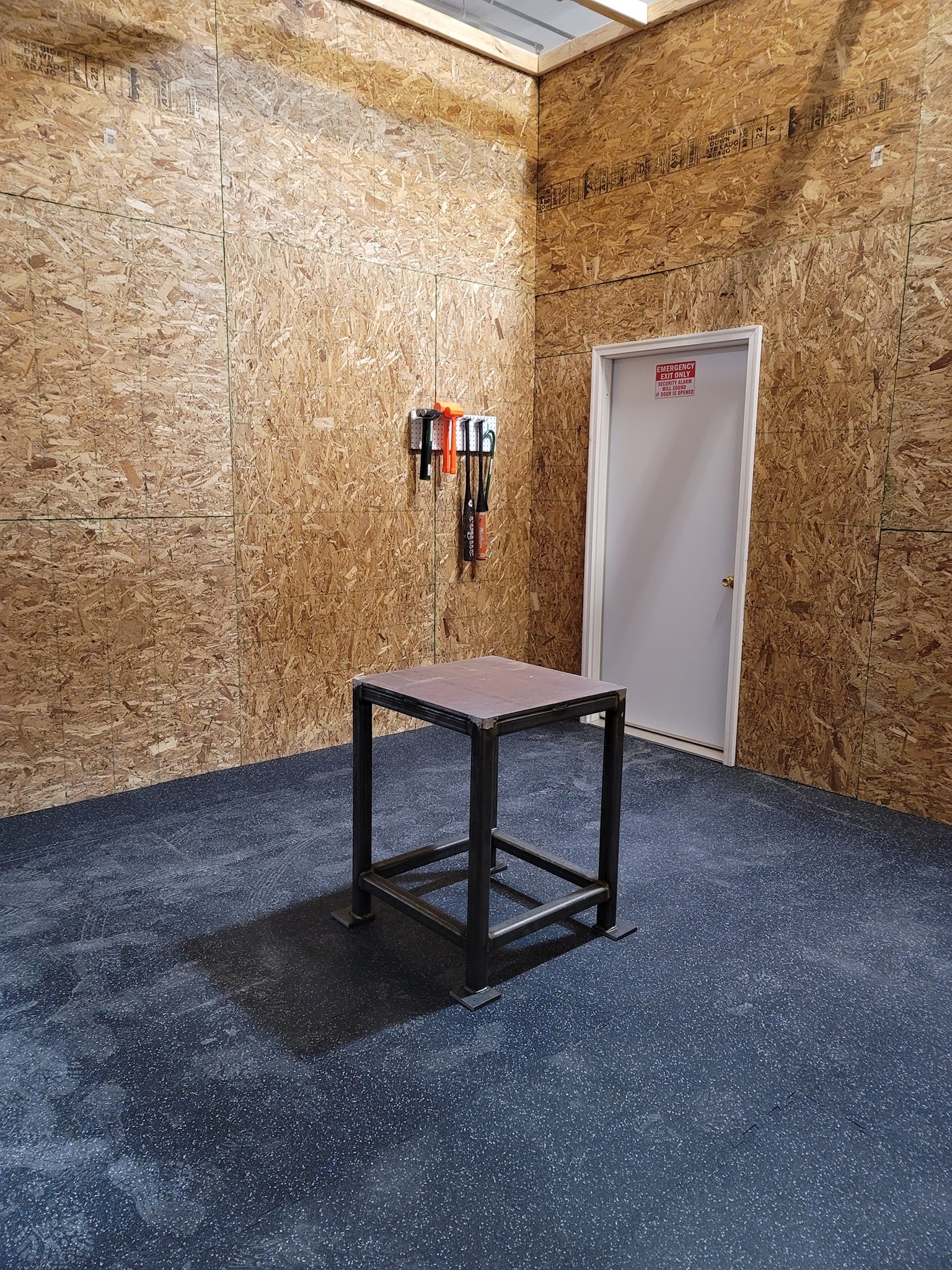
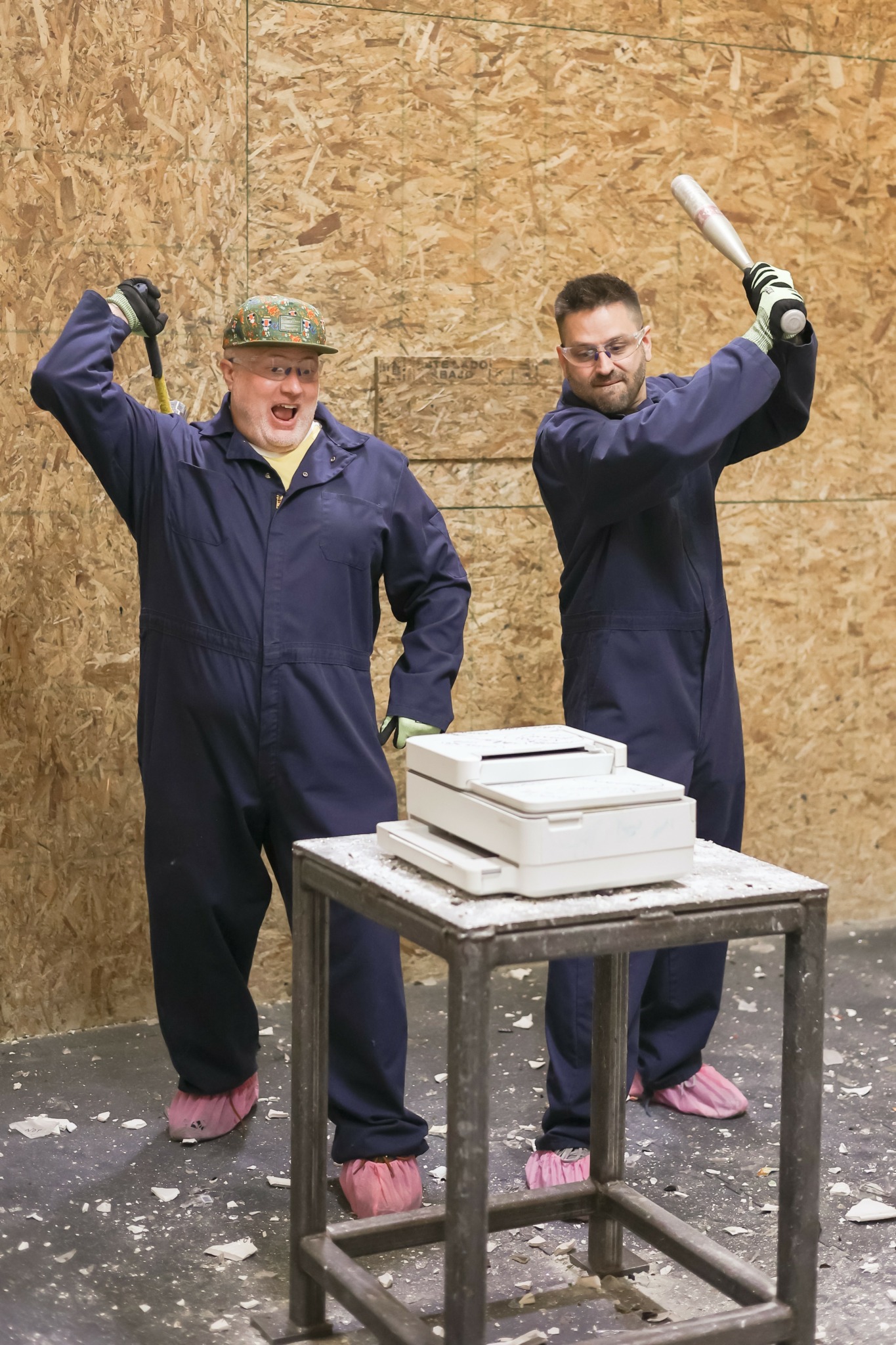
My name is Dawn Levian, and I’m the founder of Break Room Therapy, West Michigan’s longest-running rage room. We provide a safe, controlled environment where people can physically release stress by breaking glass, electronics, and other items while wearing proper safety gear and being guided through the experience.
Before opening the business in 2019, I had never owned a company before. What I did have was a strong belief that people carry a lot more stress, anger, grief, and pressure than society often gives them permission to release. I had seen in my own life and in the lives of others how emotions can build up when there isn’t a healthy outlet. When I first learned about rage rooms, the idea immediately resonated with me—not as destruction for the sake of it, but as a form of emotional release in a safe and structured space.
Break Room Therapy was built around that concept. Our goal is to create an environment where people can let go of what they’ve been holding in—whether that’s work stress, relationship struggles, grief, frustration, or simply the weight of everyday life. We see guests come in for birthday celebrations and team-building events, but we also see people who are going through breakups, job losses, major life transitions, or just a really difficult week. Watching someone walk out lighter than when they came in is one of the most rewarding parts of what we do.
One thing that sets us apart is that we’ve always approached the experience with intention and responsibility. Safety is a major priority, and we focus on creating an environment that is structured, welcoming, and judgment-free. We also made an early decision that as much glass as possible thats broken in our facility would be collected and crushed into reusable sand rather than sent to a landfill. We scrap the metal from electronics and recycle the cardboard from our pick ups. Turning something broken or would have been trash into something that can be used again felt symbolic of what we hope people experience here.
Another core value for us is community. We pay our staff above minimum wage because we believe that taking care of the people who care for our guests matters. We also regularly donate experiences to local fundraisers and nonprofit events because supporting the community that supports us is important to our business philosophy.
What I’m most proud of is that what started as a risky idea has grown into something that has helped thousands of people. Over the years we’ve watched people laugh, cry, celebrate milestones, process difficult moments, and simply breathe a little easier when they leave. That tells me the space we created is doing what it was meant to do.
At the end of the day, Break Room Therapy isn’t really about breaking things. It’s about giving people permission to release what they’ve been holding inside and reminding them that it’s okay to let go sometimes.
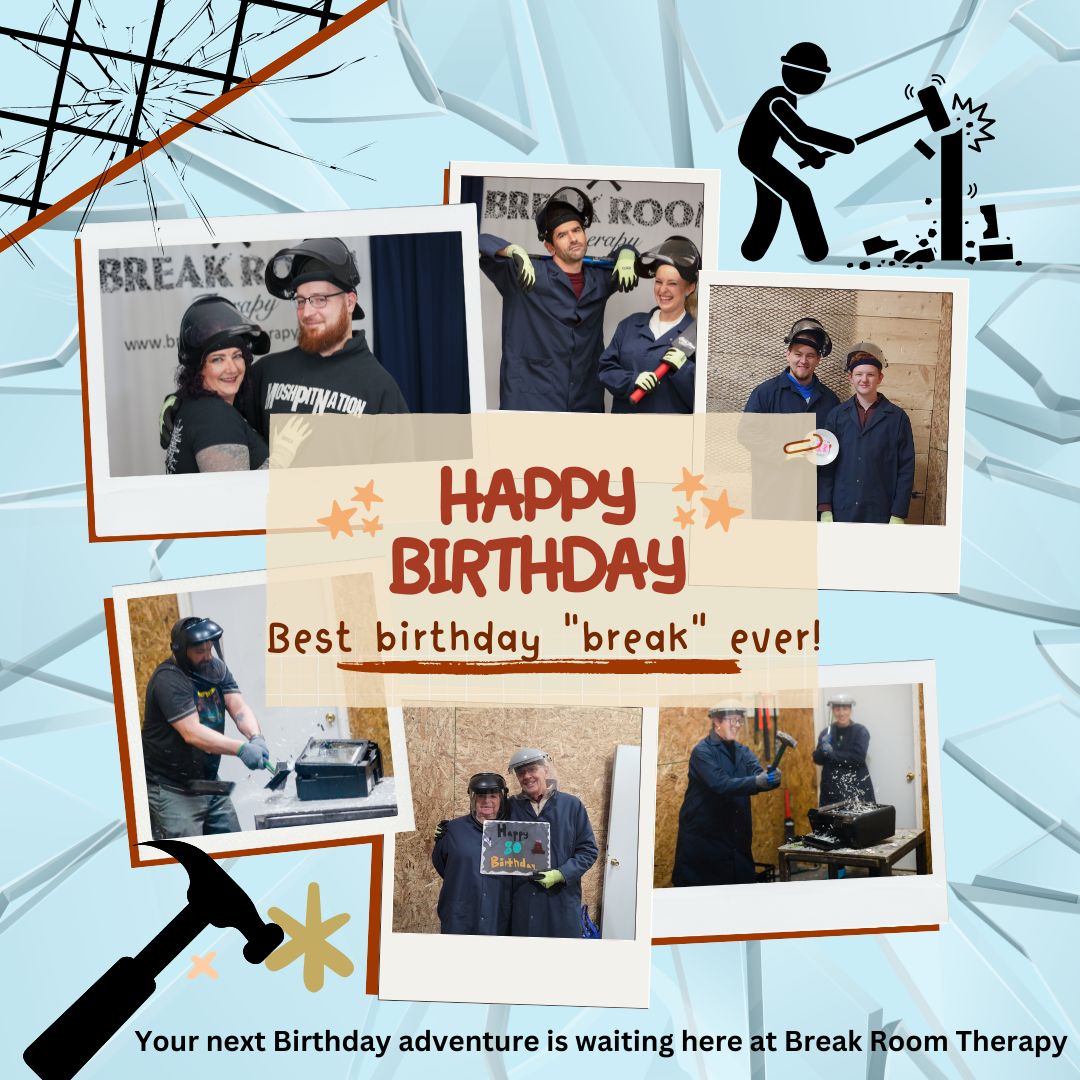
Any stories or insights that might help us understand how you’ve built such a strong reputation?
I think the biggest factor in building our reputation has been authenticity. What people see from me and from Break Room Therapy is genuinely who we are. We don’t try to present a polished, perfect version of ourselves—we show up as real people who care deeply about our community and about mental health.
From the beginning, I made a decision that we weren’t going to be quiet about the things that matter. Life is complicated, the world can be overwhelming, and people are carrying a lot emotionally. Because of that, we talk openly about stress, anger, burnout, and mental health. We try to normalize conversations that people sometimes feel they have to keep hidden.
That honesty has helped people trust us. They know the space we’ve created isn’t just a novelty experience—it’s a place where they’re allowed to be human. Whether someone is celebrating something joyful or processing something difficult, we want them to feel seen and welcomed.
I’ve also learned that being authentic sometimes means being bold. We speak up about the things we believe in, and we try to show that businesses can be successful while still caring about people, community, and well-being. That approach might not appeal to everyone, but it has helped us build a loyal community of guests who appreciate that we show up as our true selves.
In the end, I think our reputation grew simply because people can tell that what we’re doing comes from a genuine place.
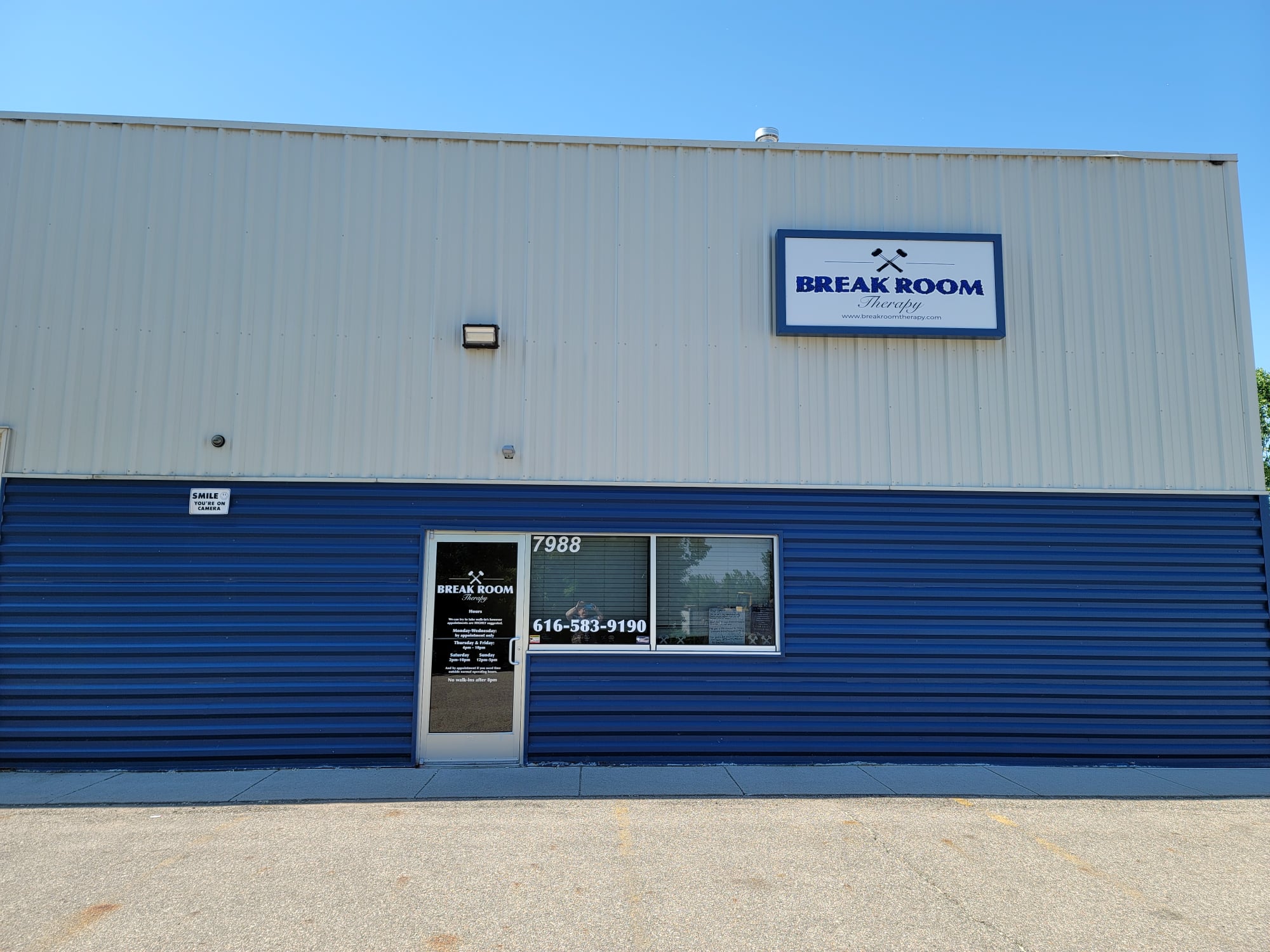
Do you have any insights you can share related to maintaining high team morale?
One of the biggest influences on how I manage a team is actually all the things I experienced with previous managers earlier in my life. I’ve had some great ones, but I’ve also had leaders who made work environments feel small, stressful, or dismissive. When I started my own business, I made a very intentional decision that I never wanted to lead that way.
For me, managing a team starts with respect and honesty. I’m not afraid to admit when I’ve made a mistake or when I may have come across too strongly in a moment. Leadership doesn’t mean pretending you’re perfect—it means being willing to own your actions and grow alongside your team.
I also make it a priority to remind our staff that they truly matter. Break Room Therapy may have started with my idea, but the experience our guests have is shaped just as much by the people who work here every day. Our team is a huge part of what makes this place special, and I try to make sure they know their contributions are valued.
Maintaining morale really comes down to creating an environment where people feel respected, heard, and supported. When your team knows they are appreciated and that their voice matters, it changes the entire culture of a workplace.
At the end of the day, I may have built the business, but the staff are a huge part of why it continues to succeed.
Contact Info:
- Website: https://www.breakroomtherapy.com
- Instagram: https://www.instagram.com/breakroomtherapy/
- Facebook: https://www.facebook.com/BreakRoomTherapy/