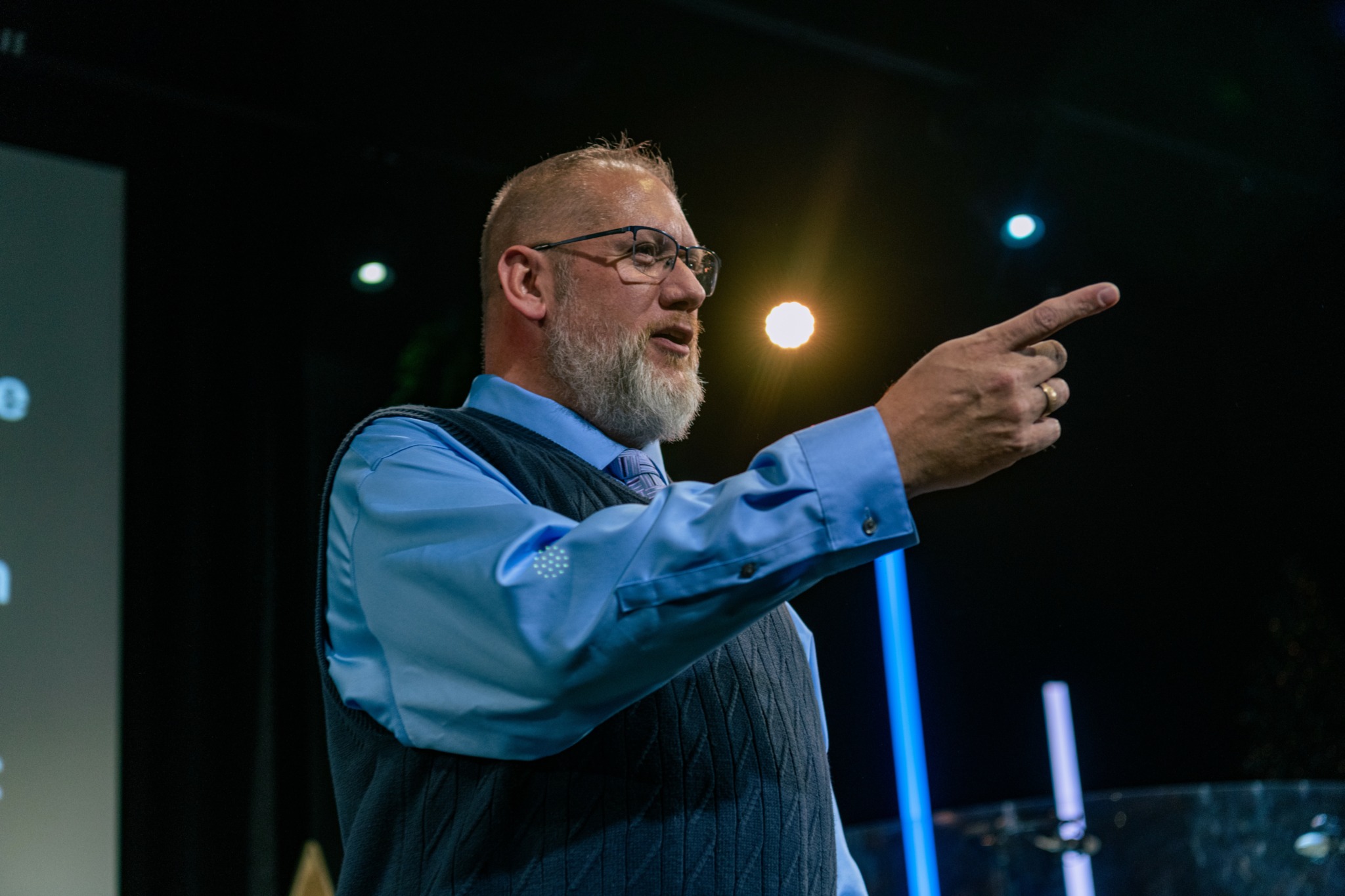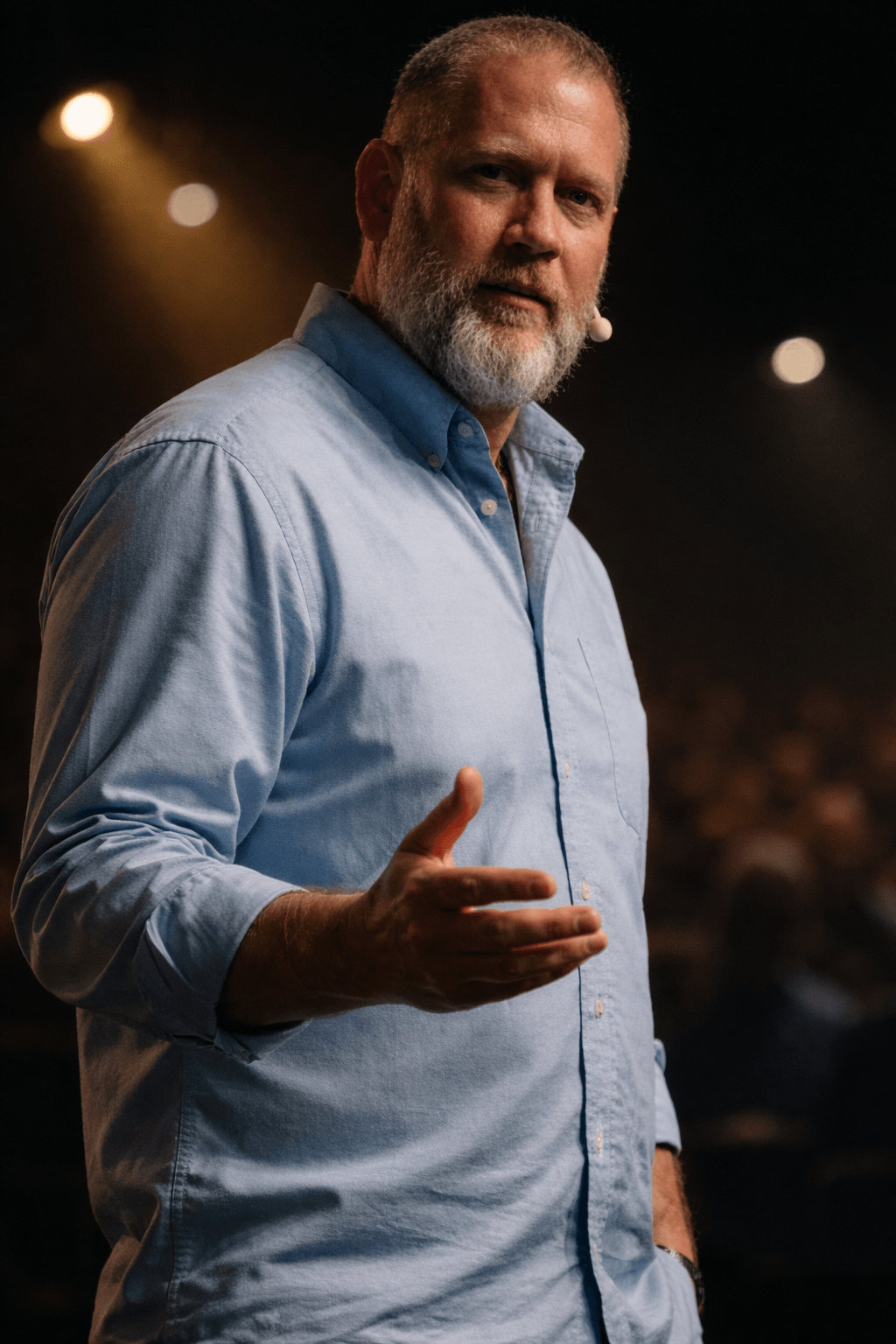

Alright – so today we’ve got the honor of introducing you to Craig Tomanini. We think you’ll enjoy our conversation, we’ve shared it below.
Alright, Craig thanks for taking the time to share your stories and insights with us today. We’d love to have you retell us the story behind how you came up with the idea for your business, I think our audience would really enjoy hearing the backstory.
The idea for the Digital Discernment Program —> ( https://craigtomanini.com/ftprogram ) didn’t come from a single moment—it came from a pattern I couldn’t ignore anymore.
As The Technology Business Coach™, my work has always centered around helping people use technology the right way. Most of the time, that’s inside businesses—helping owners scale through systems, processes, and tools. But over time, I started seeing something deeper. The problem wasn’t just that people didn’t know how to use technology… it was that they didn’t understand what technology was doing to them.
I was having conversations with business owners who felt overwhelmed, distracted, constantly “on,” and unable to focus. Then I’d step into schools and see kids who were growing up fully immersed in devices, but with no real framework for how to think about what they were consuming. At the same time, I’d talk to seniors who were being targeted by scams, manipulated by messages that looked real, and left vulnerable simply because no one had ever taught them how to discern what was true and what wasn’t.
That word—discernment—kept coming up.
Not restriction. Not fear. Discernment.
The ability to stop and ask, “Is this good? Is this true? Is this shaping me in the right direction?”
I realized very quickly that we weren’t dealing with a technology problem. We were dealing with a human problem being amplified by technology.
And the more I looked at it, the more serious it became.
Predators have gone digital. Scams have become more sophisticated. AI can now mimic voices and faces. And the pace of consumption has completely outgrown our ability to process what we’re taking in.
What struck me most was this: across every group—kids, parents, business owners, seniors—no one was being equipped to think critically about their digital lives. People were either being told to avoid technology altogether, which isn’t realistic… or to just embrace it and keep up, which is dangerous without guidance.
That gap is where the Digital Discernment Program —> ( https://craigtomanini.com/ftprogram ) was born.
I didn’t want to create another “internet safety” talk. Those exist. And they’re often forgotten the moment people leave the room.
I wanted to build something that actually changed how people think.
So I designed the Digital Discernment Program —> ( https://craigtomanini.com/ftprogram ) as a structured, conversation-driven program that walks people through what’s really happening in the digital world—and more importantly, how to respond to it.
We talk about real threats—text baiting scams, social engineering, deepfake AI—but we don’t stop there. The goal isn’t just awareness. It’s equipping people with a filter. A way to process what they see before they react to it.
For younger audiences, it’s about helping them understand that not everything they see is real, and not everything that feels good is good for them.
For adults, it’s about regaining control—learning how to use technology intentionally instead of being pulled in a hundred directions.
For seniors, it’s about protection—giving them the tools and confidence to recognize when something isn’t right.
And for faith-based audiences, which is a big part of what I do, we take it even deeper. We anchor everything in a biblical worldview—because at the end of the day, this isn’t just about safety. It’s about stewardship. It’s about making sure that technology never replaces or erodes the relationships and purpose we were created for.
One of the driving statements behind the program is simple:
Technology must never be allowed to erode God’s design for humanity or the relationships He created us to live within.
That’s not anti-technology. That’s responsible technology.
Digital Discernment has grown into a full 8-hour program, with an additional youth module, and it’s designed to meet people where they are—whether that’s a church, a school, or an assisted living community. And every time I deliver it, I see the same thing happen.
People slow down.
They start thinking again.
They start asking better questions.
And they leave not just informed—but equipped.
At the end of the day, I didn’t create Digital Discernment because people needed more information.
I created it because people needed a way to think clearly again in a world that profits from their distraction.
And once you see that clearly… you can’t unsee it.
That’s where change begins.
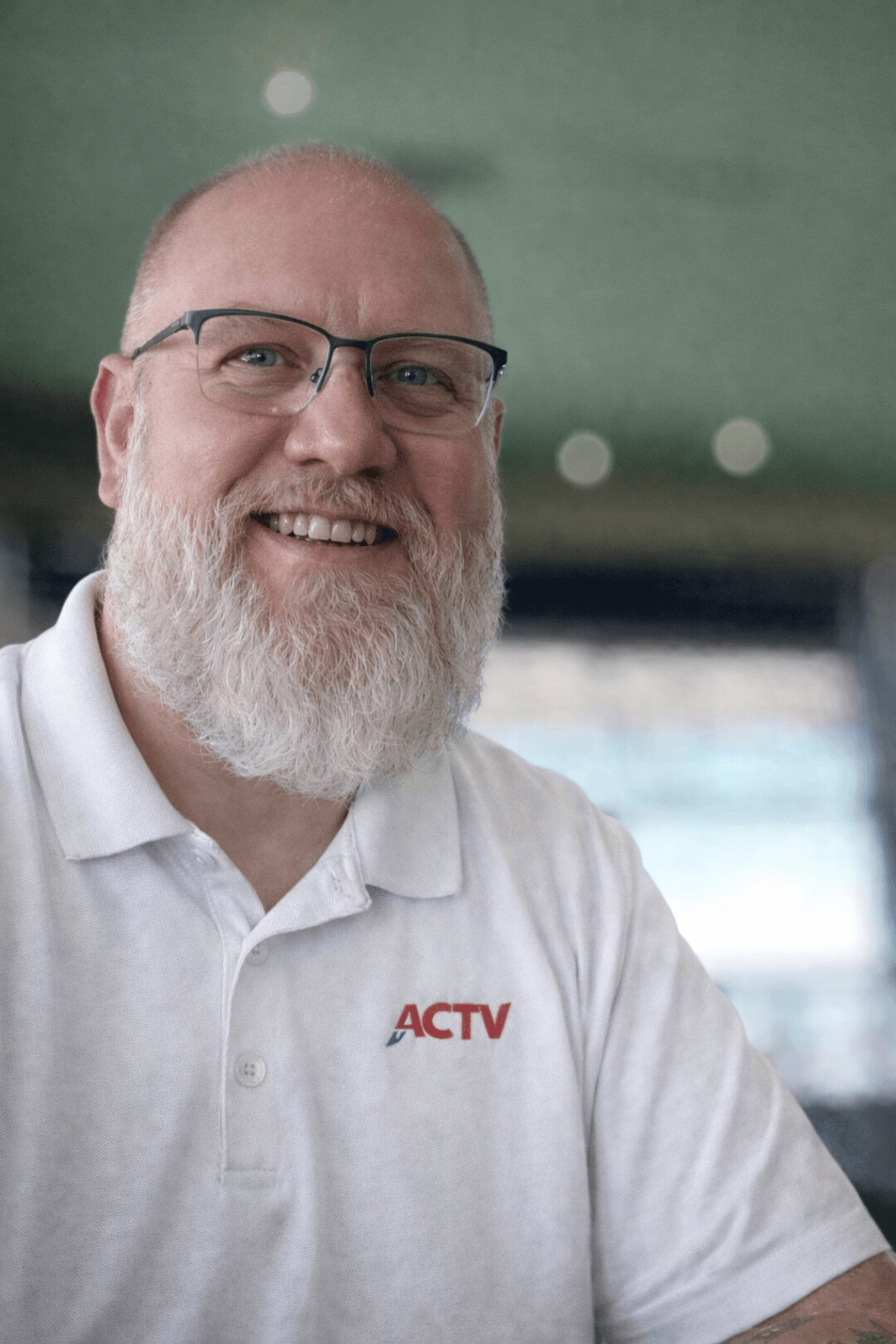
Great, appreciate you sharing that with us. Before we ask you to share more of your insights, can you take a moment to introduce yourself and how you got to where you are today to our readers.
I didn’t start out in this space with the intention of becoming The Technology Business Coach™. What I’ve always been drawn to is solving problems—specifically, helping people move from confusion (chaos) to clarity.
Over time, that naturally led me into technology, because whether people realize it or not, technology sits at the center of almost every challenge businesses and individuals face today.
I’ve spent years working with business owners who were stuck—not because they weren’t working hard, but because they didn’t have the right systems, processes, or structure in place. They were overwhelmed, wearing too many hats, and trying to grow without a clear operational foundation. That’s where I stepped in.
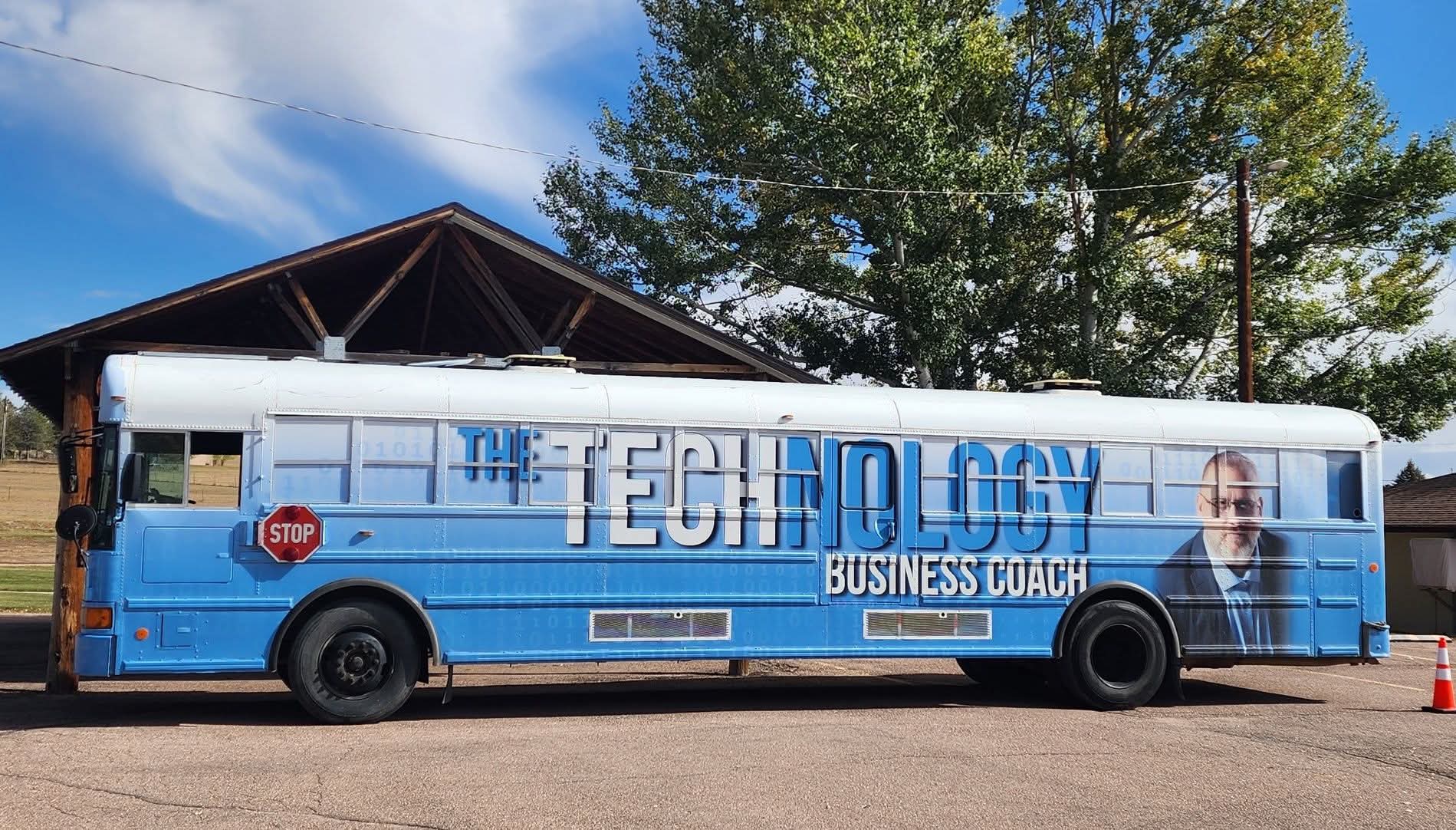
As The Technology Business Coach™, I help business owners scale by aligning three key areas: systems, processes, and technology. Most people jump straight to tools, but tools don’t fix broken processes. So my work starts by bringing clarity to how a business actually operates, then implementing the right technology to support that—not complicate it.
But as I continued working in this space, something bigger started to stand out.
The same confusion I was seeing in businesses… I was also seeing in people’s everyday lives.
People weren’t just struggling to use technology effectively—they were being shaped by it in ways they didn’t fully understand.
That realization is what led to the creation of the Digital Discernment program.
So today, my work lives in two connected worlds.
On one side, I work with business owners—helping them scale, create efficiency, and build systems that actually support growth.
On the other side, through the Digital Discernment Program —> ( https://craigtomanini.com/ftprogram ), I work with churches, schools, and communities to help people understand how to navigate technology wisely—especially in a world where digital threats, distractions, and manipulation are increasing rapidly.
The problems I solve are deeper than just “how do I use this tool” or “how do I grow my business.”
I help people: – Regain clarity in how they operate
– Create structure where there is chaos
– Use technology intentionally instead of reactively
– And in the case of Digital Discernment, learn how to think critically about what they consume and how it impacts their lives
What sets me apart is that I don’t approach technology from a hype-driven or purely technical perspective.
I’m not here to impress people with tools.
I’m here to help them think.
Everything I do is built around helping people slow down, ask better questions, and make decisions with intention. That’s true whether I’m working with a CEO trying to scale a business or a parent trying to protect their child online.
Another key difference is that I bring a faith-based perspective into much of my work—especially through Digital Discernment. I believe technology is not neutral. It shapes behavior, thinking, and relationships. So we have a responsibility to approach it with wisdom, not just convenience.
What I’m most proud of isn’t a specific deal or milestone—it’s the impact.
It’s seeing a business owner finally feel in control again instead of overwhelmed.
It’s watching a room full of people pause, reflect, and realize how much of their life has been influenced by something they never questioned.
It’s hearing from parents, teachers, or seniors who say, “I didn’t realize how real this was until now.”
That’s what matters.
If there’s one thing I want people to understand about me and my work, it’s this:
I’m not here to add more noise.
I’m here to help people cut through it.
Whether that’s in business or in life, the goal is the same—clarity, alignment, and intentional action.
Because when people think clearly, everything else starts to fall into place.
Let’s talk M&A – we’d love to hear your about your experience with buying businesses.
One of the more strategic moves I’ve made in my business journey was acquiring ACTV Digital (www.actv.digital), a digital signage network focused on helping small business owners get affordable, high-impact advertising.
The reason I bought ACTV was actually very aligned with the core of what I already do.
At the time I acquired it, the business was operating under a different name and, like many small businesses, it wasn’t structured in a way that allowed it to scale. The foundation was there, but the branding wasn’t clear, the systems weren’t optimized, and the processes weren’t defined in a way that could support growth.
What I saw wasn’t a broken business—I saw hidden value.
There was already a concept that worked. Screens were installed, businesses were participating, and the model itself made sense. But it needed clarity. It needed structure. It needed positioning.
So a big part of the acquisition wasn’t just taking over operations—it was rebuilding the foundation.
We rebranded it into ACTV Digital to better reflect what it actually does and how it serves the market. From there, I focused heavily on improving the systems and processes behind the scenes—how content is managed, how clients are onboarded, how campaigns are delivered, and how the network scales.
That transformation is something I teach all the time: most businesses don’t need to be reinvented, they need to be realigned.
I was constantly working with business owners who needed more visibility. They had great products or services, but they struggled to get in front of the right audience consistently without spending thousands on traditional advertising channels like digital billboards or large media buys.
At the same time, I saw an opportunity.
Digital signage—screens placed inside high-traffic local businesses—created a way to deliver repeated exposure at a fraction of the cost. It was hyper-local, highly visible, and scalable. But more importantly, it fit perfectly into the ecosystem I was already building for business owners.
So instead of just advising clients on marketing strategies, I now had a platform that could directly solve one of their biggest problems—visibility.
The acquisition itself wasn’t overly complex, but it required clarity.
I approached it the same way I teach my clients to approach any business decision—by evaluating the systems, the scalability, and the long-term fit within a larger vision.
I looked at: – The existing network and infrastructure
– The operational processes behind managing screens and content
– The revenue model and scalability potential
– And most importantly, how it would integrate into the broader services I provide
Once it became clear that ACTV wasn’t just a standalone business, but a strategic extension of what I was already doing, the decision made sense.
What I’ve learned through that process is that acquiring a business isn’t just about buying revenue—it’s about buying alignment.
If it doesn’t fit into a larger vision, it becomes another thing to manage. But when it does fit, it becomes a multiplier.
Today, ACTV Digital allows me to serve business owners in a more complete way. I’m not just helping them build systems and processes—I’m also helping them get seen.
And that combination—clarity behind the scenes and visibility in the marketplace—is where real growth happens.
What do you think helped you build your reputation within your market?
If you look at my Google reviews, there’s a consistent theme. People don’t just say that I helped them “learn something.” They talk about clarity. They talk about structure. They talk about finally understanding how their business or situation actually works.
That doesn’t happen by accident.
From the beginning, I’ve focused on making sure that every interaction—whether it’s a coaching session, a system buildout, or a live training—leaves people better equipped than when they came in.
I don’t rely on surface-level advice. I go deep into how things actually function, and I make sure my clients understand it in a way they can use immediately.
Another factor is that I don’t overpromise.
A lot of people in the technology and business space sell outcomes that sound good but aren’t grounded in reality. My approach is different. I’m very direct about what it takes to fix something, what’s working, what’s not, and what needs to change.
That honesty builds trust.
And over time, trust turns into reputation.
I also think consistency has played a major role. Whether someone is working with me one-on-one, attending a training, or hearing me speak, they’re going to get the same approach—clear, structured, and focused on real-world application.
Finally, I stay in my lane.
I don’t try to be everything to everyone. I focus on systems, processes, and technology—and how those things actually impact people and businesses. Because of that, when someone is struggling in those areas, they know exactly who to call.
At the end of the day, reputation isn’t built through marketing—it’s built through experience.
And when people consistently walk away saying, “That actually helped me,” word spreads.
Contact Info:
- Website: https://askcraigtee.com
- Instagram: https://www.instagram.com/thetechnologybusinesscoach?igsh=eTE0ZHpqd2Vhd2l2
- Facebook: https://www.facebook.com/share/1FkxeRdxDr/
- Youtube: https://youtube.com/@thetechnologybusinesscoach?si=WKSwhiyzeWsH5G9Z