

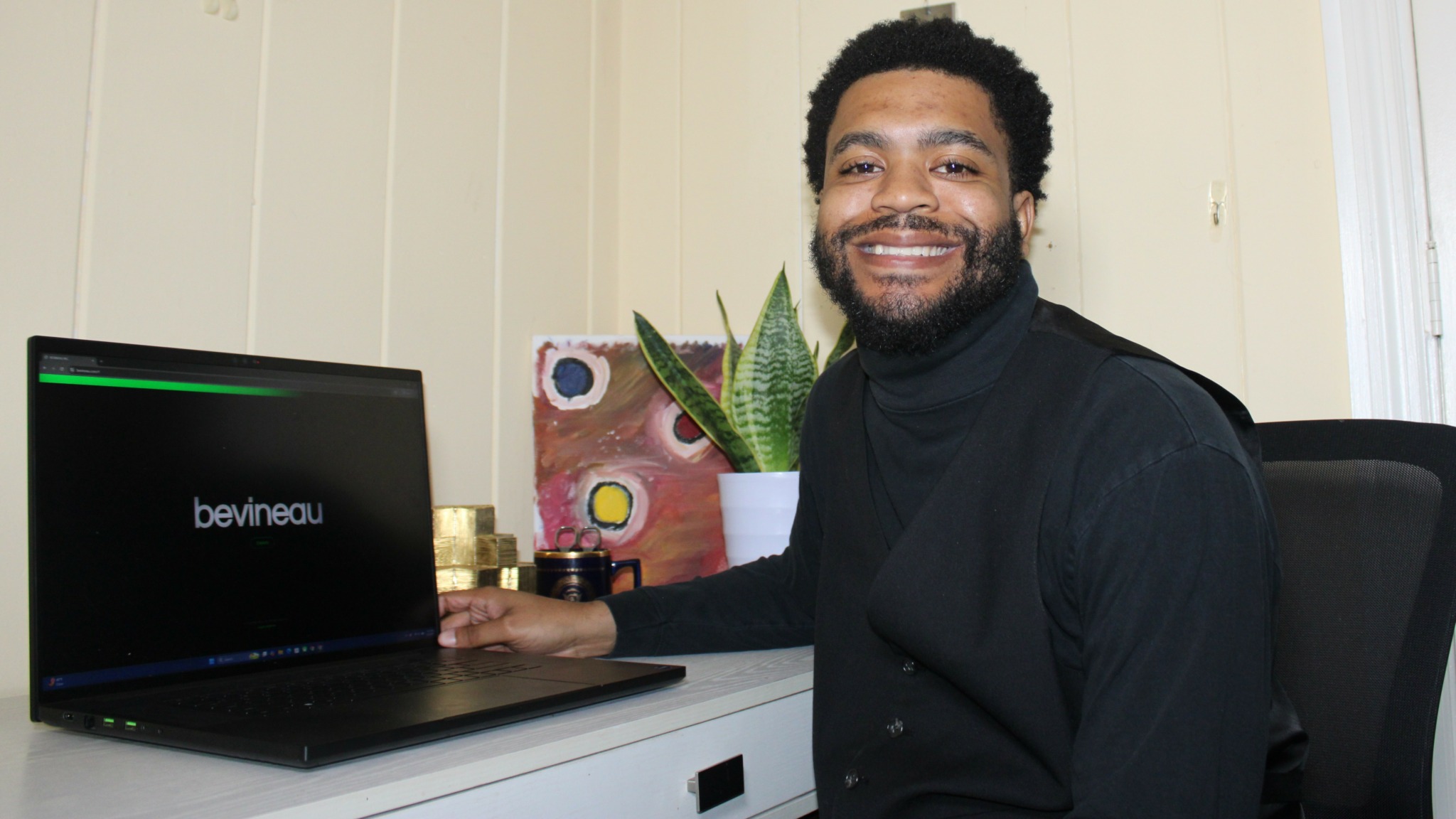

We were lucky to catch up with Cory Mack recently and have shared our conversation below.
Hi Cory, thanks for joining us today. What’s the backstory behind how you came up with the idea for your business?
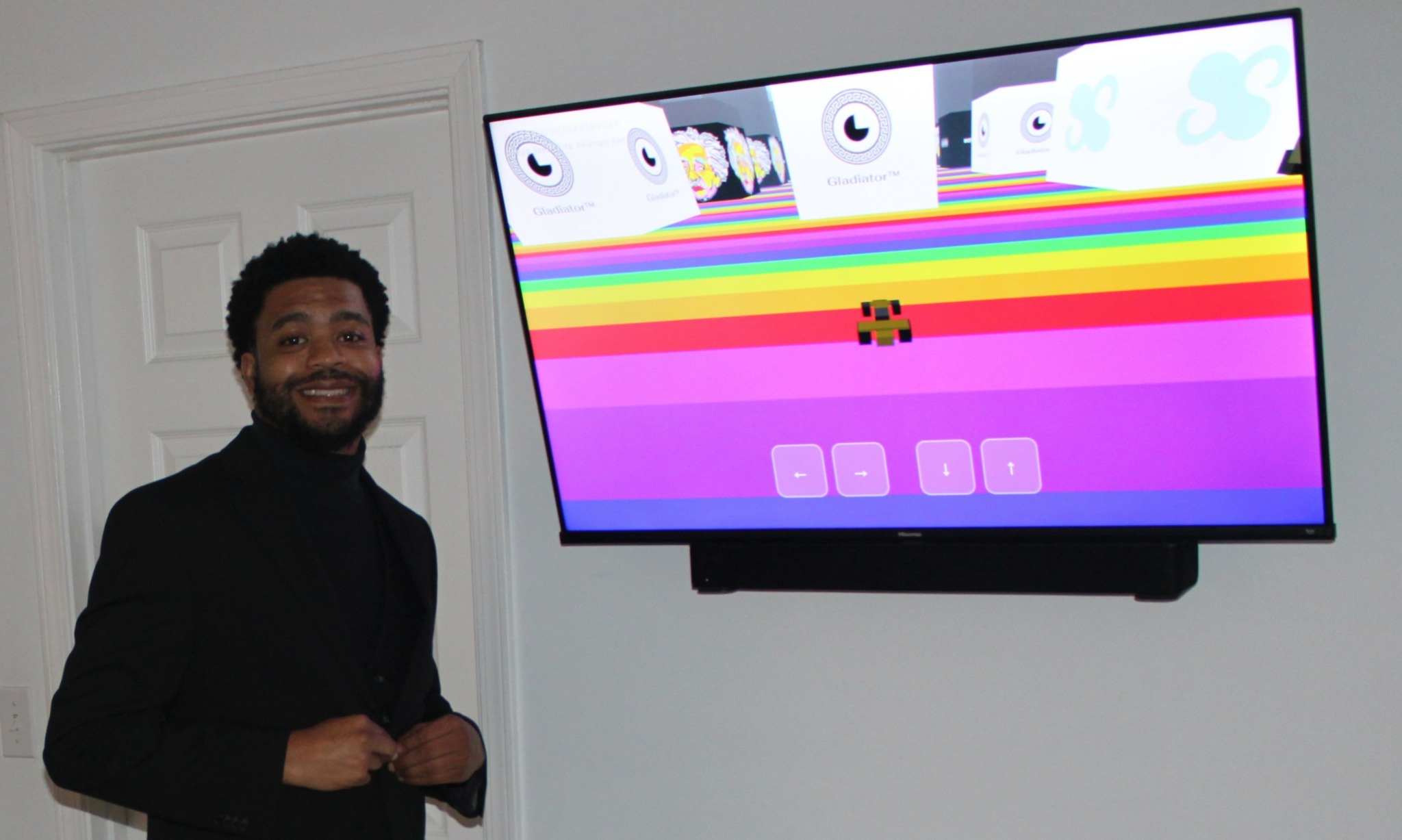
I enrolled in an AI and Python coding skills program at MIT and refined my skills by building a web-based education-driving simulator in 2 days using an AI stack. I always wanted to create a computer game, so on day one, I took a design of Earth I had previously created for realistic world physics and turned it into an endless cityscape track in the likeness of The Big Apple. The next day, I showed my mom, an elementary school teacher, and she quickly asked, “Can you add the Dolch Sight Words to the building advertisements?” Then I decided to split the game into age ranges so children 8 years and younger can drive around and see their 220 Dolch Sight Words, plus an additional 95 nouns, along with basic colors. Children aged 9-16 can drive around the city and read the 118 identified elements in the buildings’ advertisements. I always heard pushback against modern gaming from concerned parents, so I realized my mother’s request would benefit other children, even in her own classroom. I got excited when I realized that one day I might have children of my own and be able to build something I could pass on to them, and maybe they would even develop the simulator further if that suits their fancy.
Cory, before we move on to more of these sorts of questions, can you take some time to bring our readers up to speed on you and what you do?
I have always had a desire to create things from a young age, and I have had business discipline instilled in me from early on by my parents, grandparents, uncles, aunties, and cousins. Most of my business ideas choose me rather than the other way around. As a kid, learning to ride a bike was a major milestone. So I would buy the interesting bikes from my friends, clean them up a little, and then resell them on Craigslist. A few years later, in high school, I sustained a season-ending football injury and was inspired by the care and attention of my surgeons. I began researching infection prevention after making a list of all the tedious problems I felt I could have the biggest impact on. The main problem I have always been solving for clients is saving money. My grandpa owned a liquor packaging company, and he would always say, “Time is Money.” So, speeding up access for locals to certain special bike styles, like fixed-gear and single-speed bikes, can save them money on shipping and maintenance. I’m most proud of my work in music management, working with my lifelong friend GB Flame. I shot his first music video with a camera borrowed from our high school. We played Little League Baseball together, and we both were named all-conference football players our senior year of high school. He’s been one of my earlier allies on and off the field, and he trusts my input on important matters, both music- and non-music-related. It makes me happy to have built such a strong and mutually respected business relationship while maintaining our friendship.

Any insights you can share with us about how you built up your social media presence?
Just network at all costs and do deep research. Some of my best connections on social media came from me just being curious and digging deep. I see an interesting page, and their engagement has increased. They might have their management listed in their bio. I’ll reach out to management and see if I can connect. If it goes well, they befriend me and share my excitement; if it doesn’t, I keep trying to find the best fit. There are so many different people in every industry — new school, old school, and blended. Instead of just sending 5-minute reels to your friends, spend 5 minutes figuring out which firm an actor, artist, or athlete is represented by. Send them a short pitch message and wait for a response. I’ve made friends with signed artists much bigger than me who share their entire growth strategy, all from a simple DM. Being kind and genuine can make a world of difference in your daily life. It’s like that saying “stop to smell the roses,” it’s natural for people to be social and want to connect with people who are careful enough to appreciate the delicate new bloom instead of just bulldozing through the beauty.

We often hear about learning lessons – but just as important is unlearning lessons. Have you ever had to unlearn a lesson?
Not every nay-sayer is negative feedback. I took an entry to law school course at Harvard Law, and they trained us to prepare for court by poking holes in every argument. It seems like being a know-it-all, but it simply serves as food for thought to help your team stay a step ahead of the opposing view. If someone takes a meeting with me and asks a question, it’s usually to learn more, not to tell me I’m wrong. It’s an ugly truth that actually helps with mass appeal. Everything can be refined, and it’s important to think in a manner that always updates the first thought. When I was in high school, my marketing class hosted a 5K run. I was VP of concessions, and the feedback we received from participants mostly asked if we could label the donated bagels from the local Panera Bread Co. That was essentially just one more adjustment that would have been helpful to the masses. I don’t really believe any lesson needs to be unlearned unless the entire ecosystem changes and old ways are no longer protocol. It’s important to learn from anything and everything. The natives learned from the tiniest insects and the largest stars many things that still hold true today.
Contact Info:
- Website: https://www.bevineau.com/
- Instagram: https://www.instagram.com/ceocory/
- Linkedin: https://www.linkedin.com/in/cory-m-67901831b/
- Youtube: https://www.youtube.com/@ceocory
- Soundcloud: rb.gy/5x69d8
- Other: https://www.bevineau.com/aerodynamic

Image Credits
Cory Mack