

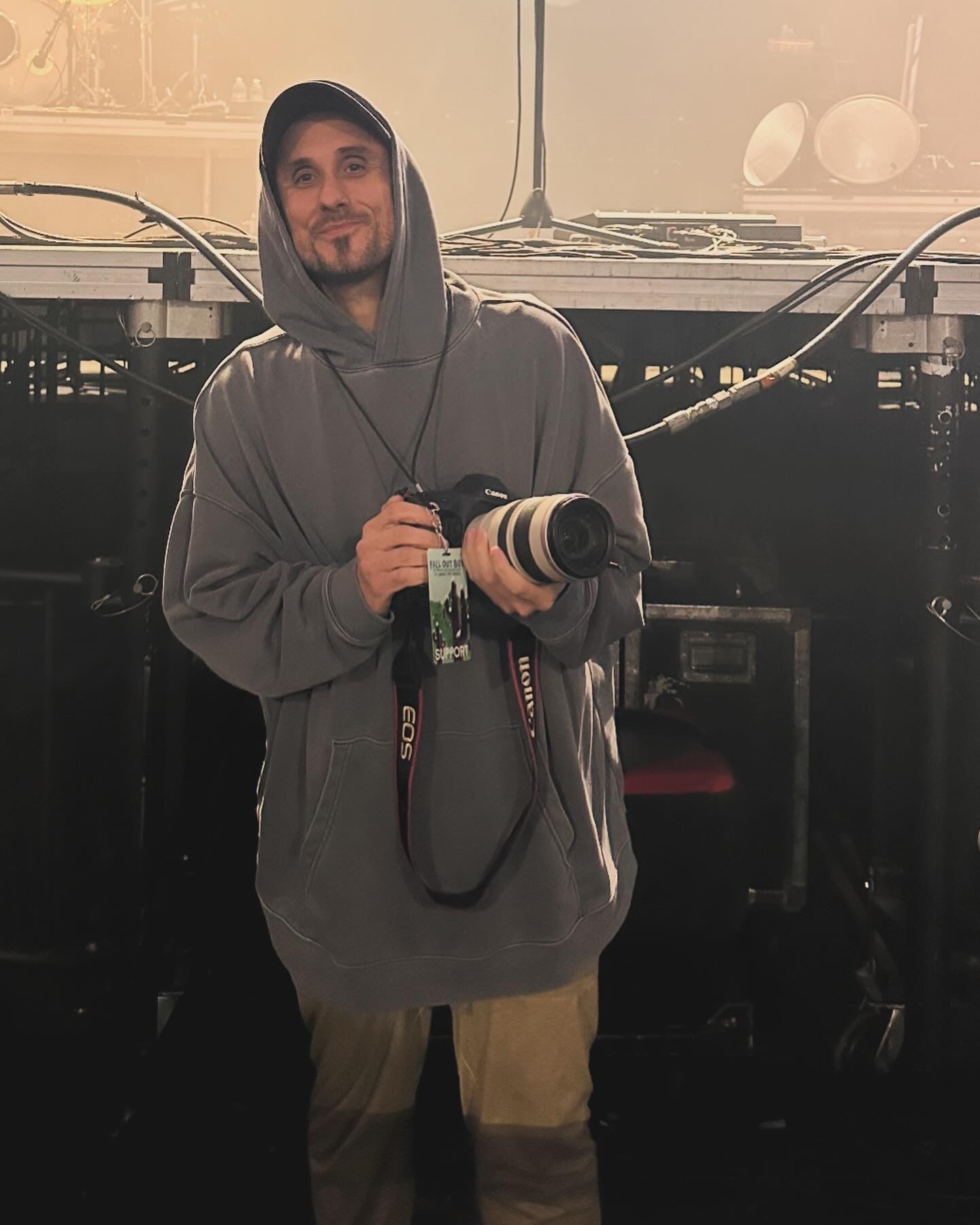

We were lucky to catch up with Christopher Townsend recently and have shared our conversation below.
Christopher , appreciate you joining us today. Can you open up about a risk you’ve taken – what it was like taking that risk, why you took the risk and how it turned out?
I’ve taken risks at different points in my life, but one that continues to define me began during a season where everything felt uncertain and honestly a little broken. In my early twenties, after leaving film school and Los Angeles, I moved back to Virginia and took a marketing job producing training videos. On paper it was stable, I was making decent money, I was newly married, but internally I felt disconnected from what I actually loved. My passion was never really corporate video work, it was storytelling through composition, through editing, through cinematography, and most of all through music. I loved the idea of taking sound and shaping it visually, collaborating with artists, building something that felt alive. At the same time, my marriage was falling apart, and not long after, I found myself a single father raising a three and four year old. That combination of responsibility, pressure, and lack of fulfillment created a lot of anxiety and depression, and I made a decision that didn’t make sense to most people. I walked away from that job without a clear safety net. At the time it didn’t feel bold, it felt necessary just to breathe again. I started taking photos, not to build a career, but as a way to understand what I was feeling. A counselor challenged me to bring those images back and talk about them, and through that process I was unknowingly practicing mindfulness, learning how to sit with moments instead of running from them. Music played a big role in that, it influenced how I framed things, how I noticed light, how I connected emotion to what I was seeing. In 2015, while in Los Angeles, I heard a song called “Dangerous” by Big Data featuring Joywave, and something about that track stayed with me. Later that night, sitting in a hotel room, I took another risk that felt small but wasn’t for me at the time. I reached out to the artist through social media, not knowing anything about industry channels or how you’re “supposed” to do it. Months later, I got a response and an opportunity to shoot a show in Charlotte. I took my last two thousand dollars and bought a zoom lens, which was a real risk considering I had two kids depending on me, and I went to that show without telling anyone because I didn’t want to carry their doubt with me. That night changed everything. I not only shot the show, I was given access, I met the crew, and something in me clicked. From there I started reaching out to more artists, at first unpolished and honestly a little naïve, but I began learning how to communicate professionally, how to approach managers, how to build trust. I was getting photo passes, shooting first three songs, building a portfolio that in the beginning really wasn’t that strong. I had to learn a completely different environment than filmmaking. Film is controlled, lighting is intentional and steady, but live music is unpredictable, lights are constantly moving, colors shift, and you have seconds to adapt. I remember one of the early shows I shot for Glass Animals at The National in Virginia, and the lighting was deep purples and dark tones I wasn’t prepared for. Most of the photos were unusable. I drove home discouraged, but instead of quitting, I started experimenting. I was buying different light bulbs, rigging makeshift setups in my house, swinging lights on ropes, studying how motion and color interacted, teaching myself how to shoot manually and slow down instead of just firing off thousands of images. That season of trial and error became my education. About a year into that process, I photographed Matisyahu at a show in Charlottesville. I didn’t think much of the photos at the time, but about a week later his tour manager reached out and invited me to another show at The Orange Peel in North Carolina to spend the day shooting with the band. That was the moment where things shifted. I ended up taking press photos that day, using an old window I had in the back of my car as a prop in an alleyway, something completely unplanned. Those images ended up being used worldwide, and shortly after I found myself on tour. I remember being in Canada and seeing one of those photos on a billboard, and I had this quiet moment where I just stopped and felt gratitude because it didn’t make sense considering where I had come from just a few years earlier. From there my role grew. I wasn’t just shooting photos, I was helping with VIP, assisting crew, managing different responsibilities on the road. I toured with artists, including being on runs with Matisyahu with 311, Matisyahu with Slightly Stoopid and later working with Switchfoot, along with other national acts, and what started as one small risk turned into a full career in the music industry. Then the pandemic hit and everything stopped. Live events disappeared, and I was back in a place of uncertainty, but this time I responded differently. I started documenting real life around me, spending time with people in my community, especially those experiencing homelessness, not to put them on display but to understand their stories. I had already spent years on the road quietly documenting people and places, and that carried into this season. I photographed protests, moments of tension and pain, including being present at January 6 United States Capitol attack, witnessing firsthand how quickly emotion and influence can turn into harm. That experience, along with everything before it, deepened my understanding of suffering, of connection, and of how much people need to be heard. Eventually, that led me to start a nonprofit in 2021, which has now become The Clarity House, creating a space for art, recovery, and community support. When I look back, the risk wasn’t just leaving a stable job or spending money I didn’t have. It was choosing to trust something internal when nothing external was guaranteed. It was learning to sit with discomfort, to fail, to adapt, and to keep moving forward with intention. That risk didn’t lead to a perfect outcome, but it led to purpose, growth, and a life that feels aligned with who I am becoming.
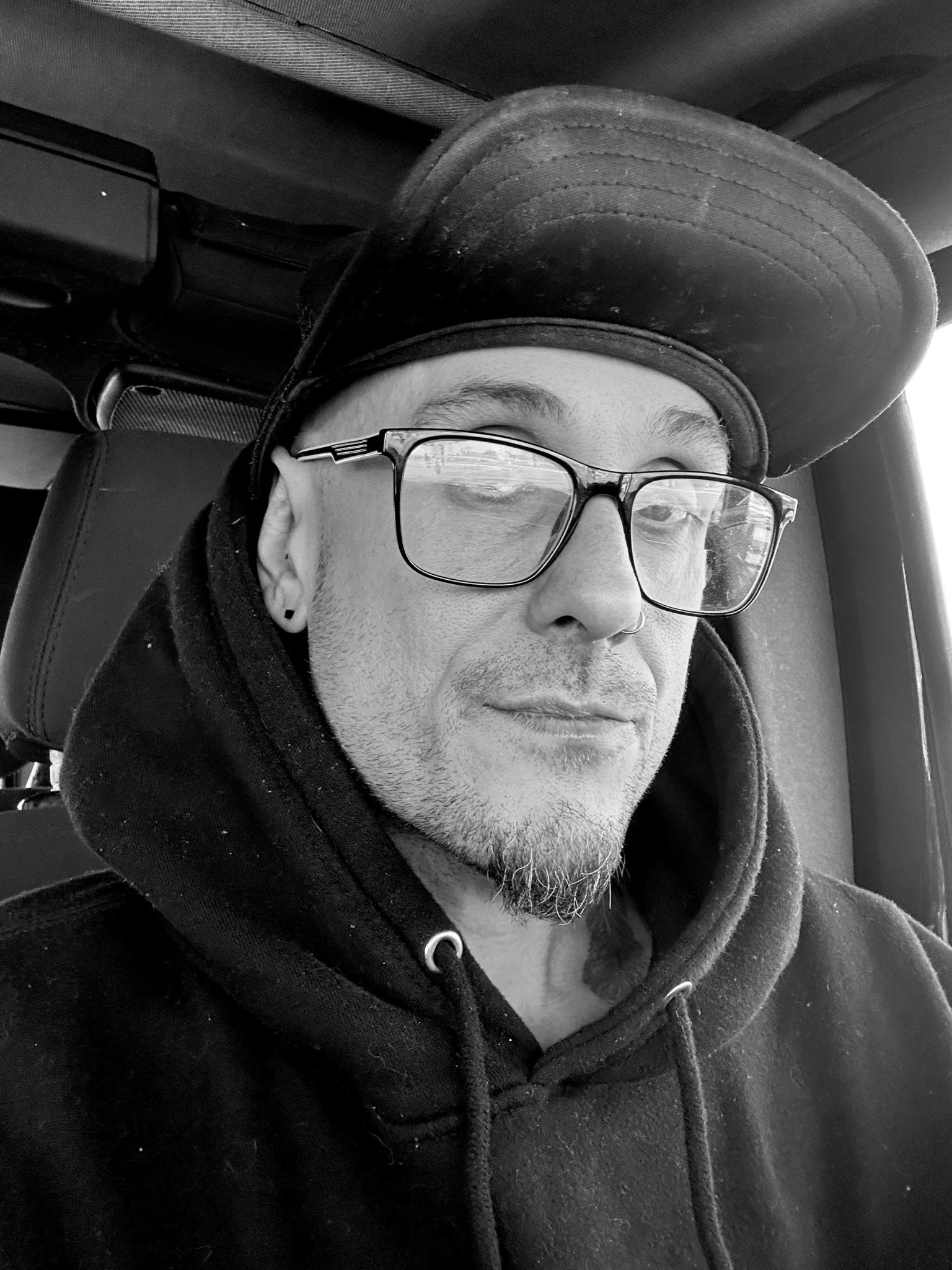
Awesome – so before we get into the rest of our questions, can you briefly introduce yourself to our readers.
I’ve taken several risks in my life, but one that really shaped me happened in my early twenties. After leaving film school and stepping away from Los Angeles, I found myself in Virginia working for a marketing company, creating videos and training content. On paper, it was stable. I was making a decent living, newly married, and doing what looked like the “right” thing. But internally, I felt disconnected. The work didn’t align with what I knew deep down I was called to do. My passion wasn’t just video work for the sake of a paycheck. I was drawn to storytelling through composition, through editing, through the quiet process of shaping moments into something meaningful. I didn’t need to be the director at the front of it all. I loved being behind the scenes, taking raw emotion and stitching it together into something that could move people. Music videos were what pulled me into film school in the first place, and I couldn’t ignore that pull anymore. So I made a decision that didn’t make sense to most people around me. I stepped away from stability and leaned into uncertainty, trusting something I couldn’t fully explain at the time. That decision led me into the music industry, where I eventually had the opportunity to work alongside artists like Matisyahu and others, capturing moments on tour, creating visual stories, and learning in real time what it meant to be present in the creative process. What I provide now, whether through photography, filmmaking, or the work I do through The Clarity House, is rooted in that same understanding. I help people tell honest stories. I create space for individuals to feel seen, whether that’s through art, mindfulness, or recovery work. The problems I try to solve aren’t just creative, they’re human. Disconnection, lack of confidence, feeling unseen or unheard. What sets me apart is that my work isn’t just technical, it’s lived. It comes from experiencing loss, rebuilding, learning how to sit with discomfort, and finding clarity in the middle of chaos. What I’m most proud of isn’t any single project, it’s the ability to stay aligned with that truth and help others find their own. If there’s anything I want people to know about me or my work, it’s that everything I create comes from a place of intention, presence, and a belief that even the smallest moment, when seen clearly, can change the direction of someone’s life.
For you, what’s the most rewarding aspect of being a creative?
For me, the most rewarding aspect of being an artist is witnessing how something that once lived quietly inside of me can take form and meet someone else exactly where they are. It’s not about recognition or even perfection, it’s about connection. I’ve spent years behind the lens and in creative spaces where I learned that art isn’t just what looks good, it’s what feels honest. Whether I’m capturing a moment on tour, working with musicians, or creating within my own community, I’ve come to understand that creativity is an act of service. It allows me to take lived experiences, struggles, growth, and even my own healing, and translate them into something that might help someone else feel seen or understood. There’s a mindfulness in that process, a slowing down, a presence, where you’re not chasing the outcome but instead honoring the moment as it unfolds. The most rewarding part is knowing that even a small piece of what I create can carry meaning beyond me, that it can encourage, inspire, or simply remind someone that they’re not alone in what they’re walking through.
For you, what’s the most rewarding aspect of being a creative?
For me, the most rewarding aspect of being an artist is the ability to serve others through what I create. Whether I’m behind a camera on tour or working in any creative space, it’s never just about the image or the final product, it’s about offering something meaningful to someone else. I’ve learned that creativity becomes most powerful when it’s rooted in compassion, when it’s less about ego and more about contribution. Giving 100% of myself, even when the outcome isn’t perfect or doesn’t “work,” is where the real value lives.
That same mindset has carried into my work with The Clarity House. Being able to serve others through free food and water every Saturday has been one of the greatest blessings of my life. It’s easy for people to think water is just hydration or a meal is just food, but it goes so much deeper than that. It’s about dignity. It’s about a young family being able to bathe their child, an infant being cared for, and a parent feeling a sense of pride in being able to provide, even in hard moments. I may not see every outcome directly, but I know those moments are happening, and that knowing is incredibly rewarding.
There’s a shared human experience in that, both giving and receiving, where compassion meets real need. Whether it’s through photography, music, or community work, the most fulfilling part of being creative for me is knowing that what I’m doing can impact someone’s life in a real, grounded way. Serving others, fully and without expectation, is what gives everything I create its purpose.
Contact Info:
- Website: Nyfakid.com & Mhota.org
- Instagram: Nyfakid