


We recently connected with Cheryl Leclair-Sommer and have shared our conversation below.
Alright, Cheryl thanks for taking the time to share your stories and insights with us today. Do you wish you had waited to pursue your creative career or do you wish you had started sooner?
Actually, my situation is somewhat opposite to this question. I started my creative career later in life, after pursuing a career in the legal profession. Although I had to find the time, alongside raising a family and working full-time at a demanding job, to pursue my craving to delve into creating paintings, I also had the money to pursue classes, workshops, and travel to see great museums. I do believe that working full-time at creative pursuits does result in a quicker ascent in artistic talent and recognition. So only working part-time does delay and sometimes squelch our ultimate artistic goals. But life does not always present the best options, or we make tough choices due to other important factors that are at play in our lives, that may defeat or delay our artistic goals. I know artists who have dedicated their life to art full-time, but who have become bitter for not making it big. We need to realize that dedication to our creative pursuits allows us to spend time inside our head. A lifetime spent in this pursuit remains a privilege.
Cheryl , before we move on to more of these sorts of questions, can you take some time to bring our readers up to speed on you and what you do?
I grew up in the Upper Peninsula of Michigan in a very small home. My Mom sent my brother and I outside for most of the day, except during inclement weather. With acres to explore, I learned to love and be curious about the natural world. Expressing this love of the natural world comes easily with painting.
After taking art classes during High School, I thought about going to college for art. But I knew that the esthetic at the time (early 1970’s) was not the type of art that I was interested in. I only knew two people who had a career in art, my art teacher and the one studio painter/muralist in the Upper Peninsula. I also didn’t know about atelier style schools, so I did not pursue that avenue, which in retrospect would have been a better fit.
College took me in another direction, social work and criminal justice, which led to a job as a Juvenile Probation Officer. While in this position, I worked with attorneys and became interested in law. After getting married, we moved to MN where I went to William Mitchell College of Law in their part-time program. After graduating, getting a job as an attorney, and having two children, my interest in art was again sparked after looking for a painting as a wedding gift.
Initially, I painted in soft pastel, which is forgiving if time lapses while working on a piece. Eventually, I pursued oil painting exclusively. Many classes at local art centers, workshops with nationally known artists, drawing coops, and focused classes with great local artists rounded out my skill levels. I continue to pursue making each painting better than the last – it is this challenge that truly speaks to me.
What do you find most rewarding about being a creative?
I enjoy meeting other artists and people who enjoy visual art. Fellow artists are normally optimistic people – how does one face the easel after the last disaster if you aren’t optimistic. Artists share a language.
I thoroughly enjoy meeting and talking to people who are curious about visual art. Their questions sometimes elicit things that I have never thought about. Their shared memories about a landscape location, someone they know who is an artist, or their own struggle to become a painter are inspiring.
We’d love to hear a story of resilience from your journey.
I enter painting competitions on a regular basis, but don’t always win a prize or receive recognition. In fact, the more prestigious an art competition, the greater the chance that I will not be recognized. But I hope that spending time with our peers or artists who have greater talents will help me to increase my skill level. To win a prize in a frog pond may help the ego, but being accepted into a national competition (even without an award) lifts the career. To continue to pursue being a better artist requires one to put yourself out there for rejection, which is part of the learning and growing process.
Contact Info:
- Website: https://www.leclairsommer.com
- Instagram: https://www.instagram.com/cleclairsommer
- Facebook: https://facebook.com/cheryl.leclairsommer
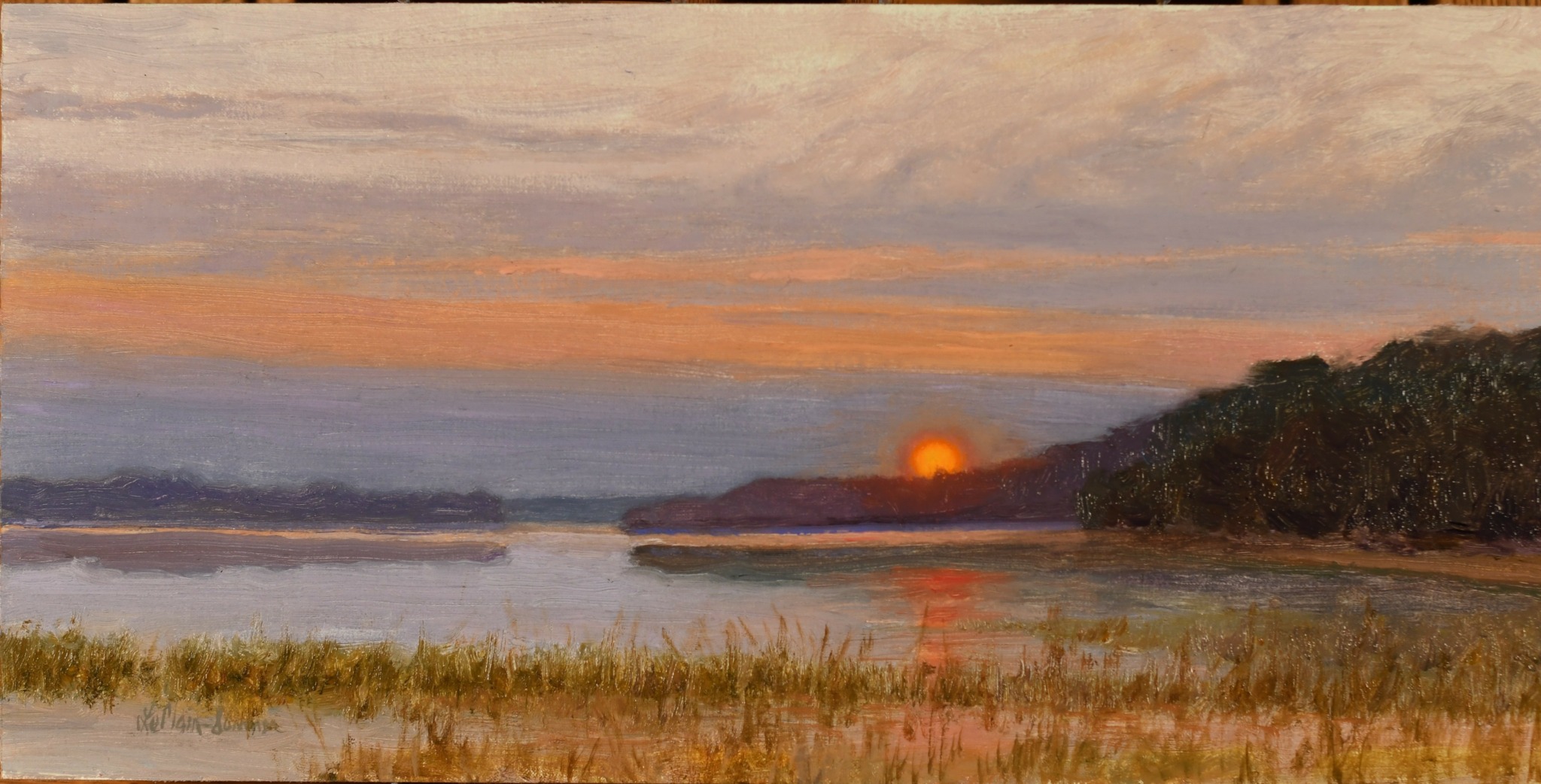
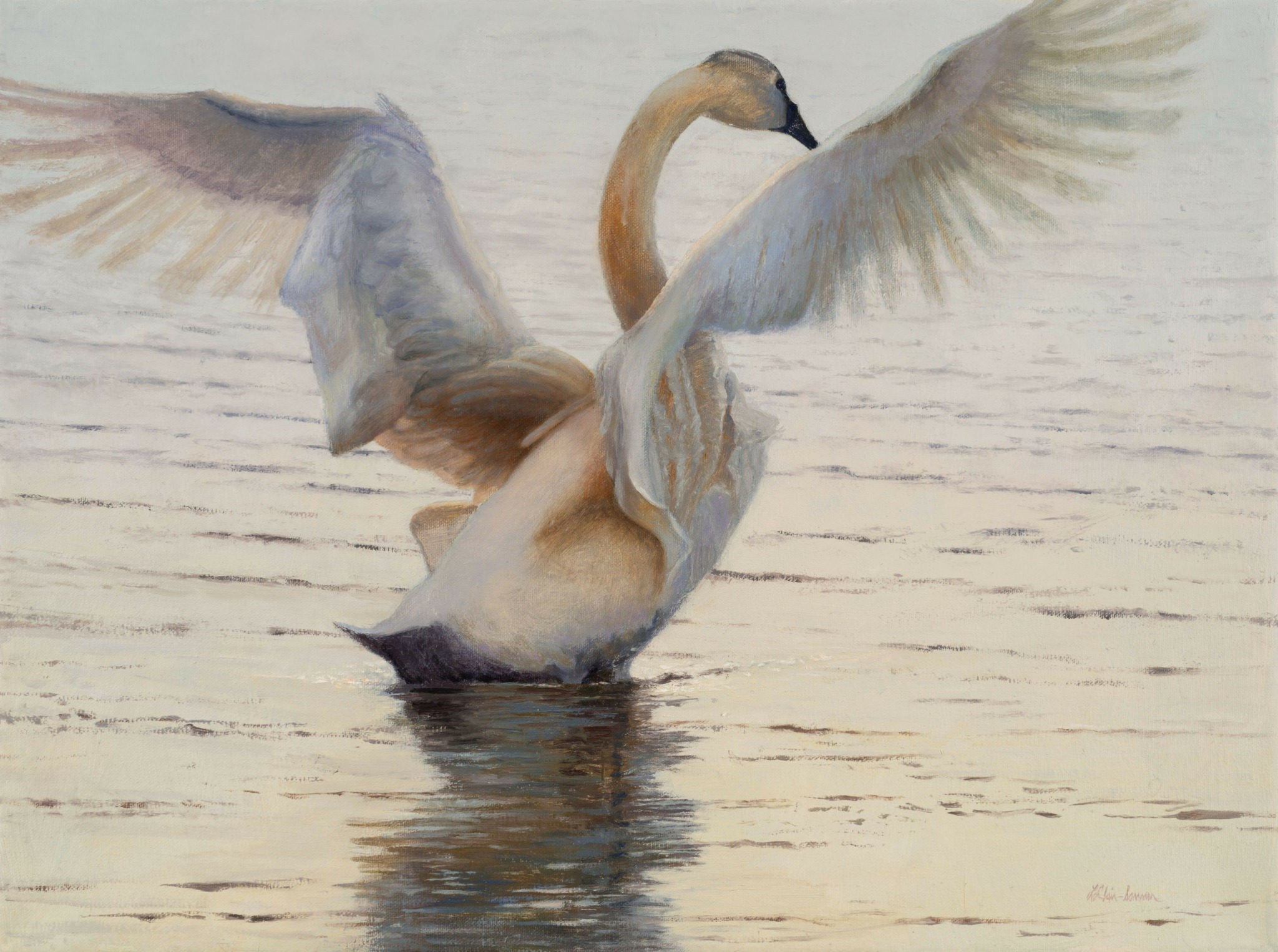
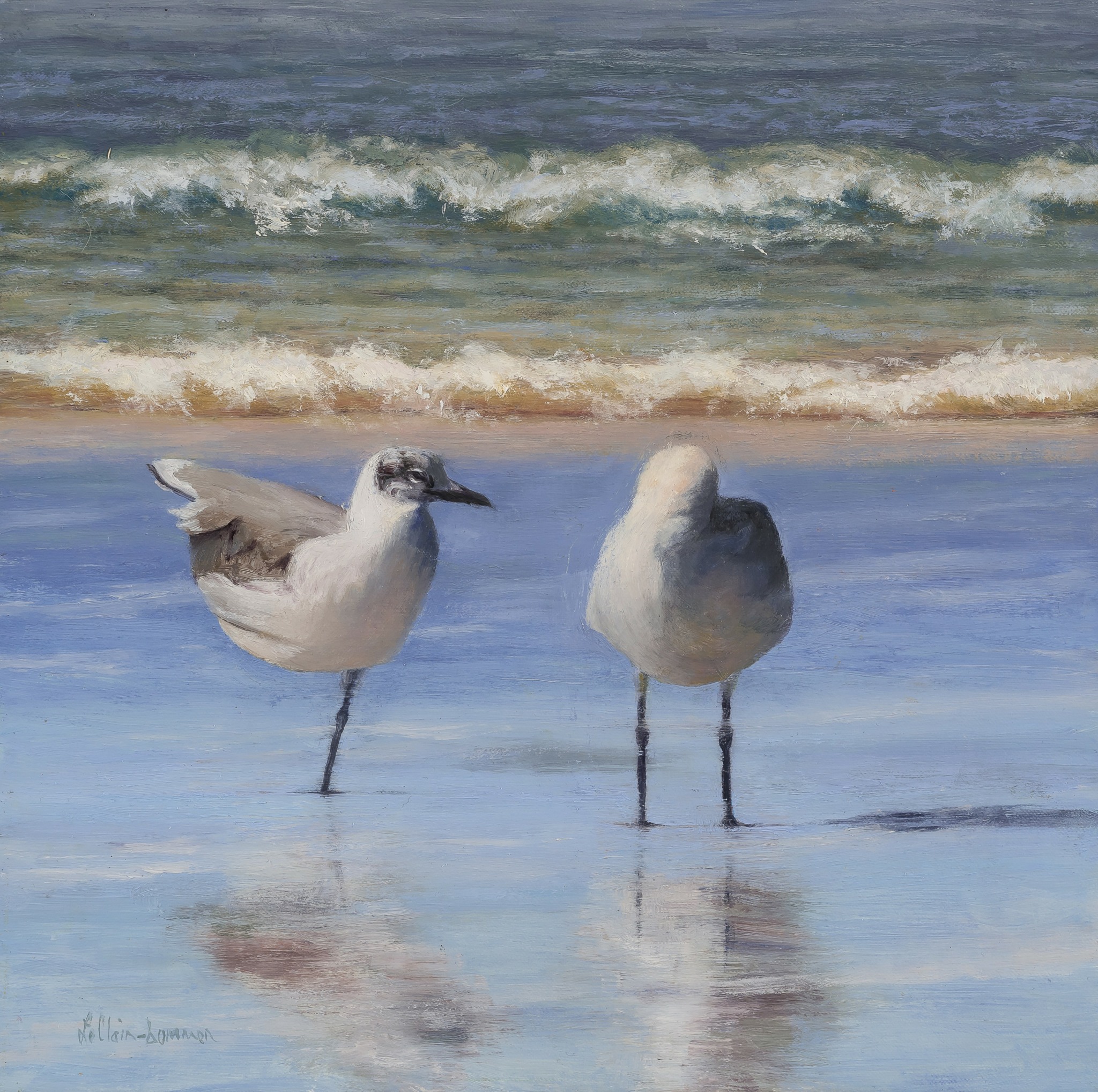
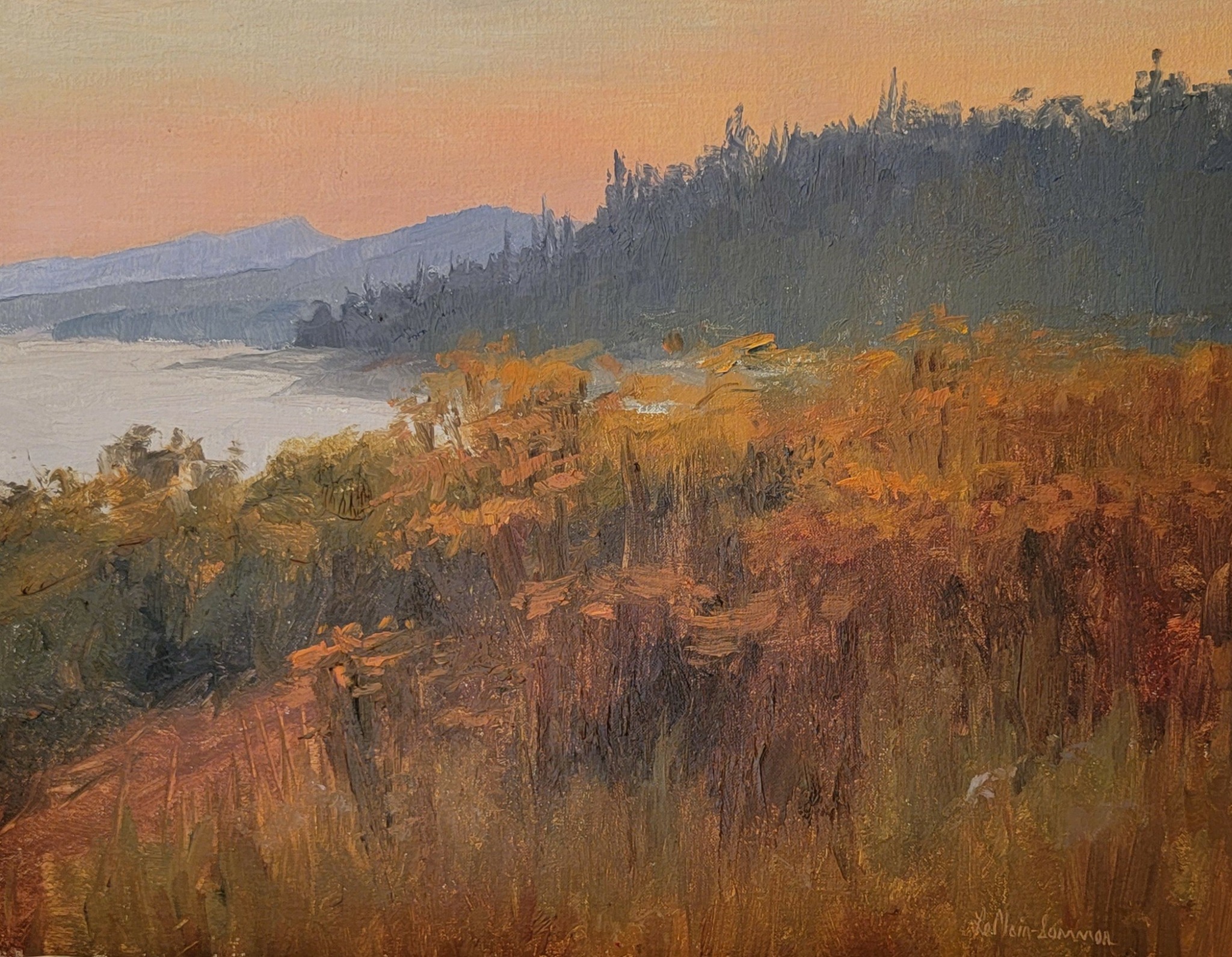
Image Credits
Mitch Rossow, professional art photographer.