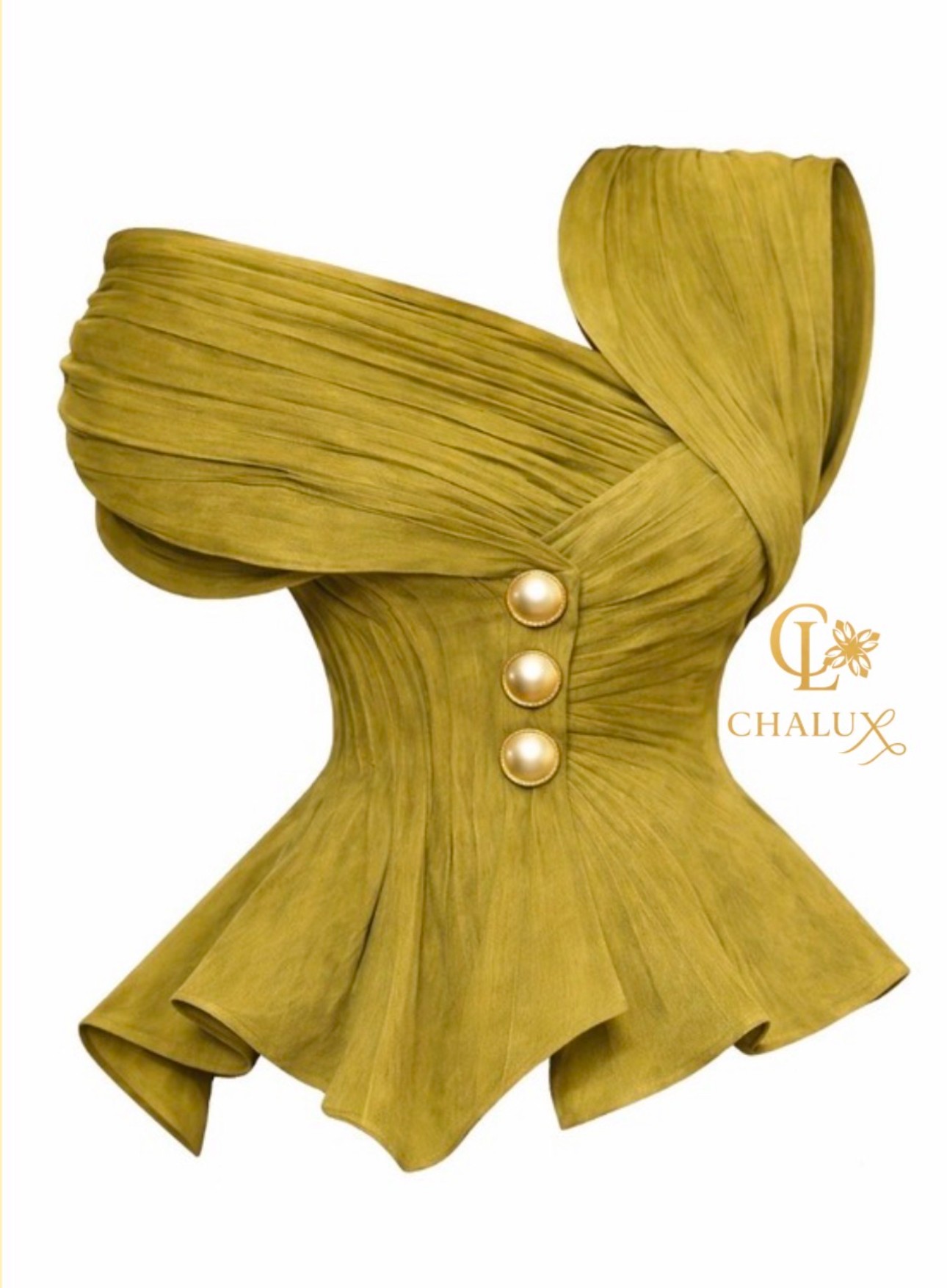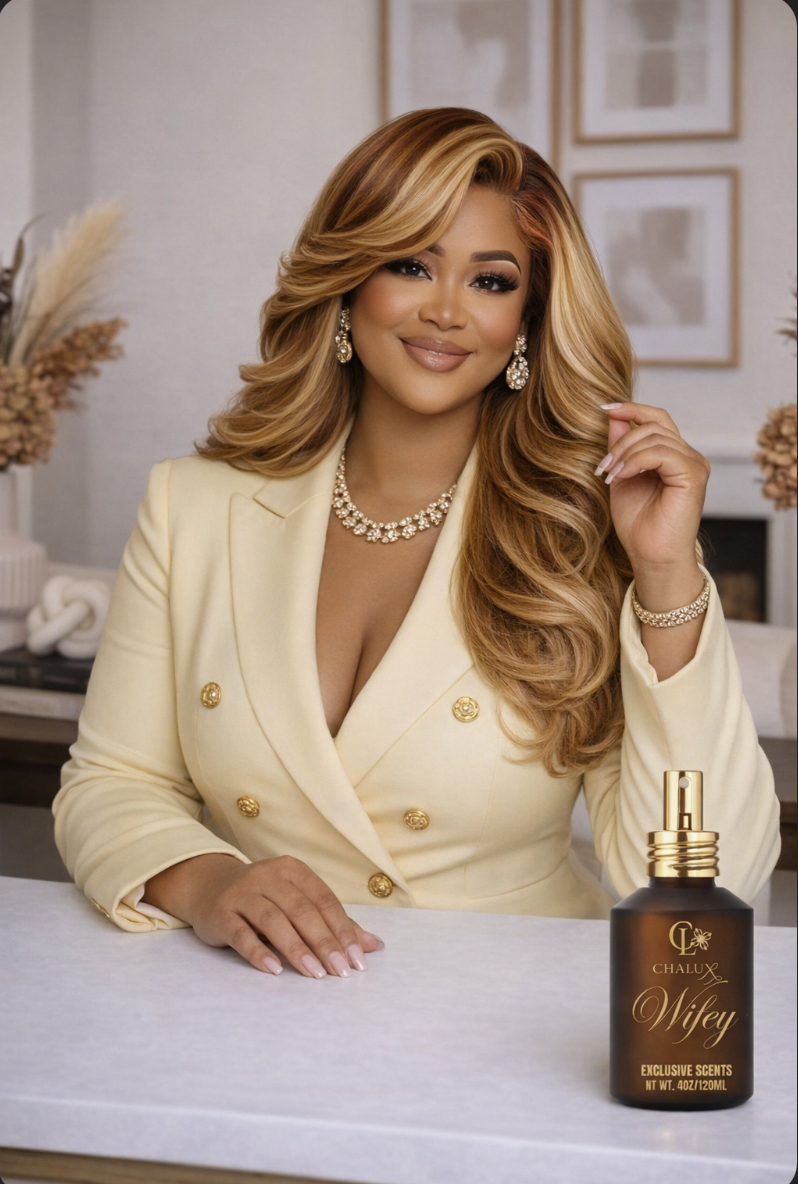

Alright – so today we’ve got the honor of introducing you to Chantal. We think you’ll enjoy our conversation, we’ve shared it below.
Chantal, thanks for taking the time to share your stories with us today Risk taking is something we’re really interested in and we’d love to hear the story of a risk you’ve taken.
The biggest risk I’ve taken was starting my own clothing brand without ever designing before.
I had no fashion background, no formal training and no experience creating garments. Just a vision and the belief that I could figure it out. I was stepping into a competitive industry where most people had years of experience, and I was starting from zero. Financially, it was a risk, personally, it felt even bigger.
I was risking failure in public, I kept thinking, What if I’m not qualified?
But I realized I would never feel fully ready. So instead of waiting for experience, I chose to build it.
I taught myself everything, fabrics, fit, production, branding. I made mistakes, redesigned pieces and learned as I went. When I finally launched, I was nervous. I didn’t know how it would be received.
But it worked, people supported the brand. Orders came in. More importantly, I proved to myself that I was capable of starting something unfamiliar and seeing it through. The business didn’t just launch it grew and so did I.
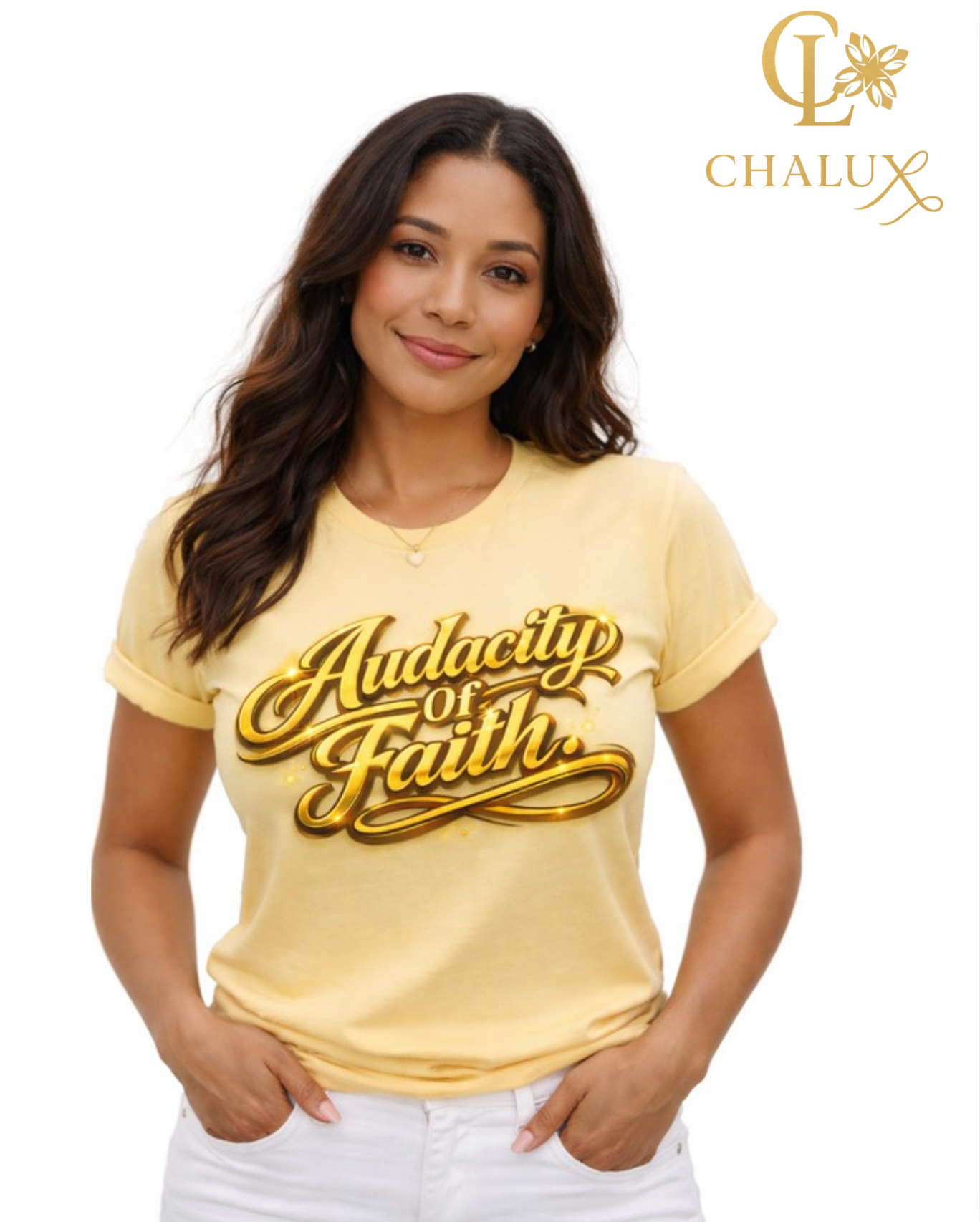
Chantal, before we move on to more of these sorts of questions, can you take some time to bring our readers up to speed on you and what you do?
I got into fashion in an unconventional way, I didn’t study it, intern in it, or grow up formally trained in it. I started with a vision.
I’ve always been drawn to style and self-expression. Clothing, to me, was never just fabric, it was identity. I would look at brands and think about how they made people feel, confident, powerful, seen. However, I noticed a gap, I didn’t always see pieces that reflected the balance I wanted, sophisticated but wearable, bold but intentional.
Even though I had never designed before, I couldn’t ignore the ideas I kept having. Instead of waiting until I felt qualified, I decided to learn everything from the ground up. That decision is what brought me into this industry.
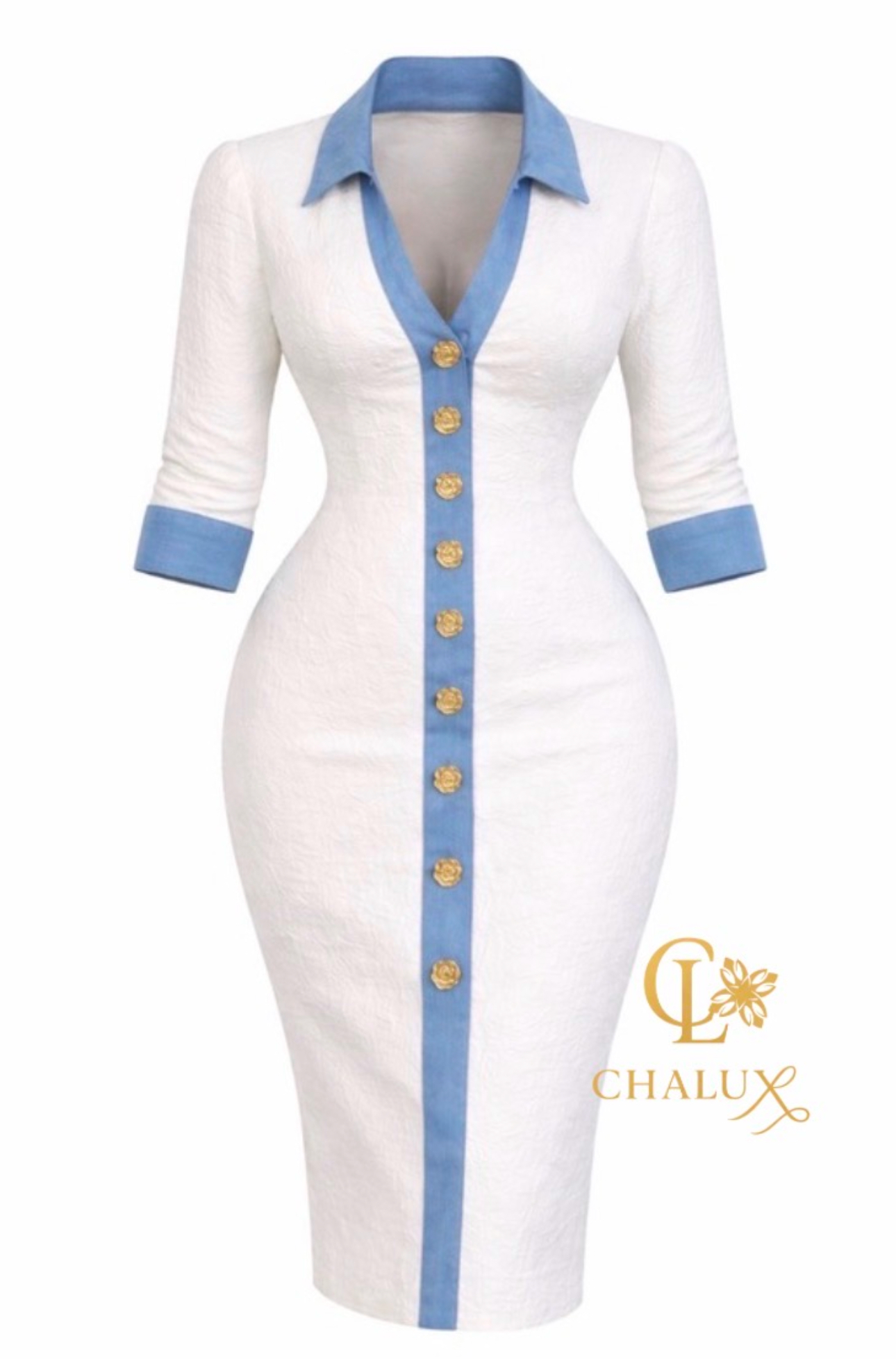
Today, my brand creates thoughtfully designed clothing that blends style with intention. Every piece is created with purpose not just to look good, but to make the person wearing it feel confident and put together. I focus on quality, fit and clean design that stands out without trying too hard.
The problem I aim to solve is simple: people want clothing that feels graceful and distinctive without being inaccessible or overcomplicated. I create pieces that allow individuals to express themselves effortlessly, whether that’s through structure, minimalism, bold details, or refined silhouettes.
What sets me apart is perspective.
I didn’t come from a traditional fashion background, I approach design from the outside in. I think like the customer first, I obsess over how something feels to wear, not just how it looks in photos. I care about the experience, from first impression to final fit.
I’m most proud of starting without experience and building something real. Every sample, every launch, every improvement represents growth. What began as an idea turned into a functioning brand with real customers and real impact. That journey means more to me than any single product.
What I want potential clients and supporters to know is this:
This brand is built on courage, intention and continuous growth. I don’t create just to follow trends. I create to build something lasting. I care deeply about quality, about evolving and about delivering pieces that people feel proud to wear.
This isn’t just clothing. It’s confidence you can put on.
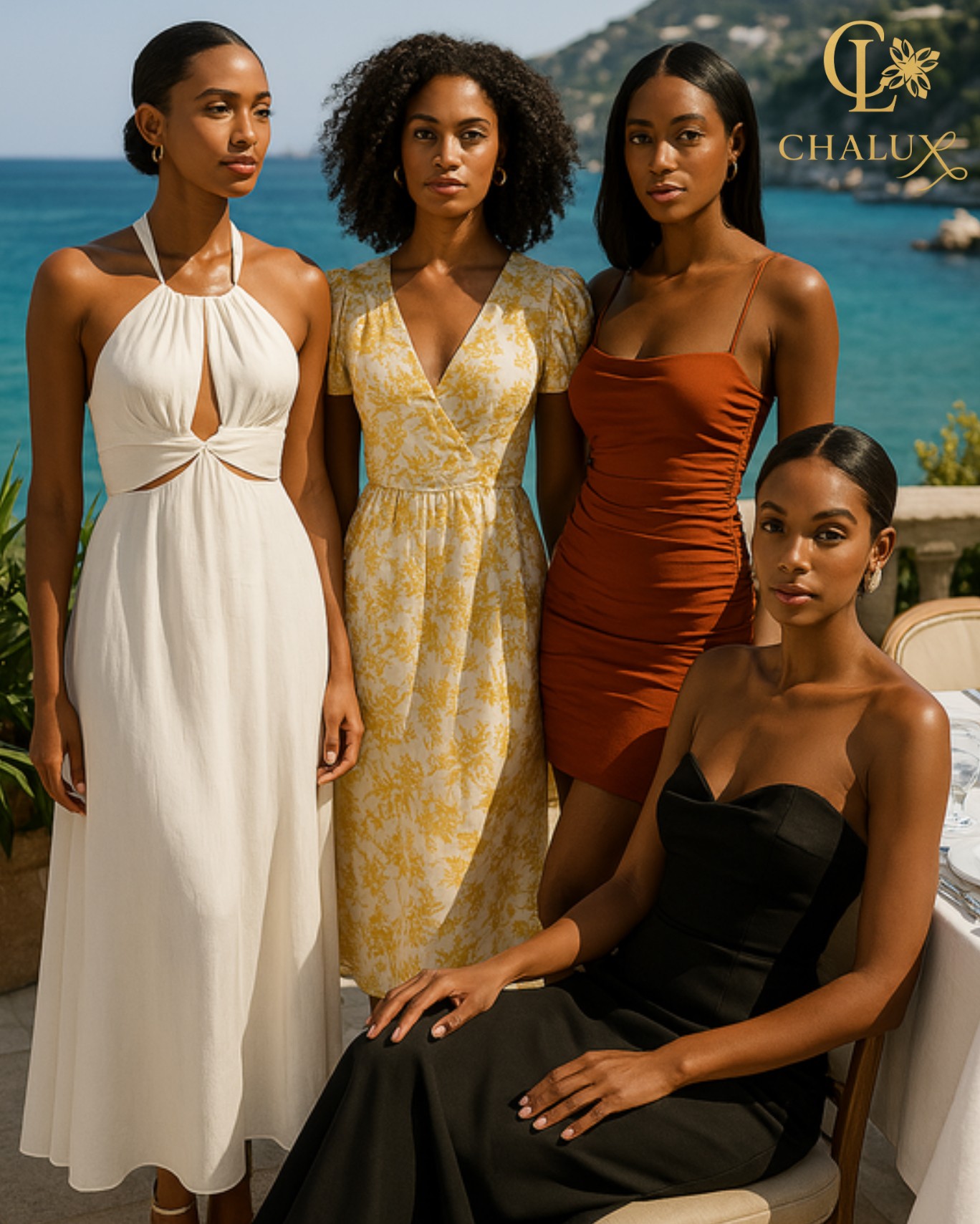
Can you open up about how you funded your business?
Funding my business wasn’t about having a large lump sum of money saved it was about strategy.
Before I invested a single dollar, I treated my brand like a business on paper first. This is where my skills as a business strategist became critical. I didn’t start with designs, I started with numbers.
I mapped out projected costs, sampling, production minimums, branding, packaging, website development, marketing. Then I broke everything down into phases. Instead of trying to fund a full-scale launch, I structured the brand into lean, manageable stages.
Phase one wasn’t about scale, it was about proof of concept.
I self-funded the initial capital by reallocating personal income, cutting non-essential expenses and intentionally setting aside money with a defined launch target. More importantly, I reduced risk through planning. I negotiated minimum order quantities, sourced strategically and avoided unnecessary overhead.
Rather than overspending on inventory, I focused on controlled production runs. Rather than pouring money into broad marketing, I built brand positioning first. Every dollar had a role and a return expectation.
Thanks to my strategy background, I understood cash flow, not just profit. I planned for timelines, production delays and slow early traction. I built financial breathing room into the model before launching.
I didn’t rely on outside investors or loans in the beginning. I relied on structure, discipline and calculated decision-making. The initial capital wasn’t massive, but it was intentional.
What I’m most proud of is that the brand wasn’t built on guesswork or hype. It was built on strategy. I didn’t just create clothing; I built a foundation designed to grow sustainably.
Funding my business wasn’t about having the most money. It was about making the smartest use of the money I had.
Let’s talk about resilience next – do you have a story you can share with us?
Early in my journey, I faced a moment that could have easily ended my business before it really began. I had just completed my first full production run, months of learning, planning and pouring every bit of energy into bringing my designs to life. I was proud, excited and nervous to launch.
Then, days before the official release, the samples arrived and they were not what I had envisioned. Fabrics were off, fits were inconsistent and some pieces didn’t even resemble the designs I had spent hours perfecting. It felt like all my effort had been wasted. The easy thing would have been to delay the launch, shrug it off, or even cancel it, I didn’t.
Instead, I treated it as a problem to solve, I spent hours on calls with the manufacturer, reorganized production schedules and personally oversaw adjustments on each piece. I worked late nights and weekends, redesigning and reordering where necessary. I learned to ask hard questions, to negotiate firmly and to trust my instincts even when everyone else seemed doubtful.
We managed to pull it together, the launch went live on schedule and while it wasn’t perfect, it was real. People responded positively, orders came in and I realized that the most important part of entrepreneurship isn’t avoiding mistakes, it’s how you respond to them.
That experience taught me that resilience isn’t just enduring challenges; it’s actively facing them, problem-solving under pressure and refusing to let setbacks define your outcome. It’s what allowed me to turn a near-disaster into a learning moment that strengthened both the business and my confidence as a founder.
Contact Info:
- Website: https://Chaluxx.com
- Instagram: RealChaluxx
- Facebook: RealChaluxx
- Youtube: RealChaluxx