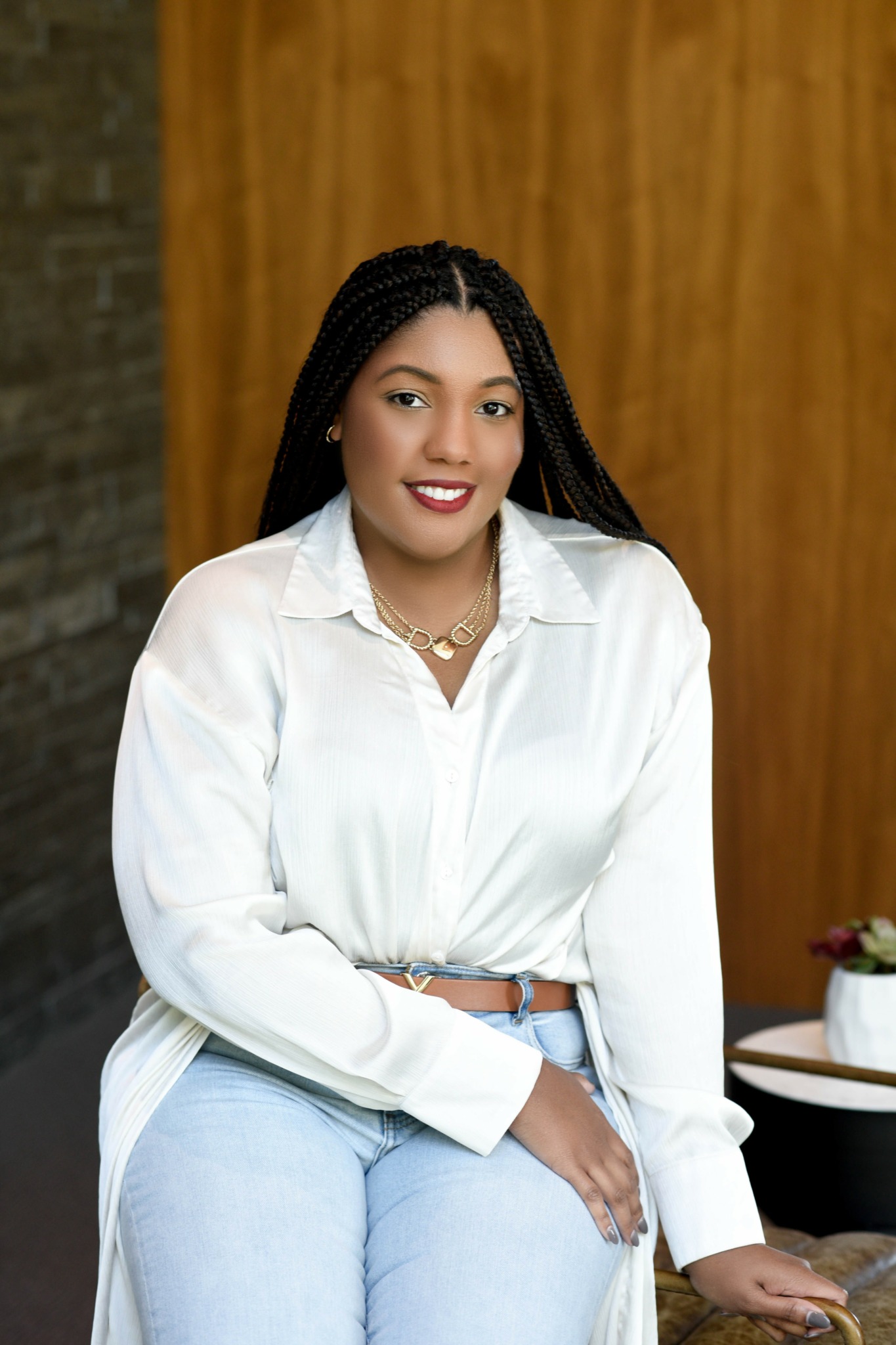

We were lucky to catch up with Casey Handy-Smith recently and have shared our conversation below.
Casey, looking forward to hearing all of your stories today. What’s the backstory behind how you came up with the idea for your business?
The turning point came when I started noticing a pattern with my clients – they were all secretly using ChatGPT for their contracts.
Talent managers would sheepishly admit they’d asked AI to explain terms in brand deals. Creators were using it to draft counter-proposals. Everyone was turning to AI for negotiation strategies because they needed help now, not three days and $500 later.
As someone who’s negotiated hundreds of creator contracts over the past decade AND works as a legal AI specialist training LLMs on contract law, my first instinct was panic. I knew exactly how risky this was – generic AI doesn’t understand influencer marketing nuances, can hallucinate clauses that don’t exist, and gives advice without understanding the full context of a deal.
But here’s what shifted my perspective: my clients weren’t being reckless. They were being resourceful. The talent managers I work with were drowning in contract volume during busy seasons, sometimes reviewing 20+ brand deals a week for their creator rosters. The traditional legal model – waiting days for attorney review, paying hundreds per contract – simply couldn’t scale with the pace of the creator economy.
So instead of lecturing them about the dangers of AI (which wouldn’t stop them from using it anyway), I asked myself a different question: How can I make this safe for them? How can I create AI they can actually depend on?
That’s when I built Redline Ready™ – lawyer-backed AI specifically trained on creator contract law. It gives talent managers the speed and accessibility of ChatGPT, but with the accuracy and reliability of having an entertainment attorney in their back pocket. They get contract analysis in minutes instead of days, at a fraction of traditional legal costs, without the risk of AI hallucinations or generic advice.
I wasn’t just solving a problem no one else was solving – I was meeting my clients where they already were, but making it actually work for them. The excitement wasn’t just about building cool legal tech. It was about finally creating a solution that matched the reality of how the creator economy actually operates: fast, volume-heavy, and hungry for accessible expertise.

Great, appreciate you sharing that with us. Before we ask you to share more of your insights, can you take a moment to introduce yourself and how you got to where you are today to our readers.
I’ve spent over a decade as general counsel to six and seven-figure creator brands, negotiating deals with everyone from Meta and Universal Music Group to P&G and emerging DTC brands. I run C. Handy Law, PLLC, where I specialize in contract law for the creator economy.
I started in music industry law, working with artists, producers, and labels. That’s where I first saw the pattern: incredibly talented creative people getting locked into terrible contracts because they didn’t have access to good legal counsel, or because legal services were too expensive and too slow for the pace of the industry. I watched people sign away rights they didn’t understand, leave money on the table in negotiations, and get stuck in deals that limited their growth for years.
When the creator economy exploded, I saw the exact same problems – but at an even larger scale. Influencers and content creators were navigating increasingly complex brand deals without proper legal support. Talent managers were reviewing 20+ contracts a week for their creator rosters with no legal background. Traditional legal services couldn’t keep up with the volume and speed this industry demands. So people were turning to Google, Reddit, and increasingly ChatGPT for contract help.
As someone who also works as a legal AI specialist training LLMs on contract law and IP reasoning, that last part terrified me. But here’s what I realized: my clients weren’t being reckless. They were being practical. The traditional legal model – waiting days for attorney review, paying $300-500 per contract – simply doesn’t work for an industry where brand deals have 48-hour turnarounds and agencies are managing dozens of creators simultaneously.
So I built something different.
What I Offer:
The Contract Collective is my flagship $149/month membership for influencer talent managers. Members get access to Redline Ready™ – my proprietary AI-powered contract analysis tool that reviews brand deals in minutes instead of days – plus direct access to me for legal questions, contract templates, negotiation strategies, and ongoing education. It’s like having an entertainment attorney on retainer, but at a price point that actually makes sense for agencies managing multiple creator rosters.
Boss Contract Society provides plug-and-play contract templates specifically designed for creators and talent managers – sponsorship agreements, management contracts, collaboration agreements – all written by an attorney who actually understands influencer marketing.
I also do confidential work training LLMs on legal reasoning for AI companies, which keeps me at the cutting edge of legal tech innovation.
What Sets Me Apart:
I’m uniquely positioned at the intersection of entertainment law, creator economy expertise, and AI innovation. I’m not a general practice attorney dabbling in influencer contracts – I’ve negotiated hundreds of creator deals and understand the specific leverage points, industry standards, and common pitfalls. I’m also not a legal tech company building generic AI – I’m an attorney who trains LLMs on legal reasoning, so I understand both the power and limitations of AI in legal contexts.
More importantly, I actually understand how this industry operates. I know what’s negotiable and what’s not. I know which contract terms are red flags and which are standard. I know the difference between a fair deal and a deal that’s going to limit a creator’s growth. And I’ve structured my business so that knowledge is accessible, not locked behind $500/hour billable rates.
What I’m Most Proud Of:
The messages I get from talent managers who tell me Redline Ready™ saved them from signing a terrible deal, or helped them negotiate an extra $10K for their creator. The Contract Collective members who feel confident navigating contracts for the first time. Watching people realize they don’t have to be lawyers to protect their business interests – they just need the right tools and education.
I’m also proud that I’ve built a business model that actually scales access to legal expertise instead of limiting it. The traditional billable hour model means legal help only goes to people who can afford premium rates. My membership and AI tools democratize that knowledge.
What I Want People to Know:
If you’re a talent manager, creator, or entrepreneur in the creator economy: you deserve legal protection that actually fits your business model. You shouldn’t have to choose between speed and safety, or between affordability and expertise.
The contracts you sign today shape your business for years to come. Understanding your rights, knowing what’s negotiable, and catching red flags before you sign isn’t just legal protection – it’s business strategy.
And if you’ve been using ChatGPT for contract help? I get it. I’m not here to judge – I’m here to give you something better. Something you can actually trust. Something built specifically for the work you do.
My goal is simple: help creators and the professionals who support them build sustainable, legally sound businesses. Not by making legal services more exclusive, but by making legal knowledge more accessible.

Any advice for growing your clientele? What’s been most effective for you?
Relationships. Hands down.
I’ve always believed in the power of genuine connection and networks. Building meaningful relationships is what has grown my business over the years – not ads, not cold outreach, but real relationships built on trust and mutual respect.
When you do good work for people and treat them well, they remember. They refer you. They come back years later with new opportunities. Some of my most exciting partnerships on the horizon for The Contract Collective and Redline Ready™ are stemming from connections I made 7-8 years ago.
I also think showing up consistently matters. Speaking at industry events. Creating educational content that actually helps people, not just promotes my services. Being accessible and approachable – I’m not trying to be some untouchable corporate attorney.
The creator economy thrives on community and word-of-mouth. When a talent manager sees Redline Ready™ help their colleague negotiate a better deal, they want in. That authentic advocacy from people who actually use and trust my tools is worth more than any marketing campaign.
It’s not the fastest growth strategy, but it’s the most sustainable one.

How about pivoting – can you share the story of a time you’ve had to pivot?
Six years into building C. Handy Law, I was representing seven and eight-figure online businesses, including several talent management agencies. The work was fulfilling, the revenue was strong, and I had built exactly what I thought I wanted.
Then I became a mom.
Suddenly, my son became my most important client, and the thought of scaling my team or managing more people made me physically ill. I loved the work, but I needed a completely different business model.
The wake-up call came when I noticed my agency clients were experimenting with AI for contract reviews – but doing it in ways that terrified me as their attorney. They were using generic tools that missed industry-specific nuances and legal context that could cost their talent thousands.
I realized I could create AI tools specifically trained for influencer brand deals that maintained my legal standards while giving managers the efficiency they desperately needed. That realization became Redline Ready™ and The Contract Collective.
The transition wasn’t easy. Moving from premium one-to-one services to a membership model meant completely reimagining how I deliver value. But it’s allowed me to serve more women-led agencies while building a business that actually fits my life as a mom.
Sometimes the best business decisions come not from what we want to build, but from honestly assessing what we need our business to be. My constraints weren’t limitations – they were design parameters for building something better.
Contact Info:
- Website: https://caseyhandysmith.com/
- Instagram: https://www.instagram.com/caseyhandysmith.esq/
- Linkedin: https://www.linkedin.com/in/caseyhandysmith/