
We caught up with the brilliant and insightful Brendon Rogers a few weeks ago and have shared our conversation below.
Brendon, thanks for taking the time to share your stories with us today What were some of the most unexpected problems you’ve faced in your business and how did you resolve those issues?
As the executive director of a film festival, there is no standard business model or blueprint to follow outside of the most basic structure. My team and I work hard to evolve our organization year over year based on our local operating area (as it pertains to sponsors, grants, donors and advertisers for our annual event) and the larger independent filmmaking community both in our state and internationally to create the best experience possible for our audiences and guests. The biggest challenge for our industry in recent years (if not ever) was the outbreak of the COVID pandemic. Such a widespread need for lockdowns hasn’t been seen since the creation of film festivals and all of us needed to respond in real time without knowing how long it would last and how to still accommodate our customers and guests while continuing our respective organizational missions. Many festivals decided to go virtual to adhere to lockdown procedures, though that presented its own issues. Filmmakers quickly grew tired of the lack of networking opportunities normally accompany attending a festival. By migrating their festivals online, they also had to compete with the massive volume of other forms of entertainment (social media, streaming services, etc.) that the general public can consume there. My team and I got very lucky in this regard; because our festival is in January and how the timeline of the pandemic unfolded, we were able to outlast the lockdowns and not have to have a virtual festival the following year. Coming out on the other side we have continued to grow each year since and add new programs, particularly on our educational side.
Brendon, love having you share your insights with us. Before we ask you more questions, maybe you can take a moment to introduce yourself to our readers who might have missed our earlier conversations?
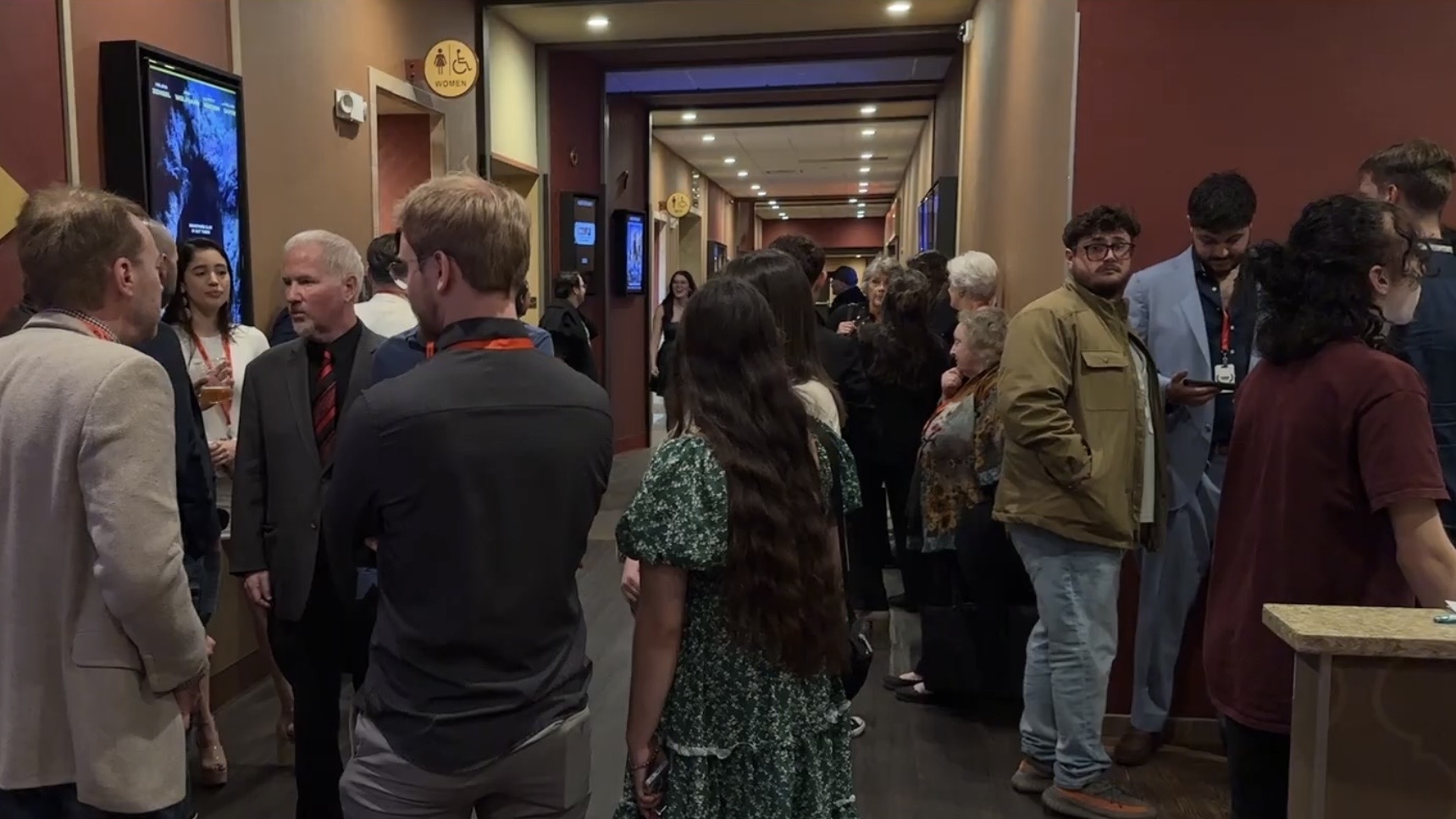
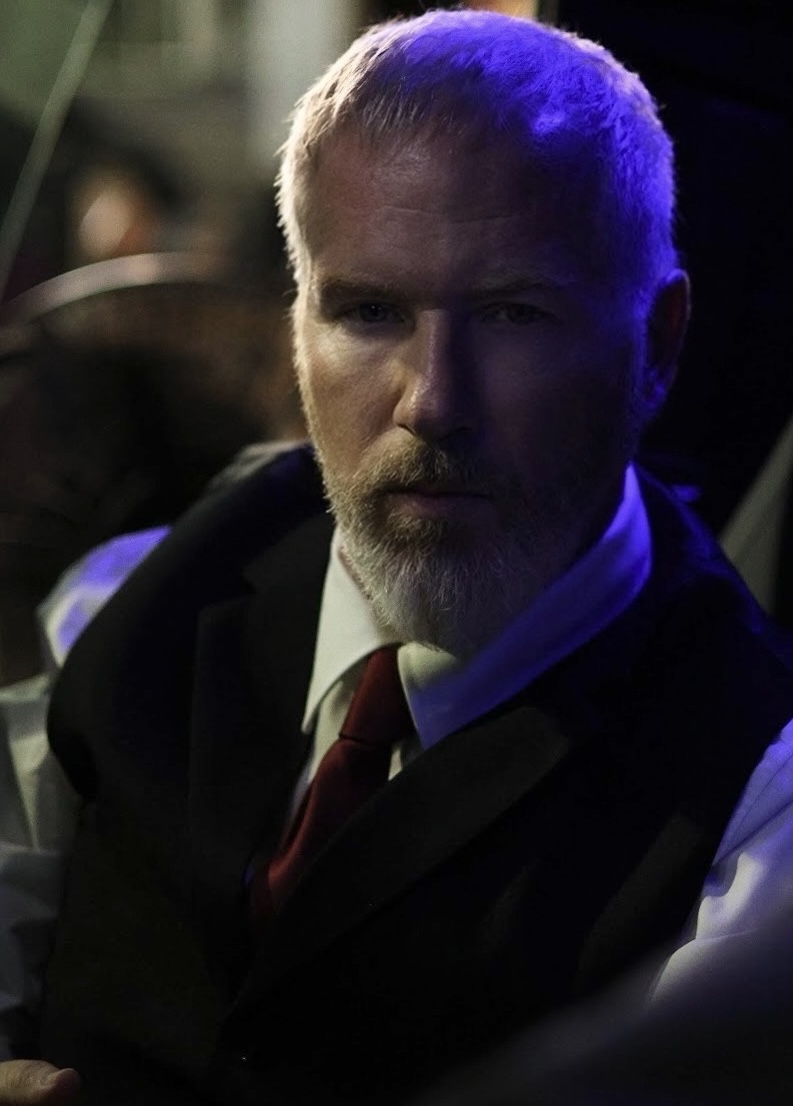
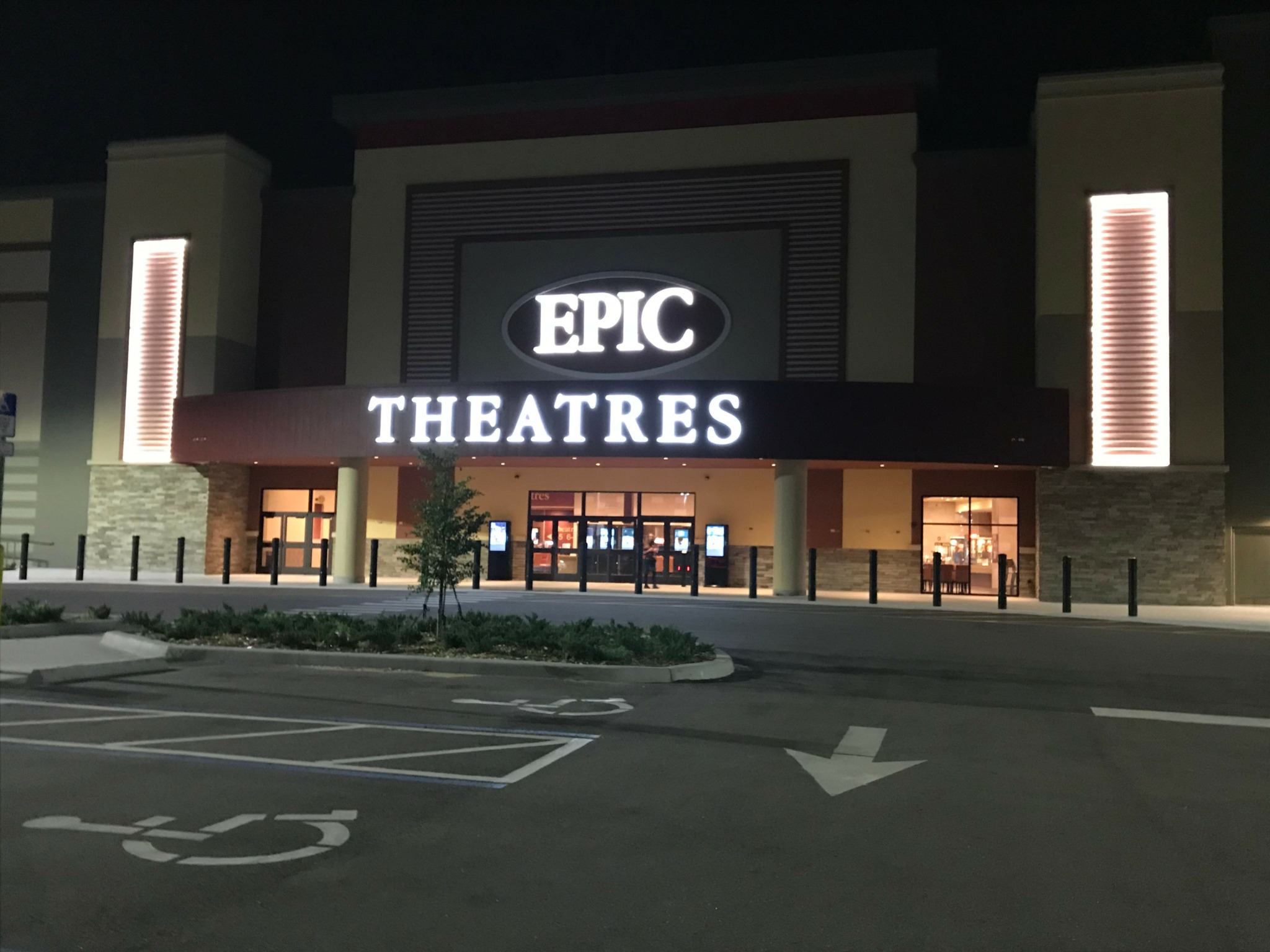
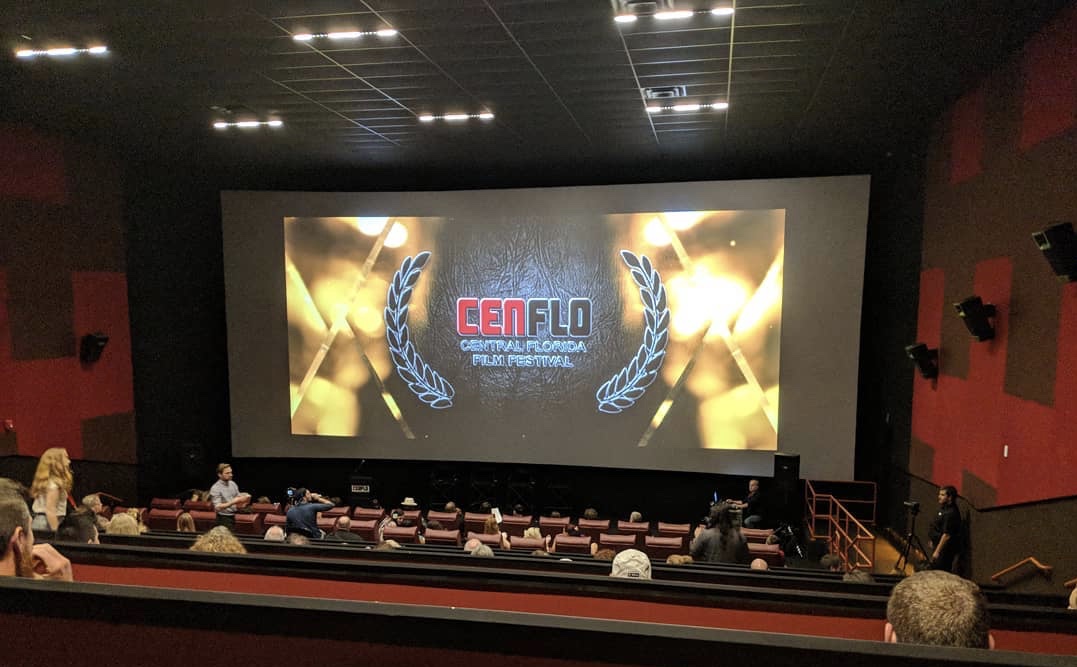
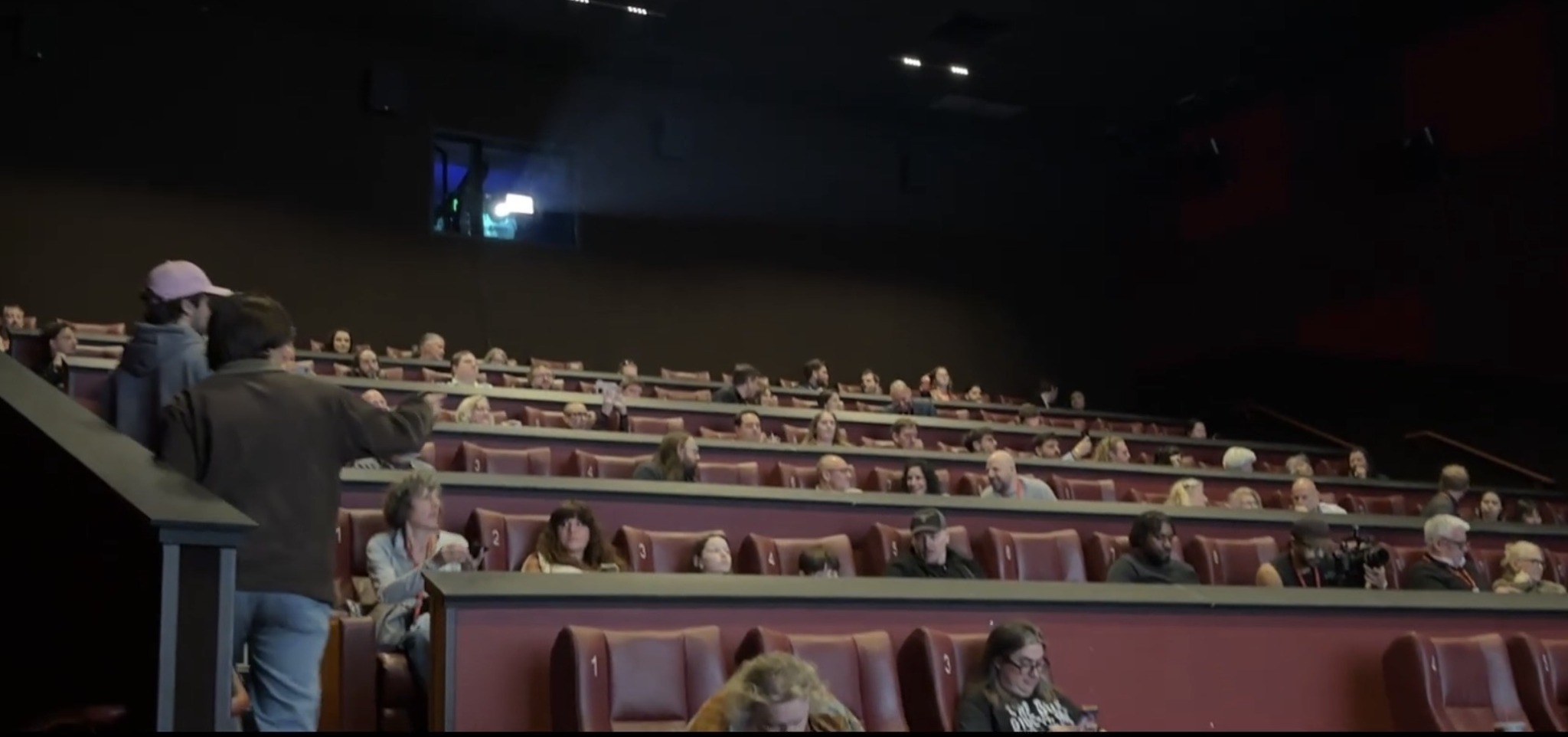
I am an actor, writer, director, producer and the executive director of the Central Florida Film Festival (CENFLO). While my early days in acting began on stage (which I still get to do from time to time), I also started working on film not long after. The long and winding journey of working on movies is what led me to my current position with our film festival. During the festival tour in 2015 of a film that I acted in and co-produced, one of the festivals that film was selected in was CENFLO, at that time in its tenth year. During my time at the festival I came to know Bob Cook, the founder and now-former executive director of CENFLO. When another film I worked on made it into the festival the following year I got to know him even more and he and I spoke about working on a feature film together. While developing that project, Bob told me about his desire to step down from running the festival and he offered me his position in the organization. I then put together a new executive team, brought on new board members and moved the festival to a state of the art theater in Mount Dora, Florida. We’ve been growing ever since, both in the amount of films we screen from around the world and the educational programs we offer to students and audience members throughout our festival weekend every January. Having been named one of the top 25 film festivals worth the entry fee by MovieMaker Magazine, we pride ourselves on being a great networking festival for filmmakers from around the world who can meet and even become collaborators. Those opportunities, coupled with screening just under 200 indie films from around the world, appearances by industry professionals and celebrity guests who share their experiences on interactive panel discussions helps to make it a fun-filled weekend for all attendees.
How’d you build such a strong reputation within your market?
The film festival market is somewhat niche despite the great amount of film festivals, both in the United States and worldwide. Each festival has a unique feel, depending on its location, the films they’re screening, the vibe of the festival itself and the length of the festival. Because of so many factors that go into making every film festival feel different, I’ve found that the way to growth and success with our business model is to not concern ourselves with the things that are successful for other similar organizations in our general area and to focus on what opportunities can be seized upon given our location (both our home city and our festival theater), industry contacts (to bring in special guests) and to remain consistent year over year. Because of the nature of our business, we’re selling an experience–that’s our product. By steadily managing our growth each year, adding programs that work and discarding those that audiences haven’t reacted to, we have seen our reputation grow both with local audiences and with the filmmakers who submit their projects to us.
We’d love to hear the story of how you built up your social media audience?
I cannot emphasize enough that social media savvy is something that must never be taken for granted. As someone who isn’t particularly adept at social media marketing campaigns, I’ve found that a great way to cover that deficit has been to bring on social media professionals. However, being a non-profit ourselves and knowing that many small businesses have very little disposable income, another great thing to do is reaching out to local colleges that have social media programs and see if they’re willing to give credit to a student who is willing to work as an intern. We’ve done that ourselves with students from the University of Central Florida and it worked out great.
Contact Info:
- Website: https://Cenflo.us
- Instagram: @centralfloridafilmfestival
- Facebook: @centralfloridafilmfestival
- Twitter: @cenflo