

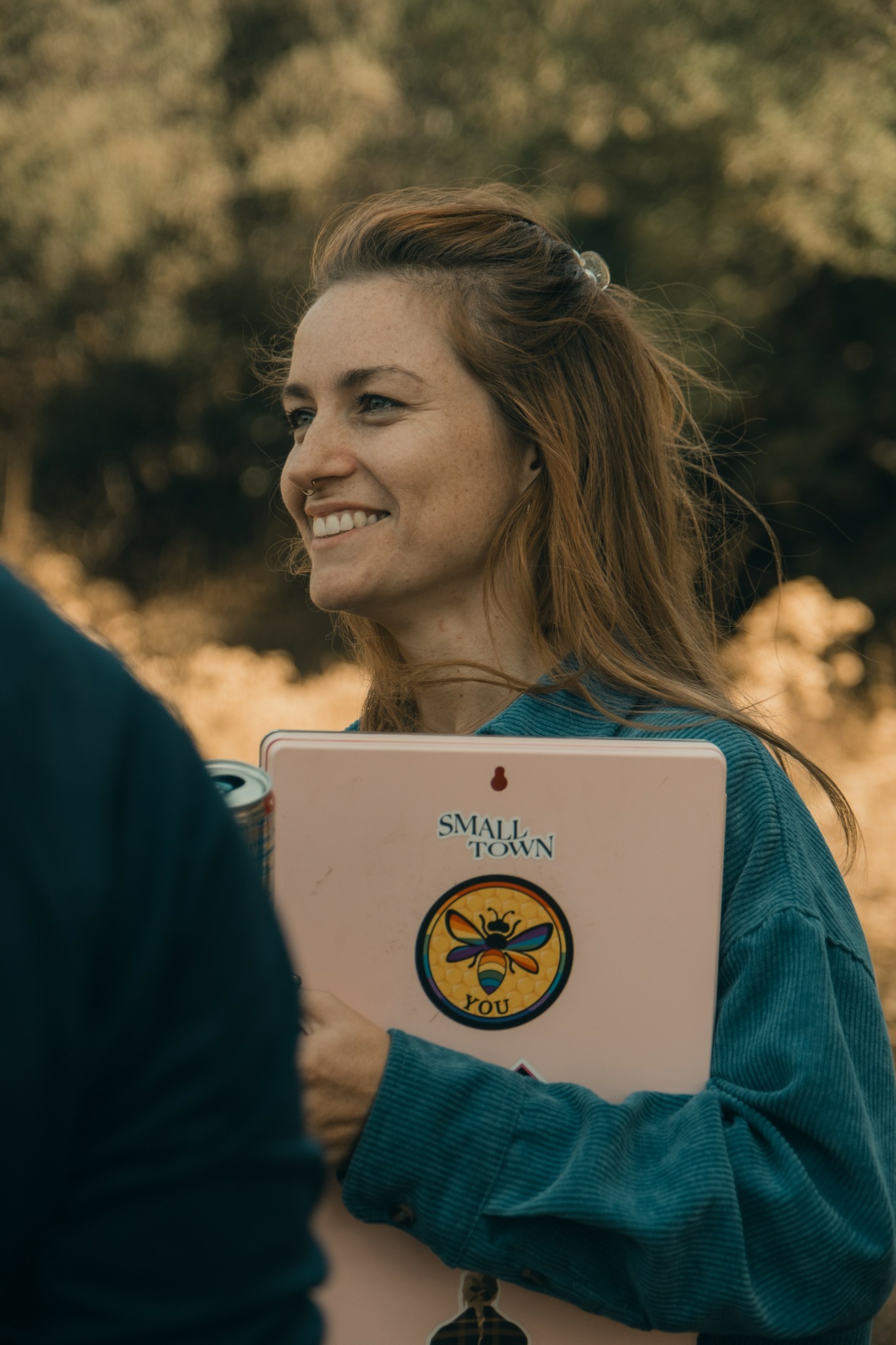

We recently connected with Bonnie Tyer and have shared our conversation below.
Bonnie, thanks for taking the time to share your stories with us today Are you happy as a creative professional? Do you sometimes wonder what it would be like to work for someone else?
I’m definitely happiest as a creative, but that doesn’t mean I never think about what it would be like to have a more “regular” job. The thought usually comes up during lulls — moments when work is inconsistent, money feels tight, or I’m exhausted from juggling too many things at once.
The last time I really sat with that question, I was in my apartment late at night, surrounded by half-finished projects, reference images, supplies, and to-do lists. I’d been working multiple jobs, bouncing between paid work and personal projects, and I remember thinking, There has to be an easier way to live. A steady paycheck, clear hours, fewer emotional ups and downs — it sounded appealing in that moment, mostly because I was tired.
But when I actually pictured myself in a more traditional role, what stood out wasn’t relief — it was restlessness. I realized that what keeps me grounded isn’t one single job or identity, but having multiple interests to pursue at once. When one area feels slow or unfulfilling, I can shift my energy into something else creative, productive, or skill-building. That variety keeps me from fixating on short-term setbacks or getting lost in anxiety about the long-term future.
I’ve learned that pursuing multiple creative paths isn’t a distraction for me — it’s a stabilizer. It helps fill the gaps during slower periods, keeps me engaged during lulls, and allows me to stay productive even when one lane isn’t fully active. At the same time, it’s constantly adding to my skill set, expanding what I can offer professionally, and making my résumé stronger and more flexible.
So while I sometimes fantasize about simplicity when things feel overwhelming, I always come back to the same conclusion: I’m most fulfilled when I’m building, learning, and creating across different mediums. That’s where I feel most like myself — even when it’s challenging.
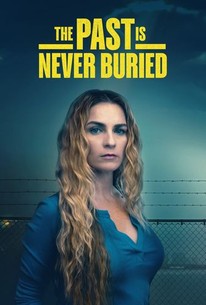
As always, we appreciate you sharing your insights and we’ve got a few more questions for you, but before we get to all of that can you take a minute to introduce yourself and give our readers some of your back background and context?
I’ve always been drawn to storytelling. As a kid, I was constantly playing make-believe — building worlds, inventing characters, and getting completely lost in narrative. I also grew up absorbing stories through music, especially country music, where the lyrics are so visual and emotionally specific that they feel like short films. That combination — imagination plus emotional storytelling — shaped me early on, even before I had language for it.
As I got older, that instinct naturally funneled into improv and theatre. Being on stage taught me how to listen, how to respond truthfully in the moment, and how to understand character from the inside out. From there, filmmaking felt like the inevitable next step. Film gave me a way to merge performance, visual storytelling, design, and emotional atmosphere into a single medium.
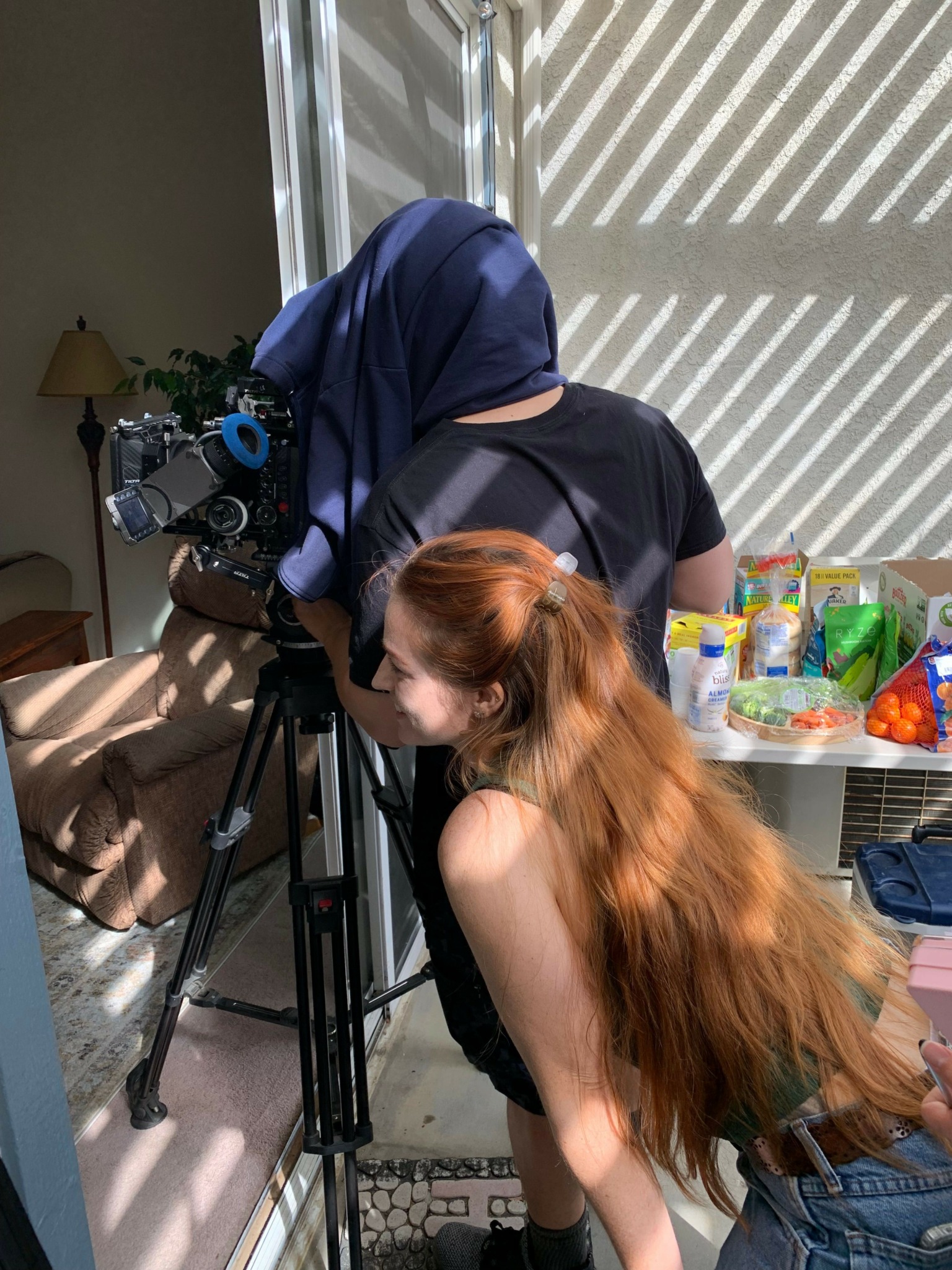
Professionally, I pursue a multi-hyphenate career as an actor, filmmaker, and costume designer. I work both in front of and behind the camera, developing characters and worlds from the ground up — whether that’s through performance, visual design, or story development. Costuming, in particular, became an extension of my storytelling instincts: it’s about psychology, subtext, and helping a character exist fully in their world.
Alongside my creative work, I also coach and consult actors, filmmakers, and writers. I help them put their best selves forward — creatively, professionally, and strategically. That can mean clarifying their artistic voice, refining how they present themselves in auditions or pitches, or helping them understand how to navigate the industry in a way that’s sustainable and aligned with who they actually are. I’m especially interested in helping people bridge the gap between talent and opportunity, because I’ve lived in that space myself.
What I think sets me apart is that I understand the industry from multiple angles at once. I know what it’s like to be the artist, the collaborator, the designer, and the person trying to make practical decisions inside an unpredictable creative career. I don’t approach people as products — I approach them as storytellers who need clarity, structure, and confidence to do their best work.
I’m most proud of the fact that I’ve built a career rooted in curiosity, adaptability, and integrity. I’ve allowed my interests to evolve rather than forcing myself into a single lane, and that flexibility has made my work stronger and more resilient. I want potential clients, collaborators, and audiences to know that my work is driven by care — for story, for people, and for the process. Whether I’m creating, designing, performing, or coaching, my goal is always the same: to help meaningful stories be told as honestly and powerfully as possible.
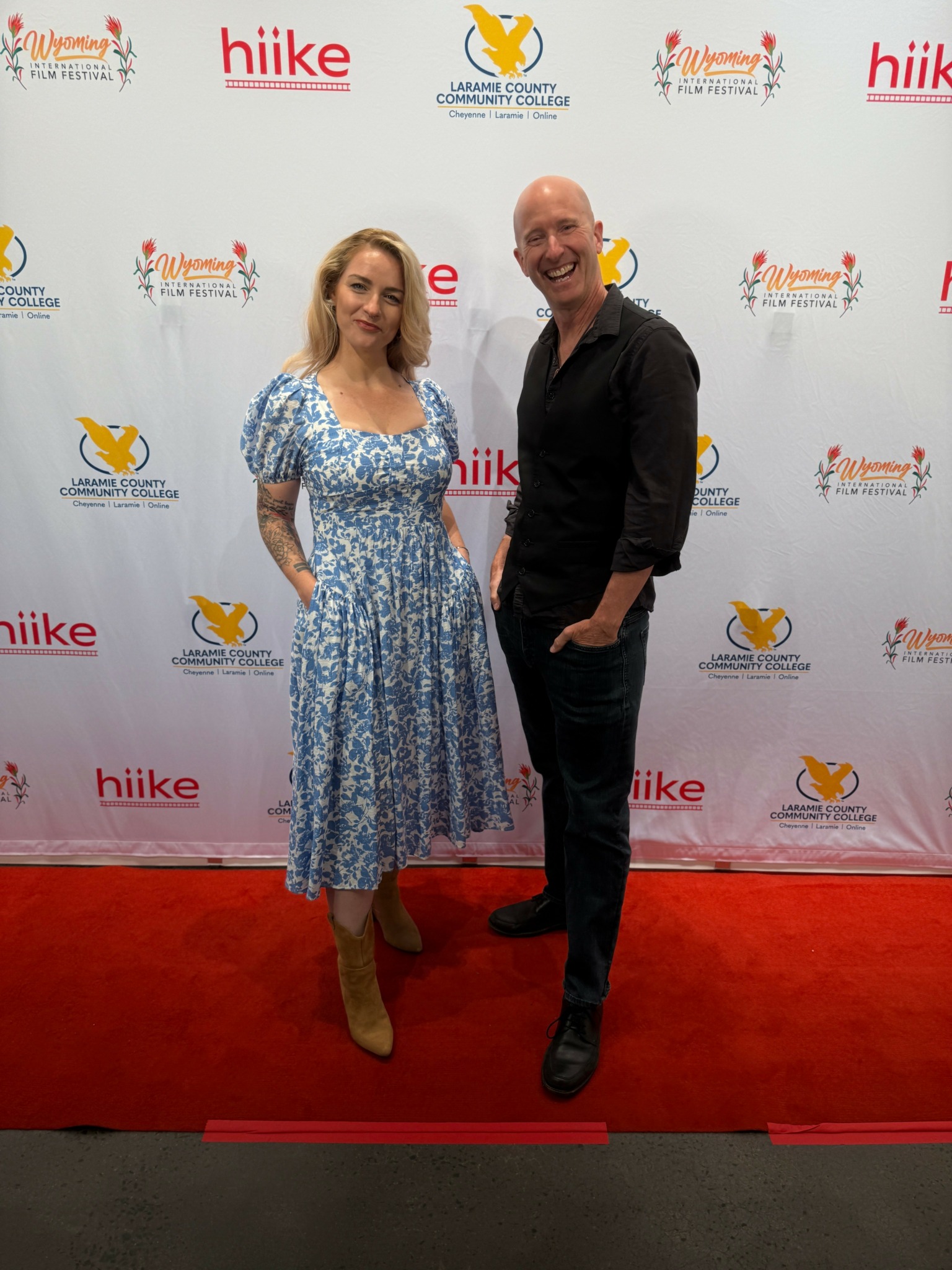
Is there something you think non-creatives will struggle to understand about your journey as a creative? Maybe you can provide some insight – you never know who might benefit from the enlightenment.
One thing I think non-creatives often struggle to understand about my journey is that the structure of my life is part of how I protect my work. Being multi-hyphenated isn’t about ambition or branding for me — it’s about creating conditions where my art can actually survive.
When people hear that I move between acting, filmmaking, design, and consulting, it can sound scattered or inefficient. But what they don’t see is that this layered approach is how I safeguard myself from burnout, financial panic, and creative shutdown. I’ve learned that if I don’t take my own stability seriously, my work suffers. Protecting myself — my energy, my time, my nervous system — is how I protect my art.
Non-creatives often expect creativity to operate on inspiration alone, or to tolerate instability indefinitely. My experience has taught me the opposite. Art needs containment. It needs practical systems, multiple outlets, and flexibility in how it shows up in the world. When one avenue becomes constrictive or unreliable, having others allows me to stay engaged rather than depleted.
I also think there’s discomfort, especially outside creative industries, with the idea that a person can hold multiple professional identities at once without one being a fallback or a stepping stone. For me, each role informs the others. The work cross-pollinates. The skills compound. And that ecosystem is what allows me to keep making work that’s honest instead of reactive.
The insight I’ve come to is that sustainability is not a compromise — it’s a discipline. Taking my need for protection seriously hasn’t diluted my creativity; it’s given it longevity. Even if that doesn’t look linear or easily legible from the outside, it’s the reason I’m still able to do this work with care and intention.
Let’s talk about resilience next – do you have a story you can share with us?
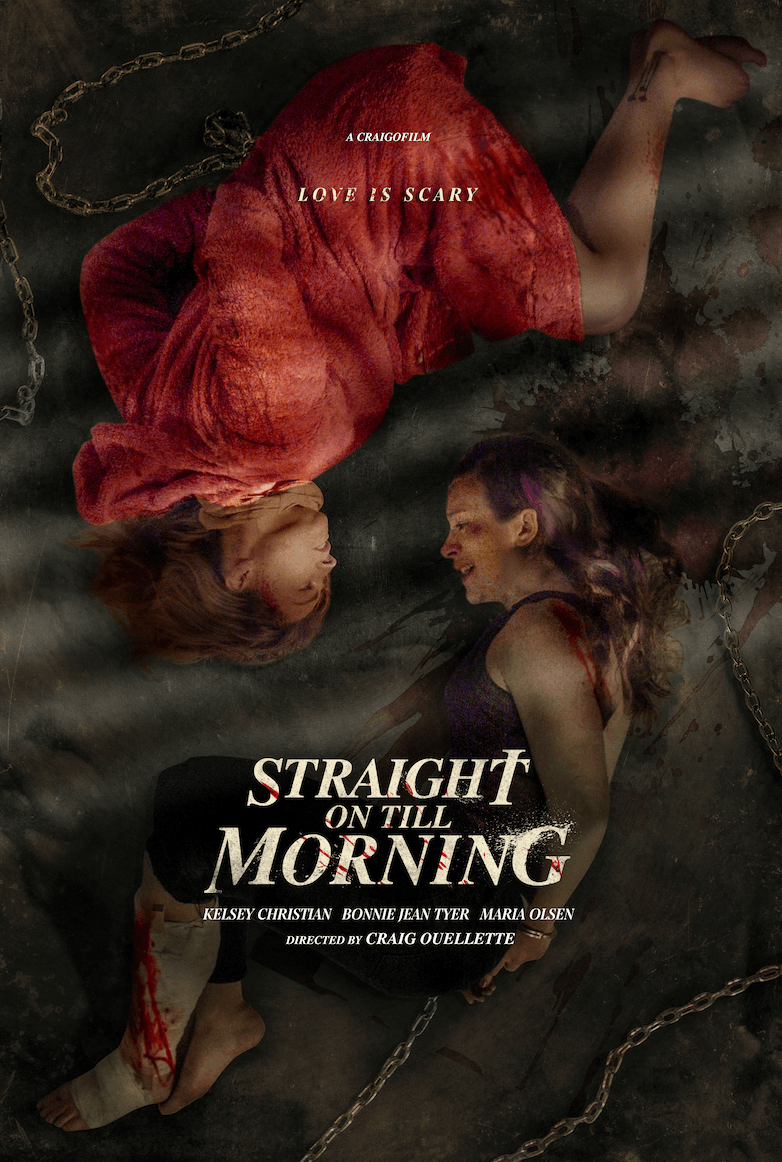
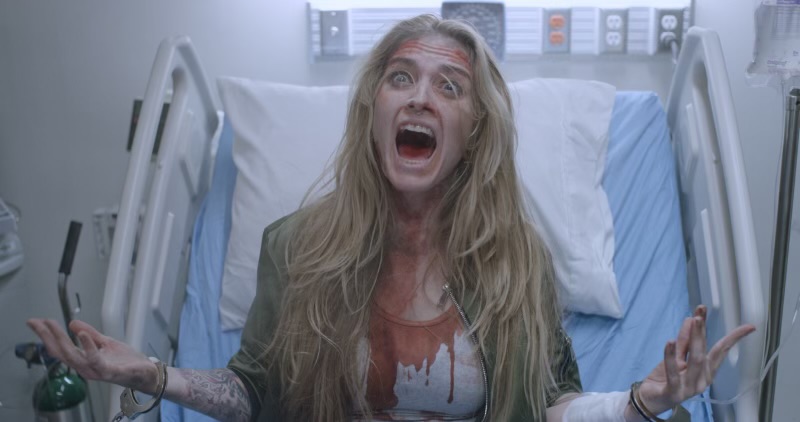
A pivotal moment in my journey was during the making of the indie lesbian horror feature Straight On Till Morning. I initially joined the project in a contained, behind-the-scenes role as a script consultant. My job was to help shape the story and strengthen the characters with my specific point of view as a lesbian in the world. That alone would have been meaningful, but the project kept asking more of me — and I kept saying yes.
As production ramped up, I was brought on as a producer and wardrobe lead, taking responsibility not just for creative decisions but for logistics, problem-solving, and keeping the film moving forward under real constraints. Then, during the casting process, something unexpected happened: I was asked to step in and audition, and ultimately I was cast in the lead role.
What followed was a month that pushed me to every limit — physically, mentally, and emotionally. I was carrying multiple departments on my back while also anchoring the film on screen. Days blurred together. There was very little rest. Every problem felt urgent, every decision mattered, and there were moments where quitting or pulling back would have been understandable.
But I didn’t. I learned how much endurance I actually have when I believe in the work. I learned how to prioritize under pressure, how to stay present when overwhelmed, and how to keep showing up even when I was exhausted and unsure. That experience stripped away any illusion I had about my capacity — and replaced it with something earned.
The film comes out on streaming platforms on March 10th, and I’m proud of it not just because it exists, but because I know exactly what it took to get there. That project taught me that resilience isn’t about pushing endlessly for the sake of proving something. It’s about committing fully when it matters, adapting as circumstances change, and trusting yourself to rise to the moment — even when the moment is far bigger than you originally imagined.
Contact Info:
- Website: https://BonnieJeanTyer.com
- Instagram: Bonnsauce
- Youtube: Bonnsauce
- Other: TikTok @bonnsauce
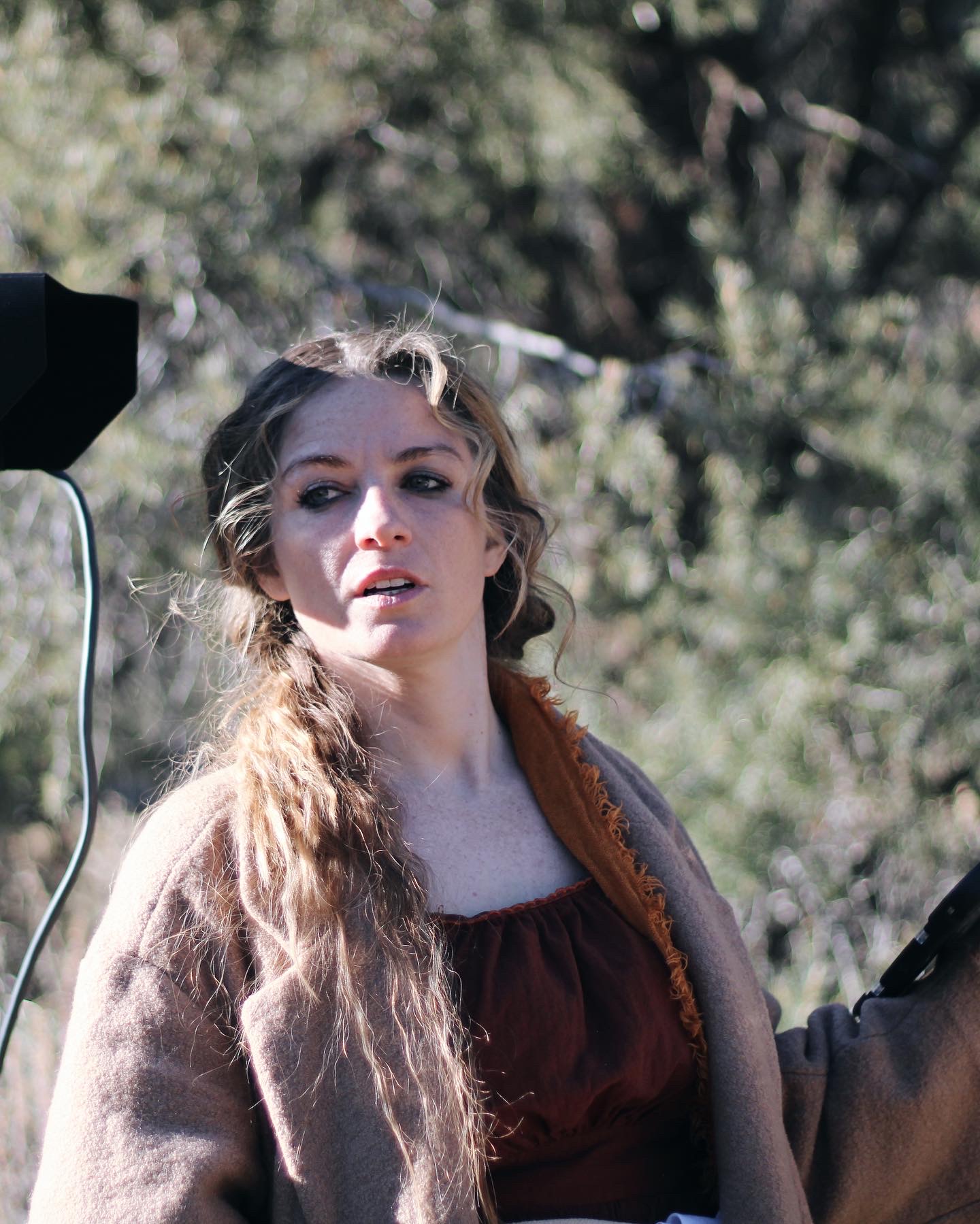
Image Credits
Photo by CD Carpenter