



We caught up with the brilliant and insightful Angel Liang a few weeks ago and have shared our conversation below.
Alright, Angel thanks for taking the time to share your stories and insights with us today. Was there a defining moment in your professional career? A moment that changed the trajectory of your career?
One of the defining turning points in my career didn’t happen in academia—it happened when I began observing the everyday struggles of families around me.
My professional background is in educational psychology, and earlier in my career I worked primarily as an academic researcher and educator. For years I was immersed in academic work, constantly engaging with cutting-edge studies about child development, emotional learning, and communication. I was surrounded by research about how children learn and how emotional and social skills develop.
But when I became a parent and began interacting with other families, I noticed something striking. Many highly accomplished adults—people who were extremely capable in their professions—felt completely unprepared when it came to navigating emotional challenges at home. Tantrums, sibling conflicts, miscommunication, and relationship stress often left parents feeling frustrated and unsure of what to do.
At the same time, I noticed that the challenges weren’t just about the children.
Many adults were carrying their own unaddressed emotional patterns from childhood. When stress arose in parenting or relationships, those unresolved experiences often resurfaced.
That realization became a pivotal moment for me. I began to see that emotional intelligence isn’t just something children need to learn—it’s something that families need to develop together, and it’s a soft skill that we continue to use in adulthood —not just something children need to learn.
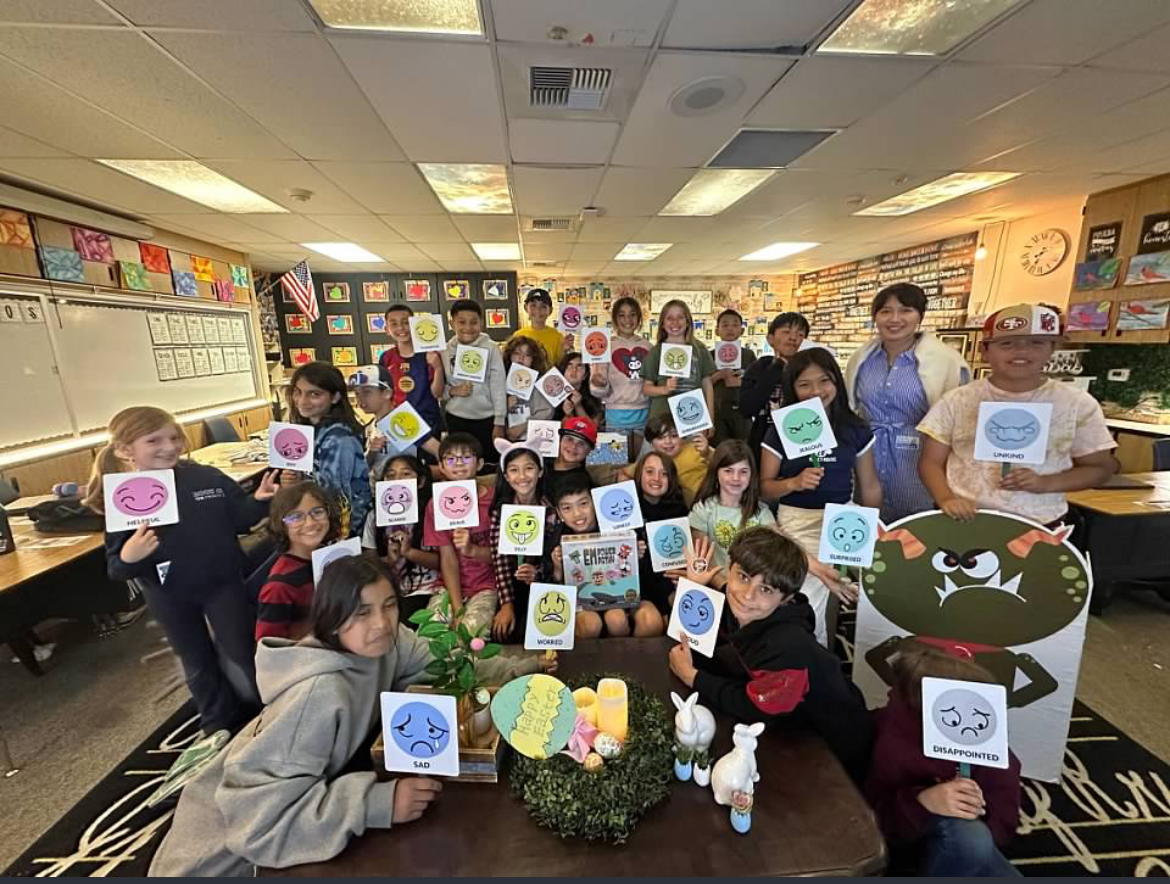
I started exploring ways to translate research into tools and experiences that families could actually use in everyday life. That journey eventually led me to found Tiny Sprouts® and develop our award-winning empathy-building game Empower Empathy™, designed to help families, practice empathy, communication, conflict resolution, and perspective-taking together.
Since then, the work has expanded into multiple programs that help children, parents, and even couples build stronger emotional awareness and communication skills.
In many ways, the work is about nurturing both the child and the inner child within the adults who guide them.
Angel , before we move on to more of these sorts of questions, can you take some time to bring our readers up to speed on you and what you do?
I’m an educational psychologist, researcher, and the founder of Tiny Sprouts®. My work focuses on helping people develop emotional intelligence, communication skills, and resilience—not just children, but families as a whole.
My career began in academia, where I researched and taught topics related to human development, cross-cultural parenting, and emotional learning. Over time, I realized that much of the knowledge generated in research settings takes years to reach everyday families. Valuable insights often remain buried in academic journals instead of helping people who need them most.
That realization motivated me to start translating research into practical tools that parents, educators, and children could use in everyday life.
Today, our work supports families through four main avenues.
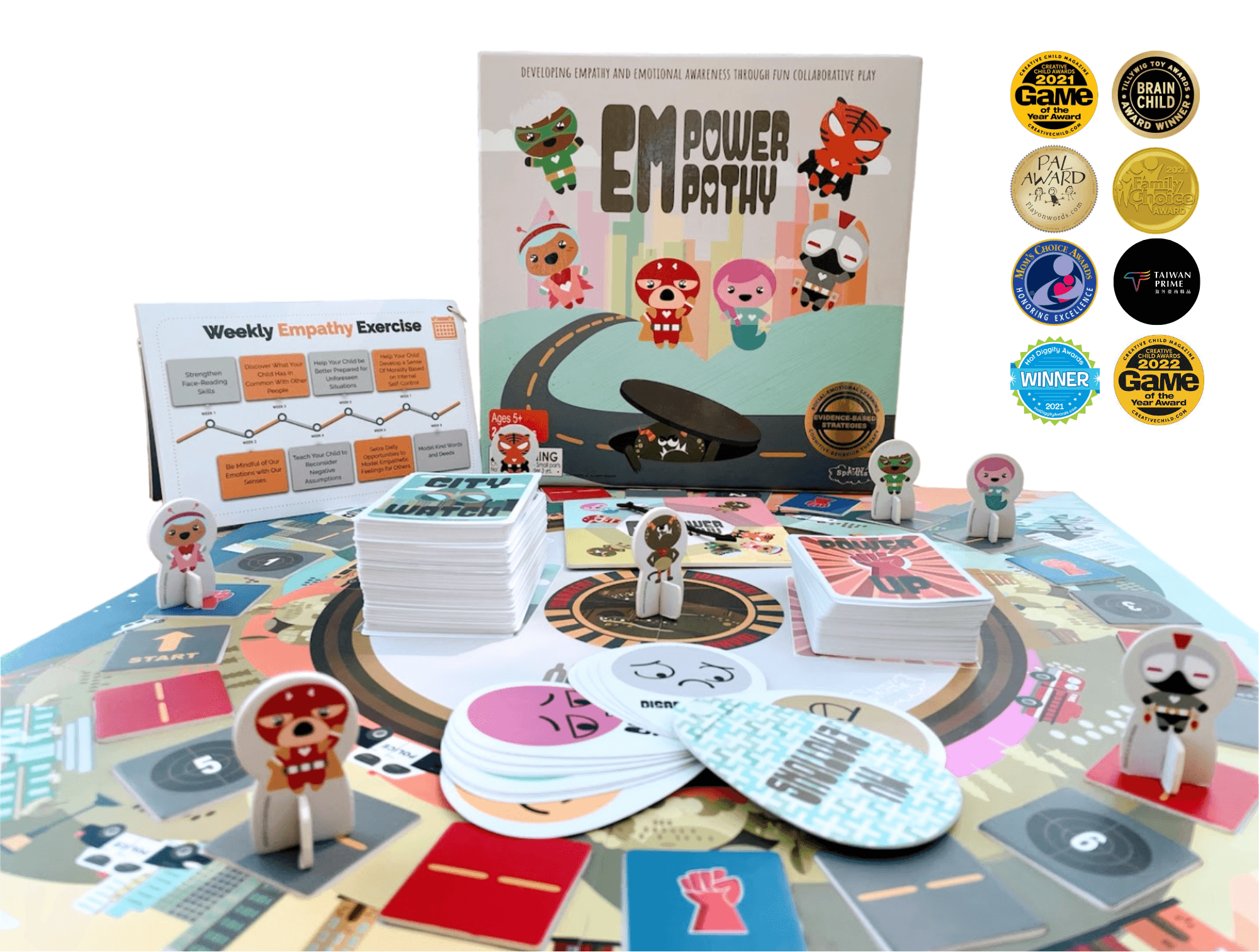
First, we design research-informed learning tools and games, including our critically acclaimed and multi-award-winning empathy-building toolkit Empower Empathy™, a cooperative board game designed to help families reactivate connection and gameplay.
Second, we run experiential programs such as camps, where children can practice skills like teamwork, cognitive flexibility, leadership, empathy, and problem-solving through hands-on activities and real-life scenarios.
But my work doesn’t stop with children.
In many cases, the same skills we try to teach children—emotional regulation, perspective-taking, empathy, and flexibility—are exactly the skills adults benefit from developing as well.
Third, we provide interactive workshops for parents, educators, as well as Continuing Education courses for professionals that focus on social-emotional learning, communication, and conflict resolution. Workshops for couples, for example, focus on conflict resolution and communication. These programs help partners recognize their emotional triggers, understand each other’s perspectives, and move from reactive patterns toward more constructive dialogue.
And fourth, through private consultations, I also work with parents, couples, and adults who want to improve communication, manage conflict more effectively, and better understand the emotional dynamics in their relationships.
While much of our work focuses on helping children develop emotional intelligence, many adults discover that the same skills—emotional regulation, perspective-taking, and communication—are areas they want to strengthen as well. In couples workshops and consultations, we often explore how early experiences shape communication patterns and how partners can move from reactive conflict cycles toward more constructive dialogue.
At its core, the mission of Tiny Sprouts® is to bridge the gap between research and real life—helping people develop the emotional skills that allow relationships, families, and communities to thrive by learning through meaningful and joyful experiences.
Putting training and knowledge aside, what else do you think really matters in terms of succeeding in your field?
Beyond professional training, I believe the most important qualities in this field are empathy, curiosity, and creativity.
When working with children, parents, or couples, it’s important to remember that behavior is often a form of communication. What appears as anger, stubbornness, or withdrawal may actually be frustration, fear, or a need to feel understood.
Creativity also plays a crucial role. Emotional intelligence cannot be effectively taught through lectures alone. People learn these skills through experiences—through conversations, storytelling, interactive activities, and sometimes even play.
Approaching these situations with genuine empathy and curiosity rather than judgment creates space for growth and connection.
That philosophy shapes much of my work. Whether I’m working with children at a camp, facilitating a workshop, designing learning tools, or supporting families through consultation, the goal is always the same: helping people develop the emotional awareness and perspective-taking skills that strengthen relationships.
Ultimately, the work is about helping people reconnect—with themselves and with one another.
Because when we nurture empathy and emotional intelligence, we’re not just improving individual families—we’re building stronger and more compassionate communities.

What do you think helped you build your reputation within your market?
I think my reputation has grown largely because my work sits at the intersection of research, practical application, and real-life experience.
My professional background is in educational psychology and research, so the foundation of everything I create is grounded in evidence-based understanding of how children learn and how emotional development and socialization skills work. But at the same time, I’ve always been passionate about translating those ideas into something that families can actually use in everyday life.
Instead of keeping knowledge within academic circles, I focused on building accessible ways for people to engage with these concepts.
The work developed through Tiny Sprouts® and the empathy-building toolkit Empower Empathy™ has received international recognition within both the toy industry and education community. The game has earned eight awards—including the Creative Child Game of the Year Award, Mom’s Choice Award, Tillywig Brain Child Award, Family Choice Award, PAL Award, and the Taiwan Prime Silver Award—and has been endorsed by numerous professional educators and therapists across North America.
Today, the toolkit is used by families at home, educators in schools, and mental-health professionals at clinics and therapeutic facilities in dozens of U.S. states and 18 countries around the world. These tools help people practice perspective-taking, emotional awareness, and problem-solving through play.
Tiny Sprouts® has taken shape through several avenues: developing learning tools like the empathy-building game Empower Empathy™, offering adult and professional workshops and camps that allow individuals to deepen social-emotional skills in interactive settings, and providing private consultations for families and couples who want deeper guidance.
I also think consistency and authenticity matter a great deal. Over time, parents, educators, and professionals began sharing the tools and programs with others because they saw real results—children communicating more thoughtfully, families having more productive conversations, couples learning healthier ways to resolve conflicts, and adults knowing the right questions to ask for meaningful connections.
In fields related to human development and relationships, trust builds slowly. I believe my reputation has grown through years of showing up with the same goal: helping people better understand themselves and each other, and offering practical ways to build stronger emotional skills in everyday life.
Contact Info:
- Website: https://www.mytinysprouts.com
- Instagram: https://www.instagram.com/mytinysprouts
- Facebook: https://www.facebook.com/mytinysprouts
- Twitter: https://www.x.com/mytinysprouts
- Youtube: https://www.youtube.com/@mytinysprouts
- Other: https://www.xiaohongshu.com/user/profile/67cfd0cd000000000d00882e?
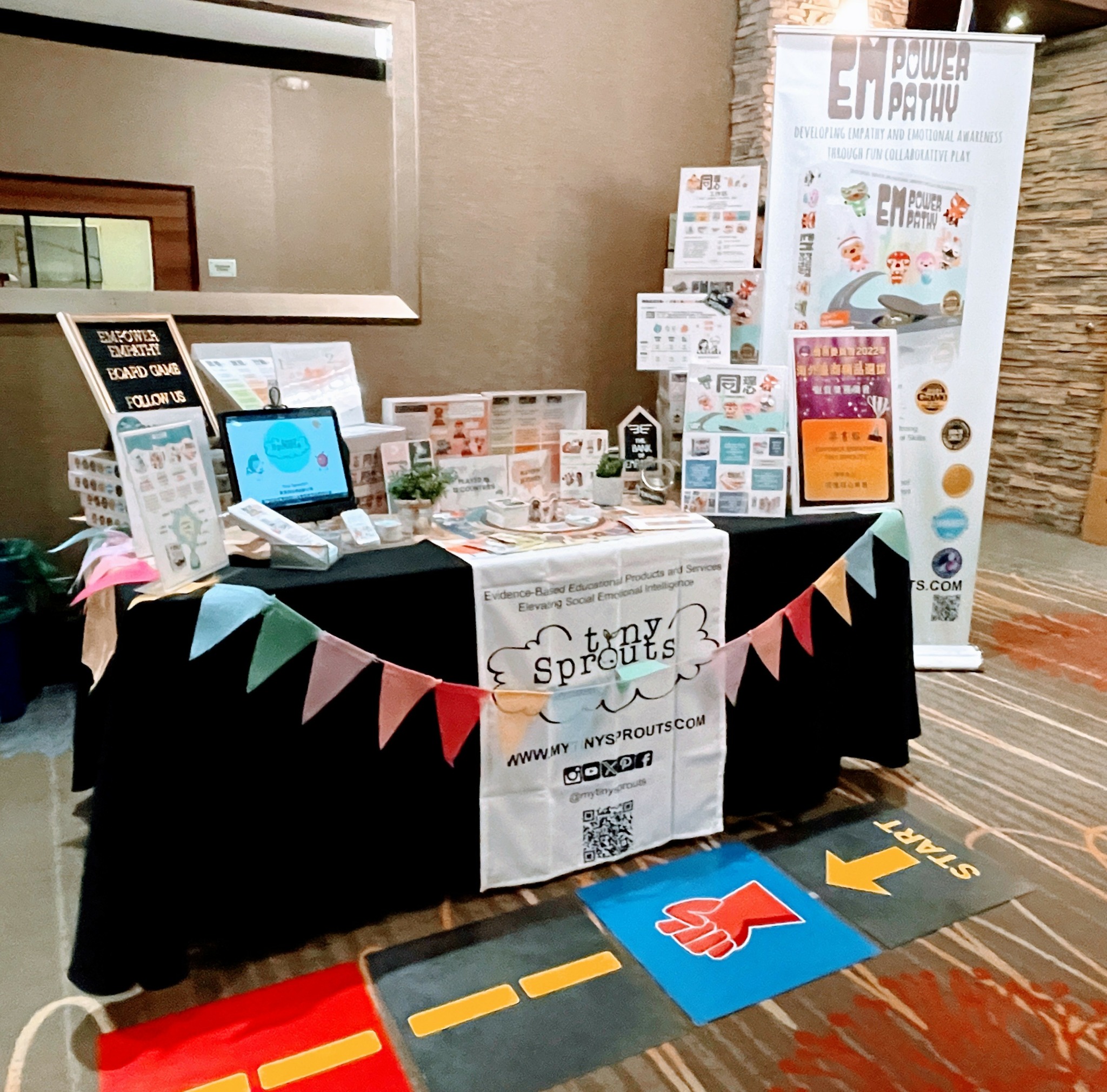
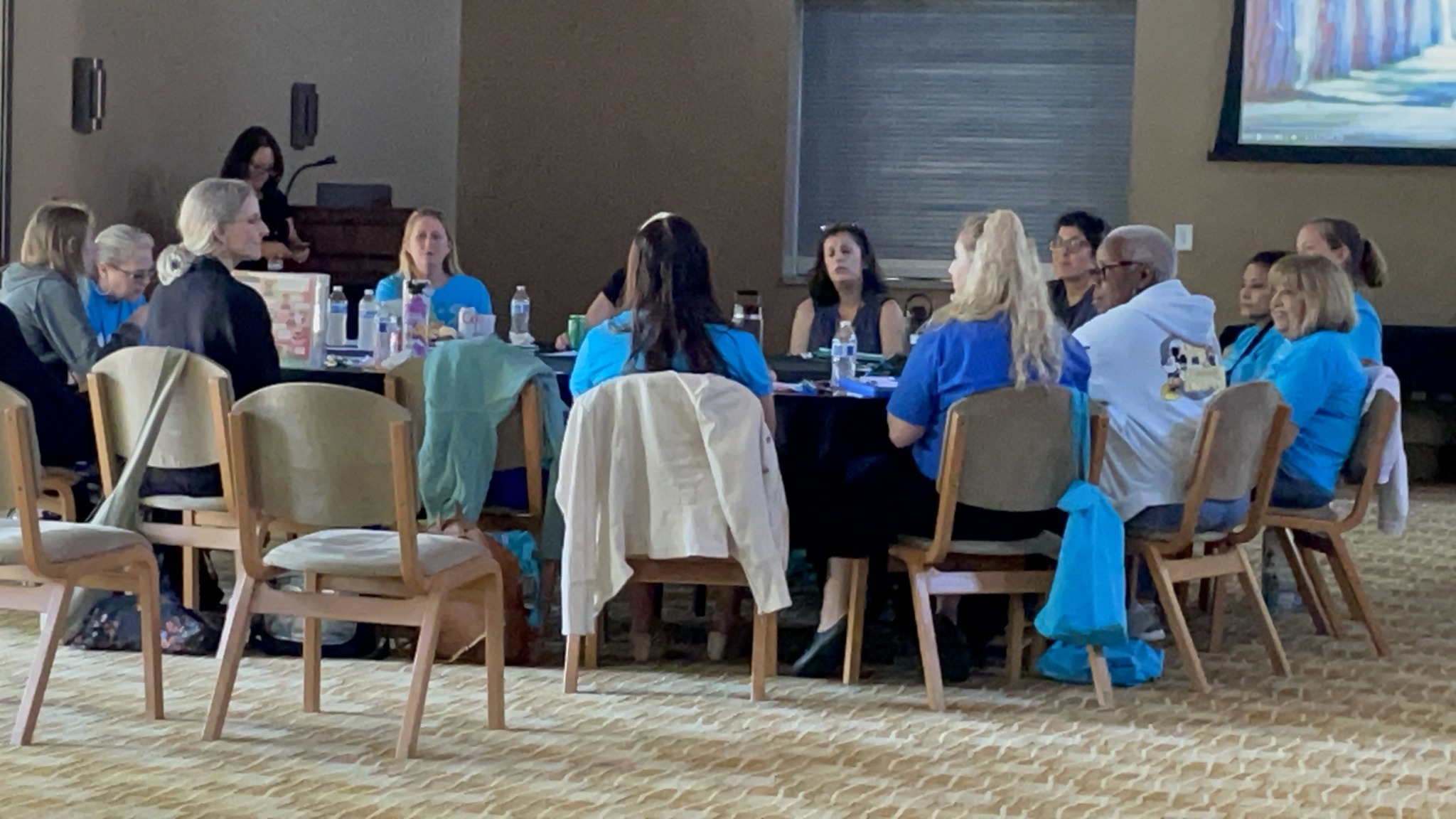
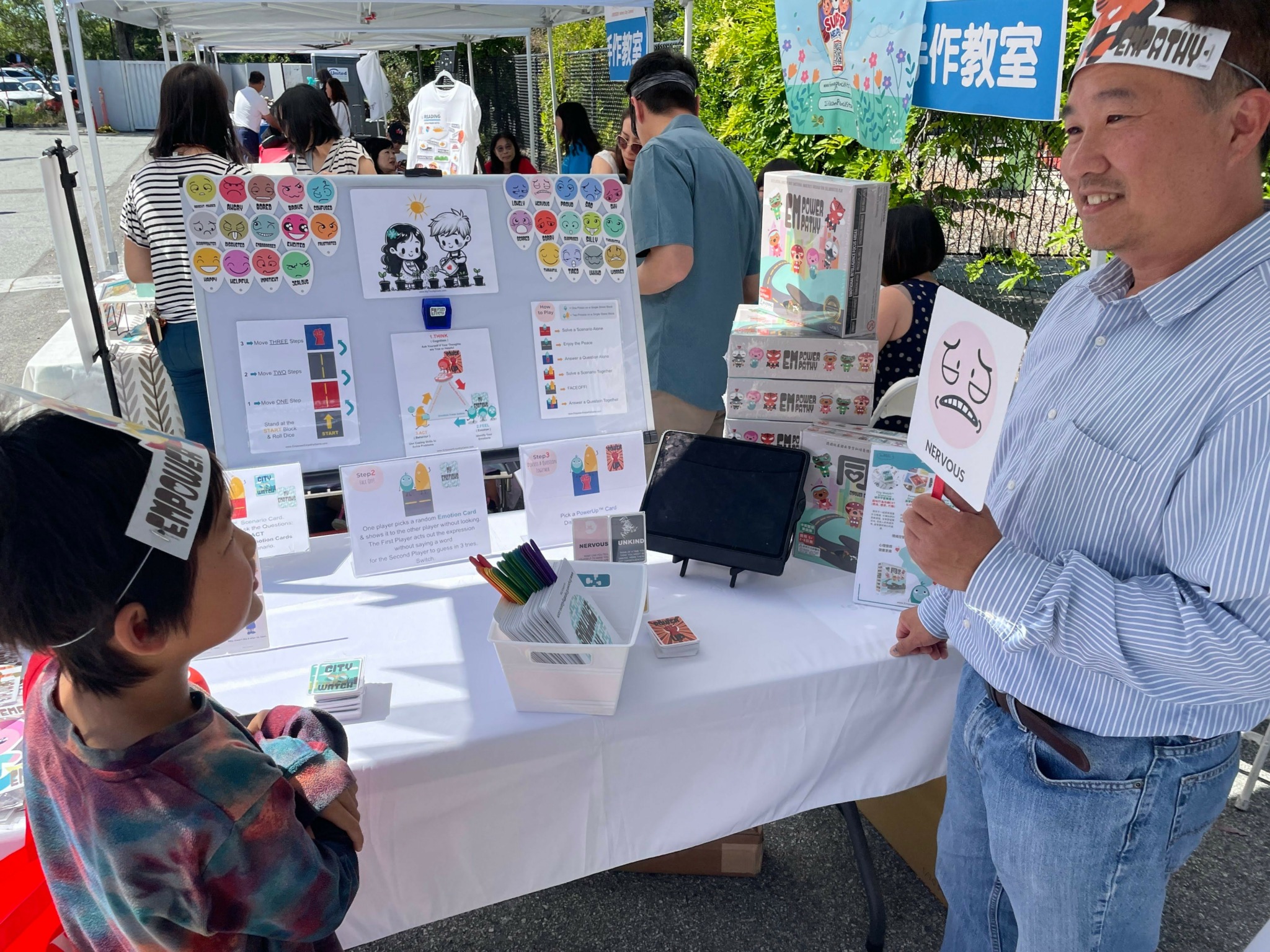
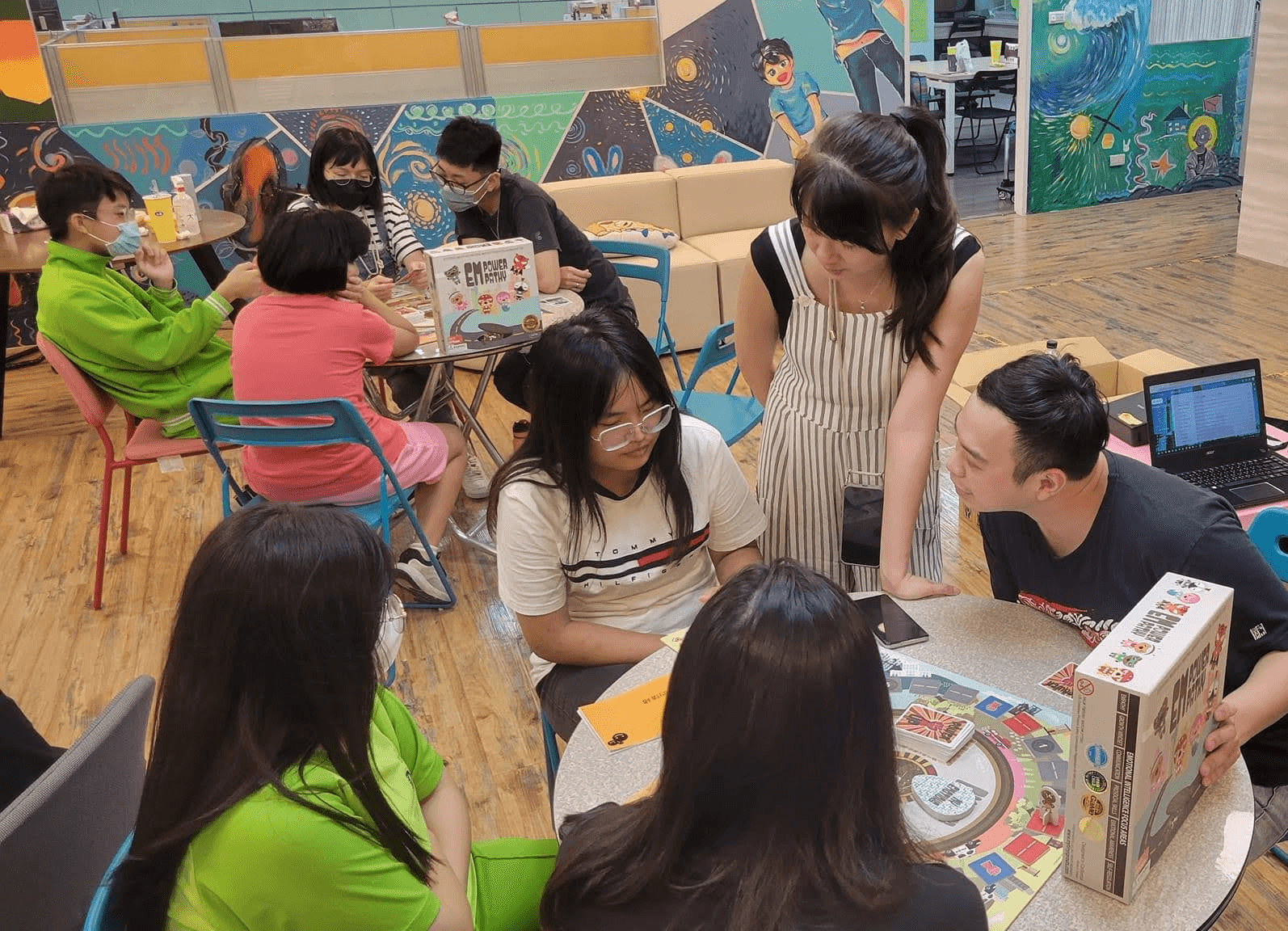
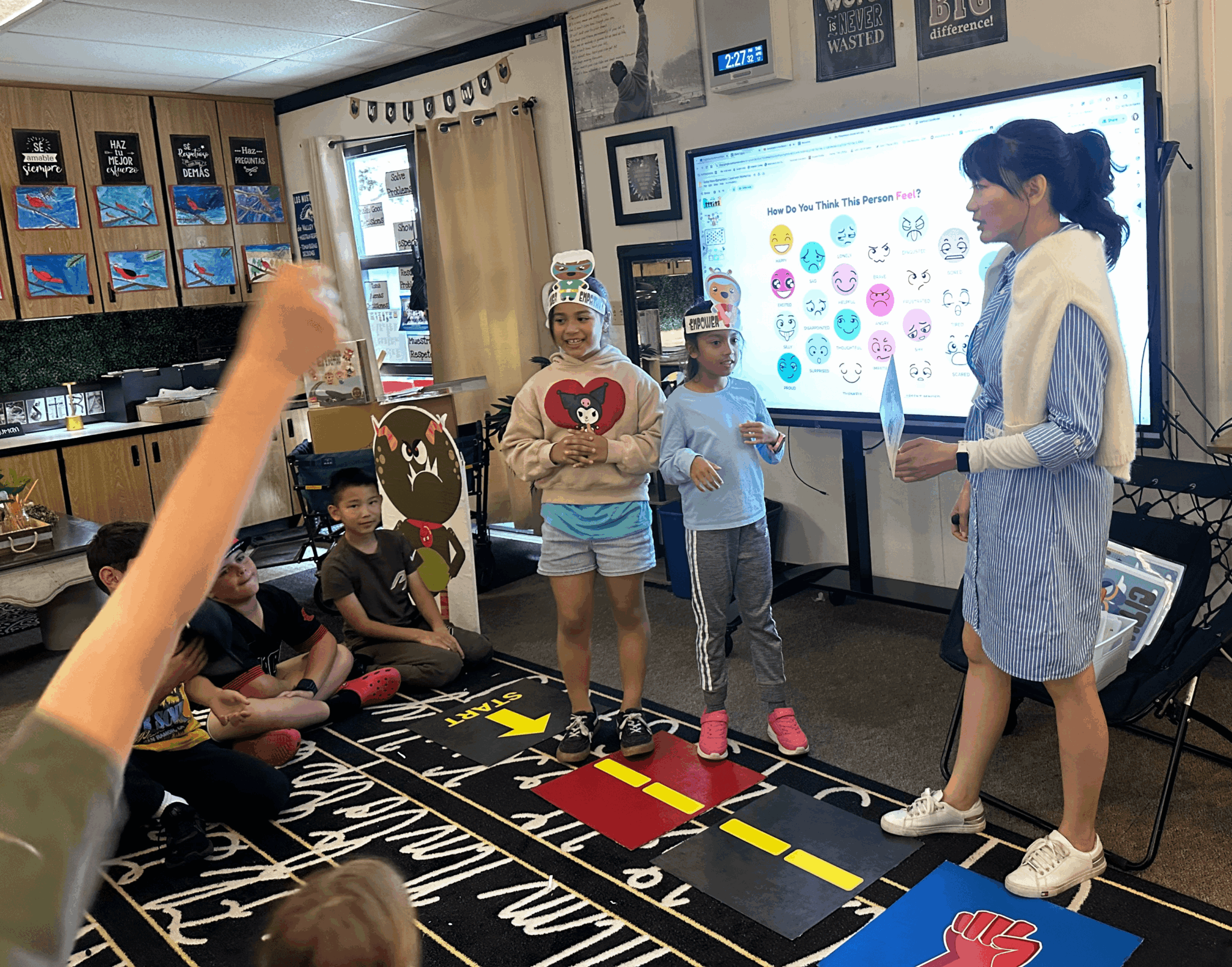
Image Credits
Tiny Sprouts