

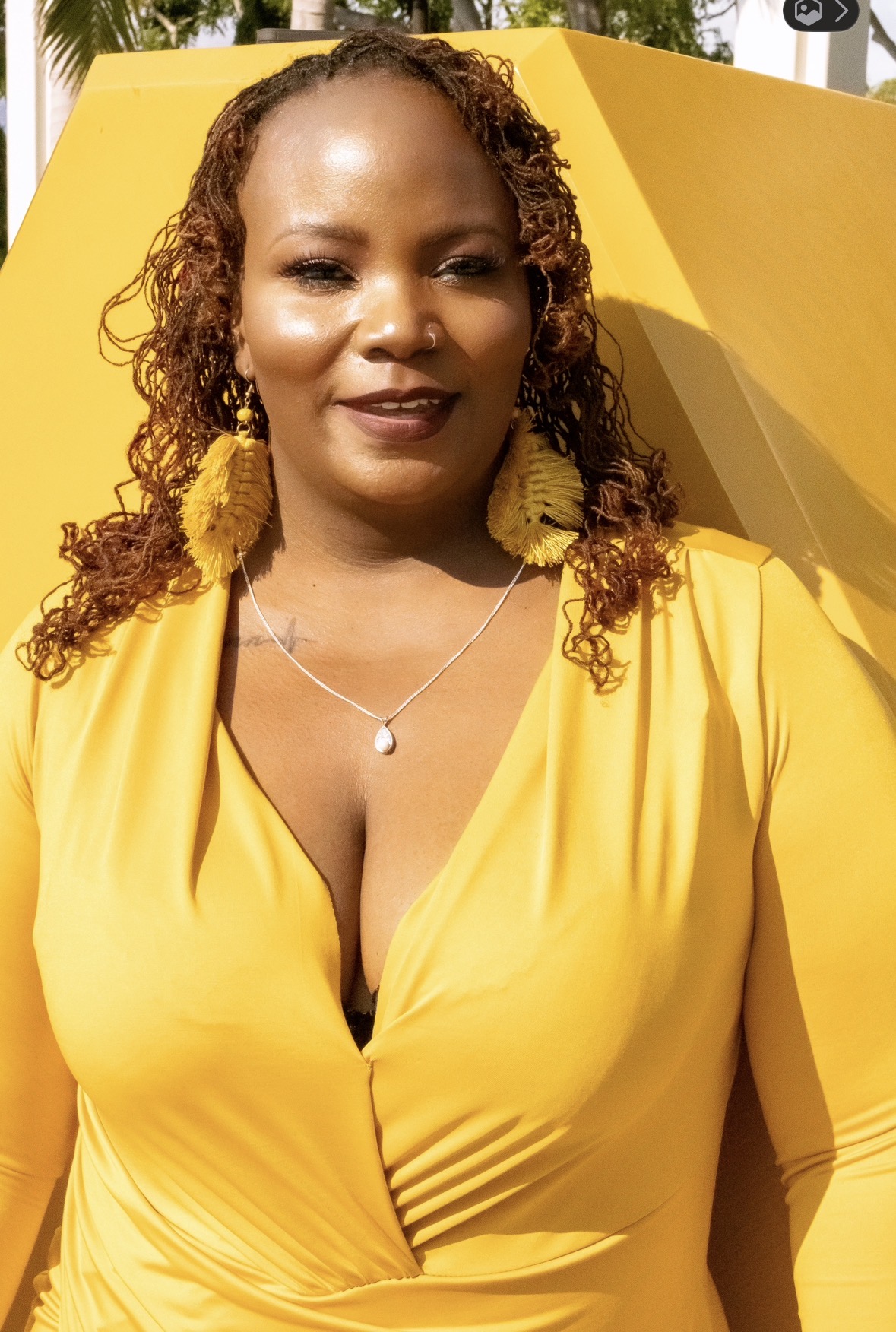

We were lucky to catch up with Angel Dobine recently and have shared our conversation below.
Alright, Angel thanks for taking the time to share your stories and insights with us today. It’s always helpful to hear about times when someone’s had to take a risk – how did they think through the decision, why did they take the risk, and what ended up happening. We’d love to hear about a risk you’ve taken.
For twenty years, I mastered transformation — just not my own. I painted confidence onto strangers in department store lighting, taught women how to contour their cheekbones and reclaim their power, and made beauty feel accessible. But in 2020, the world shut down, and somewhere along the way, my own reflection started asking bigger questions.
After six months of furlough, I returned to work craving normalcy. Instead, I came back to a company I barely recognized. Leadership had changed, teams were dissolved, job titles were stripped down, and salaries were slashed. Mine was cut so drastically that when I checked my second reduced paycheck through direct deposit, all I could do was cry… and then laugh. It was the kind of laugh that borders on disbelief, the kind that bubbles up when the math simply doesn’t math.
That paycheck was less than my basic living expenses. My schedule didn’t allow for a second job or freelance makeup, and the stress of pretending everything was fine was starting to cost me more than my paycheck ever could.
For weeks, I wrestled with a decision I never imagined making: leaving the company that had shaped my identity for two decades. I had been a manager — the one everyone knew, the one clients asked for by name. To quit meant stepping into an identity crisis. Who was I without a title? Without the brand I had borrowed credibility from for so long?
It was strangely freeing and completely terrifying. I wasn’t “the manager” anymore. I wasn’t the face of a cosmetics counter. I was just… me. And for the first time in my adult life, that had to be enough.
So I quit. No savings plan. No backup job. Just my final paycheck, my paid-out benefits, and a faith that felt equal parts brave and reckless.
And then something unexpected happened.
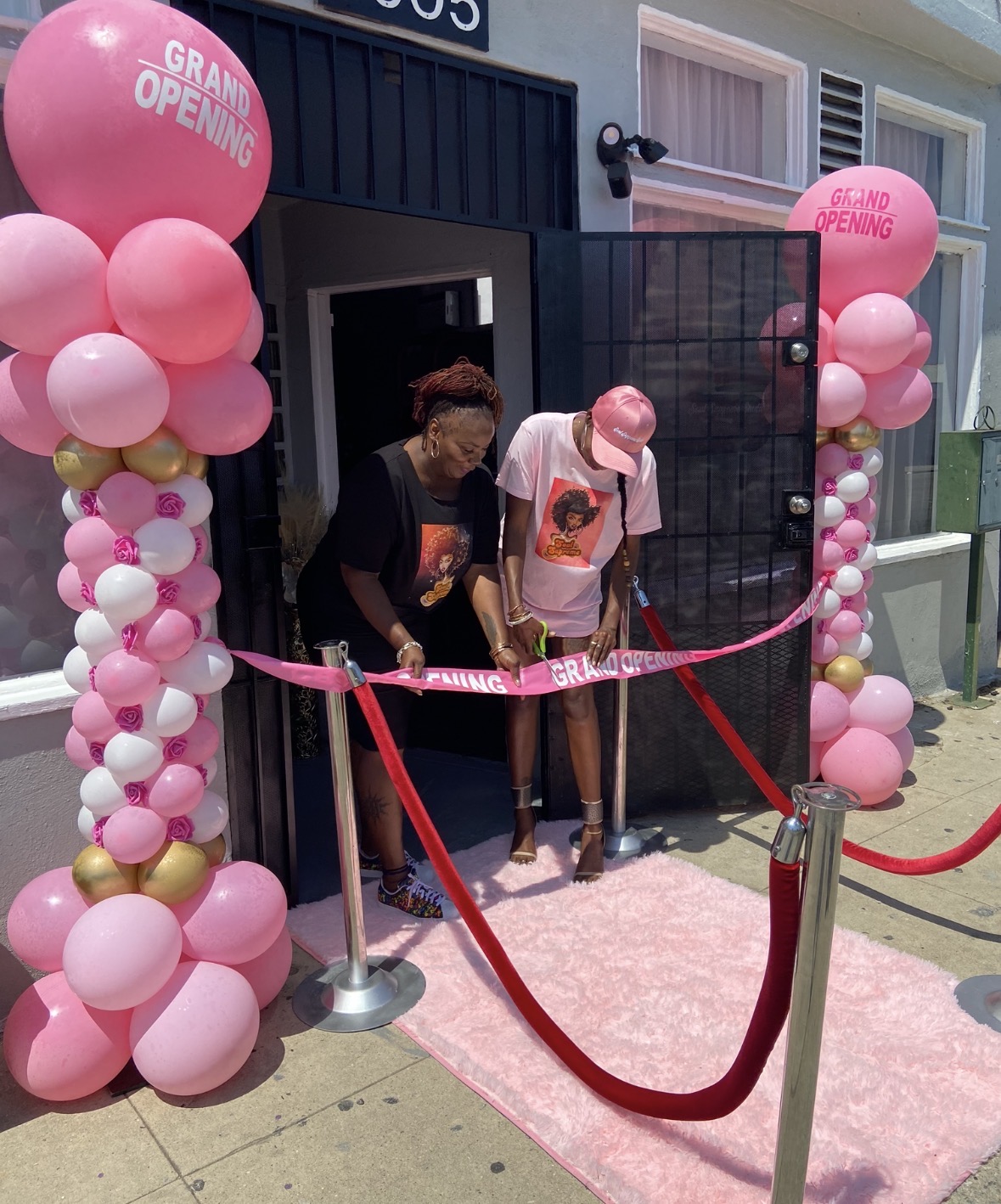
Within days, I was booked solid with freelance makeup clients — not because the market shifted, but because my schedule finally allowed for possibility. Less than a month later, a client offered me a vacant commercial space she owned. I called my oldest daughter — also a makeup artist — and floated an idea that scared me even more than quitting: “What if we build something of our own?”
What we intended to be a simple makeup studio evolved into a boutique business and community wellness hub — a place where women didn’t just walk out looking good, they walked out feeling seen, heard, and supported.
I used to believe security came from a company.
Now I know it comes from courage.
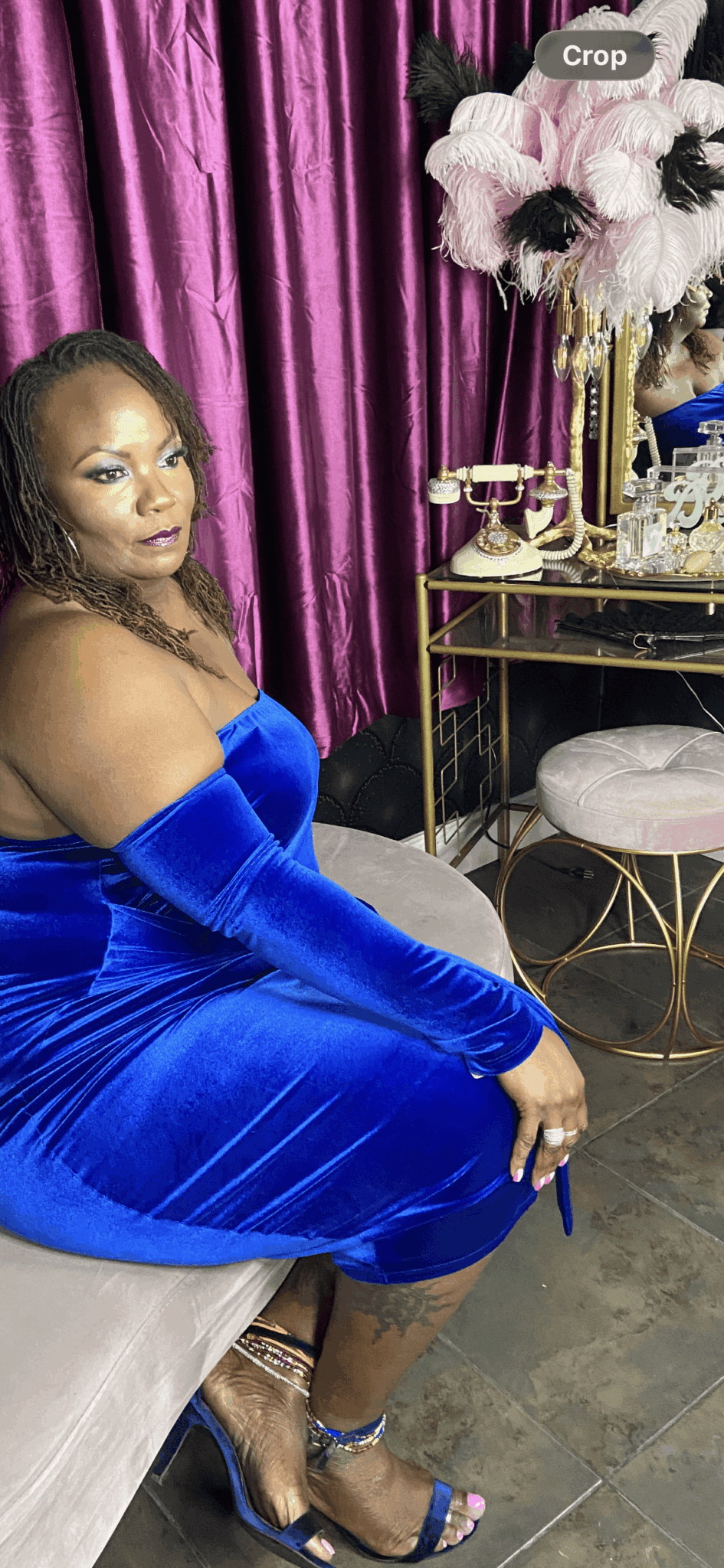
Angel, love having you share your insights with us. Before we ask you more questions, maybe you can take a moment to introduce yourself to our readers who might have missed our earlier conversations?
I’m a California native, born and raised in Los Angeles, and I like to say I’ve lived many lives before landing in this one. I was a teen mom — I had my first child at fourteen — at a time when Los Angeles was shaped by gang culture, systemic disinvestment, and limited pathways for young mothers. Still, I graduated high school on time, earned a scholarship, and went on to a four-year university. After a year there, I felt pulled toward storytelling, so I left to pursue filmmaking. Back then, editing wasn’t digital, so the learning curve was steep: we were literally cutting and splicing film by hand.
That program required us to take classes in makeup and wardrobe, and that’s where a new passion found me. Makeup artistry felt natural — the women in my family got glamorous for everything, especially church, so I grew up watching transformation as ritual. This was long before social media or YouTube tutorials. You had to develop your eye, your technique, and your intuition the slow way. I took more classes, found generous mentors, and gained clients who trusted me. At the same time, I worked in social services supporting pregnant and parenting teens. I didn’t know it then, but those two worlds — beauty and community care — would one day merge into my calling.
I eventually took a part-time job with a cosmetics company, mostly for the discount so I could build my kit. But that part-time role turned into a twenty-year career with the industry’s most popular brand. I moved from part-time to full-time to management, and that role came with a front-row seat to beauty culture, consumer psychology, entertainment networking, and the ways women seek identity and confidence through appearance. Over those twenty years, life happened in full volume: I had another daughter, got married, got divorced, was always a single mother, and lost both my parents. When my oldest daughter was eleven, her father was killed during an encounter with police — a loss that reshaped how I understood grief, resilience, and community support. I don’t share that for shock value; I share it because it informs the work I do now. Loss makes you see people more clearly.
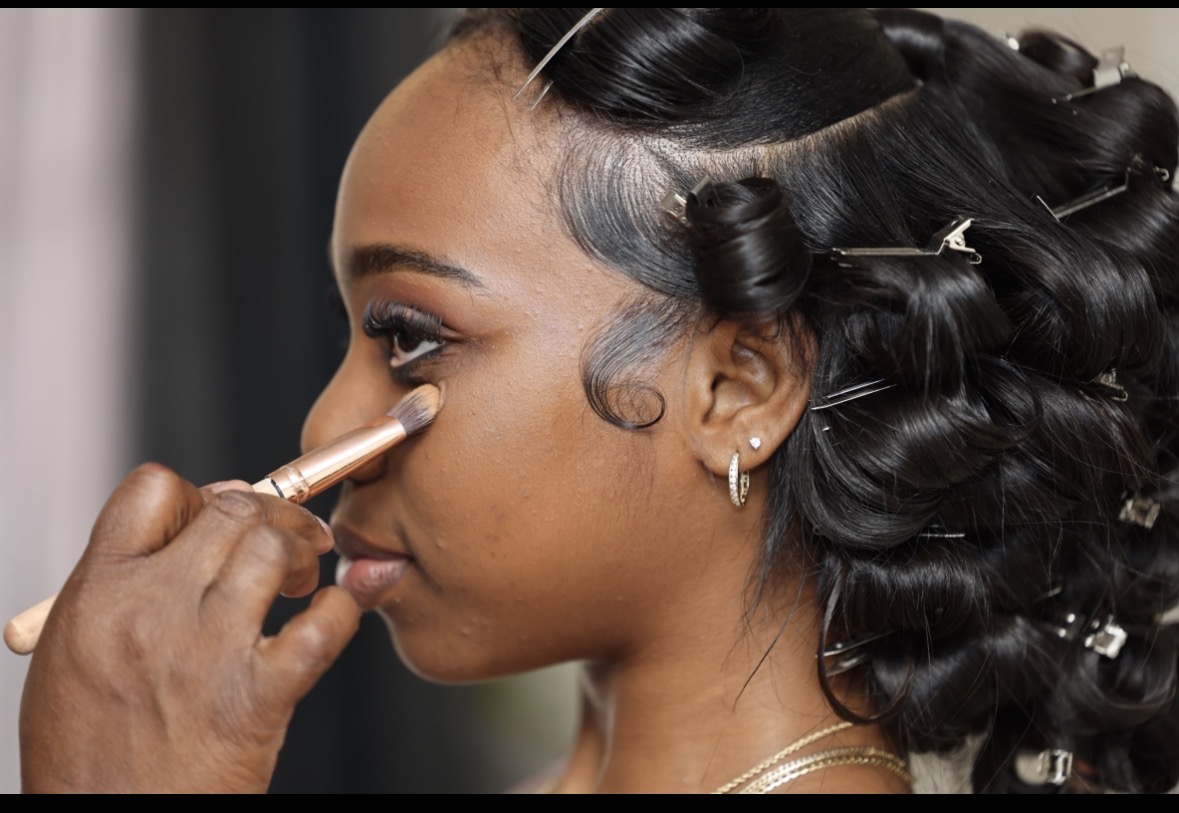
People often ask what sets me apart as a makeup artist, and I’ve always believed it was never just about the makeup. Social service taught me how to listen. Motherhood taught me how to hold space. Beauty taught me how to witness transformation. Clients would sit in my chair for an hour, and somewhere between the primer and the setting spray, they would tell me their stories — divorces, fears, promotions, pregnancies, breakups, joy, grief — and I honored all of it. I later learned Reiki and realized that energy work had already been part of my artistry the whole time. My chair wasn’t just a vanity stool; it was a confessional, a mirror, and sometimes a soft place to fall.
During the 2020 pandemic, with the beauty industry paused, I finally pursued something I’d loved since I was young: birth work. I trained as a birth and postpartum doula, because I’ve always been drawn to pregnancy, newborns, and the sacredness of women’s bodies during transition. Around the same time, I started Henny & Prosecco — a storytelling platform that began as conversations with successful, complex women I’d met over the years. Women you might not expect a teen mom from South Central to have built friendships with. The name is an analogy for that duality — the grounded, gritty, familiar “Henny” world I come from and the refined, sparkling “Prosecco” world I later moved through.
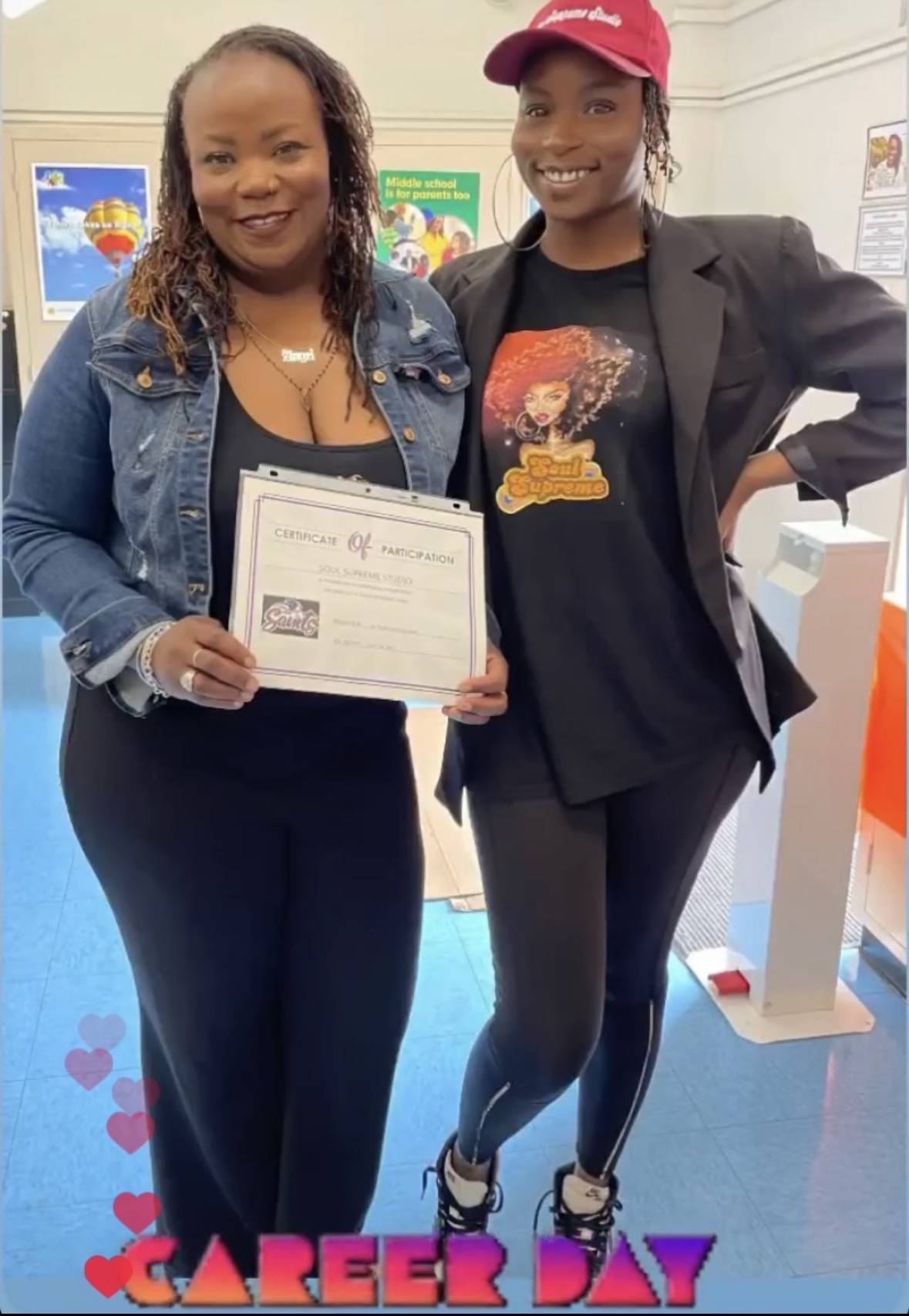
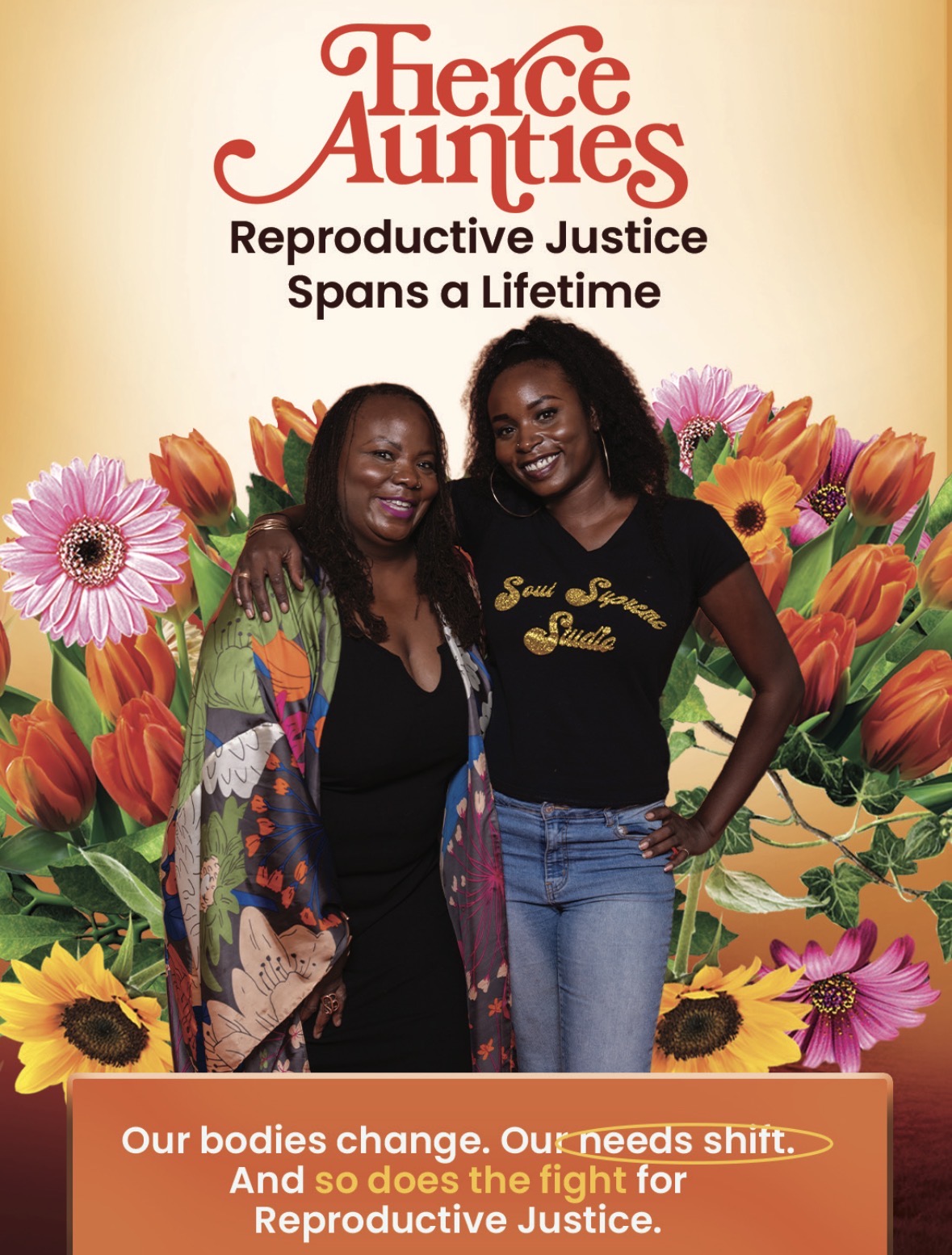
When my oldest daughter — now also a makeup artist — and I opened Soul Supreme Studio, everything connected in ways I couldn’t have orchestrated. What was supposed to be a pretty makeup studio evolved into a micro-wellness hub and sister circle, where women could come for beauty, community, storytelling, support, and embodiment. Henny & Prosecco moved offline and became a lived experience. Women were no longer just clients; they were co-conspirators in their own healing, joy, and reinvention.
What I offer now sits at the intersection of beauty, birth work, and community wellness. Whether someone is getting their makeup done for a photoshoot, preparing to give birth, rebuilding their confidence after divorce, or simply craving connection, my work reminds them they are allowed to take up space — beautifully, boldly, and without apology. I’m most proud of that. Products wash off. Titles change. Careers evolve. But helping women remember who they are? That sticks
How about pivoting – can you share the story of a time you’ve had to pivot?
A major pivot for me came after nearly four successful years of running our brick-and-mortar space,. My daughter and I poured our hearts into that space. It became more than a makeup studio — it was a landing pad for creatives, a wellness hub for women, and a sister circle of support during a strange and transitional moment in history.
But then the world shifted again. The economy tightened, life returned to its pre-pandemic pace, and “outside” opened back up. Expenses climbed, overhead became heavy, and we were faced with a reality that many entrepreneurs don’t talk about publicly: sometimes passion and community aren’t enough to sustain a physical building. We had to make the incredibly humbling decision to close our doors and return to traditional work.
That decision challenged my identity. I considered myself a successful entrepreneur, and stepping back felt like failure at first — until I realized it was actually strategy. We had to think about survival and self-preservation, not ego. We learned that a building is not the root of our business nor the heart of our mission. Our mission lives in people, in connection, in service — not in drywall.
Once we accepted that, the pivot opened up new pathways. We reimagined our business model to offer mobile services, pop-ups, partnership activations, and collaborative events with other entrepreneurs. We redefined what success looked like and expanded beyond the version of ourselves that needed a storefront to feel legitimate.
Returning to the traditional workforce, which many see as “going backwards,” actually sharpened me. It expanded my skill set, widened my network and added things to my résumé that will ultimately benefit my business long-term. It also created space for me to advance my doula training, deepen my education, and find a new community of support that I didn’t know I needed.
The biggest lesson I learned from that pivot is that every goodbye isn’t gone. Sometimes stepping away is not an ending — it’s an incubation period. This season of restructuring, regrouping, and living more life has given us new perspective, new ideas, new strategy, and the time to pursue funding more intentionally. We learned more about business through lived experience than many people learn through formal education.
The pivot taught me that success isn’t linear, and sometimes requires humility — but humility doesn’t diminish the power of the dream. It strengthens it
Any stories or insights that might help us understand how you’ve built such a strong reputation?
If I’m honest, I don’t believe my reputation was built on skill alone. Skill is important — and I’ve worked hard to refine my craft — but makeup washes off. What people remember is how you made them feel while they were in your chair. I’ve always offered a sense of calmness, openness, and presence. Clients often joke that they feel like we’re friends after one session, and in a way, we are — because trust is transferable. People trust you with their face once they trust you with their story.
Working in social services before working in beauty taught me how to listen without rushing, how to read what someone isn’t saying, how to hold space for their anxiety, and how to quietly affirm their confidence. I didn’t realize it at the time, but those skills became the foundation of my reputation in beauty. Women came to me for makeup, but they returned for the safety, the conversation, the stillness, and the way they walked out feeling like themselves — but elevated.
I also believe my openness helped me build community instead of just clientele. I wasn’t guarded, I wasn’t transactional, and I wasn’t pretentious about beauty. Clients knew I genuinely cared, and caring is a business strategy that can’t be faked. People can feel when they are being seen, not sold to. That’s what builds loyalty. That’s what builds referrals. That’s what sustains careers. My reputation was built not just on what I did with my hands, but on what I did with my heart
Contact Info:
- Instagram: Cheekbonesandtattoos
- Linkedin: Angel Dobine
Image Credits
Ayesha Jarnegan
BWWLA