

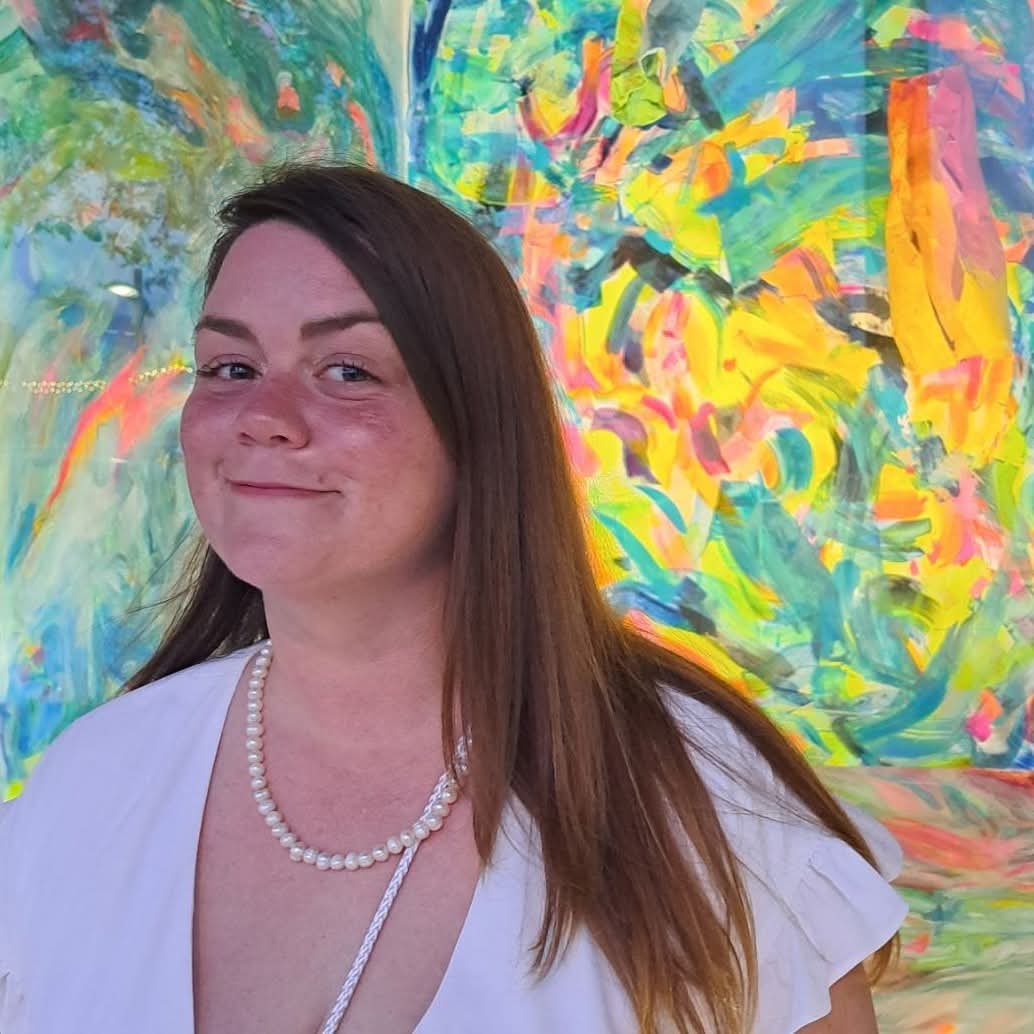

We recently connected with Kelcie McQuaid and have shared our conversation below.
Kelcie, thanks for joining us, excited to have you contributing your stories and insights. Learning the craft is often a unique journey from every creative – we’d love to hear about your journey and if knowing what you know now, you would have done anything differently to speed up the learning process.
Every artist has a long list of experiences that helped them learn how to do what they do best, but for me, and most, it’s always about time spent focusing on process.
Knowing what I know now, I would have collaborated with more experienced artists and curators earlier in my career. I think collaboration is a form of accelerated growth, especially for artists. The more people you work with, the more you will learn, both practical skills and how to make a path for yourself professionally.
I think knowing the materials is the most essential part of being an artist, next to how to market your work, and get it seen by people who can help you get where you want to go.
In my experience, It’s usually either unorganized institutions, or personal differences that become obstacles for creatives who are trying to learn as much as they can in a hands-on way, ya know, through the practice of making and exhibiting artwork. Sometimes the art world has a pretentious or exclusive air about it, don’t be afraid to be yourself and voice your concerns when confronted by people who want to gatekeep or make you to feel insignificant. Never let a no get you down. Make your own opportunities and be grateful when someone in a position to help you takes interest in your work.
Kelcie, love having you share your insights with us. Before we ask you more questions, maybe you can take a moment to introduce yourself to our readers who might have missed our earlier conversations?
I’m Kelcie McQuaid, a South Florida based interdisciplinary artist, curator, educator, and cultural organizer. At the core of everything I do is a belief that art is a living, social practice where experiences, and exchanges between creative people become systems of support and empowerment in our communities.
I came into this work somewhat organically and out of the necessity to bring ideas into the world. I’ve always been an artist, but early on I realized that the infrastructure around art like access, visibility, opportunity, wasn’t equally available to everyone. Rather than waiting for permission or ideal conditions, I started building platforms alongside my own studio practice.
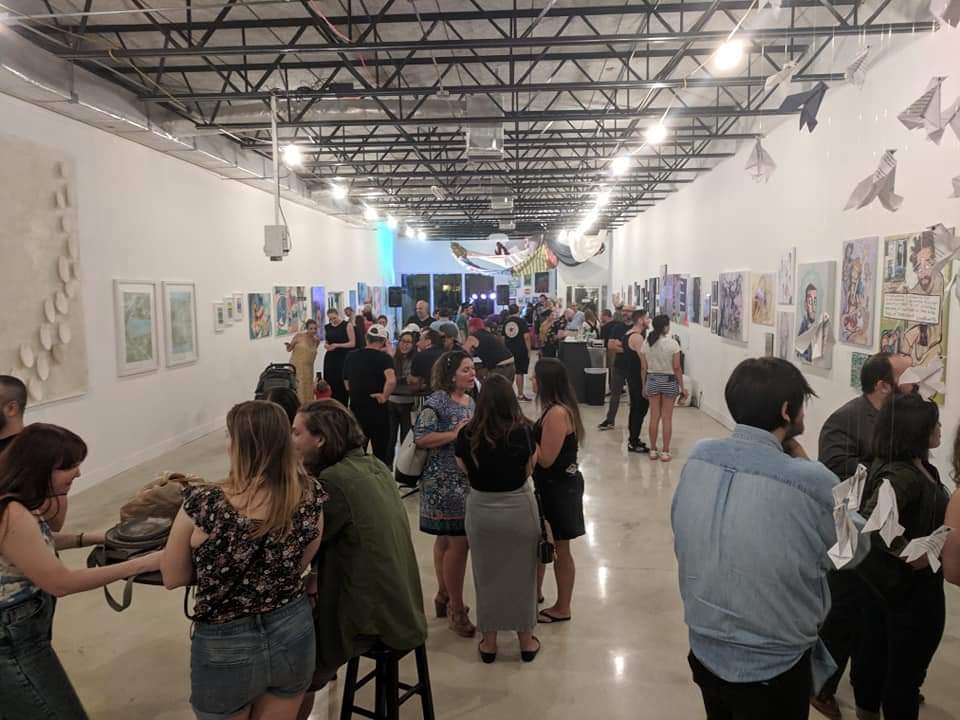
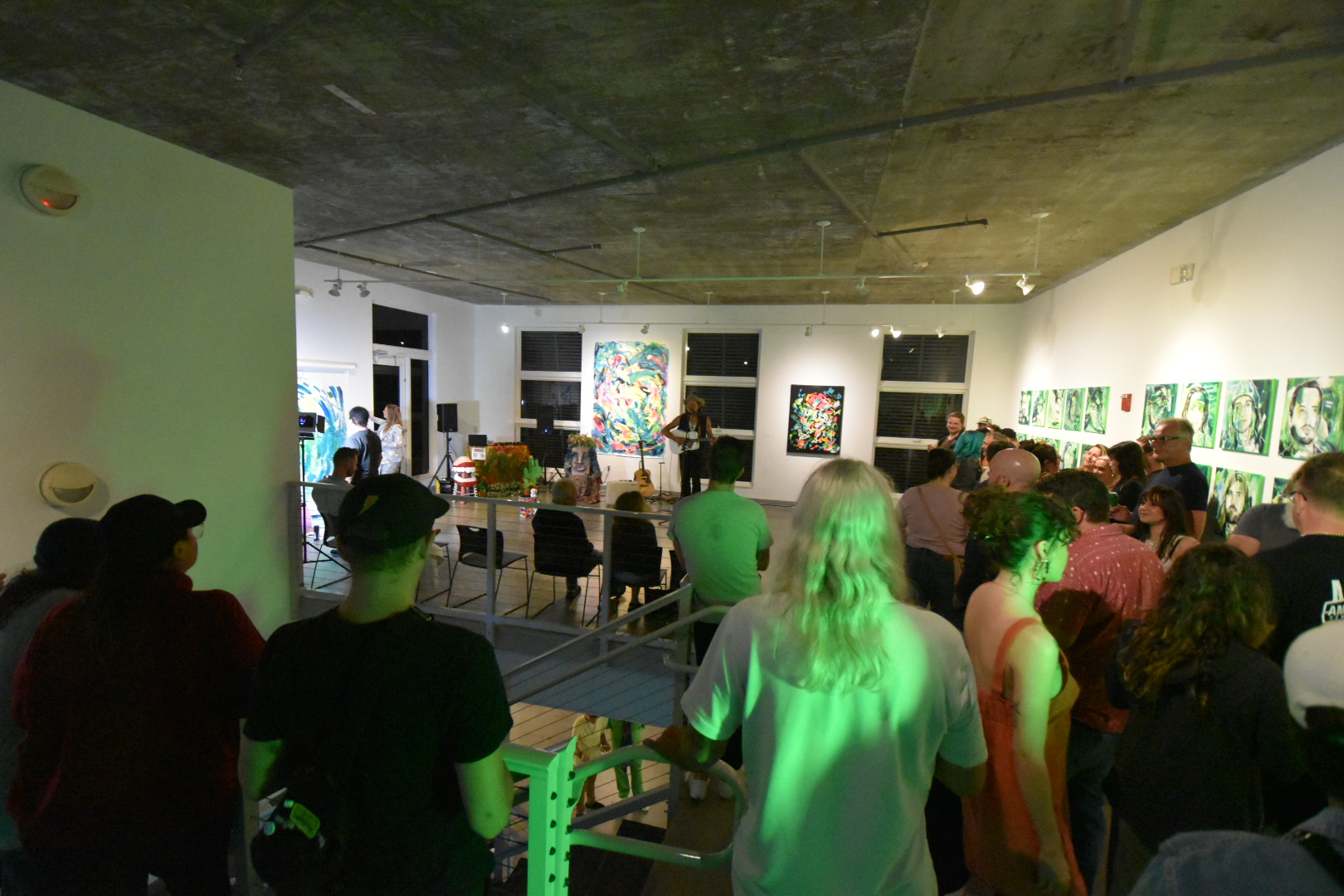
Eventually that impulse led to the founding of ShangriLa Collective over a decade ago. It began as a scrappy creative agency, expanded into an artist-led support system and has grown to become a sustainable production platform where I’m able to connect artists to venues and organizations for mutual benefit. I’ve been able to work with more than 500 artists across South Florida and many institutions and alternative spaces because of my work with ShangriLa Collective.
My personal art practice is concept-driven, interdisciplinary and collabrative by nature, as I truly believe all creative acts benefit from outside input and that impacts every person we come in contact with. I work across painting, fiber, bio-art, sound, video, sculpture, and consider it all an extension of social practice. Much of my work explores memory, generational narratives, emotional systems, and inherited behaviors, how personal histories become collective, and how relationships shape us over time.
Many of my projects and exhibitions involve other visual artists, musicians, writers, and community participants whose contributions directly inform the final artwork. I’m interested in exchange, what happens when ideas, sounds, materials, and people come into contact and permanently change one another.
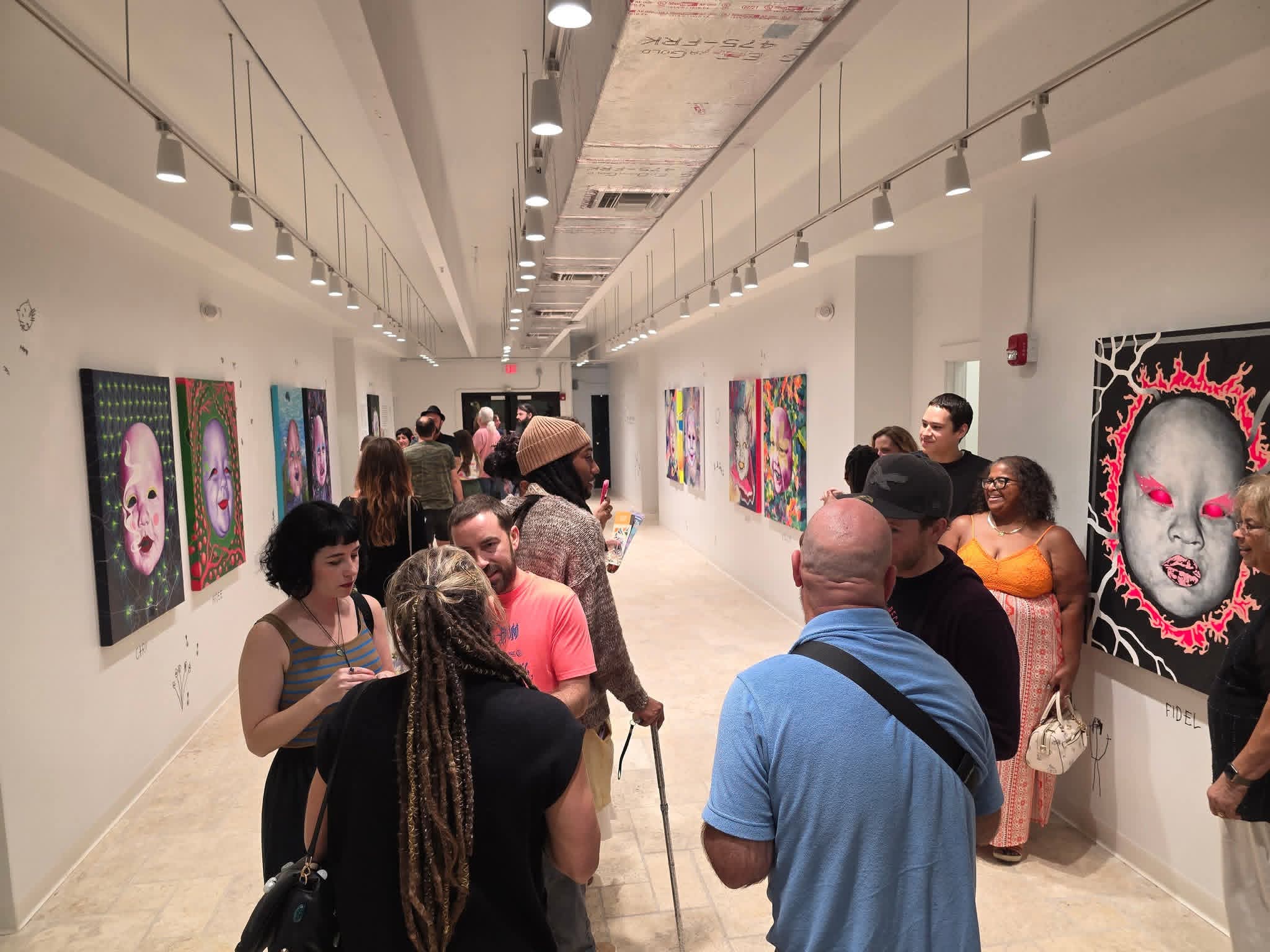
ShangriLa Collective operates as an extension of those same values. We produce exhibitions, festivals, public art projects, workshops, and cross-disciplinary events that intentionally blur boundaries between visual art, music, education, and community engagement. We solve a very real problem for artists and organizations: isolation, lack of access, and the gap between creative talent and sustainable visibility.
We help artists show up authentically and professionally, connect meaningfully with audiences, and experiment without fear of failure. For partners and venues, we bring thoughtful programming, strong production, and deep roots in the local creative ecosystem.
What sets both my studio practice and ShangriLa Collective apart is that everything is built from lived experience and long-term commitment. I’m not interested in trend-chasing or surface-level engagement. I care about process, relationships, and longevity. I’ve worn, and still wear, many hats: artist, curator, grant writer, educator, producer, consultant. This allows me to understand projects from multiple angles and to support others holistically.
I’m most proud of the fact that this work has sustained itself for over a decade while remaining artist-led, community-centered, and adaptable. I’m proud of the artists who have found confidence, visibility, and momentum through ShangriLa Collective. I’m proud of the exhibitions and projects that have created space for vulnerability, experimentation, and connection… especially those that invite audiences to participate rather than passively consume.
What I want people to know about me and my work is this: I believe art is a tool for understanding ourselves and each other. I believe collaboration is a form of care. I believe that when we invest in artists, not just their output, but their growth and humanity we create stronger, more resilient cultural communities. Everything I make, curate, or support is rooted in that belief.
For you, what’s the most rewarding aspect of being a creative?
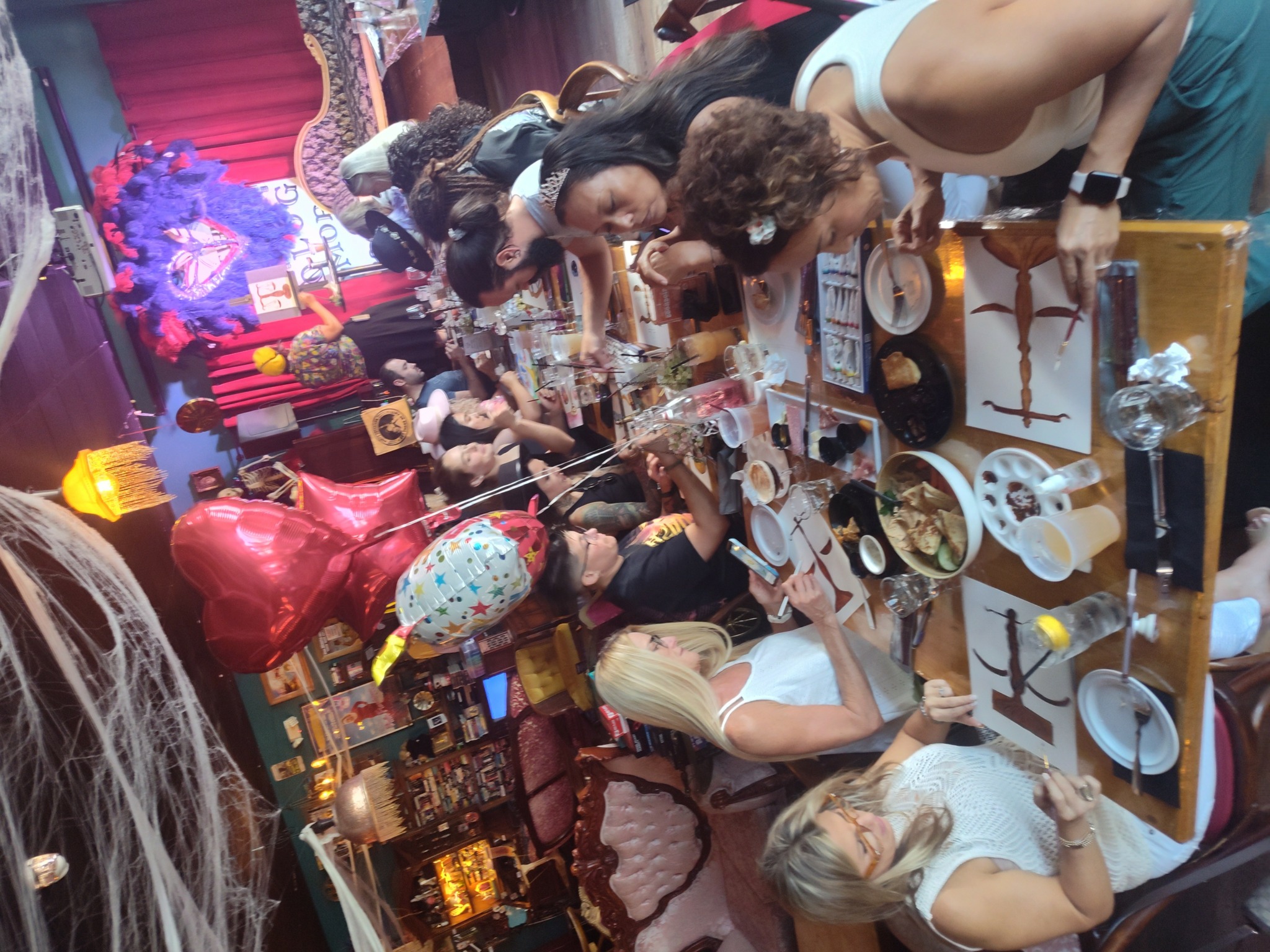
The most rewarding part of being an artist is the process of making the work and sharing it with people who can relate.
How about pivoting – can you share the story of a time you’ve had to pivot?
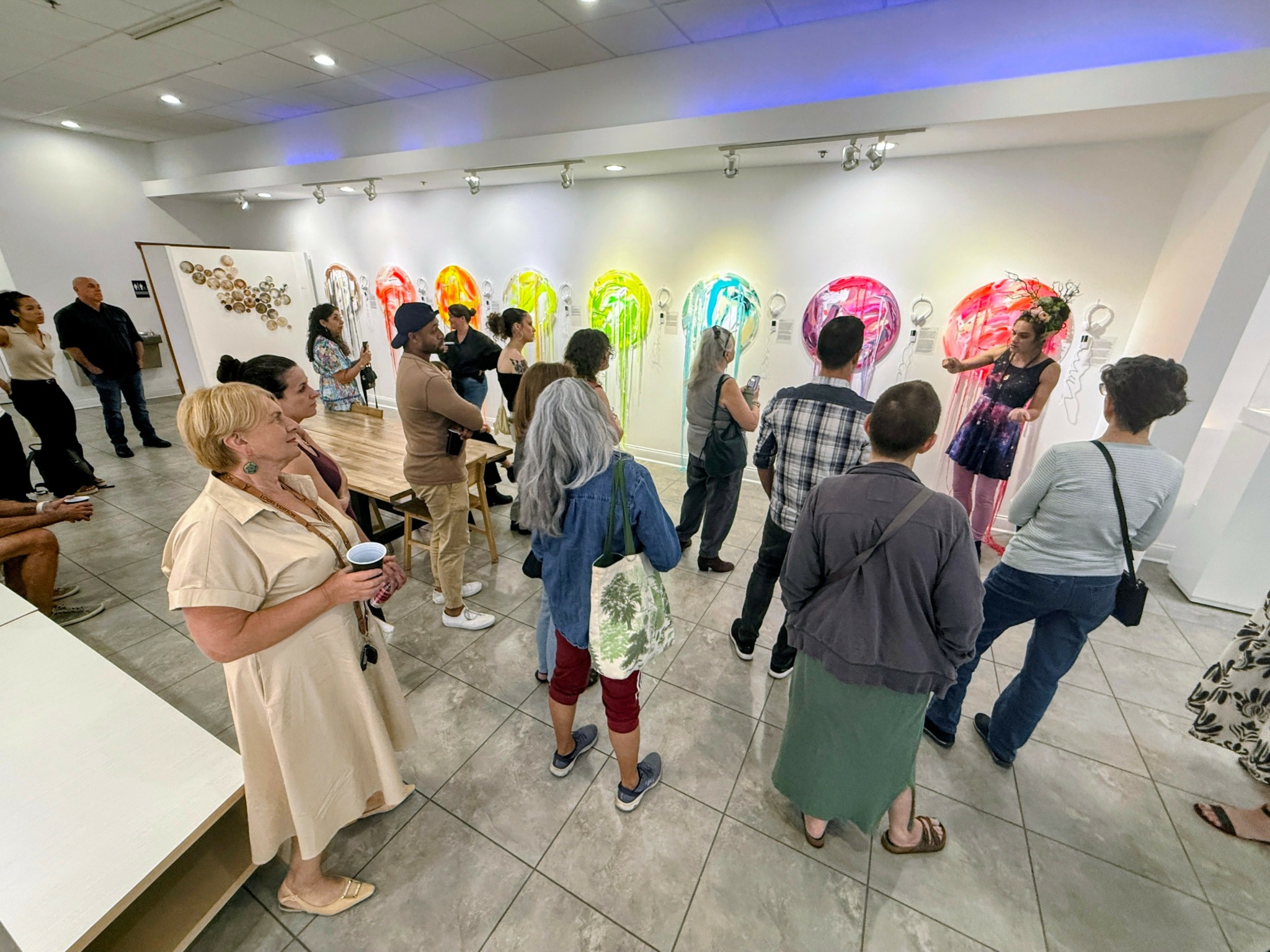
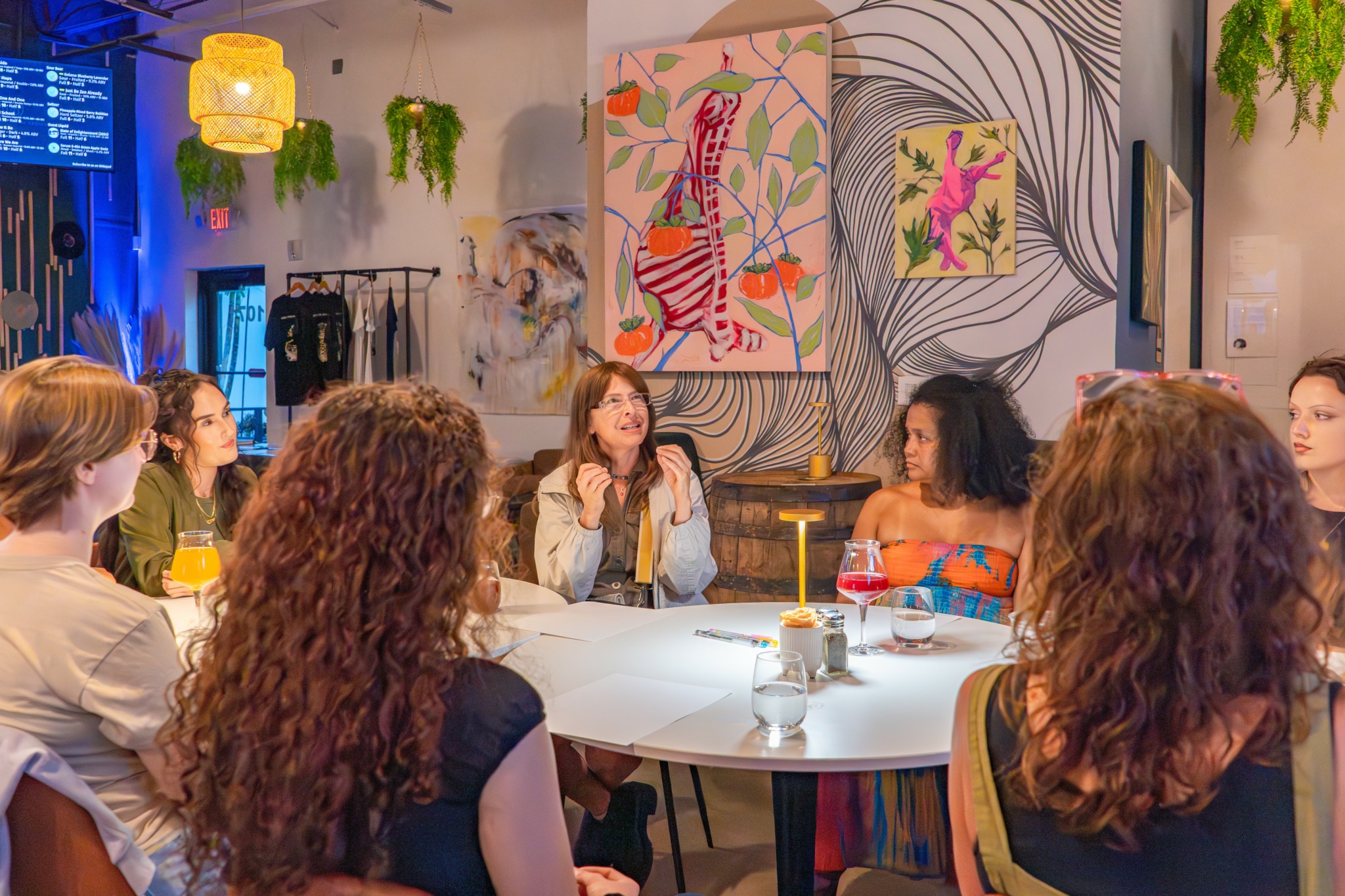
Every day is a pivot. If you can’t stay fluid and adjust in real time, don’t expect to enjoy being an artist for very long. It’s important to take risks often, make decisions with clarity, and change our minds as many times as it takes to get on the right track. Don’t be afraid to make mistakes and try again, that’s what experimental process is all about and adaptability is the key to resilience in the art world— especially now.
Contact Info:
- Website: https://KelcieMcQuaid.com
- Instagram: @KelcieMcQuaid
- Linkedin: https://www.linkedin.com/in/kelciemcquaid954
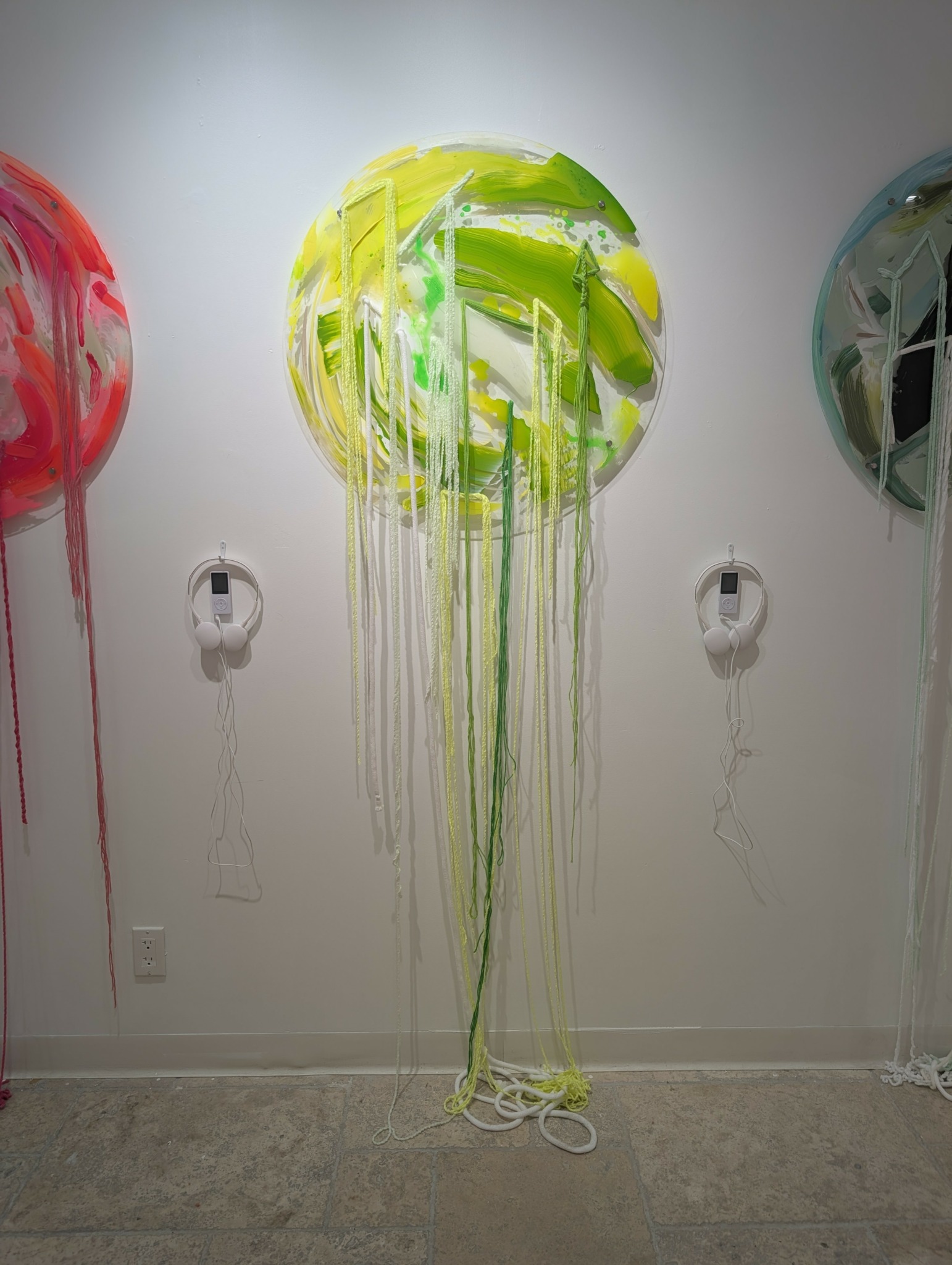
Image Credits
Shangrila Collective