

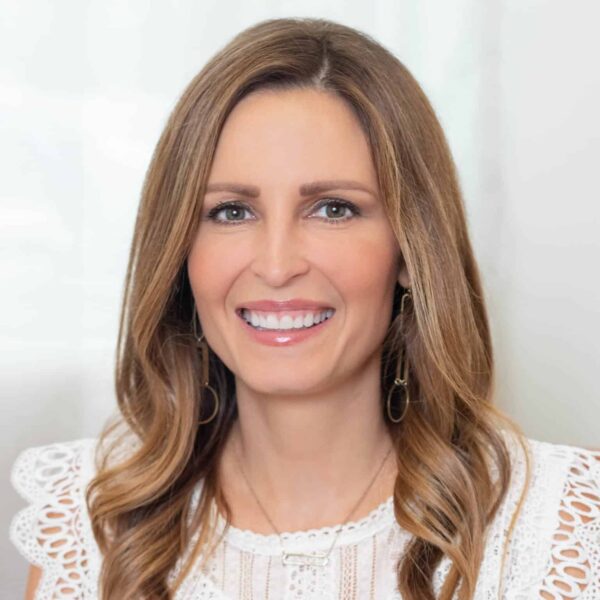

We were lucky to catch up with Amy Alexander recently and have shared our conversation below.
Amy, thanks for joining us, excited to have you contributing your stories and insights. We’d love to hear about how you went about setting up your own practice and if you have any advice for professionals who might be considering starting their own?
My Co-Founder, Jennifer Thames and I finished our Marriage and Family Therapy Master’s Program in 2005 and the majority of our peers in our cohort were focused on transitioning straight from the Master’s program to a private practice setting. Given some of our work in the social services setting, though, Jen and I knew that we wanted to be in a space where we could provide emotional and mental healthcare to the underserved and a private practice didn’t necessarily allow for that with the typical fee structure of the time. So one of the things we did was a SWOT analysis for strengths, weaknesses, opportunities and threats. And we looked at our community, Williamson County, one of the richest in the country, and we looked at our vision, which was essentially to provide a place where people could receive both excellent care and affordable care. What we saw were significant gaps in our community for that type of service provider. There were many other types of service providers, but they were niche specific or fee specific in a way that would not necessarily be accessible to everyone and we were able to identify that there was an absolute missing piece in this community and that Refuge could fill that space.
Our next step was to find an attorney to help us file for nonprofit status and and luckily, they helped us get our 501(c)(3) status from the IRS in just six weeks. This was a huge blessing because, while we could operate beforehand, we couldn’t start fundraising until we had that status. As part of this process, we had to establish a small board of directors. One of the key pieces of advice I offer to others starting a nonprofit is to avoid asking friends and family to join the board- we learned to be very selective about who we invited onto the board. When starting a nonprofit, my initial instinct was to invite people who love and are excited about what I do, but that usually means friends and family. This can create a conflict of interest, especially since these people would be determining my salary, formalizing my job description, and being part of my review process. Having dual relationships in this context can harm either the relationship or the nonprofit. Instead, it’s crucial to look for field experts—like an attorney, someone in marketing, HR, or someone relevant to the field or demographic you’re serving.
In those early days, this board often becomes your executive leadership team, providing essential guidance and support. It’s also incredibly important to build a strategic plan right away. We relied on consultants from the Center for Nonprofit Management to help us create a strong three-year structure that laid the foundation for our future.

Amy, love having you share your insights with us. Before we ask you more questions, maybe you can take a moment to introduce yourself to our readers who might have missed our earlier conversations?
My best friend and Co-Founder, Jennifer Thames and I, started The Refuge Center for Counseling in December of 2005. Jennifer and I had a strong desire to serve our area of residence—Williamson County—which is recognized for its wealth, oftentimes overshadowing those who are in need. This led us to our mission statement: The Refuge Center exists to offer excellent, accessible, and affordable mental and emotional healthcare services in support of a transformational impact on communities.
Many local therapists charge $160 – $225 per session. We wanted to fill the gap and make counseling excellent, affordable, and accessible for all. We created a sliding-scale fee structure that ranges from $19 – $125 per session and is based on each individual’s income level. As of 2005, we have surpassed 327,000 sessions and currently serve over 4,000 people every single year. We are also very proud that over 89% of our clients use our sliding-fee scale to some degree. Our 70+ therapists provide traditional talk therapy, group counseling, PCIT (Parent- Child Interaction Therapy), couples counseling, music therapy, and neurofeedback utilizing a vast amount of modalities and techniques. We also serve kids, teens, adults, couples, and families…all on a sliding-fee scale.
Two statements we love to say is “we help people to find hope and healing from the storms of their daily lives” and “You Don’t Have to Walk This Road Alone.” Whether someone comes in with anxiety, depression, identity issues, relationship struggles, addiction, eating disorders, behavioral issues, PTSD, ADHD/ADD/OCD, among many others, we are able to serve and offer them tools to thrive, not just survive and help them get to where they want in life and where they deserve to be. To keep our sliding-scale accessible and affordable, our development team has to raise an average of $41 dollars per session to “fill the gap” between what people can afford to pay and what an hour of counseling actually costs. To raise this money, in addition to our operating funds, we rely on the generosity of foundations, grants, private donors, local businesses, and churches. We could not offer to do what we do for our clients without these partners.
The thing that I’m the most proud of is how we care for people, and I mean our staff, our interns, and our clients. We don’t do it perfectly and I think that there is still plenty of room for growth. And yet I think every day we work to treat people as well as we can and to the best of our ability. And that bleeds through every part of our process, whether it’s the first phone call to intake, to how they’re placed with the provider that matches their needs. On the staff side, we have very specific cultural investments and a model called attachment-based leadership that everything else feeds from. I think it’s tremendously important that you actually prioritize your team first and your client second, because if your team is burnt out, then they can’t provide good care to your clients. So I think there is an order of priority there, Proverbs 3:27 talks about “if it is within your power to do good, do not withhold it from those who deserve it.” And I do think to the best of our ability, of course, using wisdom and discernment, we do try to offer good to those who deserve it.
As we move into our 20th year, I am so excited about the future of Refuge. This fall we will be opening our permanent home after almost 10 years of dreaming, planning, and fundraising. This lodge-like facility will feature dedicated spaces like a child and teen wing, a spacious multi-purpose room for seminars and group activities, and many outdoor features- a prayer chapel, walking trails, healing gardens, a labyrinth, a playground, an enclosed pavilion and large patio design offering therapeutic elements. There is noting like it in the country for a sliding-fee scale. I am so excited that we get to provide this to our clients.


Training and knowledge matter of course, but beyond that what do you think matters most in terms of succeeding in your field?
Both training and knowledge is extremely important. So in our model where we affirm those who we want to have on our team, we look at people who value connection, character and continuous growth and learning. We are looking for people who come in with a posture of humility and say, “there’s no way I know it all, and I’m hungry to keep learning and become more of an expert in my field.” So we do highly value those who want to constantly pursue continuous learning and growth because that benefits the people that we’re serving. But outside of that, I would say it’s about leadership and doing the internal work. It’s about leaders who recognize they have blind spots and don’t have it all together. They need the guidance and wisdom of board members and partnership council members and therapists and spiritual directors and life coaches and podcasts and health coaches. But we all need to be committed to both our personal and our professional growth.

Learning and unlearning are both critical parts of growth – can you share a story of a time when you had to unlearn a lesson?
I spoke briefly on it earlier, but I think a lesson we had to unlearn is about hiring staff and/or bringing on board members where there was some form of dual relationship. It just creates competing interests and it kind of takes us to the part of our culture model, which is outlined by Dr. Henry Cloud, which is the equal balance of outcomes and relationships. If we want to be a healthy place, we will have very high standards and real deadlines and true accountability processes. But we also can be a place that understands someone in the context of their story and where and when they need grace and how to support them. So outcomes and relationships are two critical things that need to be equally weighted for the success of an organization. Another thing we had to learn as a staff of primarily therapists was not to handle personnel issues from a clinician mindset. That can be helpful in some ways, but also counterproductive. We were too slow to bring on an HR department or even a board member with HR expertise. And so I would encourage people to have HR expertise very early on in starting their business to build a better foundation.
Contact Info:
- Website: https://refugecenter.org
- Instagram: @refugecenterforcounseling
- Facebook: @the refuge center for counseling
- Linkedin: The Refuge Center for Counseling
- Youtube: @The Refuge Center

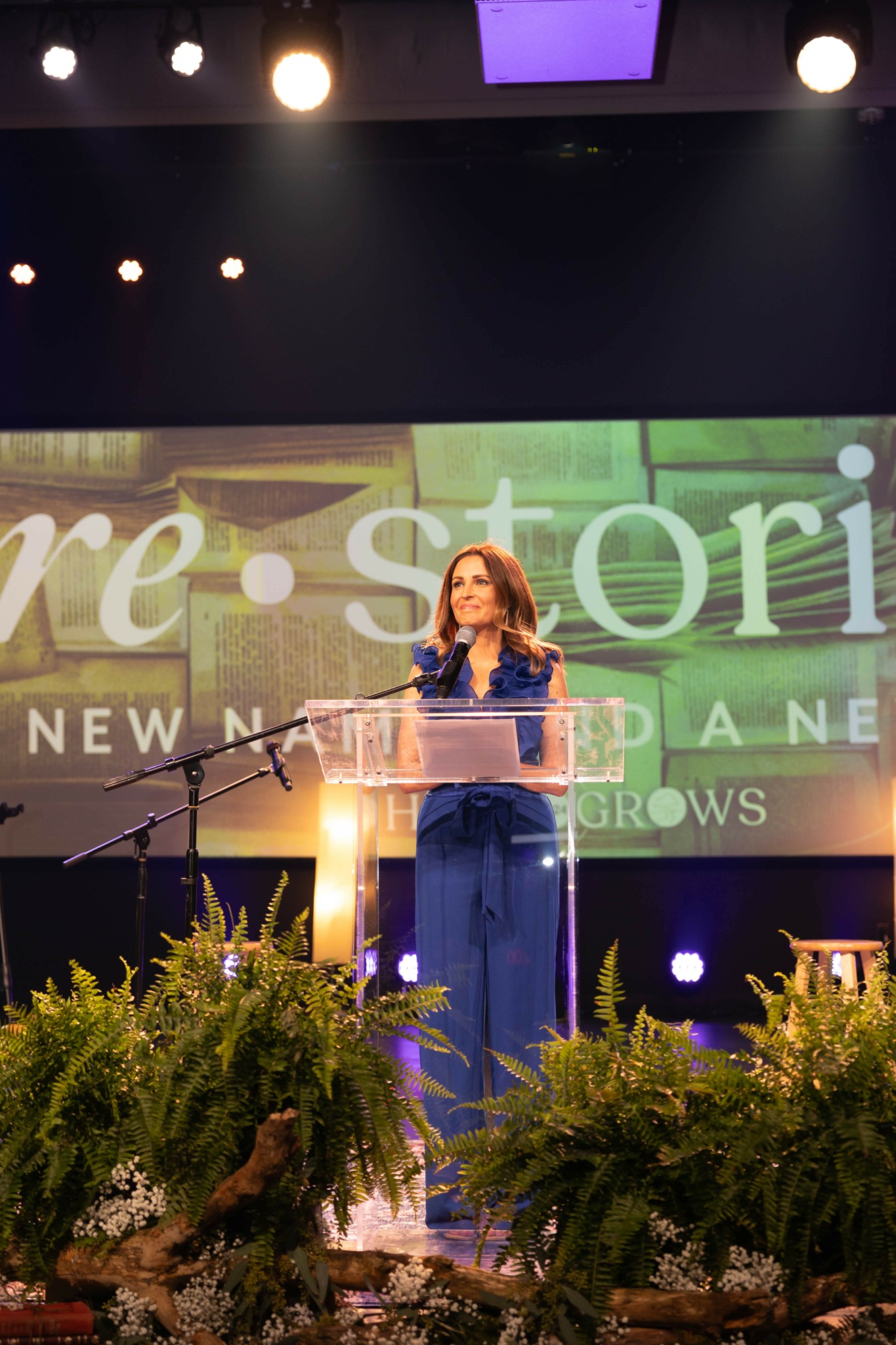
Image Credits
Smallhands Creative