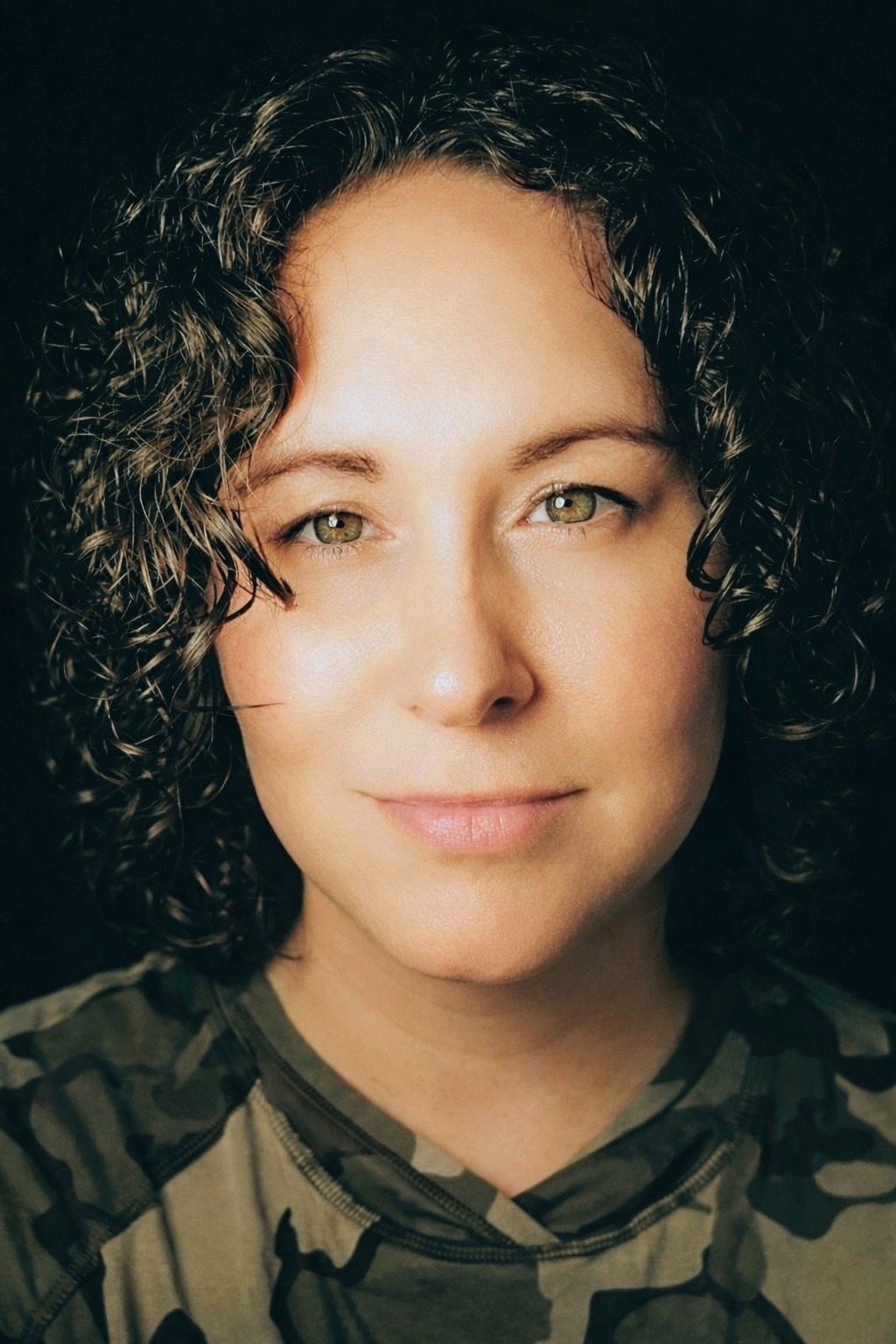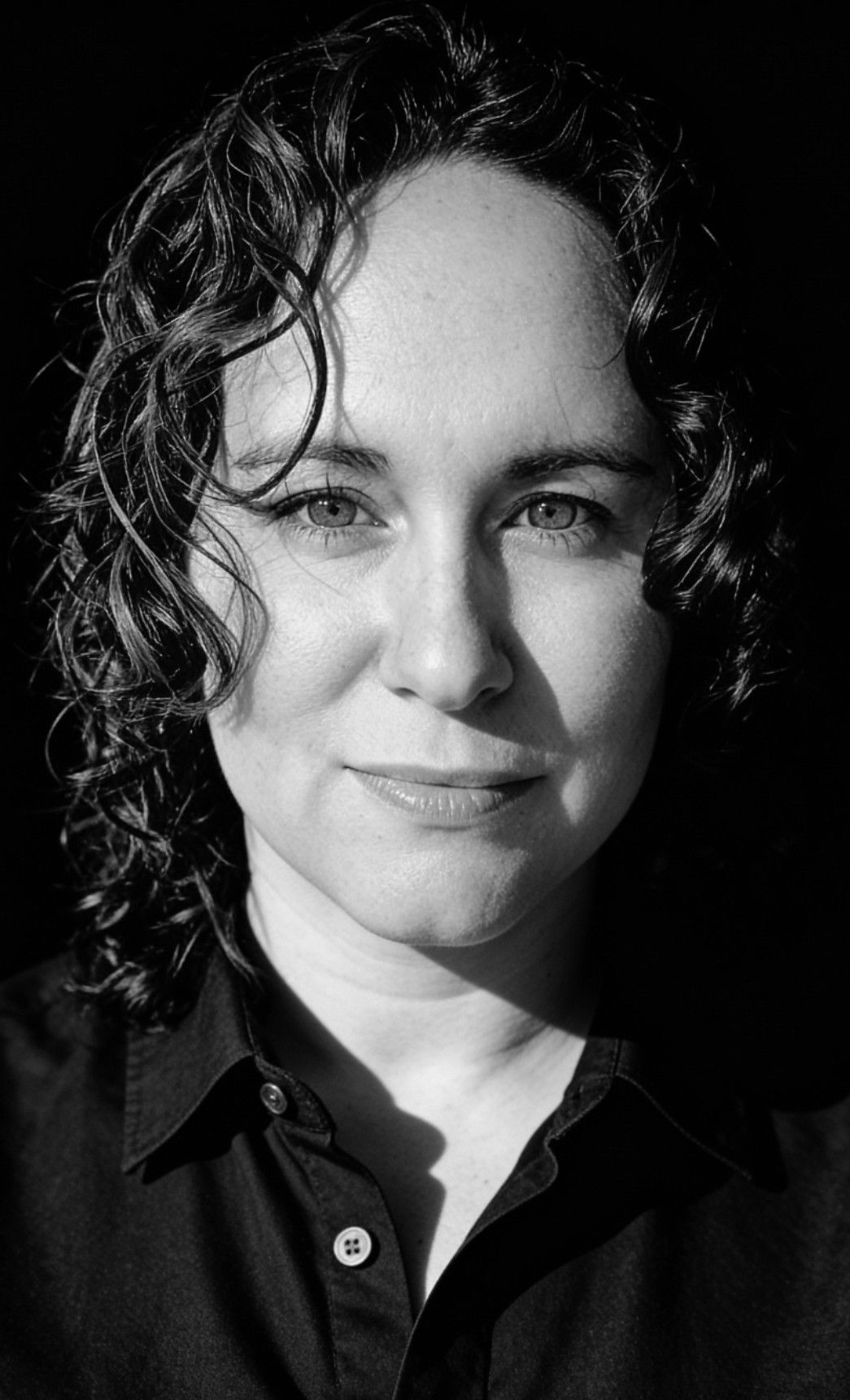

We’re excited to introduce you to the always interesting and insightful Alyxandrya Prynce. We hope you’ll enjoy our conversation with Alyxandrya below.
Alright, Alyxandrya thanks for taking the time to share your stories and insights with us today. Are you able to earn a full-time living from your creative work? If so, can you walk us through your journey and how you made it happen?
No, I have not been able to make a full-time living from my creative work yet, and it has been that way since day one. I have been at this for a couple of years now, and what became clear very early on is that there is no overnight success, especially as an independent writer.
About six months in, I started getting real recognition and landed my first commissioned job. That came almost entirely through networking, which is still where most of my work comes from.
My advice is to speak up, shoot your shot, and leave a lasting impression so they remember your name when they are considering a project. That means talking to complete strangers, even people with impressive resumes who may feel out of reach simply because they have had more time in the industry.
As a creative, the best advice I can give anyone who wants to turn a passion into a profession is to treat it like a job. Wake up, shower, get coffee and breakfast, get your head in the game, and get to work. If you already have a full-time job or two, as I did, you still make time. You still make progress.
Looking back, what would have sped things up was trusting myself sooner. I spent too much time living someone else’s version of a responsible life. I took the wrong jobs, finished a degree I did not want, and kept saying yes when I should have said no. Once I put myself first and committed to the work that actually mattered to me, things started falling into place, and I began landing more commissioned jobs I genuinely cared about.
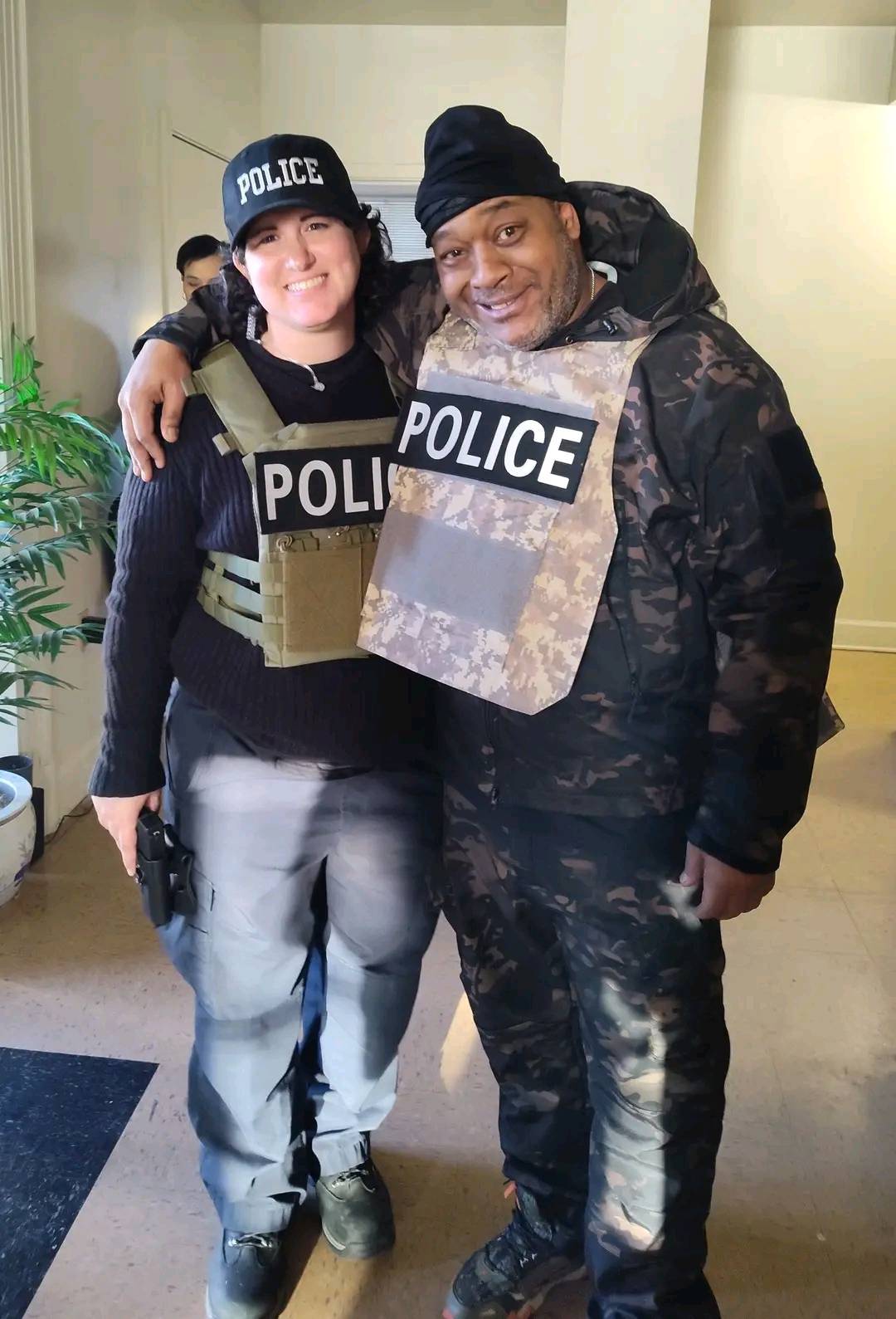
I also wish I had gotten onto a film set sooner. Being on set changed how I write. It helped me better understand who I am writing for: directors, actors, and the people bringing the story to life, which makes it easier for them to take the work from the page to the screen.
Alyxandrya , love having you share your insights with us. Before we ask you more questions, maybe you can take a moment to introduce yourself to our readers who might have missed our earlier conversations?
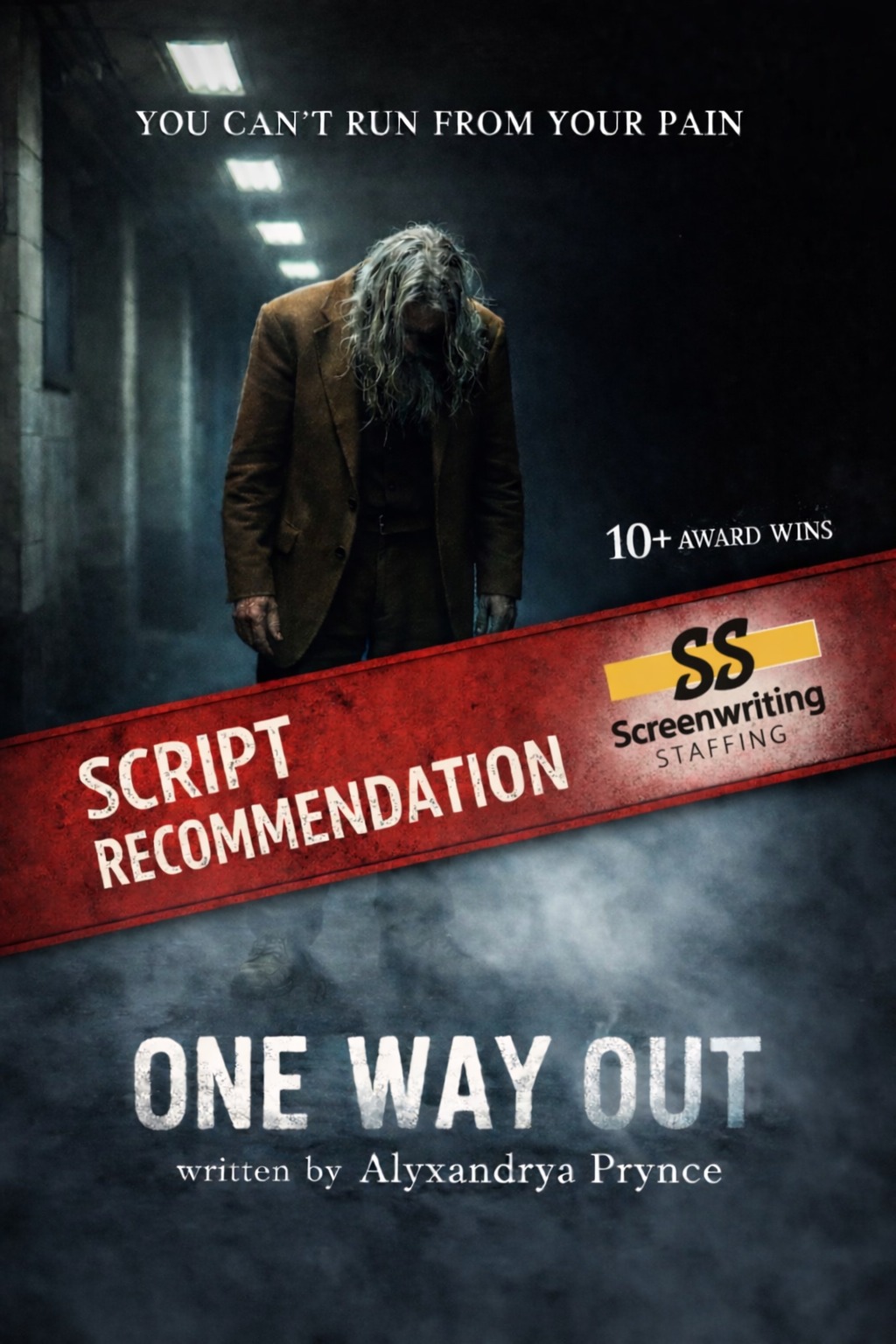
I am an award-winning, produced screenwriter. Storytelling has always been part of my life, but screenwriting is where everything finally clicked.
I was introduced to screenwriting in college and was immediately hooked. At first, the format intimidated me, but I loved reading screenplays written by my peers and finding scripts online for shows and films I had already watched. There was something fascinating about how much emotion, tension, and meaning could live on the page without excess description. That mix of excitement and intimidation is how I knew I needed to pursue it. Once I did, I never looked back. I paused my college courses and dove headfirst into teaching myself everything I could about screenwriting. Since then, I have felt genuinely appreciated in this field in a way I never experienced as a novelist.
Professionally, I am pitched to write screenplays, and I also coach newer writers as they learn the craft. I enjoy helping people understand not just the format, but how to tell a story that actually works on screen.
Creatively, I am drawn to finding depth in a story and following it wherever it leads. Sometimes I let the story guide me. Other times, it is the characters who take over and surprise me. When I am working on commissioned projects, I place thoughtful limits on that exploration so the story stays grounded in the client’s vision while still retaining its emotional core.
What sets me apart is my ability to create the unexpected, whether that comes through humor, character-driven dialogue, or stories that stay with an audience long after they end.
What I am most proud of is what people say about my work when I am not in the room. When someone goes out of their way to tell me they understood the things that weren’t obvious and that those layers made the story hit even harder, that means everything to me. I chose this field to give people a reason to get lost in my stories for a while. I want them swept up, forgetting their own life, and when the story ends, searching for my name so they can experience more.
I want to be remembered for the stories I write. I want them living rent-free in a viewer’s head and rewatched over and over.
What do you think is the goal or mission that drives your creative journey?
My creative journey is driven by the goal of becoming a filmmaker in the fullest sense. I want to write, direct, film, act, and tell stories that matter to me, stories with staying power that grow into cult classics over time.
Just as important to me is building with others. I care deeply about motivating and encouraging fellow creatives, especially those still finding their footing. I want to work alongside people who are hungry to tell meaningful stories and create an environment where everyone is pushed to grow. The long-term goal is to build a trusted core crew, people who understand my voice, share the same drive, and evolve together from project to project.
I want my name associated with strong storytelling and with building real momentum alongside other creatives. I believe in lifting people up and making space for ideas that deserve a shot.
I also want to make real money doing this so I can stay independent and keep reinvesting in my work and the people behind it. Ownership and freedom matter to me. Ultimately, I am focused on building a lasting legacy rooted in story, community, and shared ambition.
We’d love to hear a story of resilience from your journey.
One of the moments that tested my resilience the most almost ended my career before it really began.
I was in college and had just turned in one of my final stories for a class. It was a piece I cared deeply about. Thirteen of my peers read it and critiqued it, and not a single one mentioned anything positive. Not one. The feedback was harsh, detailed, and relentless. There were no acknowledgments of what worked, only long explanations of what did not. I broke down. I cried hard. I was ready to walk away from writing entirely.
I did not respond to the feedback. I stopped going to class. I let their words completely get inside my head and convince me that I was not cut out for this. It felt like pouring everything you have into a story you love, only to be told, in very blunt terms, that it “sucked” and why. Not vague notes. Not gentle critiques. Very specific, very sharp takedowns.
Eventually, reality set in. I still had to rewrite the story. And more importantly, I had to decide if this was actually what I wanted to do as a profession. That rewrite became a turning point. I cried while I worked on it. I poured everything I had into it. I learned how to separate useful feedback from feedback that was simply a matter of taste. I ignored what clearly went over people’s heads and reworked what I genuinely agreed could be stronger.
That experience taught me resilience in a very real way. It forced me to develop a thicker skin without losing my voice. It showed me that growth does not come from praise, but from surviving moments that make you want to quit. I passed that test, finished the course, and graduated with my bachelor’s degree. More importantly, I walked away knowing that if I could survive that moment, I could survive this industry.
Contact Info:
- Website: https://linktr.ee/alyxprynce