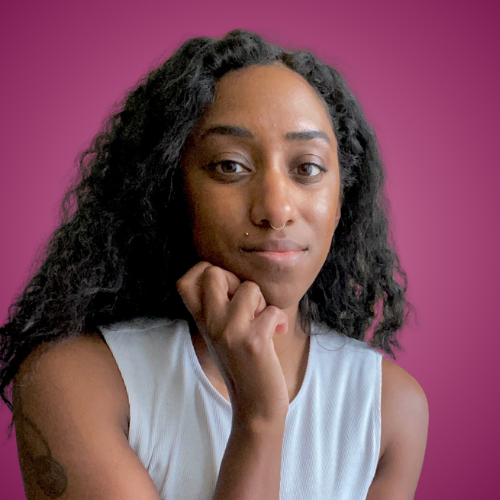

We were lucky to catch up with Alison Auditore recently and have shared our conversation below.
Alison, thanks for taking the time to share your stories with us today What’s been the most meaningful project you’ve worked on?
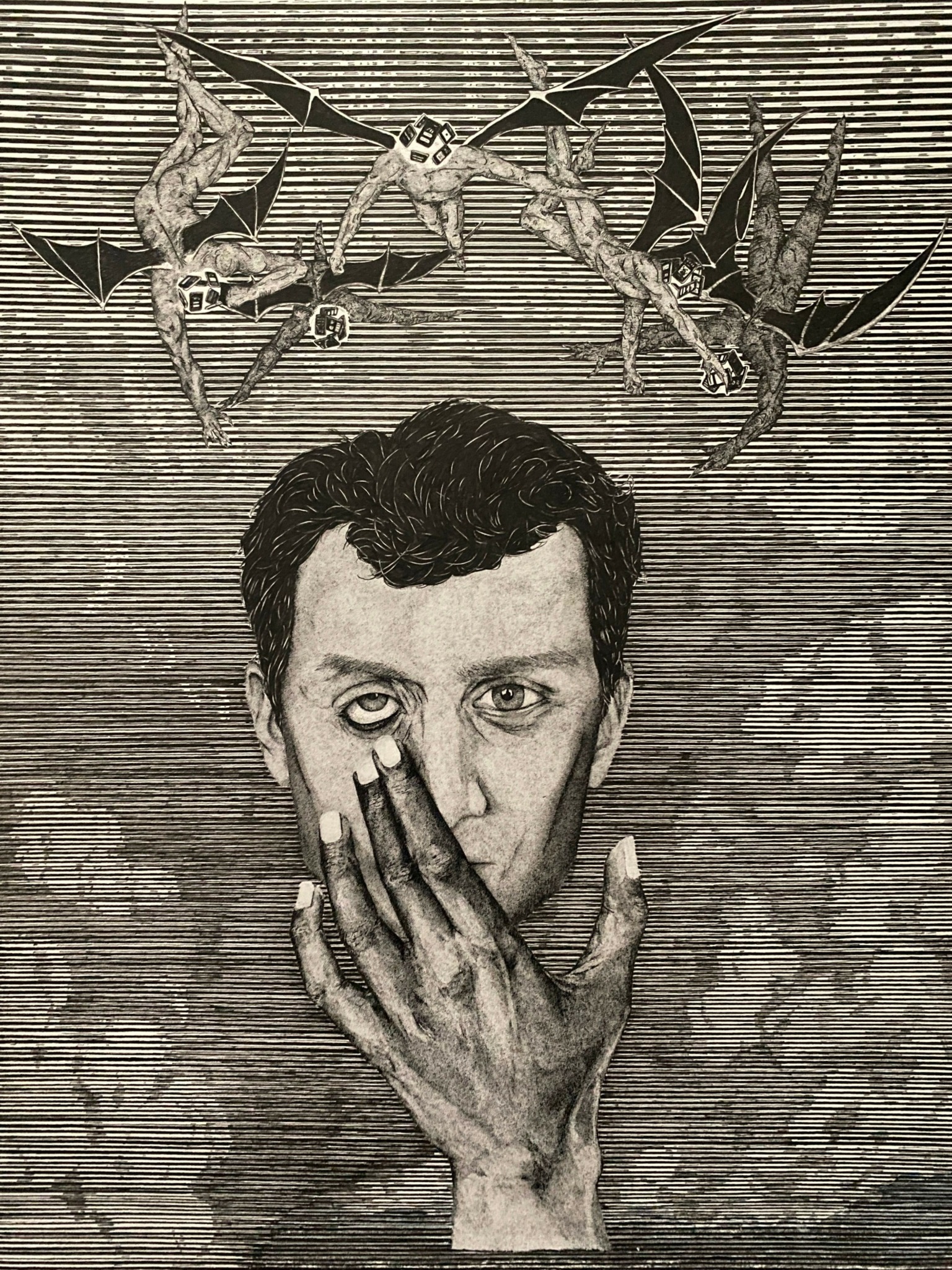
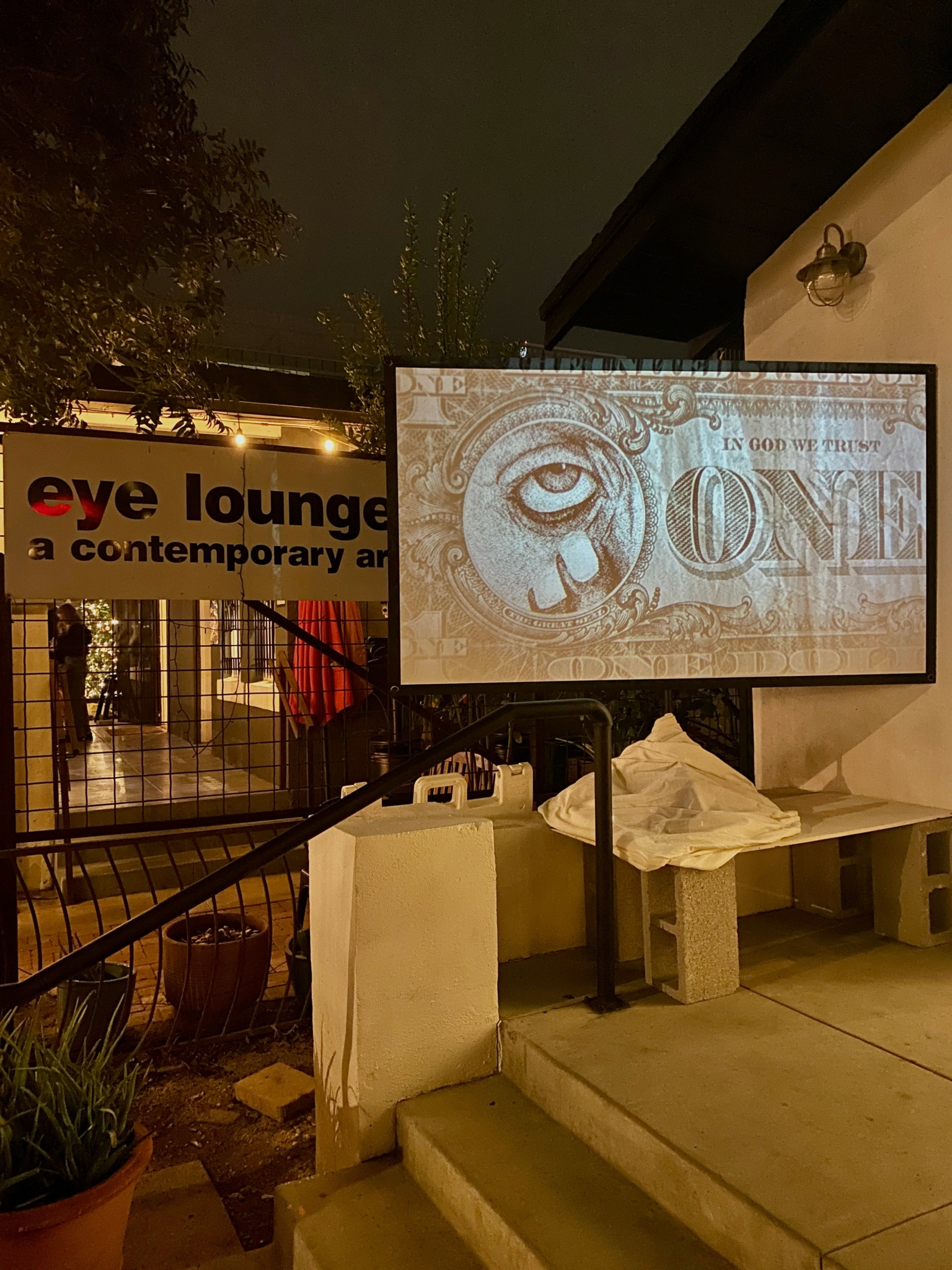
The series I’m working on right now is the most meaningful one I’ve worked on. Every decade has its struggles and tragedies, but this feels like an especially tumultuous time. As Nina Simone said, it’s an artist’s duty to reflect the times, so I am trying to fulfill that obligation and use art to document our societal reaction to world events.
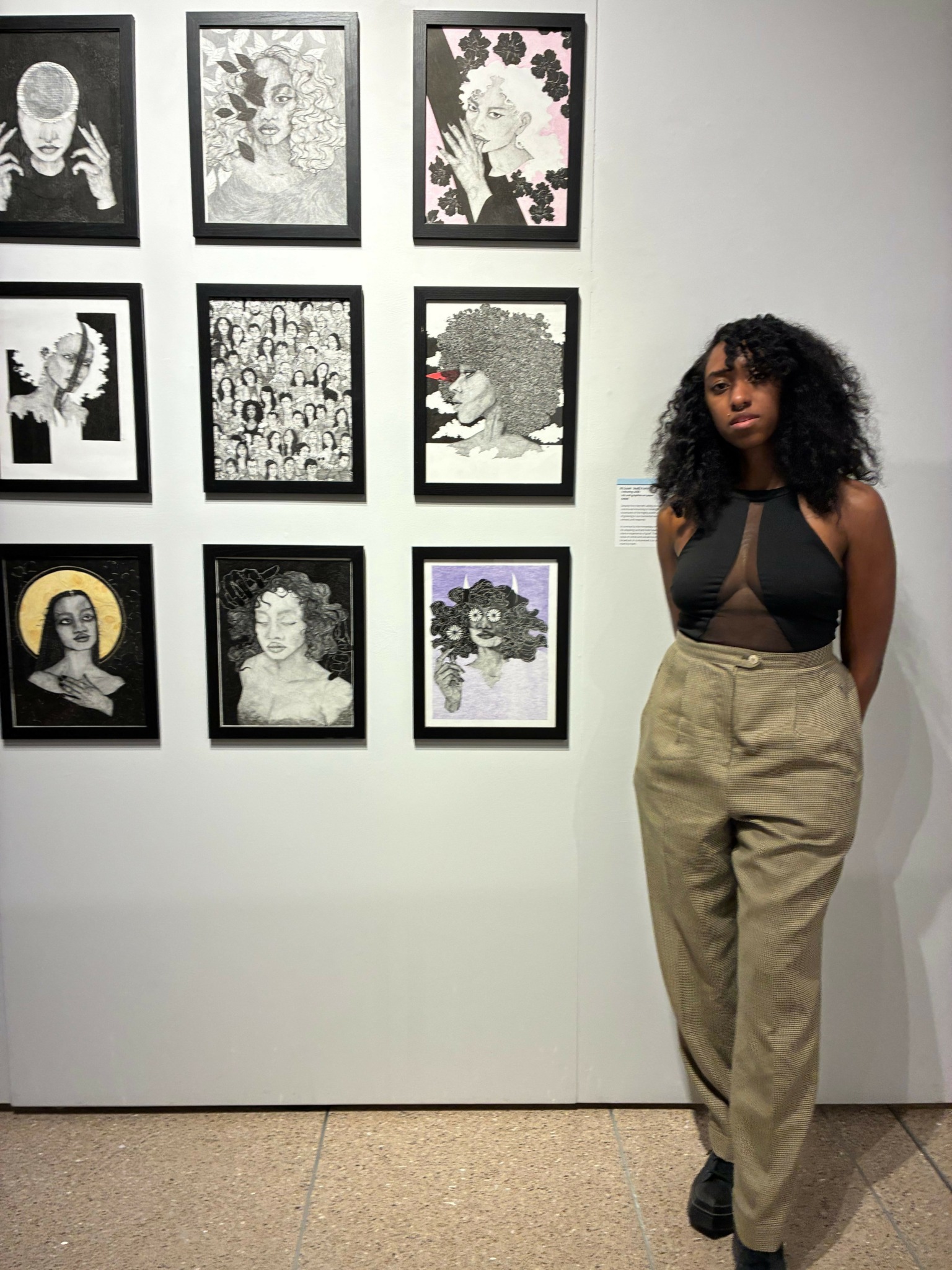
Alison, love having you share your insights with us. Before we ask you more questions, maybe you can take a moment to introduce yourself to our readers who might have missed our earlier conversations?
I do my best to make art feel accessible to people. When I attended art school, there was a culture of competition. I didn’t feel supported in that environment, and I don’t feel like I found myself as an artist until I graduated and was able to explore what creating meant on my own. One thing I’m proud of is teaching an art class once a week. We focus on art as a form of expression and catharsis. I don’t want my art to feel like something only I can do or understand. I want people to see it as a gateway, and something that they can do and adapt and use to process their own feelings and celebrate their own successes.
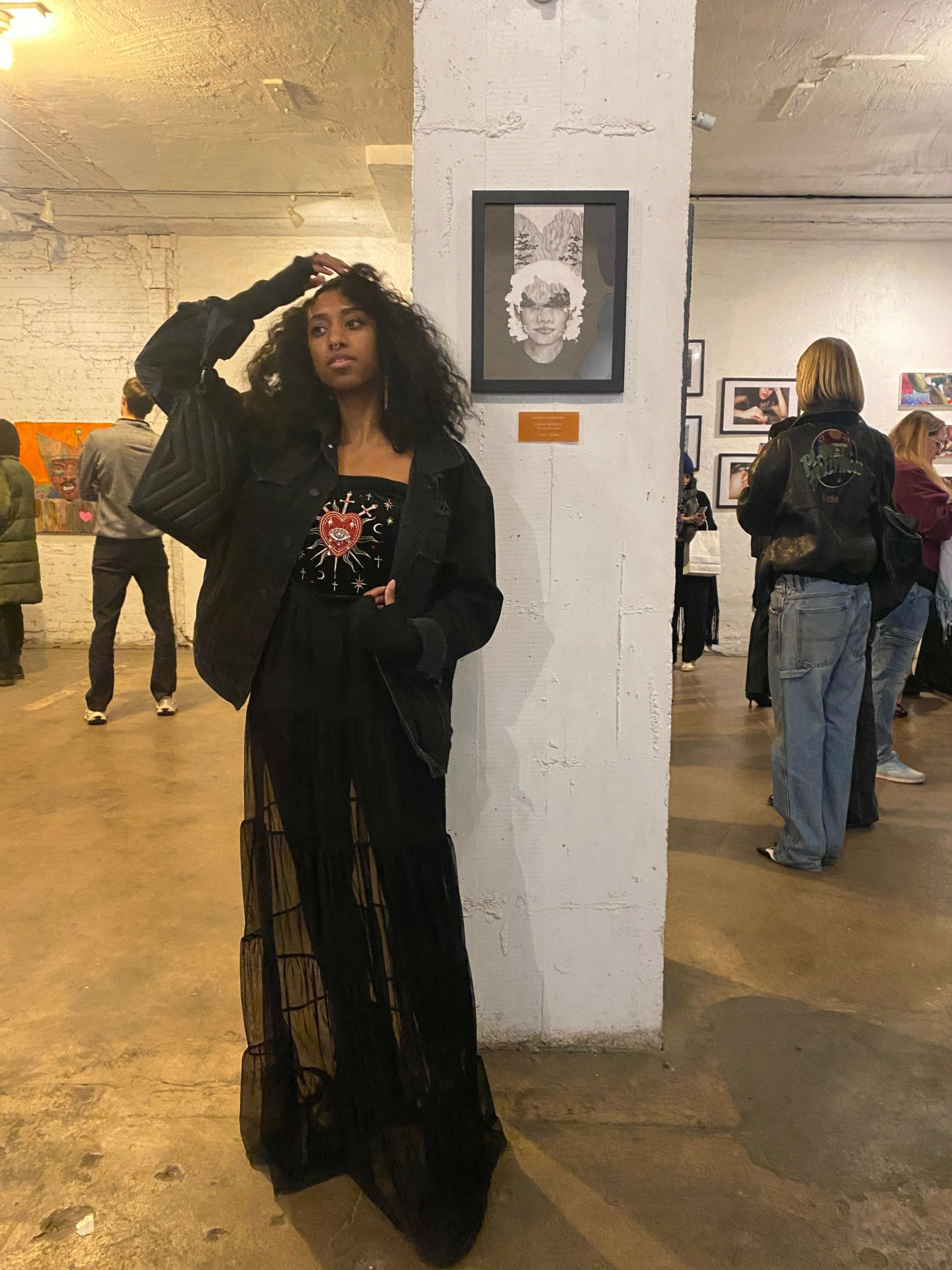
What can society do to ensure an environment that’s helpful to artists and creatives?
We have to stop viewing the arts as a self contained activity that doesn’t impact anything outside of the creator and whomever chooses to view or purchase it. The arts drive science, math, business, entertainment, and even the way we interact with each other. As long as I can remember, people have said there’s no money in art, and so there’s no reason to do it. But those same people are now voicing dissatisfaction with the quality of movies and literature we’re being presented, and the stagnation of innovation and technology. Even AI, the most significant technological advancement so far, is merely parroting existing information. When you think about what has historically fueled humanity’s progress, it always goes back to creative thinking. Society needs to start encouraging and valuing the arts the same way it values the core studies.
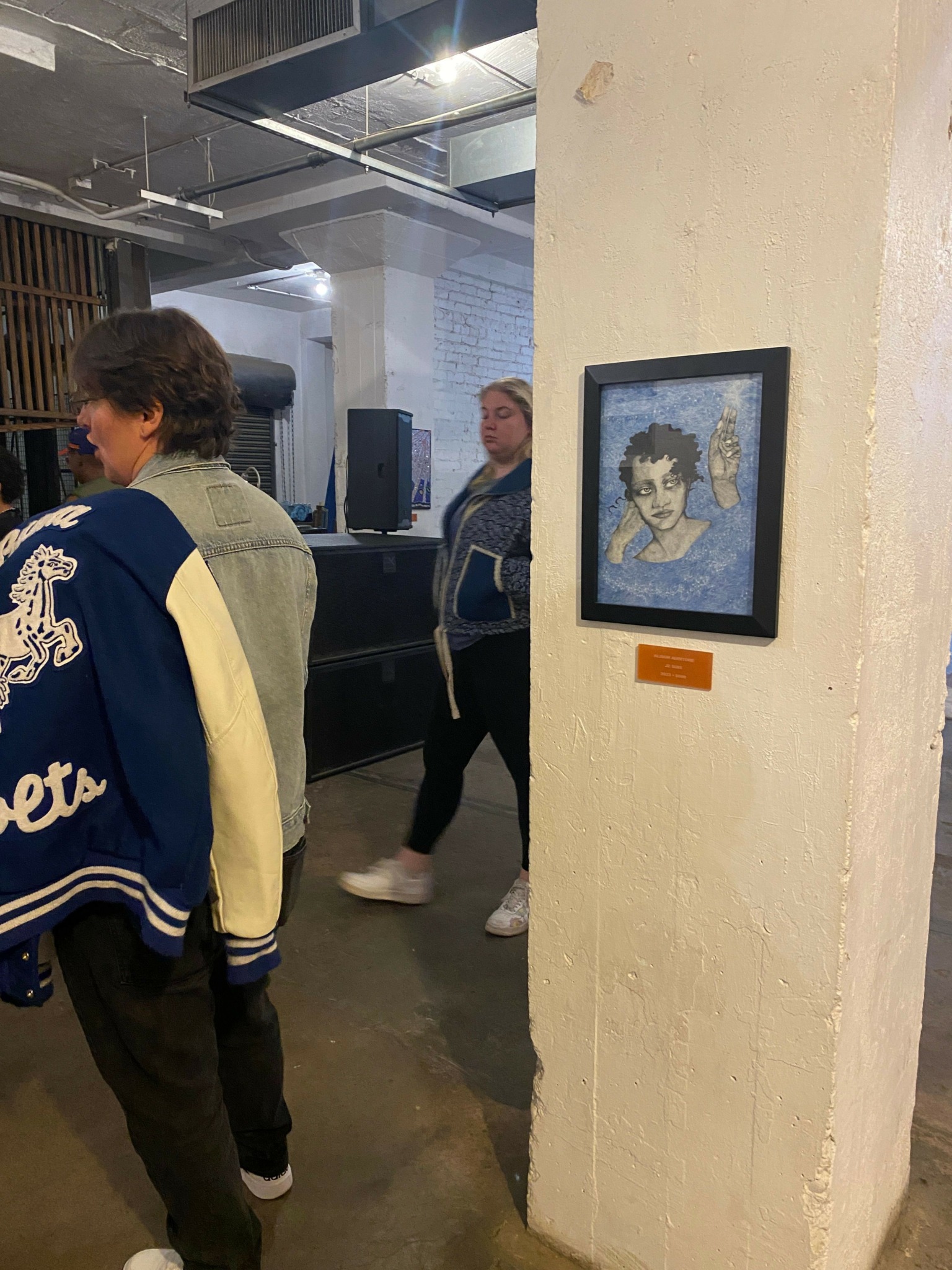
Are there any books, videos, essays or other resources that have significantly impacted your management and entrepreneurial thinking and philosophy?
I’ve been doing a lot of reading lately and the first book that comes to mind when I think of one that has impacted my philosophy is The City We Became by N.K. Jemisin. The way she depicts the arts, community, and culture as a sort of superpower and racism and bigotry as the antithesis of that power really resonated with me, and opened my mind to new ways to create and view my own creativity and community. I recommend this book to everyone I meet.
For nonfiction, I particularly enjoyed The Perfection Trap. This caught me off guard, as I never saw my pursuit of perfection as a concern. This book challenged my thinking and encouraged me to try new endeavors without waiting to feel “ready”.
Contact Info:
- Website: https://www.alisonstillaround.com
- Instagram: https://instagram.com/stillaroundart
- Linkedin: https://linkedin.com/in/alison-auditore-ara