

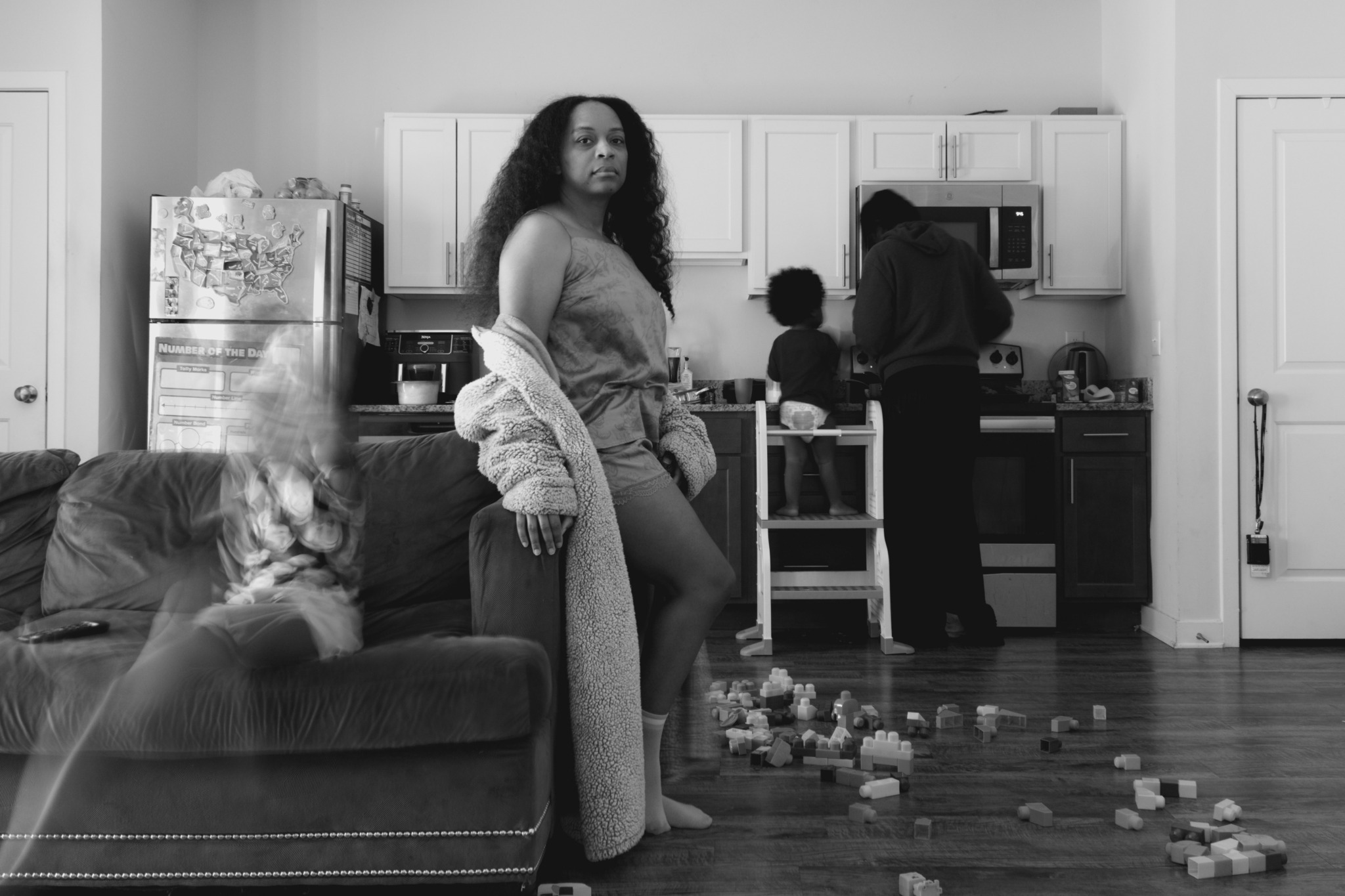

Alright – so today we’ve got the honor of introducing you to Aeysa Nixon-Bright. We think you’ll enjoy our conversation, we’ve shared it below.
Alright, Aeysa thanks for taking the time to share your stories and insights with us today. We’d love to hear about when you first realized that you wanted to pursue a creative path professionally.
I would say it’s hard to pinpoint the first time. I like to think it was an accumulation of moments. My grandfather would sometimes take me to a local art museum or art center. I’m not sure which one it was; however, I remember it being small and displaying local artwork. It left an impression on my young mind.
There was a period when I would visit Washington, D.C. to see my dad during my summer breaks. During that time, I met his then-girlfriend, who was a photographer. I was fascinated by her and her camera. I believe it influenced me to buy disposable cameras and start taking pictures of things, places, and especially the people around me.
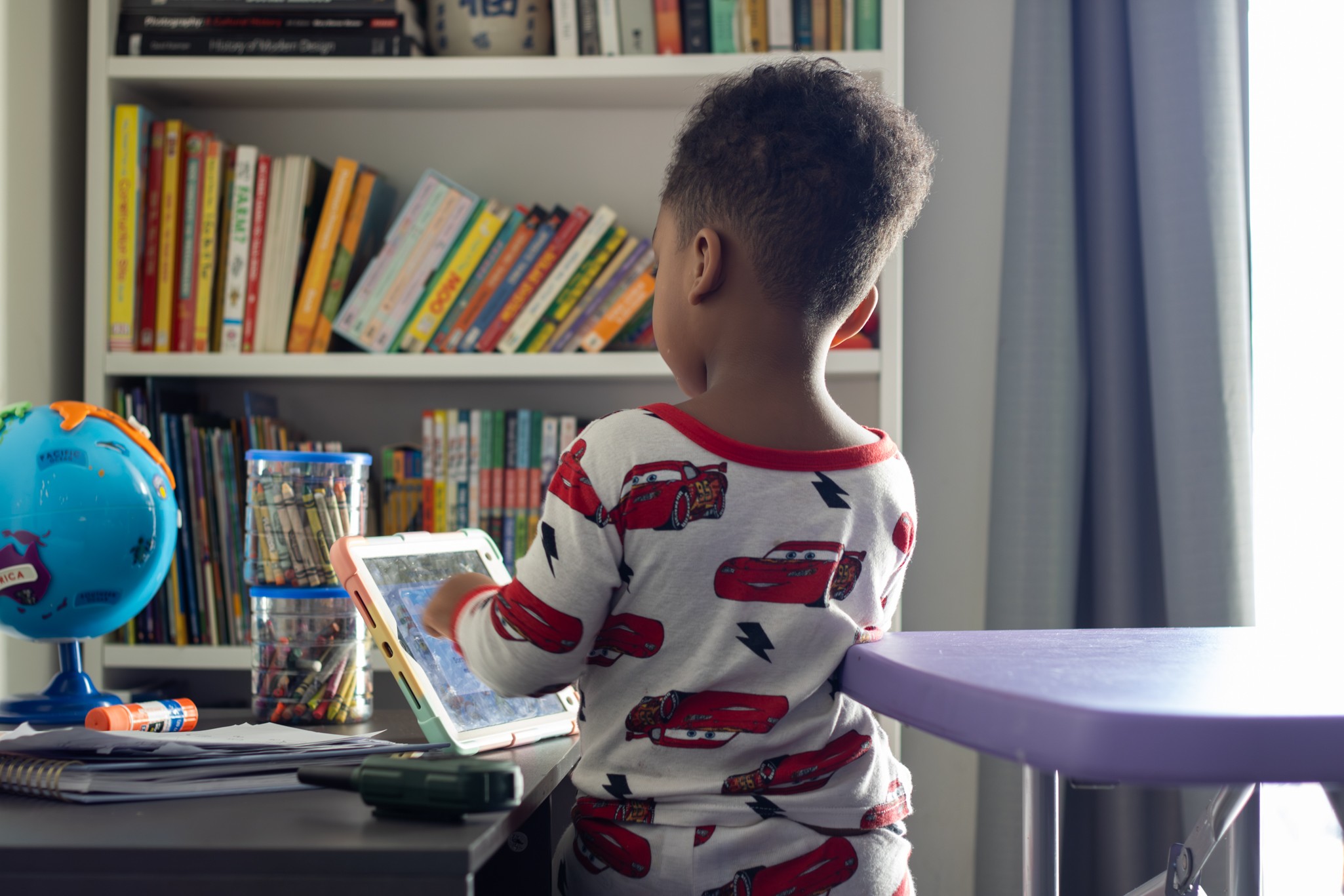
Most recently, my kids have led me to actively pursue this creative path professionally. I want to show them what it looks like to go after your passions, where the only limit is how big you can dream.
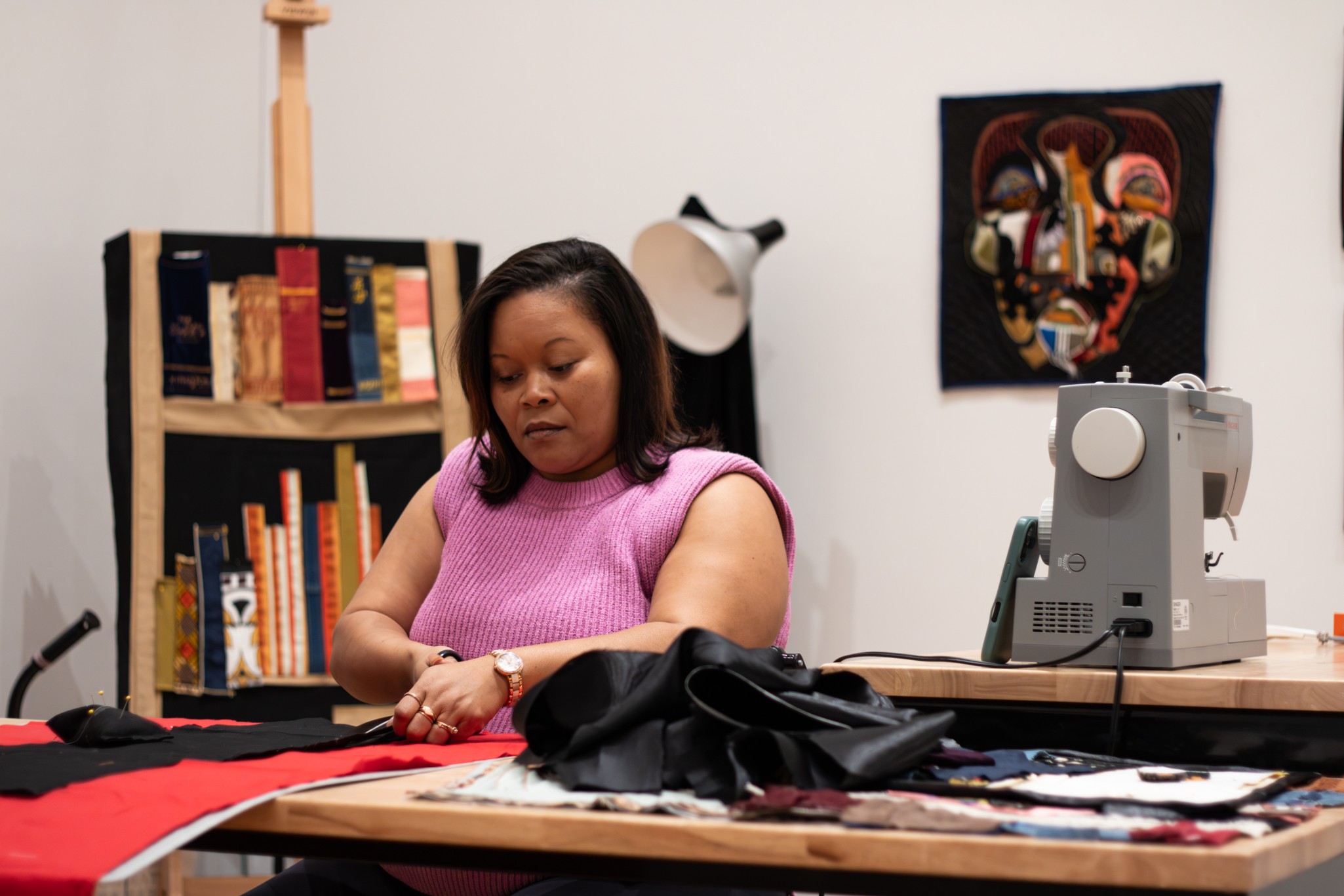
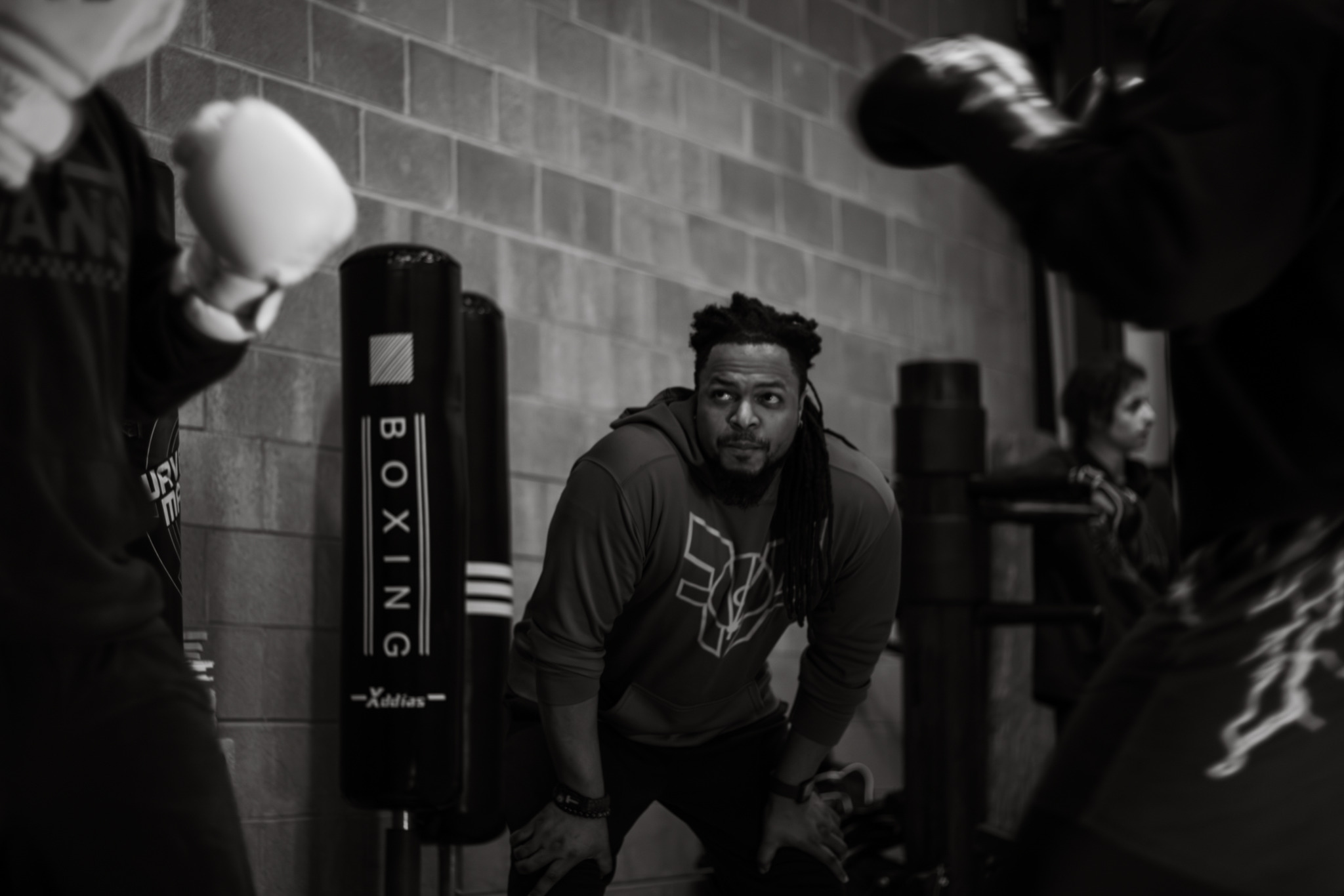
Awesome – so before we get into the rest of our questions, can you briefly introduce yourself to our readers.
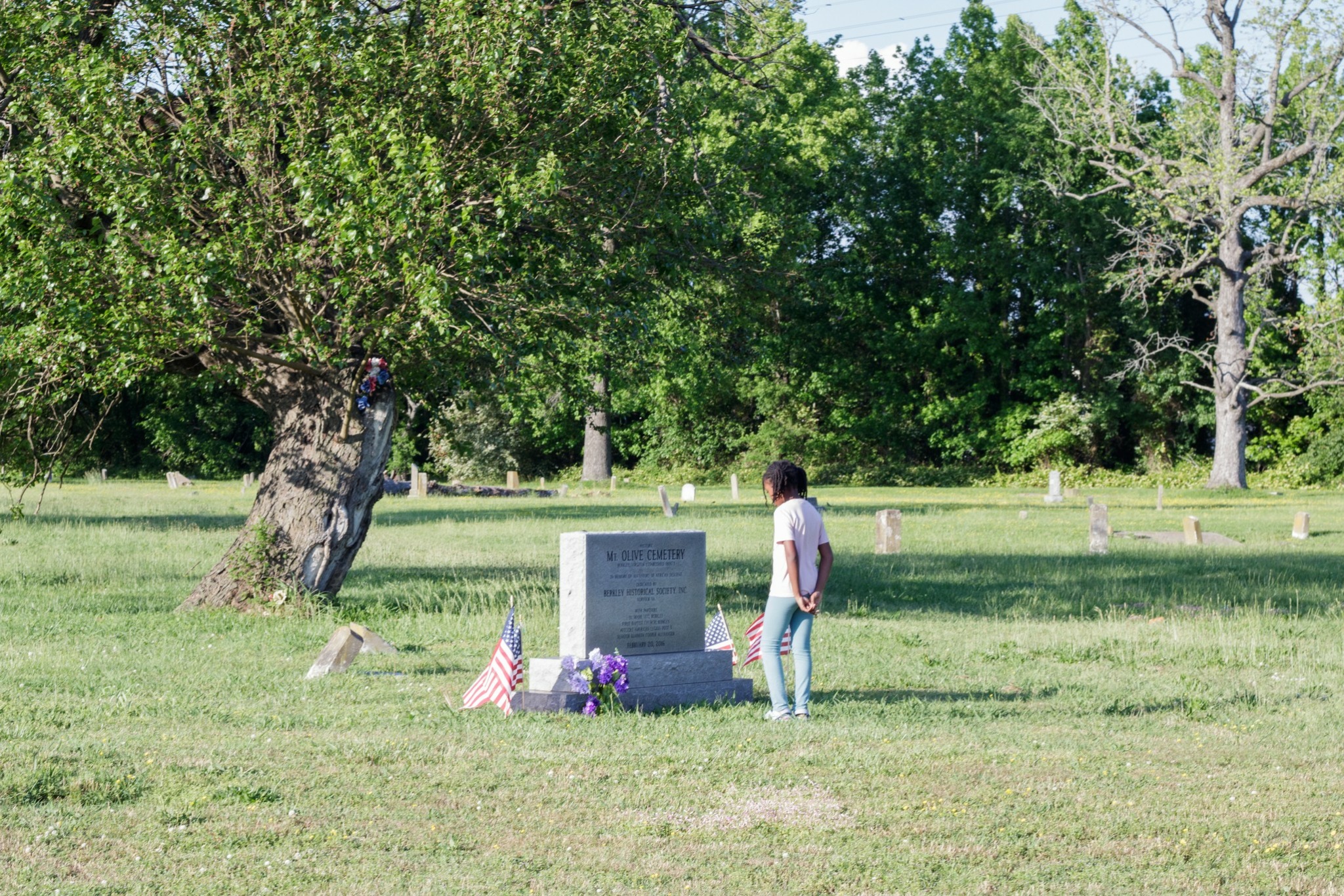
I am a multidisciplinary artist born and raised in Hampton Roads, Virginia, with deep family roots in the historic Berkley district of Norfolk. My creative path wasn’t shaped by a single defining moment, but by an accumulation of experiences that quietly influenced the way I see and move through the world. Those early impressions, rooted in family, place, and observation, continue to guide my work today. My practice spans photography and writing and is grounded in storytelling, memory, and personal experience. I explore themes of identity, womanhood, motherhood, love, and cultural heritage, often through intimate moments that reflect the shared realities of the human experience.
Over time, I’ve come to realize that I naturally gravitate toward documentary-style photography. I’m drawn to capturing scenes as they unfold, with minimal direction, honoring everyday life and the quiet moments we often overlook. I offer documentary photography services focused on storytelling for individuals, families, creatives, professionals, businesses, and communities. This work centers on documenting people, processes, and environments in an honest and unforced way allowing stories to exist as they are, rather than how they’re expected to look.
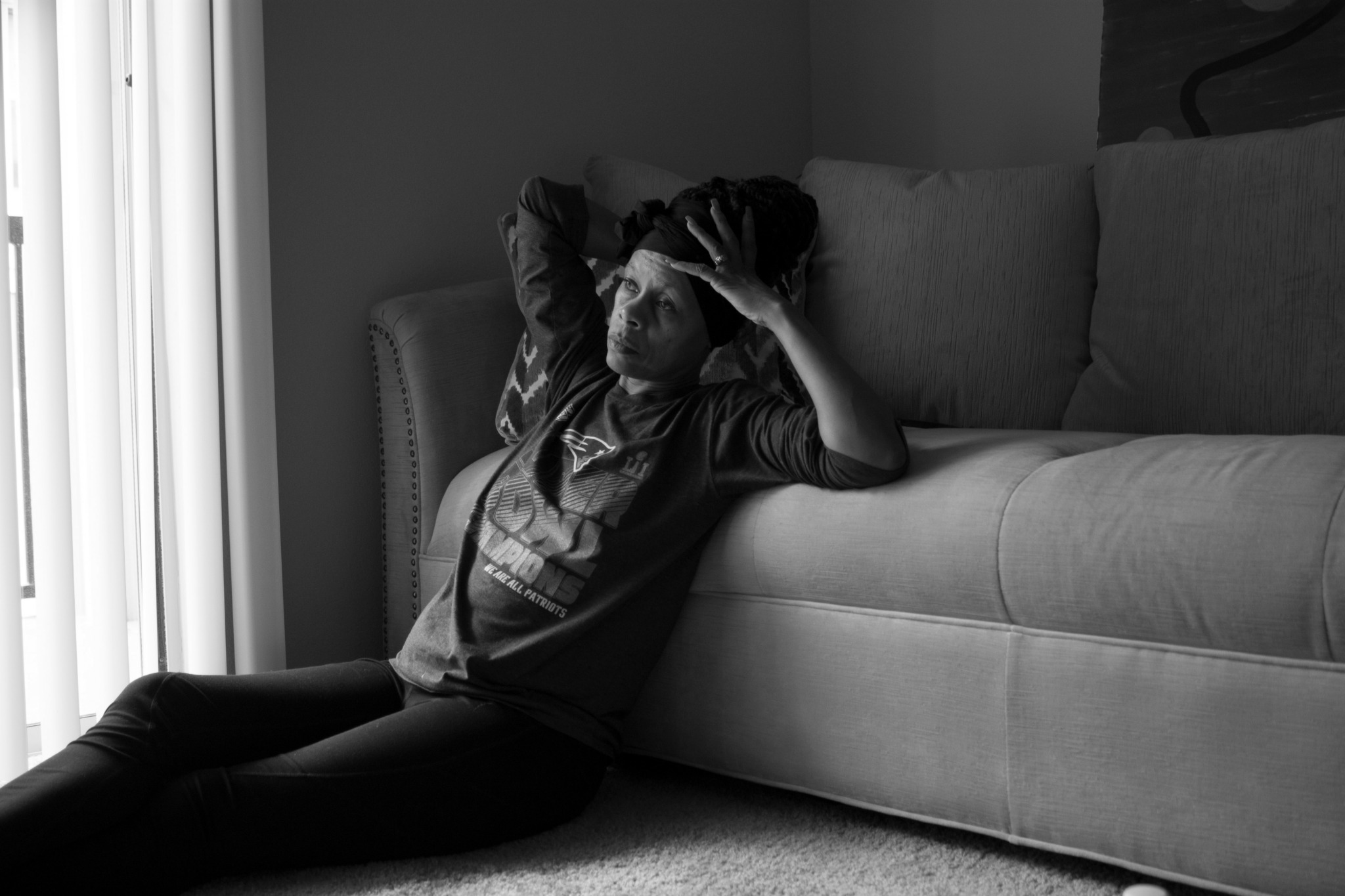
For over a decade, I have also turned the camera toward myself as a form of reflection and self-witnessing. This ongoing practice functions as a visual diary, tracing moments of stillness, growth, and transformation. Whether photographing others or myself, my work is rooted in care, intention, and respect for the stories I’m trusted to tell. My hope is that these images help preserve meaningful moments and remind us of the power of being seen, remembered, and connected.
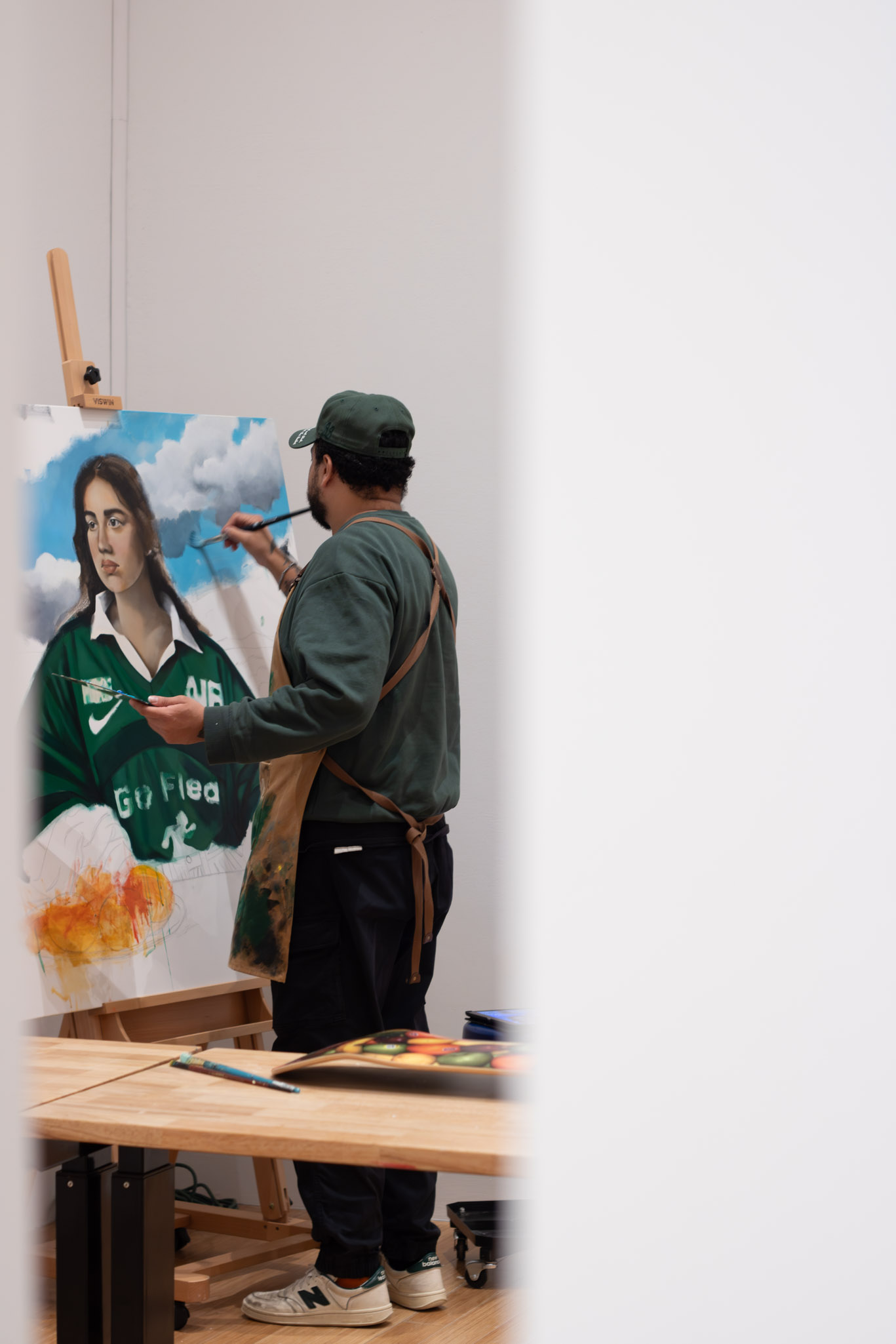
In your view, what can society to do to best support artists, creatives and a thriving creative ecosystem?
In my view, supporting artists and creatives starts with valuing their work in tangible ways. That means paying artists fairly and respecting creative labor as real labor. When people invest in art whether by commissioning work, purchasing pieces, or hiring creatives at sustainable rates. It helps artists continue creating without having to compromise their well-being or vision. Equally important are art-centered spaces and programs. Museums, community art centers, libraries, and cultural organizations play a vital role in inspiring emerging artists and making creativity accessible. These spaces often serve as first points of exposure, places of learning, and safe environments for experimentation and dialogue. They remind us that art isn’t a luxury. It’s a shared resource that helps us understand ourselves and one another. A thriving creative ecosystem also depends on access and opportunity. This includes funding, grants, residencies, affordable studio spaces, and arts education at all ages. It means creating pathways for artists from diverse backgrounds to be seen, supported, and sustained, not just celebrated when their work becomes profitable or trendy.
What’s the most rewarding aspect of being a creative in your experience?
For me, the most rewarding aspect of being an artist is having the space and freedom to bring my visions and ideas into the world. Creativity gives me a way to explore thoughts, emotions, and questions that don’t always have language, and turning them into something that feels both grounding and expansive.
Being creative allows me to stay curious, to experiment, to take risks, and to follow ideas wherever they lead. There’s something deeply fulfilling about the process itself: sitting with an idea, shaping it, and watching it evolve through exploration and discovery. Even when the outcome is uncertain, the act of creating feels purposeful. Ultimately, it’s rewarding to know that what begins as something internal can resonate beyond me. When a piece of work connects with someone else or makes them feel seen, it reinforces why I continue to create.
Contact Info:
- Website: https://aeysanixonbright.my.canva.site
- Instagram: https://www.instagram.com/loveaeysa/
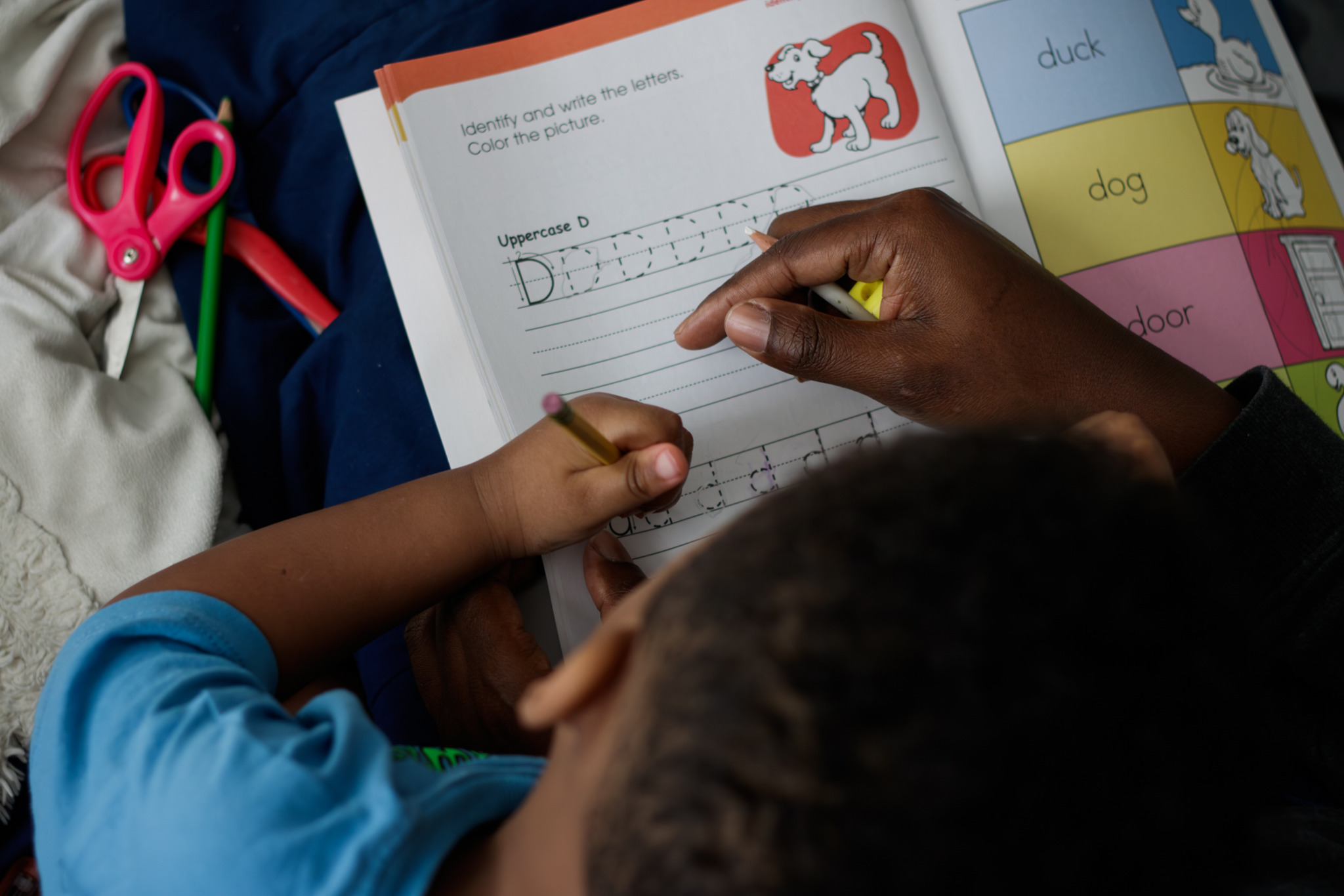
Image Credits
All images were taken by Aeysa Nixon-Bright.