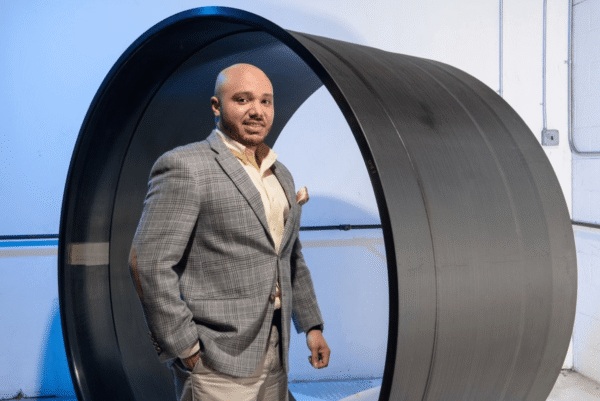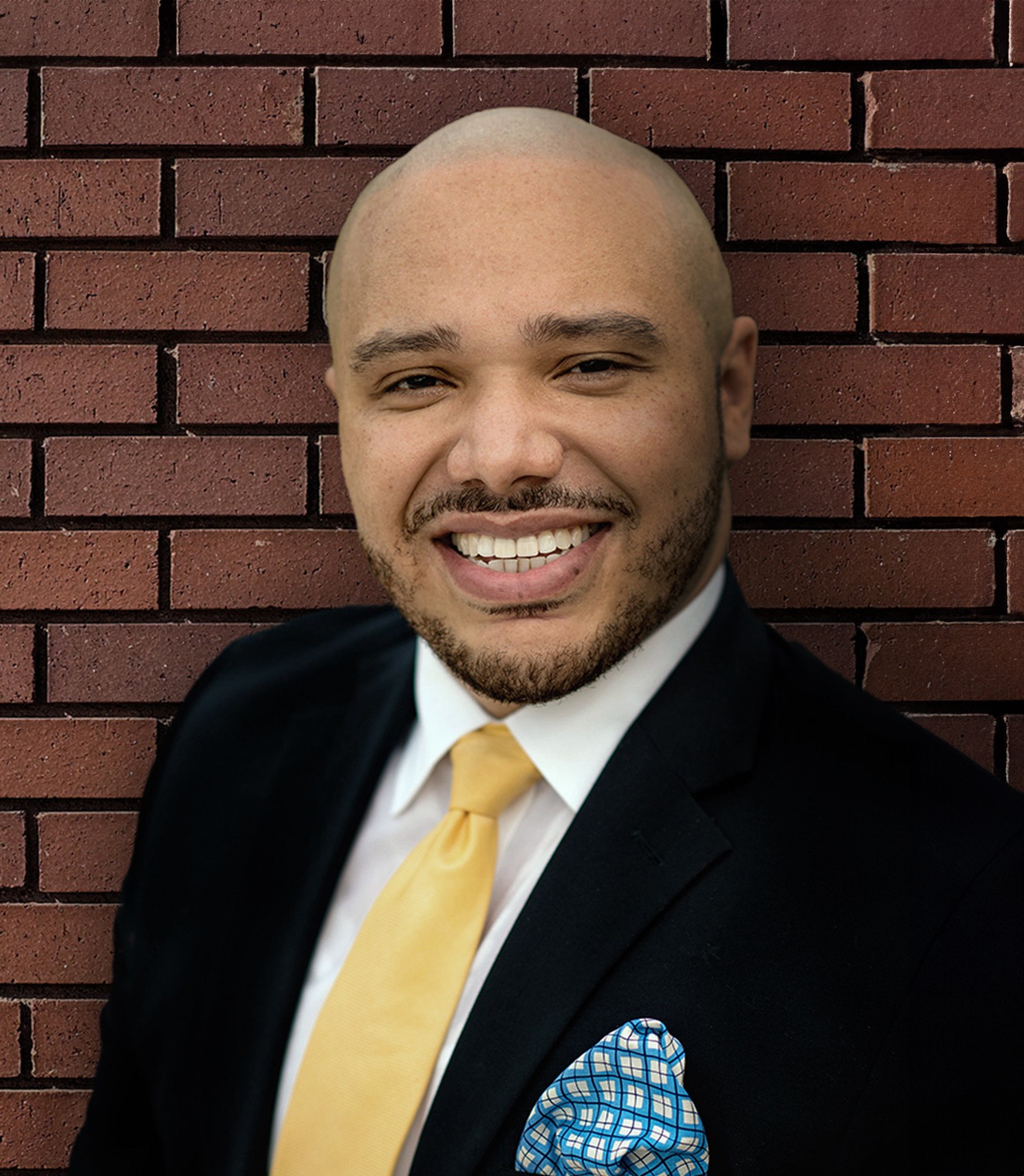

We’re excited to introduce you to the always interesting and insightful Aaron Sneed. We hope you’ll enjoy our conversation with Aaron below.
Aaron, thanks for taking the time to share your stories with us today What was it like going from idea to execution? Can you share some of the backstory and some of the major steps or milestones?
DOES started because I kept seeing the same problem show up in different rooms, across different industries.
I had worked across aerospace, defense, advanced manufacturing, systems engineering, program execution, business development, and regulated environments. The industries changed, but the failure modes looked familiar. Good ideas got stuck because the requirements were unclear. Teams moved fast, but the handoffs were weak. People had confidence, but not enough proof. Companies did not need more buzzwords. They needed clearer plans, stronger execution discipline, better documentation, and systems that could survive pressure.
That was the seed.
The next day was not glamorous. It was not a movie scene with dramatic music and a whiteboard full of billion-dollar ideas. It was paperwork, positioning, website development, registrations, capability statements, market research, outreach, and figuring out where my experience could create the most value. I had to move from “I know how to do this work” to “I can build a company that does this work repeatedly, credibly, and at scale.”
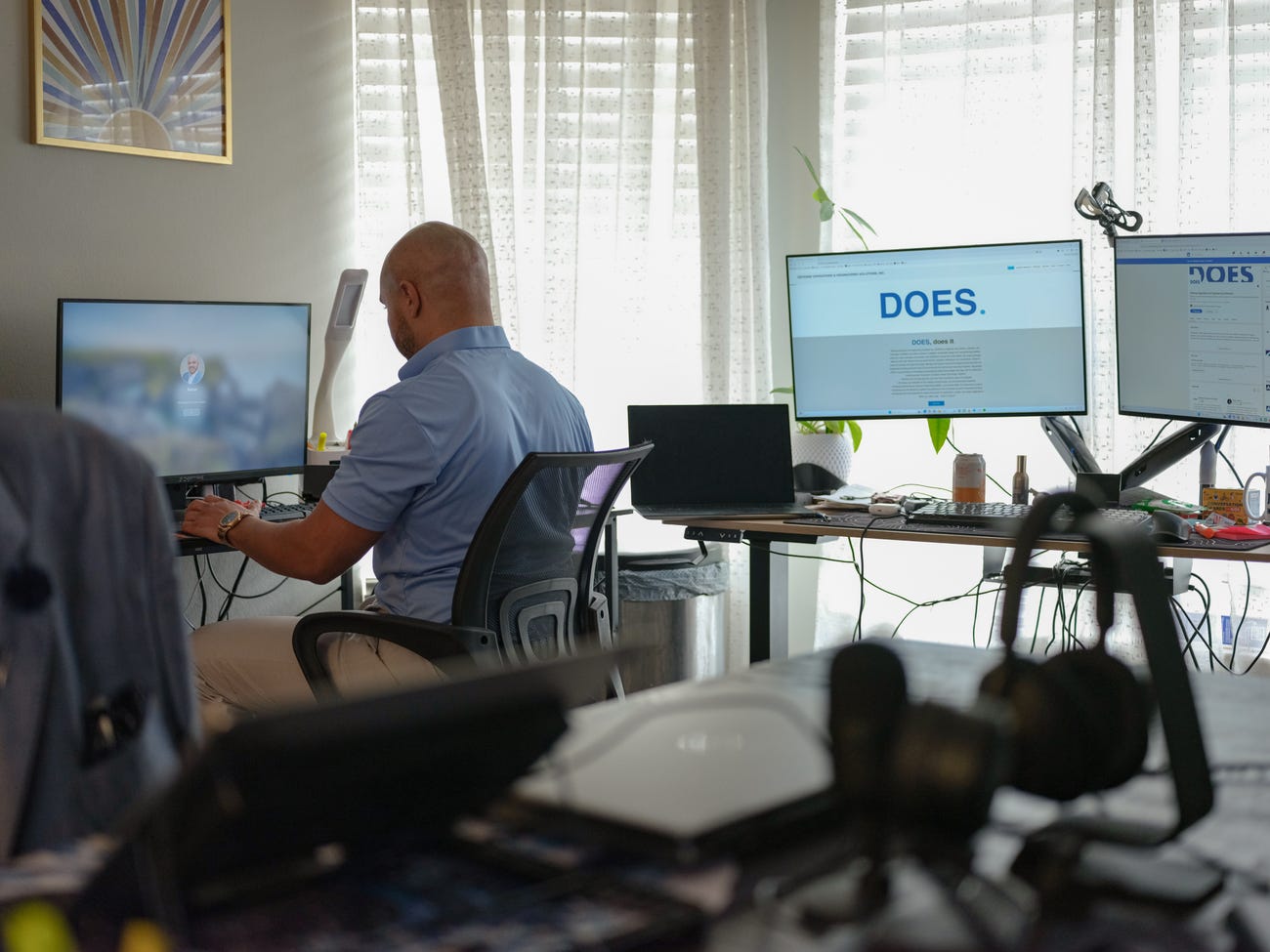
In the early days, I was doing everything. Strategy, capture, business development, proposal support, operations, research, communications, follow-up, and administrative work. That is where artificial intelligence became useful for me. Instead of using it as a gimmick, I used it as leverage. AI helped me organize the noise, structure plans, draft materials, compare options, and keep momentum while I was still building the foundation.
Defense Operations & Engineering Solutions, or DOES, became my platform for execution discipline, digital engineering, responsible AI-enabled workflows, and practical modernization in high-reliability and regulated industries.
Later, stepping into the President role at Leak Testing Specialists, or LTS, made that mission even more concrete. LTS operates in the real world of leak testing, nondestructive examination, nondestructive testing, training, consulting, and engineering support for high-consequence industries like nuclear energy, space, oil and gas, and other technically demanding environments.
So the story was not one big leap. It was a series of disciplined steps.
Write the plan. Build the proof. Make the call. Improve the system. Repeat.
That is still how I operate.
A good idea is not enough. At some point, the plan has to survive contact with reality.
Awesome – so before we get into the rest of our questions, can you briefly introduce yourself to our readers.
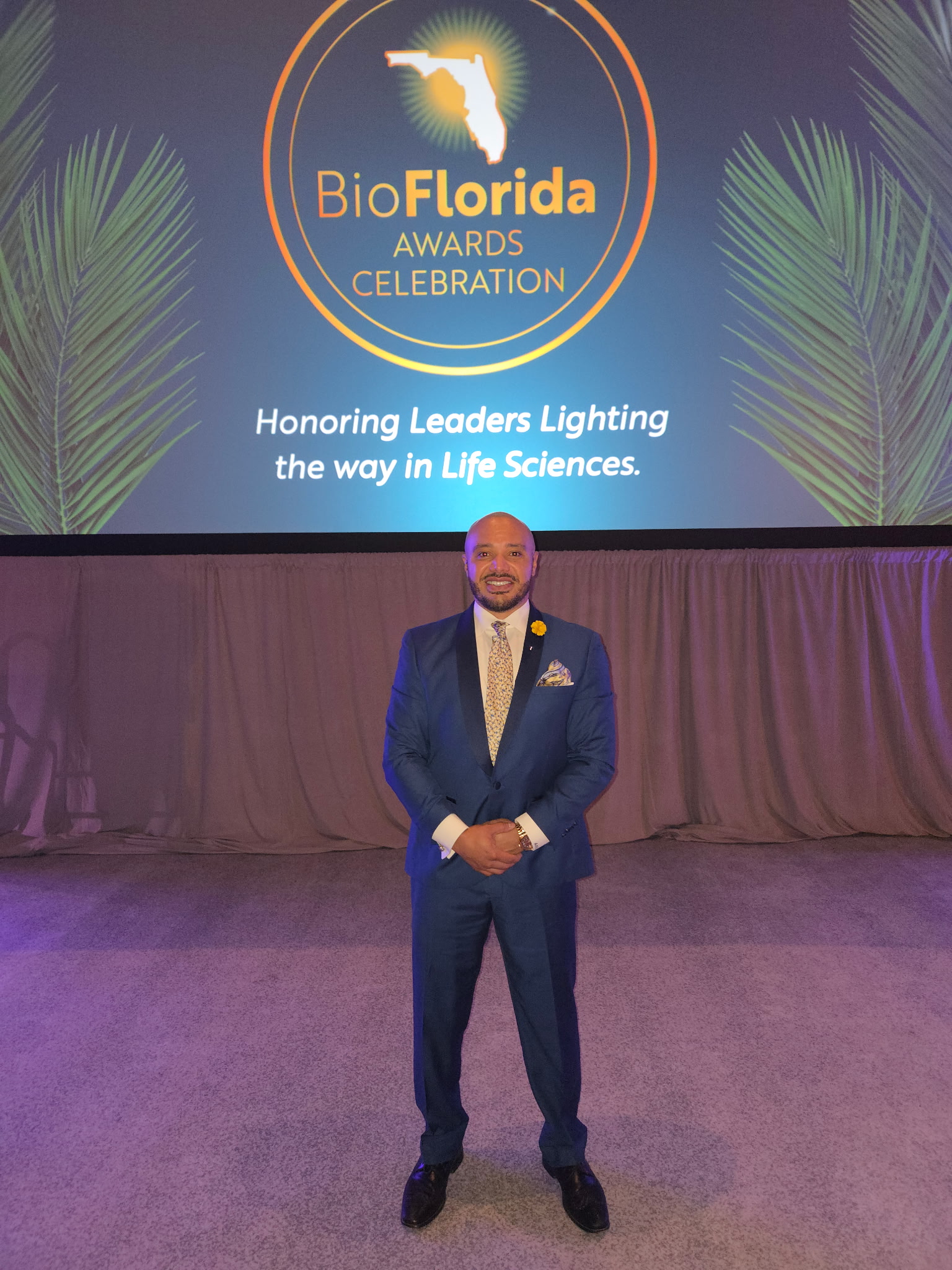
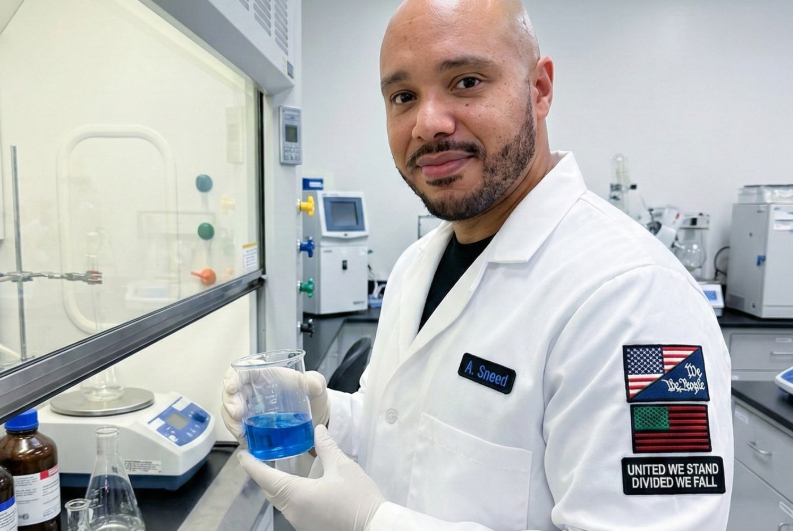
I am Aaron Sneed, Founder and CEO of Defense Operations & Engineering Solutions, or DOES, and President of Leak Testing Specialists, or LTS, both connected to Florida’s Space Coast.
My background is a mix of engineering, business, project management, systems thinking, and real-world execution. I earned my Bachelor’s degree from Morehouse College, an MBA and Master of Science in Project Management from Boston University, and a Master of Engineering in Systems Engineering from Stevens Institute of Technology. I also came up through industries where the work has to be right, including aerospace, defense, manufacturing, and regulated technical environments.
That combination shaped how I see problems. I do not just look at the task in front of me. I look at the people, systems, incentives, risk, documentation, handoffs, and proof behind the work.
DOES supports high-reliability and regulated teams through execution discipline, digital engineering, responsible AI-enabled workflows, strategy, capture support, and operational planning. The work is about helping organizations move from idea to execution without losing clarity, accountability, or documentation quality.
LTS is more operationally grounded. The company supports leak testing, nondestructive examination, nondestructive testing, training, consulting, and engineering services across nuclear energy, space, oil and gas, and other high-consequence environments. We are also expanding NDE, NDT, training, and engineering support into pharmaceutical manufacturing and semiconductor and microelectronics environments, including through strategic referral relationships that complement our existing portfolio.
The problems I care about are practical. Poor handoffs. Weak documentation. Vague requirements. Slow reporting. Unclear ownership. Teams that are working hard but still losing time because the system around them is not disciplined enough.
What sets my work apart is that I do not separate vision from execution. Vision matters, but vision without structure is just ambition with better branding. A good idea is not the same thing as a decision-ready idea. In serious work, the result is not enough. The record has to hold up too.
I am most proud that the work is becoming bigger than one company or one role. The story now includes DOES, LTS, responsible AI, workforce readiness, Space Coast industrial growth, regulated manufacturing, and helping people understand that excellence is not luck. It is built through systems, standards, people, and discipline.
What I want people to know is simple.
I am not chasing hype. I am building capability.
Can you talk to us about how you funded your business?
I bootstrapped the business.
There was no dramatic fundraising story in the beginning. No oversized check. No perfect timing. No one showing up to hand me the keys. I used my own resources, my professional experience, my relationships, and a lot of discipline.
That meant being very intentional about what I spent money on and what I could build myself. Website, branding, registrations, memberships, software tools, proposal infrastructure, outreach, and the basic operating system of the company all had to be built carefully.
In the early stage, the real capital was not just money. It was credibility, time, skill, focus, and the willingness to do unglamorous work consistently.
AI helped because it allowed me to stretch limited resources. It reduced administrative drag and helped me move faster on drafting, research, planning, and organization. But it did not replace the hard part. The hard part was still making decisions, taking risks, staying consistent, and building trust before the market owed me anything.
Bootstrapping forces discipline. You cannot hide behind excess capital. You have to make choices. You have to learn quickly. You have to build something that creates value before you get comfortable.
That experience still shapes how I lead today. I respect resources. I respect execution. And I do not confuse activity with progress.
How’d you build such a strong reputation within your market?
Consistency helped the most.
I have always tried to be the person who brings structure into ambiguity. If a customer, partner, or team is dealing with a complicated problem, I want them to feel that I can help organize it, clarify the risks, define the next step, and create a path forward.
My reputation has also been shaped by the industries I have worked in. Aerospace, defense, nuclear energy, manufacturing, and regulated environments teach you that credibility is earned through follow-through. You cannot talk your way around poor execution. The work either holds up, or it does not.
I think people have also responded to the consistency of my message. Clear plans. Solid proof. Human accountability. Responsible technology. Better documentation. Fewer surprises. That is not a slogan for me. It is how I believe serious work gets done.
I also believe reputation compounds when you are willing to tell the truth early. If something is unclear, say it. If a plan has risk, name it. If a decision is not ready, do not pretend it is. That kind of honesty may slow a conversation down for a moment, but it saves time and trust later.
At this stage, I am grateful the work is gaining visibility, but I am more focused on making sure the visibility is backed by substance. Attention is useful. Credibility is better.
Contact Info:
- Website: https://www.doesdoesit.com and https://leaktestingspecialists.com
- Instagram: https://www.instagram.com/immaengineer/
- Facebook: https://www.facebook.com/AaronSneed/