



So often mission and purpose driven folks have fascinating stories about where they draw their inspiration from. Often it’s a historical figure and so we’ve highlighted some of those conversations around historical figures and what some of the best and brightest have learned from them.
Hannah Gibbons

He may not be a textbook historical figure, but for me, it’s Geno Auriemma, head coach of the UConn Women’s Basketball team. Watching as a kid UConn WBB was my blueprint for sustained excellence.
Geno didn’t just recruit stars; he created a culture where the standard was non-negotiable. Winning wasn’t the goal, it was the standard. His players would go on to the WNBA or Team USA, say nothing was harder than his practices. His teams trained like champions before they ever competed. What I admire most is how clear and consistent he was: if you weren’t running the floor, rotating on defense, or practicing like it was the championship game, the drill stopped. Because the habit mattered more than the outcome. Read more>>
Ashley Bruggeman

While serving on the Board of Directors for Honor Flight Kentucky—a nonprofit organization that honors the service of WWII, Korean, and Vietnam War veterans by flying them to Washington, D.C. to visit the memorials dedicated to their sacrifice—I had the profound privilege of acting as Flight Director for Kentucky’s first all-female veteran flight in 2022. We flew 134 remarkable women to our nation’s capital and hosted a full weekend of meaningful celebrations back home in Kentucky. It remains one of the most rewarding experiences of my life. Read more>>
Yulin Li

One historical figure I deeply admire is Dieter Rams, the German industrial designer whose philosophy of “less but better” has deeply influenced how I tackle design challenges. His focus on simplicity, honesty, and user-centered functionality has guided me through some of the most difficult moments in my design career. Read more>>
Joyce Sherry
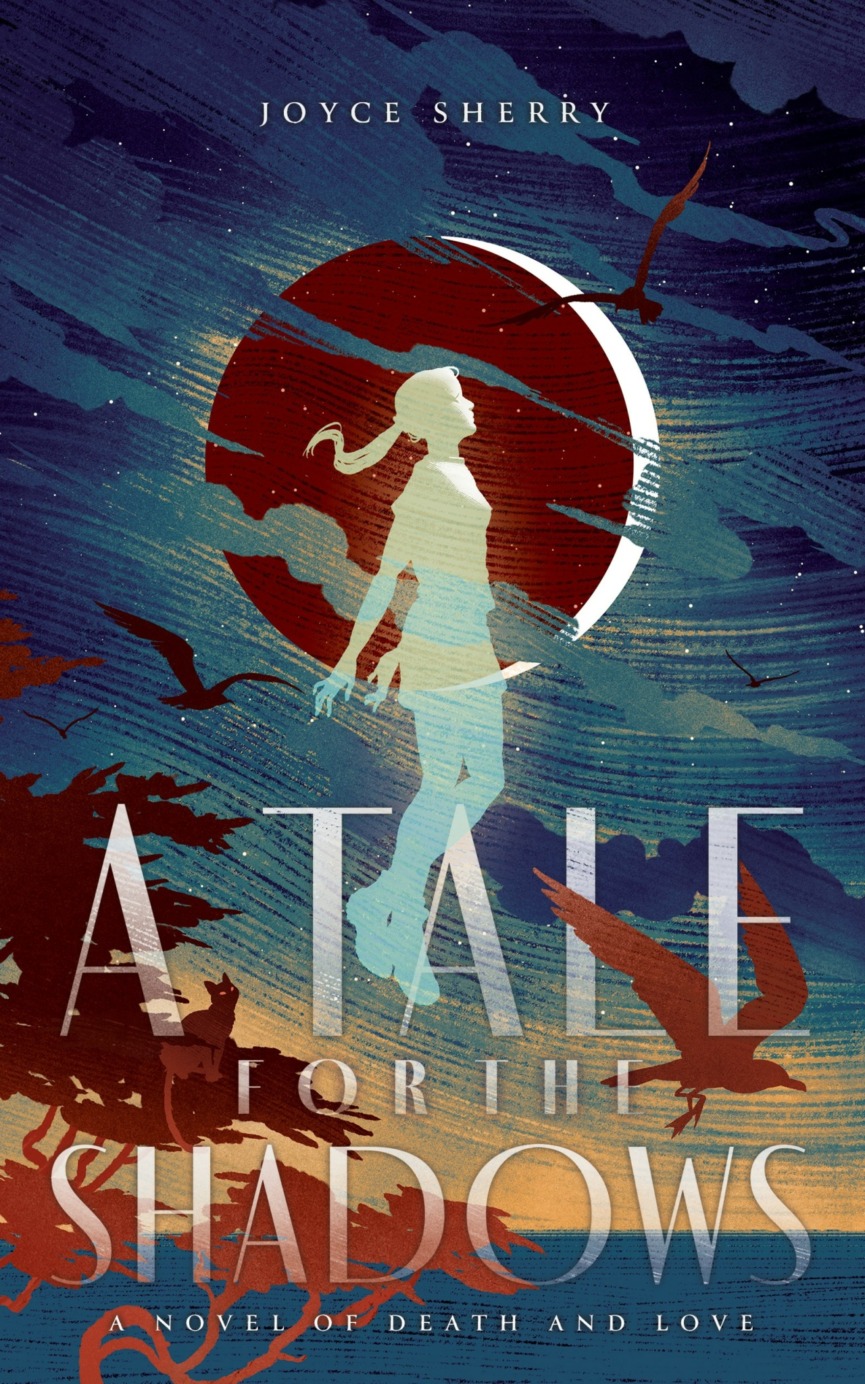
I’ve long admired Nellie Bly, the female journalist who shattered stereotypes. She spoke so passionately about women’s equality in the late 1800s that she caught the attention of a newspaper editor who hired her to write columns on real news, not just the social and arts pages. Bly put herself in increasingly dangerous situations to bring important stories to the world. Essentially the inventor of investigative journalism, she posed as a poor woman to get a job in a factory, reporting on the abuses of female factory workers; she managed to have herself committed to a “mad-house,” exposing the horrors of asylums at the time and sparking reform; she emulated Phineas Fogg by traveling around the world in seventy-two days, almost exclusively solo; and she reported from the front during World War I. Read more>>