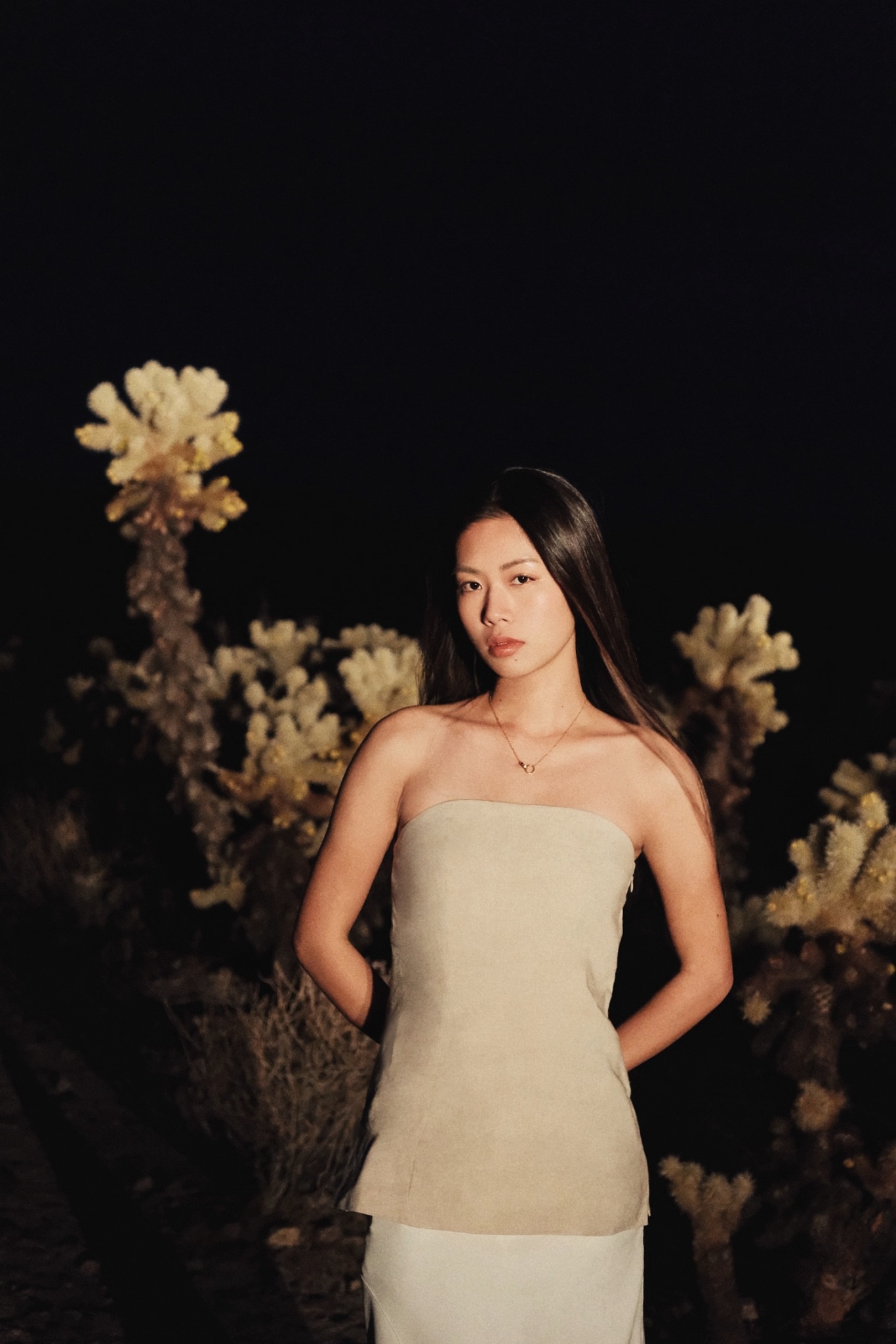

We caught up with the brilliant and insightful Yulin Li a few weeks ago and have shared our conversation below.
Alright, Yulin thanks for taking the time to share your stories and insights with us today. Let’s start with inspirations and heroes. Are there any historical figures you look up to?
One historical figure I deeply admire is Dieter Rams, the German industrial designer whose philosophy of “less but better” has deeply influenced how I tackle design challenges. His focus on simplicity, honesty, and user-centered functionality has guided me through some of the most difficult moments in my design career.
When I was working on the vivo X300 flagship phone, I struggled through many rounds of design proposals that didn’t fully satisfy my mentor’s expectations. The challenge was to create a design that felt minimal yet futuristic, breaking away from the brand’s existing style while still appealing to our target users—ambitious young professionals who value sophistication and practicality.
To find a breakthrough, I turned to Rams’ philosophy: good design is as little design as possible, yet every element should be meaningful and enhance the user’s experience. I researched the market and luxury products to see how other designers used textures and materials to convey elegance. One detail that caught my eye was the intricate wheat pattern by Jean-Pierre-François Guillot-Duhamel, a pattern often found in luxury brand design.
I wanted to incorporate that sense of luxury and detail into the X300’s camera module, but I didn’t want it to overshadow the rest of the design. Inspired by Rams’ principle of subtlety, I minimized the pattern’s scale to make it extremely fine—like a whisper of luxury—so it felt more like a cosmic halo around the lens, evoking the ethereal glow of a galaxy rather than a loud decorative motif. This delicate detail balanced the phone’s futuristic design with a timeless elegance, offering a unique user experience without overwhelming the overall composition.
Rams’ philosophy taught me that design is not about adding more but about refining what’s essential, letting the design breathe and speak softly yet powerfully. This mindset has shaped not only the X300 project but also how I approach every design challenge—always prioritizing meaningful details that resonate with users.
Great, appreciate you sharing that with us. Before we ask you to share more of your insights, can you take a moment to introduce yourself and how you got to where you are today to our readers.
My name is Yulin Li, and I’m an industrial designer who’s passionate about crafting products that blend technology, aesthetics, and human-centered design. My journey into this field wasn’t always a straight path—it’s been an exciting exploration of different design disciplines and making processes.
I actually didn’t decide to pursue design until my senior year of high school. When I first applied to colleges, I focused on graphic design and was fortunate to be accepted by some of the top design schools in the U.S., including Parsons. However, it wasn’t until my first year at Parsons that I discovered my true calling.
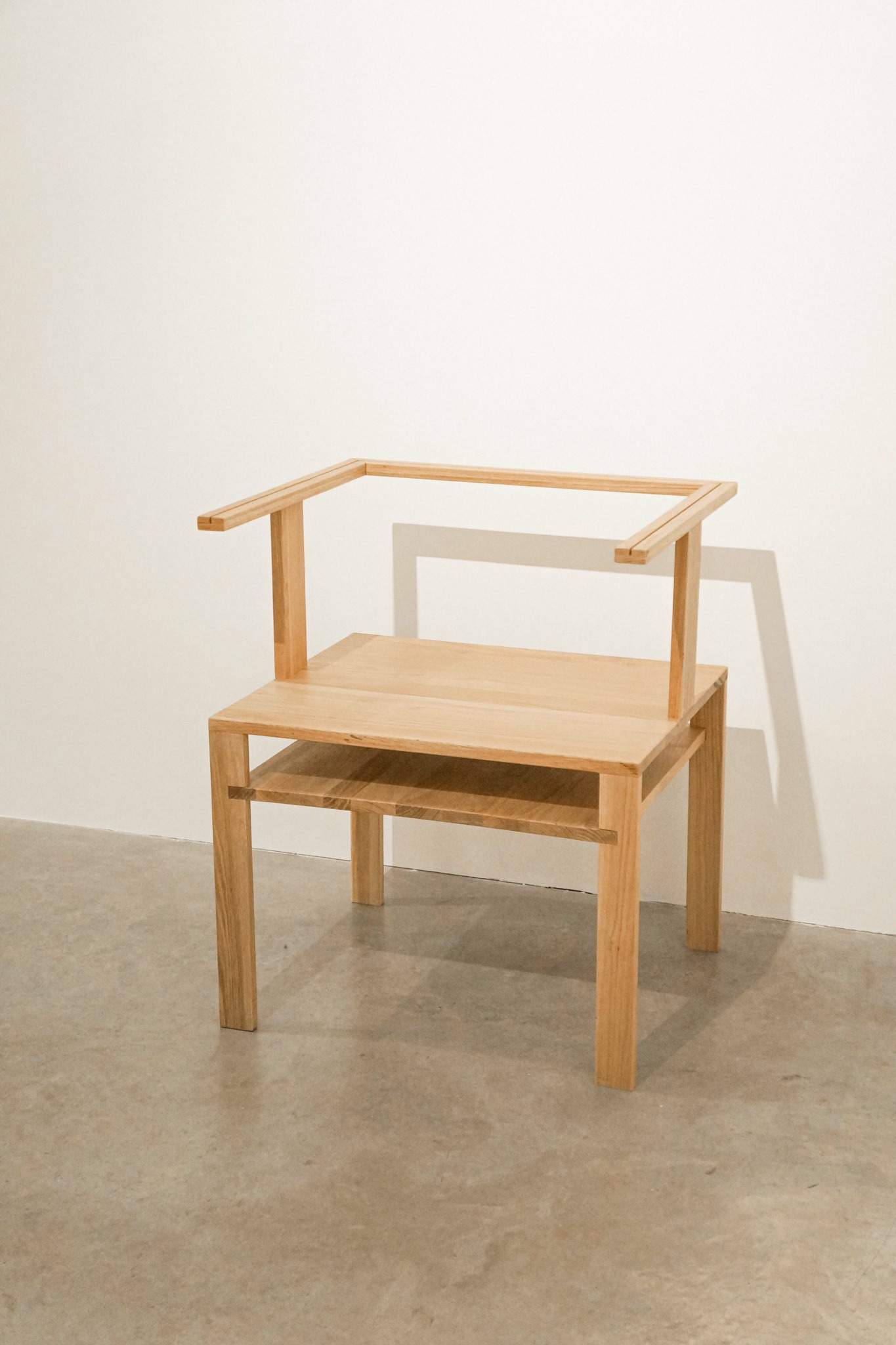
One course in particular—Space/Materiality—completely changed my perspective. It introduced me to the world of handcrafted making, where raw materials could be transformed into meaningful objects through different techniques. I became completely absorbed in the process of turning ideas into tangible products, finding immense satisfaction in seeing a design come to life.
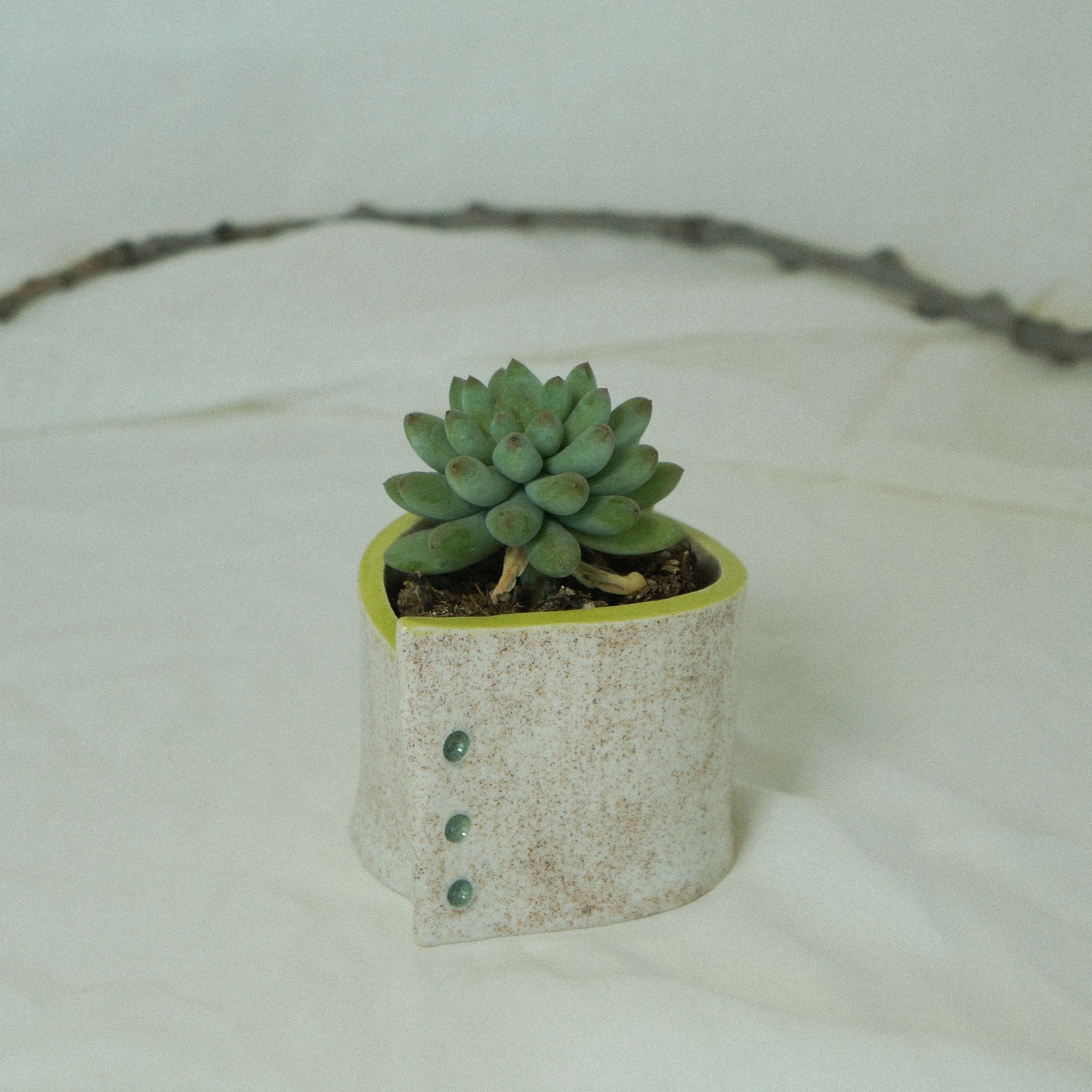
By the second semester of my first year, I knew I wanted to shift my focus to product design. That decision opened up an entirely new world of furniture design, lighting design, ceramics, and woodworking—fields that allowed me to explore how materials, form, and functionality come together.
After graduating from Parsons, I became increasingly interested in how the design industry was evolving—especially the intersection of technology and user experience. I wanted to work in the tech industry as an industrial designer, so I decided to deepen my skills in human-computer interaction. That’s what led me to apply for the MSTI program at the University of Washington.
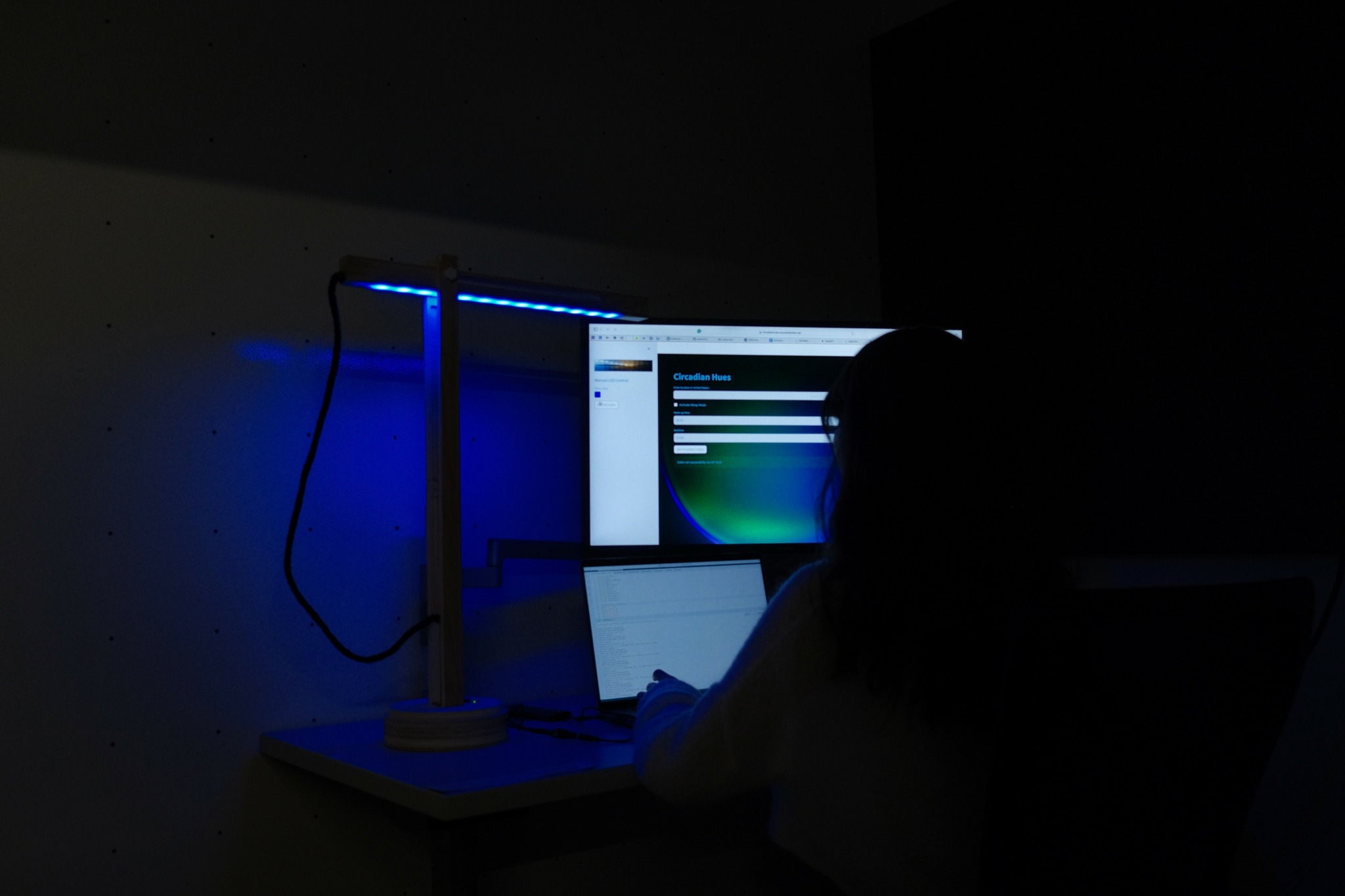
At MSTI, I expanded my expertise beyond physical product design to include software-hardware integration, machine learning, and interactive systems. This multidisciplinary approach has allowed me to think more holistically about how products fit into people’s lives—not just as objects, but as experiences that connect people to technology in meaningful ways.
What sets me apart is my hands-on approach and my obsession with the making process, whether it’s working with wood, metal, or coding a prototype. I believe that great design is not just about sketches or screens—it’s about understanding materials, processes, and the human stories behind them.
Do you think there is something that non-creatives might struggle to understand about your journey as a creative? Maybe you can shed some light?
One thing I discovered during my internship in industrial design is how much of a product’s appearance is shaped by collaboration. At first, I thought industrial design was mainly about putting my creative vision on paper, but I quickly learned that a product’s final design is the result of input from many departments—engineering, marketing, user research, manufacturing, and more.
Sometimes people wonder why tech products don’t change much from one generation to the next, or why certain details seem subtle. But every detail goes through rounds of discussion, balancing technical feasibility, brand identity, and user expectations.
As an industrial designer, I found myself acting as a bridge—listening to feedback, integrating ideas, and finding the best balance between creativity and collaboration. My “personal touch” might show up in material choices or small design details, but it’s always shaped by this larger process.
This experience taught me that good design in tech is rarely about one person’s idea—it’s about teamwork, communication, and making sure the product works for everyone. That’s what makes it so challenging and rewarding.
What’s the most rewarding aspect of being a creative in your experience?
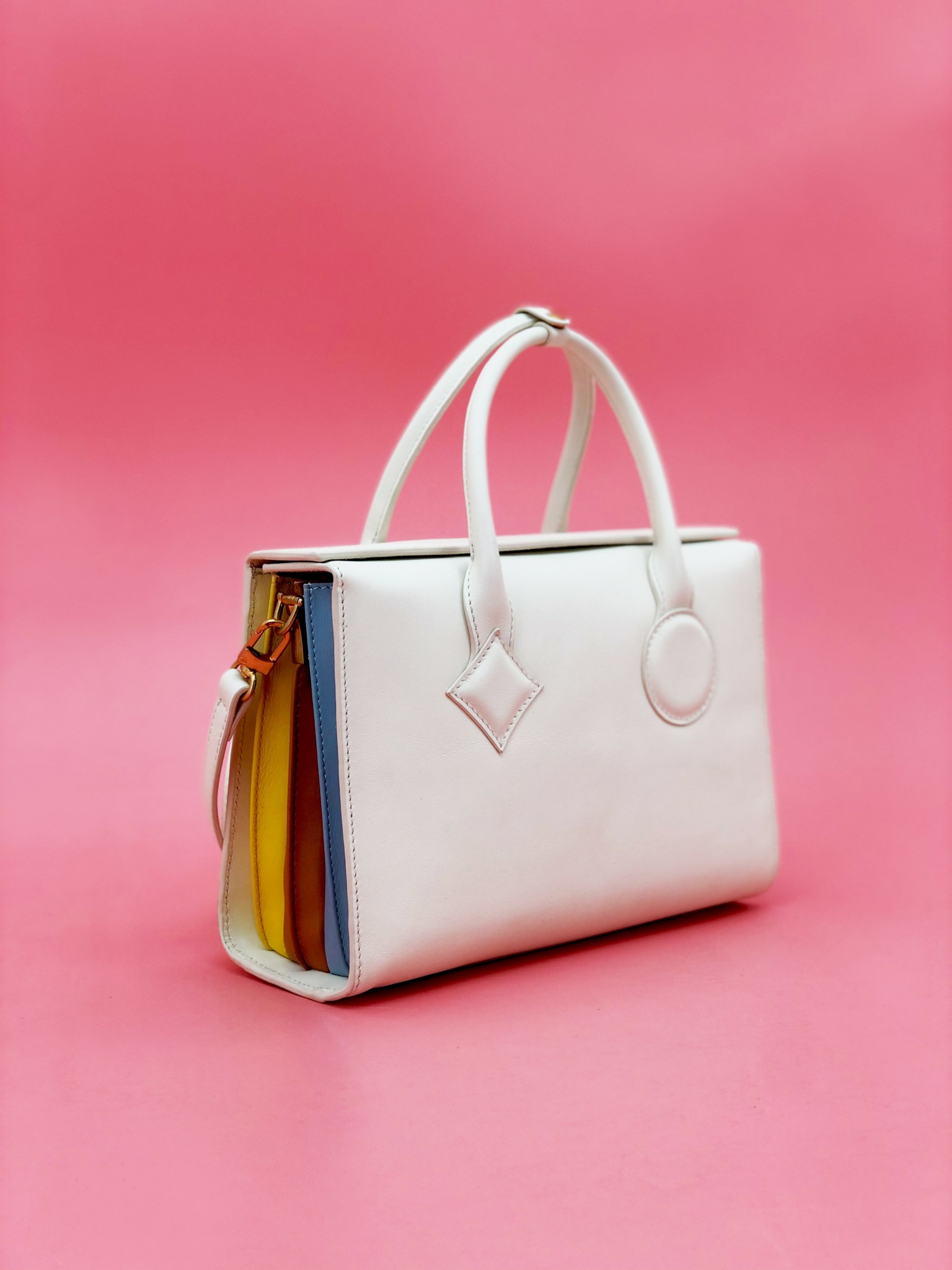
For me, the most rewarding aspect of being a creative is that unexpected moment when I see someone using or wearing something I designed. Like when I’m coffee-hopping one day and spot the owner of a coffee shop carrying a bag I once sketched, prototyped, and refined—something they bought online. It feels like a magical moment, a quiet reminder that my work has made it out into the world and become part of someone’s everyday life.
It’s like a bridge between imagination and reality, and it reminds me why I love design: it’s not just about creating beautiful objects, but about crafting experiences that people can integrate into their lives, often in ways I never could have imagined. That moment of real-world impact is what keeps me inspired to keep creating.
Contact Info:
- Website: https://www.yulinlistudio.com/
- Instagram: https://www.instagram.com/michelleyukli/?hl=en
- Linkedin: https://www.linkedin.com/in/yulin-li-14a7231a0
- Other: Github: https://github.com/Michelleyukli