

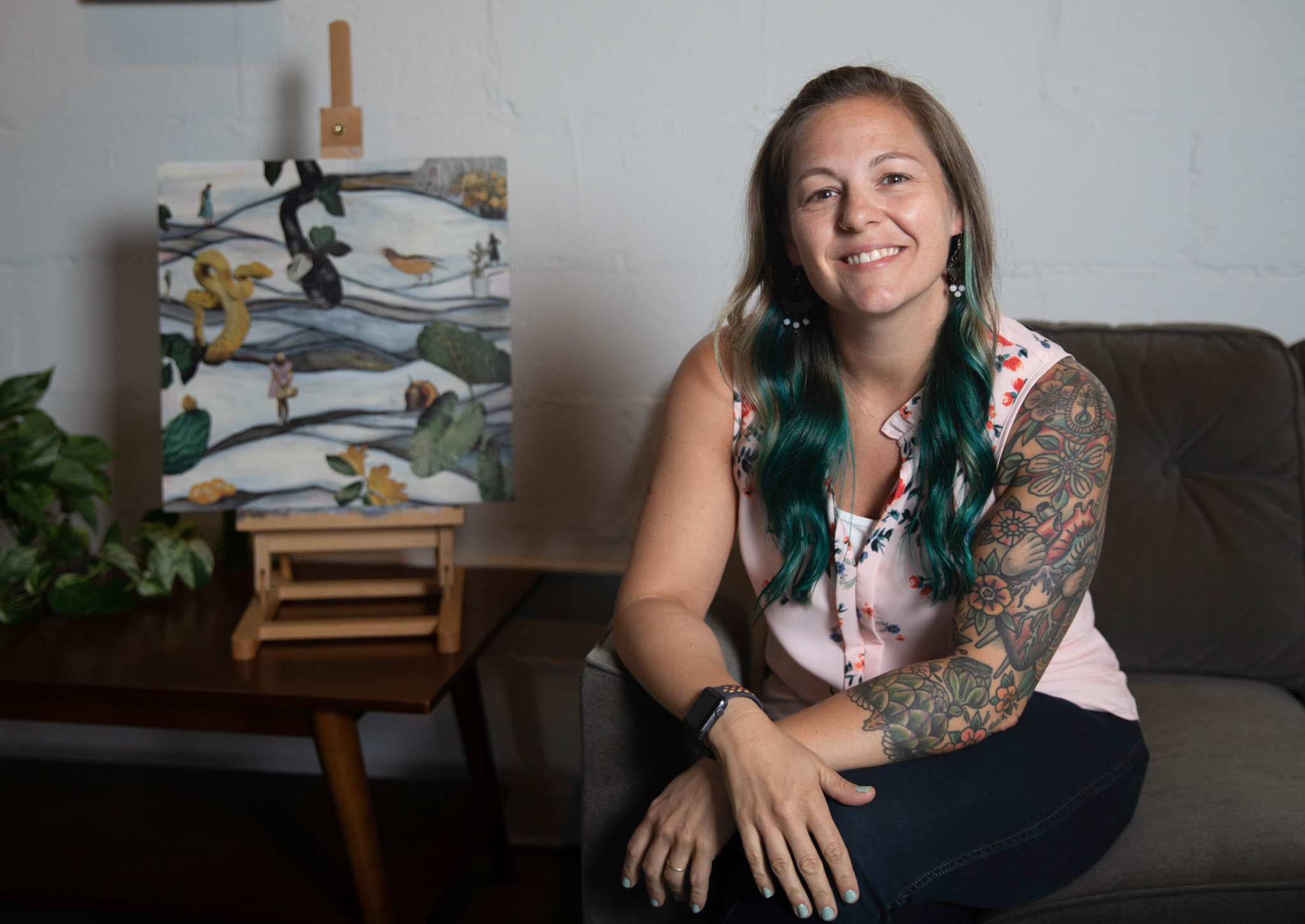

We think the world needs more artists, more creatives and more folks unwilling to spend their days as a cog in a giant corporate machine. We don’t necessarily dislike cogs or machines but we think the world clearly needs more artists and creatives and so we wanted to try to figure out how more artists can make it work financially since this is one of the major obstacles blocking so many artists and creatives from pursuing their art full time. So, we asked folks who have been able to make a full time living through their creative work, how they did it.
Jared Coad

To answer the first question yes absolutely! To put it like my good friend Booker T I used my 9 to 5 to fund my 5 to 9. At first, it was definitely tight because I had to prove that I was worth a higher amount. Once I got to the point of earning a higher wage, I was sad! To put it simply, I had to get experience under my belt before I could qualify for those certain privileges. One of the major steps I would say was more recent in the last couple years was deciding to take quality over events it’s definitely a leap of faith and I had to trust in the Lord to bring me the events that would pay my bills! I don’t recommend that statement for a younger artist because they need all the experience they can to get used to performing producing and speaking! Read more>>
Lauren Turner Hines
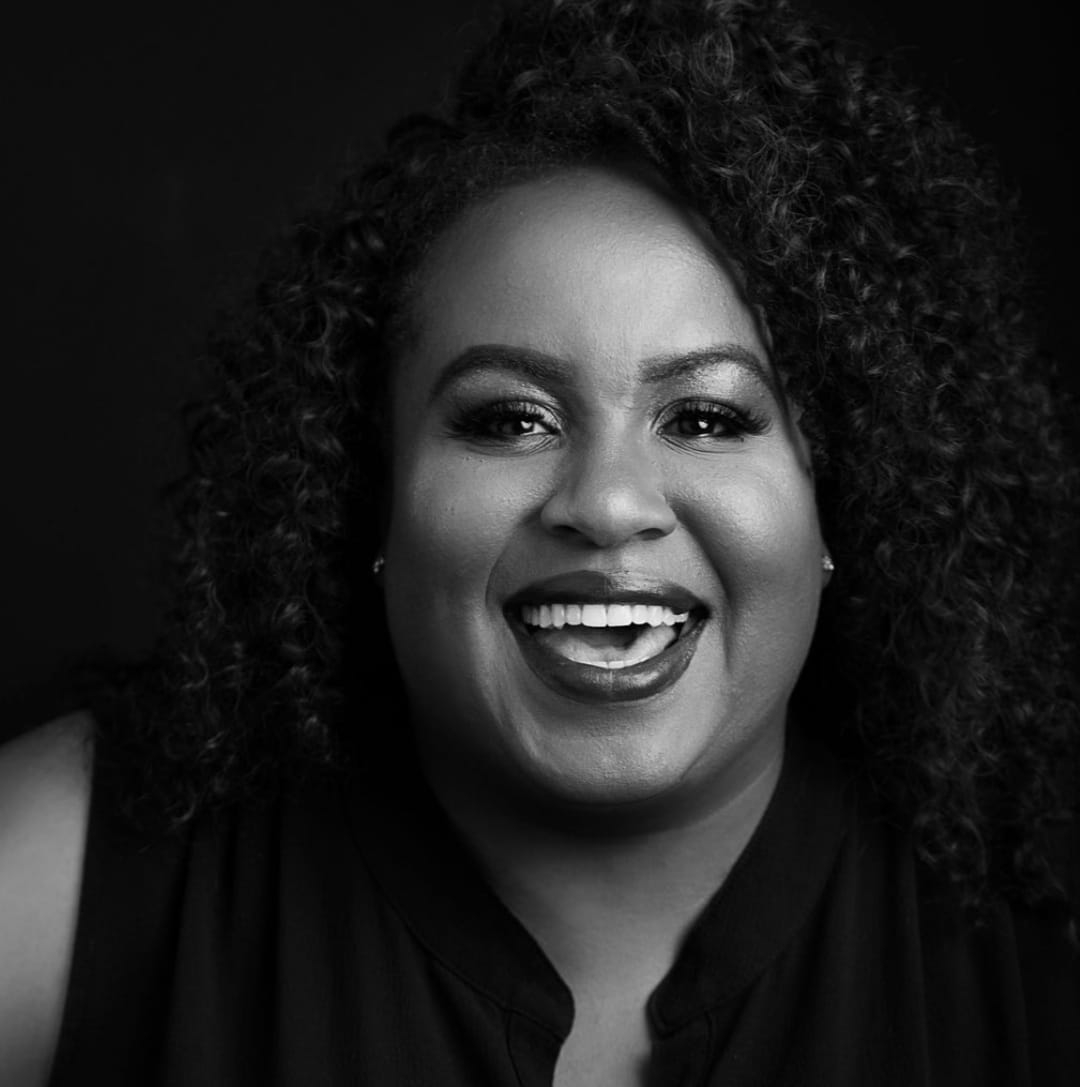
Yes, I have been able to create a full-time living from my creative work, but it wasn’t an overnight success. It took time, intentionality, and the willingness to make tough decisions along the way. One of the most essential pieces of advice I received was from Dr. Louis Rackoff, head of the theatre department at the University of Southern Mississippi, when I completed my MFA. He told me to stay productive, seek out the most exciting and healing storytelling work, take strategic risks, and create environments for creativity to flourish—even if that meant working outside traditional or commercial market areas. That advice guided so many of the decisions I’ve made in my career. Read more>>
Kym D
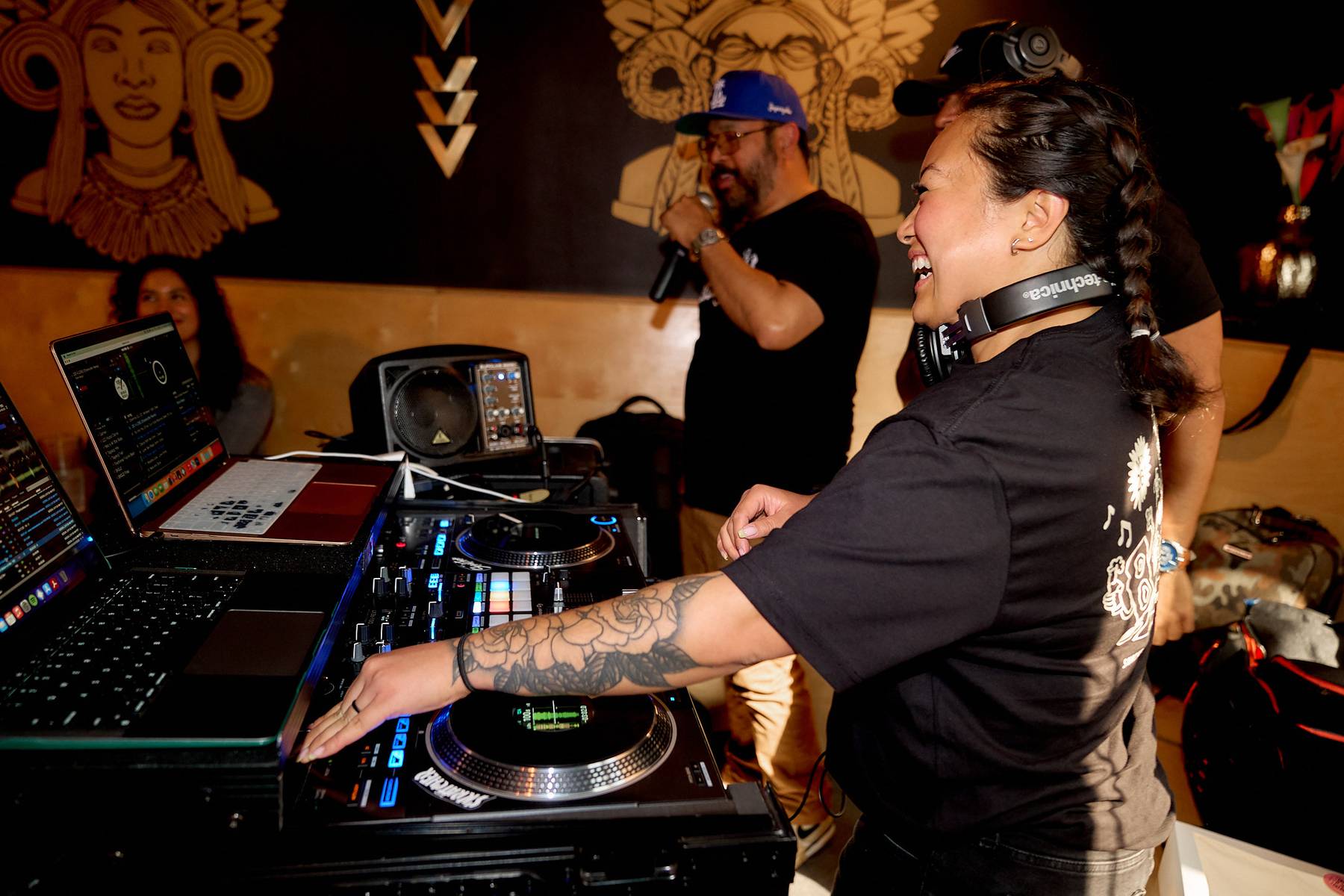
It took 17 years of trial and error to get here. I knew at an early age that I wanted to make a living off my creative passions but I had no idea what that looked like and I had no idea where to start. The important thing is, I started. I’ve done everything from selling mixtapes, handmade greeting cards, apparel, vitamins, graphic design, and so much more. I could have sped up the process by actually slowing down because I was in such a rush to “get there” that I made a lot of costly mistakes. Read more>>
Michael Hill
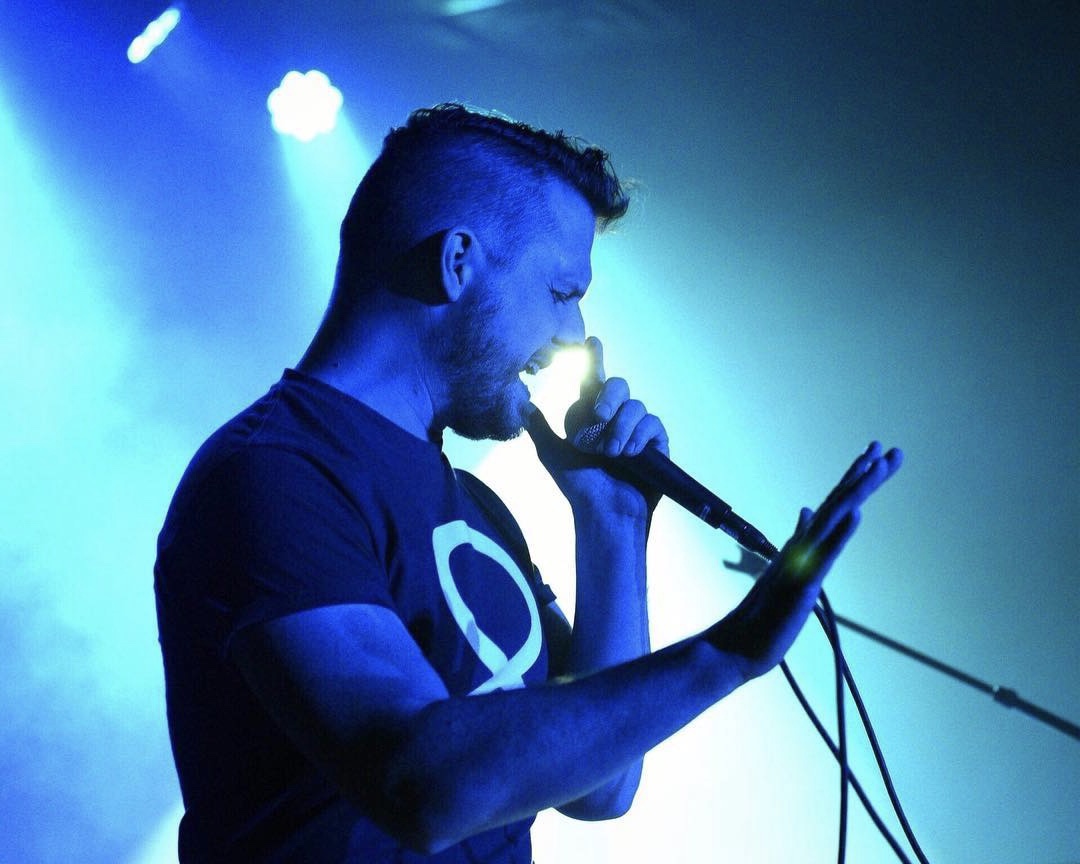
Given the nature of what I do as a creative/performer, one of the only metrics of success talked about often is fame. But since I was probably 15 years old I realized fame was more of a sacrifice than it was a perk. Even so it was a sacrifice I was willing to make if it meant I got to spend all my time doing what I loved. That is, until I started discovering more underground artists and realized you don’t have to be a household name to live off your art. With the idea of waiting to be discovered or getting signed to a label becoming less and less relevant, it gave me the confidence and the vision to pursue a full time career in music on my own. The music industry unfortunately is notorious for not paying artists properly (getting paid in exposure or 0.003 cents per stream) so one way I was able to bring in more income was through writing and producing for other artists, studios and labels. Read more>>
Nina Raizel Hartman

My journey into jewelry started back in high school when I became fascinated with gemstones and metals. During high school I studied at Pratt Institute for a summer, and went to Rhode Island School of Design (RISD) for college. After college I moved back home to Seattle in 2014 and thought I would be instantly successful starting a jewelry business and selling production work. I was not. I started renting a studio and making jewelry, but realized running a business was more difficult than I imagined, and I didn’t know anything about marketing, pricing, or financing. So I started working for other jewelers. I got my first job at a jewelry supply shop, and then worked for independent jewelers and bigger jewelry shops including Blue Nile, Greenlake Jewelry, Crane Jewelers, Valerie Madison, and Micki Lippe. I learned most of what I know from working for other jewelers. I also spent a lot of time in my own studio working on my own designs, and eventually taking on more custom work and repair work. Read more>>
Jules Fleming
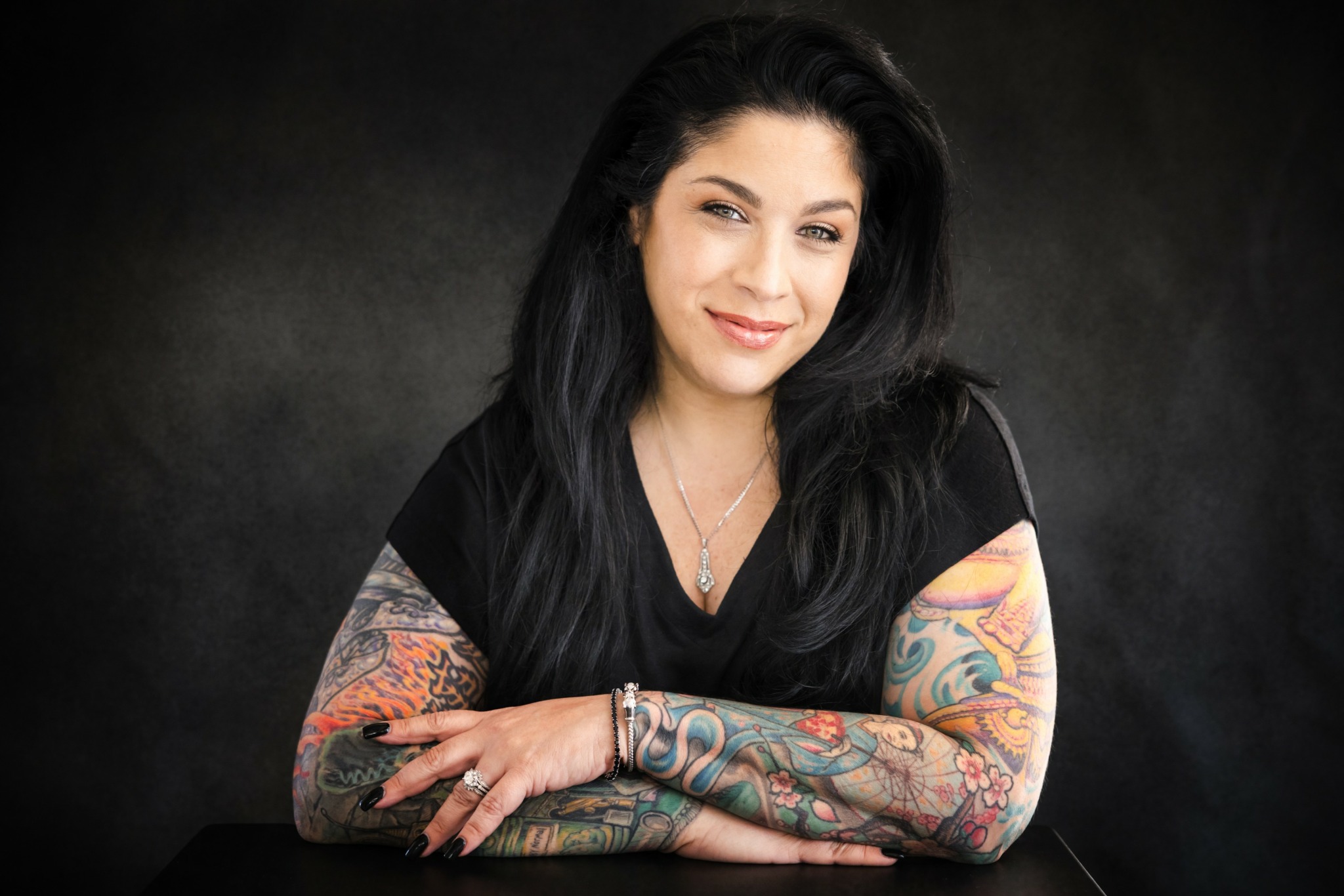
Yes, I am a full-time makeup artist and hairstylist, and I’m proud to say that I’ve built a sustainable career in this field. I work across a variety of areas—bridal, editorial photography, lifestyle, production, special FX, and more—allowing me to bring creative expertise wherever hair and makeup services are needed. My journey wasn’t instant; it’s taken years of dedication and growth to reach this point. It all began with cosmetology school while I balanced jobs in the restaurant industry to support myself. Along the way, I worked with several cosmetic brands in roles focused on product education and training, which honed my skills and broadened my industry knowledge. Read more>>
Spencer Brewer

I had learned at an early age that if I played the piano well enough (with flair and verve) that people would pay to hear me, so I started doing simple gigs in my late teens. Little did know at that time that I also had a natural penchant for business. In my 20’s I played around Austin & San Antonio, wrote a musical, played for modern dance companies (all my own compositions and improvs) while being a hippy; doing all those activities. I was determined in my 20’s to ‘make a record’ so eventually found a sponsor/partner, researched the record business and started a boutique label. We shipped out thousands of records (1982), had over 50 distributors and signed a small handful of like artists. Sounds impressive, but it was a mom & pop operation….which took a lot of time. Very quickly I learned that I was doing 80% business and 20% music (not what I wanted), so sold the label and my next seven records to my largest distributor, Narada Records. For the next 15 years I rode the ‘New Age’ music craze wave having two #1 records, playing hundreds of concerts and learning the music business. It was quite a ride. Read more>>
Gaby Azorsky

I have been living my work full-time for a year and a half, part-time 4 years prior “on the side”, and just after the 1st year mark I started being able to support myself as a full-time living. It has been incredibly rewarding to be able to support myself, I am very proud of this semi-recent accomplishment. After creating many different offerings over the years (one on one sessions with clients, group courses, monthly membership communities, a podcast or two), all of them being heart-led, they each have brought lessons and blessings that I’ve brought with me to the next one. A few steps that would have helped me sooner would have been establishing a profit and loss statement early on, even if you don’t have much income or expenses yet, and not putting any pressure on my practice supporting me full time. Having other work coming in, freelance from my previous career and gig-jobs, were incredibly helpful in supporting me in the meantime. Not being afraid of that. Read more>>
Chelsie Tamms
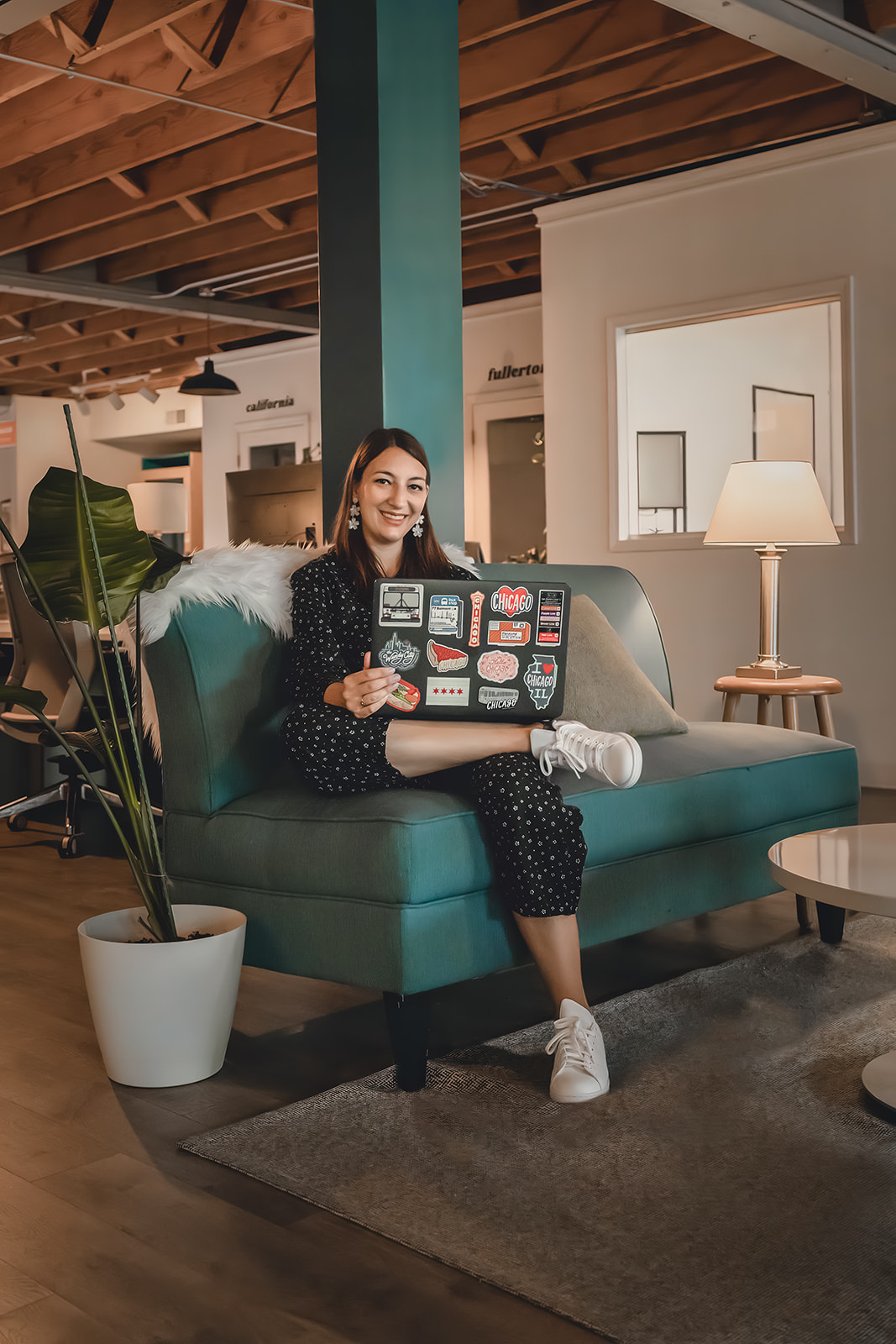
Since graduating from college, I have only ever worked for myself. I bypassed the typical 9-to-5 job and have been able to earn a sustainable, full-time living from my creative work since the beginning. That isn’t to say that it has been easy or that I made a lot of money from the start. I was fortunate to have won $10,000 in startup funding from Bradley University in Peoria, Illinois when I was a senior in college. I used this funding to establish my business, Lettering Works, and it gave me the flexibility to build my business the way I wanted. Having a runway of funds allows you to be more selective about the work you take on and releases some of the pressure to make money right away. I grew my business in Peoria for the first three years, which was helpful because Peoria has a low cost of living. While I didn’t make as much starting out, I was able to easily cover all of my expenses. From there, I was able to move to Chicago and scale my business to over six figures annually. Read more>>
Laura Thompson
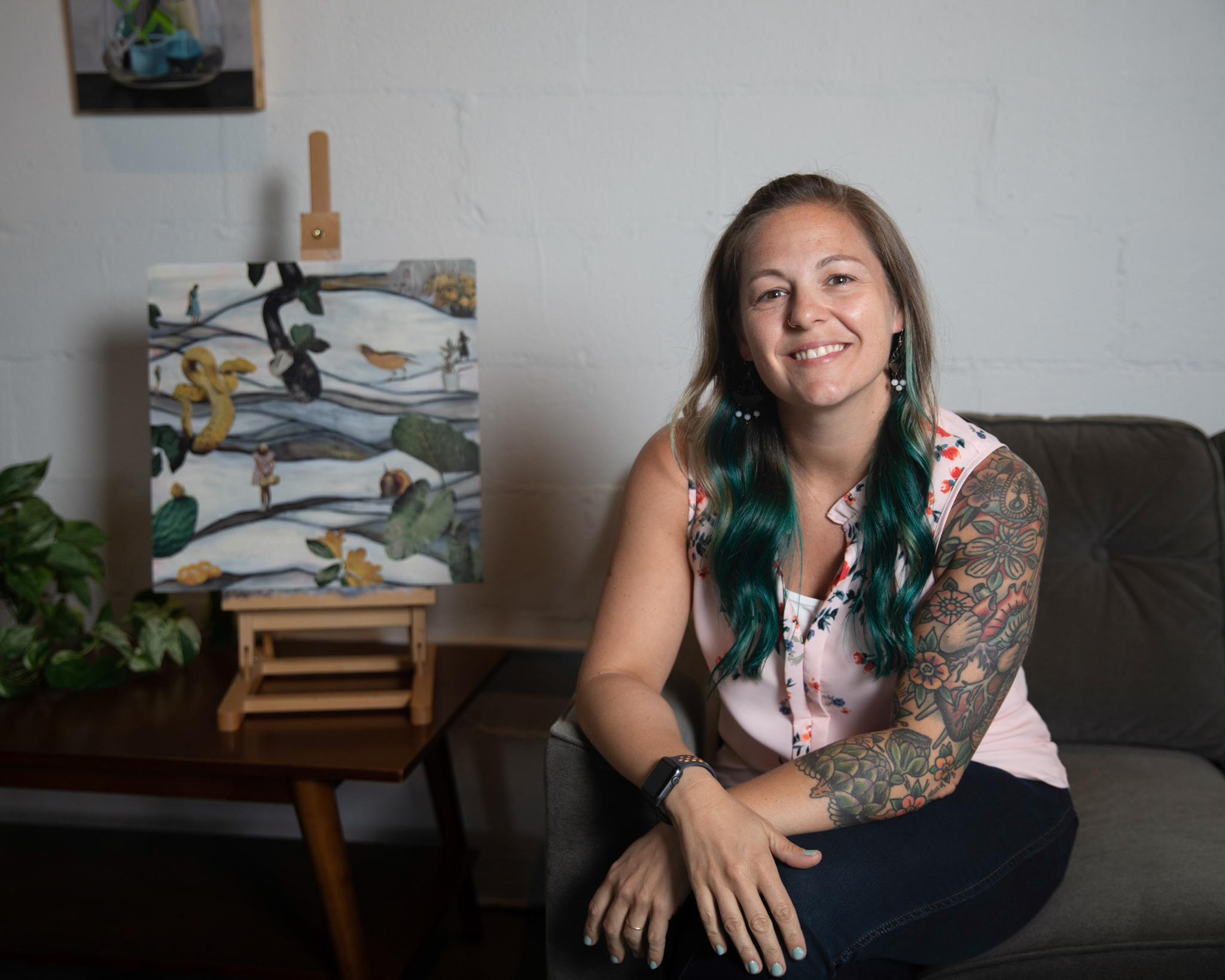
I took the plunge into being a full-time artist at the end of 2022, so I’m approaching my 2 year mark. Over these past 2 years, I have learned a TON about what it takes to be a full-time artist, what I want (and don’t want!) to do, and how important it is to be discerning when it comes to opportunities. My first year was a “throw spaghetti at the wall” kind of approach. I launched my website, attended a lot of networking events in my area, told everyone I met what I was trying to do, and kept an open mind when offered projects. If it was art-related, I named my price and went for it if the partner was game. This led to several wins and a few critical fails that helped me reorient my path. A few fails: – a couple teaching gigs that made me realize that I didn’t want to work in higher ed settings (or grade another art project EVER) – a series of workshops held at various local businesses that were not helpful in marketing and therefore resulted in low attendance that wasn’t profitable Read more>>
Matt Ackerman

I would say my journey has been a work in progress. Initially, I focused on the service and repair side of the business, which aligned well with public demand—there’s always a need for guitar repairs. This provided a steady stream of work and allowed me to build my reputation. Within a year or two, I was able to establish a full-time income that contributed to my household. However, I experienced a significant pivot when I ventured into building instruments. That’s where I discovered my creative passion. But transitioning to launching a new brand is quite different from repairing existing instruments. I quickly realized that there wasn’t enough revenue from repairs to both support my family and finance the development of a new product line. Read more>>
Billy Bernal

Making a living as an artist has both rewarding and challenging. I’ve had the creative freedom to fully express myself and explore my creativity without any constraints from working a typical 9-5. I’ve been able to create my own income based off the different jobs/procedures I do on clients This has been anything from Microblading down to those cute little freckles everyone wants. Through my journey I have come to moments where business has been a little slow so this forced me to get even more creative and set up a new deal or promotion to keep my name relevant. It is extremely crucial in this day and age to market yourself on social media, get your name, face and body of work out there so you can stand out from the rest. Though it was been tough I wouldn’t change my life for anything different Many artists find joy in the impact their work has on others. Whether it inspires, provokes thought, or simply brings beauty into the world, this connection can be profoundly rewarding. If you’re not willing to put yourself out there and put in the work to do it all yourself this industry isn’t for you. It is with the love and support of my loved ones that I have been able to keep my business afloat. Overall, being an artist is a unique journey that requires passion, perseverance, and a willingness to embrace both the highs and lows of the creative life. Read more>>