


Wanting to be an artist or creative is step one. Following through means investing in learning your craft, but we’ve heard from so many aspiring artists and creatives who feel unsure about where to start and so we’re incredibly grateful to the artists and creatives who’ve agreed to share their stories of how they learned their craft.
Madison Wade
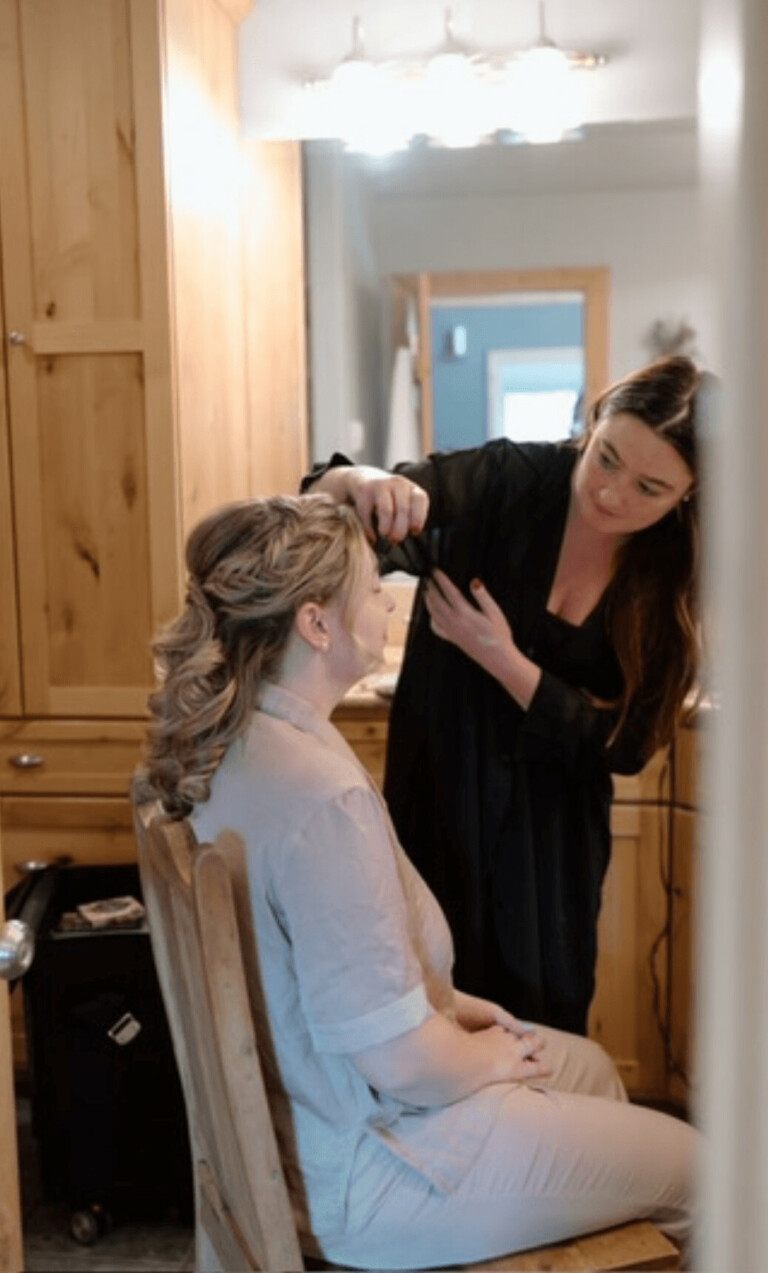
As a hairstylist, I learned my craft through a combination of education, hands-on practice, and continuous learning. I went to the Aveda Institute in Denver and had a great experience learning the ins and out of the industry which was a 1800 hour program. After school I jumped into an apprentice ship program and spent 2 1/2 years learning from the best mentors and taking on going classes. I believe as an artist the learning does not stop which is also the beauty of being an artist. Looking back I appreciate the time I took to master the craft and I love to educate others and keep learning. Some obstacles I faced was being hard on my self as an artist it is okay to make mistakes. Read more>>
Gina Michnowicz
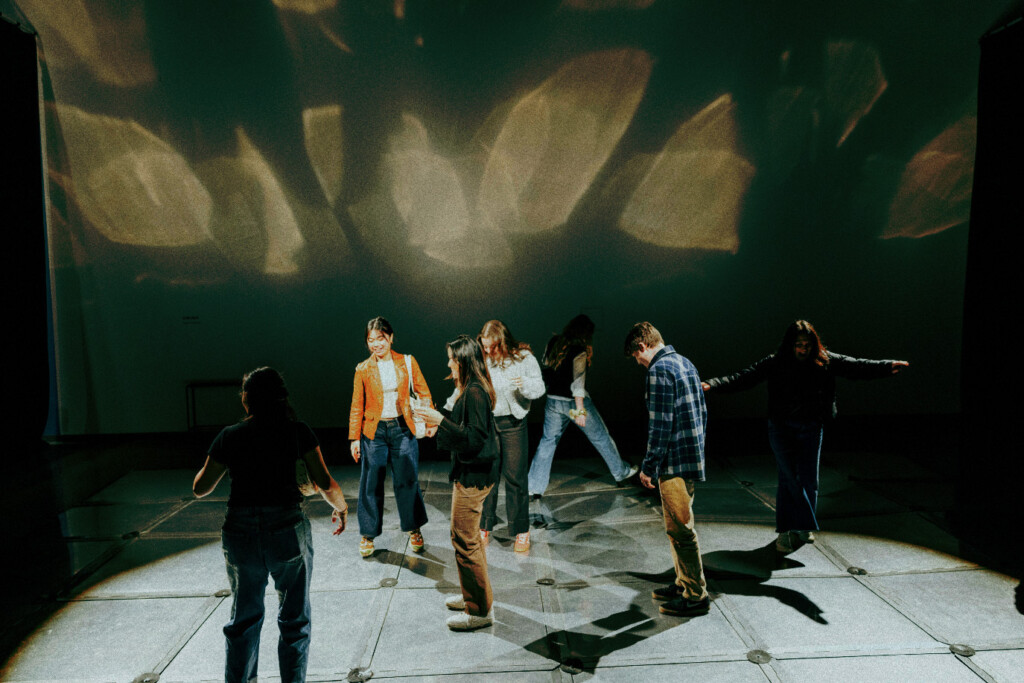
As the executive creative director and owner of The Craftsman, a small but mighty brand consultancy and creative studio, I need to be a Swiss Army knife. Every day, I must lead and collaborate with our team and clients, offering my creative vision, love for brand storytelling, and ability to come up with big ideas that connect with our clients’ audiences. Read more>>
Theoretic (the Band)
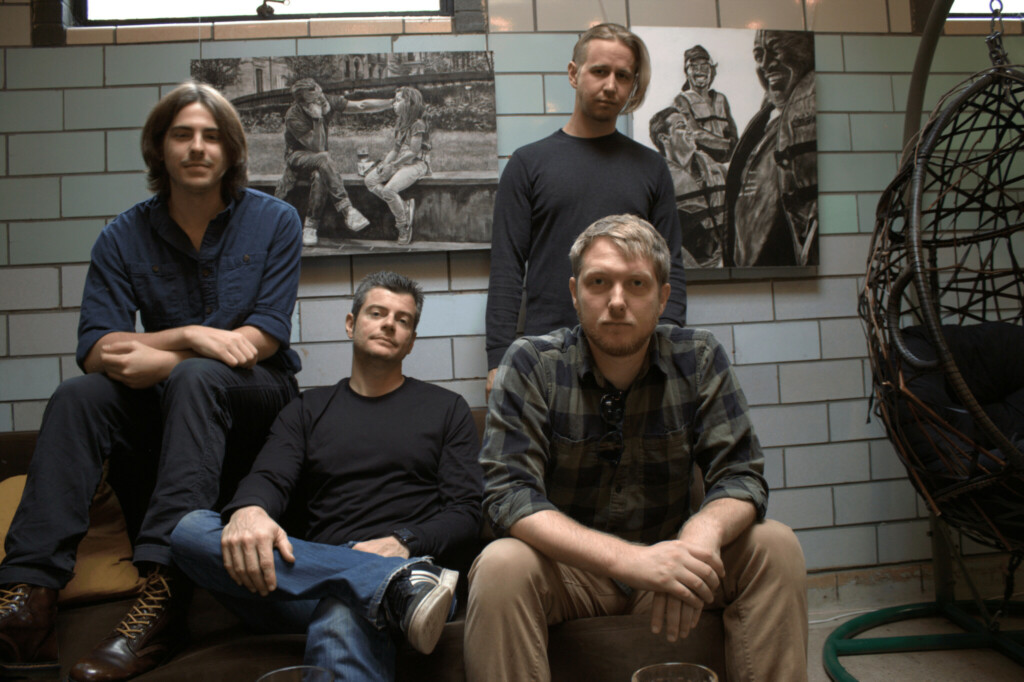
As individual musicians, we derive our musical knowledge from a variety of sources. Some of us hold post-secondary degrees in music, while others of us are self-taught at our primary instrument. We all have a decent foundation in general music theory, however, which is helpful during our collaborative writing sessions. To perhaps state the obvious, we each gained mastery of our respective instruments through the time-tested method of putting in the hours and hours of struggle and frustration required to learn an instrument. Read more>>
Chanel Bee
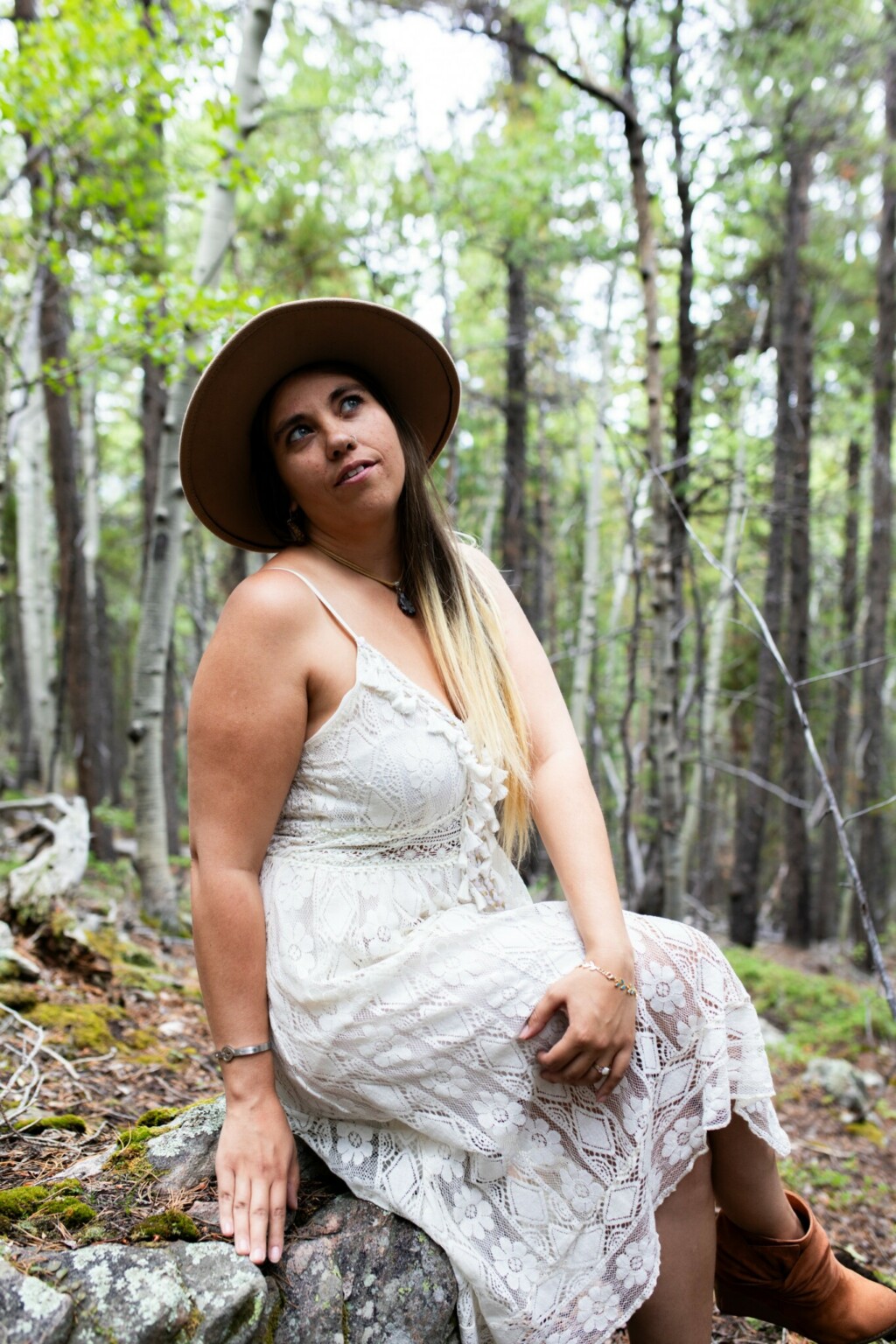
I’ve gained my knowledge through lived experience, formal education, and a willingness to dive headfirst into new opportunities—ready to learn and get my hands dirty. When I left corporate cannabis, I knew I wanted to create. I had made festival glasses for friends, and I realized I had a network of people who would appreciate that kind of work. So, I took the leap into art. Read more>>
Wayne John-baptiste
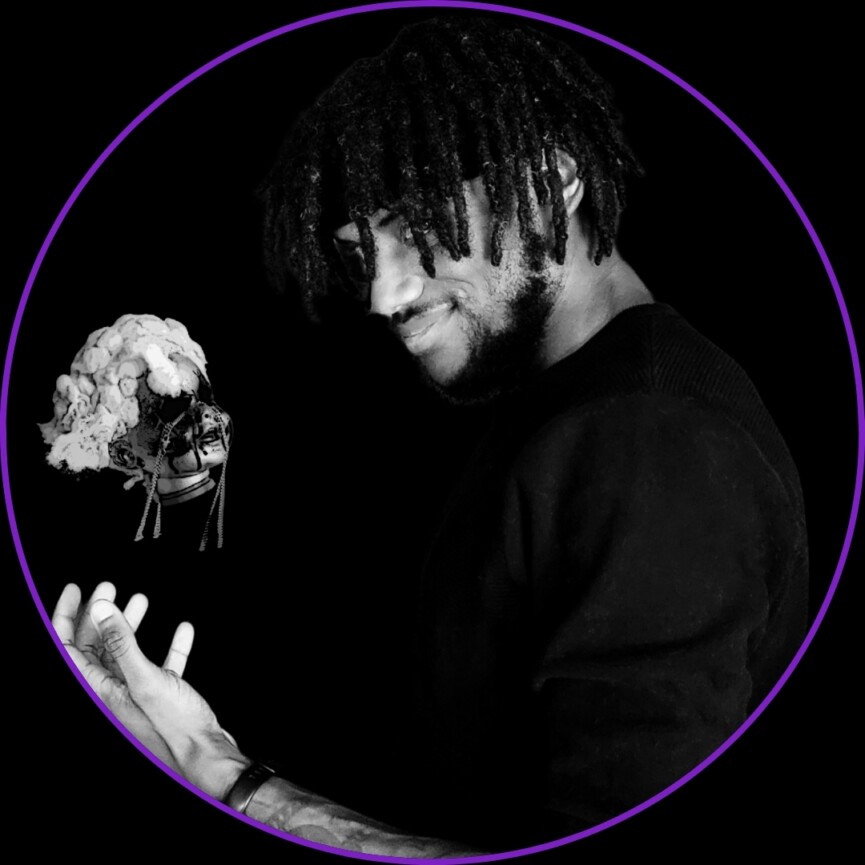
I learn most things through trial and error. Financially, any post-high school education was off the table for me, so I had to learn through experience. I have always utilized whatever I have to create. Much of that creation emerged from struggle. Working with limited resources, each breath I took, brought life to my work. Learning must occur at its own pace. Despite all my struggles, hardships, and tough choices, I wouldn’t change anything. Taking my time allowed me to explore various areas of interest that enriched my writing. Some may see my process and call it slow, but I now possess a deeper understanding of multiple topics, which I believe translates into the high-quality work I produce. Paying attention to details and thoughtful observation are crucial to my progress. Read more>>
Myles Byrne-Dunhill
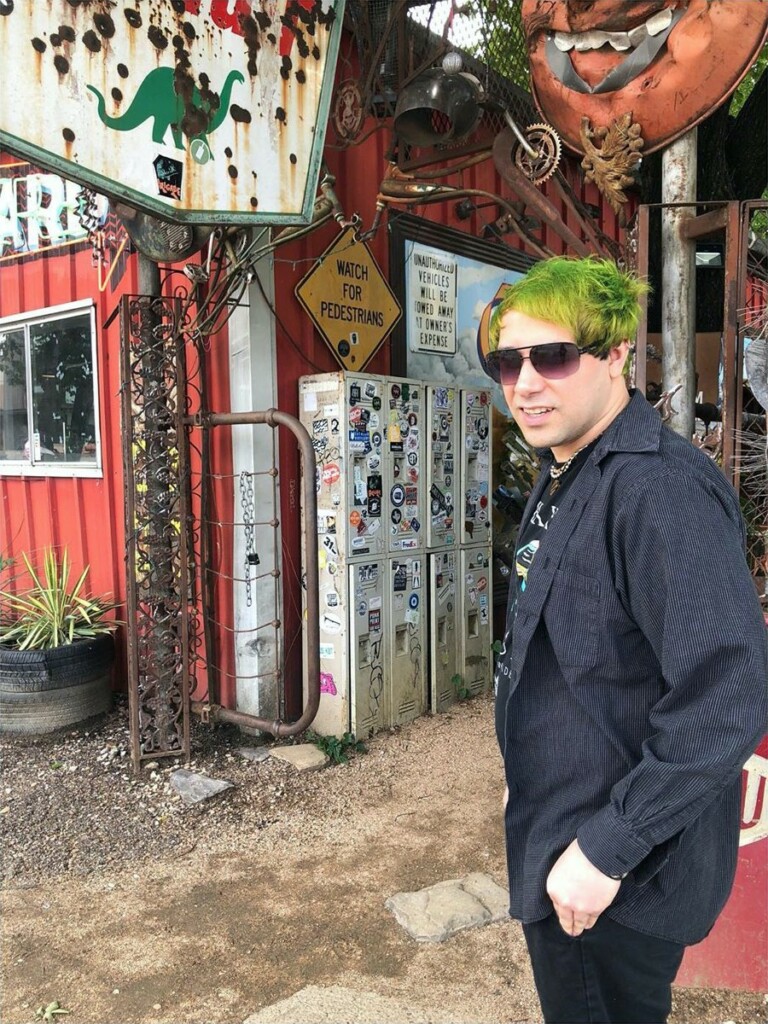
I think the most crucial thing anyone can do is to follow their intuition. It’s so easy to get hung up on what other people’s expectations are going to be or how they might perceive what you are doing, but holding onto that initial spark and trusting that feeling deep in your guts will ultimately bring you fulfillment. Read more>>
Ian White
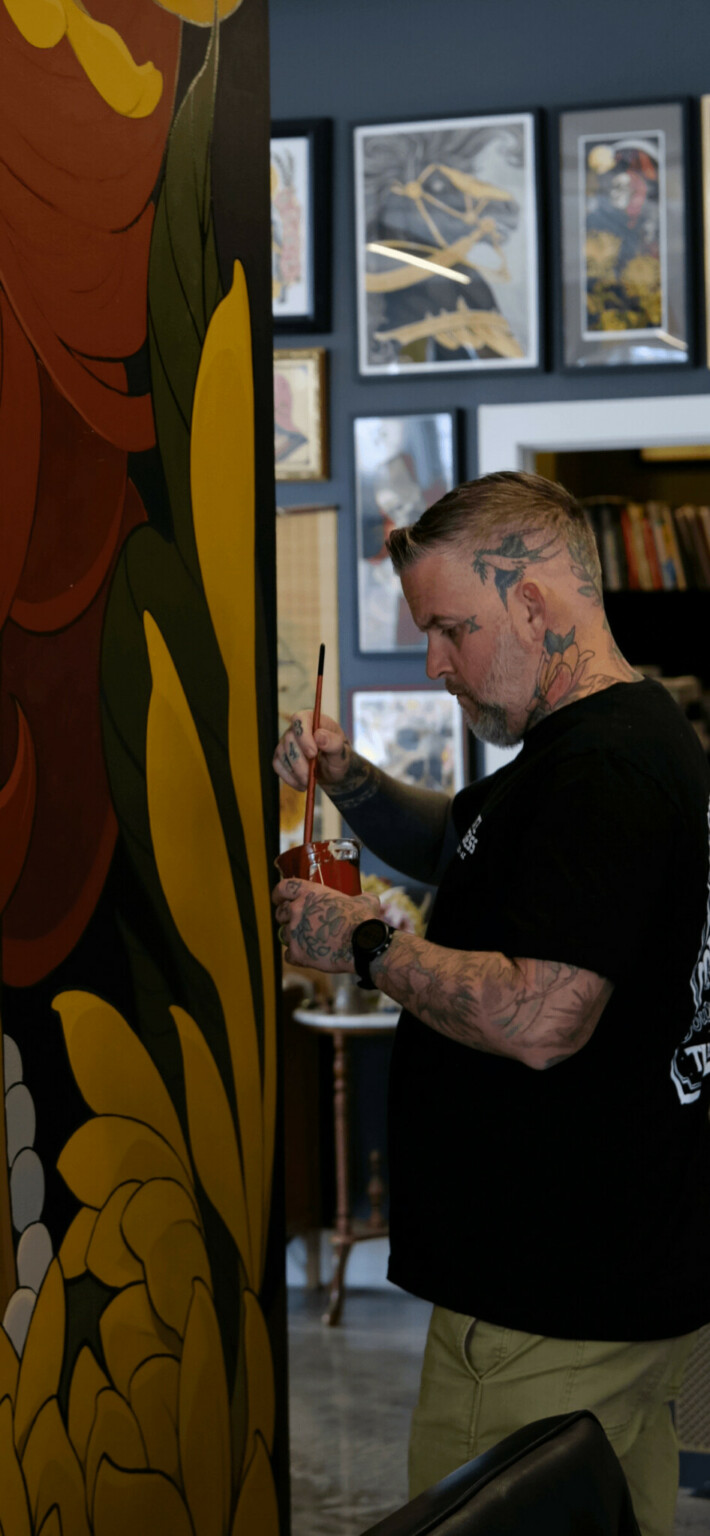
I wanted to be a tattoo artist since i was probably 5 years old. That said, i started my apprenticeship at 25, which would be considered a touch late to some. After sidestepping my fears of rejection, i got my foot in the door at a great shop that i had been getting tattooed at. First steps of most apprenticeships is to learn how to clean the shop. Then i moved on to learning to make tattoo needles by soldering them, tuning tattoo machines, and setting up stations. Tracing old flash designs, making my own, and a lot of observing was spread throughout it all. About 6 months in i was able to bring in my first person to do a real tattoo on. Read more>>
Jodi Mason
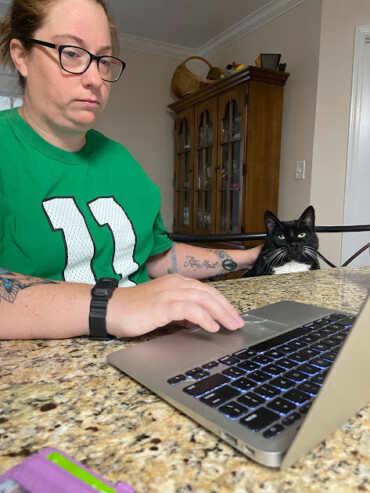
It was a lot of trail and error mostly. I could have watched Youtube videos or tutorials, but podcasting is a lot of trial and error. You don’t know what people will like until you try it. You just have to do it and hope that people listen. I think that having a creative and open mind was the most essential things because it allowed me to pivot when something didn’t work out. I didn’t get upset. I moved on and tried something new. The hardest thing to overcome was procrastination. I had to make myself to do it, and convince myself that I could succeed if I just tried. Read more>>
Natalie Girard

I started acting and singing when I was about seven years old. I took singing lessons, joined a community theater, and eventually found acting classes. Getting into any kind of acting or singing class is a great way to build awareness and technique, but I’ve learned that this isn’t a process meant to be sped up. The more training and experience you have, the more tools you gain, but at the end of the day, what makes your work exciting to watch is you—bringing whoever you uniquely are at any point in life to the work. That’s what gives it a point of view. Read more>>
Rachel Mclaughlin
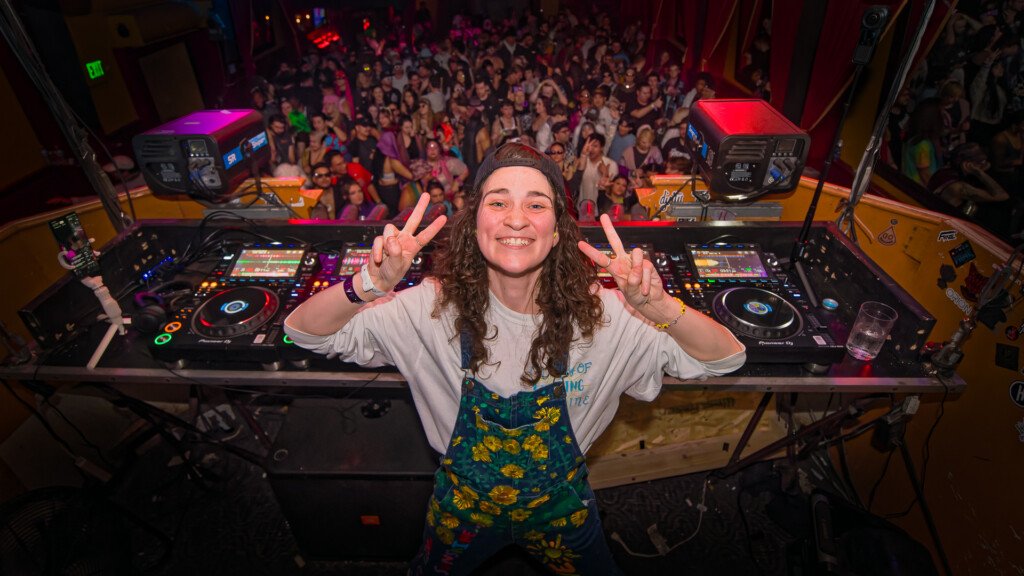
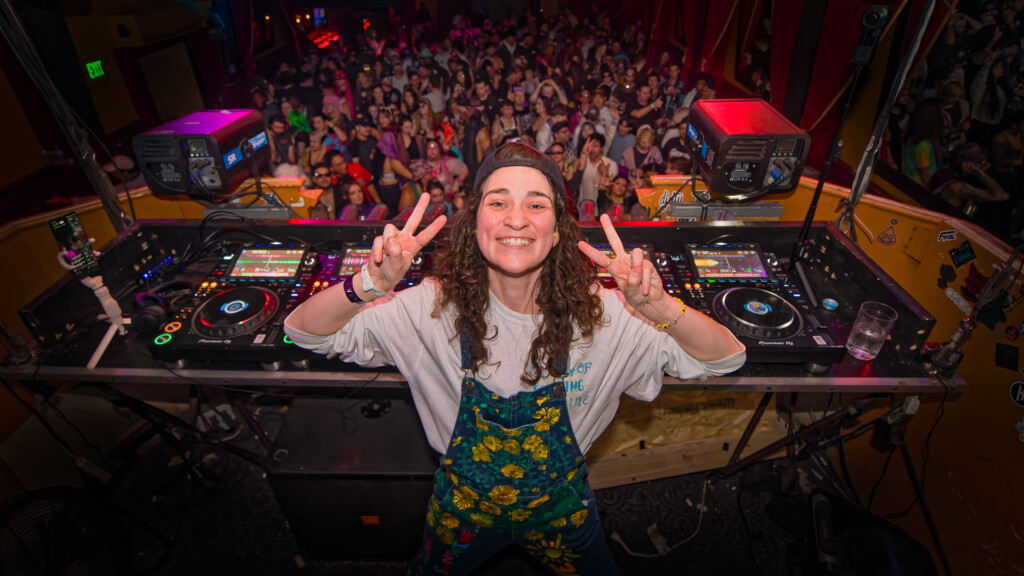
I learned what I learned by originally wanting to work on a collab track with my partner, That Derrrt.
It started out with a basic transition and learning how to chop between two different songs. From there I learned how to load up a track, and how to mesh and blend two different songs. And then it was about building a playlist and mixing different genres and carrying a flow! Read more>>
Gracie Herron
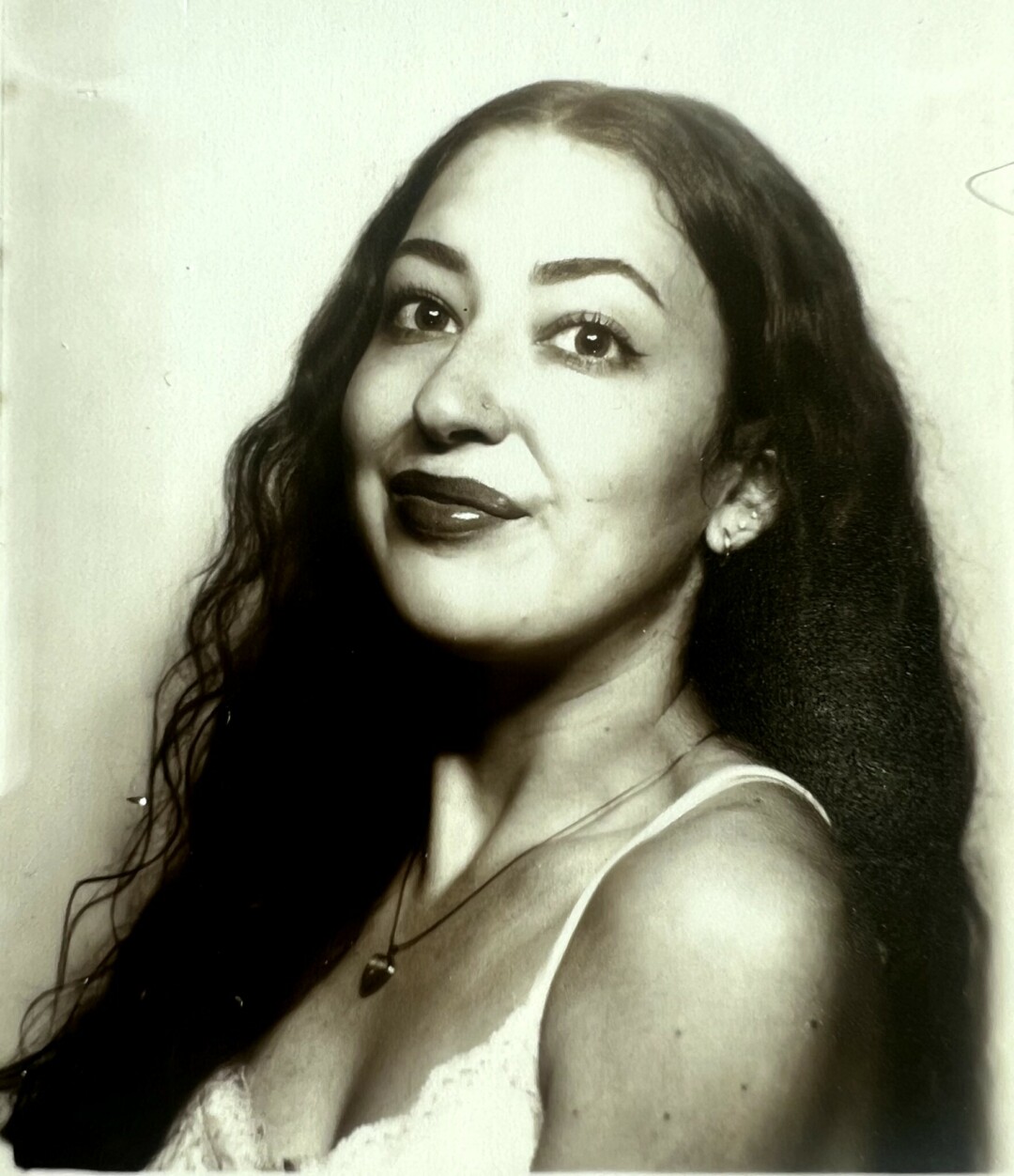
I learned from trial and error, inspiration from others, and a lot of youtube videos haha. I did also take one photography class in college that formally taught me the fundamentals and motivated me to take photography seriously and view it as a potential career. Outside of that, I have learned from practice- doing test shoots, taking photos of everyday life, practicing different light setups and conditions, etc. Gathering inspiration from magazines, social media, and the world around me is also a great tool for learning- seeing how others set up lights, style a set, or combine a color scheme is all helpful information in defining your own unique photo style. Read more>>
Jude Zangel
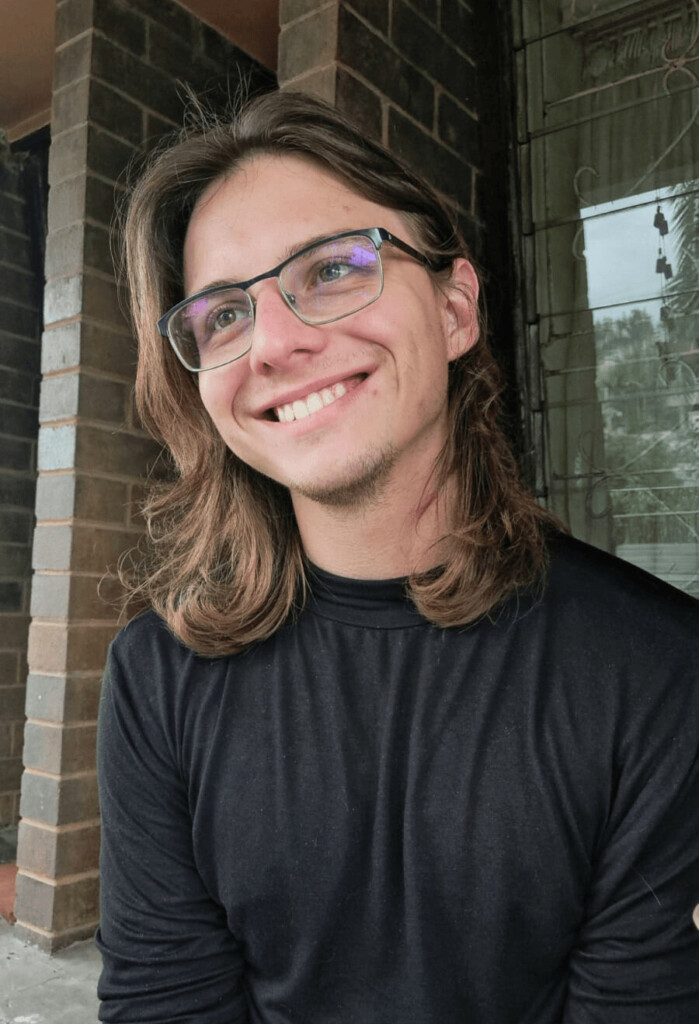
So I am still very much learning and improving my skills, but I learned a lot of my skills from The Animation School (Cape Town). As for 3D, this school taught me (and is teaching me for my final year now) how to create cool models, rigs, and animations and opened my eyes more to the endless possibilities of the digital medium. For my 2D art skills I’d say I’ve learned throughout my life since young, however never professionally, only relying on teaching myself. Read more>>
Drew Cobert
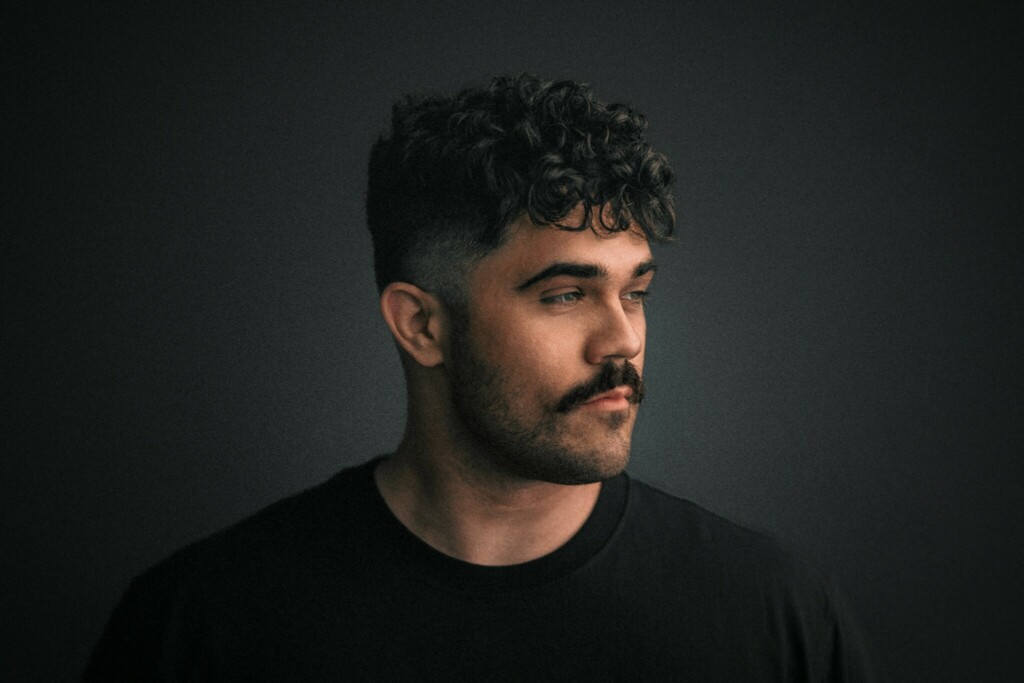
When I first picked up a camera, I was quite intimidated by all of the buttons, settings, and unfamiliar terms. I quickly realized that the best way to learn wasn’t by overanalyzing- it was by doing. My number one piece of advice to anyone looking to get into photography is simple: forget the rules at first, just pick up the camera and start shooting. Read more>>
Carla Falb
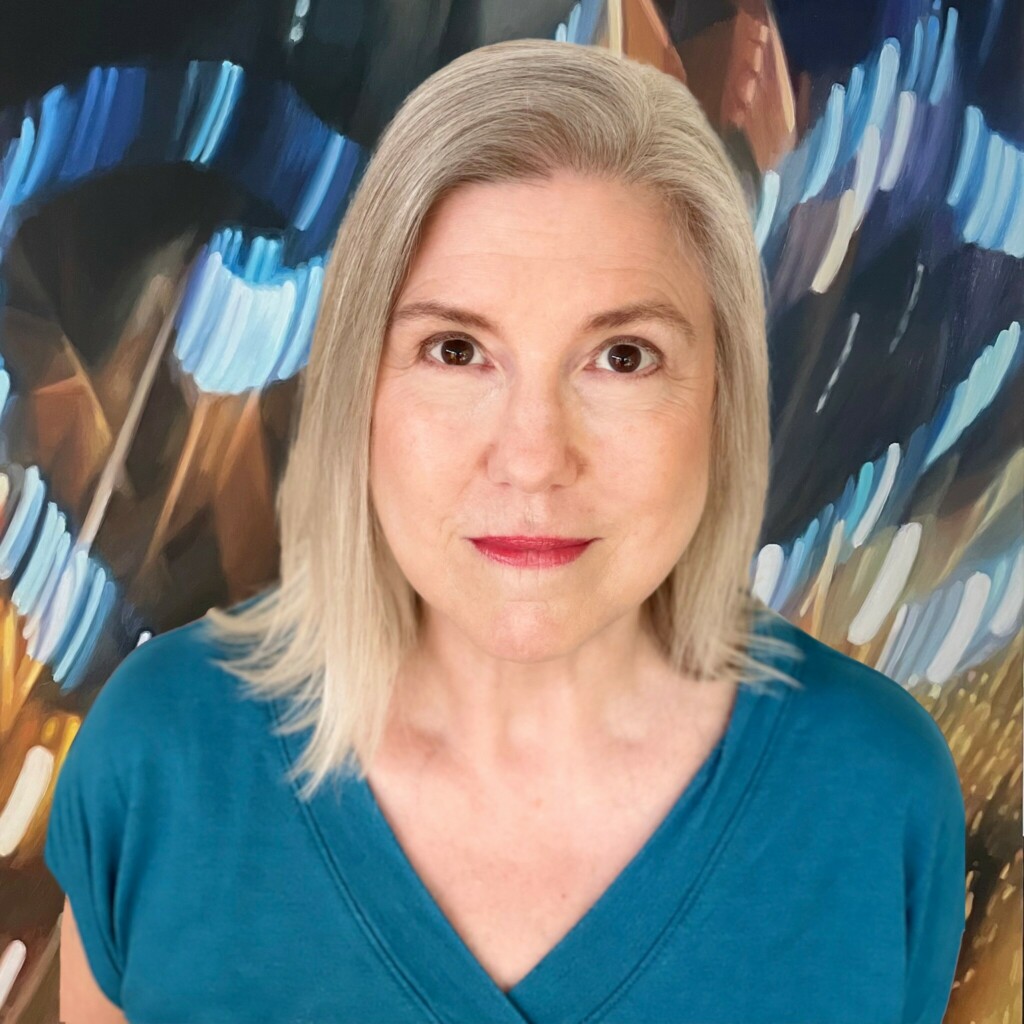
In high school, I had a strong desire to find a creative outlet to explore my identity, so I took a class in drawing and was hooked. By my junior year I was absolutely determined to be an artist, so I applied for early admission, and was accepted to Philadelphia College of Art (PCA) at age sixteen. After spending three semesters at PCA, I decided that I wanted to learn traditional painting techniques, so I began taking my studio classes at the Pennsylvania Academy of Fine Arts (PAFA) – the oldest art school in the United States. Read more>>
Grace Ododo
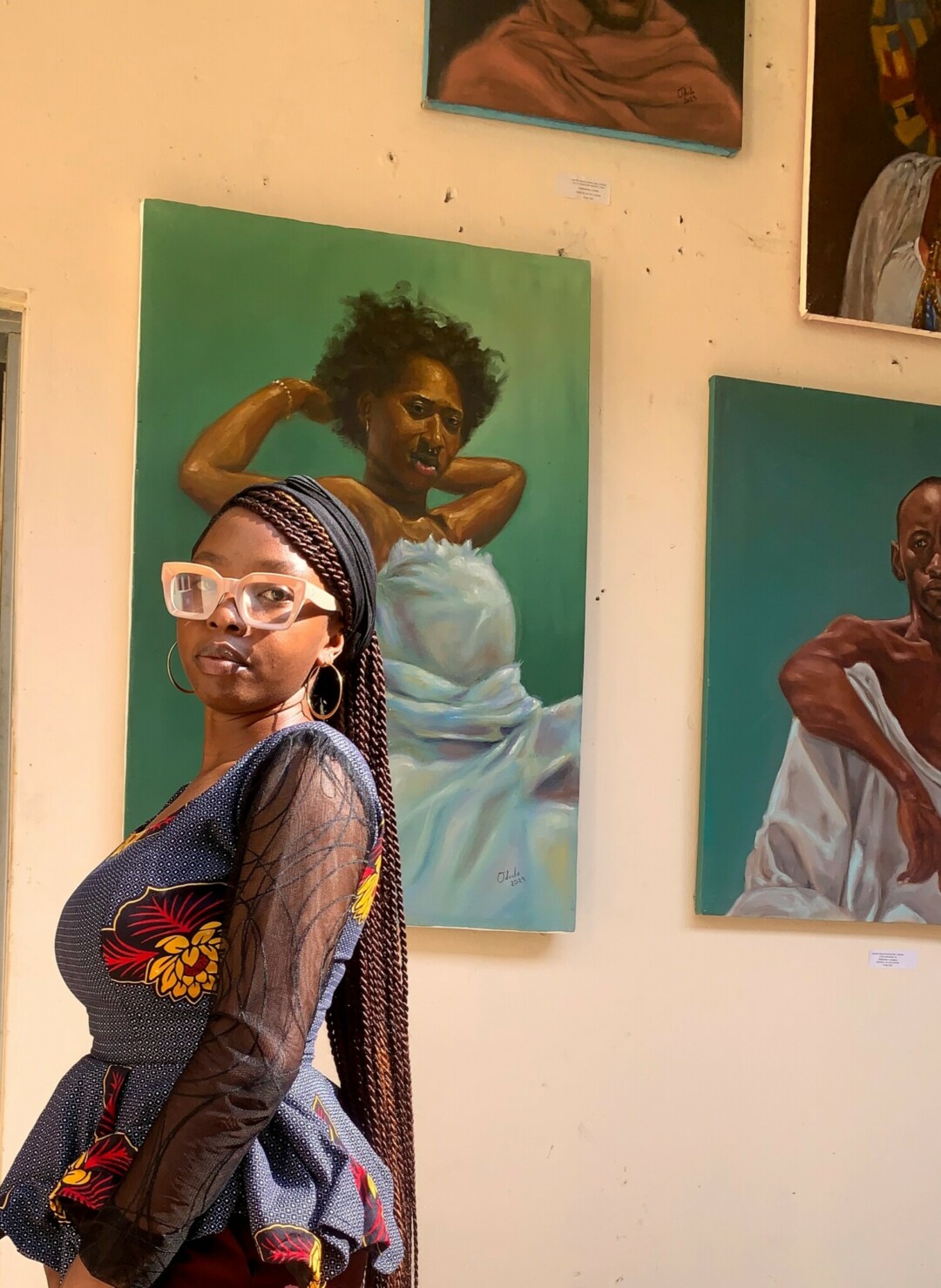
As for how I learned to do what I do, I’d say it was first a gift, then I picked up lessons and tips as I’ve grown.
As a child, I’d always wanted to be an artist, and whenever the question was asked, that was my response. With the support of my family, I was part of art clubs both in my primary and secondary schools and for my tertiary education, I took a 4-year course on visual and creative art at the Federal University of Lafia Nasarawa state. Read more>>
David Quady
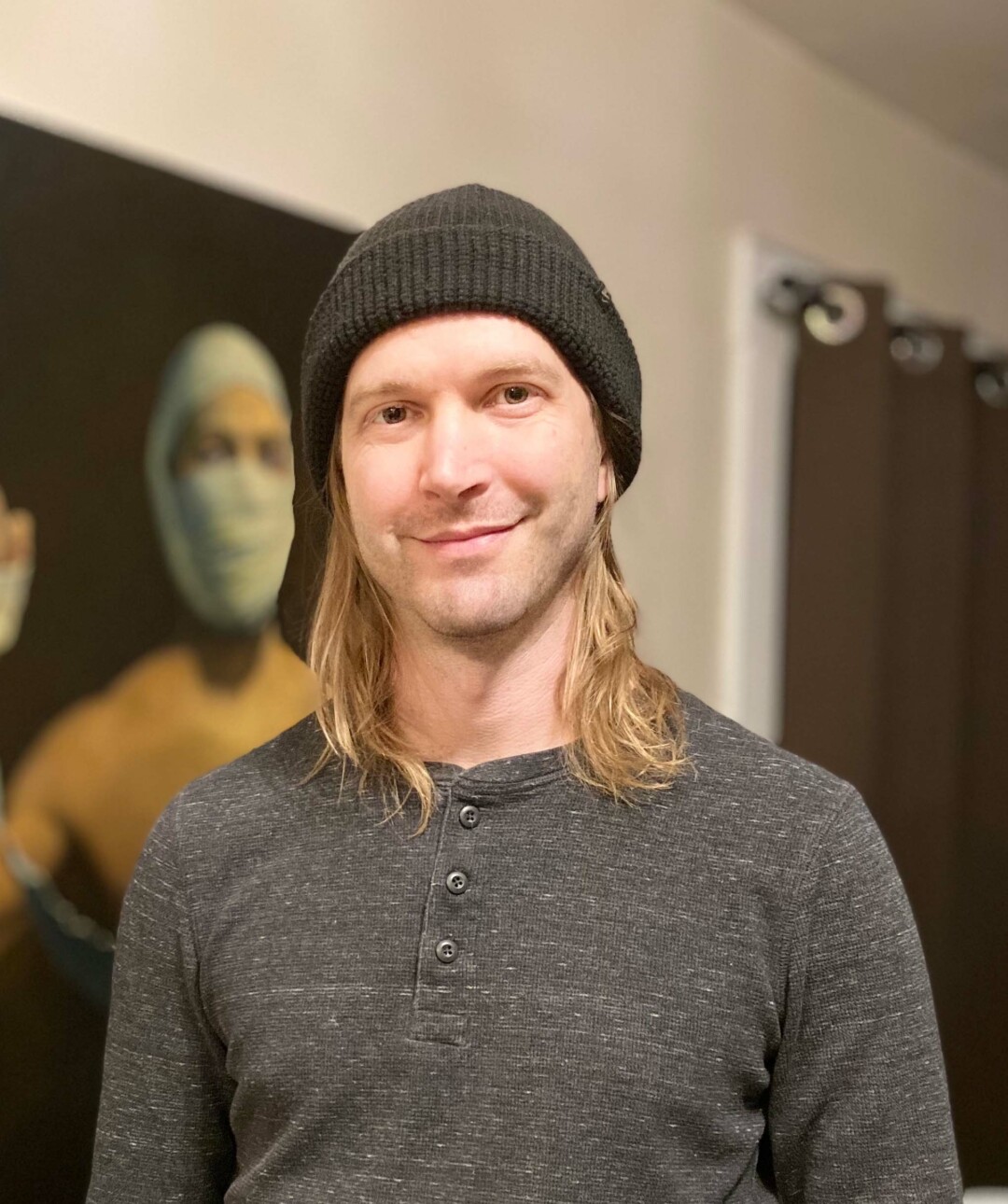
I was fortunate to have an art instructor throughout elementary and high school who consistently encouraged and supported my creativity. She was highly talented and educated and would often give us projects or assignments that were incredibly challenging and potentially highly rewarding and satisfying. I remember once, in probably 5th or 6th grade, she set up a still life in the classroom, full of pumpkins, gourds, metal cups, and fabrics, just an incredible array of shapes and textures, overwhelmingly complicated, and gave us the task of making a charcoal drawing over the following several classes. For anyone unfamiliar, this is a highly advanced and challenging project, the kind you would typically expect to find in a college-level drawing class rather than a grade school classroom. Read more>>
Israel Melendez
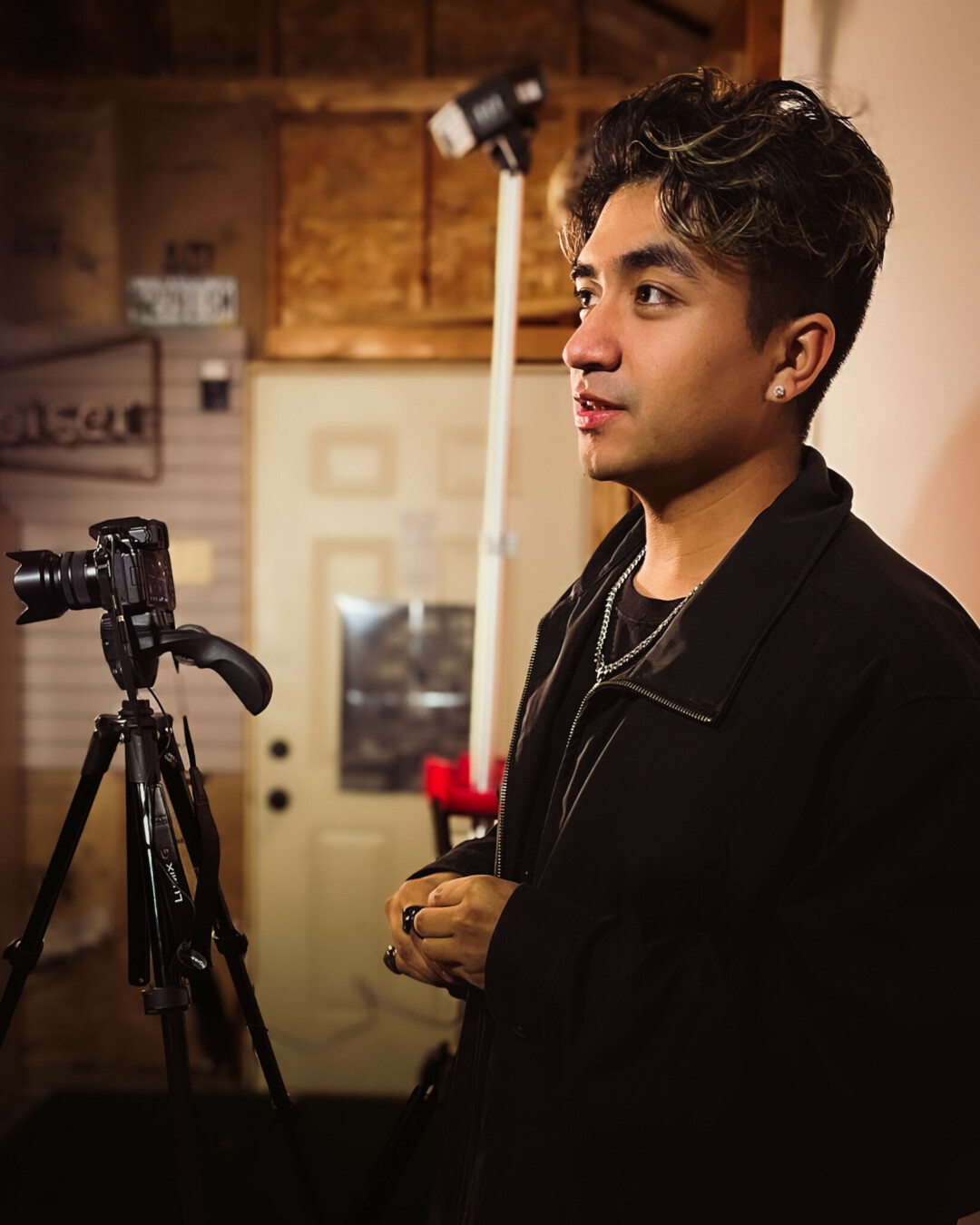
Throughout my final two years of high school, I dedicated the second half of each school day to the Area Career Center (ACC) in Hammond, Indiana, where I took a multimedia broadcasting program. This provided me with my first hands-on experience in filmmaking, enabling me to develop my skills in directing, audio-visual screenwriting, and video editing. My instructor, Stephanie Reiser, a remarkable mentor who continues to inspire me, consistently supported me throughout my projects, regardless of their challenges. She imparted essential knowledge on project production and filming techniques, focusing on commercials, PSAs, documentaries, interviews, music videos, and news broadcasting. Read more>>
Drew Gonzales
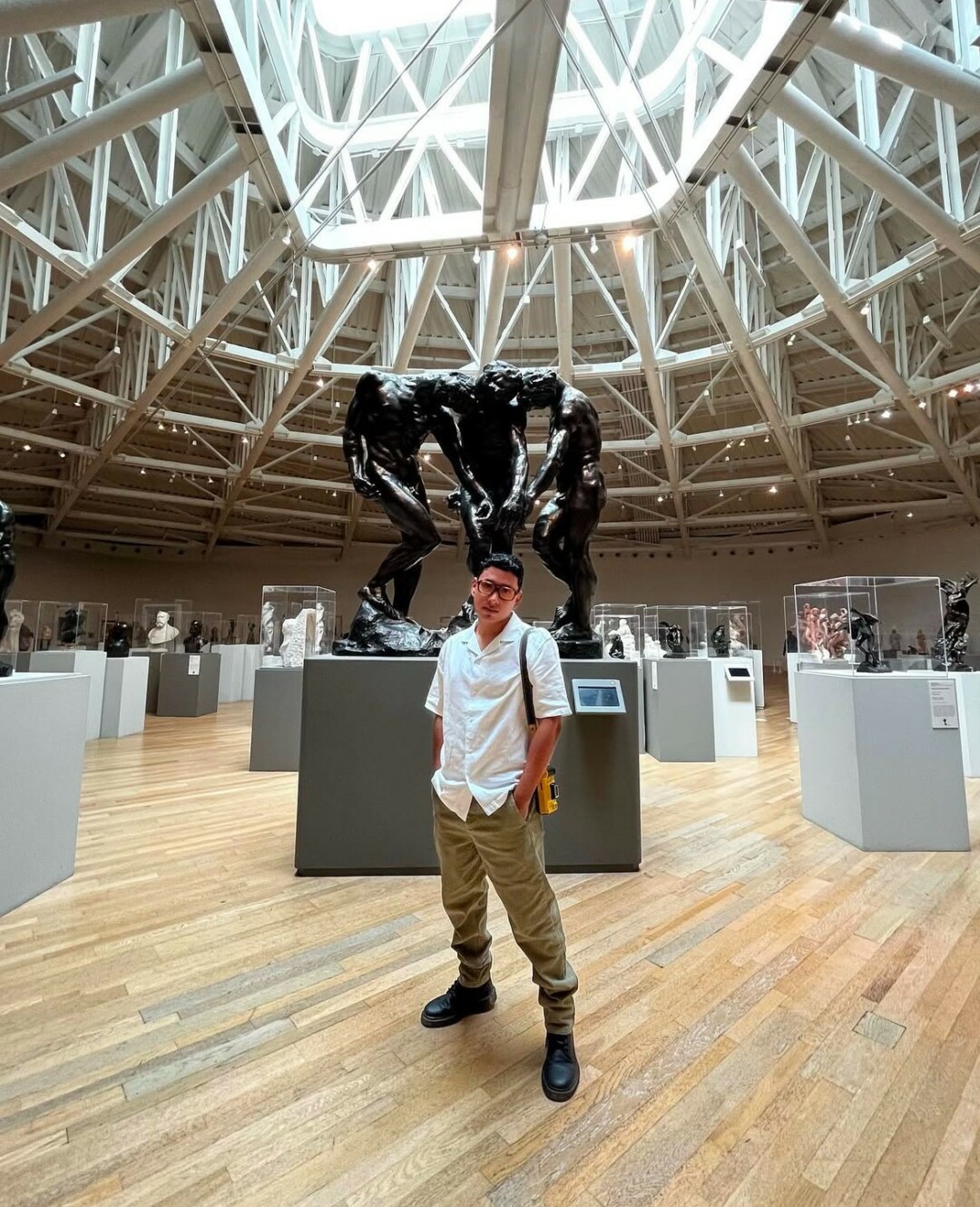
My photography journey has been entirely self-taught, evolving from using my phone as a medium to mastering a DSLR. Along the way, I’ve relied on online resources to help me develop my skills and understand the art of photography. Looking back, if I had the knowledge I have now, I would have taken more risks and used those lessons as a source of creative insight. Read more>>
Terrance Ism
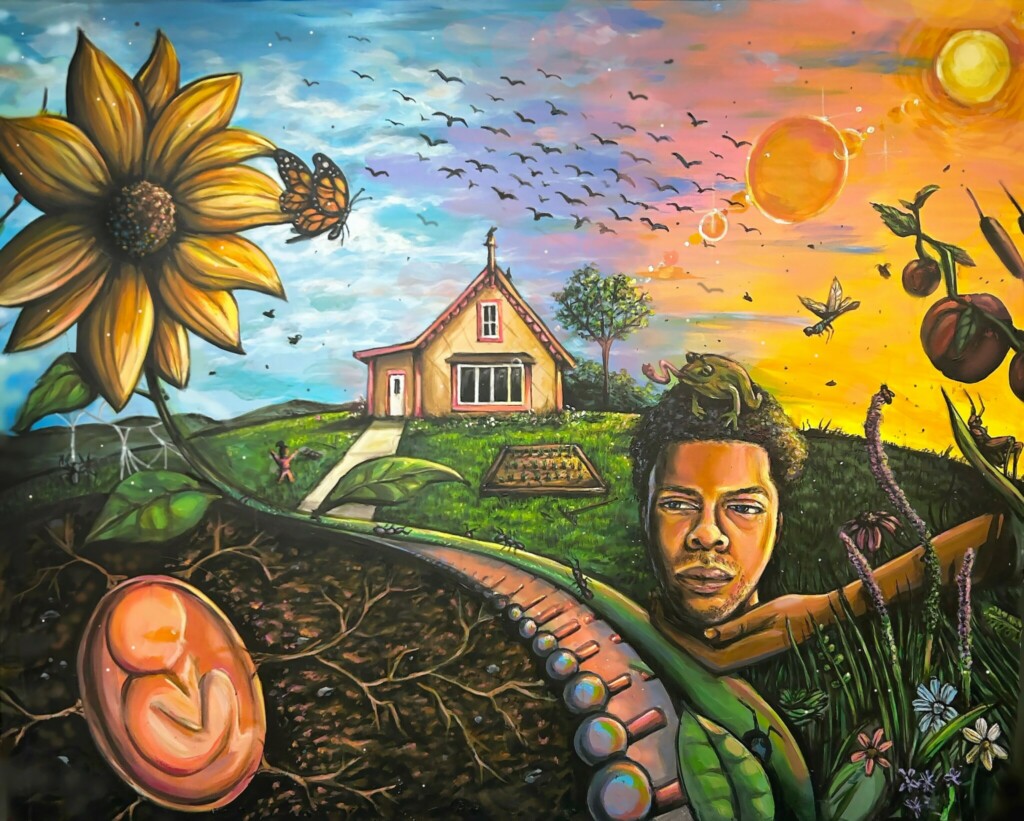
You know, it’s interesting; early on I was a graffiti writer and used to sneak out to climb up buildings and paint on trains, but deep down I wanted to be a fine art painter. When it came to painting on canvas, I was pretty horrible at first, but I knew I wanted to be an artist, so I quit my job to dedicate most, if not all, my hours to painting. There were some weeks when I would paint 10 to 12 hours a day, if not more, to get ready for a show. My theory was that if I front-loaded all my hours in my 20s, I could potentially be a master by my 30s lol. A bit naive, but that approach absolutely sped up my progress compared to others I paid attention to but was grueling. Read more>>
Law Stewart

My career in cgi started with my training from the Art Institute of Houston. I was able to take extra courses in interior design which broadened my range and experiences. Anything that I couldn’t find from school I researched from YouTube university, Read more>>
Megan Mathews
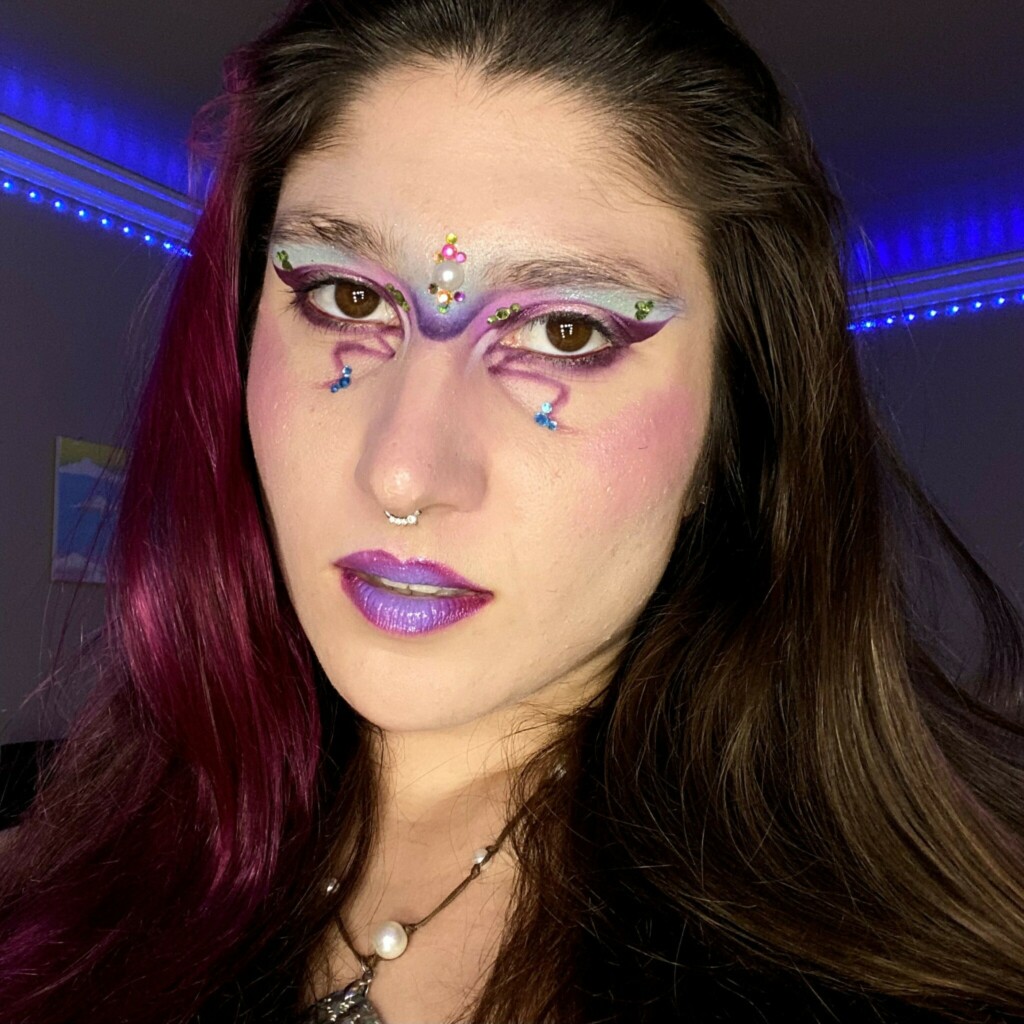
For years before I even pursued makeup as an art form, I would be mesmerized by the talent of online makeup creators. I learned a lot about makeup through youtube and Instagram tutorials. During this time, my makeup routine consisted of a one-step foundation, a little mascara, and if I was feeling fancy, a small winged liner. It wasn’t until I received an eyeshadow pallet for Christmas full of colors that I was intimidated by, that I decided I was going to learn the skill of applying makeup, and I was going to learn it well. Read more>>
Indigo Koonce
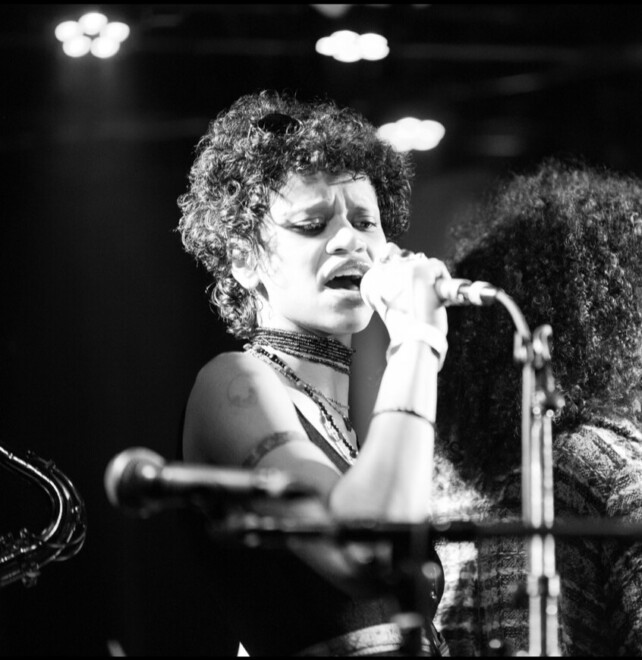
In terms of making artwork, I’ve always been a creative since before I can remember. I’ve always had an itch to create meaningful work, to share the thoughts in my head differently than how I felt I was told to.
I’ve always wanted a challenge, too. Learning both guitar and graphic design, I was learning in spaces where my peers were far above me in skill. While it was intimidating, with moments where I felt incredible amounts of imposter syndrome, sticking to this learning environment, I feel, helped me learn faster. Read more>>
Kristian Blanchard
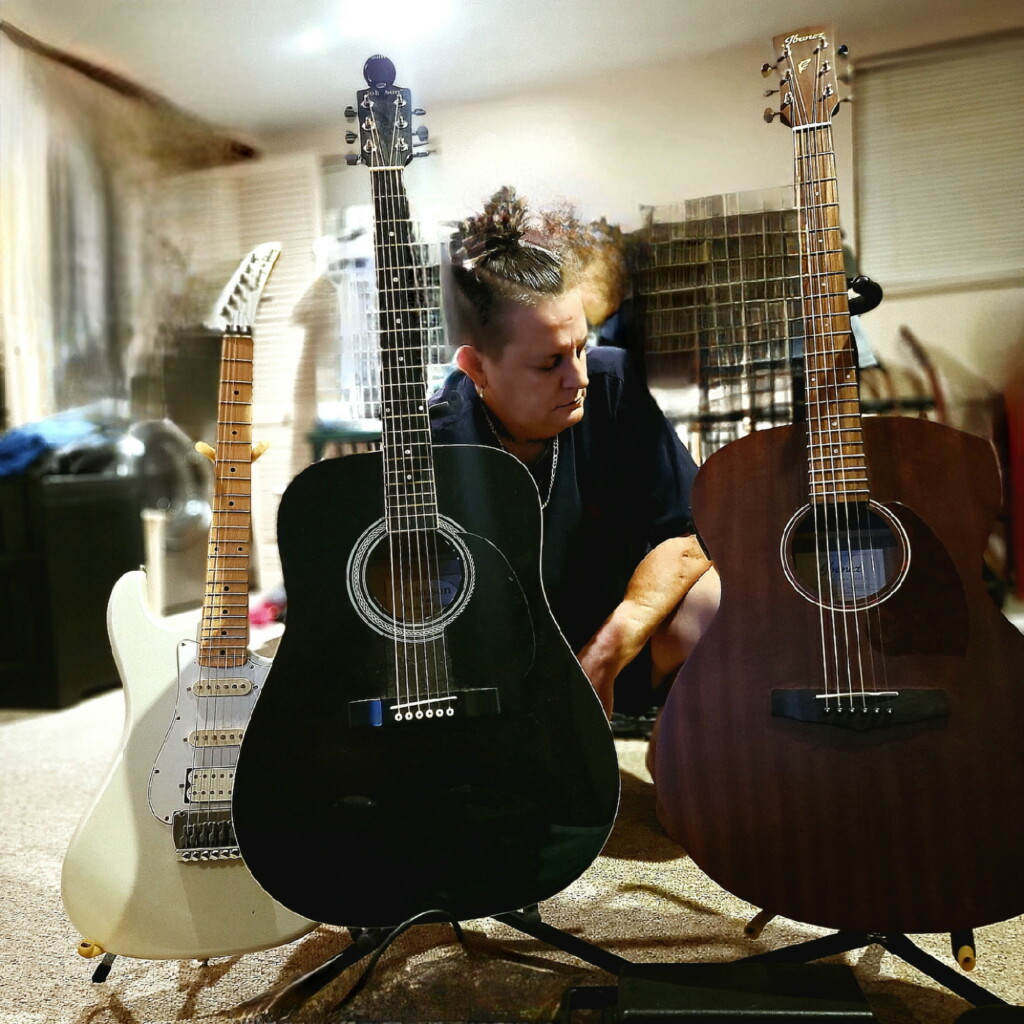
Since I can remember, I have seen music being an essential part of my life. When I was 6 or 7 I made a guitar out of some cardboard along with a microphone, my mother even crocheted a guitar strap for me. My parents would find me in my room “playing” and singing (not very well) along to the radio. I attempted to learn other instruments through the years, but the thought of the guitar stuck with me. My father gave me my first actual guitar when I was 11 and signed me up for lessons. That lasted for about a week or two, until I realized the instructor just wanted to teach me how to play other people’s music. I wanted to play my own, so I sat and listened to the sounds as I played them and taught myself. Read more>>