

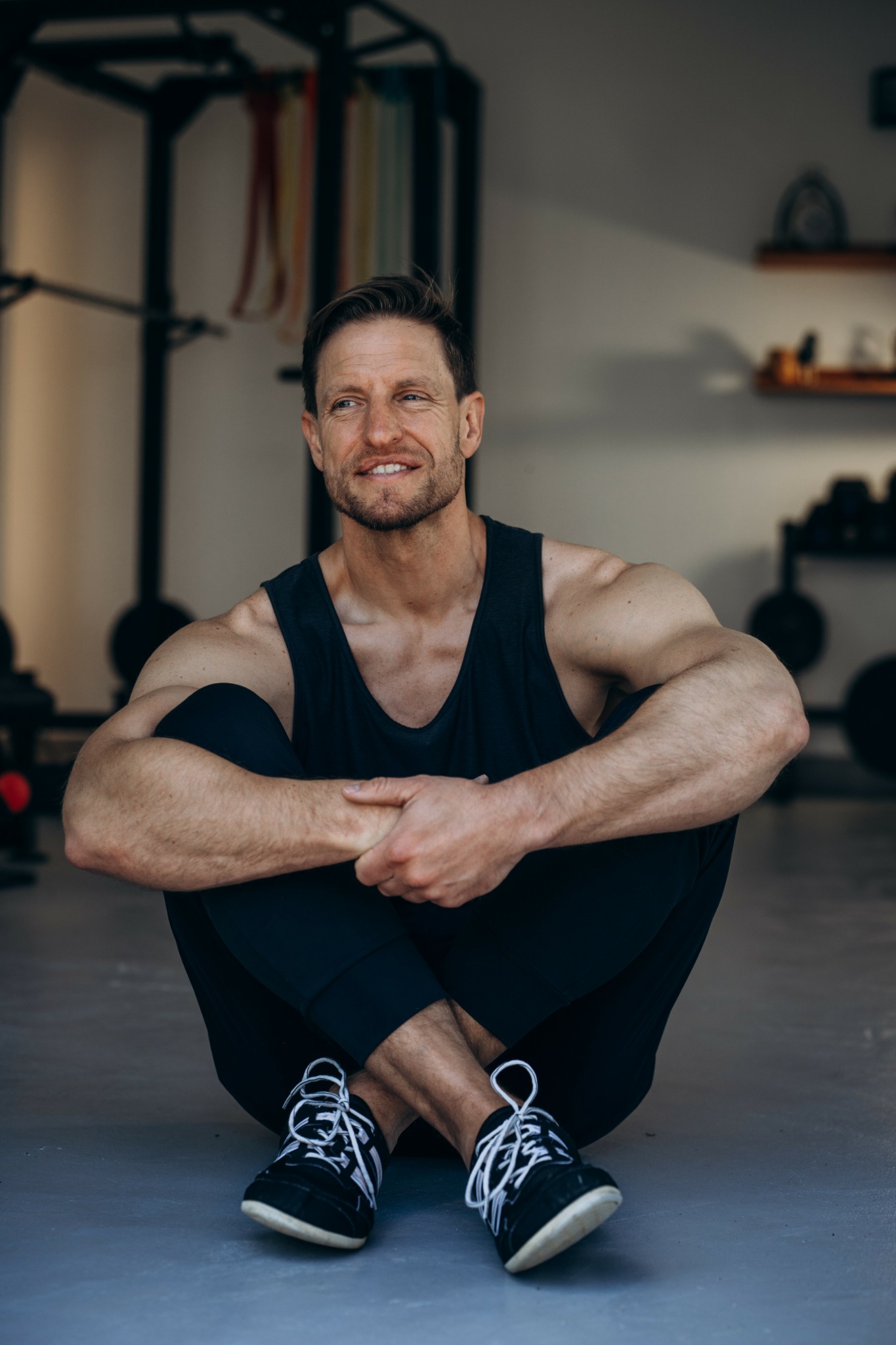

We were lucky to catch up with Joey Szolowicz recently and have shared our conversation below.
Joey, looking forward to hearing all of your stories today. How’s you first get into your field – what was your first job in this field?
My first job in the wellness space didn’t come from some polished application process or a perfectly mapped-out career plan. Honestly, it came from a feeling that I couldn’t ignore anymore.
If you rewind the clock about 10 years, I was working as a project manager in telecommunications. On paper, it was a solid career. I helped oversee large-scale cell tower and infrastructure projects tied to the rollout of 4G and 5G networks across parts of the United States. The pay was good, the path was stable, and from the outside looking in, I was “doing well.”
But internally, something felt off.
I remember spending my days buried in timelines, vendor calls, construction schedules, and endless emails while feeling burdened by the sense that I couldn’t get comfortable in my chair because my belly was hanging over my jeans. In earlier seasons of my life, I’d been a relatively fit guy… but this sedentary work was taking it’s toll.
I started working out at a local boxing gym just to get back in shape and found as I delved into that world again that I was constantly thinking about training, nutrition, change-psychology, and human behavior.. Over time I became the guy coworkers came to for advice about fitness, weight loss, energy, stress, or building healthier habits. That was the work that lit me up. Not spreadsheets or corporate escalation calls.
As I was going through my own transformation physically and mentally, fitness stopped being just about aesthetics for me.
It became a tool for resilience, discipline, and self-respect. The deeper I went into learning about wellness, the more I realized how interconnected everything was… nutrition, sleep, stress, recovery, movement, mindset, relationships, boundaries. I became obsessed with understanding why people struggled to sustain change even when they deeply wanted it.
The tension between the life I was living and the life I felt called toward kept growing.
Eventually I hit a point where I realized that if I didn’t at least try to pursue wellness professionally, I would regret it.
So my “first job” in this field was humble. Very humble.
I started coaching people at local coffee shops and farmers markets. It was very basic… just in person conversations with real people who wanted help feeling better in their bodies and lives.
I still remember setting up at farmers markets early in the morning hoping someone would stop long enough to have a conversation with me. At the time, there was a mixture of excitement and terror. Excitement because for the first time I felt aligned with what I was doing. Terror because I had walked away from certainty.
There was no guarantee this would work.
I was basically recruiting myself into a completely different identity.
I think people sometimes romanticize career pivots after the fact, but in real time it felt scary and uncertain. I questioned myself constantly. I wondered if I was making a reckless decision. I worried about stability, finances, and whether anyone would trust me enough to coach them.
But there was also this deep sense of purpose underneath all of it.
At the time, my aspiration wasn’t to build some huge fitness empire. I simply wanted to create meaningful impact and build a life that felt congruent with who I actually was. I wanted my work to matter on a human level.
Looking back now, I’m incredibly grateful my first experience in this industry happened the way it did.
Starting small forced me to learn how to connect with people instead of hiding behind polished marketing. It taught me that coaching isn’t really about macros or workout programs alone… it’s about helping overwhelmed human beings navigate change in the middle of real life.
That foundation shaped everything I do today through Aligned Strength & Wellness, from my online coaching practice to hosting wellness retreats in the Azores, Portugal.
Ironically, the thing I was searching for back then was alignment. And I think that’s ultimately why this work resonated so deeply with me. I wasn’t just helping clients improve their health. I was building a life that finally felt aligned with my own values too.
As always, we appreciate you sharing your insights and we’ve got a few more questions for you, but before we get to all of that can you take a minute to introduce yourself and give our readers some of your background and context?
I’m the founder and head coach of Aligned Strength & Wellness, a nutrition, strength, and wellness coaching company focused on helping overwhelmed millennials and busy professionals create healthier, stronger, and more sustainable lives.
At a surface level, people often assume I work in fitness.
But the deeper truth is that I work in behavior change.
Yes, I coach nutrition and strength training. Yes, I help clients lose body fat, build muscle, improve energy, and become healthier physically. But the real work is helping people navigate the chaos of modern life without losing themselves in the process.
Most of my clients are intelligent, capable people who already “know what to do.” They’ve read the books, tried the diets, downloaded the apps, and started over dozens of times. What they struggle with isn’t information… it’s consistency, emotional burnout, stress, self-sabotage, and trying to hold themselves to impossible standards while balancing careers, relationships, parenting, and everyday responsibilities.
That’s why my coaching philosophy revolves around structure over restriction.
I teach clients how to build systems and routines that support their goals realistically instead of relying on motivation, extremes, or perfectionism. We focus heavily on nutrition awareness, strength training, recovery, stress management, mindset, and creating habits that can survive real life,,, vacations, busy work seasons, holidays, setbacks, and everything in between.
One of the things that sets my work apart is that I try to approach wellness from a deeply human perspective.
I’m not interested in fear-based coaching or selling unrealistic transformations. I’m far more interested in helping people improve the relationship they have with themselves. I think a lot of people are exhausted from constantly feeling like they’re failing at wellness. My goal is to help them feel empowered by it instead.
That philosophy extends into the retreats and experiences I host in the Azores islands of Portugal, where I live part of my year. The retreats combine strength training, movement, local food, recovery experiences, nature, and community in a way that allows people to disconnect from the noise of everyday life and reconnect with themselves.
Watching strangers from completely different walks of life form meaningful connections over the course of a week has honestly become one of the most rewarding parts of my work.
I think what I’m most proud of overall is the community that has formed around the brand.
People often come into my world believing they need more discipline, when in reality they need more self-awareness, better support systems, and a more sustainable approach to health. Seeing clients become more confident, more resilient, more emotionally balanced, and more connected to their lives is far more meaningful to me than any physical transformation photo ever could be.
At the end of the day, I want people to understand that wellness doesn’t have to feel obsessive or punishing.
I believe health should enhance your life… not consume it.
That idea sits at the center of everything I create, whether it’s the online coaching, retreats, educational content, podcasts, or the community itself.
Learning and unlearning are both critical parts of growth – can you share a story of a time when you had to unlearn a lesson?
One of the biggest lessons I’ve had to unlearn is the idea that productivity equals worth.
For a long time, I measured my value almost entirely through output. How much I accomplished. How busy I was. How hard I could push. How much I could endure without slowing down.
I think a lot of millennials inherited that mindset in subtle ways. We were praised for overworking, glorified for being “grinders,” and taught that exhaustion was almost a badge of honor. And honestly, the corporate environment I came from reinforced that mentality even further. Long hours, constant responsiveness, pressure to perform, endless urgency… it wires your nervous system to believe that slowing down means falling behind.
When I first entered the wellness industry, I unknowingly brought that same mindset with me.
Ironically, even while coaching health and balance, I was overworking myself behind the scenes. I thought building a meaningful business required saying yes to everything, always being available, constantly producing content, constantly optimizing, constantly pushing.
And for a while, externally, it looked successful.
But internally, it creates this low-grade anxiety where you feel guilty anytime you rest. You stop being present in your own life because your brain is always scanning for the next task, the next problem, the next thing you “should” be doing.
The shift started happening after deciding to split my time between Arizona and Azores.
Living on a small volcanic island in the middle of the Atlantic part of the year has a funny way of confronting you with a different rhythm of life. People move slower here. Meals last longer. Nature is integrated into everyday living. There’s less obsession with urgency and more emphasis on presence, connection, and community.
At first, that pace honestly made me uncomfortable.
I didn’t realize how conditioned I had become to chaos until I was surrounded by stillness.
Over time, I began recognizing that my nervous system had forgotten how to rest without guilt. I had built an identity around being “the productive one,” and unlearning that has been a deeply humbling process.
Now, I still work hard. I’m ambitious. I care deeply about my clients and my business. But I no longer believe my value as a human being is tied to how exhausted I am.
Ironically, learning to slow down has actually made me a better coach, leader, father, and human being.
Because when you stop living in constant survival mode, you gain the ability to become more intentional. More creative. More emotionally present. More connected to yourself and the people around you.
That lesson changed not only how I live, but also how I coach.
A lot of people think they need more discipline when what they actually need is permission to stop treating themselves like machines.
Can you share a story from your journey that illustrates your resilience?
One moment that really illustrates resilience for me wasn’t some dramatic overnight success story… it was actually a season of uncertainty where, externally, very little looked impressive at all.
When I left my stable corporate career in telecommunications to pursue wellness coaching full-time, there was no guarantee it would work. I didn’t have a massive following, investors, or some perfectly engineered business plan. I just had this persistent feeling that I was meant to build something more meaningful and aligned with who I actually was.
In the beginning, the work was incredibly humble.
I coached people at coffee shops. I spent mornings at farmers markets trying to spark conversations with strangers. I was piecing together clients one relationship at a time while simultaneously questioning myself almost every day.
There were moments where I genuinely wondered if I had made a reckless decision.
I remember sitting alone after long days feeling the weight of uncertainty… wondering how long I could sustain the transition financially, wondering if people would ever truly trust me enough to build a real business, wondering if passion alone was enough to carry this forward.
At the same time, life wasn’t slowing down around me. I was also navigating the responsibilities of parenthood, personal growth, and the emotional pressure that comes with trying to reinvent your life while everyone around you remembers the “old version” of you.
What kept me going during that period was less confidence and more conviction.
I didn’t wake up every day feeling fearless or endlessly motivated. But I did believe deeply in the mission behind the work. I had already experienced firsthand how strength training, nutrition, and wellness practices could improve not just physical health, but confidence, resilience, mental health, and quality of life. I knew there were people out there who needed support that felt more human and sustainable than the extreme fitness culture dominating social media.
So I kept showing up.
Slowly, momentum built.
One client became a few. A few became a community. Conversations became transformations. Eventually that work evolved into Aligned Strength & Wellness, online coaching programs, educational platforms, and now international wellness retreats hosted in the Azores, Portugal.
Ironically, the resilience wasn’t in some massive breakthrough moment. It was in the willingness to continue moving forward during the long stretches where progress felt invisible.
I think that’s something people don’t talk about enough.
Resilience often looks very ordinary while you’re living it. It’s continuing to take the next step when certainty isn’t available yet. It’s staying connected to purpose even when external validation hasn’t arrived. It’s being willing to rebuild your identity while simultaneously carrying doubt, responsibility, and fear.
Looking back now, I’m grateful for that season because it forced me to build something real instead of something performative.
And honestly, it’s also shaped the way I coach people today. Many clients come to me believing they’ve failed because progress feels slow or imperfect. But sustainable transformation is rarely built through dramatic moments. More often, it’s built through resilience in the quiet, repetitive moments where nobody is clapping for you yet.
Contact Info:
- Website: facebook.com/coachjoeyszolowicz
- Instagram: https://www.instagram.com/joeyszolowicz/
- Facebook: facebook.com/coachjoeyszolowiczt
- Linkedin: https://www.linkedin.com/in/josephszolowicz
- Youtube: https://www.youtube.com/@coachjoeyszolowicz1818
- Other: Free Newsletter: https://unsolicitedadvicenewsletter.com/unsolicited-advice
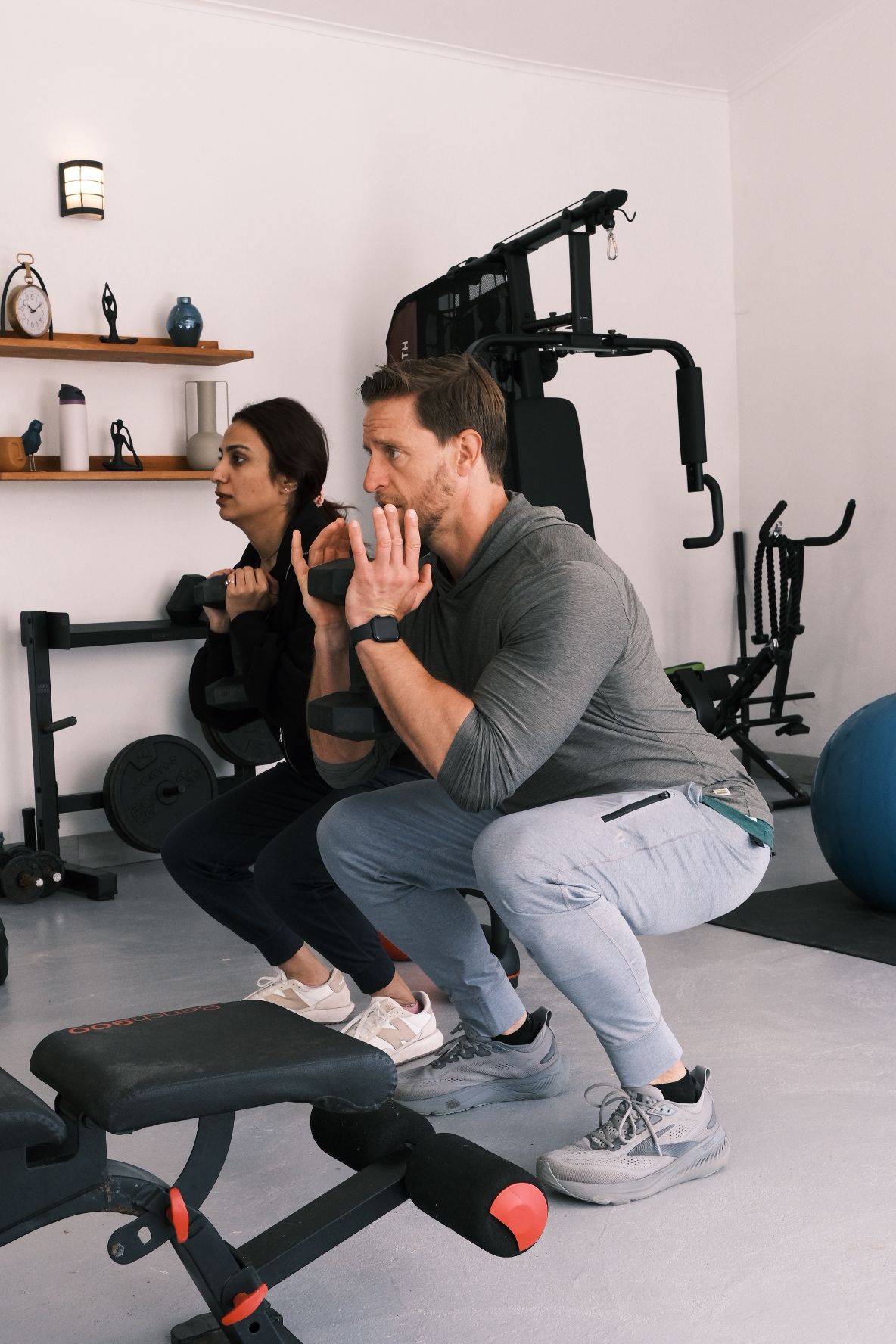
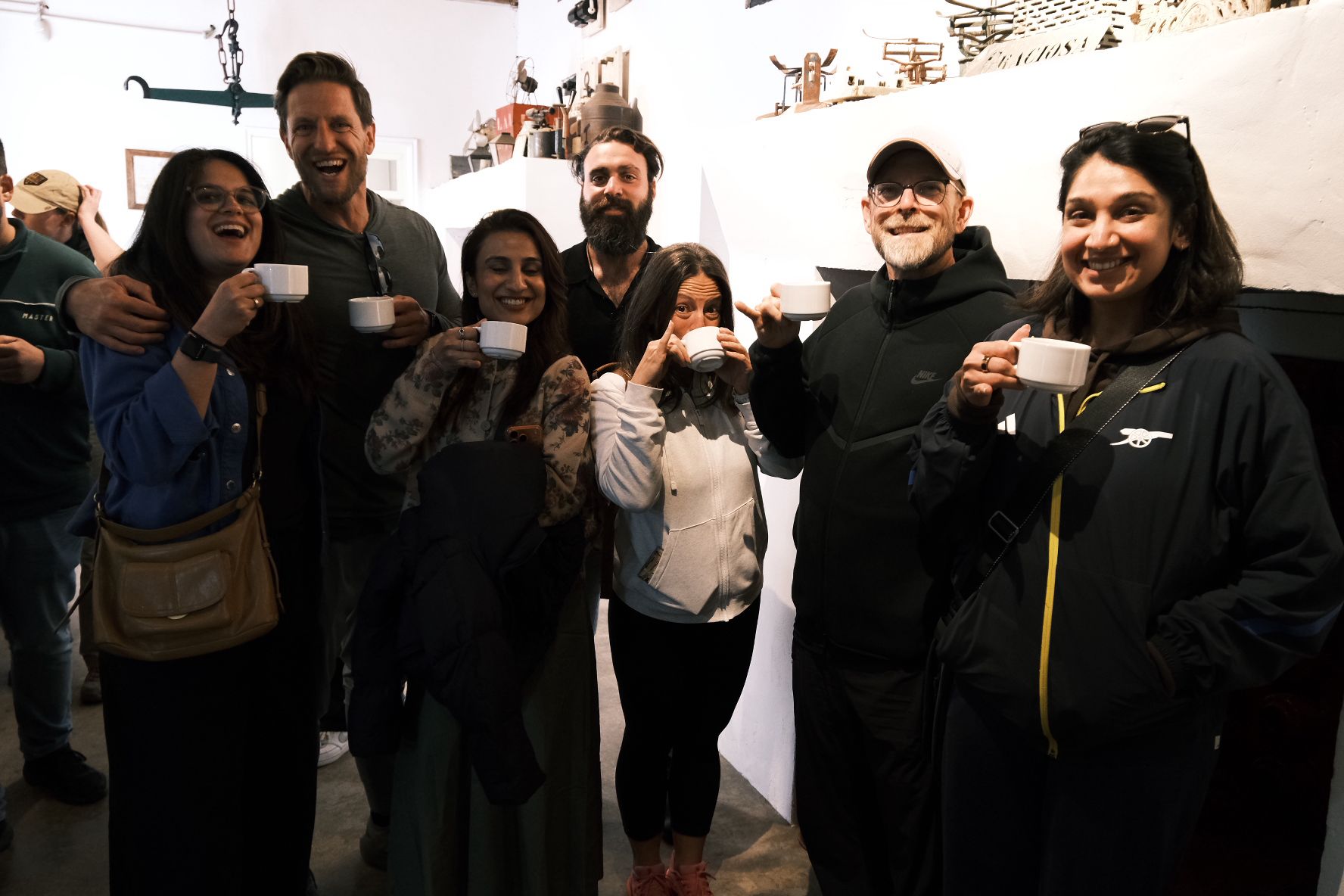
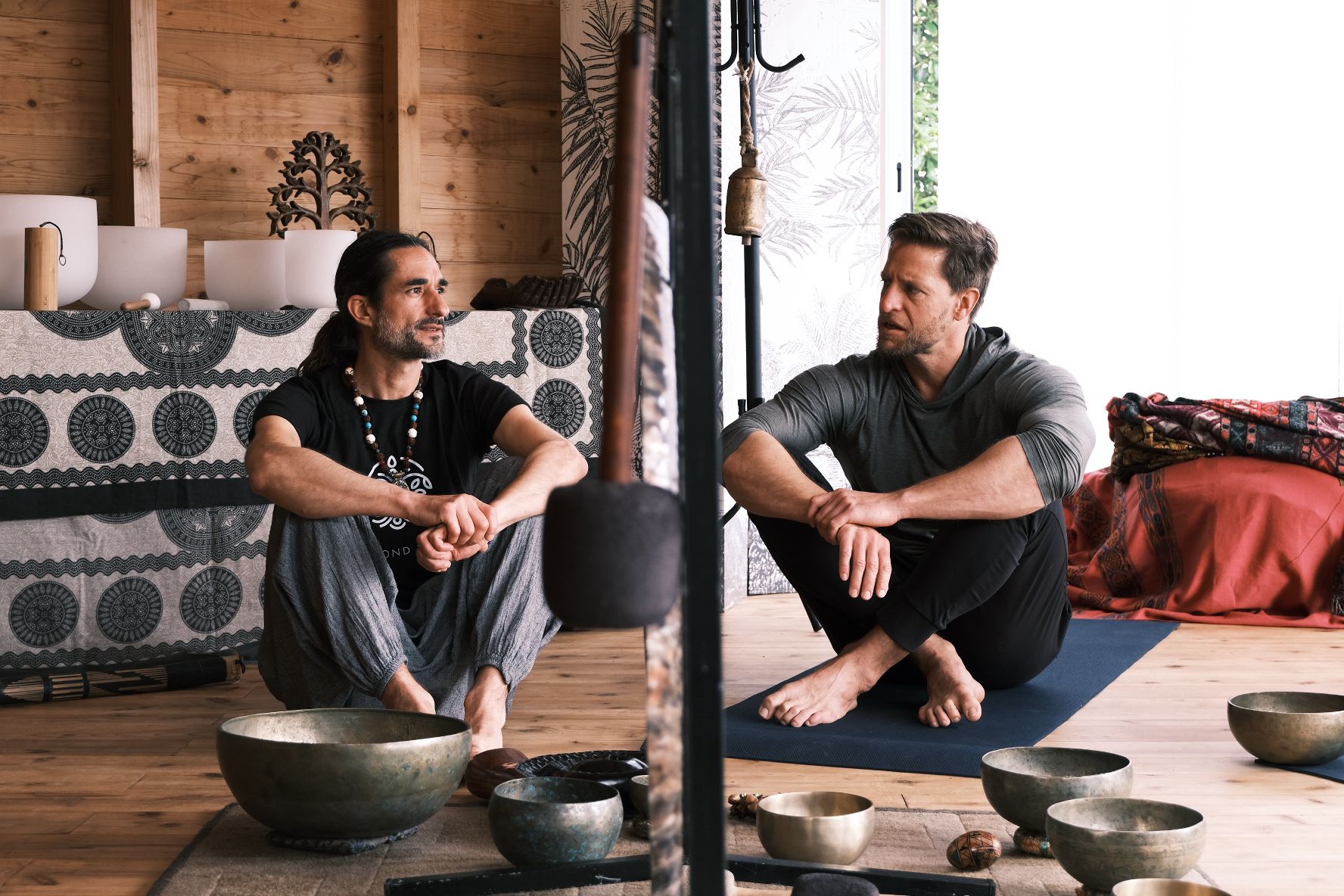
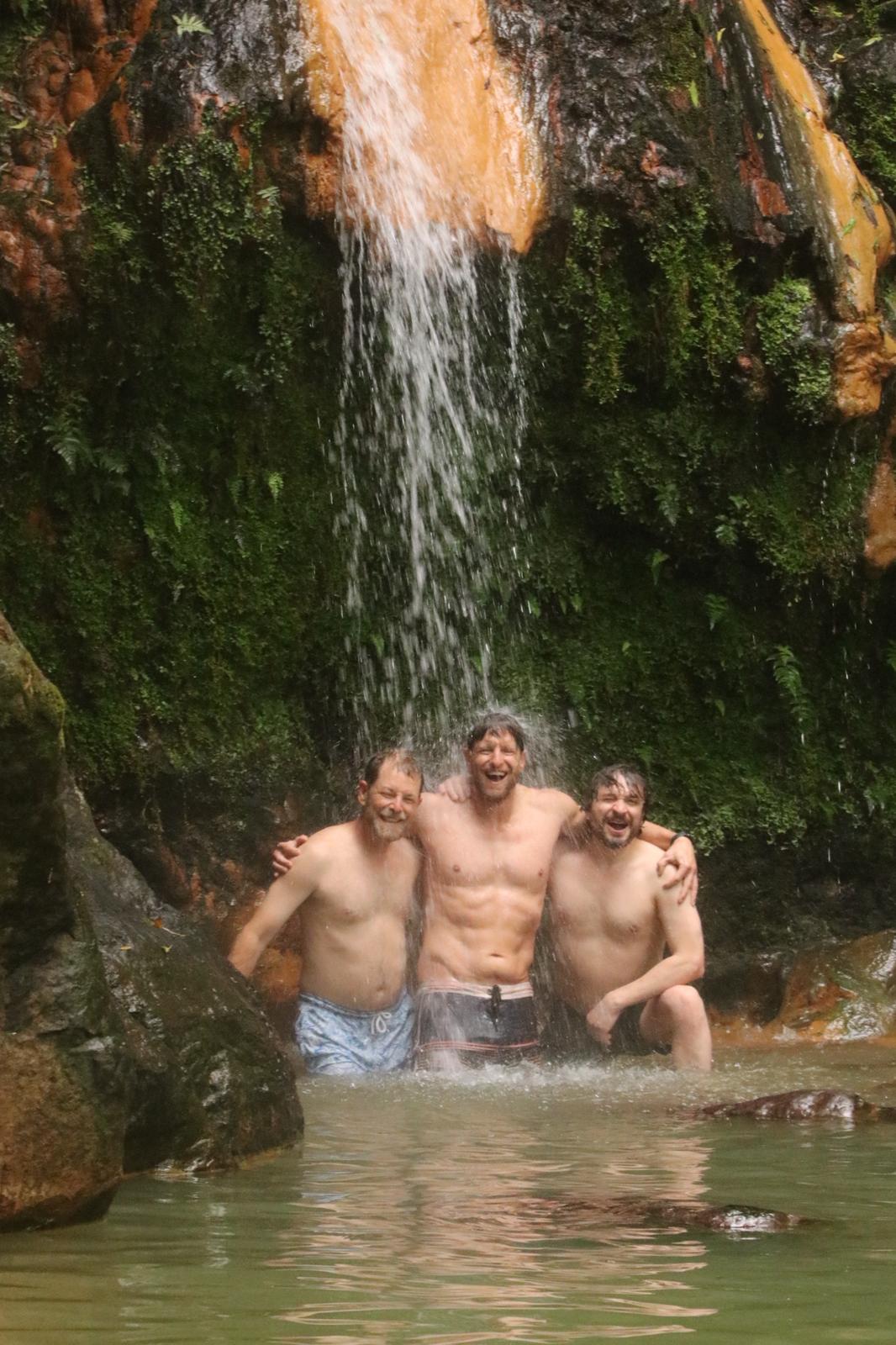
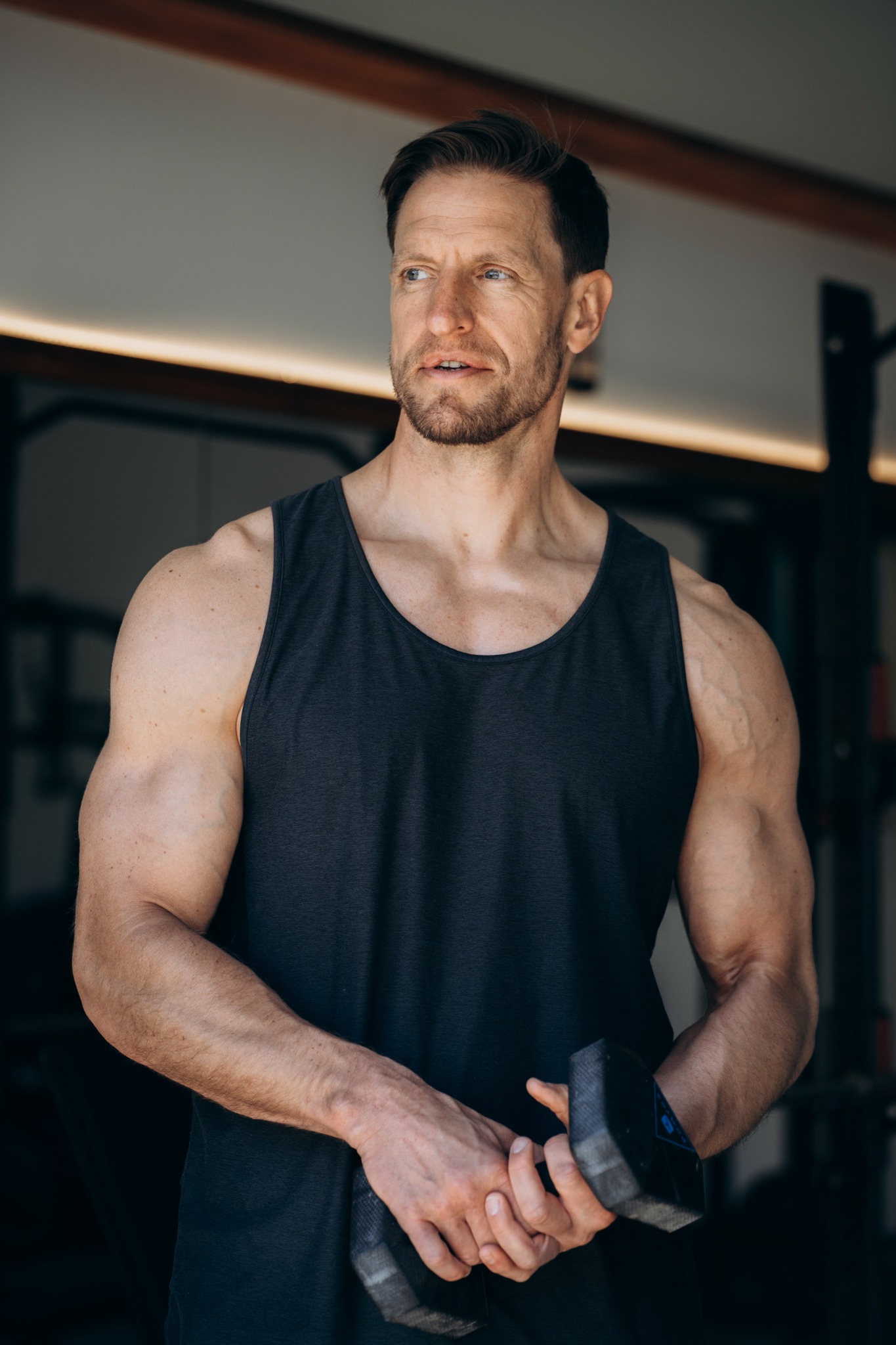
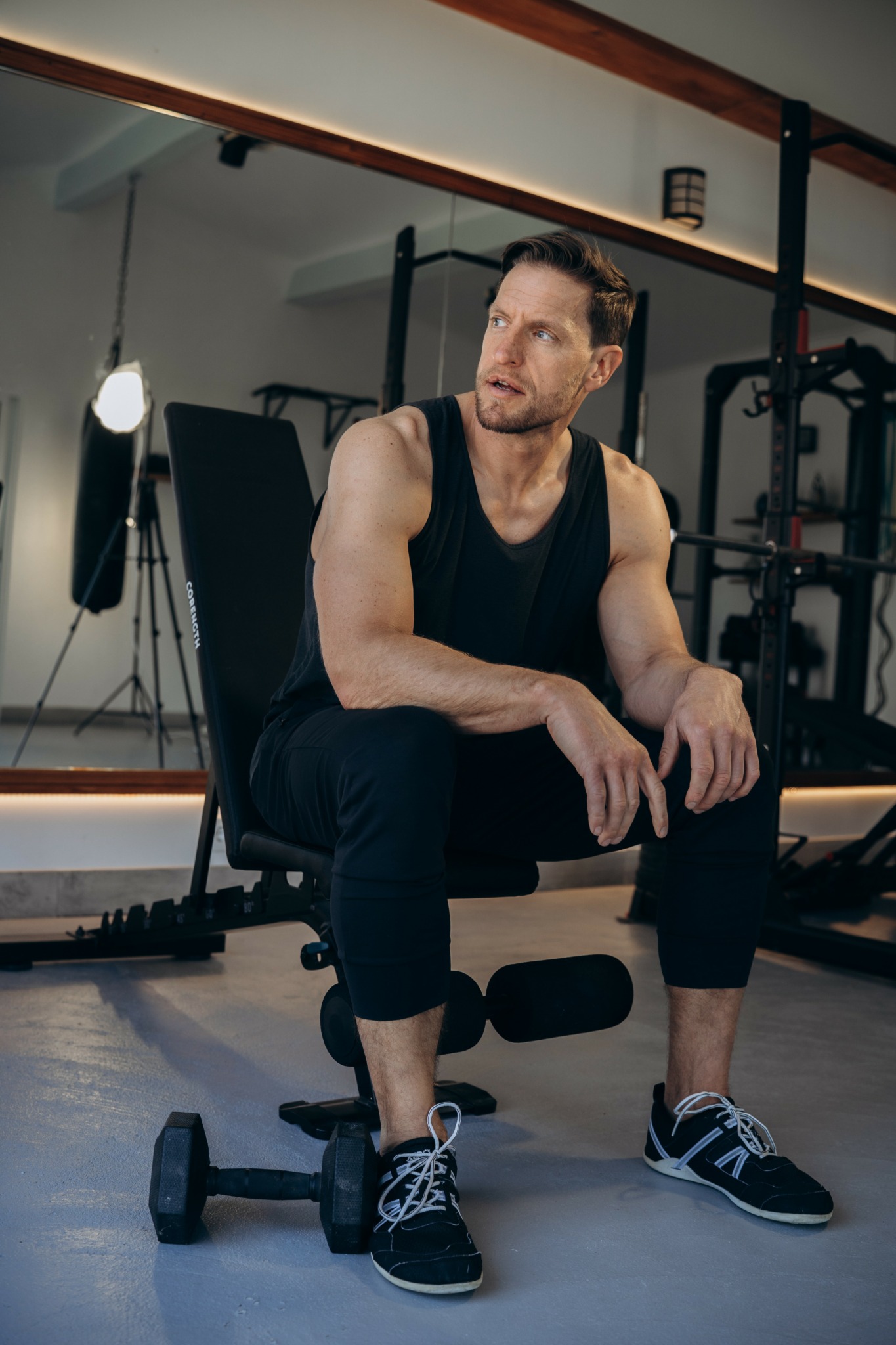
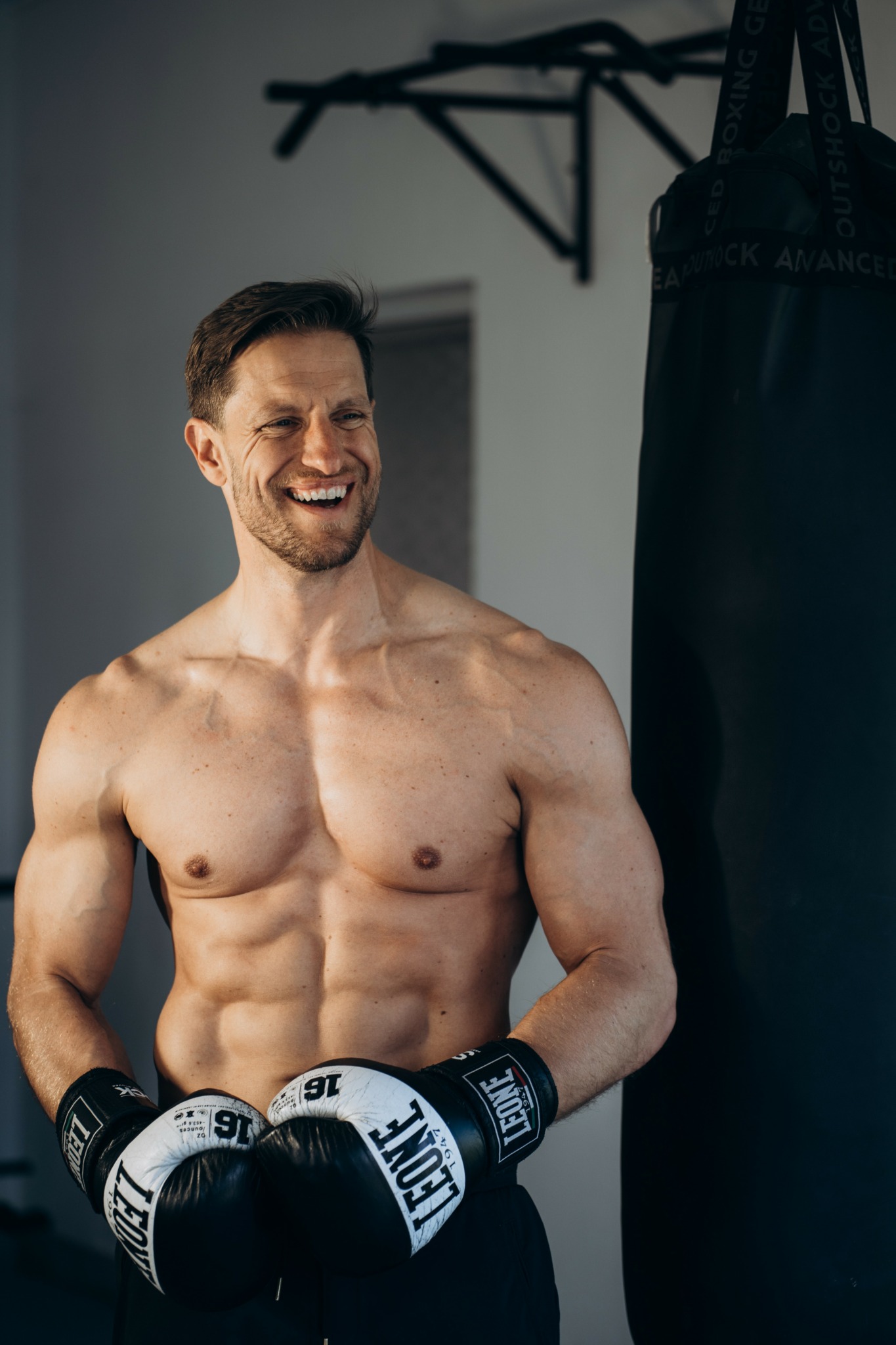
Image Credits
Hanna Mkrtychan, Vladimir Secrii