
Alright – so today we’ve got the honor of introducing you to Claude MarQuis. We think you’ll enjoy our conversation, we’ve shared it below.
Alright, Claude thanks for taking the time to share your stories and insights with us today. We’d love to hear about a project that you’ve worked on that’s meant a lot to you.
I had been painting for more than a decade when I stopped to pursue music. In a strange way, that transition became my most meaningful project — not a single work, but the act of shifting itself. It taught me that I didn’t have to limit myself to one identity in the arts.
At first, you’re battling the fear of change and the unknown, and a wariness of fragmenting what you’ve built — and the perception of others of who you are. It can be difficult to break away from what you may not have realized are restraints.
Eventually, my dive into music began as a solo project, but it grew into The PepTides, a nine-piece band. What I came to understand through that process is that I hadn’t left anything behind — I had just found another canvas.
The themes I was exploring in painting — narrative, tension, humour, contradiction — transferred directly into music. Across both mediums, it’s the same voice, just expressed through different forms, building in layers whether it’s paint or sound.
Claude, before we move on to more of these sorts of questions, can you take some time to bring our readers up to speed on you and what you do?
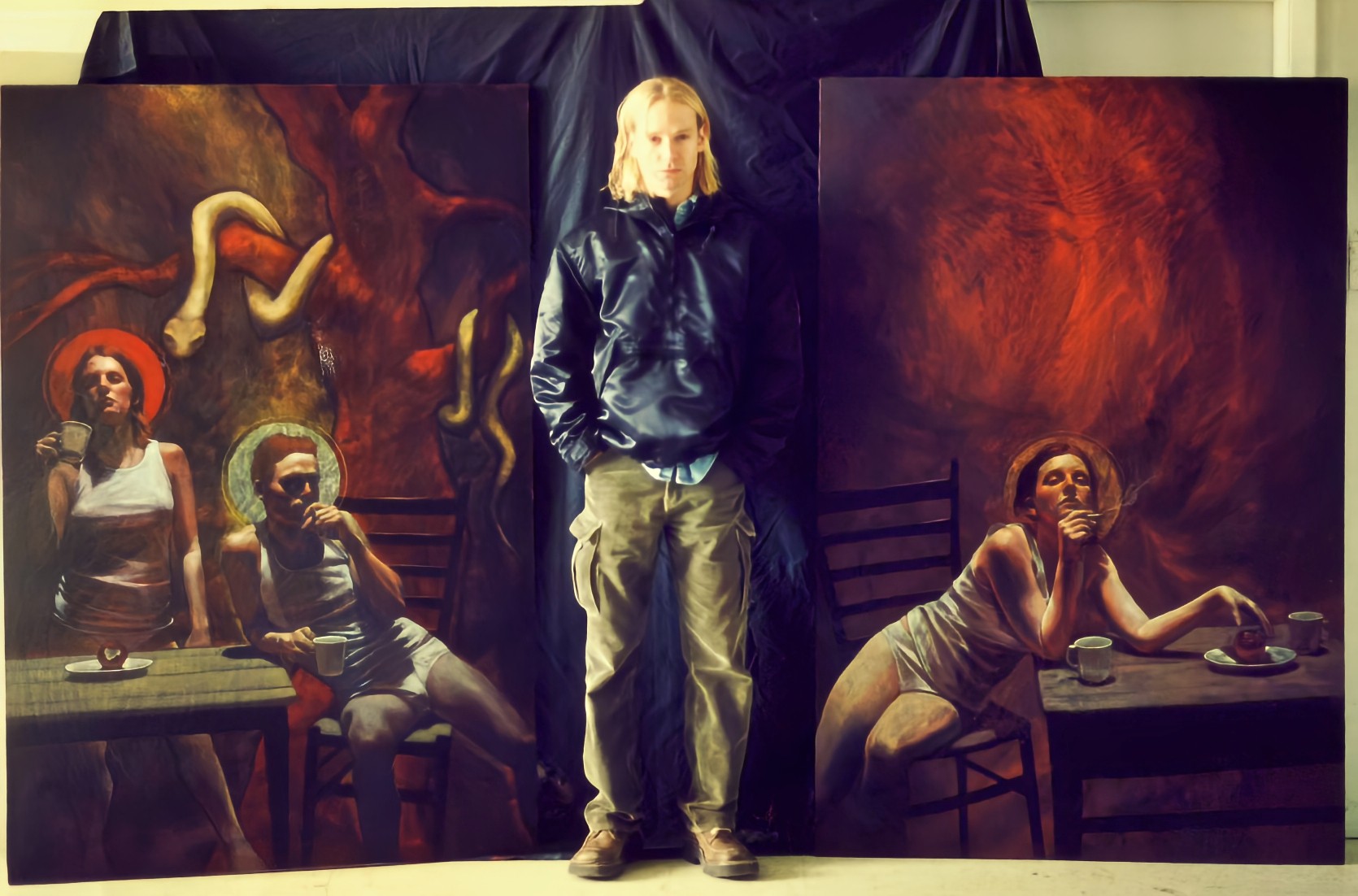
I’m an Ottawa-based multidisciplinary artist working across painting, music, and performance. Over the past 30 years, I’ve built a practice that blends emotional depth, theatricality, and social commentary — whether that’s on canvas or on stage.
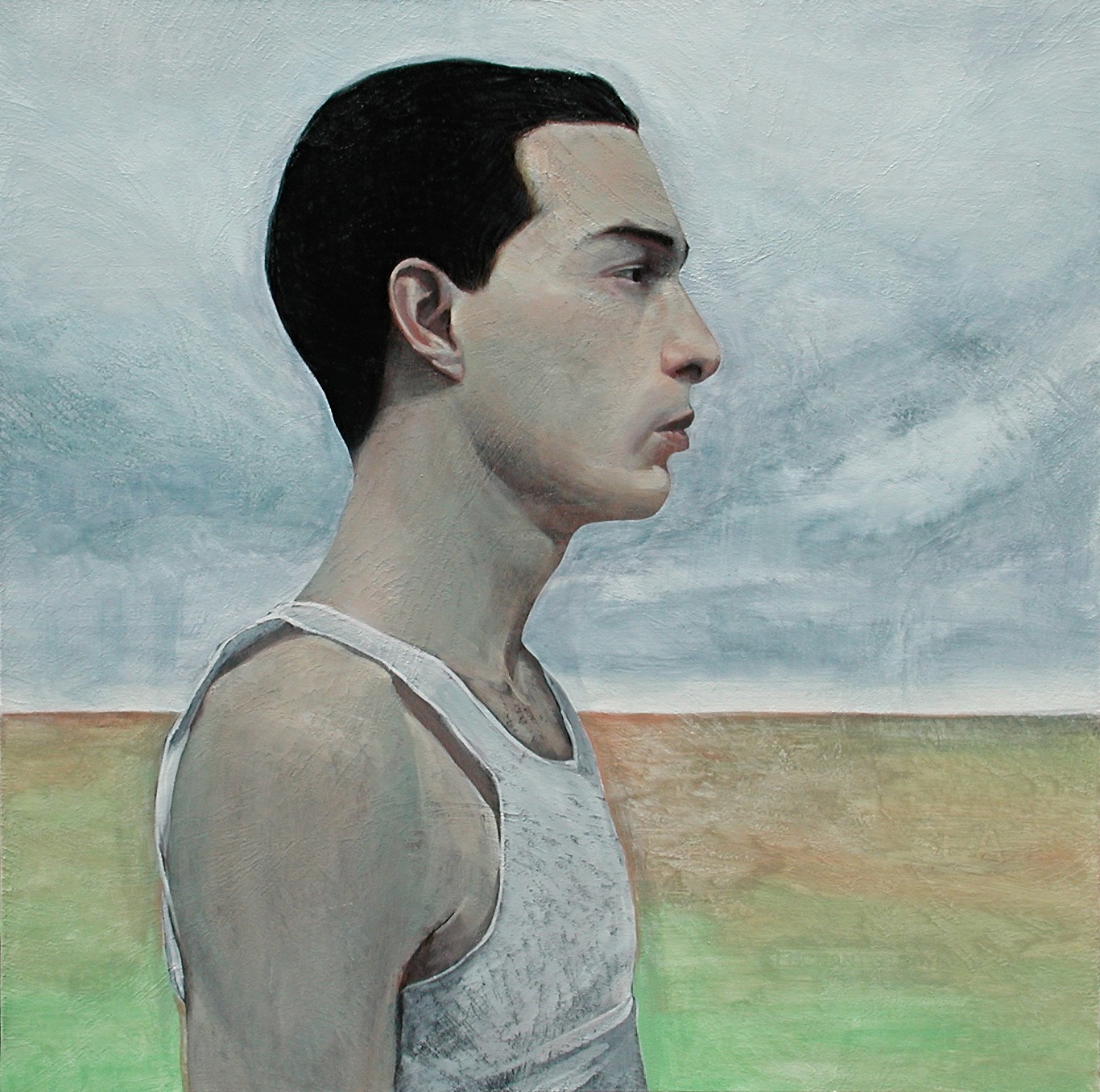
I got my start in Ottawa’s underground art scene, showing artwork in bars and alternative spaces before transitioning into galleries. The “Nature Boy” series at Galerie Montcalm in 2003 was a turning point for me — the first time my work went “above ground,” moving from alternative spaces into a public gallery. It set the stage for the kind of work I continue to develop — where narrative and emotion intersect with observation, contradiction, and humour.
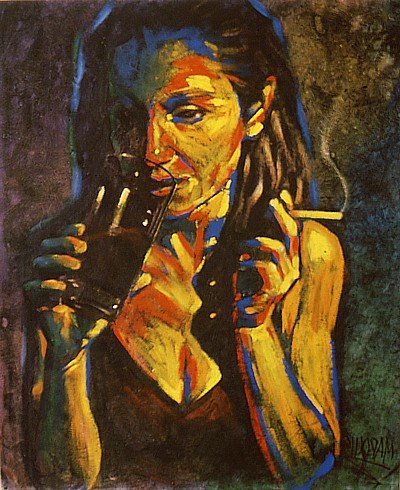
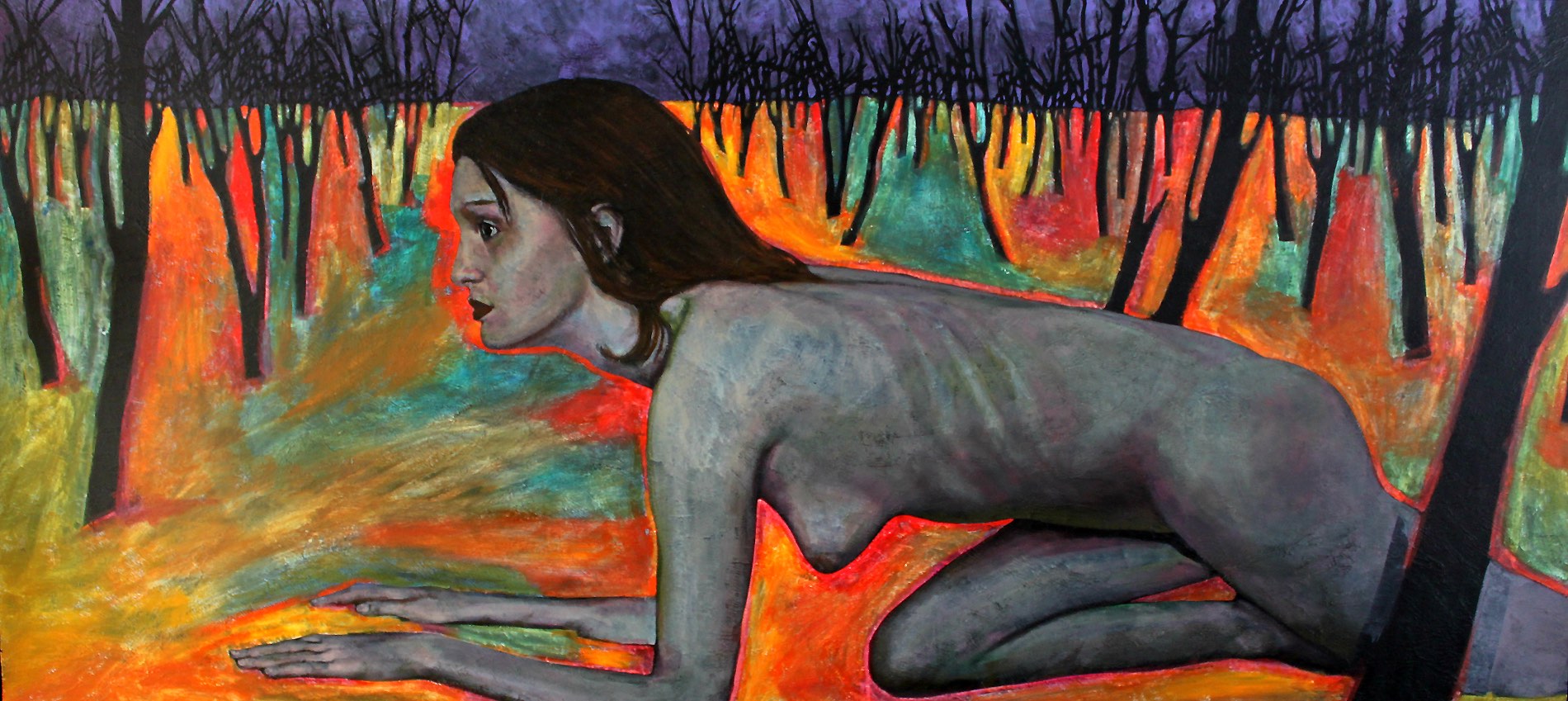
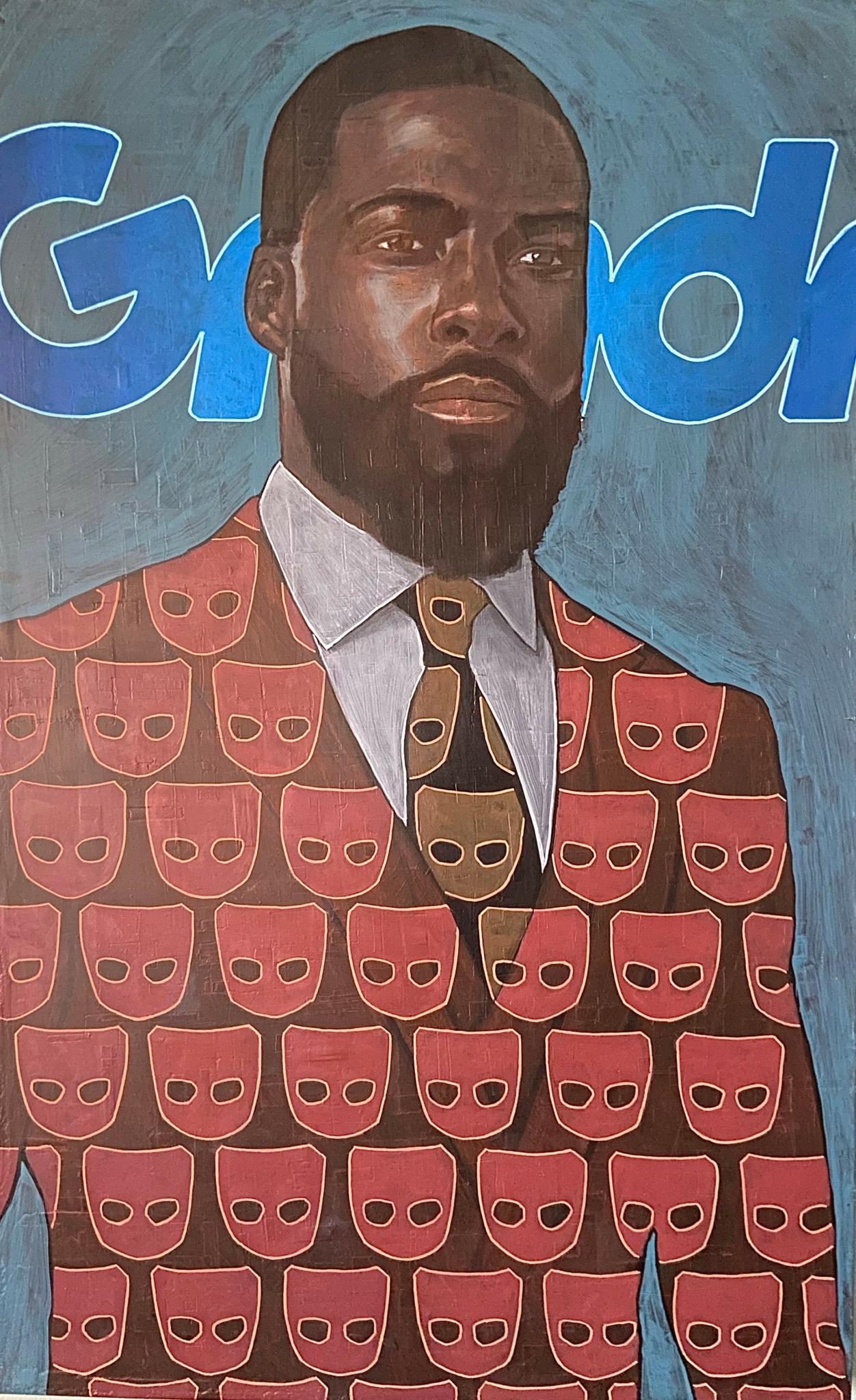
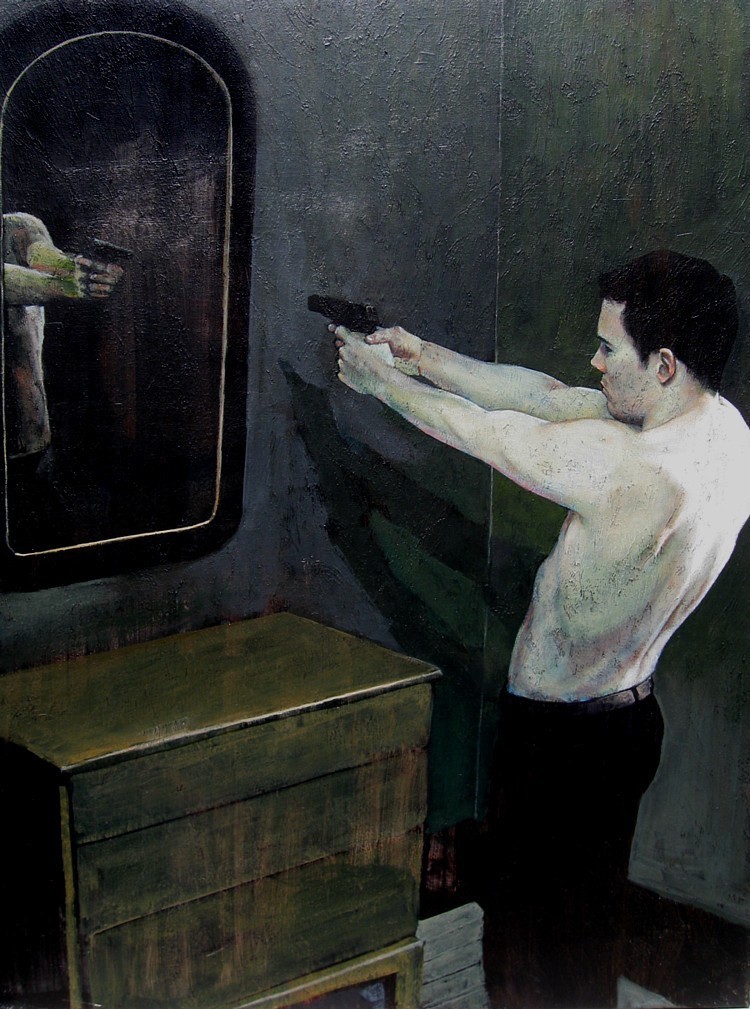
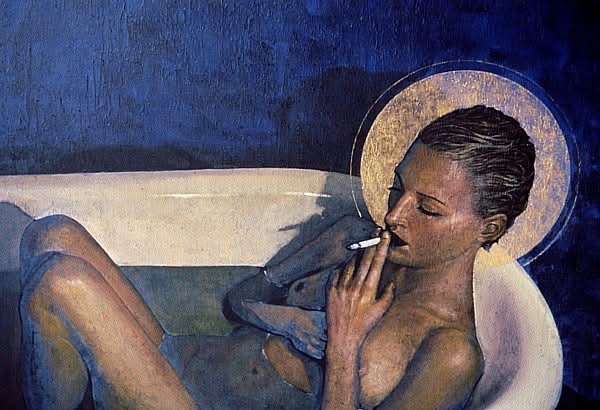
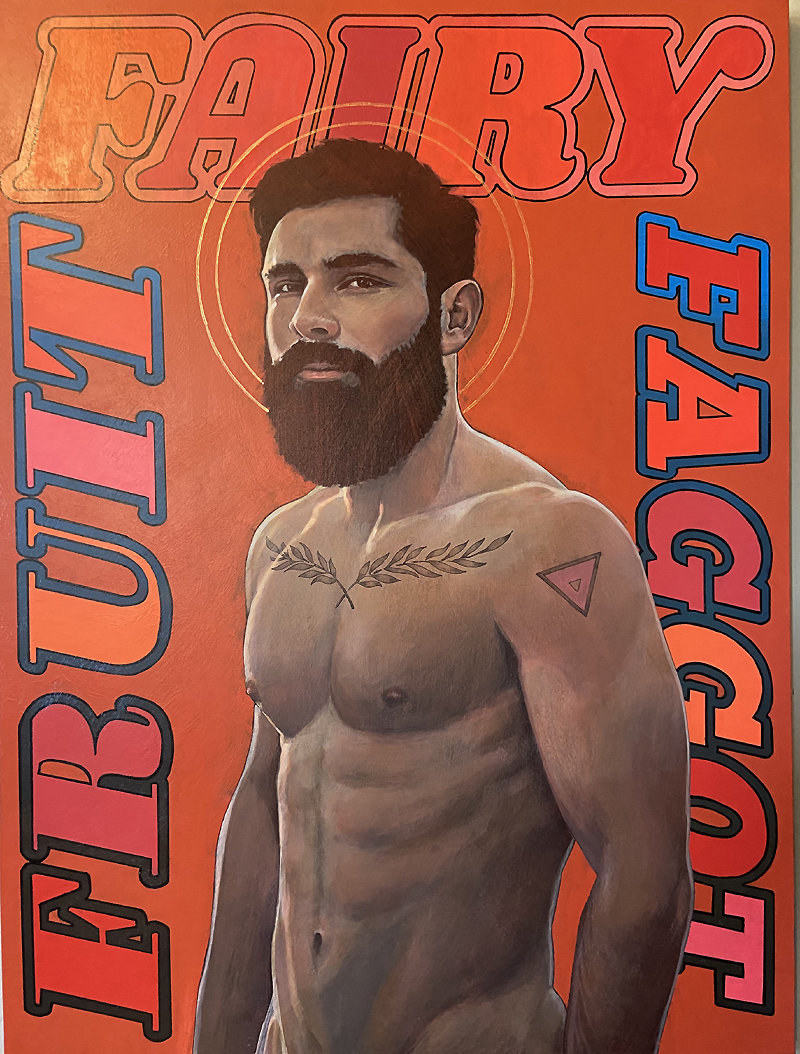
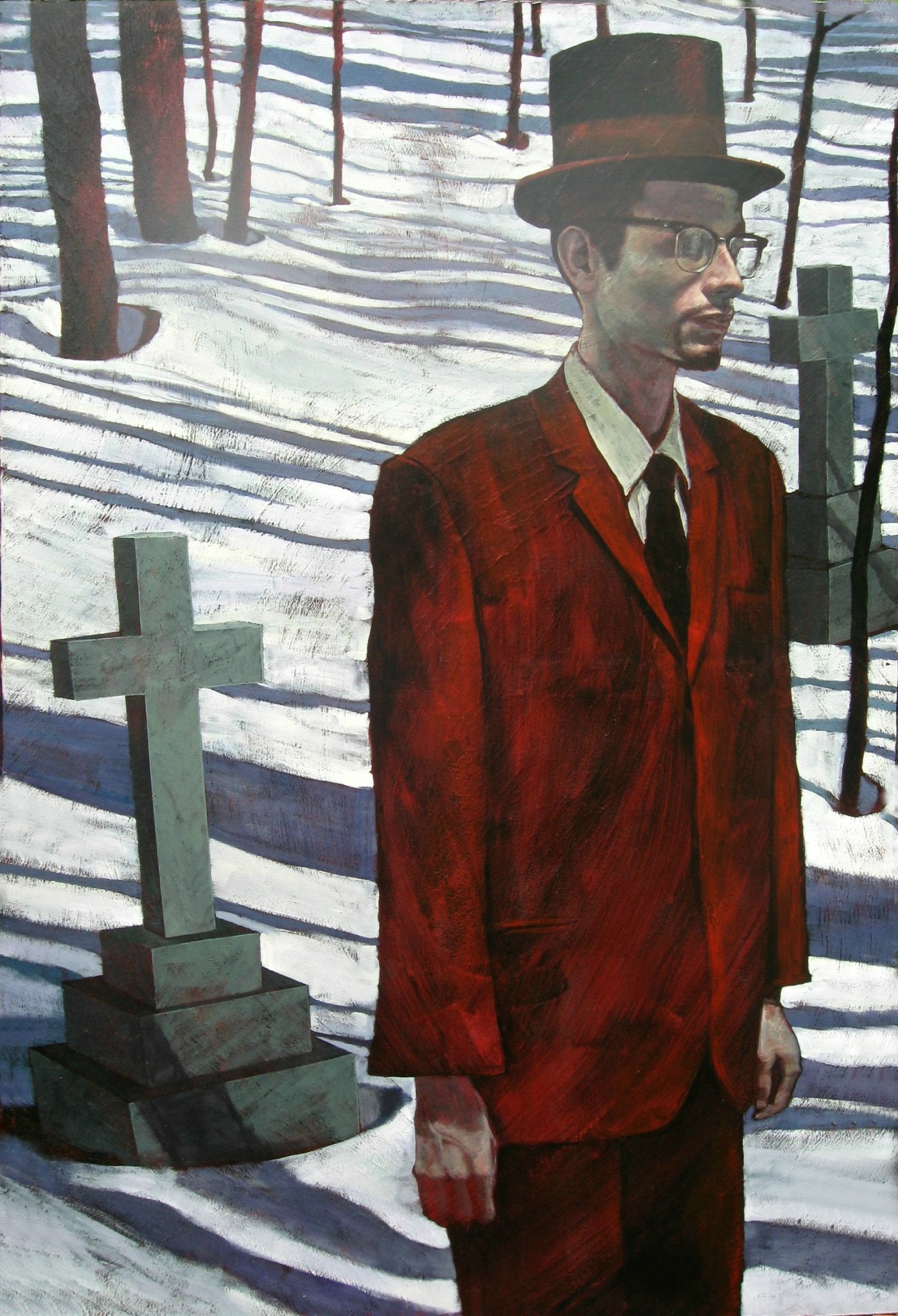
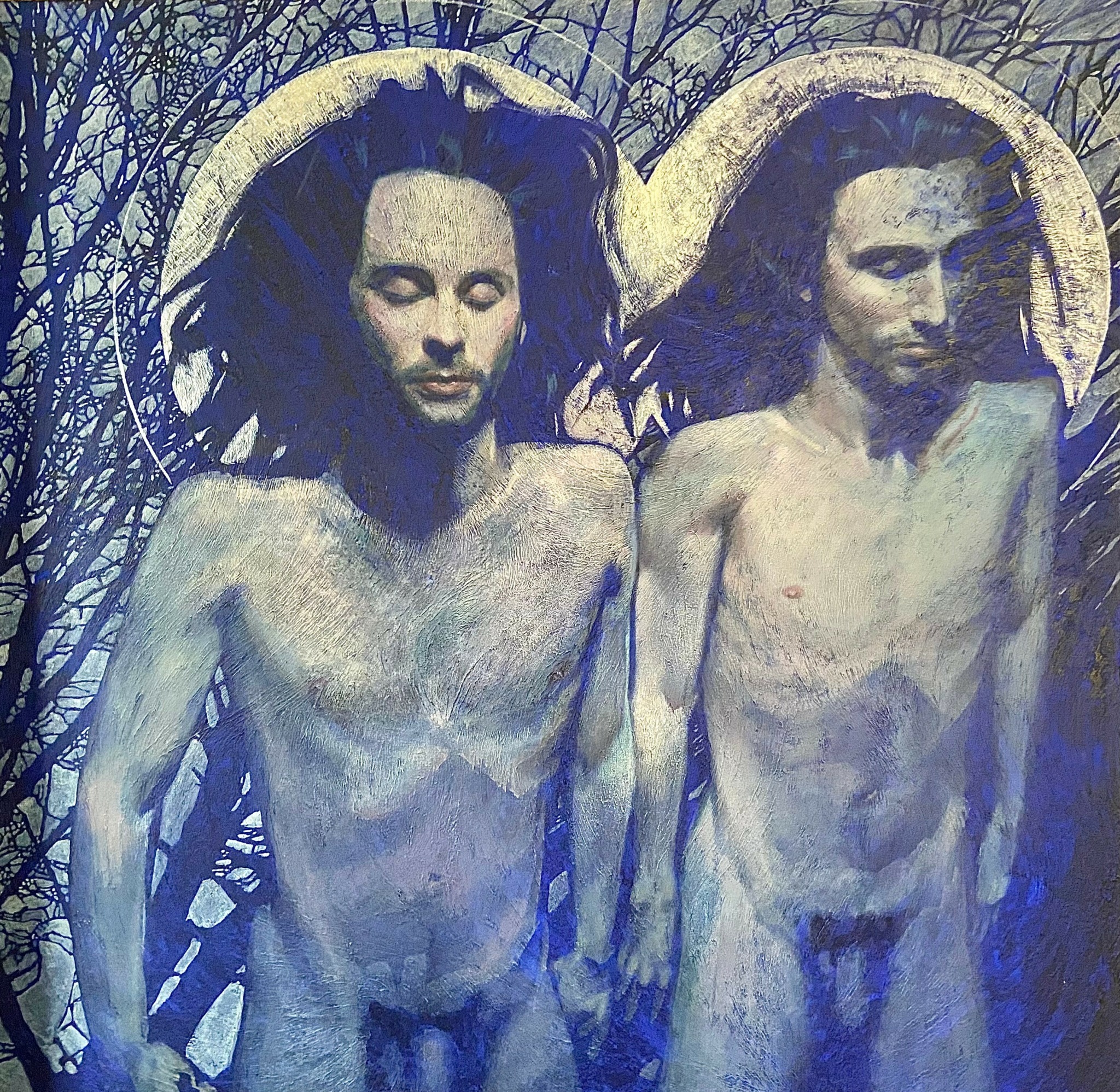
My paintings explore identity, desire, and human behavior, often through a lens that touches on social structures, belief systems, and the tensions between the individual and collective norms. Early bodies of work, including the Crusades series (1996), engaged directly with religious imagery and authority — a line of inquiry that continued through subsequent series such as Eve (1998), Saints (2001), and Satan (2001). Parallel series like Worriers (1996), In Limbo (1998), and Rigor Mortis (2000) explored psychological and existential states, including anxiety, suspension, and mortality. Over time, this evolved into more fluid and expansive approaches, including Nature Boy (2003), my Abstract series (2008–2023), and more recently my Queer Art series, which engages directly with identity, sexuality, and representation.
Another important milestone came in 2024, when two of my paintings were acquired by the Ottawa Art Gallery through the Bill Staubi Collection. They were included in GROTTO: The Bill Staubi Collection, a queer-focused exhibition exploring identity and desire. That moment felt especially meaningful, both in terms of representation and in seeing the work enter a permanent institutional collection.
In music, I’m the main songwriter and lyricist behind The PepTides, a solo project that became a large 9-member ensemble that blends funk, soul, gospel, and new wave into colourful stage antics. My self-recorded album For Those Who Hate Human Interaction was named Best Album of the Year by the Ottawa Citizen, and the band that formed later was featured on the cover of Ottawa Life Magazine as “Ottawa’s Best Band.” Our live performances are designed to be immersive — somewhere between a concert, a theatre piece, and a kind of organized chaos where the audience becomes part of the experience.
I also release solo work under the name General Malaise, which allows me to explore a more introspective side of my music and step outside The PepTides — pulling off a solo Stevie Nicks beyond her Fleetwood Mac, so to speak. With albums like When the World Burns Down, FUK, and Dangerously Happy, I’m able to go further into themes of identity, anxiety, sexuality, and the contradictions of modern life — often with a layer of humour in the way I observe them.
Across everything I do, I’m interested in challenging assumptions — about identity, culture, and performance — while still making work that is engaging and accessible.
I think what sets me apart is that I don’t separate disciplines: the theatricality of the music feeds into the paintings, and the visual intensity of the paintings feeds back into the performances.
What I’m most proud of is the consistency of the practice. I’ve built a body of work over decades that hasn’t chased trends, but has stayed true to a distinct voice. Whether someone encounters my work in a gallery, at a live show, or online, I want it to feel like they’re stepping into a fully realized world.
Is there mission driving your creative journey?
My goal in the arts has always been to step outside what society constructs as “reality” — geopolitics, financial systems, religious indoctrination, what we build and burn down — and work from a more internal place.
But I don’t see it as pure escape. What I’m really doing is observing — holding up a mirror to human behaviour through imagery and lyrics.
And over time, what’s become important to me is leaving that behind — a consistent vision, a body of work, a kind of poetic trace that remains after I make the final escape.
Are there any books, videos, essays or other resources that have significantly impacted your management and entrepreneurial thinking and philosophy?
Books and videos that have shaped my thinking? To be precise, my “brain management.” One of the first was the documentary What the Bleep Do We Know (2004). It was a little hokey, but a section on how individuals can become biologically addicted to emotions — through neuropeptides produced by the brain — made me hyper-aware of my responsibility for my thoughts, actions, and reactions. It’s also the reason I named my music project The PepTides.
Talking about brains, I found a kindred voice and humour in Kurt Vonnegut’s Galápagos, particularly his idea that the oversized human brain is our evolutionary villain. That “oversized thought machine” is what makes us capable of overthinking, destructive imagination, and self-sabotage. That idea stayed with me — our greatest tool is also our greatest problem.
It inspired me to suggest to the band that we record a sort of soundtrack to the novel (The PepTides – Galápagos Vol. I). In songs like “Money is Paper,” I explore human excess, frailty, and moral corruption, while “Invaders” allows me to engage with a broader cosmic theme: “the human man is a weapon, a sentient assailant, a phallic metallic barbarian, idiotic robotic, autoerotic, psychopsychotic.”
Another formative book I discovered when I was young was The Woman’s Encyclopedia of Myths and Secrets by Barbara G. Walker, which informed many of my painting series and deepened my understanding of mythology, gender, and cultural narratives.
Contact Info:
- Website: https://claudemarquis.wixsite.com/claudemarquis
- Instagram: https://www.instagram.com/marquisartwork/
- Youtube: https://www.youtube.com/@MarQuisSongBook
- Other: https://www.youtube.com/@ThePepTides
https://www.youtube.com/@generalmalaise
https://generalmalaisemusic.bandcamp.com/music