
Alright – so today we’ve got the honor of introducing you to Amanda “The Aunt” Johnson. We think you’ll enjoy our conversation, we’ve shared it below.
Amanda “The Aunt”, thanks for joining us, excited to have you contributing your stories and insights. Can you tell us about a time that your work has been misunderstood? Why do you think it happened and did any interesting insights emerge from the experience?
Yes. Absolutely.
For a long time, I was misunderstood but if I’m honest, I played a role in that.
As a teenager and even into my 20s, I shrunk myself to fit whatever room I was in. I learned early how to read people, adjust, soften my edges, quiet my opinions, tone down my ambition. I didn’t always feel like I naturally “fit” a certain crowd, so instead of standing out, I adapted. I became palatable. Easy. Non-threatening.
The problem is, when you shrink yourself long enough, people start thinking that’s your real size.
So, when I stopped doing that when I grew into my confidence, my voice, my standards — it confused people. Some saw it as arrogance. Some saw it as me “changing.” Some felt like I was too much all of a sudden. But in reality, I wasn’t becoming someone new. I was just no longer editing myself for comfort.
There were moments where my work was mischaracterized too. When you’re multidimensional — structured and creative, assertive but thoughtful — people don’t always know where to place you. Especially if they’re used to a smaller version of you. I think sometimes people misinterpret growth as attitude.
The biggest lesson I learned is this: when you shrink to fit in, you train people on how to treat you. And when you expand, some people won’t know what to do with that.
But that’s not your job to manage.
I also learned that being misunderstood isn’t always a sign you’re doing something wrong. Sometimes it’s a sign you’re finally being honest. And honesty disrupts dynamics that were built around a quieter version of you.
Looking back, I don’t regret the shrinking phase it taught me awareness, emotional intelligence, how to navigate different spaces. But I wouldn’t go back to it. Now I’d rather be fully seen and occasionally misunderstood than perfectly accepted for a version of me that isn’t real.
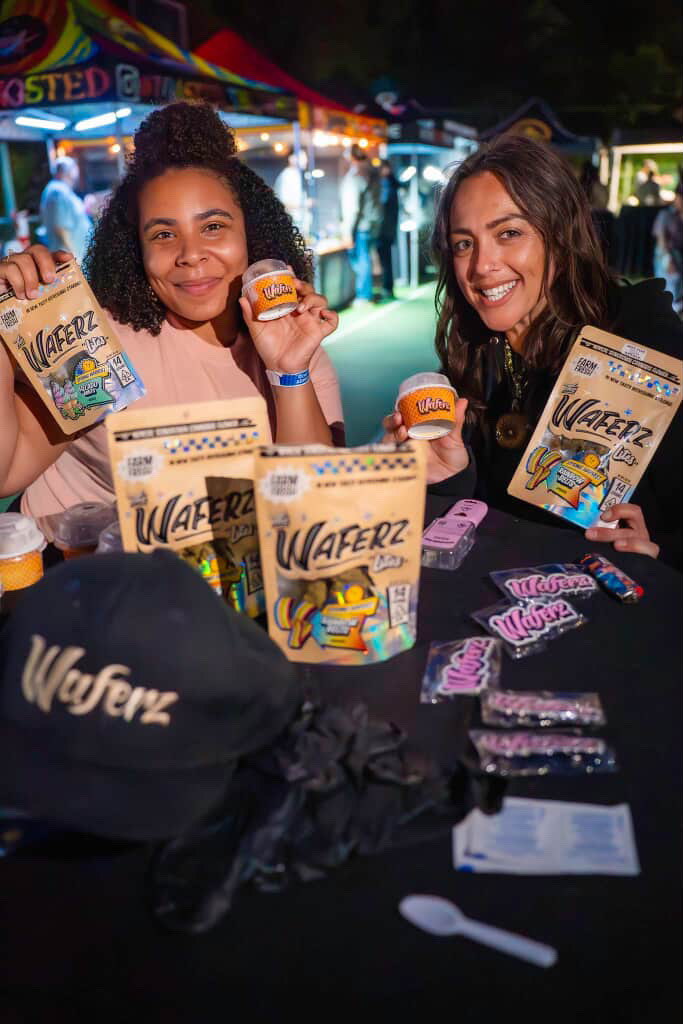
As always, we appreciate you sharing your insights and we’ve got a few more questions for you, but before we get to all of that can you take a minute to introduce yourself and give our readers some of your back background and context?
I didn’t enter media because it was trendy or glamorous. Honestly? I stepped into it because people kept saying, *“Girl, you’re so funny.” *
And for a long time, I brushed that off. I didn’t see it as something to build on I saw it as just personality. But at the same time, I was evolving. I was outgrowing old versions of myself, old environments, old expectations. I needed a space where I didn’t have to shrink anymore.
Growing up and even into my 20s, I was very good at adapting. I knew how to read a room, how to blend in, how to soften my edges so I could fit whatever environment I was in. I was ambitious, observant, structured — but I didn’t always let people see the full version of me. I gave people what was comfortable.
Media became the place where I stopped editing myself.
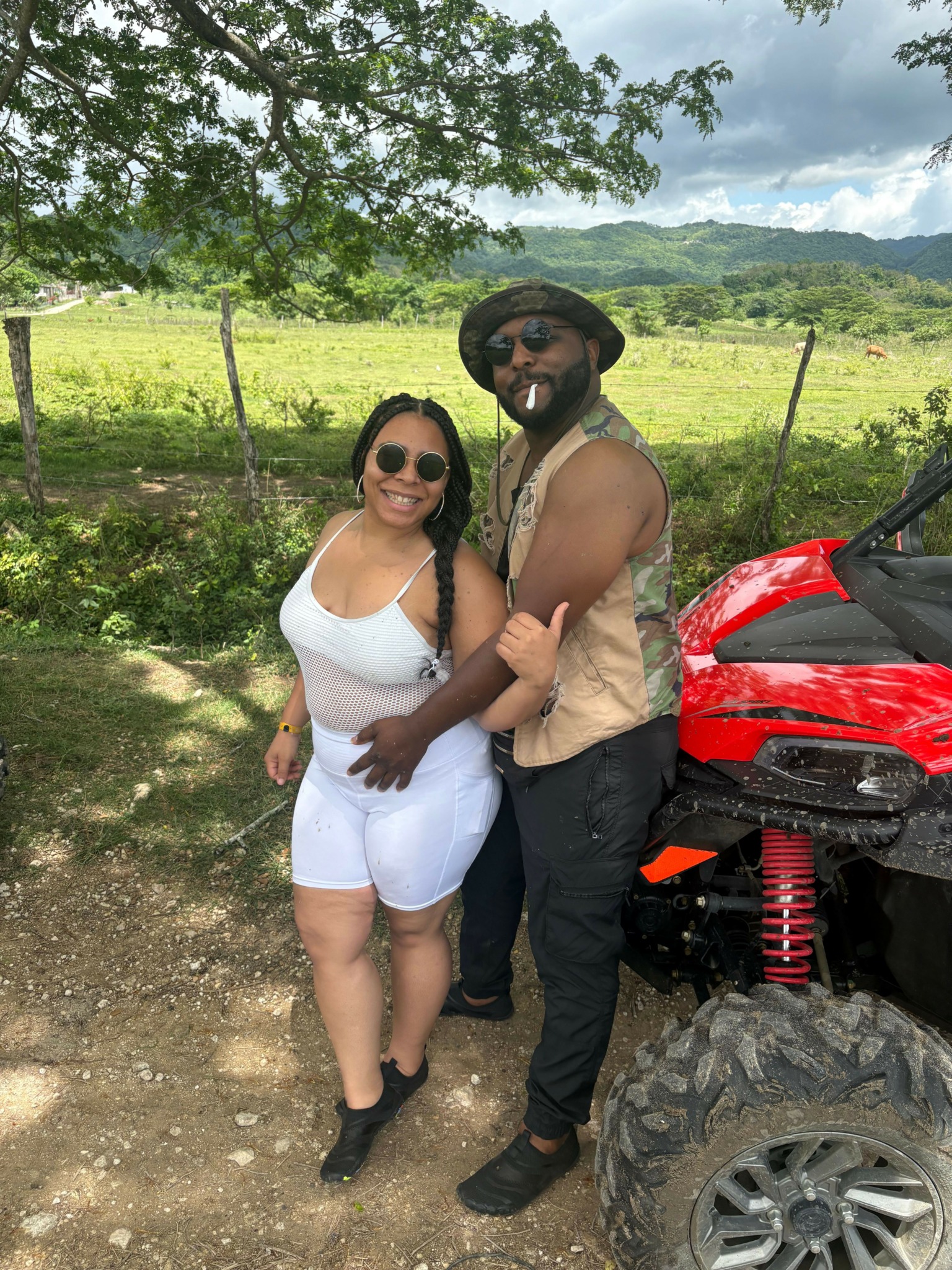
I started creating from a place of honesty — especially with my husband. It wasn’t calculated. It was real conversations, real humor, real growth. As I grew personally, the content grew with us. And truthfully, his motivation is what keeps me consistent. I’m naturally analytical. I can overthink anything. He pushes me to just post it. To not second-guess. To let it live.
Today, my work sits at the intersection of lifestyle, personal development, and relationship storytelling. I create:
* Real, non-performative couples content
* Thoughtful reflections on growth and outgrowing environments
* Conversations around ambition, discipline, and structure
* Content about building a life and legacy intentionally
* Honest perspective pieces on confidence and self-evolution
A huge part of our brand is building together. We’re not posting for aesthetics or trends. We’re documenting partnership, shared vision, long-term building. We care more about depth than optics. What you see is rooted in who we actually are and what we’re actually working toward.
The “problem” I solve isn’t technical — it’s emotional. A lot of media feels loud, curated, or exaggerated for attention. I offer something grounded. Structured. Strong but calm. Confident without being chaotic. I create for people who are evolving the ones who feel themselves expanding and don’t always see that reflected in what’s online.
What sets me apart is that I’m multidimensional. I have a structured, operational mindset, but I’m also naturally creative and expressive. I’m disciplined but funny. Strategic but emotional. That balance shapes everything I build. I’m not chasing viral moments I’m building something that lasts.
What I’m most proud of is finding my real voice after years of minimizing it. I didn’t build a brand off shock value or trends. I built it off growth. Off lived experience. Off lessons from shrinking and then deciding I wasn’t doing that anymore.
If someone is discovering me for the first time, I want them to know:
I value evolution.
I value partnership.
I value discipline.
I value authenticity without performance.
My brand is about becoming more not louder, not smaller just more aligned. It’s about building something meaningful, documenting the process, and showing that confidence can be structured, intentional, and still soft where it needs to be.
I’m not here to fit into a lane.
I’m here to build one.
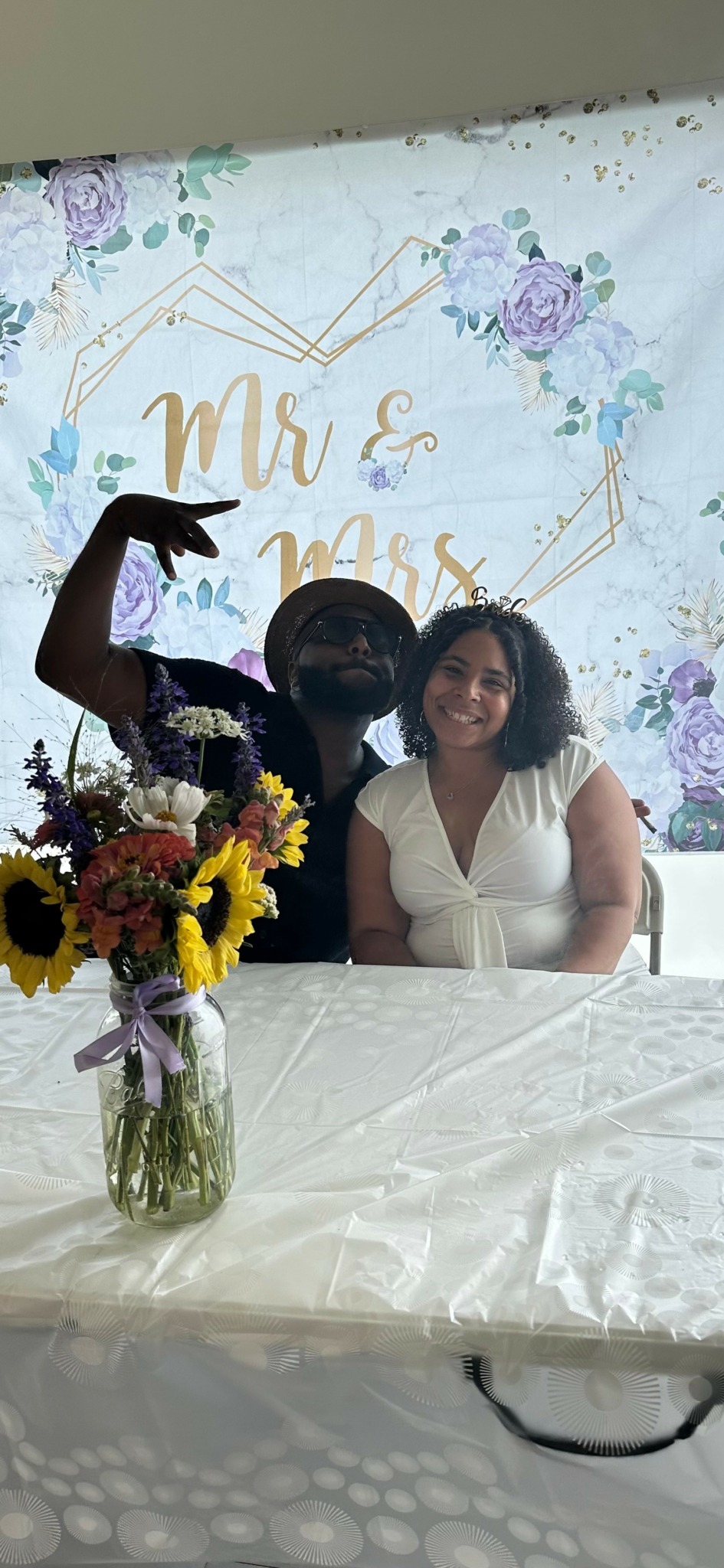
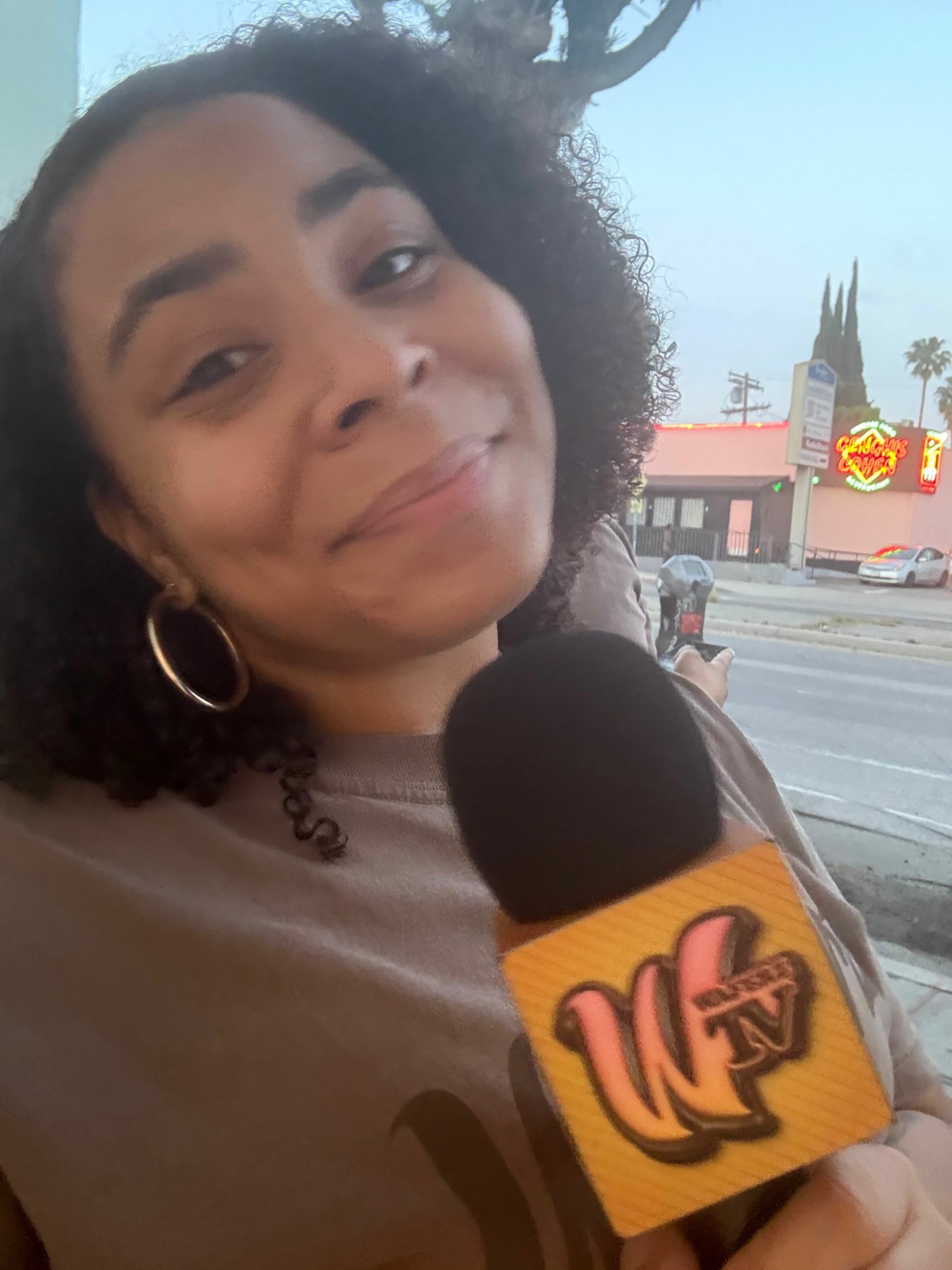
Are there any books, videos, essays or other resources that have significantly impacted your management and entrepreneurial thinking and philosophy?
There are a few books that really shaped how I think about building, managing, and growing — both in business and in life.
One is **The Four Agreements**. That book broke a lot down for me in a way that stuck. *Be impeccable with your word. Don’t take anything personally. Don’t make assumptions. Always do your best. * Sounds simple, right? But applying it changes everything — how I lead, how I show up in partnership, how I handle conflict. Not taking things personally has saved me so much mental energy, and being clear with my word makes systems, teams, and even relationships run smoother.
Another is **Tidy the F*ck Up**. At first, I thought, “Okay, cool, organizing stuff.” But it’s really about standards. Chaos is a choice. Whether it’s your home, your calendar, your workspace, or your mindset — if it’s messy, it’s costing you. That one clicked hard for me as an entrepreneur: when your environment is clean, your mind is clear, and your decisions are sharper.
And then there’s **Marriage Be Hard**. That one hit different because I’m building with my husband. It reminded me that partnership — whether marriage or business — isn’t supposed to be easy. Hard doesn’t mean wrong, it just means growth. Communication, accountability, alignment — that stuff is everything. It applies to marriage, but also to building a brand, building a business, and building a life together.
Those three books really shaped my philosophy:
* Keep your word and don’t overcomplicate things.
* Get your space, your systems, and your life in order — chaos costs energy.
* Hard work, hard conversations, hard growth — that’s the point, not the problem.
They didn’t just motivate me — they actually corrected me. They taught me to operate with clarity, integrity, and intention. And that’s the kind of thinking I try to bring into everything I build — with my husband, in media, and in life.
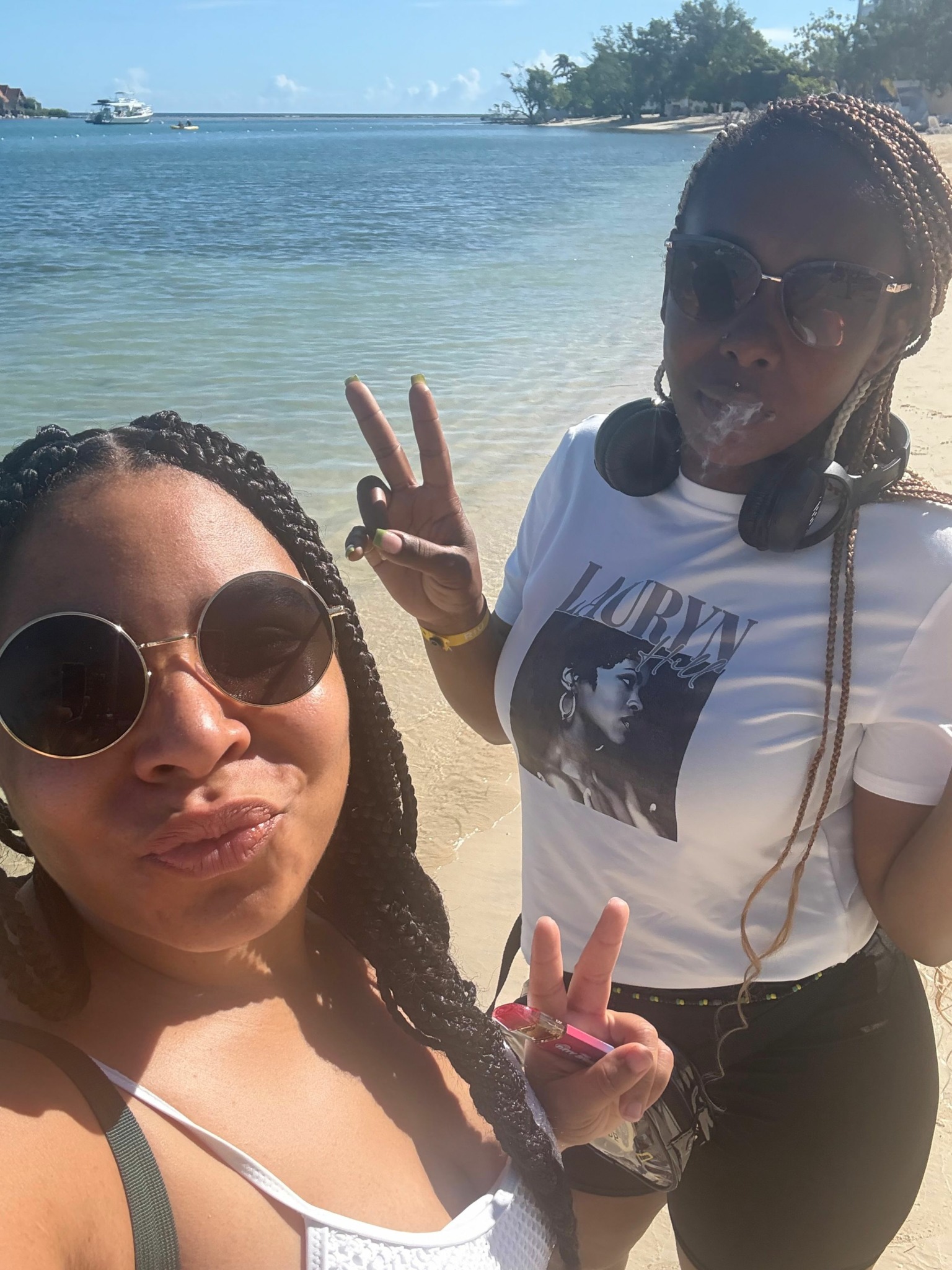
What can society do to ensure an environment that’s helpful to artists and creatives?
I think the biggest thing society can do is *stop treating creative work like a hobby*. Artists, creators, and media makers aren’t “just having fun” this is work. It takes discipline, time, energy, and a ton of unseen effort. Paying fairly, respecting contracts, and valuing the process like any other profession goes a long way.
Beyond money, it’s about visibility and opportunity. People need to see that creative careers take strategy, persistence, and actual skill. Mentorships, workshops, and resources that teach how to navigate the industry make a huge difference.
Culturally, we also have to stop gatekeeping and start celebrating risk-taking. Artists grow when they’re allowed to experiment, fail, and push boundaries without judgment. Support isn’t just applause it’s permission to take up space, to expand, and to challenge norms.
And finally, community is huge. Creative people thrive when they connect, collaborate, and lift each other up instead of competing in silence. Real connections spark ideas, growth, and consistency.
At the end of the day, supporting creatives is about *respect, opportunity, and space*. Respect the work. Support the grind. Give people room to show up fully. That’s how we actually grow a thriving creative ecosystem.
Contact Info:
- Instagram: https://www.instagram.com/theauntamandab_/
- Youtube: https://www.youtube.com/@theaunt_and_uncle