

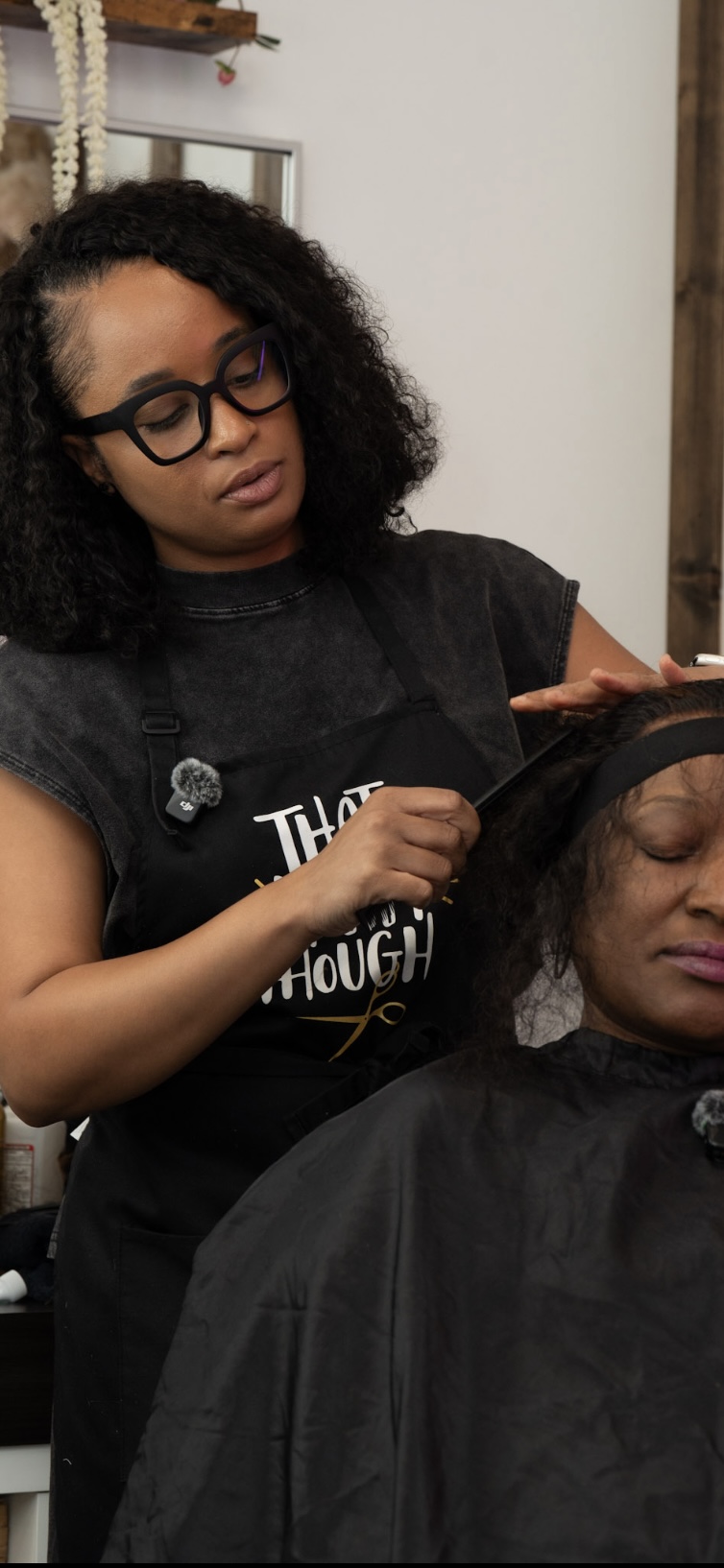

We were lucky to catch up with Stormy Jones recently and have shared our conversation below.
Stormy, thanks for taking the time to share your stories with us today Are you happier as a business owner? Do you sometimes think about what it would be like to just have a regular job?
Yes — I am happier as a business owner. But that answer didn’t come easily, and it definitely didn’t come quickly.
I’ve been a hairstylist for 15 years. Before that, I worked at least 20 dead-end jobs — retail counters, office desks, places where I watched the clock more than I watched my future. I always knew I was capable of more, but I hadn’t figured out where I belonged yet. When I found hair, it felt like I had finally stepped into something that fit.
But around year nine behind the chair, I hit a wall.
The days felt heavier. My body was tired. My creativity felt drained. I was fully booked, but internally I was empty. Then the pandemic hit, and like so many other service-based professionals, everything stopped. I remember sitting in my quiet salon space, the lights off, the air still, and thinking, “Is this it? Should I just get a regular job?”
I pictured the stability — a steady paycheck, health benefits, evenings that didn’t revolve around clients. There was a strange comfort in imagining a simpler path. No inventory to manage. No marketing. No pressure to keep growing.
But every time I played that scenario out in my mind, something didn’t sit right.
It wasn’t fear of hard work — I’ve never been afraid of that. It was the thought of going back to work that didn’t mean something deeply personal. I knew I wanted to help people, but I also knew I couldn’t keep helping in the same way I had been. Traditional hairstyling, while beautiful, wasn’t fulfilling the deeper calling I felt.
During that season of burnout and uncertainty, I started noticing something I hadn’t paid enough attention to before — the quiet heartbreak of women experiencing hair loss. The shame. The isolation. The way they would whisper instead of speak about it. I realized there was a gap. Women didn’t just need a stylist. They needed an advocate. A safe space. Someone trained, compassionate, and willing to walk with them through something so vulnerable.
That realization changed everything.
Instead of quitting, I pivoted. And then pivoted again. I invested in education. I redefined my services. I rebuilt my brand around confidence restoration and hair replacement solutions. It wasn’t easy — growth never is — but it reignited me in a way I hadn’t felt in years.
Now, I can honestly say I’m happier than I’ve ever been professionally. Not because entrepreneurship is glamorous — it isn’t. It’s stretching. It’s humbling. It requires constant evolution. But it’s aligned. And alignment is powerful.
I don’t think about getting a regular job anymore. I think about the women who walk into my space feeling defeated and leave standing taller. I think about the purpose behind the work. I think about the younger version of me working those 20 jobs trying to figure it out — and I’m grateful she didn’t settle.
This isn’t just a business. It’s the result of burnout turning into clarity, doubt turning into direction, and experience turning into purpose.
And I wouldn’t trade that for anything.
Stormy, love having you share your insights with us. Before we ask you more questions, maybe you can take a moment to introduce yourself to our readers who might have missed our earlier conversations?
My name is Stormy Jones, and I’ve been in the beauty industry for 15 years — but my journey to get here wasn’t linear. Before becoming a hairstylist, I worked at least 20 different jobs trying to figure out where I belonged. I always knew I was creative. I always knew I wanted to help people. It just took time to find the space where those two things could fully meet.
When I found hairstyling, it felt like home. I loved the artistry, the transformation, the connection. But as the years went on, I began noticing something deeper happening in my chair. Some of the most emotional, vulnerable conversations weren’t about everyday hair trends — they were about thinning hair, bald spots, medical diagnoses, stress shedding, and the quiet grief women carry when their hair begins to change.
Hair loss is often dismissed as cosmetic. But for many women, it is deeply personal. It affects identity, confidence, femininity, and how safe they feel in the world.
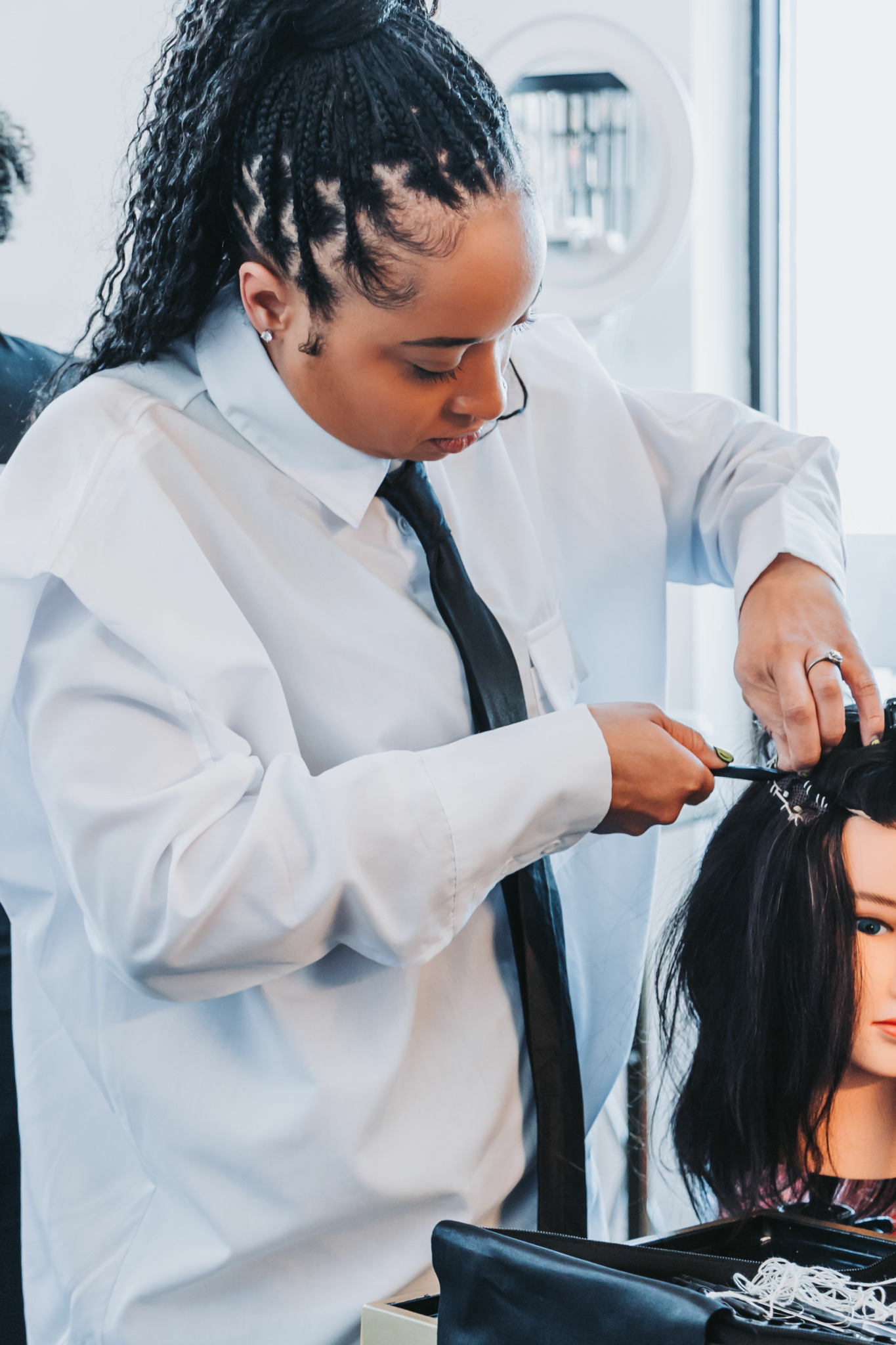
Around the nine-year mark in my career — during a season of burnout and right around the pandemic — I started questioning everything. I knew I still wanted to help people, but I needed my work to have deeper impact. That’s when I began studying hair loss solutions and scalp health more seriously. I realized there was a massive gap in compassionate, specialized care for women experiencing hair loss.
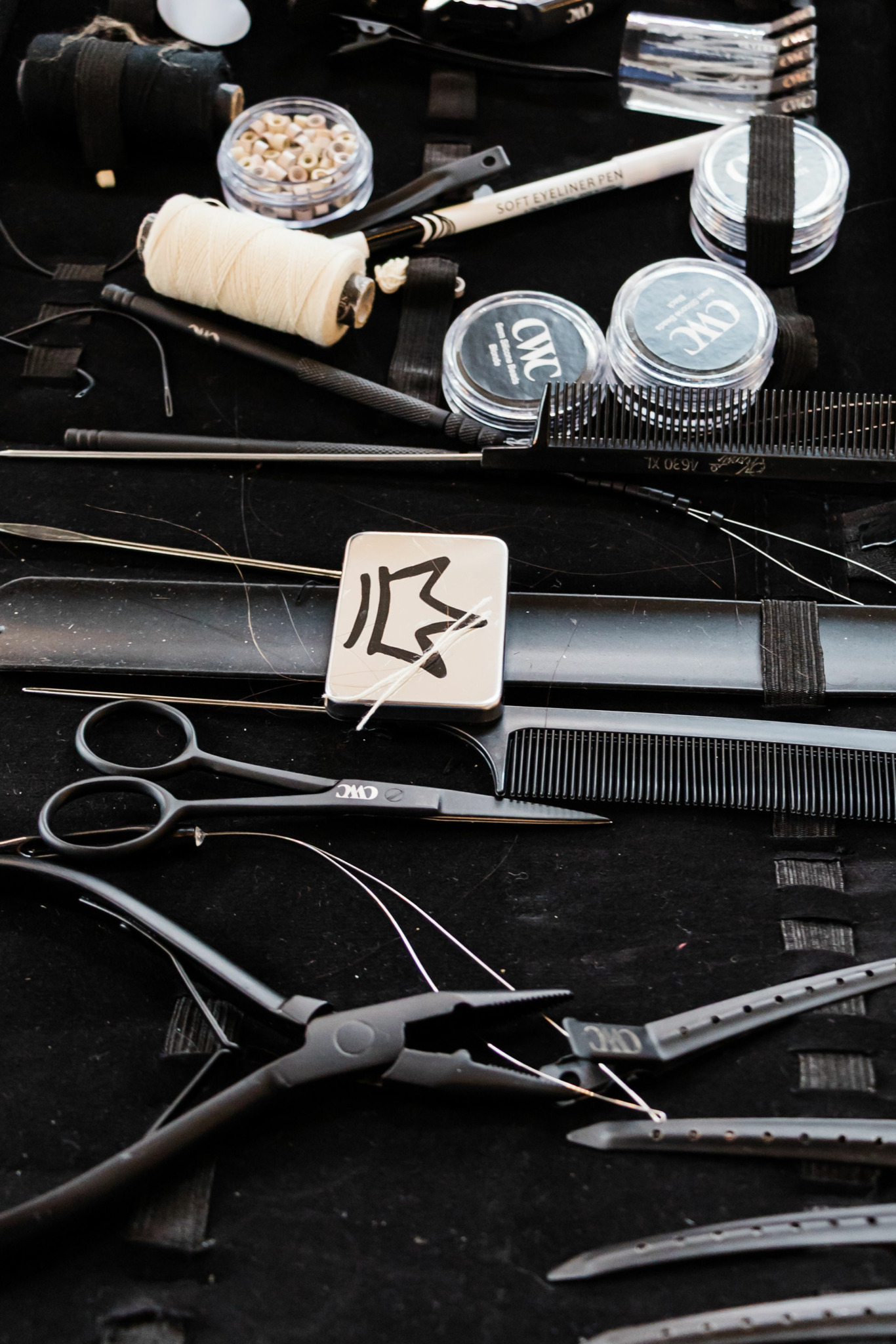
Today, I specialize in non-surgical, non-invasive hair replacement systems, mesh and lace integration methods, and scalp-focused solutions designed specifically for women. My work blends artistry with technical precision and empathy. I don’t just “do hair.” I create customized solutions that restore confidence while protecting the integrity of a woman’s natural scalp and hair.
The problems I solve go far beyond aesthetics. I help women who are:
Experiencing thinning due to stress, hormones, or genetics, navigating hair loss from medical treatments,dealing with traction alopecia from years of extensions or tight styling, struggling with scalp conditions or discoloration, feeling unseen, unheard, or dismissed in traditional salon spaces.
What sets me apart is not just the technique — it’s the intention.
My approach is private, personalized, and rooted in dignity. I understand that walking into a salon for hair loss can feel intimidating. Many women have been told to “just wear a wig” or “it’s not that bad.” I don’t minimize their experience. I listen first. I educate thoroughly. I create a plan that aligns with their lifestyle, comfort level, and long-term scalp health.
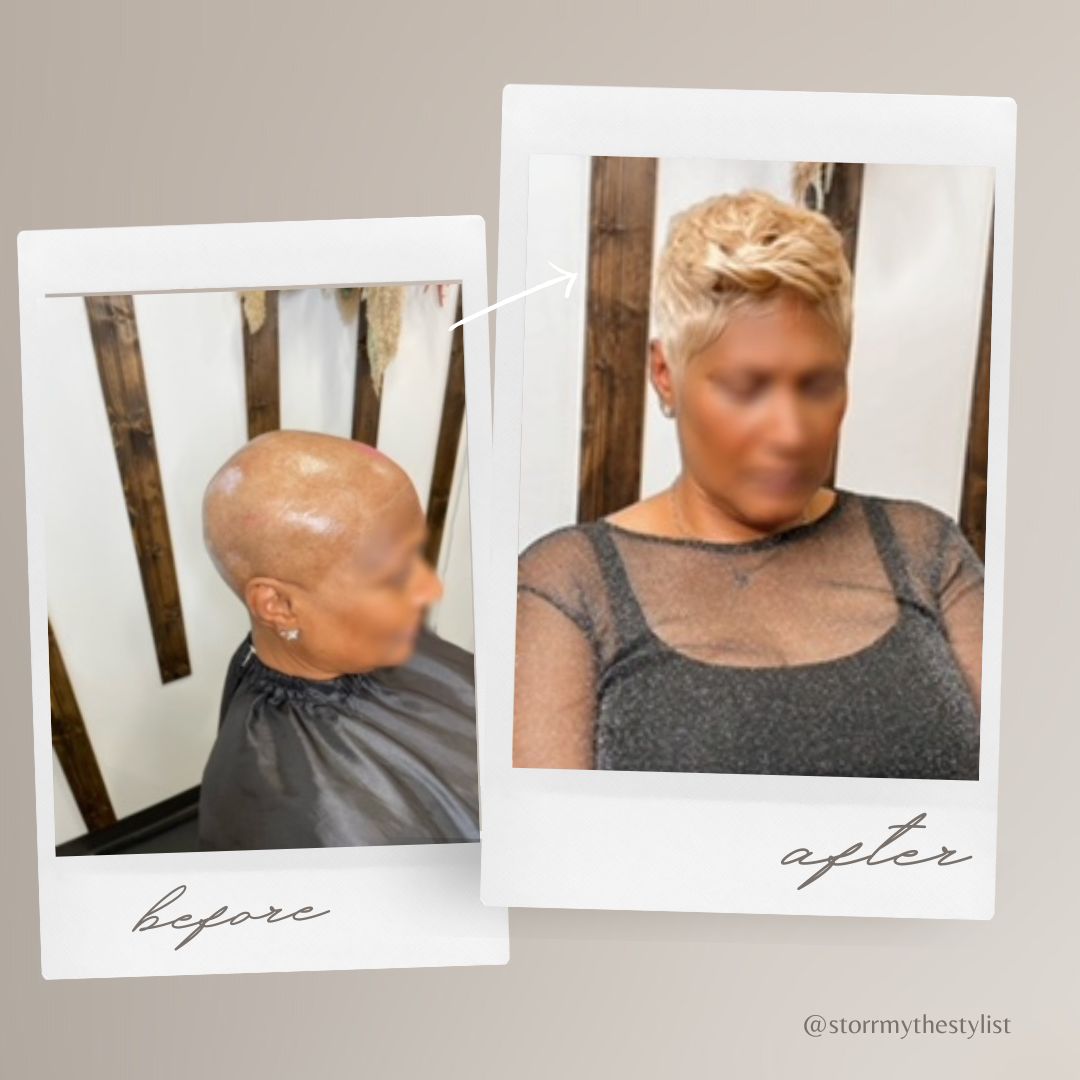
I’m especially proud of building a space where women feel safe enough to take their head covering off for the first time in years. There is nothing more powerful than watching someone look in the mirror and see themselves again — not a disguise, not a mask, but a version of themselves that feels whole.
I’m also proud of the pivots. I’ve evolved my business multiple times. I’ve walked through burnout. I’ve rebuilt with intention. Entrepreneurship has stretched me in ways I never expected, but every shift has brought me closer to clarity about my mission: confidence restoration.
For potential clients and followers, I want them to know this:
You are not alone.
You are not dramatic for caring about your hair or not being comfortable with your current hair state.
And you deserve specialized care that treats both your scalp and your spirit with respect.
My brand is about more than beauty. It’s about restoration. It’s about innovation paired with compassion. It’s about helping women feel powerful again in their own skin.
I truly believe this is the work I was meant to do.
Can you tell us about what’s worked well for you in terms of growing your clientele?
The most effective way I’ve built my clientele has been through a combination of powerful word of mouth and intentional social media storytelling — and honestly, the two feed each other beautifully.
Because I specialize in hair replacement and solutions for women experiencing hair loss, trust is everything. This isn’t a quick trim or trendy color appointment. This is deeply personal work. Most of my clients come to me because someone they trust whispered my name in a moment of vulnerability.
Word of mouth has been my strongest foundation.
When a woman sits in my chair and feels seen — truly seen — she tells her sister, her coworker, her friend from church, the mom at school pickup. Many of my clients don’t post publicly about their hair loss, but they will privately share my name when someone confides in them. That kind of referral is powerful because it’s rooted in experience, not advertising.
I’ve built my reputation on results, discretion, and compassion. When you consistently deliver not just a service but a transformation — emotionally and physically — people talk. And in a niche like mine, quiet referrals often matter more than loud marketing.
At the same time, social media has allowed me to educate at scale.
I use my platforms to normalize conversations around thinning hair, scalp health, and non-surgical solutions. I share faceless transformations, I educate and share facts about female hair loss. I break down integration methods. I speak directly to the woman who is scrolling at midnight Googling, “Why is my hair thinning?” This approach builds trust before someone ever books a consultation.
Social media has also allowed potential clients to see my heart. They see that I’ve been in the industry 15 years. They see that I pivoted with intention. They see real transformations and real testimonials. By the time many women reach out, they already feel like they know me — which lowers the emotional barrier to booking something so vulnerable.
If I had to summarize it, I would say this:
Word of mouth builds depth.
Social media builds reach.
Word of mouth brings in highly qualified, trust-based referrals.
Social media warms up the women who didn’t even know solutions like this existed.
The real magic happens when both align. A client refers someone, that person looks me up online, sees consistent education and integrity in my content, and feels confident taking the next step.
In a niche built on trust, that combination has been everything.
How about pivoting – can you share the story of a time you’ve had to pivot?
One of the biggest pivots in my life and business happened around year nine of being a hairstylist.
At that point, I had been in the industry for nearly a decade. I was fully booked. On paper, everything looked successful. I had spent years building clientele, refining my craft, and establishing myself. But internally, I was exhausted.
I had already worked 20 different dead-end jobs before finding this career, so the thought of starting over again felt terrifying. Hairstyling was supposed to be “it.” And yet, I felt a quiet dissatisfaction growing. My body was tired. My creativity felt limited. I loved my clients, but I no longer felt energized by the work in the same way.
Then the pandemic hit.
Everything paused. The salon went quiet. For the first time in years, I had space to think. And in that stillness, one question kept surfacing: Is this sustainable? I even considered getting a regular job — something stable, predictable, less physically demanding. It felt safer.
But the more I sat with it, the more I realized I didn’t want to leave the beauty industry. I just needed my work to evolve.
My pivot wasn’t overnight. It required additional education, financial investment, rebranding, and the courage to shift my identity from “traditional stylist” to specialist. I had to release parts of my business that were comfortable but no longer aligned. That was scary.
But that pivot changed everything.
Instead of walking away from the industry, I stepped deeper into my purpose within it. I moved from general hairstyling to specializing in confidence restoration through customized, non-surgical hair systems and scalp-focused solutions for women.
Looking back, burnout wasn’t the end — it was a signal.
It forced me to reassess, refine, and rebuild in a way that aligned with who I was becoming. Today, I am more fulfilled than ever. That pivot didn’t just grow my business — it strengthened my resilience and clarified my mission.
Sometimes pivoting isn’t about quitting.
Sometimes it’s about listening closely enough to evolve.
Contact Info:
- Website: https://www.folliclebloom.com
- Instagram: https://instagram.com/stormythestylist
- Facebook: https://www.facebook.com/stormythestylist
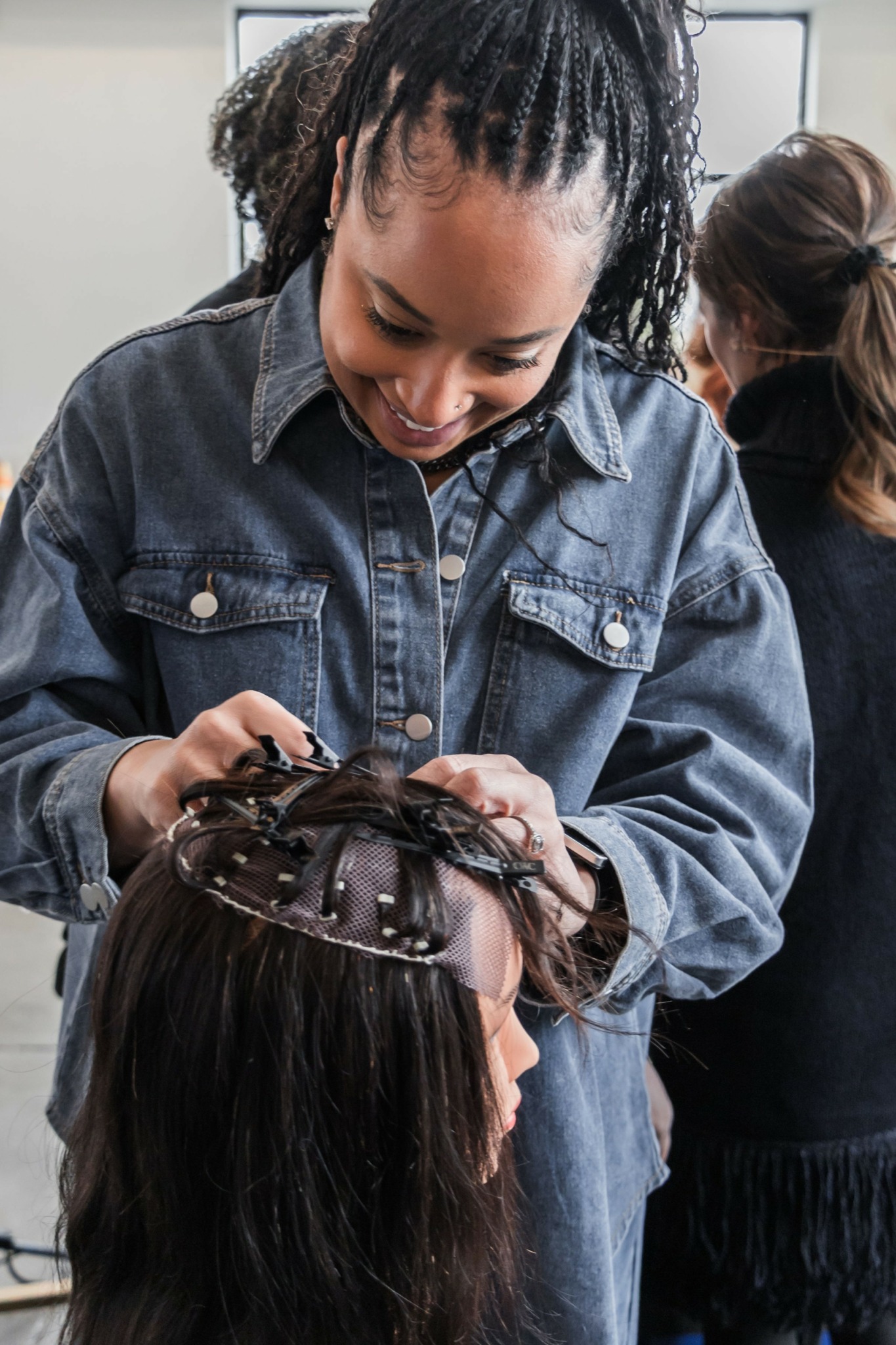

Image Credits
Terrell Murckson