


Wanting to be an artist or creative is step one. Following through means investing in learning your craft, but we’ve heard from so many aspiring artists and creatives who feel unsure about where to start and so we’re incredibly grateful to the artists and creatives who’ve agreed to share their stories of how they learned their craft.
Travis Farris
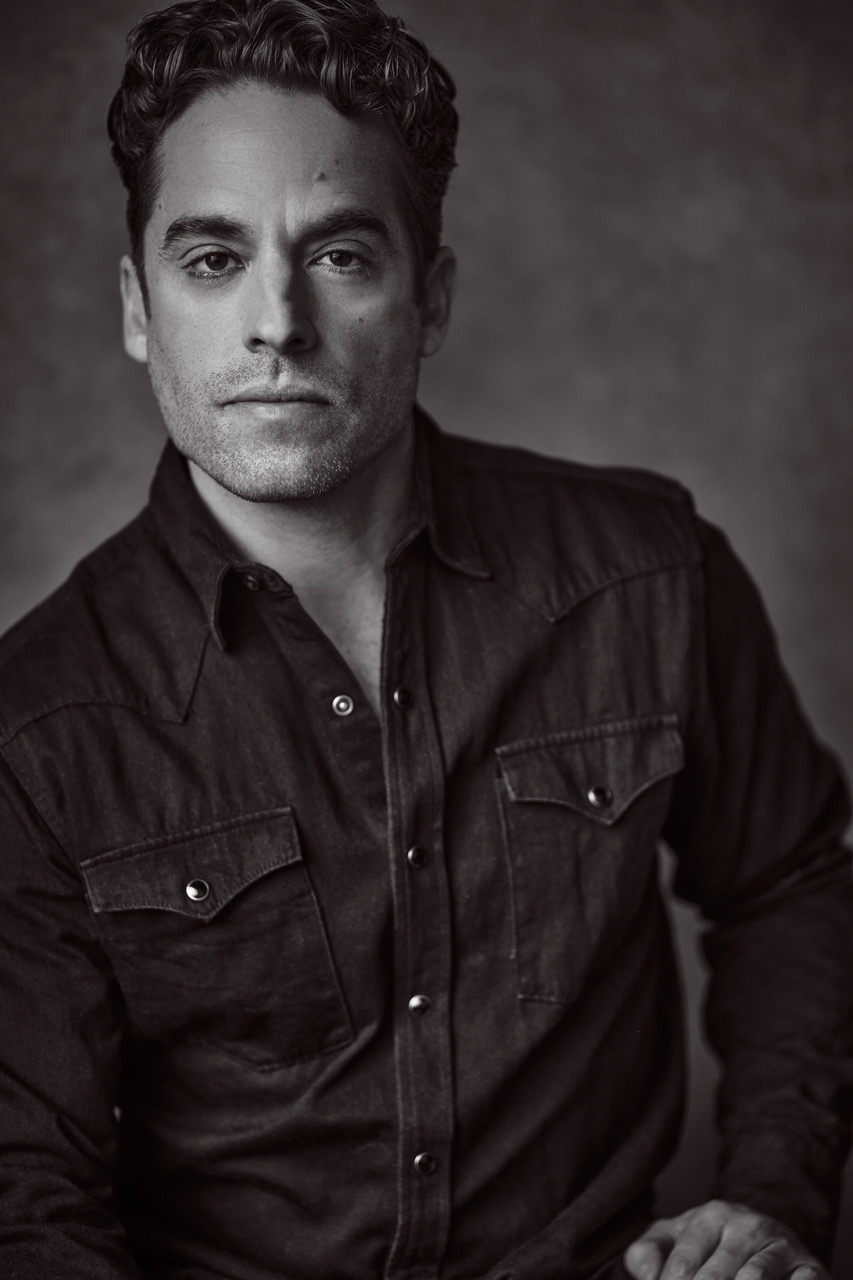
I believe that we are all born actors. It’s instinct. We adapt to survive. We evolved in living moment to moment and staying alive, and passing those experiences on through our DNA and then through our communication to the next in line and so on and on… More to the point of my experience, I learned to tell stories from my parents and grandparents. My mother is from an large Mexican family that is very close, they were always part of each other’s lives when I was small, and my grandmother’s house would be full of voices and laughter and expressions and big emotions. My great-grandmother on my father’s side, Elsie Mae taught me how to be still and listen to stories that spanned generations, words with lessons and meaning. My history. It was and still is invaluable. Read more>>
Jared Himstedt

My whisky journey began with homebrewing beer. I started brewing a few batches of beer yearly after receiving a homebrew kit as a wedding gift in 1999. I joined a local homebrew club, where we met monthly to share our creations and learn from one another. Engaging with a community of diverse backgrounds and techniques helped broaden my understanding of the homebrewing craft and the variety of ways each person’s personality, interests, and strengths inform how they approach the process. I think approaching any medium with training and experience in another medium is positive. A formal visual arts background focusing on ceramics helped me approach whisky-making with that lens. Getting caught up in industry-specific vocabulary and ways of thinking about the work is easy, but approaching whisky with composition in mind helps us get out of potential and predictable ruts. Ceramics taught me how to get to know a material’s characteristics and personality. Sometimes, it seems the clay wants to be handled a certain way, and it can become a conversation between the maker and the medium. It helps erode the idea of an inert raw material and that the final work is to the maker’s credit. It’s an inherently communal process; we approach whisky in that spirit. Read more>>
Olivia Taylor

I was taught the more physical and conceptual basics for art & design in college; how to think through a creative brief, find inspiration, and translate my ideas to the page – but honing my skills past beginner levels whether it be on the computer, illustrating, hand lettering, painting – those skills came from just going for it. And of course, LOTS of time practicing. If I had been more consistent in my practice and focused on one medium instead of jumping between them, I might have reached this point sooner. But now, with a broad range of skills, I’m grateful I allowed myself the freedom to explore and follow my interests. Read more>>
Melis Caner

I studied Film in college, focusing on cinematography, editing, and sound design, but animation wasn’t even on my radar back then. I never thought I’d be capable of creating 3D animations on my own. Life had other plans, though. After graduating, I found myself drawn to the creative freedom of animation during the pandemic. With the help of YouTube tutorials and collaborating with my partner, I dove into the world of 3D animation, and what started as curiosity turned into a career path and a passion. Read more>>
Michael Frankenberger

When it comes to learning music, my journey began quite early, as is often the case here in Austria, I started with the recorder at the age of five, but it wasn’t long before I developed a fascination with the classical accordion. To this day, I’m not entirely sure what drew me to that particular instrument, but it became my passion. I dedicated myself to getting as good as possible on the instrument, performing in concerts and competitions, which gave me my first taste of the joy that music could offer. Read more>>
Jessica Uhler
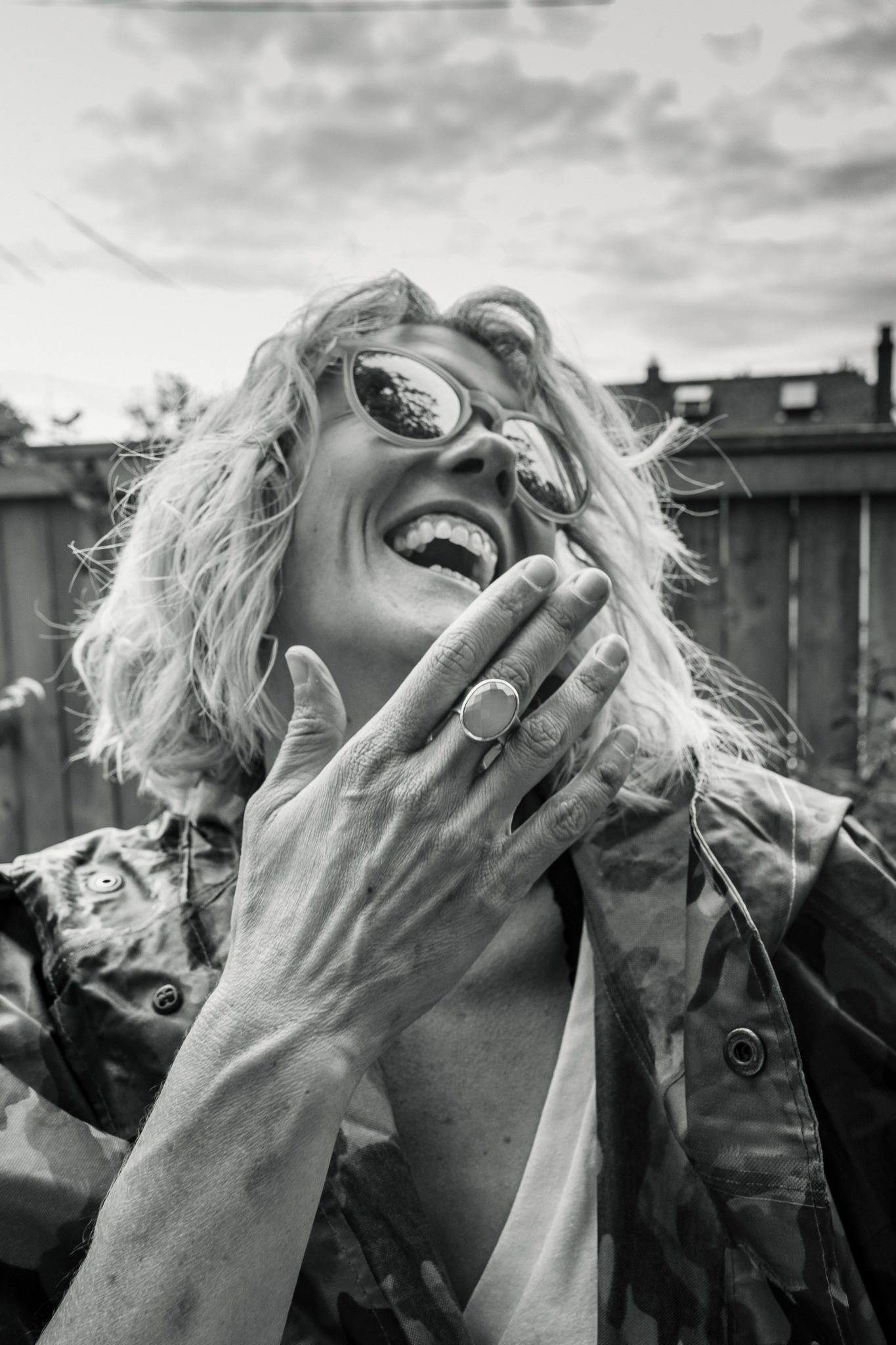
I began learning photography in the high school darkroom, and continued on in college. I loved it, but once I was out of an environment where I had access to a lab it wasn’t feasible for me to continue, Once digital cameras became mainstream I started teaching myself and taking classes online. There are so many excellent educational resources for creatives online. The most impactful experiences for me have always involved other people and critique. Getting feedback on what you need to improve, what’s not working is so important. In-person intensive workshops with master photographers. collaborations with peers have been invaluable. I don’t know that I could have sped up my learning, per se. I believe you are only ready to absorb certain lessons and grow in certain ways at just the right time, when you are ripe for it creatively and experientially. One thing I would tell myself if I could go back to earlier in my career is to learn form the masters and not pay as much attention to the “industry” of photography. My ultimate desire is to make art that is true to my vision and speaks something true about myself and the world. It’s easy for that to get lost in a sea of voices if I’m looking at what others are doing as a template for myself. Read more>>
Latoya Murchison
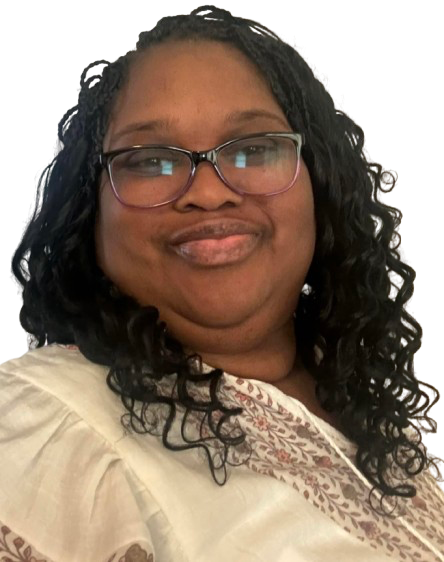
I learned about writing through a mix of formal education and personal exploration. In school, I grasped the fundamentals of grammar and structure, but it was through reading widely and writing regularly that I truly developed my skills. Experimenting with different genres and receiving feedback from others helped me refine my voice and technique. Over time, I realized that writing is a process that involves constant revision, patience, and a willingness to learn from mistakes. I believe the most essential skills for writing are clarity of thought, strong organization, and the ability to revise effectively. Writing requires not just good grammar, but the ability to communicate ideas in a way that resonates with the reader. Obstacles in writing can include writer’s block, self-doubt, and the difficulty of balancing creativity with structure. External distractions and time constraints can also make it challenging to focus and complete a piece. Read more>>
Kounthear Kuch
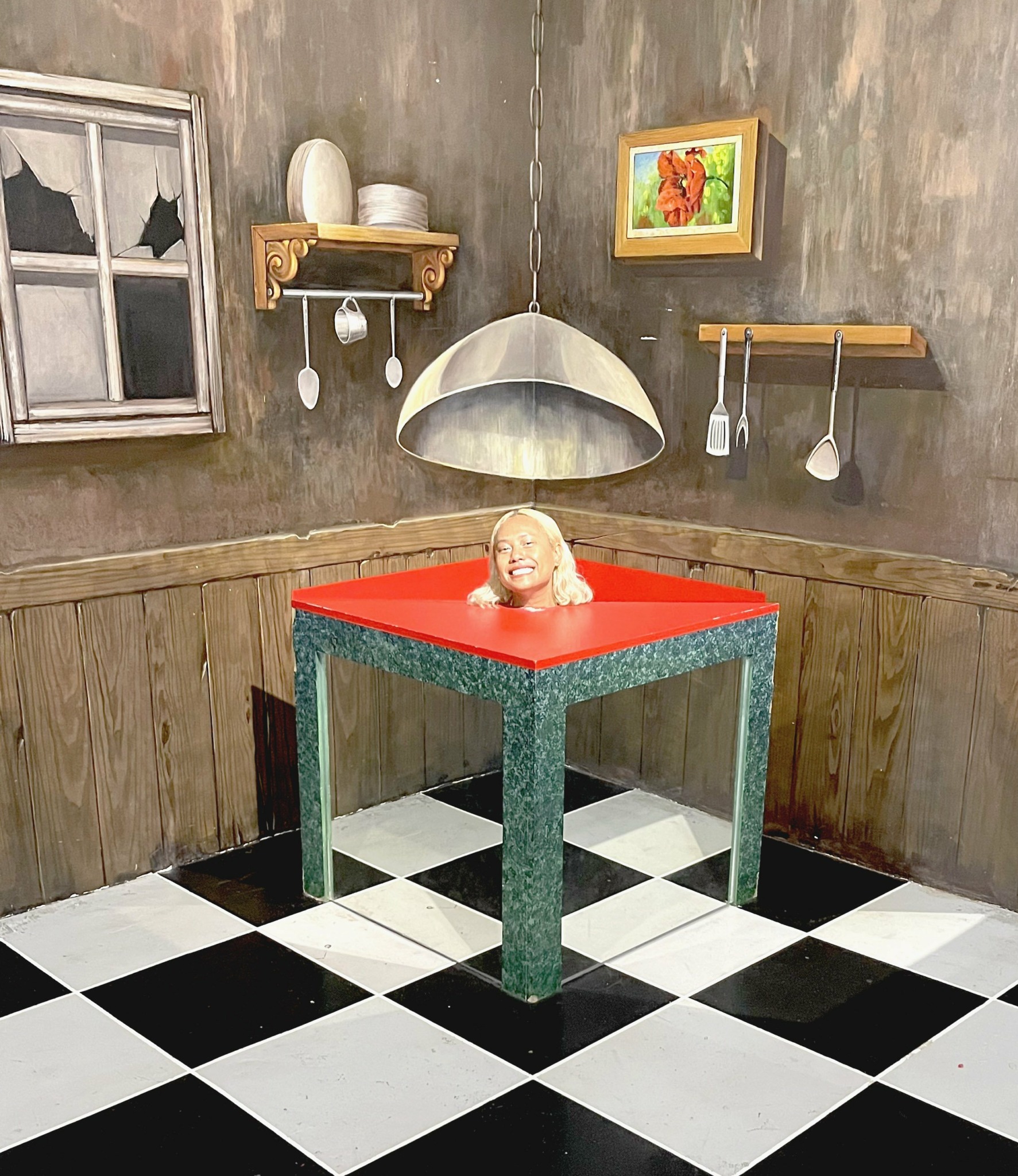
I have always been quick with problem solving and that is pretty much what prop styling is. I assisted a prop stylist for a year and then started picking up my own lead jobs. I think to be a good prop stylist you have to be able to react on demand and be adaptable to people. Understanding gravity and how to build sets and rigging is also a bonus. I specifically like working with skincare brands and that in itself is an art form. I prefer to do texture shoots which feels more like painting with skin care products. It takes time and practice to understand how different skin care products move which only experience will help with that. Read more>>
Peter
Having a skillset is what separates me from the others. Most content creators are just shmucks with an iPhone. Everyone can use their camera and do a green screen. That’s not special. Sure, there is a time and place for using green screen content, some of it works really well but that does not make you valuable. Learning how to do graphic design, being highly skilled at video editing, being able to take a project from step 1 to the finish line, that’s what makes you valuable to brands and companies and that is what I do. You also can’t teach a creative eye, you either have it or you don’t. Read more>>
Bret Childers
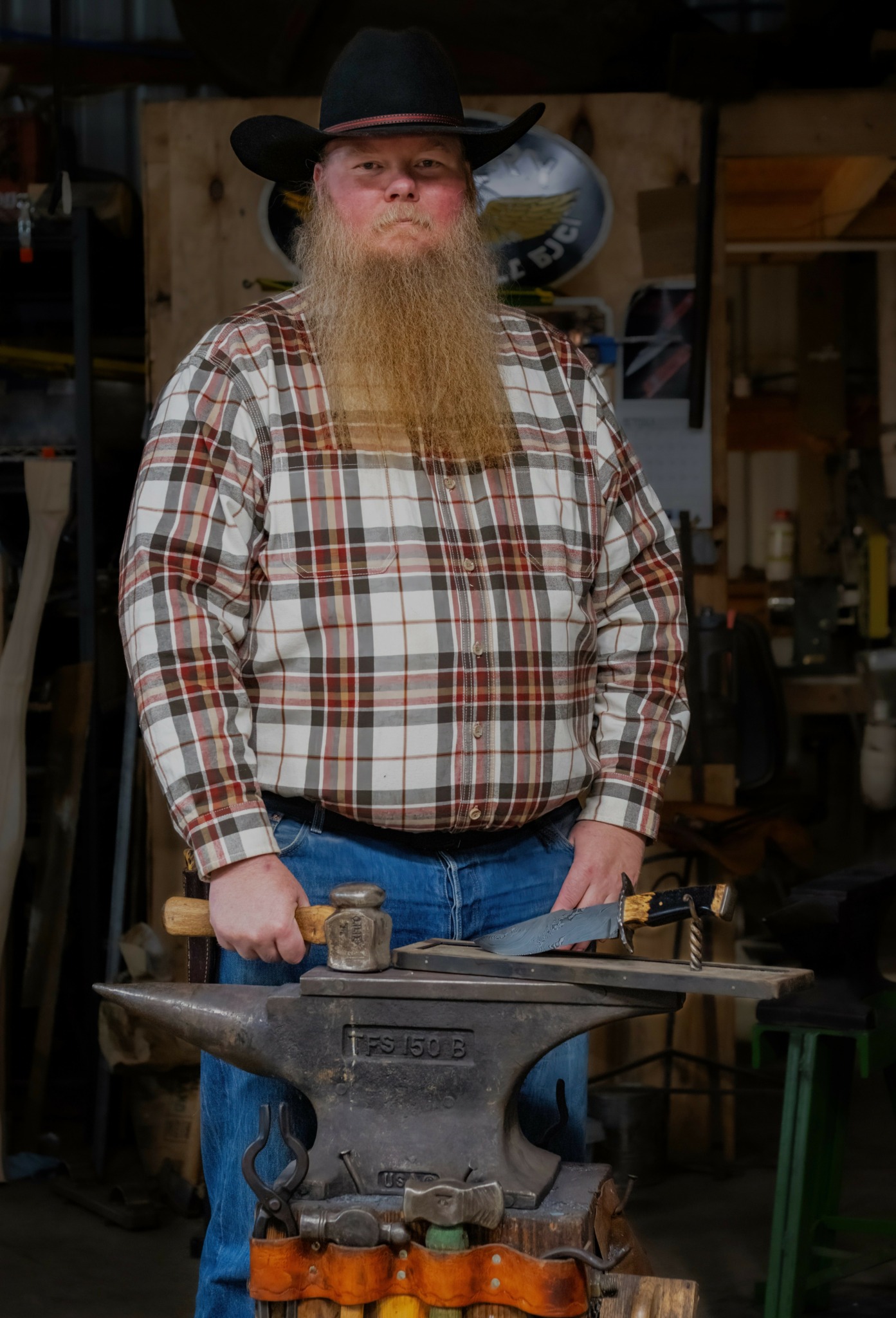
I can vividly remember being a young kid and playing with campfire at our family cabin in the hills of Washington. I remember having a metal hot dog roasting stick, I had it in the fire so long that it turned red. when I went to go push a log with it, it bent with ease. I was enamored with how something so rigid and strong could heated and shaped with ease. I did get in a little trouble from my dad, but we laugh about it now, because i get paid good money for something i once got in trouble for. Read more>>
Lost Ravens

As a music producer, I learned how to make trap beats / EDM watching tutorials and spending endless days inside my room tweaking every single minor detail. Hindsight is always 20/20 but looking back, I spent a lot of time studying in school (culture thing) and trying to be something that I was not. If had put more effort towards music maybe I could’ve progressed faster? I feel like if I had focused more on alternative ways to fund my music endeavours I would have made much better progress. As time moved on and I grew up I realized that maintaining discipline is the most essential thing when it comes to making music. The discipline to finish the projects you have started definitely gives a huge confidence boost that you can build upon. Read more>>
Sally Im
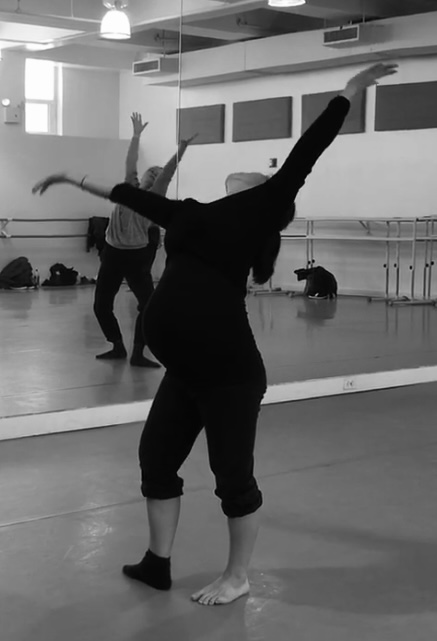
My learning curve for any given skill is a long and gradual slope but I am so eager to learn new things. This often creates frustration within me. But with age I am learning to trust that finding one’s own style or voice will happen with lots of thoughtful practice. I’ve always loved to dance, like many young kids do. But in my late twenties I found a dance teacher (Laurie De Vito) who was able to teach the foundational skills that gave me the ability to express myself. It sounds like a very simple formula. And to some degree it is. But like many things, luck and perseverance are factors we can’t predict. I think one important discovery I made was assessing that dedicating time to learning something was an investment in yourself. If you feel the reward of that investment is exponential, meaning you value the growth as way more than what you put in, then perseverance comes much easier. Read more>>
Fallon Peper
My degree is in Early Childhood Education. You honestly can’t REALLY teach classroom management. You just gotta get in there and figure it out. What works for you!? Trial and error. Progress over perfection. Same with painting. I am selective on the instructors I choose to help mold my painting approach. Their paintings move me? They’re an open book eager to share and encourage? Sign me up! I study paintings in galleries and museums… from afar and with my nose right up to the thickest layer. I have a bookshelf full of books on the painting process and artist biographies as well as a mountain of coffee table books filled with work of late Master artists and they do NOT have dust on them. Read more>>
Kris Ferraro
I have the privilege of saying that I’ve been sewing my whole life and meaning it. My grandmothers and other important women in my life all practiced some kind of textile or fiber craft, so it was inevitable that I would find myself behind a sewing machine someday. Combine that with my love of history and fantasy alongside an extremely vivid imagination, and well here we are. I didn’t really start to hone my skills as a sewist and costumer until I was in my mid-twenties and desperately needed a career change. The medical world was slowly killing my soul, and I was offered the opportunity to go to trade school at Emily Griffith Technical College and joined their Professional Sewing Program. Read more>>
Syd White
I’m not exactly the fastest learner (lol) , so learning what studying style works for me is half the battle. But repetition is key. There’s a quote somewhere about your first 1000 photos being your worst. And it’s so true. Repetition and experience has taught me more than any other method. Working towards perfecting photography has taught me so much about focus, which is definitely my biggest obstacle. Read more>>
Anthony Cozza
My parents instilled in me from a very young age the skills of how to learn. How to find the information, how to interpret the information, and most importantly, how to practice applying it. I was not able to take professional lessons when I first started playing guitar at 13 years old with my Fender Squire Strat and little 15-watt amp, but I did grow up in the early YouTube and guitar tab era. You could find great tips and tricks from random people on the internet or attempt to decipher guitar tabs from Ultimate Guitar. Between these resources and listening to records, it was a trial-and-error process until I was able to make sounds that didn’t scare the dog and write songs that were at least tolerable to listen to. As the great Hans Zimmer says, music is about the essence of play. That’s how I continue to learn and grow as a musician and composer, just playing around and experimenting with instruments and sounds until something exciting happens and opens the door to a new little adventure. Read more>>
Colie Taylor
I’ve been painting for as long as I can remember. Art class was always my favorite subject in school, and my passion began in elementary school when I started taking lessons with a local artist. Those small group sessions taught me foundational skills in drawing and painting, but more importantly, they instilled persistence; learning to push through when art felt challenging or frustrating. In college I majored in art, which gave me the chance to refine my technical skills. One of the most transformative classes I took was a charcoal figure drawing course, where I learned how to shade and capture shadows in ways that brought depth and realism to my work. After graduating, my focus shifted as I pursued a career in education, teaching 3rd grade and earning a Master’s degree in reading development. During that time, my art took a back seat. Read more>>
Jennifer Brennan

I always loved vintage paper mache, however I thought perhaps there was a formula which would give a more durable final product. I always remembered the more traditional paper mache flour and water mixture seemed to eventually break down. I was on a quest to find a super durable paper mache medium. Seeing as I prefer to experiment on my own with different formulations, I did eventually find a formula which has now become my tried and true recipe. I make small batches of my clay with a simple kitchen mixer, from several different components. Read more>>
Stephanie Fugazzi
I learned what I do by fully immersing myself in the industry—starting with cosmetology school and then saying “yes” to every opportunity, from styling events to assisting and taking classes. Looking back, I could have sped up my learning process by seeking mentorship earlier and focusing on one niche at a time instead of trying to master everything at once. lol! The most essential skills have been adaptability, creativity, and communication, which allow me to problem-solve, stay inspired, and build trust with clients. My biggest obstacles were balancing life as a single mom with my career, wanting to be present with my kids and grow a career , and battling self-doubt, which sometimes kept me from taking risks—but those challenges ultimately built my resilience. Read more>>
Samantha Jones
I first picked up a camera at a young age, learning the fundamentals through a combination of guidance from my father and simply experimenting on my own. My passion for photography and film grew from there, leading me to study photography in high school and ultimately pursue a degree in Film Studies at the University of Leeds, UK. During my time at university, I developed a foundational understanding of camera work, editing, sound design, and narrative structure. However, the true depth of my learning came through hands-on experience—whether it was making short films with friends or collaborating with more seasoned filmmakers on set. Read more>>
Jazmin Evers
Some people know what they want to be when they grow up pretty early in life, but I spent most of my adult life trying to figure it out. I started out hoping to be an English teacher like my dad as he was hometown famous and everyone loved him. Eventually I came to realize it wasn’t what he taught that made him famous, it was HIM. He made people feel important and loved. How can I give back to my community in the same way and also make money doing it? Whatever it was, I would make sure I was in love with it. I began by exploring the craft of welding and did fall in love! I eventually got a welding degree and received many certifications such as overhead and pipe while doing so. But there was a problem: although I loved it, I did not love being in full gear all day. I loved the sun and being outside and welding was restricting. What else could I do? Read more>>
Danny Peralta
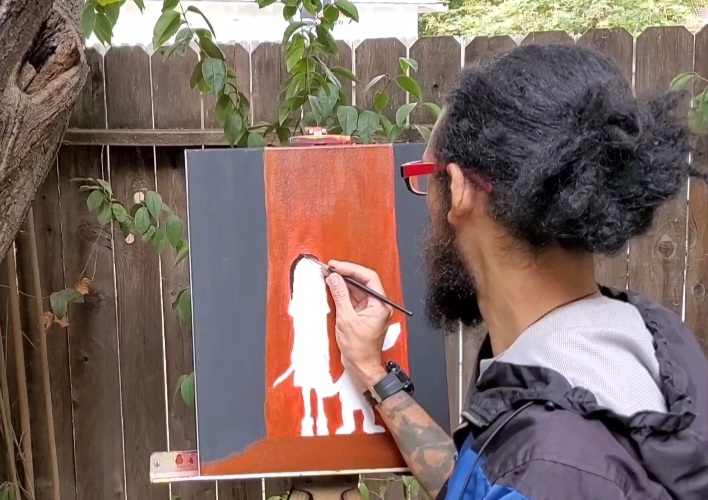
Learning to do what I do was far from easy. Creating is challenging enough on its own, but developing a style that feels uniquely “you” takes time and patience. The journey began with learning to draw—a process that involved a lot of copying and studying to build foundational skills. From there, I focused on weaving my own voice into my work, drawing from the influences and inspirations that motivated me to create in the first place. My goal was to produce something that truly reflected the images I wanted to share with the world—art that felt authentically mine. Read more>>
Cherice Cameron

I began writing young. My mother told me that I wrote my first poem when I was three-years-old. I attribute my early love of poetry, the outdoors, music, and art, to my parents. I was taught through example. My mother read stacks of books to me very early in my life. In fact, she still has my favorite book committed to memory. My mother continued to read to us, I have five sisters, on car trips and at night after we were tucked into bed. My parents made it a point to expose me to all kinds of music as well, beginning in utero. In fact, my parents attended a Herb Alpert and the Tijuana Brass concert just days before I was born. Music is an important part of my life as well as my writing. I am an orchestra conductor and a string musician. I feel rhythm in word and phrase. Melody. Harmony. Dissonance. Words are soul food. Jazz and a whole lot of love. I feel fortunate to have been introduced to the arts and movement as a child. I was enrolled in a creative dramatics class taught by a vibrant and loving Catholic nun at age four. Violin lessons at age five. Piano at age six. Ballet at age seven. My parents, both articulate people, artists in their own right, taught me a love of nature. I was allowed to spend many hours outside communing with all manner of insects and plant life. Being the oldest daughter of six girls, my life was rarely, if ever, boring. Read more>>
Jyot Thind

Curiosity and self-doubt. While self-doubt isn’t the typical starting point, it played a big role in my journey. I’ve been drawing since I was five and spent much of my life as a painter. But when I came to college, I became very self-critical. The vast creative community was inspiring but overwhelming, and it really changed my creative process. It became far more iterative, involving a lot more sketching and experimentation before settling on a final product. It was during this time that graphic design truly stood out to me. I found graphic design as a medium allowed me to experiment and edit freely and rapidly, and I was hooked. In my first year, I struggled with knowing when to stop and how to choose the “right” version from my endless iterations. But this iterative process, while exhausting, has led to some of my best work. As a senior in graphic design, I’ve learned that the best way to grow is to let the idea lead you to the skills you need. Early on, I was afraid to take on projects I didn’t know how to execute, but now those are the ones that excite me most. The most essential skills in design, for me, are strategy and simplification—distilling complex ideas into their core. Read more>>
James White

Learning to become an influencer proved to be a challenging journey that took me three full months of understanding algorithms and identifying my niche. Research played a pivotal role in shaping my strategy. In hindsight, I realize the importance of not rushing success to avoid feeling overwhelmed and struggling to connect with my audience effectively. One crucial skill I learned is embracing constructive criticism, as it helps refine my work. Overcoming obstacles like time management was essential; establishing a structured schedule aided in balancing work and personal life. Ultimately, patience, resilience, and adaptability were key attributes that contributed to my growth as an influencer. Read more>>
Chris Cockrill

I learned the craft of tattooing and machine building through a traditional apprenticeship under an established artist, Boots Fulton, in Houston, Texas. During that time, I absorbed as much as I could about both the artistic and technical aspects of the trade. The apprenticeship was invaluable, as it provided hands-on experience and direct mentorship, which shaped my understanding of the craft. Looking back, one thing I could have done to accelerate my learning process would have been to get tattooed more often, especially during the early stages. Experiencing the process as a client provides a first-person perspective on technique, flow, and comfort, which can be hard to grasp fully from the artist’s side of the machine. It’s a way to learn through observation and feeling, which I now realize is just as important as the technical training. Read more>>
SJ Anderson
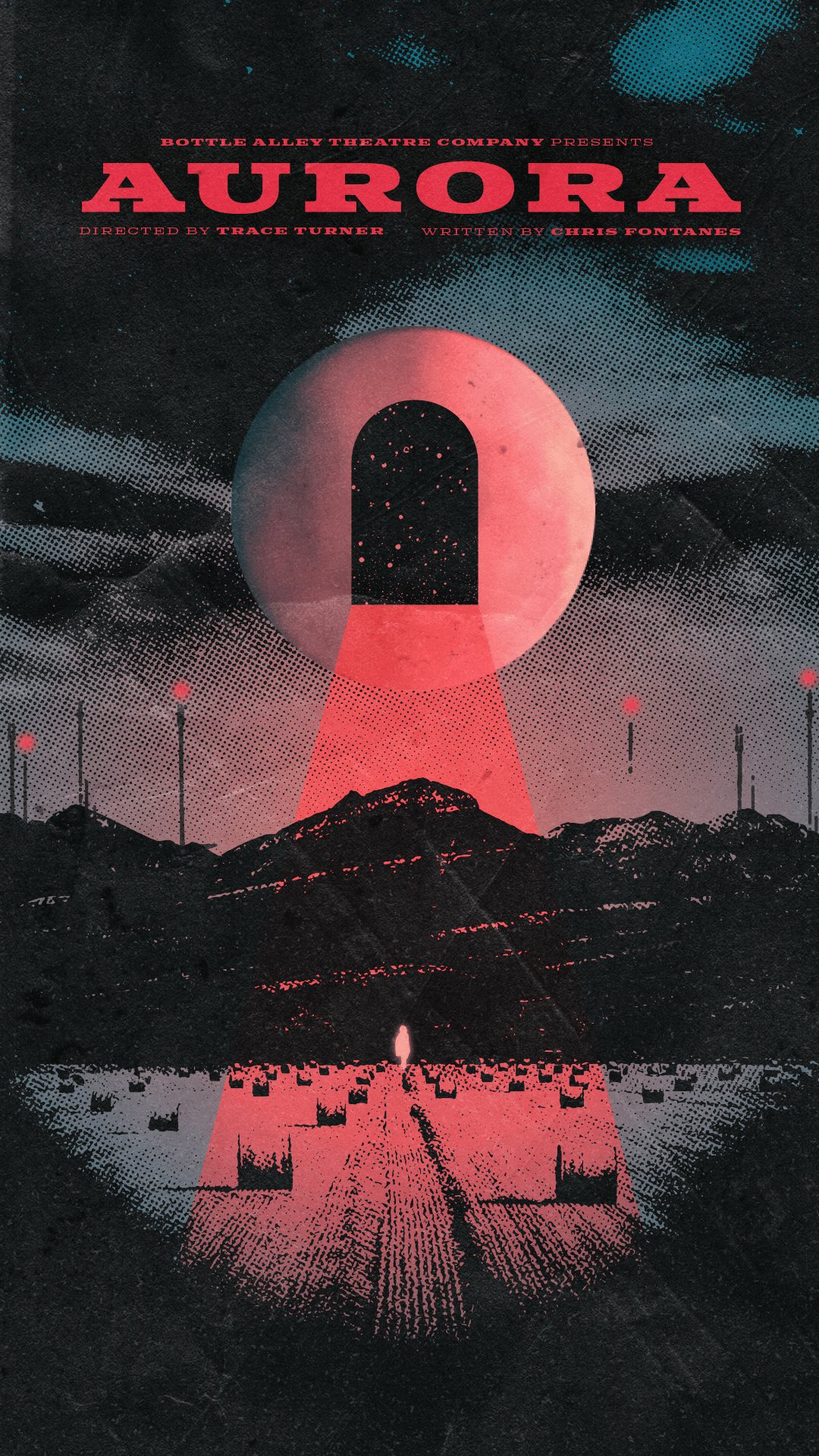
First off, let me state that I don’t believe anyone needs a degree to be able to have a career in graphic design! I will say that it did allow me to learn the formal design principles. It also helped to have a mentor figure walk me though what the difference even was between Photoshop and Illustrator. I hadn’t even heard of InDesign! The experience was similar to acquiring tools, but I still was lost on how to create things I actually liked. So much of learning how to be a successful designer happened after college. I had to remember my inspirations. How I really learned design was passively, by studying the art of my favorite album designs, or learning how to code a tumblr website. Realizing that appreciating already existing things that I had found beautiful in my day-to-day was already training my personal eye for art. I could use it as a catalyst for practice to improve my professional work. Things like creating fake tour posters for musical artists, drawing fanart, or making zines about special interests, all provided a sandbox for me to let my creativity run free. It’s the biggest thing that held me back for so long- allowing myself to take breaks from the professional and allow myself to enjoy and be inspired by the world around me. Over time, without even trying, it will always inevitably make me a better artist. Read more>>