

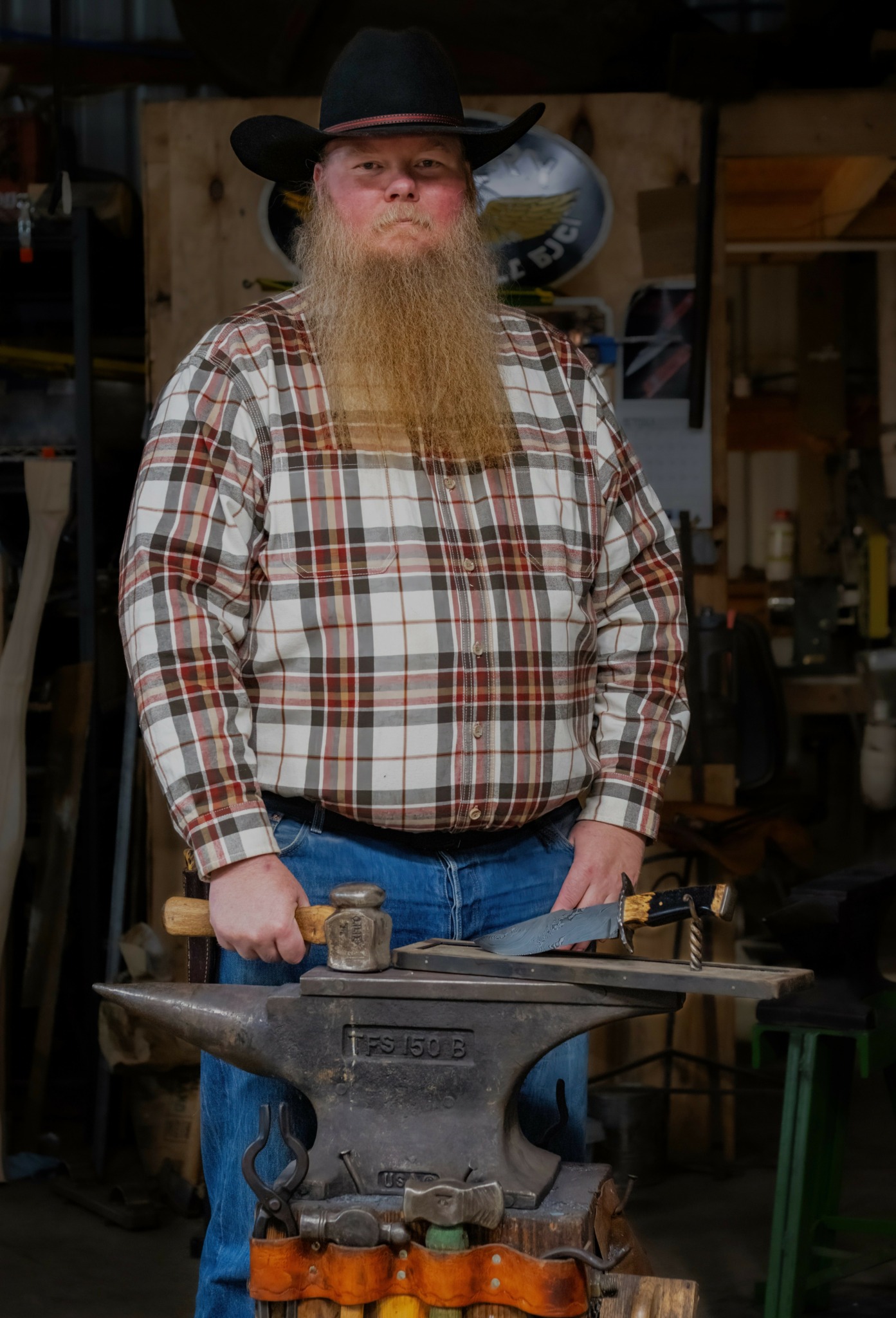

We were lucky to catch up with Bret Childers recently and have shared our conversation below.
Bret, looking forward to hearing all of your stories today. Can you talk to us about how you learned to do what you do?
I can vividly remember being a young kid and playing with campfire at our family cabin in the hills of Washington. I remember having a metal hot dog roasting stick, I had it in the fire so long that it turned red. when I went to go push a log with it, it bent with ease. I was enamored with how something so rigid and strong could heated and shaped with ease. I did get in a little trouble from my dad, but we laugh about it now, because i get paid good money for something i once got in trouble for.
In 1994 A good friend of mine took a blacksmithing class up on the peninsula where we live. he came back from the week long class and told me about his experience, i was intrigued with the process. So we set out to build our first forge and gather tools. Our first “Anvil” was a 6×6 piece of 3/4″ mild steel. It was enough for me to catch the bug and run with it. At the time, there was no internet, no youtube, no online forums, ETC. So to feed the active mind, We would go to the library and check out books and learn processes that way.
At the time, It was very hobby level, Just a couple of buddies making stuff for friends and family. There wasn’t a desire to make a career out of it. I didn’t even know there was a custom knife community at the time. Before the internet, you had to really know someone who was in a field. And i was focused on growing my landscape business, so those were the connections i was fostering. At the time I wouldn’t of seen a future in blacksmithing, It was a fledgling art. Very uncommon to come across another blacksmith in my area. Not seeking out a mentor would stifle me for years, I didn’t grow as a blacksmith because I only knew what I knew from literature and pictures. My landscape company raised my family and paid the bills, so that is what i nurtured. this in turn would allow me decades later to pick up blacksmithing again as a adult with the resource of the internet and capitol to start my shop and eventually my school. I hit the ground running feeding the desire for knowledge in the art of blacksmithing and bladesmithing.
Running a landscaping business since my teens, Gave me a great background to start a successful blacksmith business. I would soon learn that most Blacksmith and bladesmiths are just that, great artists, not businessmen. I have always been a community centric person. I feel am nothing without my community. So I have always helped my community of smiths, I want to see them be successful as I have been, hopefully more successful. When art is your product, You have to figure out how to do your art and find someone that will invest in that piece. Its not a easy game to get into, it was a piece some were not able to figure out and had to keep it at a hobby level. I would use the analogy of “you can sell anything to your friends, they will always support you. When you get that person you’ve never met to buy a piece, you know your on the right track. When they come back because the first piece exceeded their expectations, that’s when you know you got something worth pouring your heart into with a return.”
Bret, love having you share your insights with us. Before we ask you more questions, maybe you can take a moment to introduce yourself to our readers who might have missed our earlier conversations?
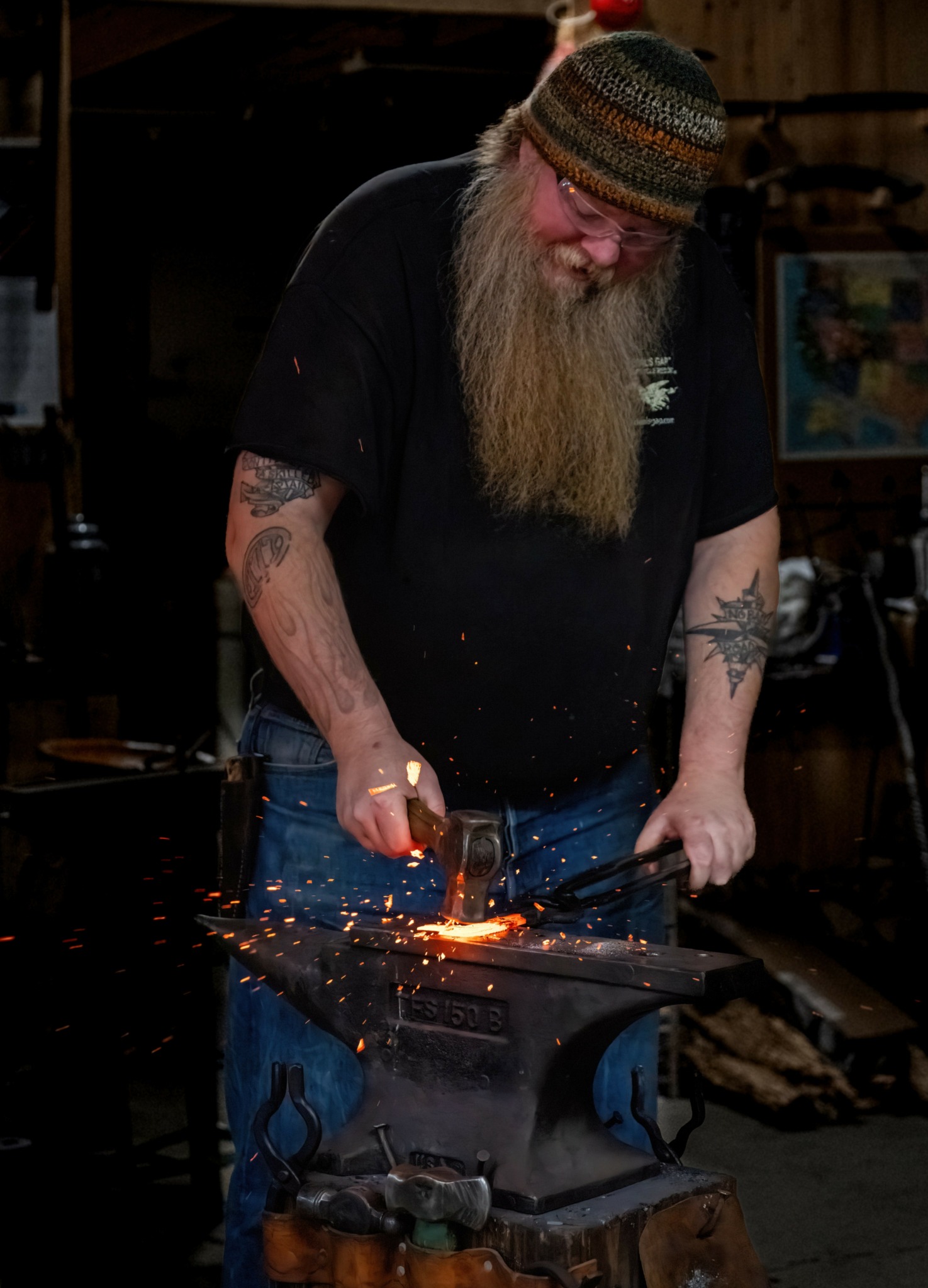
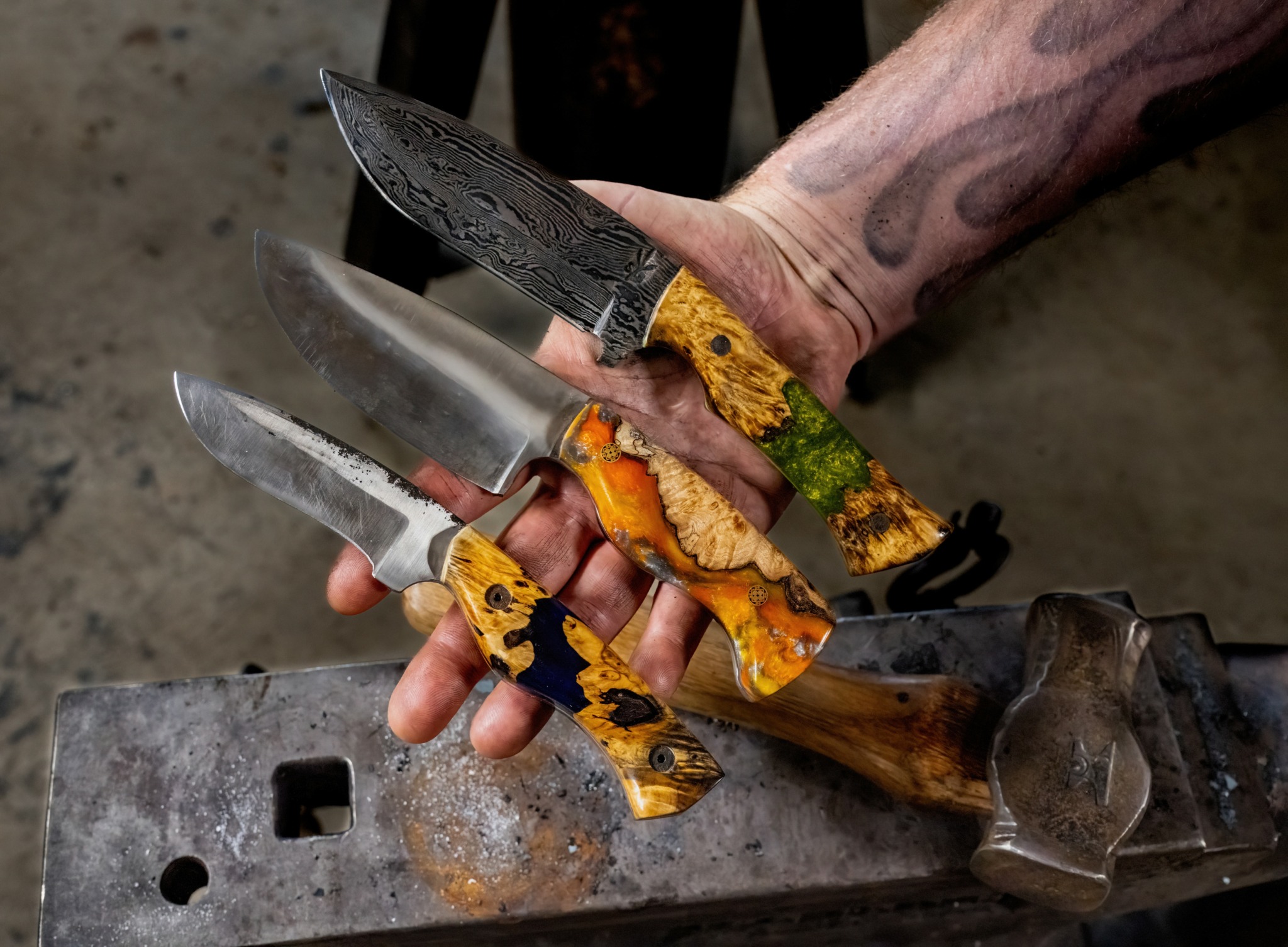
My current business model is based around teaching classes. It used to be be product focused, I made a lot of knives and blacksmith art. When Covid hit, I seen a handful of friends that were displaced from their job or laid off. My landscape company got shut down for 6 weeks. I reached out and wanted to teach friends some basic skills of making their own knife. 1 friend turned into 2, 2 into 3 and so on… So i decided to open up to teaching classes. I had previously taught hunters education for 14 years, that program got shut down during covid, so i had weekends free. I opened up for classes thanksgiving weekend of 2020, and in that first weekend, I booked 3 months of classes… IN 1 WEEKEND! I was blown away at the response and very humbled. I think with the show “forged in fire” being at the top of the lists for television programs, it brought a lot of attention to the craft again. I would venture to say 75% of students are there because of seeing it on TV and wanting to try it in real life.
I Also provide steel fabrication, Welding, and traditional blacksmithing. I get a lot of problem project that my wide range of skills excels at solving. I am not just a welder, not just a fabricator, not just a blacksmith, I encompass all those and teach. So sometimes when someone has exhausted other resources for their project, they reach out to me, more times than not, I get the project done.
I take an immense amount of pride in my teaching. I do not take it for granted that i have the skills and space to teach others. We have a had a range of students from young to old, male and female, never picked up a hammer to someone who has forged a little bit. If someone has made knives before And they reach out about what they would get from a class, i tell them, if they feel like they didn’t get their monies worth out of the class, i will 100% refund them. So far, I’ve never say they didnt get enough out of the class…
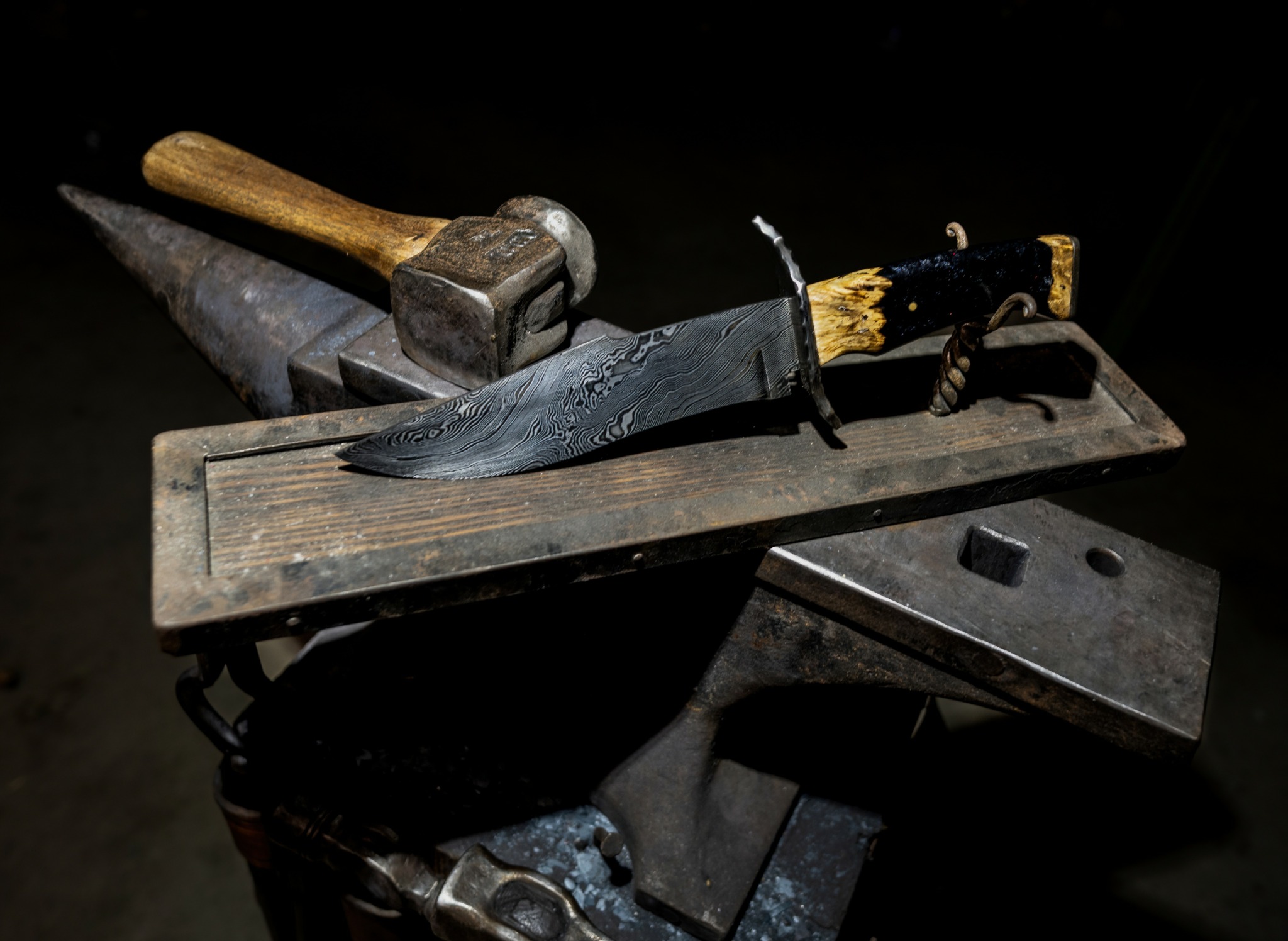
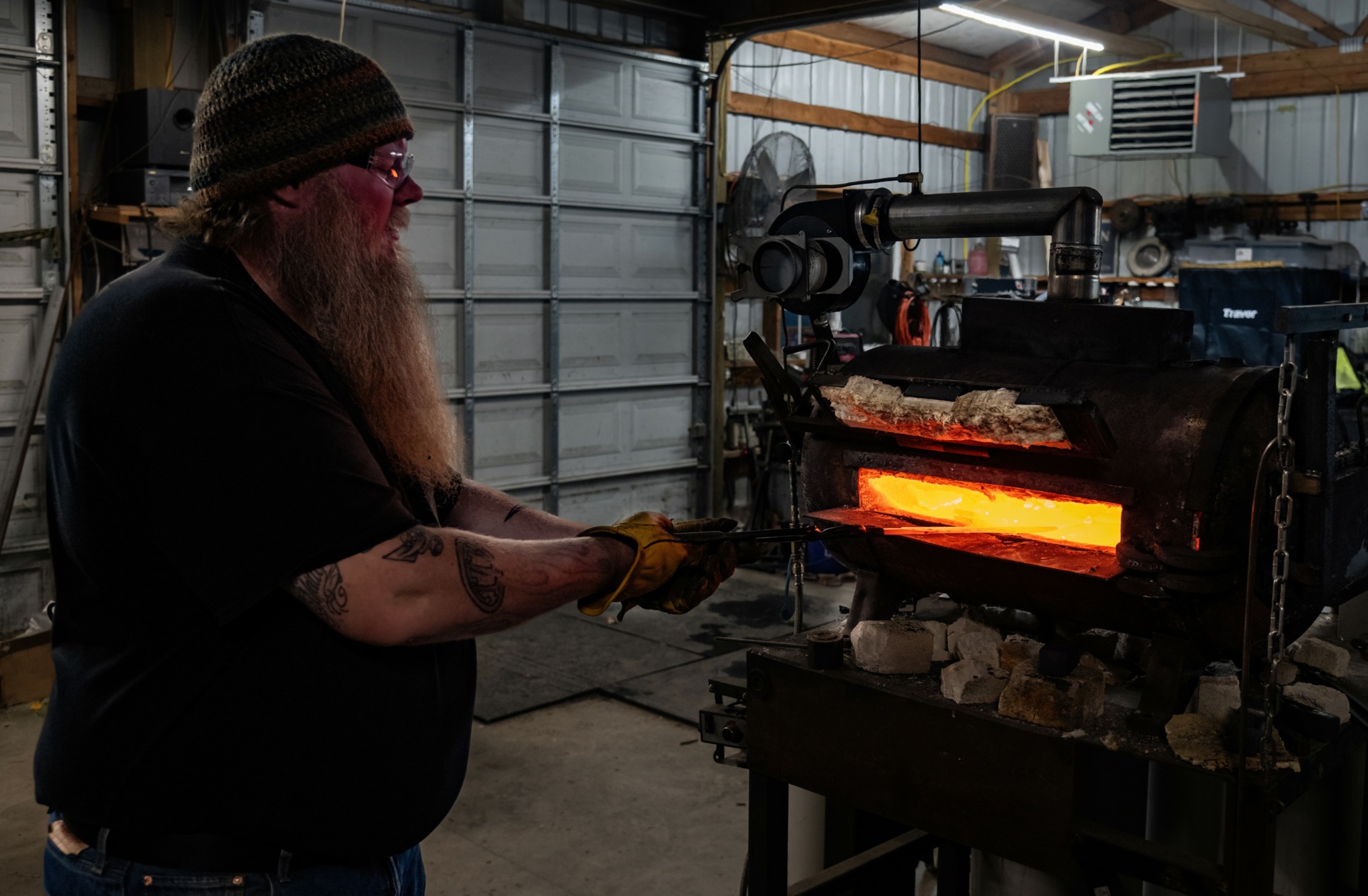
To Take a class from raw flat steel to a finished knife in one day, is not a easy feet. There is a lot that goes into the process. by the end of class, they go home with not only a beautiful knife, but a great functioning one. We go over everything from steel selection, steps in forging, heat treating to harden the steel, handle design and material selection, and overall finishing. It can be a lot to absorb in 8hrs, but i have a teaching technique that highlights and not overwhelms the mind.
What do you find most rewarding about being a creative?
My Most rewarding aspect would be the inspiration i spark in others. Seeing a young person get that spark in their eye over a piece that i am making. It is inspiring to me as much as them. I also really draw pride from empowering a young child or a women in my classes. Often I hear “oh wow, thats cool that you blacksmith, women dont typically do that” in refference to my daughters. So, I always come back with “shhhhhhh, Dont tell them they cant or shouldnt or that they are special for doing so” Often young ones and women get put in these boxes, and they are never let to think or do on their own. Some of the greatest makers are women and who has a better imagination than a young child?
In your view, what can society to do to best support artists, creatives and a thriving creative ecosystem?
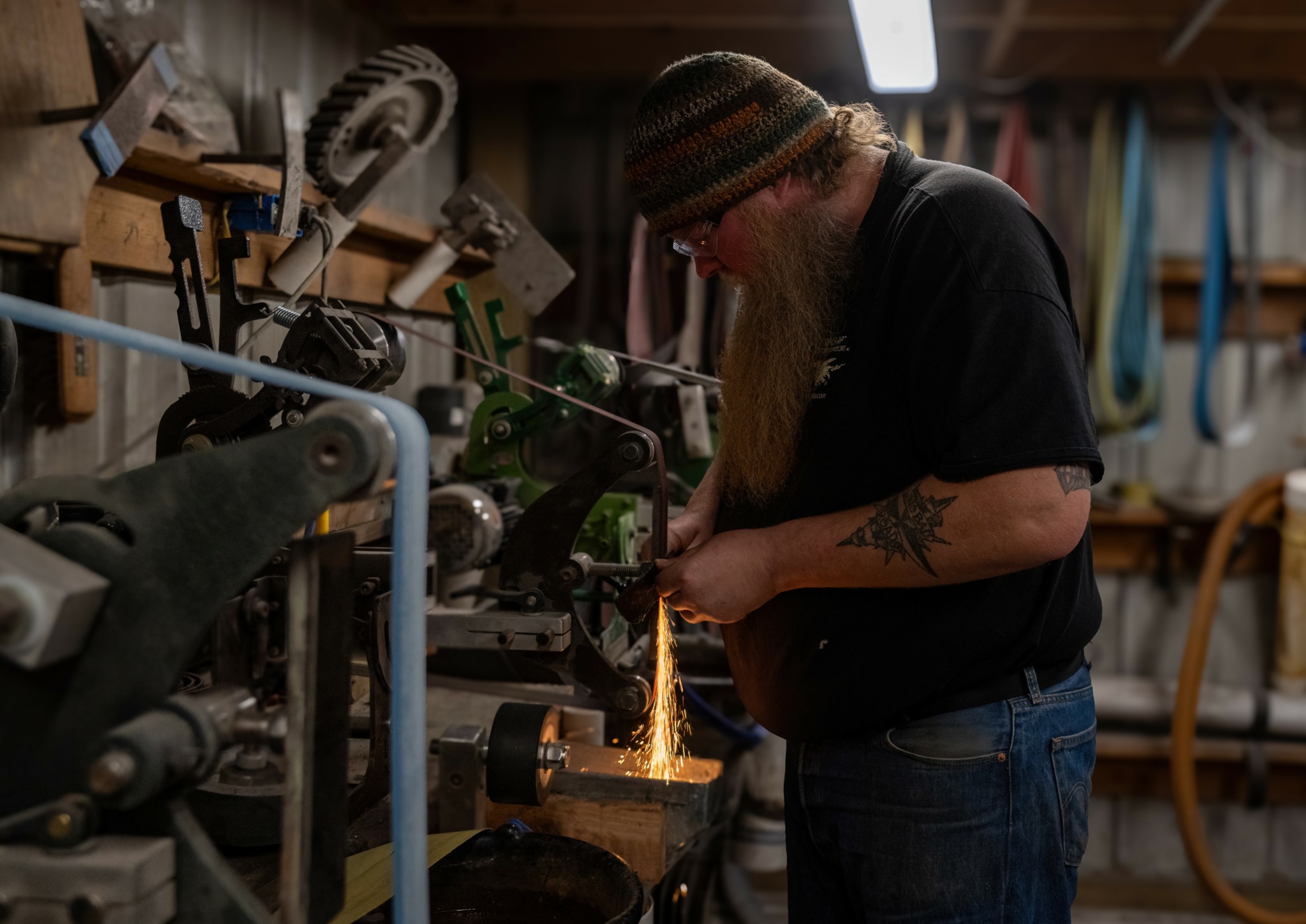
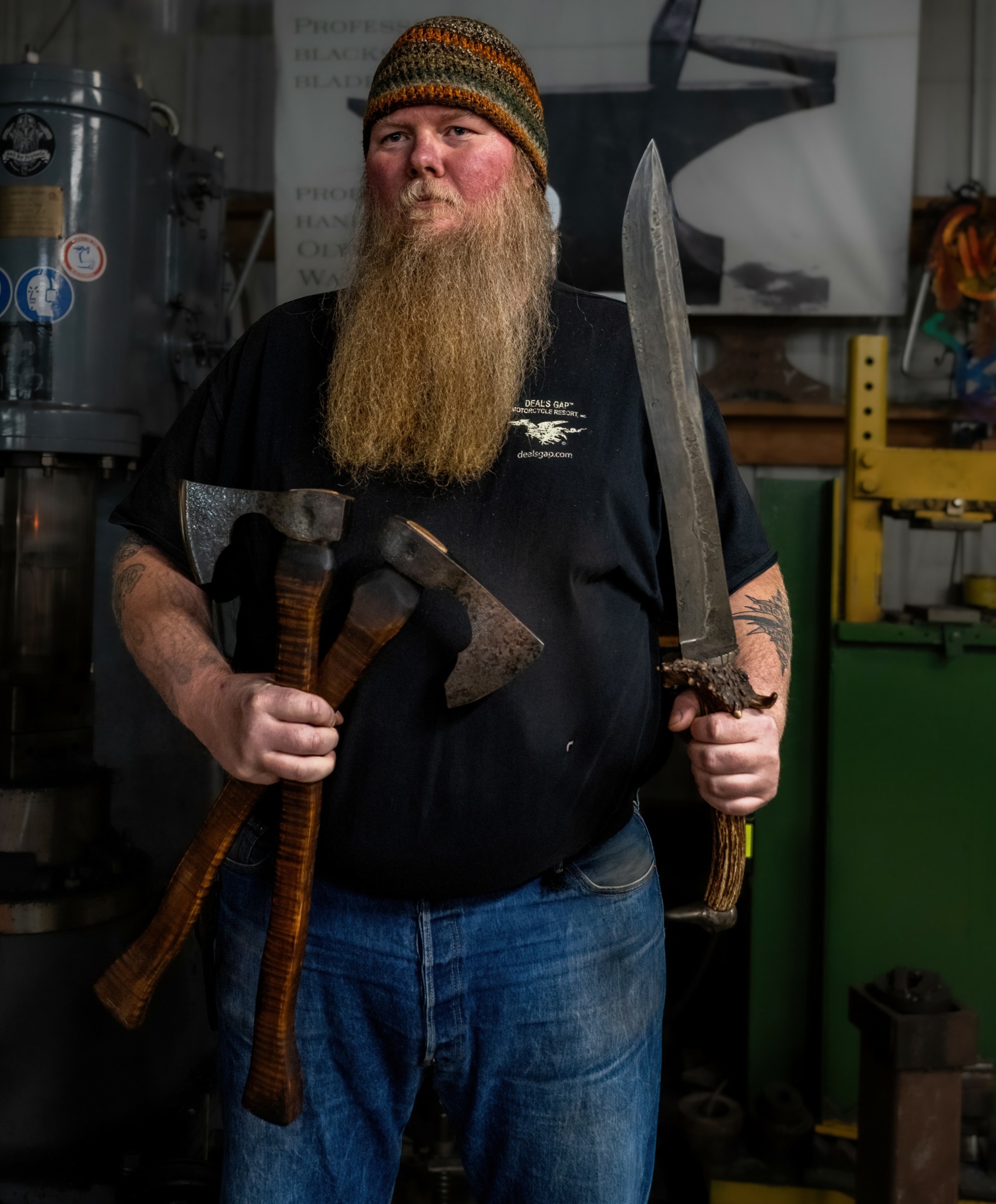
In my profession, a TV show has made my trade so popular that the classes sell themselves. Blacksmithing almost died over the recent decades. Walk into a big box store, Tons of “wrought” iron mass produced BLAHHH. Wooden signs that are purposely antiqued to look old, instead of a weathered old sign. I really feel there is more of a push nowadays to shop local, support local. I think if society remembers this and practices this, Makers will always have an audience. Get out and go to art shows and craft fairs. Makers should also strive to connect with their community, get out and promote yourself, get known.
Contact Info:
- Website: https://www.Southbayforgeworks.com
- Instagram: https://www.instagram.com/southbayforgeworks/
- Facebook: https://www.facebook.com/southbayhammerandforgeworks/
- Youtube: https://www.youtube.com/@southbayforgeworks9763
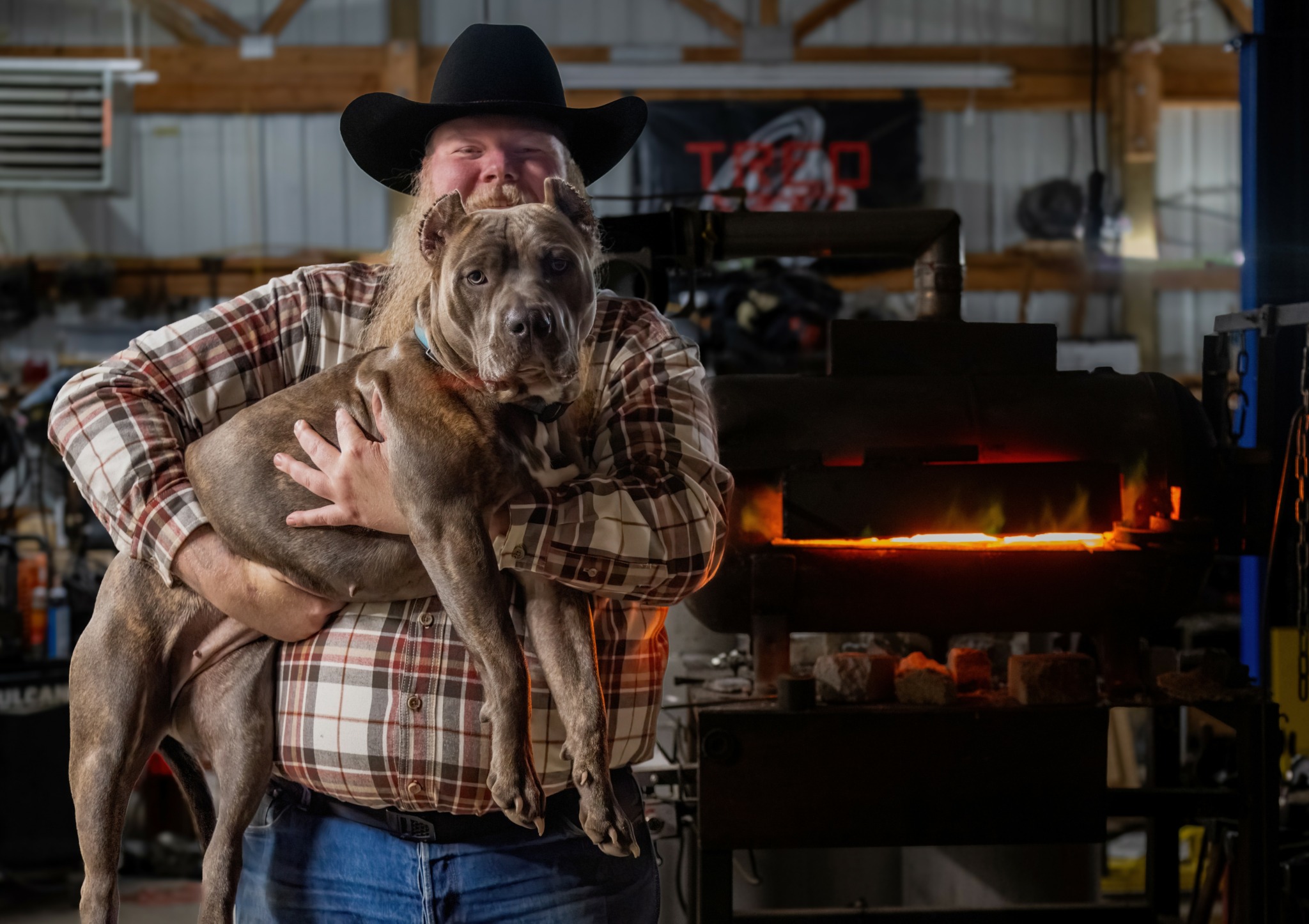
Image Credits
@AzureImages