



One of the biggest opportunities for folks who want to make an impact through entrepreneurship is to tackle things that Corporate America has gotten wrong and so we’ve asked some of the best and brightest in the community to share examples of what Corporate America is getting wrong in their industries.
Lawanda Horton

I think that government, corporate America, and those with the financial resources and exposure to make change in our communities- advance those who are already in position and neglect the needs of those at the grassroots level. I think that this not only is misguided in that those are the folks who are doing the most profound work to heal our communities- but also in that it stifles our progress when the next generation of leaders aren’t mentored or consulted on what’s changing and how we can respond to those changes. Read more>>
Nikki Neal
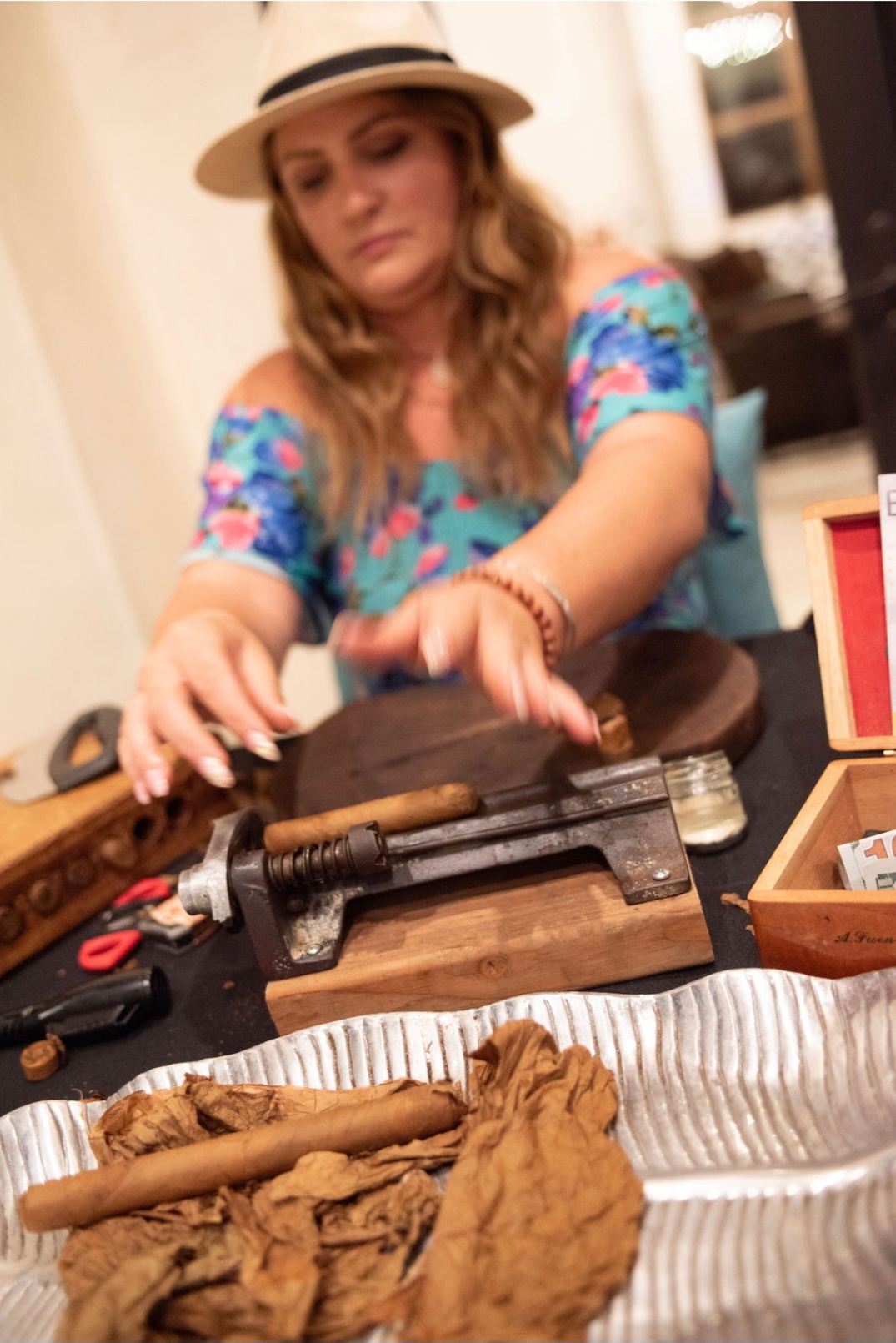
One of the biggest things Corporate America gets wrong in our industry is the lack of personalization and authenticity in event experiences. Too often, corporations focus solely on efficiency and scale, treating events like a one-size-fits-all assembly line. This approach overlooks the importance of crafting meaningful, customized experiences that truly engage and resonate with clients or attendees. Read more>>
Daniel Cardozo

Corporate America and society, as a whole, often misunderstand the work realtors do, assuming we’re “overpaid” or just fancy door openers. In reality, this line of work is extremely far from easy, and there’s so much more that goes into our profession than just showing homes. A huge misconception is that we get paid too much for too little effort. The truth is, we don’t see a dime unless a deal actually closes. That means hours, weeks, or even months of work can easily go unpaid if a transaction falls through. We’re always working without guarantees. Behind the scenes, we do more work than just opening doors, but that’s the side that no one ever sees, and, rightfully so – there’s no need, so I understand the misconceptions made about us. We’re involved in detailed market analysis, negotiating contracts, handling legal paperwork, coordinating inspections, addressing repairs, and managing unexpected issues that can derail an entire sale. We have to stay on top of constantly changing market conditions, maintain strong relationships with all clients, past, present, and future, and deal with a lot of uncertainty. Read more>>
Stacey Blackwell
Women—especially those from urban communities—are often underestimated in both life and business. They are expected to stay within predefined boundaries, told that ambition beyond certain limits isn’t “feminine,” and rarely trusted to lead industries or make tough decisions. As a result, female entrepreneurs, creatives, and leaders are frequently sidelined, and their potential underestimated. I’ve personally experienced this bias in my journey producing this show, facing doubt about whether women-led stories could capture the same raw energy or audience interest as more traditional male-dominated narratives. Yet time and again, the success of shows like Power and P-Valley prove that audiences are craving dynamic stories led by complex women. Read more>>
Matthew Mccomb

Personal chefs form a truly unique bond with their clients by diving deep into their lifestyles, tastes, and values. It’s similar to the relationship you might build with a trusted professional like a doctor or dentist—only here, the connection revolves around food, comfort, and well-being. You’re not just hiring someone to cook; you’re inviting someone into your life who cares about how you feel at the end of each meal. Cooking as a personal chef goes well beyond following recipes; it’s about creating dishes that resonate with each client’s preferences and aspirations. If a client thrives on lighter fare, for instance, I might design a menu of Mediterranean-inspired dishes that feel fresh and energizing. For someone who loves classic American flavors, I’ll bring the comfort of home with dishes like a richly seasoned meatloaf alongside colorful, wholesome vegetables. These tailored details make each meal feel like it was crafted just for that person, building a dining experience with true meaning. Read more>>