
Today we’d like to introduce you to Clayton Roederer
Hi Clayton, we’re thrilled to have a chance to learn your story today. So, before we get into specifics, maybe you can briefly walk us through how you got to where you are today?
I started drawing as a hobby when I was two. My style and draftsmanship weren’t anymore advanced than any other two year old, but even then my parents noticed I had an eye for identifying and copying shapes. They tried to get me lessons when I was closer to four, but I wasn’t teachable–the teacher would ask me if I could draw a house, and I’d reply, “Yeah, but I’m gonna draw a cat.” It wasn’t until I was about seven or eight that I began thinking about the idea of doing drawings professionally; beyond parental support, though, that wasn’t really prodded at until early high school. An art director with Sesame Street caught wind of me around that time and mentored me over email for a few years after that. The biggest shift in my evolution came during my college years at WKU, when my figure-drawing professor altered how I looked at drawing education; that my goal should not be to perfectly copy his teaching, but rather, to apply his teaching to my own style and sensibilities. Hyperbolic as it may sound, I was better at drawing overnight from that advice. There’s of course way, way more that happened over the past two decades or so that I’ve been drawing, but I’d say those are the landmark points of the story.
I’m sure it wasn’t obstacle-free, but would you say the journey has been fairly smooth so far?
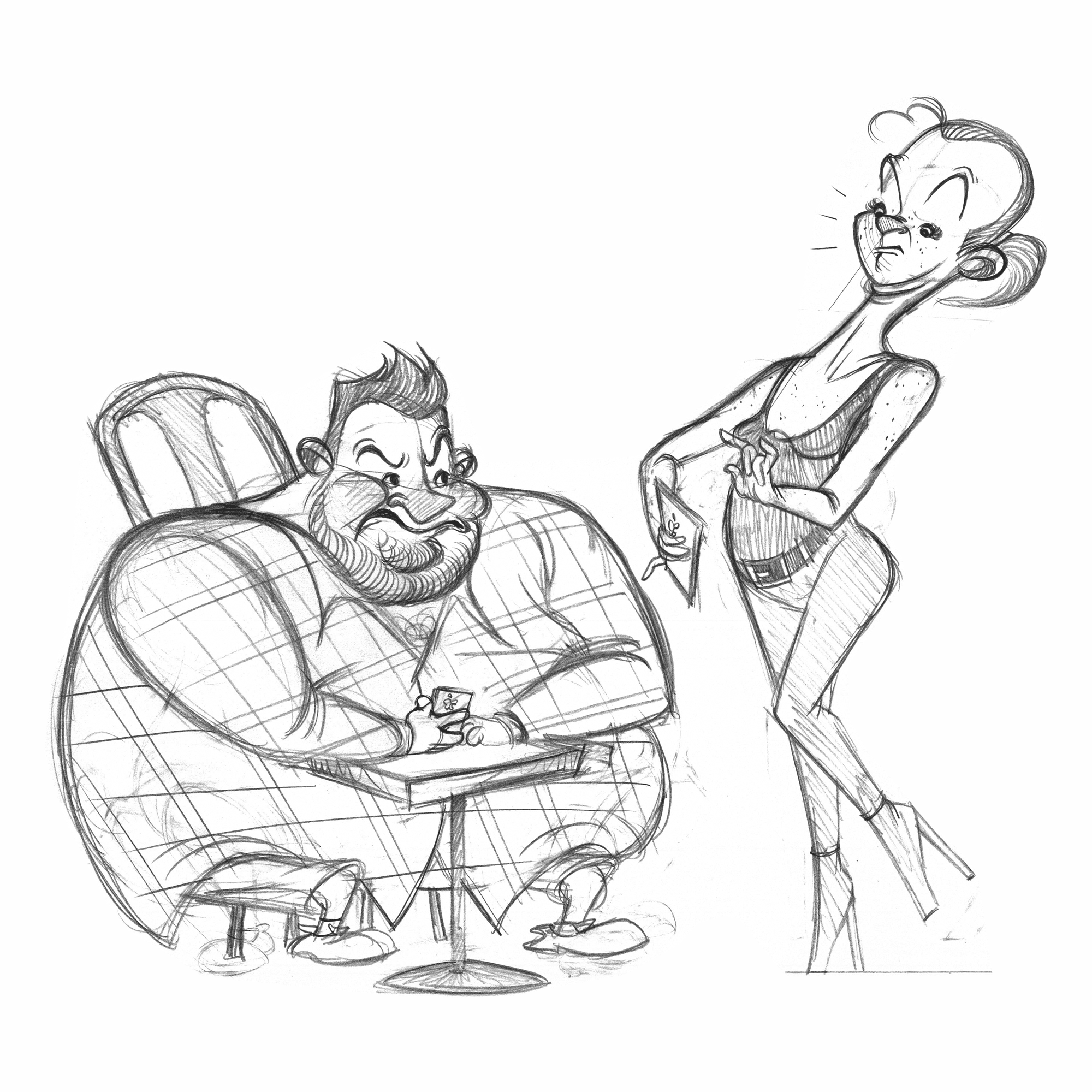
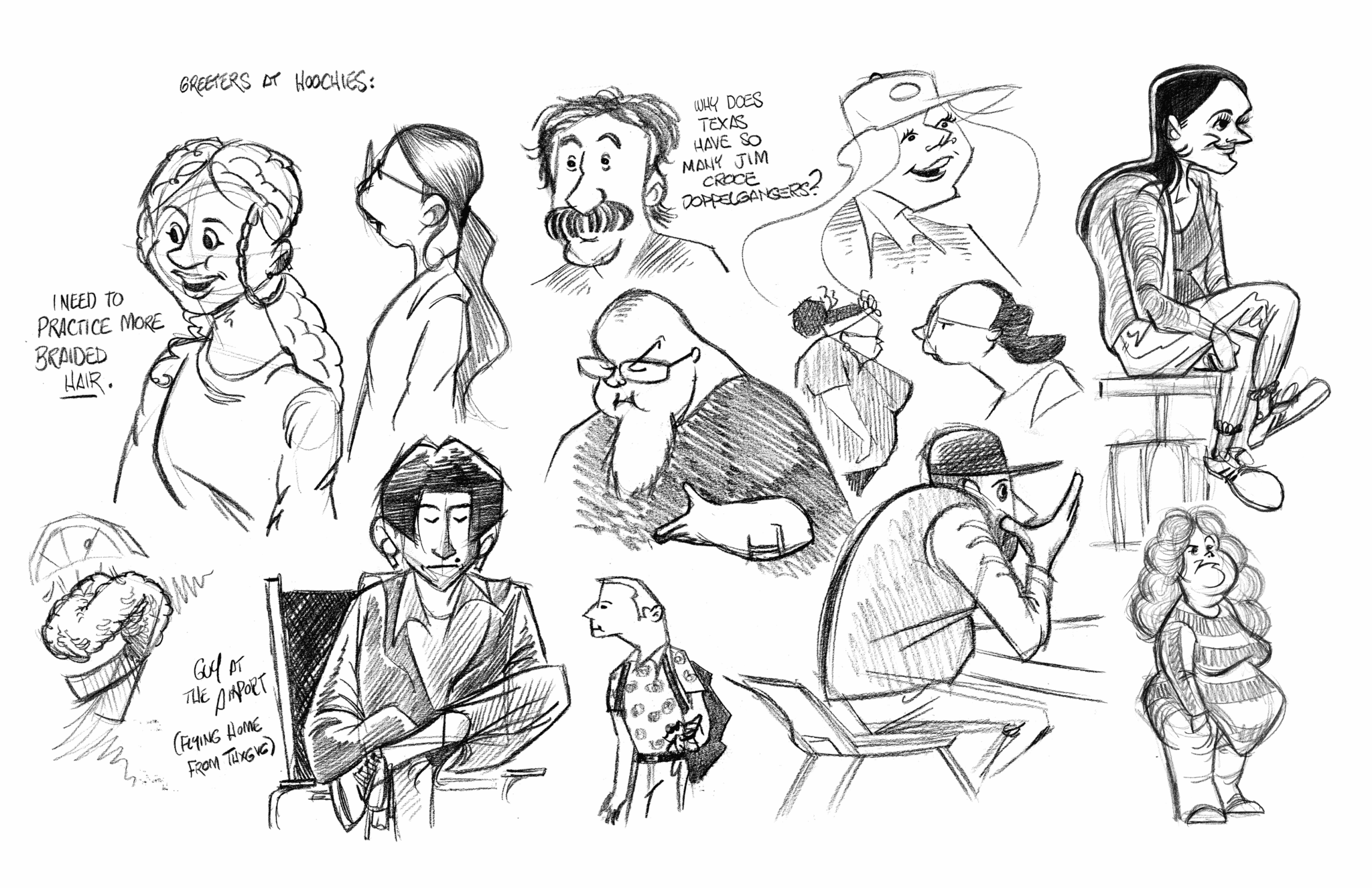
I sincerely don’t trust anyone who says learning to draw well is “a smooth road.” Great as I am at this point, there’s still so much for me to learn and get better at. As any artist will quote God-knows-who on, “There are 10,000 bad drawings in everyone–the sooner you get them out, the better.” I’d say the biggest thing that’s really helped me along with that evolution is weeding out bad drawing tendencies in my brain. This is most efficiently handled by learning and practicing anatomy and gesture drawing; you still may not be Rockwell, but understanding the proper proportions of what you’re drawing will cut your “bad drawing” quota in half. It also helps that I regularly go to big public places like the mall to just sit down with a sketchbook and draw interesting-looking people I see. Some of my favorite character designs I’ve come up with are based on subjects from those people-watching sessions. I love doing the same with animals, but zoos are pricey, so I’m only able to do that so often.
Can you tell our readers more about what you do and what you think sets you apart from others?
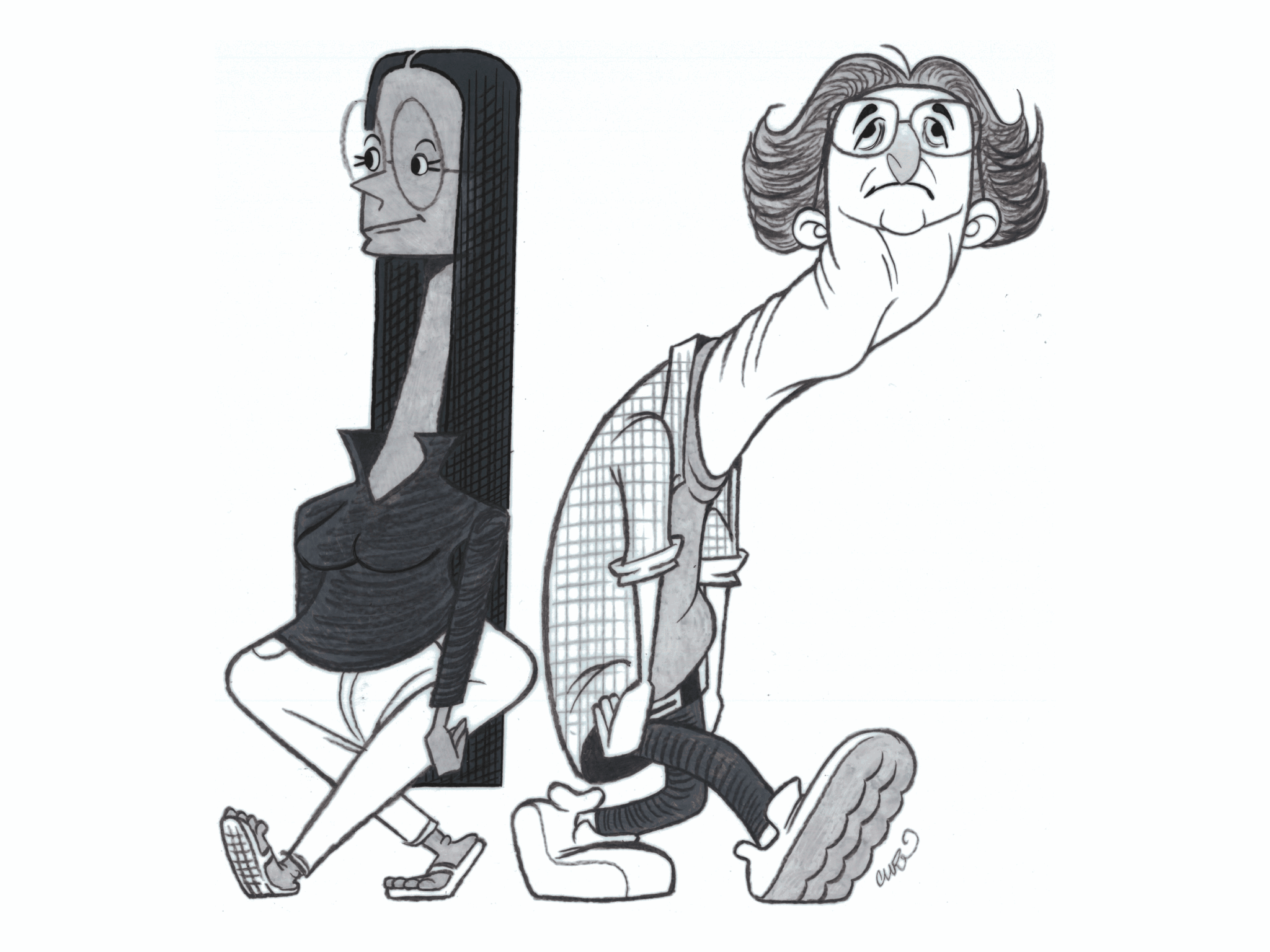
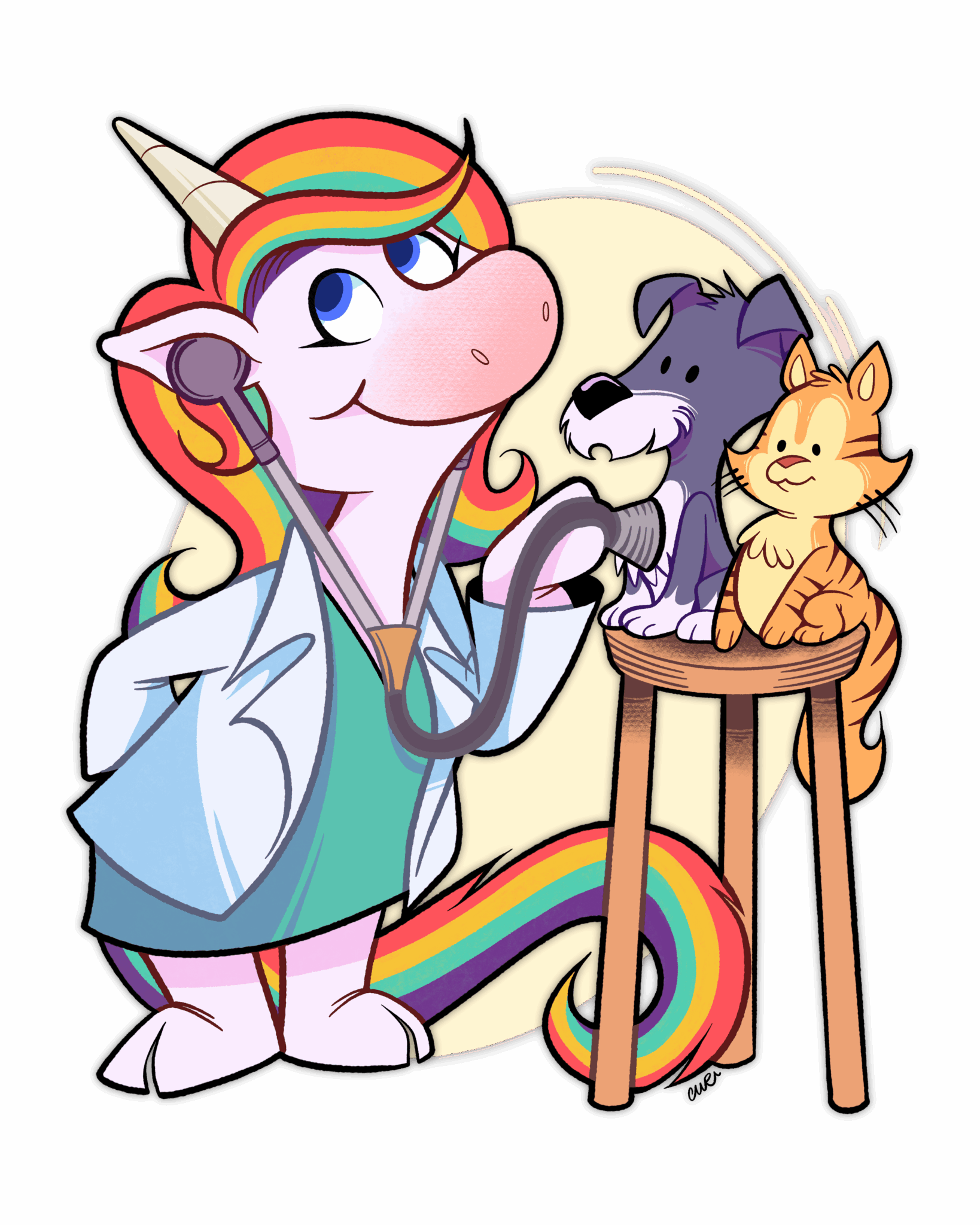
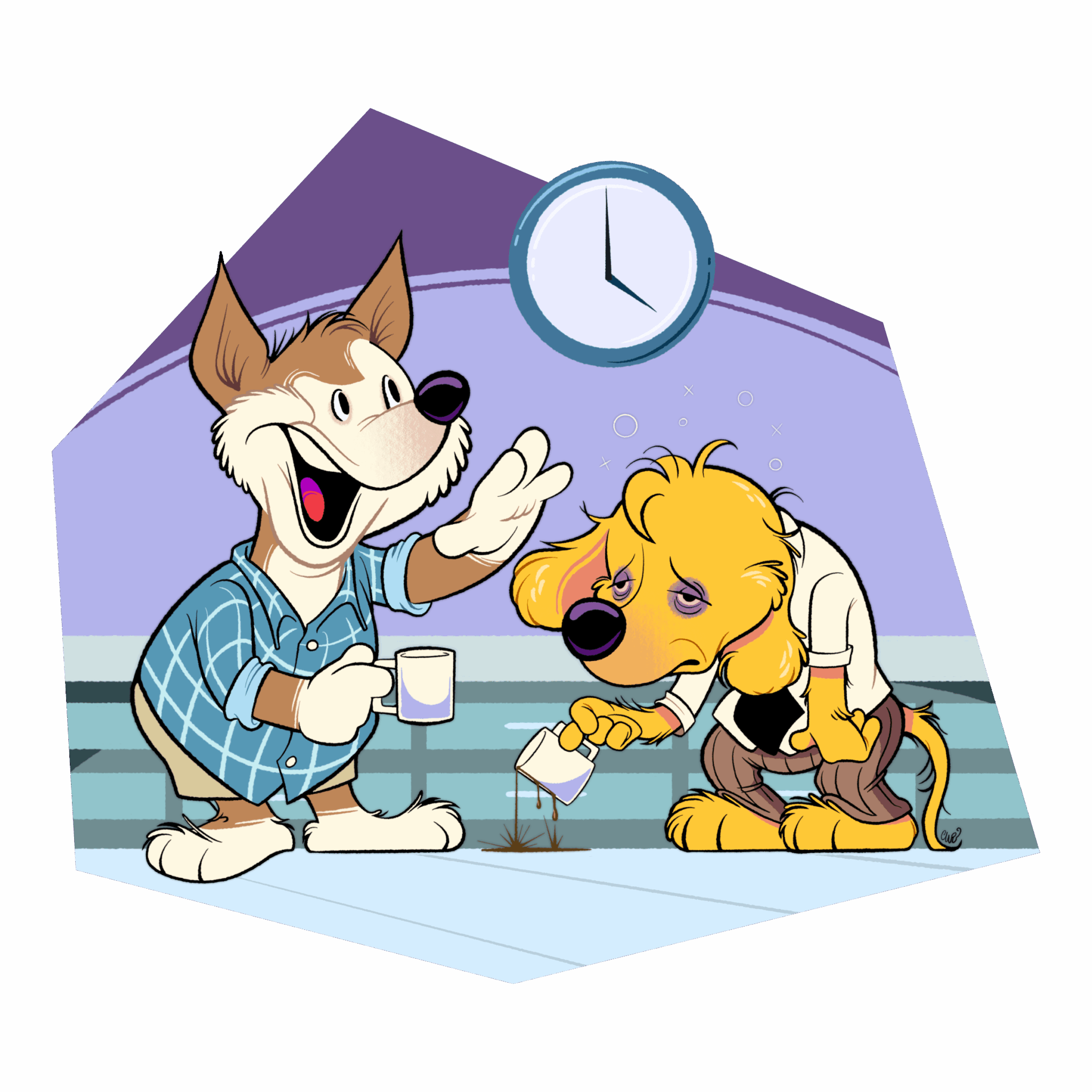
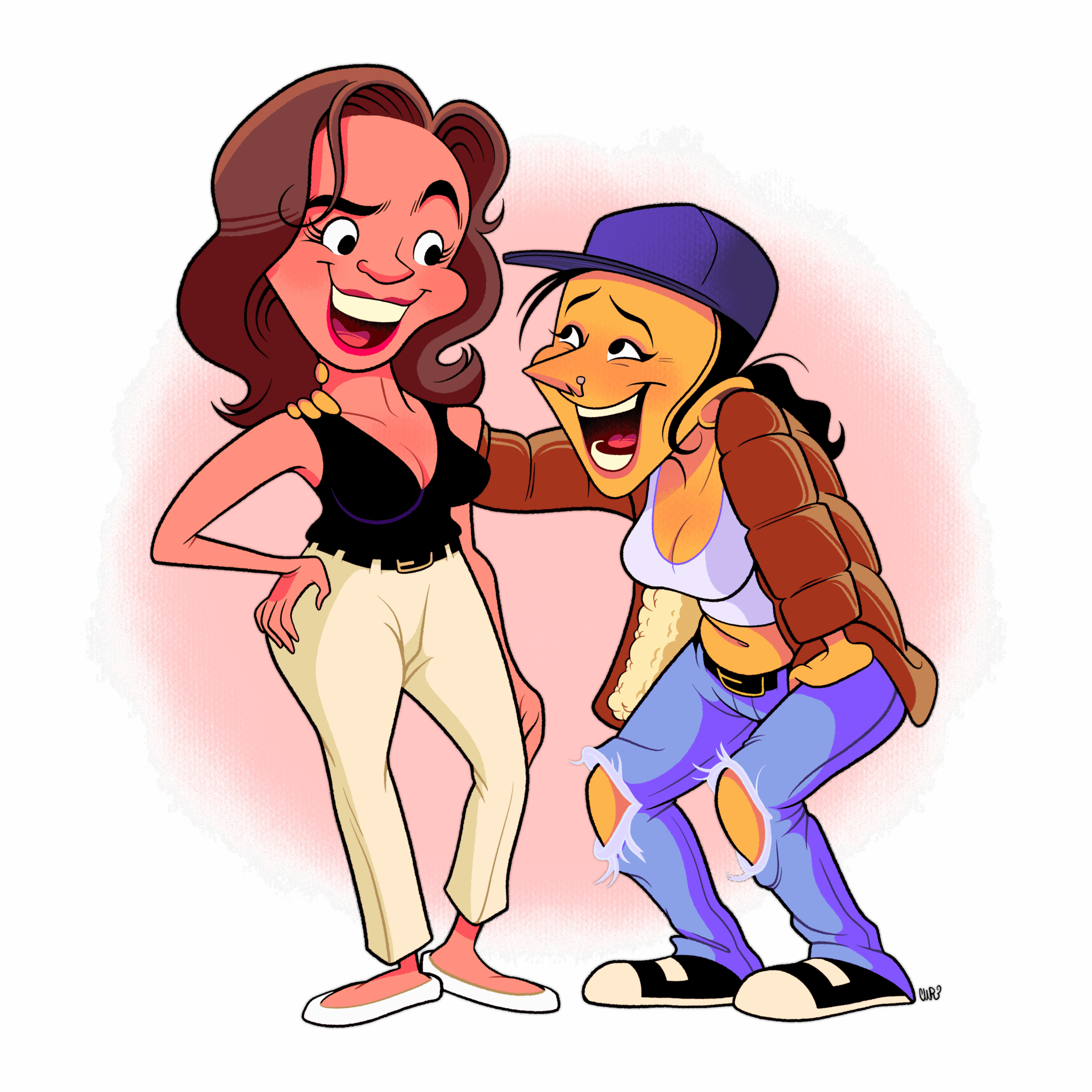
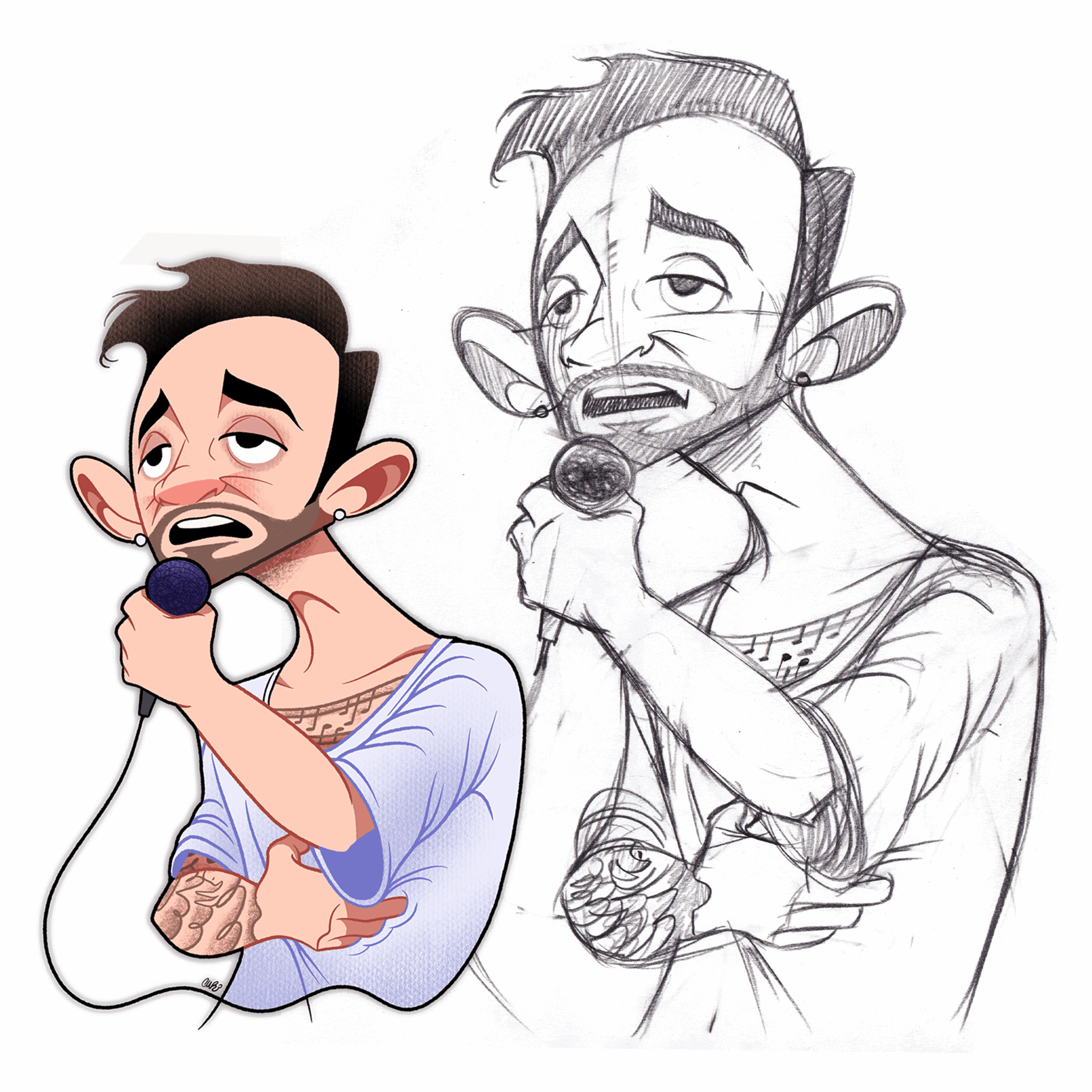
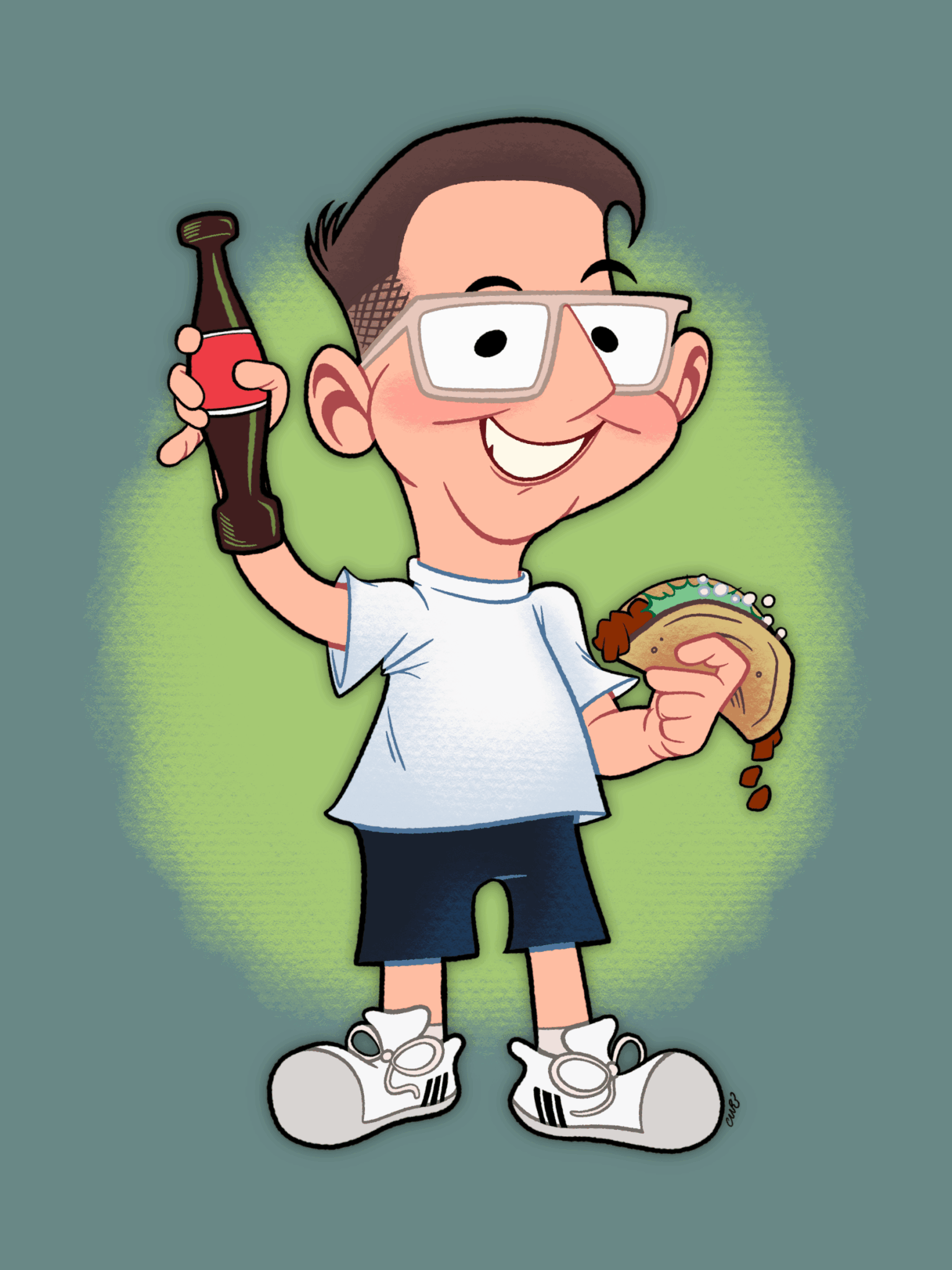
Simply put, I’m a character designer. My strengths and expertise lie in taking a character concept or prompt and figuring out what they physically look like. Among my clients and collaborators, I’m probably most known as a puppet illustrator. (For clarity, I am not a puppet builder; I am simply someone who understands puppets enough to create an illustration or model sheet of a character that a puppet builder can easily work from.) I’ve designed several puppet mascots for various ad clients, and a few times, I’ve been hired for a process I call “puppetization”–taking an existing non-puppet mascot and making an illustration of them as a puppet for the puppet builder to reference. I’m also very much known for my caricature work. Caricatures are nice because it’s all the fun sides of character design with the ease of not having to “discover” what the subject looks like. That can also be a curse, though; sometimes the way someone looks is so specific and perhaps already caricatured as-is that if you can’t mimic exactly that in your drawing then it will never look like them. But in any of these things (not to mention character stylization, character design for animation, wardrobe design, etc.), I’m most interested in the story. Who is this character, what are they after, and how can I embed this personality into an iconic body?
Networking and finding a mentor can have such a positive impact on one’s life and career. Any advice?
If I had advice for finding a mentor I’d probably have one right now. As for networking, it’s hard for people to talk to you if you’re not someone they’d want to talk to. Be a pleasant person, for starters; nobody wants to hire or collaborate with someone who causes problems or is hard to communicate with. Learn to be a good conversationist, develop your sense of tact, and get as literate as you can be in social cues. More broadly, be a person; have hobbies, find friends, go on dates, see neat places, and be really thoughtful about the world around you. If you do all of that, aside from having a much richer life, you’ll also understand people better, which will only help in maintaining contacts with other people in your field.
Contact Info:
- Website: https://cwroederer.com
- Instagram: https://instagram.com/cwroederer
- Twitter: https://x.com/cwroederer