

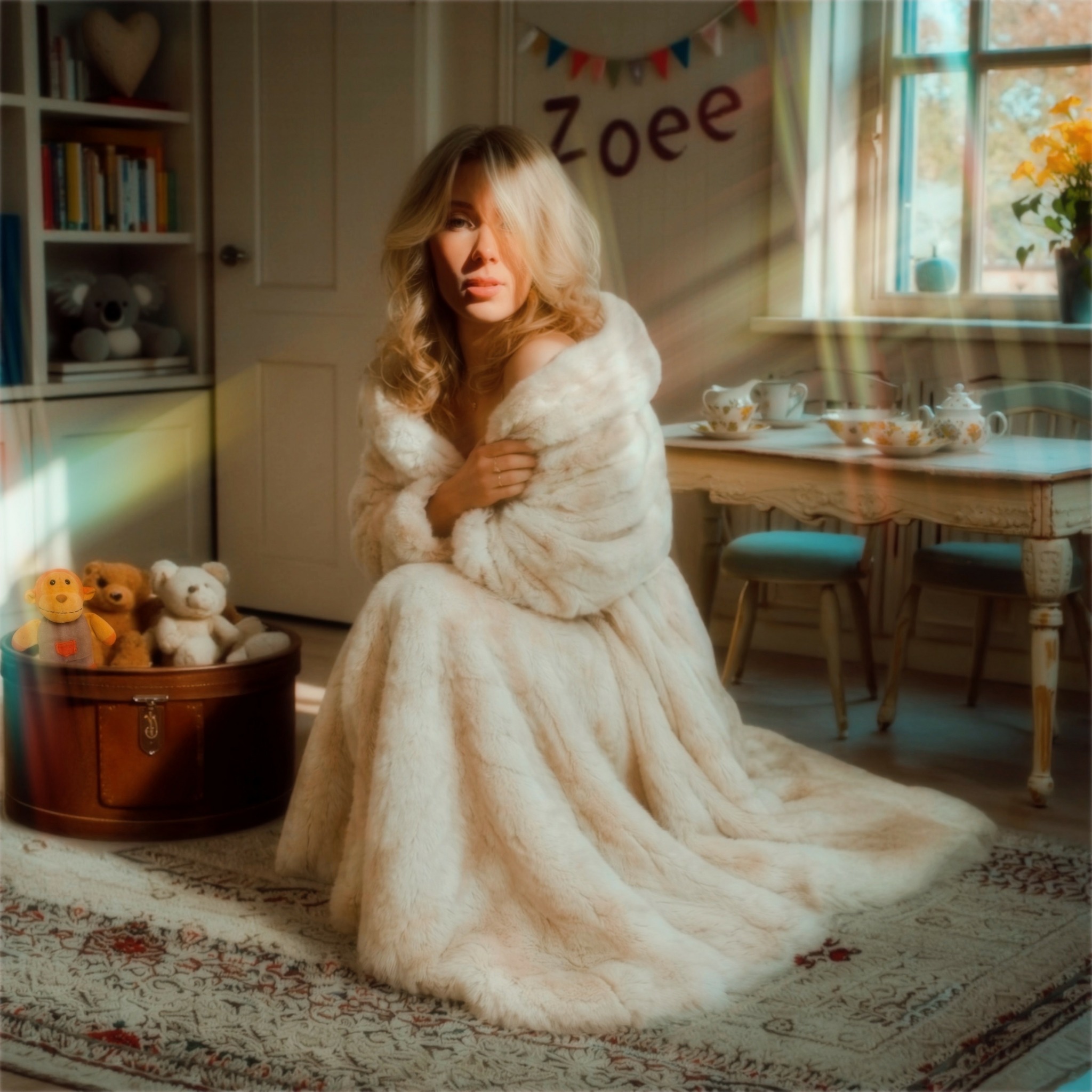

We’re excited to introduce you to the always interesting and insightful Zoee Byrne. We hope you’ll enjoy our conversation with Zoee below.
Zoee, looking forward to hearing all of your stories today. I’m sure there have been days where the challenges of being an artist or creative force you to think about what it would be like to just have a regular job. When’s the last time you felt that way? Did you have any insights from the experience?
I’ve honestly never spent much time imagining a “regular job.” I’ve built other businesses over the years, from website design to different entrepreneurial ventures, but even in those spaces I was still creating something of my own. I’ve always been someone who gravitates toward building rather than fitting into someone else’s blueprint.
I’ve never really been wired to work toward someone else’s long-term vision. I have a lot of respect for people who thrive in that structure, but I’ve always felt the most aligned when I’m shaping something from the ground up and creating a world of my own.
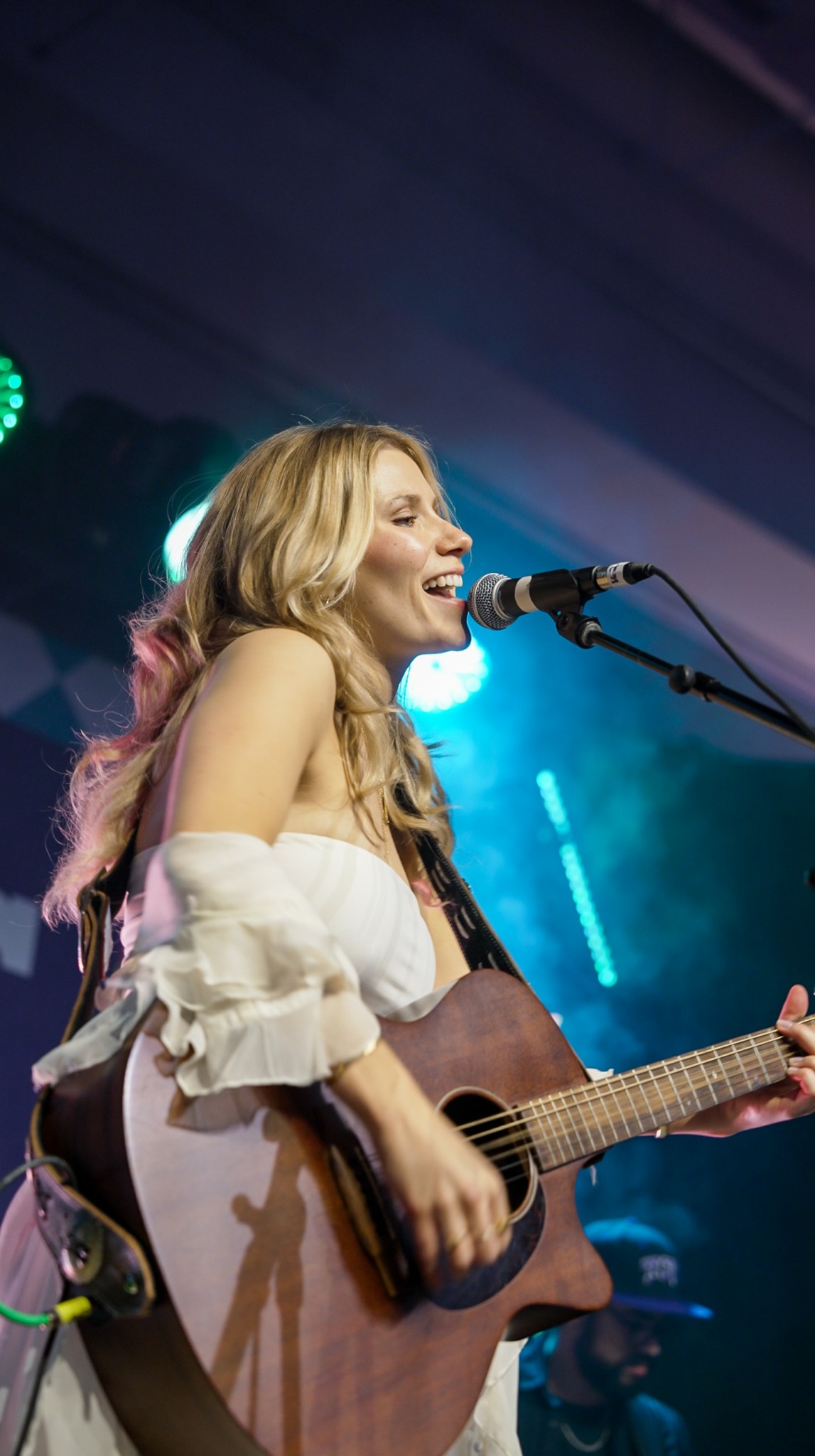
Music has always been my passion. Creating music feels like a kind of therapy that nothing else quite compares to. It’s where I process life, make sense of experiences, and turn emotion into something constructive instead of carrying it alone. It’s like therapy, just a lot cheaper haha. Some of the clearest moments of peace I’ve had have been in a writing room or sitting with a guitar when a lyric suddenly clicks and everything makes sense again.
Of course, the creative path comes with responsibility. You don’t clock out of your dreams at five o’clock, and there are seasons where you’re carrying the weight of the business side as much as the art. But I couldn’t I imagine stepping away from music, it would feel like losing color from the world.
What’s always drawn me to music is how it connects people. I’ve seen strangers stand next to each other and sing the same words at a show for completely different reasons, and somehow feel understood and aligned with the person next to them, and make lifelong friends because of the music. That sense of shared experience is incredibly powerful, and bringing people together through music has always been my goal.
Zoee, love having you share your insights with us. Before we ask you more questions, maybe you can take a moment to introduce yourself to our readers who might have missed our earlier conversations?
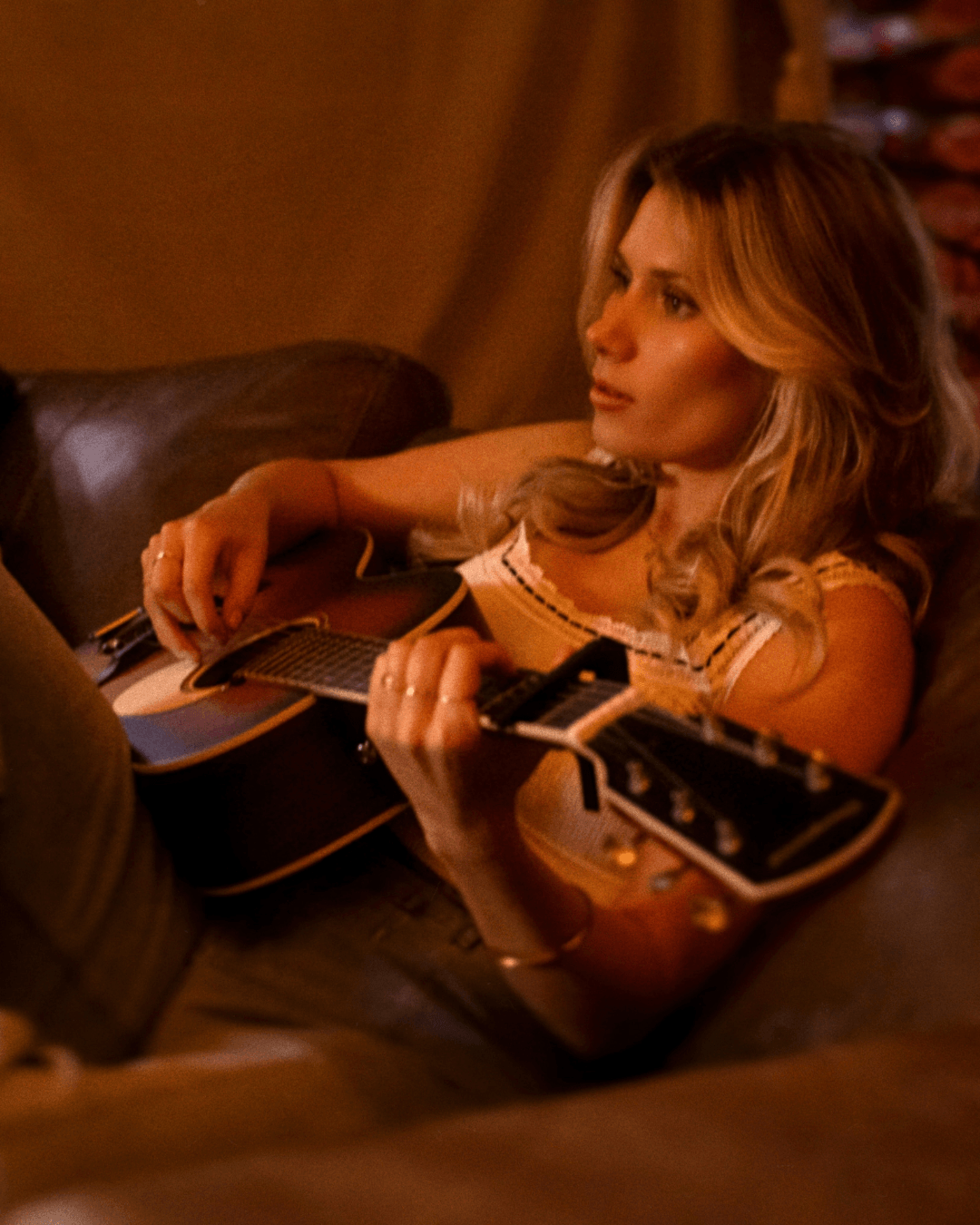
I’m a country-pop singer-songwriter based in Nashville, originally from a small coastal village in Tasmania, Australia. I grew up pretty far removed from the music industry, surrounded by fishing boats, dirt bikes, and a 40-foot shipping container filled with my parents’ record collection that I absolutely treasured. I’d spend hours digging through it, listening to anything I could get my hands on, and somewhere along the way songwriting became how I made sense of the world… long before I ever considered it a career. Eventually I packed everything up and moved across the world to the UK, and then to Nashville because I wanted to learn from great writers and truly commit to becoming the best I could be.
At the heart of what I do is storytelling. My music sits in the country-pop space, but it’s really about moments of transition. Growing up, starting over, heartbreak, ambition, and figuring out who you’re becoming. I’ve always been drawn to songs that feel like chapters of a life rather than snapshots, because that’s the music that shaped me. I grew up listening to everything from The Beatles and Creedence Clearwater Revival to Cold Chisel, AC/DC and Merle Haggard, which gave me a deep love for melody, emotional honesty, and timeless storytelling.
What sets me apart, I think, is perspective. Coming from a tiny village of just eight people teaches you resilience pretty quickly. There wasn’t a traditional pathway into this industry for me, so everything I’ve built has come from showing up consistently, working hard and trusting my instincts. I’m incredibly grateful to have grown a community of listeners in a way that feels less like releasing music and more like building a shared world together. I want that space to feel safe and honest, especially for young women navigating expectations about who they’re supposed to be, so they can simply feel seen as they are…
I’m also so grateful to have the most supportive family ever. They cheer me on always and I couldn’t do this without them.
More than anything, I love how music brings people together. Creating music feels like a kind of therapy for me. It’s where I process life and find clarity, and my goal has always been to make work that helps people feel understood during uncertain seasons. If someone hears a song and feels a little less alone, then I feel like I’ve done my job.
Do you think there is something that non-creatives might struggle to understand about your journey as a creative? Maybe you can shed some light?
What a beautiful question.
I think what people outside creative work often struggle to understand is that the work is never separate from the person making it. A song, a painting, a story, even a performance is not simply a product. It is often where someone metabolized confusion, grief, joy, or growth and put it on display for the world to see. So when you critique the work, you are not only evaluating an outcome, you are brushing against something that helped its creator survive or understand themselves. That distinction matters more than most people realize I think.
I think a lot of non-creative spaces rely on a logical framework that works exceptionally well elsewhere: input creates output, effort produces reward. Work harder, grow faster. Post consistently, succeed. Follow the formula and you will eventually arrive. I understand why people apply that thinking to artistic careers. It is rational, measurable, and reassuring.
But creativity rarely moves in straight lines.
There are seasons where everything I make feels precise and true, as though I can finally hear myself clearly. And there are seasons where accessing that same clarity feels almost impossible. Neither season is evidence of failure. It simply means I am human, still learning how to translate lived experience into something another human can recognize themselves inside of.
The part I would gently offer is this: the decision to continue is itself an artistic act.
Every time an artist chooses softness in an industry that rewards detachment, every time vulnerability wins over safety, every time someone invests in a vision long before it offers proof of return, that is creative labor too. It simply does not register on a streaming chart or a follower count.
Success is often measured by what is already visible on the cover. Creativity, however, requires fluency in what has not arrived yet. Artists live slightly ahead of the present tense. We work toward something that can be felt long before it can be quantified, and hopefully long after they’re gone.
We are building something that did not exist in the world beforehand.
Are there any resources you wish you knew about earlier in your creative journey?
I honestly wish someone had explained the **science behind creativity and identity** to me much earlier.
When you’re starting out, or even halfway through the journey, it’s easy to think success is just talent plus hard work. If things slow down, you assume you’re failing. What I’ve learned through neuroscience is that creativity is deeply connected to how the brain processes safety, belief, and identity. Your nervous system, stress responses, and even what your brain chooses to notice can either support your creativity or quietly block it.
Understanding neuroplasticity and perception completely changed how I approach my work. I realized creative blocks were often not a lack of ability, but a brain trying to protect itself.
That’s actually why I wrote my course on neuroscience/rewiring the brain in the first place. I wanted something for people just beginning, and also for those already in the middle of the climb who need support reconnecting with themselves. It combines neuroscience with practical tools to help creatives stay curious, regulated, and connected while building something uncertain.
Because once you understand your brain, the journey stops feeling like a fight with that little voice in your head and starts feeling like growth.
Contact Info:
- Website: http://www.zoeemusic.com
- Instagram: http://www.instagram.com/zoeemusic
- Twitter: http://www.twitter.com/zoeemusic
- Youtube: http://www.youtube.com/c/zoeeofficial
- Other: http://zoee.komi.io
Image Credits
Copyright Zoee 2026