

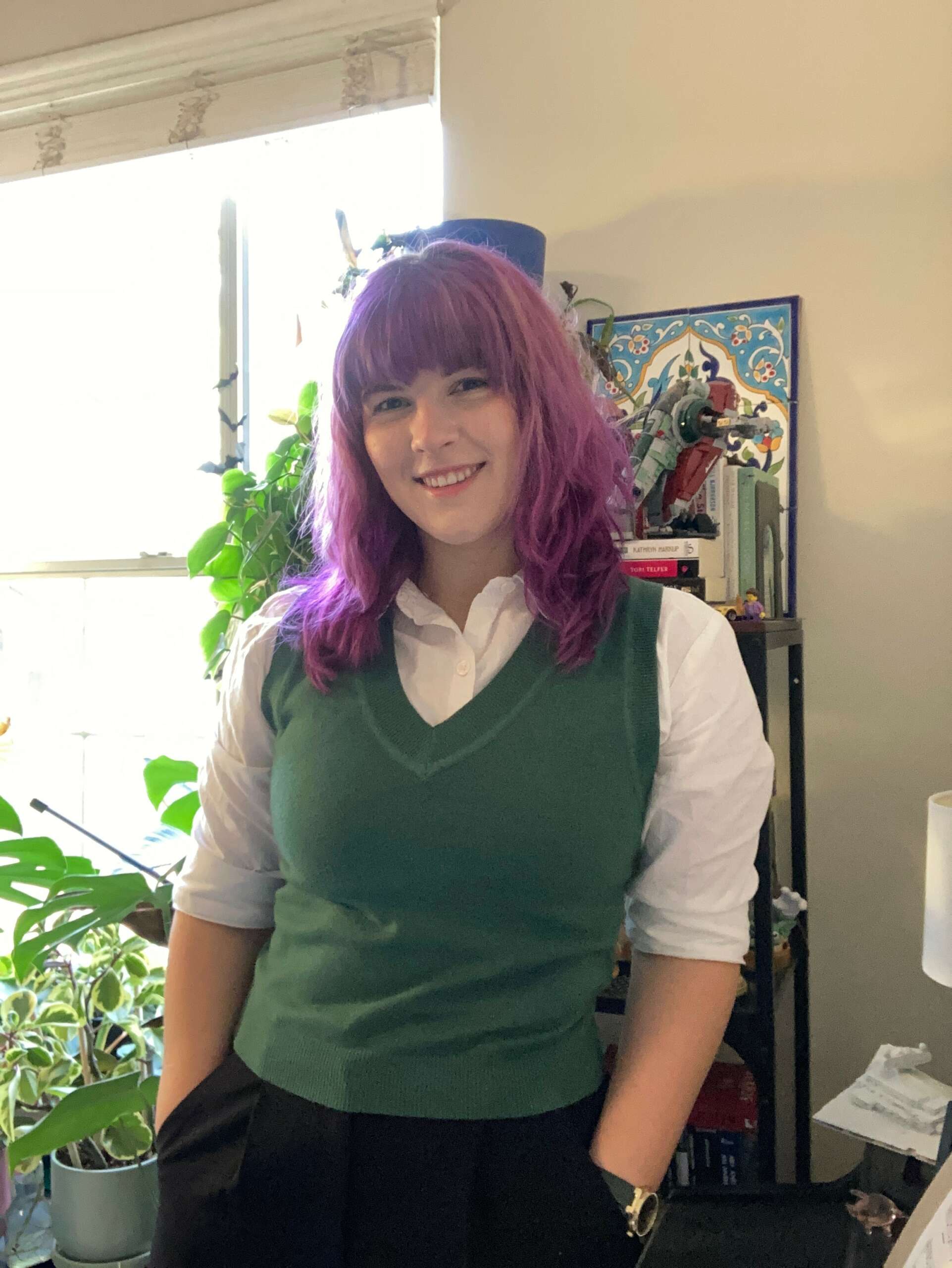

We were lucky to catch up with Zoe Taylor recently and have shared our conversation below.
Hi Zoe, thanks for joining us today. Do you think your parents have had a meaningful impact on you and your journey?
My parents have always been a little confused about what I do, but they’ve never told me I couldn’t do it. When I told them what I wanted to study as a senior in high school, I was met with their efforts to help me keep my future career on its feet: I tried the business minor to go with the film major (and hated it), they celebrated every time one of my projects got a screening, and commiserated every time I was stressed after working until 2am. My dad is always thrilled when I can use his engineering skills to create one of my designs. Everyone is so excited to ask me so many questions when they can’t figure out how a movie scene got made. And when I decided that it might be time to switch from working professional to teaching, they asked how I’ll make working and teaching work together. As long as I can lay out a plan, my parents will support it and I’ve never doubted it.

Zoe, love having you share your insights with us. Before we ask you more questions, maybe you can take a moment to introduce yourself to our readers who might have missed our earlier conversations?
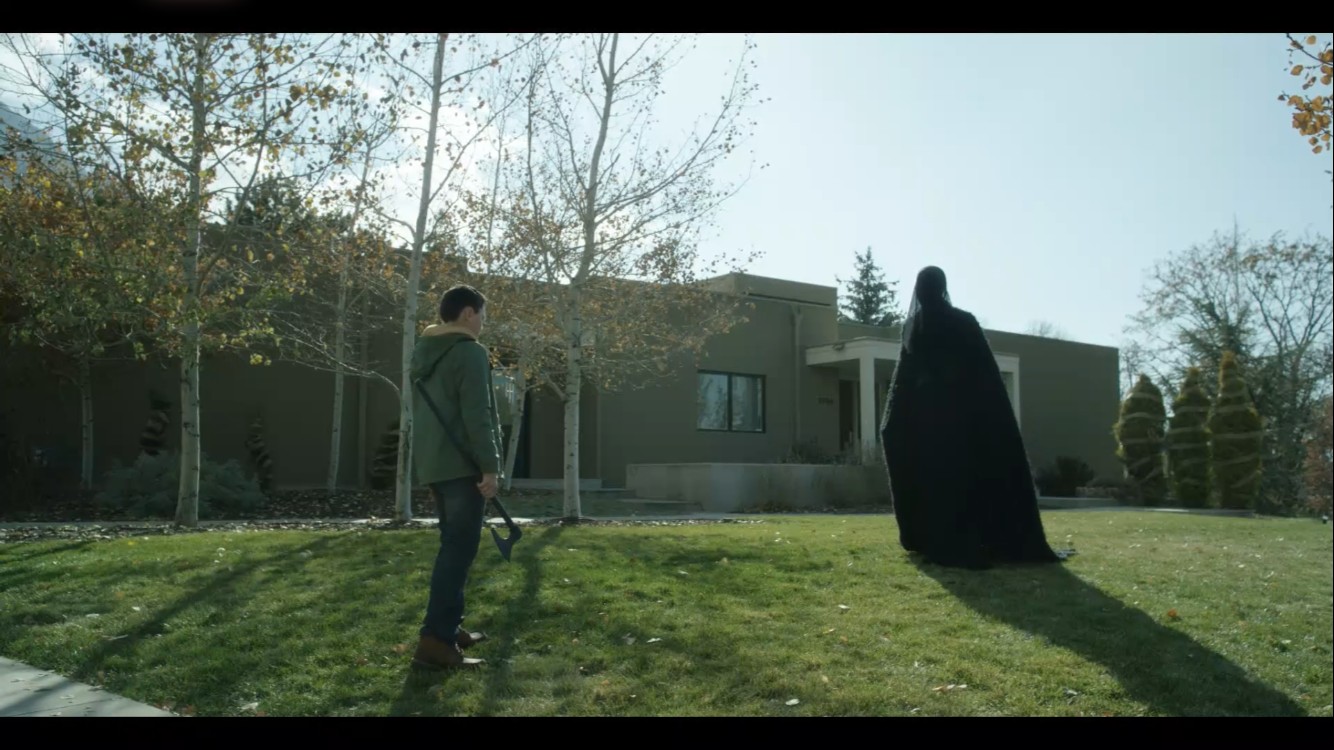
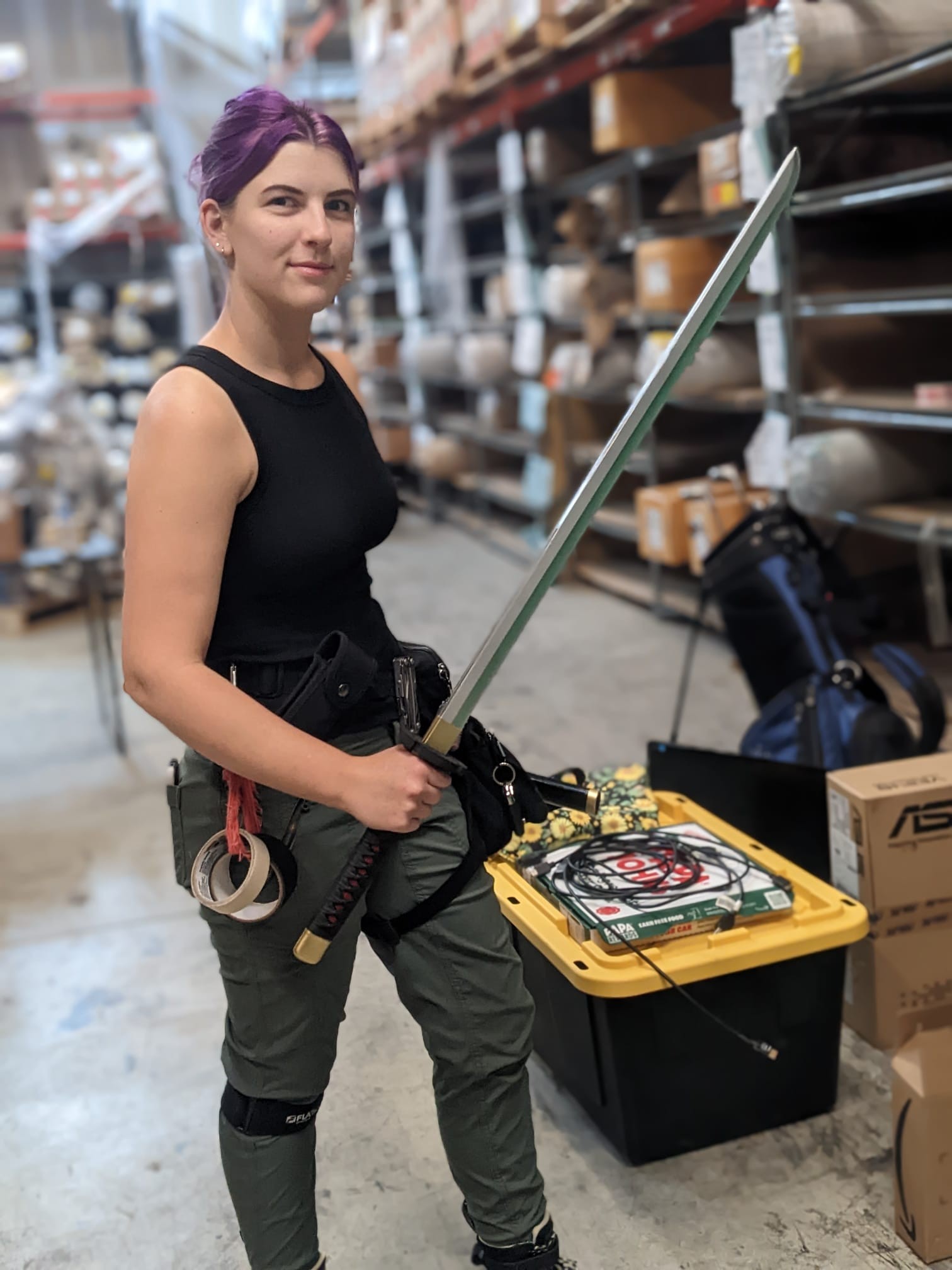
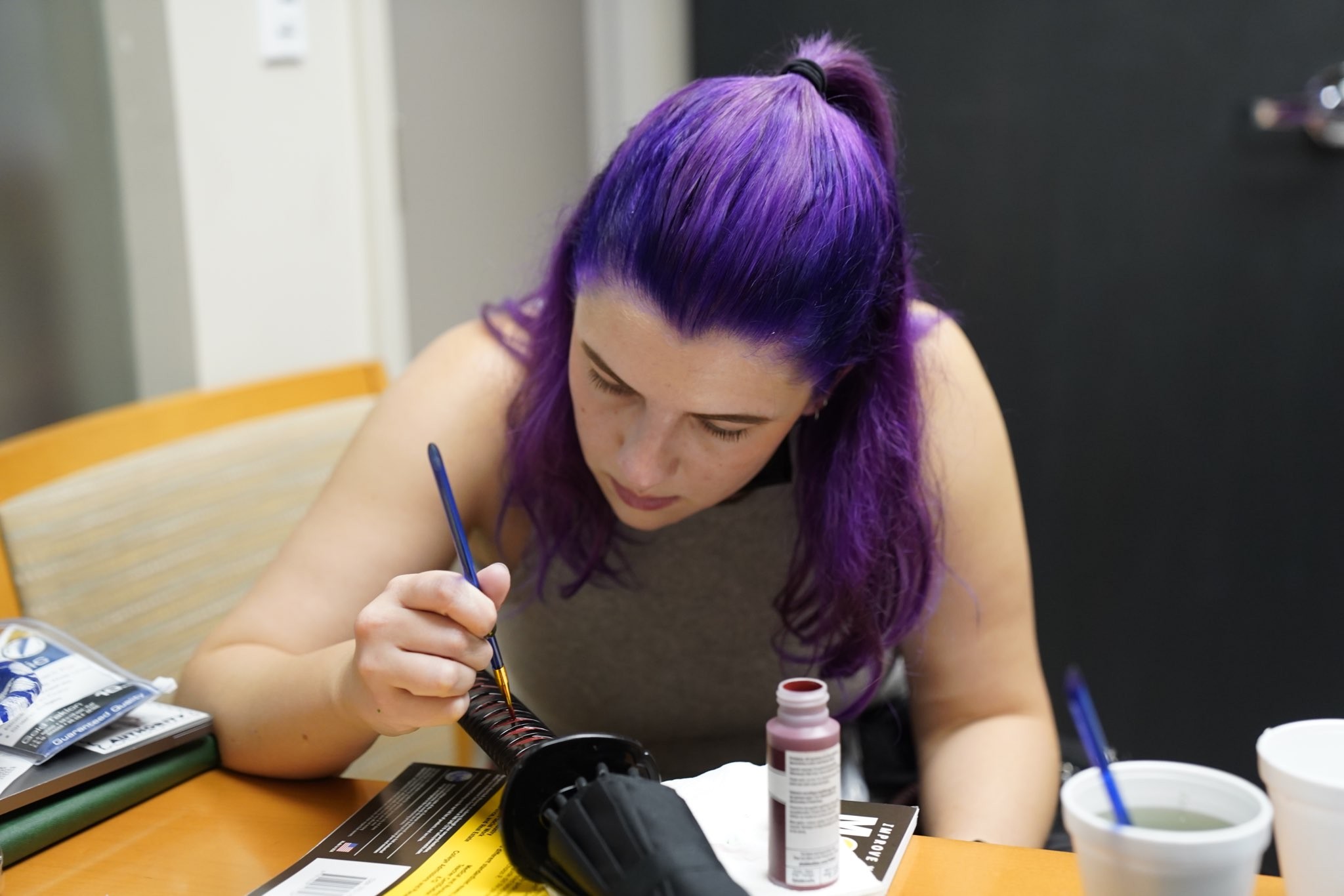
I started my journey very traditionally. I did my undergraduate degree in Utah and started with a costume design degree, although it slowly morphed into a costume AND production design degree. I graduated in December 2019 after working on seven student capstone films and countless other individual projects and assisting on indie films. I worked in New York City as an intern on The Late Show with Stephen Colbert and then moved back after graduation thinking I was going to keep working. Obviously, that didn’t work out the way I wanted, but I did end up going to graduate school in London. I focused on producing, but I still came away from that experience with an award-winning script and experience working with international filmmakers. All that experience led to a move to Atlanta with a well-rounded skillset and a determination to make a career. Behind all of that, costume design has also been my longtime hobby. I recreate film costumes, design additional costumes that fit in the world, and learn new techniques. I use 3D printing and unconventional materials to create polished pieces for whatever situation I’m aiming for. I’ve repainted swords, printed police badges overnight, MacGyver-ed solutions to every problem that has ever shown up. I pride myself on being scrappy and a solid all-arounder.
As I’ve transitioned into being an art teacher, I’ve been able to bring all my skills into the classroom and introduce students to new opportunities. The photography students now use more conventional film lighting techniques and equipment and have been introduced to the idea of designing their space, not just their subjects. The design students have done costume and sewing projects and pick my brain for new methods and concepts. I can also bring my current work and projects into the classroom to teach students the design process and my problem-solving methods. My goal is to help students find a goal for their artistic abilities, whether that’s traditional art or transitioning into design work.
Is there something you think non-creatives will struggle to understand about your journey as a creative? Maybe you can provide some insight – you never know who might benefit from the enlightenment.
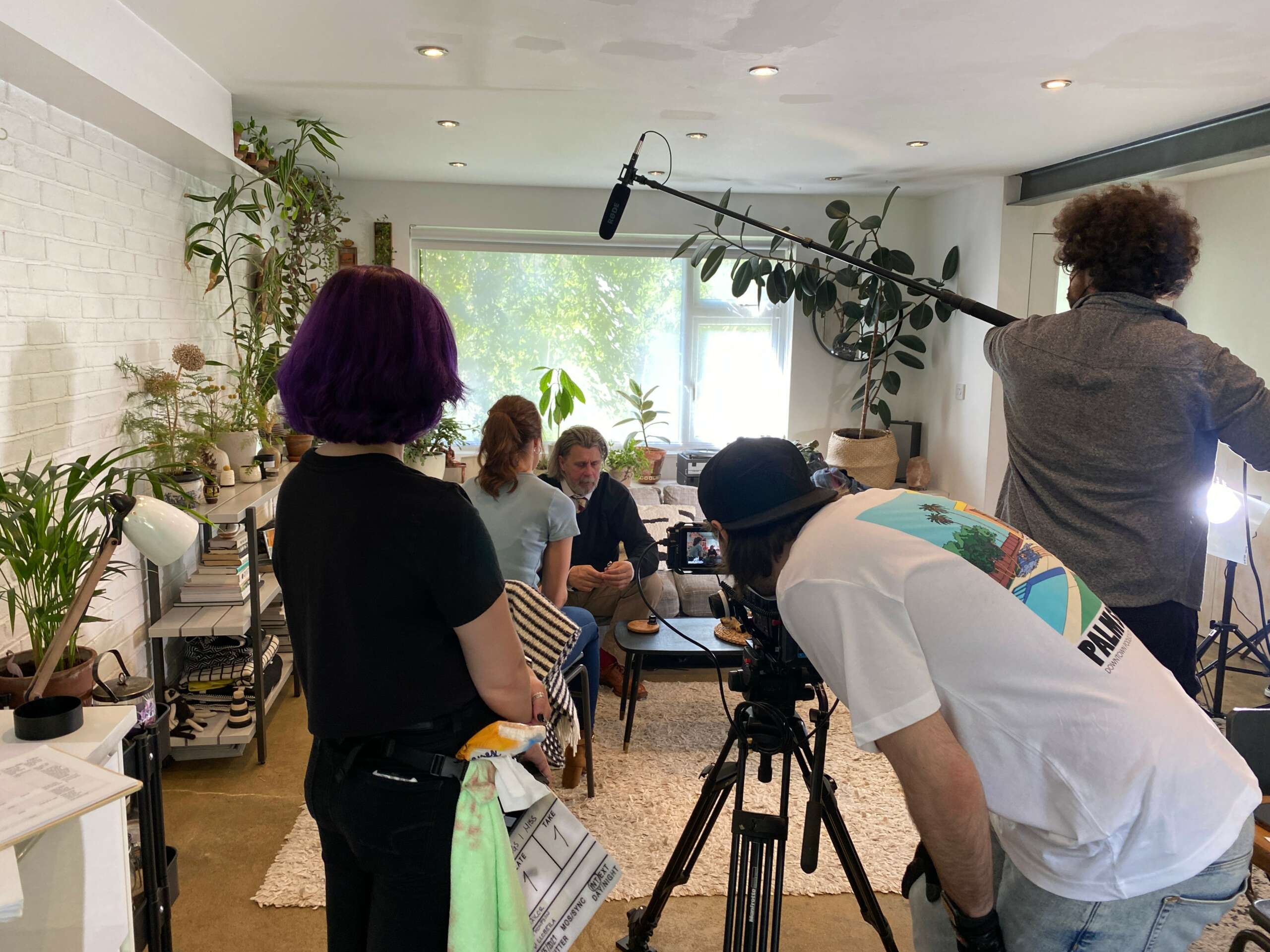
I think that many people don’t consider the skills and processes that are hidden underneath a final product. I specifically remember a comment from a design seminar trip I took to Montreal and New York City in undergrad that still makes me upset. I was the only costume designer of the group and we were visiting a costume shop and speaking to the head designer of the show. The other students in the group were from the School of Family Life who had taken some sewing classes. In our introductions, one of these students commented that I was the only costume designer of the group, but that they were all capable of it because of their sewing classes. I couldn’t articulate why it made me upset in the moment. but looking back, it’s because she didn’t understand the work that needs to happen before a costume can be sewn. The meetings, the breakdowns (both script and mental), the arguments with directors, the budgeting, it all takes a different mindset than just cutting a pattern and sitting down at a sewing machine, even though that’s definitely part of it. I’m juggling the logistics of pre-production at the same time I’m creating.
Have you ever had to pivot?
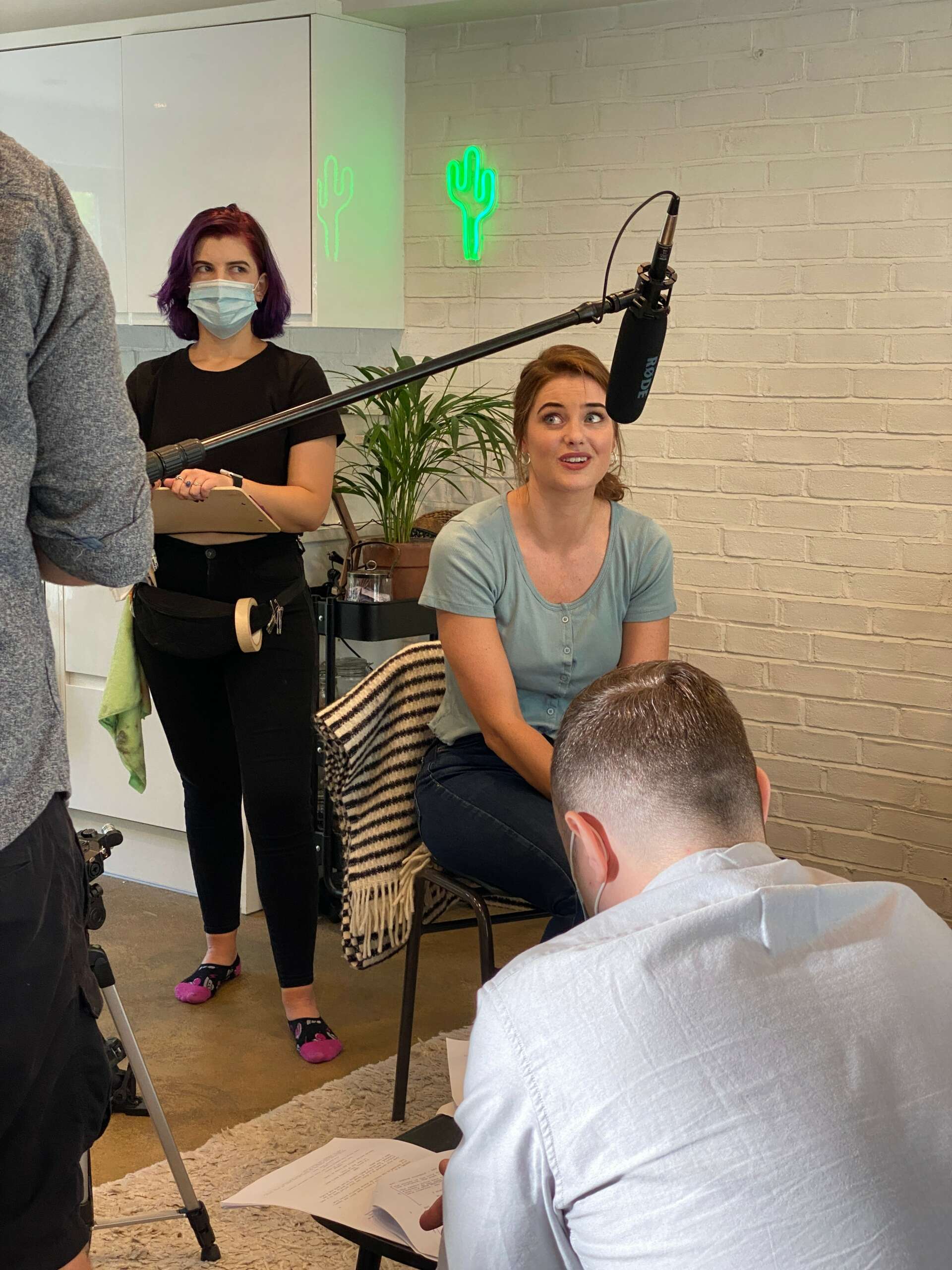
In the last year and a half, I’ve done a major career pivot from regularly working in the industry to teaching. I went back to school again in October 2022 for an education degree to teach art because I could feel the burnout coming with how much work I was doing. Creating has always been both my work and my hobby, so I wanted to cut back on my design working hours so that I can continue to love my hobby. Occasionally, I got high school teacher friends who would run into a student with an interest in film, so I would have them shadow me on set and meet as many different crew members as possible. And now I get to teach full classes all the niche skills I’ve picked up. As students start asking questions, I learn what I should be including in my curriculum.
Contact Info:
- Website: zoetaylorfilm.com
Image Credits
D’Ante Wilson, Jacob Watson, Zoe Taylor