

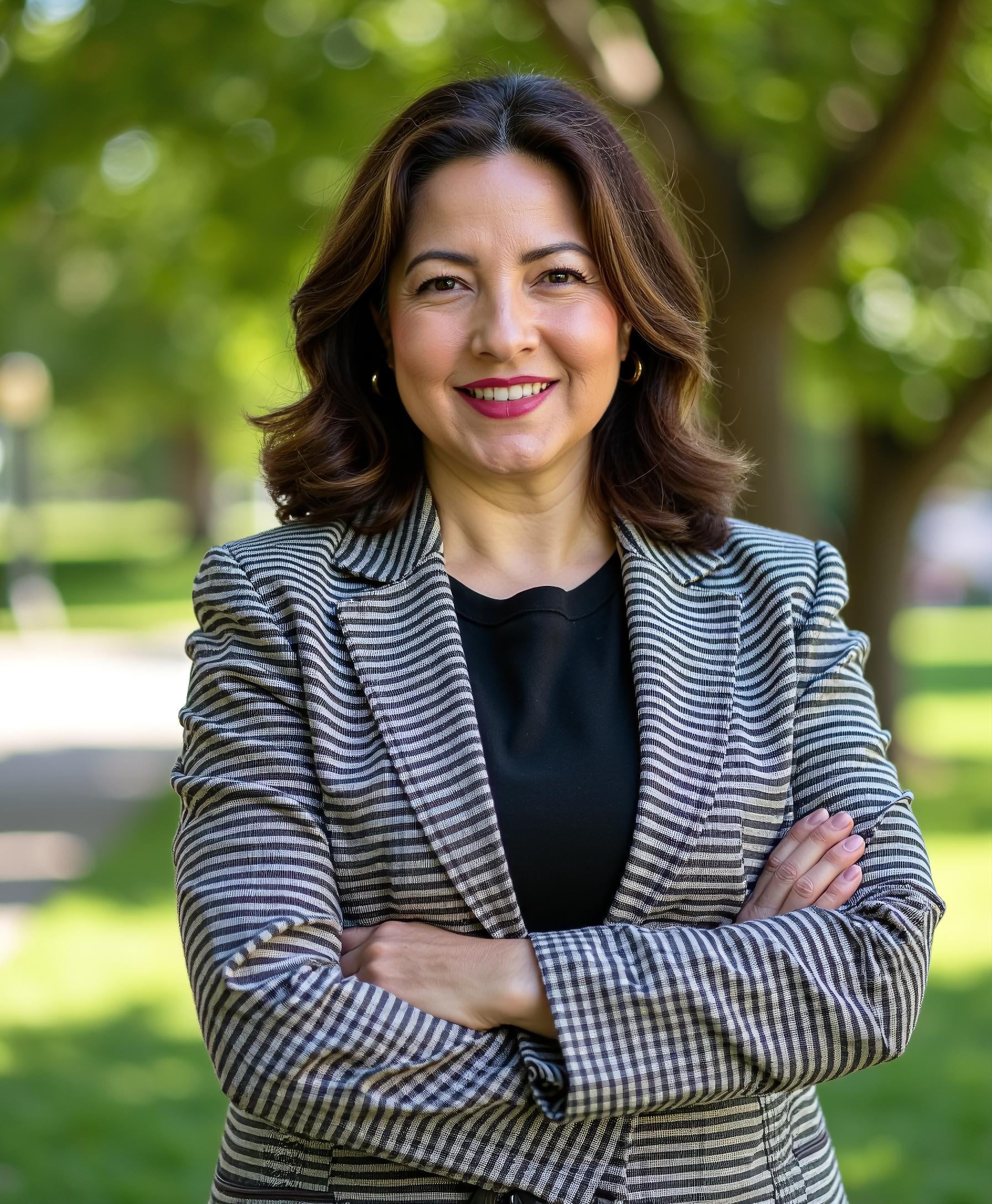

We caught up with the brilliant and insightful Yvette Durazo a few weeks ago and have shared our conversation below.
Yvette, thanks for joining us, excited to have you contributing your stories and insights. We’d love to hear about the early days of establishing your own firm. What can you share?
I started my firm in 2011 because of a deep passion I had been carrying for years. That passion was shaped both by my personal story and by what I had seen professionally. I grew up watching my father, who had very little formal education, treat his employees with dignity, respect, and humanity. He led with decency, and that left a lasting impression on me. Later, as I moved through my own career and worked across government, nonprofit, and corporate settings, I saw something very different. I encountered many highly educated leaders who had strong technical knowledge but poor people skills. I also saw HR systems that were often more punitive than developmental or restorative. Those experiences made something very clear to me: organizations do not become healthy simply because they have educated people in charge. They become healthy when leaders know how to treat people well, handle conflict constructively, and create cultures rooted in trust and accountability.
By 2011, I had already earned my master’s degree in Alternative Dispute Resolution, and I knew exactly where my passion was. It was not only in resolving conflict after damage had already been done. My passion was to help build better leaders and healthier workplaces from the inside out. I wanted to create a practice that viewed conflict as something to understand, address, and transform rather than ignore, punish, or escalate. That is what led me to establish my own firm.
The early days were exciting, but they also required tremendous discipline, sacrifice, and patience. As I was building my brand, I was not operating from only one professional lane. I was involved in court-related work, university teaching, HR-related spaces, consulting, and ADR. In many ways, I was building the firm while actively working in all of the environments that informed my practice. That gave me a broad and valuable perspective, but it also meant I was building my business while managing multiple responsibilities at once.
The main steps I had to take were both strategic and practical. First, I had to get clear on my identity, my niche, and my value. I knew I wanted my work to focus on leadership, workplace conflict, and organizational health, but I had to learn how to communicate that in a way that potential clients could quickly understand and appreciate. I had to define what made my approach different. I also had to build the actual infrastructure of a business: formalizing the company, creating service offerings, setting prices, drafting contracts, establishing credibility, networking, and generating clients. Like many founders, I had to learn how to be both a practitioner and a business owner at the same time.
One of the biggest challenges in those first years was capacity. I kept a full-time job and continued teaching while building my business because I was raising my family alone and could not afford to take major risks. That reality shaped me deeply. I did not have the option of stepping away from stability and simply hoping everything would work out. I had to build with care, responsibility, and persistence. That season taught me endurance, time discipline, humility, and focus. It also taught me how to stay committed to a long-term vision even when the progress felt slow.
Another major challenge was helping people understand the value of the work. Conflict resolution, culture change, and leadership development are often underestimated until an organization is already in distress. So from the very beginning, part of my role was not just delivering services, but educating the market. I had to help leaders understand that this work was not secondary or “soft.” It was central to trust, productivity, retention, engagement, and organizational effectiveness. I had to translate human-centered work into language that decision-makers could understand as strategic and essential.
Looking back, if there is anything I would have done differently, I would have invested earlier in stronger business infrastructure and support systems. In the beginning, I did so much myself because I had to, but I now see the value of building systems, visibility, and operational support earlier. I also would have trusted my own voice and methodology sooner. When you are building something rooted in both lived experience and professional expertise, it can take time to fully recognize that your perspective is not only valid, but needed. I would have stepped into that confidence earlier.
For a young professional considering starting their own firm, my advice would be this: be very clear about why you want to do it. Your purpose matters because entrepreneurship will test your patience, discipline, and resilience. Also, get very clear on the problem you solve. People need to understand your value quickly. Learn the business side early, because being talented in your field is not enough. You also need to understand pricing, positioning, marketing, contracts, and relationship-building. And finally, do not assume that starting small means thinking small. Sometimes building slowly and responsibly is exactly what creates something sustainable and meaningful over time.
For me, starting my own firm was about more than independence. It was about creating the kind of work I believed organizations truly needed, rooted in dignity, respect, and the belief that leadership must be human-centered if it is going to be effective.
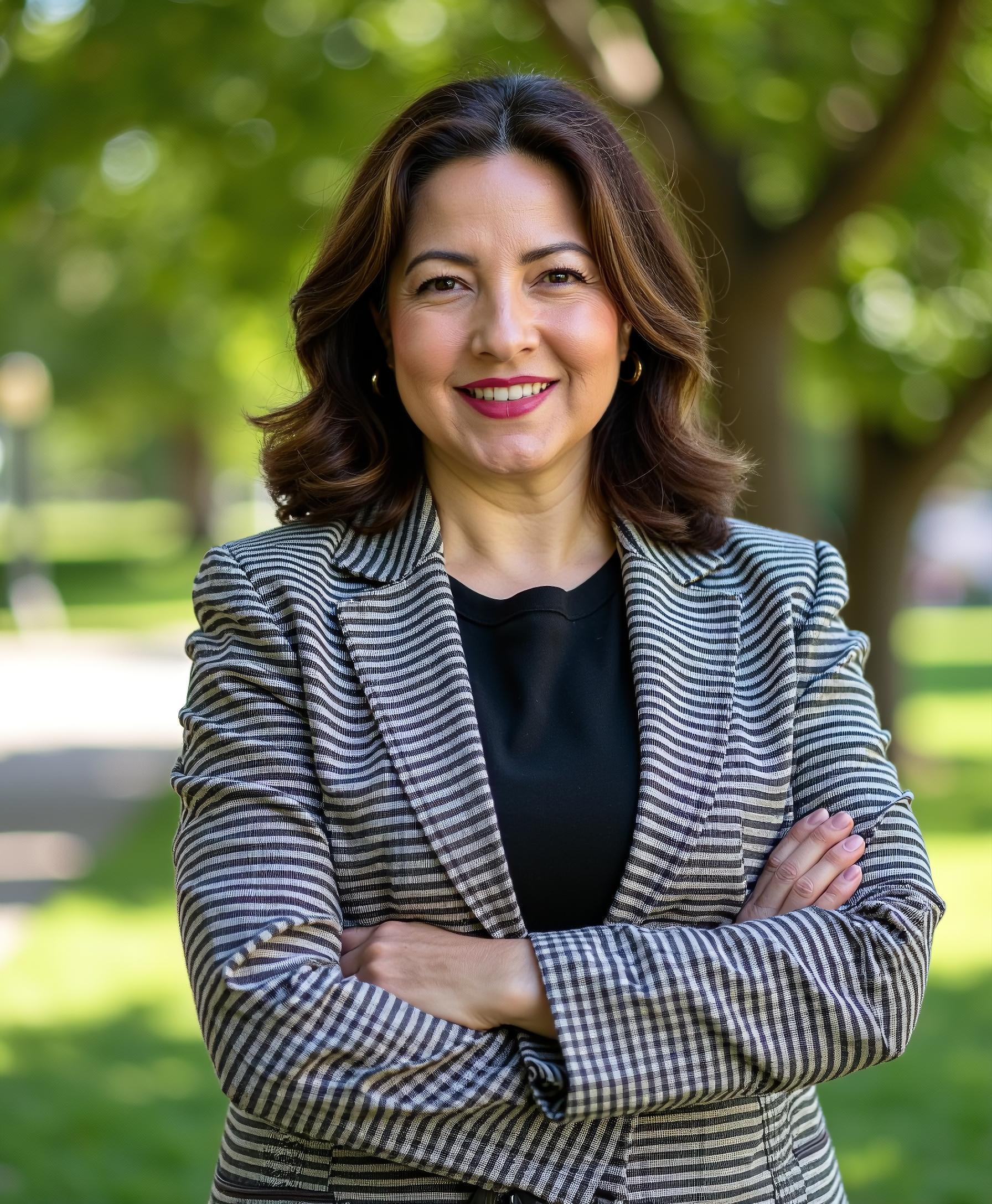
As always, we appreciate you sharing your insights and we’ve got a few more questions for you, but before we get to all of that can you take a minute to introduce yourself and give our readers some of your background and context?
Certainly. Here is a polished response in your voice, kept under 500 words:
I am Yvette Durazo, founder and principal consultant of Unitive Consulting, a workplace organizational effectiveness, conflict management, and leadership development firm. My work sits at the intersection of workplace culture, human conflict, leadership growth, and organizational health. I help organizations build healthier, more productive environments by addressing one of the most overlooked drivers of performance and disengagement: unresolved conflict.
I came into this work through both personal values and professional experience. I grew up watching my father, a man with very little formal education, treat his employees with dignity and respect. Later, across my own work in government, nonprofit, corporate, academic, and court-connected settings, I saw the opposite too often: highly educated leaders with poor people skills, punitive systems, and workplaces where people did not feel seen, safe, or respected. That shaped my mission. I earned a master’s degree in Alternative Dispute Resolution and built my career around helping leaders and organizations handle conflict in more constructive, human-centered, and effective ways.
Through Unitive Consulting, I provide services such as executive coaching, leadership development, workplace mediation, conflict coaching, organizational effectiveness consulting, change management, restorative practices, civility training, and fractional ombuds support. I also teach in university and continuing education programs, and I am the author of *Conflict Intelligence Quotient (Conflict-IQ®)* and *In the High Heels of a Smart Negotiator*.
The problems I solve are often the ones organizations avoid until they become expensive: toxic team dynamics, leadership breakdowns, communication failures, unresolved tension, cultural misalignment, resistance to change, and systems that do not support trust or accountability. My work helps leaders build the confidence and skill to address difficult issues directly while strengthening relationships, clarity, and performance.
What sets me apart is that I do not approach conflict as something to fear or suppress. I see it as information. When handled well, conflict can reveal what matters, where systems are breaking down, and what leadership is being called forward. I bring a unique combination of mediation expertise, executive coaching, trauma-informed practice, multicultural insight, and real-world organizational experience. I am also fully bilingual in English and Spanish, which allows me to serve clients across cultures with greater depth and connection.
What I am most proud of is building a body of work that is deeply aligned with my values. I am proud that clients trust me with some of their most sensitive workplace challenges. I am proud that my work helps people move from fear, frustration, and division toward clarity, dignity, and stronger collaboration.
What I want people to know about me and my brand is this: I believe leadership must be human-centered to be effective. I believe organizations do better when people are treated with dignity. And I believe conflict, when handled skillfully, can become one of the most powerful tools for transformation.
Have you ever had to pivot?
Absolutely. Here is a polished version in your voice that is honest, strong, and appropriate for a public-facing feature:
One of the biggest pivots in my life and career came after a painful experience in a previous workplace. I had dedicated many years to that organization, and when a conflict situation arose, I saw up close how systems that are supposed to protect people do not always do so fairly. Because of risk concerns and how HR chose to handle the situation, I was left feeling isolated and unsupported, while others appeared to receive more protection because of the greater legal exposure tied to their circumstances. As a Latina professional, that experience deeply impacted me and changed the way I saw workplace systems, power, and fairness.
It was a very difficult season, but it became a turning point. I had already been drawn to conflict resolution and human-centered leadership, but that experience made the mission personal in a different way. It pushed me to think more seriously about the kind of work I wanted to do in the world and the kind of environments I wanted to help create. I realized I did not want to spend my life simply surviving unhealthy systems. I wanted to help transform them.
That period led me to make a major life decision. I left my hometown, relocated to Silicon Valley, and committed more fully to building my own business. Starting over in a new region while building a business was not easy. I was raising a family, carrying uncertainty, and stepping into entrepreneurship with both courage and necessity. But that pivot gave me clarity. It taught me that sometimes the hardest experiences are the ones that reveal your true calling.
What came out of that chapter was not bitterness, but purpose. It sharpened my commitment to helping leaders and organizations build workplaces rooted in dignity, fairness, accountability, and healthier ways of handling conflict. It also shaped the heart of my business. I know what it feels like to be unseen by a system you trusted. That is part of why I care so deeply about helping organizations create cultures where people feel respected, protected, and able to thrive.
Looking back, that pivot changed everything. It moved me from simply working inside organizations to building a business dedicated to helping them do better.
Can you share a story from your journey that illustrates your resilience?
Yes. One of the strongest examples of resilience in my journey is that I built my life and career without the kind of support system many people take for granted. As a Latina woman, I was raising my children largely on my own, with no real family support, while also pursuing higher education and trying to build a meaningful professional path.
There were many seasons when the weight felt enormous. I was balancing motherhood, work, graduate school, financial responsibility, and the emotional strain of trying to create stability while also dreaming bigger for myself and my children. At the same time, I was dealing with invisible health issues and severe anxiety, much of which I carried quietly. From the outside, people may have seen strength, but behind that strength was a great deal of perseverance, faith, and inner work.
What makes that chapter especially meaningful to me is that I did not give up on myself. I kept going. I earned my advanced education, continued growing professionally, and learned how to care for my body and mind in natural ways that helped me heal. That healing process taught me to listen to myself differently, to honor my limits, and to trust that resilience is not about pretending everything is easy. It is about continuing with intention, even when life is hard.
That journey shaped the way I lead and serve others today. It gave me compassion, depth, and a fierce belief that people can transform pain into purpose.
Contact Info:
- Website: https://www.unitiveconsulting.com/en
- Instagram: https://www.instagram.com/unitiveconsulting_/
- Facebook: https://www.facebook.com/unitiveconsulting/
- Linkedin: https://www.linkedin.com/in/yvette-durazo/
- Youtube: https://www.youtube.com/@unitiveconsultingCA
Image Credits
It is my own picture