



Alright – so today we’ve got the honor of introducing you to Yitong Chen. We think you’ll enjoy our conversation, we’ve shared it below.
Yitong, appreciate you joining us today. Let’s start big picture – what are some of biggest trends you are seeing in your industry?
One big trend in the film industry right now is the move away from live orchestral recordings and strong, theme-driven scores. Instead, we’re getting more simplified, signature “sounds” attached to each film. While this approach works from project to project, I can’t help but feel like we’re losing something; the sweeping, majestic themes that used to define movies. And with that shift, we’re also seeing fewer opportunities for the incredible musicians who bring those scores to life. Budgets are shrinking, timelines are tightening, and as a result, more and more music is being made “in the box” with samples and synthesizers rather than real orchestras.
Growing up in the ‘90s, movies were cinema to me. Whether it was Lawrence of Arabia, The Ten Commandments, or Star Wars, these films pulled me into their worlds with powerful orchestral scores. At the time, I didn’t realize how much that music was shaping me. The first film score that truly left an impact on me was Basil Poledouris’s music for RoboCop. I was only seven, and yeah, the movie was way too violent for me (thank you, Mom and Dad), but I couldn’t stop humming that theme. I’d sit at our upright piano for hours, trying to figure out the melody by ear and match the key. Seeing my obsession, my parents signed me up for piano lessons—something I quickly flourished in. Not long after, I had another defining moment when I watched Alien. Jerry Goldsmith’s score didn’t just accompany the film; it scared me. It wasn’t just melodic, it was eerie, atonal, and deeply unsettling. That was the first time I realized music could be as much a character as the actors on screen. More than that, I began to understand the true power of film music—not as background noise, but as an essential storytelling tool that could shape an entire movie. My love for music only grew from there, and eventually, I joined my school orchestra, playing both piano and viola from middle school into my college years.
The films that shaped me all had something in common: their music was symphonic. It wasn’t classical like Mozart, and it wasn’t pop like The Beatles; it was music written specifically for film, with melodies and themes you could hum. But I feel over time, that has shifted; Instead of full, sweeping themes, we’re getting more sound design: synth tones, percussive hits, single one-liners. It works, but I feel it doesn’t have the same soul as the sweeping, symphonic scores I grew up with.
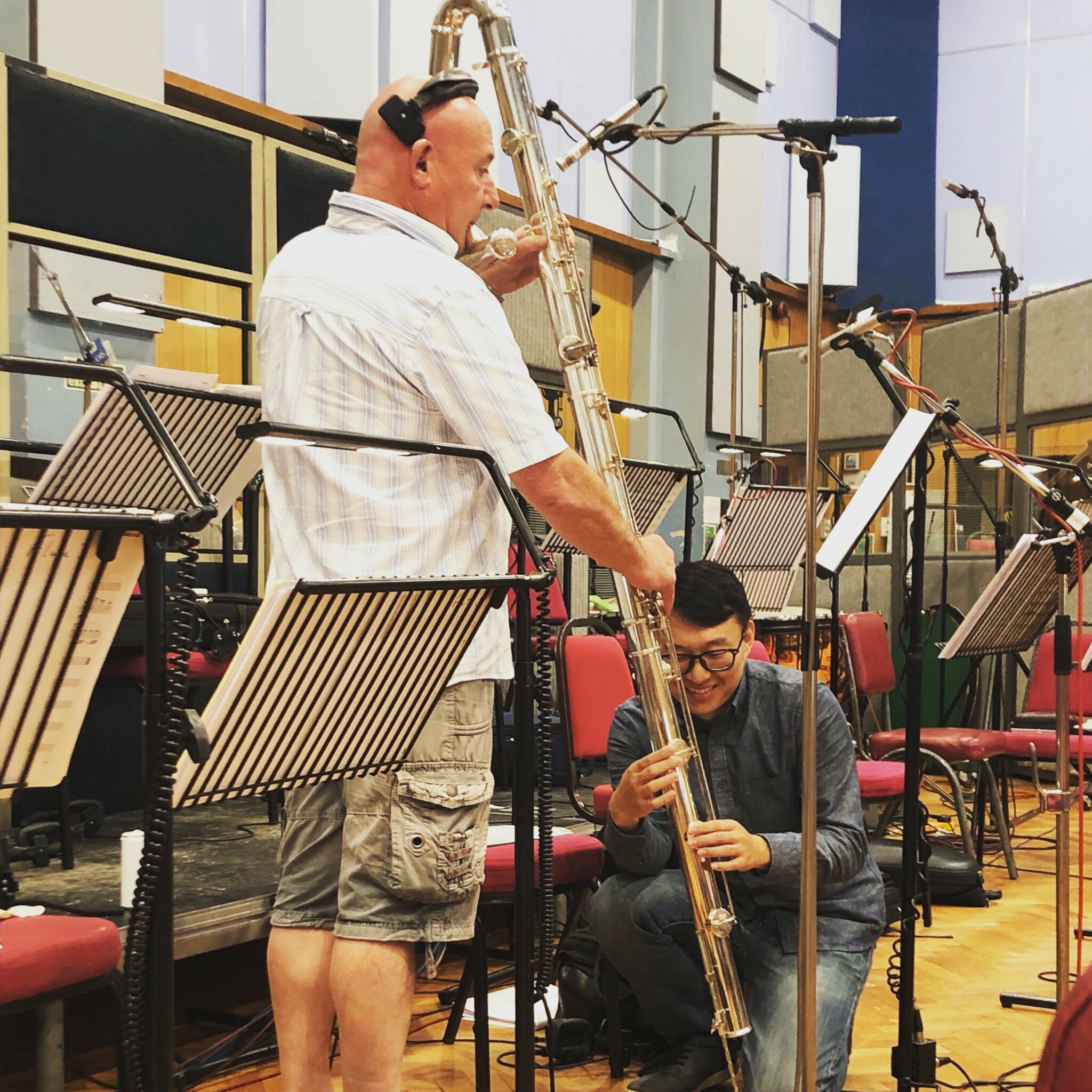
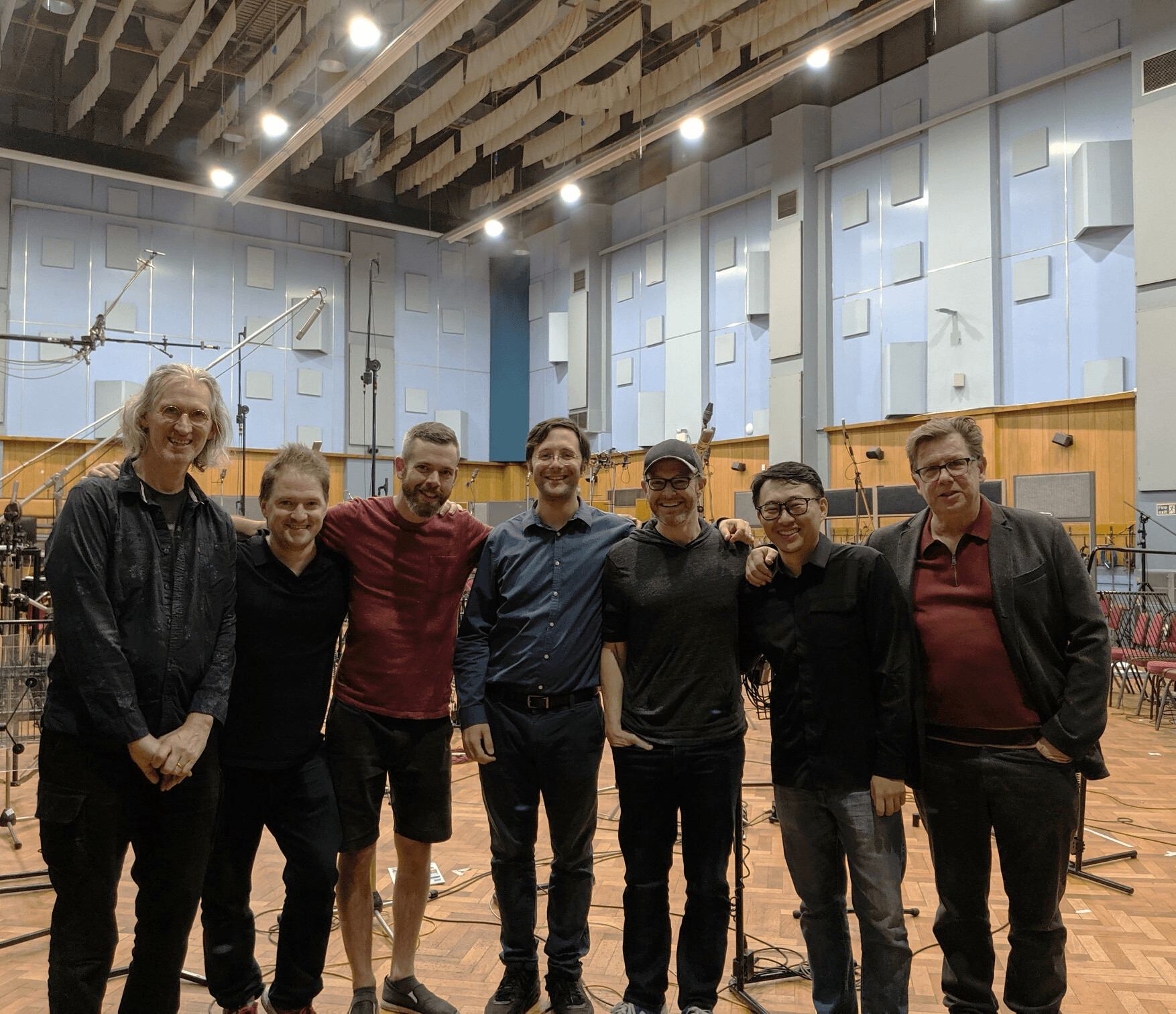
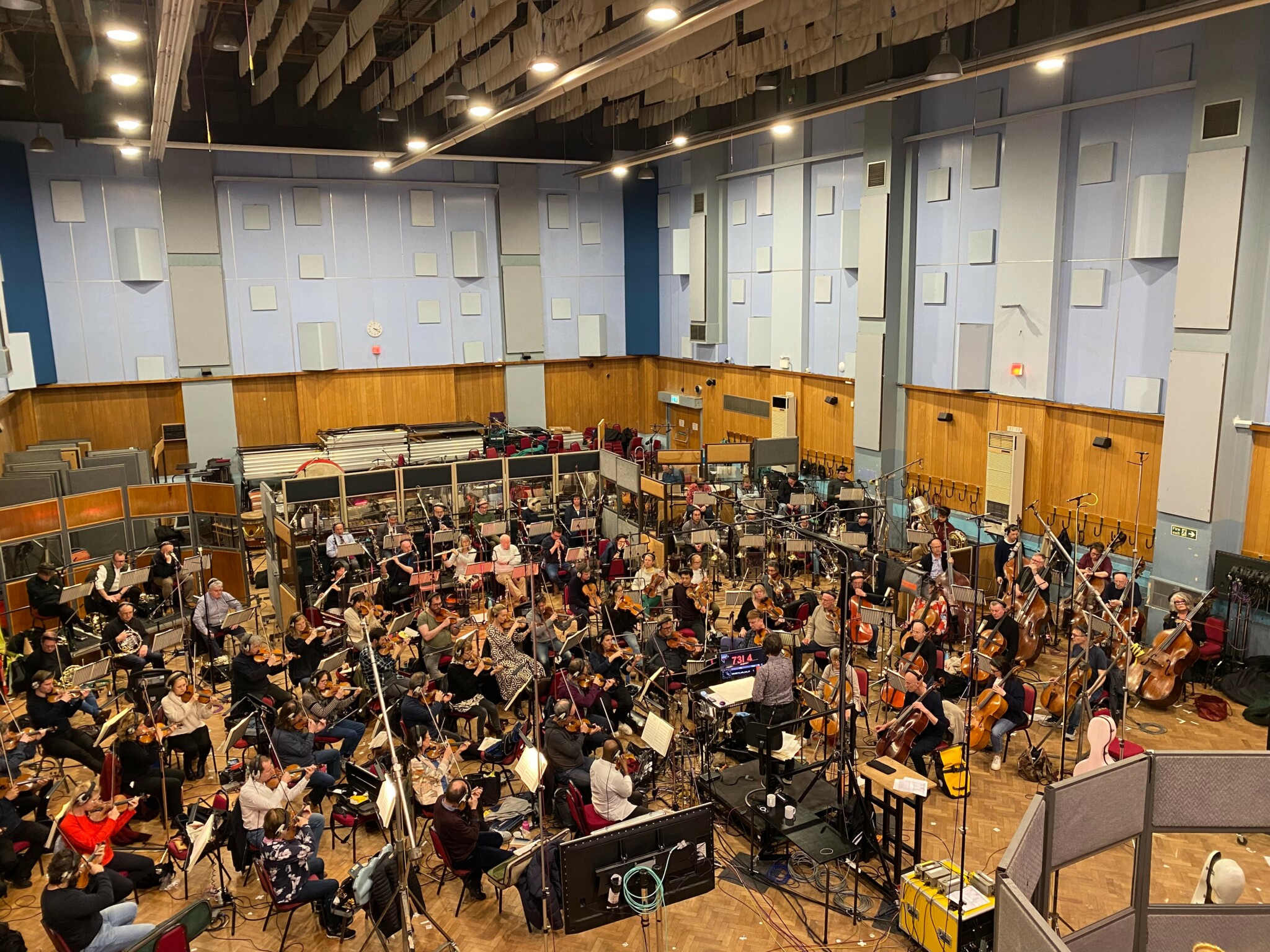
I’ve been lucky enough to sit in on some recording sessions with some of the best musicians in the world, in legendary studios like Abbey Road, Synchron Stage, and Ocean Way. There’s nothing like hearing an orchestra bring music to life in real time. But we’re seeing less and less of that these days. Composer and music contractor Peter Rotter, who recently won an Academy Award, even wrote an open letter about the decline of orchestral recording in Los Angeles. It’s something more people in the industry need to pay attention to.
At the end of the day, I just want to see us bring back the big, sweeping scores that made so many of us fall in love with movies in the first place.
As always, we appreciate you sharing your insights and we’ve got a few more questions for you, but before we get to all of that can you take a minute to introduce yourself and give our readers some of your back background and context?
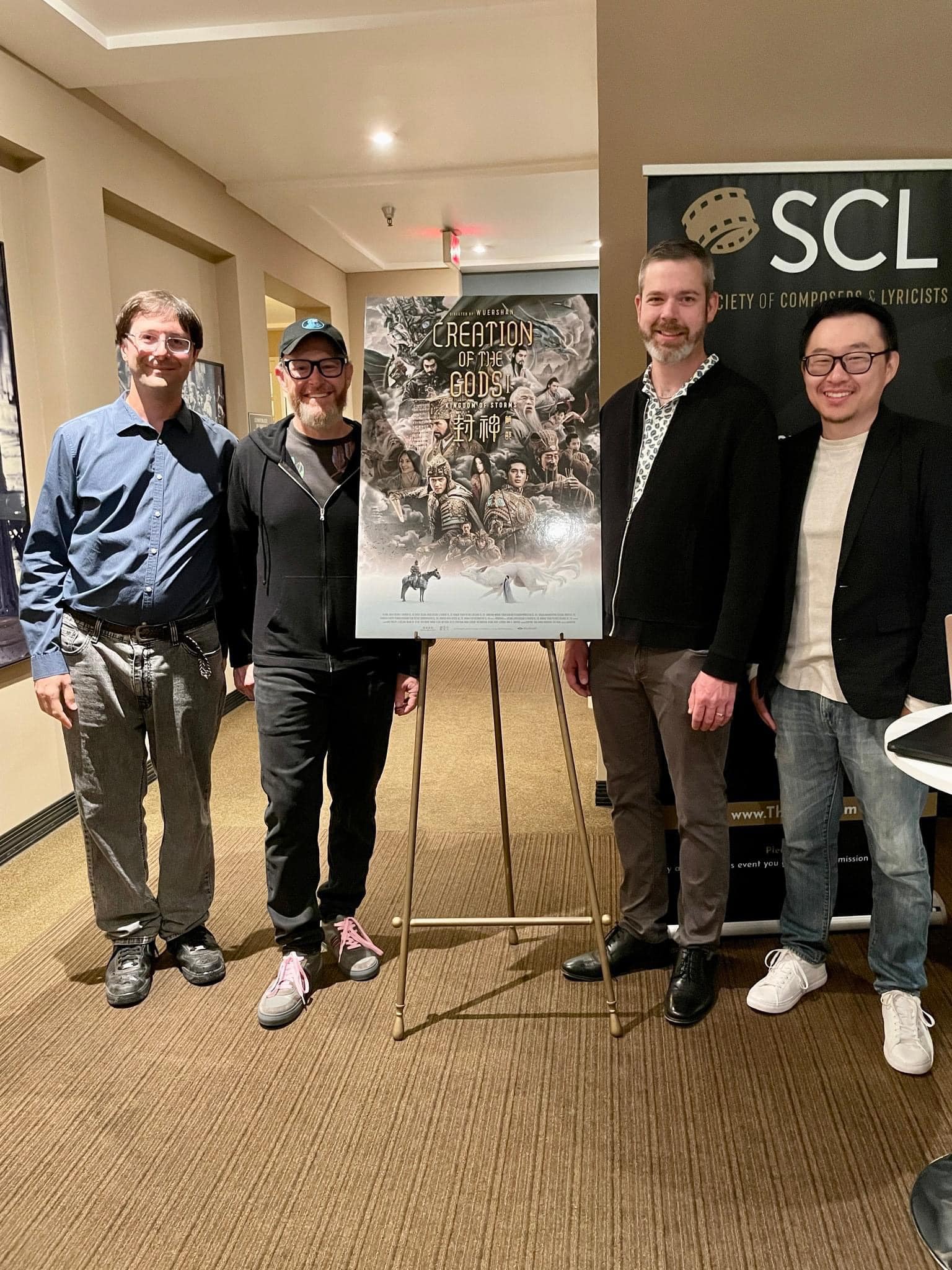
I am a composer for film, TV, and interactive media. I create custom music for my clients and also provide music-related services as an orchestrator, producer, arranger, and copyist. My dream has always been to tell stories through music ever since I first saw Star Wars as a child, and now I’m lucky enough to say I’ve worked on several Star Wars projects, including the Grammy-winning Star Wars Jedi: Survivor. Most recently, I worked on Creation of the Gods: Demon Force where I wore multiple creative hats: writing additional music, orchestrating, and music editing for the film.
But getting here wasn’t exactly a straight path. I originally started out in a totally different field: Economics. Growing up, I was entranced by cinema and film music and wanted to become a composer like my heroes Jerry Goldsmith, John Williams, and James Horner. However, my first-generation immigrant parents would strongly encourage me to pursue something far more “stable” when it was time for college. So instead of a music degree, I studied economics, and after graduating, I landed a job as an accountant. It was as stable as it gets. Looking back, I’m actually grateful for that experience because it taught me so much about business: finances, deadlines, organization, and project management—all of which have been invaluable in the music industry.
Working as an accountant was rewarding but no matter how much I tried to follow that “practical” path, music kept pulling me back. I continued playing piano and worked on short films with friends on weekends and whenever I had free time. I never stopped dreaming about writing the kind of sweeping, cinematic scores I grew up loving. After six years in accounting, I finally took a leap of faith; I quit my job and went back to school to study music formally through Berklee Online, a relatively new program offered by Berklee College of Music. That decision changed everything: Berklee Online gave me the skills and knowledge to do what I love, and now I get to wake up every day and make music for a living.
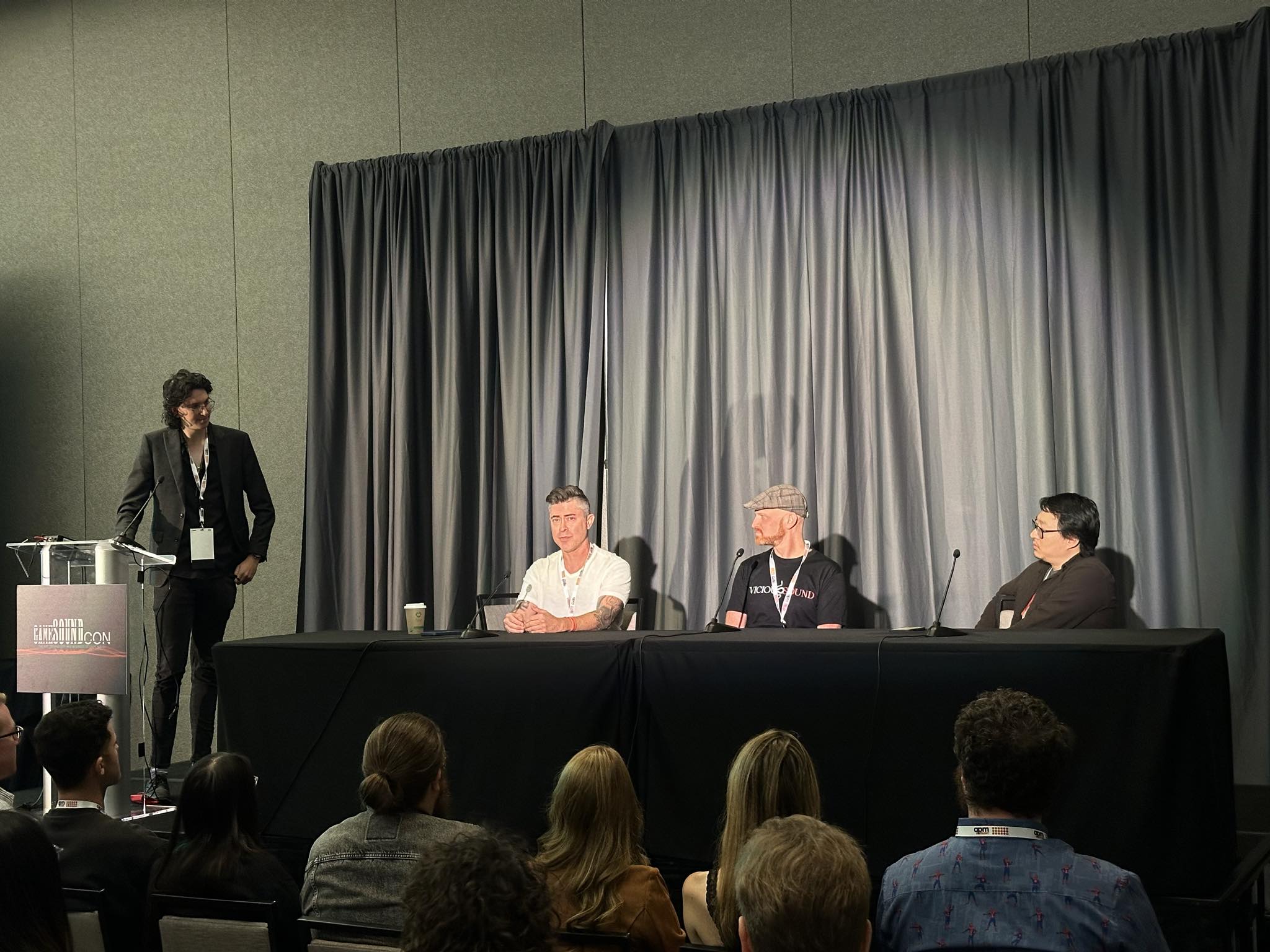
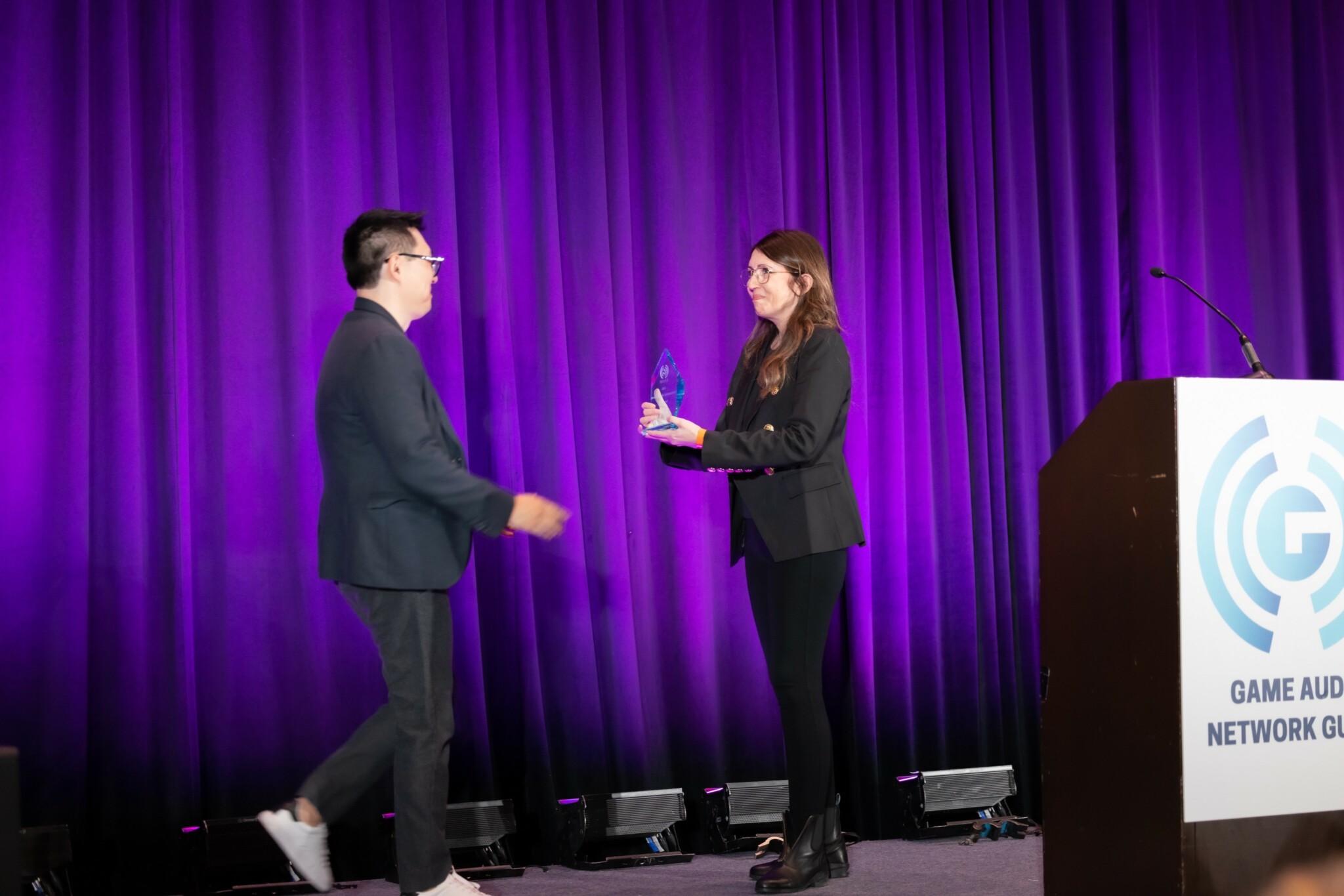
Aside from actively working on many projects, I try to stay involved in the music and audio community by volunteering with nonprofit organizations. I currently serve as treasurer for the Game Audio Network Guild, a nonprofit dedicated to promoting and fostering inclusivity in interactive media and every March, we host an annual awards show to highlight and recognize our peers in the industry. At the end of the day, I feel incredibly lucky to do what I love—telling stories through music and collaborating with amazing creatives. Whether it’s composing for film, TV, or games, or supporting the next generation of artists through my work in the community, I’m always excited for what’s next.
Can you share a story from your journey that illustrates your resilience?
In 2020, I was working in the music department on a studio feature film called Creation of the Gods: Kingdom of Storms, a high-epic fantasy saga based on Fengshen Yanyi, one of China’s most beloved novels. At the time, it was the biggest project of my career. 2020 was also the year the world came to a standstill with Covid and coincidentally the same year my wife and I welcomed our daughter. She was born in May, right at the height of the pandemic, and from May until October, life became a series of absurd, borderline comedic challenges.
With our families thousands of miles away in the Midwest and on the East Coast, and travel completely shut down, it was just the two of us navigating life as new parents in lockdown. My wife was on bed rest, so I took on everything: cooking, cleaning, sourcing food, and, somehow, continuing to work on the film, which had an immovable deadline. As if that wasn’t enough, our landlords decided that right then was the perfect time to start renovations. Contractors were constantly banging on the roof, painting the walls, and moving in and out of the house. Sleep, already a rare commodity as new parents, became even more elusive. Our infant couldn’t nap during the day with all the noise, and after pleading with our landlords to hold off—only to be ignored—we were left with no choice but to vacate our home during the day.
As someone who took Covid very seriously, I can’t even begin to describe the stress of trying to keep my wife and newborn safe while also meeting work deadlines. For nearly five months, this was my daily reality. The most surreal moment? Sitting in the front seat of my Subaru Forester, parked in the garage at Fashion Island, desperately trying to catch free Wi-Fi so I could edit music for a scene, while my infant slept in the carseat, with a fan rigged to keep fresh air flowing. It was exhausting, frustrating, and, in hindsight, darkly funny. But quitting was never an option. This was the biggest project of my career, and I was determined to see it through. In the end, I not only helped complete the film, but I also kept my family safe. It was one of the most challenging periods of my life but one I wouldn’t trade for anything.
What do you find most rewarding about being a creative?
The best part of being an artist is watching an idea go from a concept in my mind to something real, brought to life by some incredible musicians. Early in the process, we create a mockup on the computer to get the idea across for approval. It sounds decent and does the job, but then becomes transformed when real musicians step in and breathe new life and actual emotion into the piece. It’s utterly magical!
Contact Info:
- Website: https://www.yitongetchen.com
- Instagram: https://www.instagram.com/etisanalien/
- Facebook: https://www.facebook.com/profile.php?id=5727418&mibextid=wwXIfr&mibextid=wwXIfr
- Linkedin: https://www.linkedin.com/in/etisanalien/
- Other: IMDB LINK: https://www.imdb.com/name/nm4255847/?ref_=nv_sr_srsg_1_tt_2_nm_6_in_0_q_yitong%2520chen
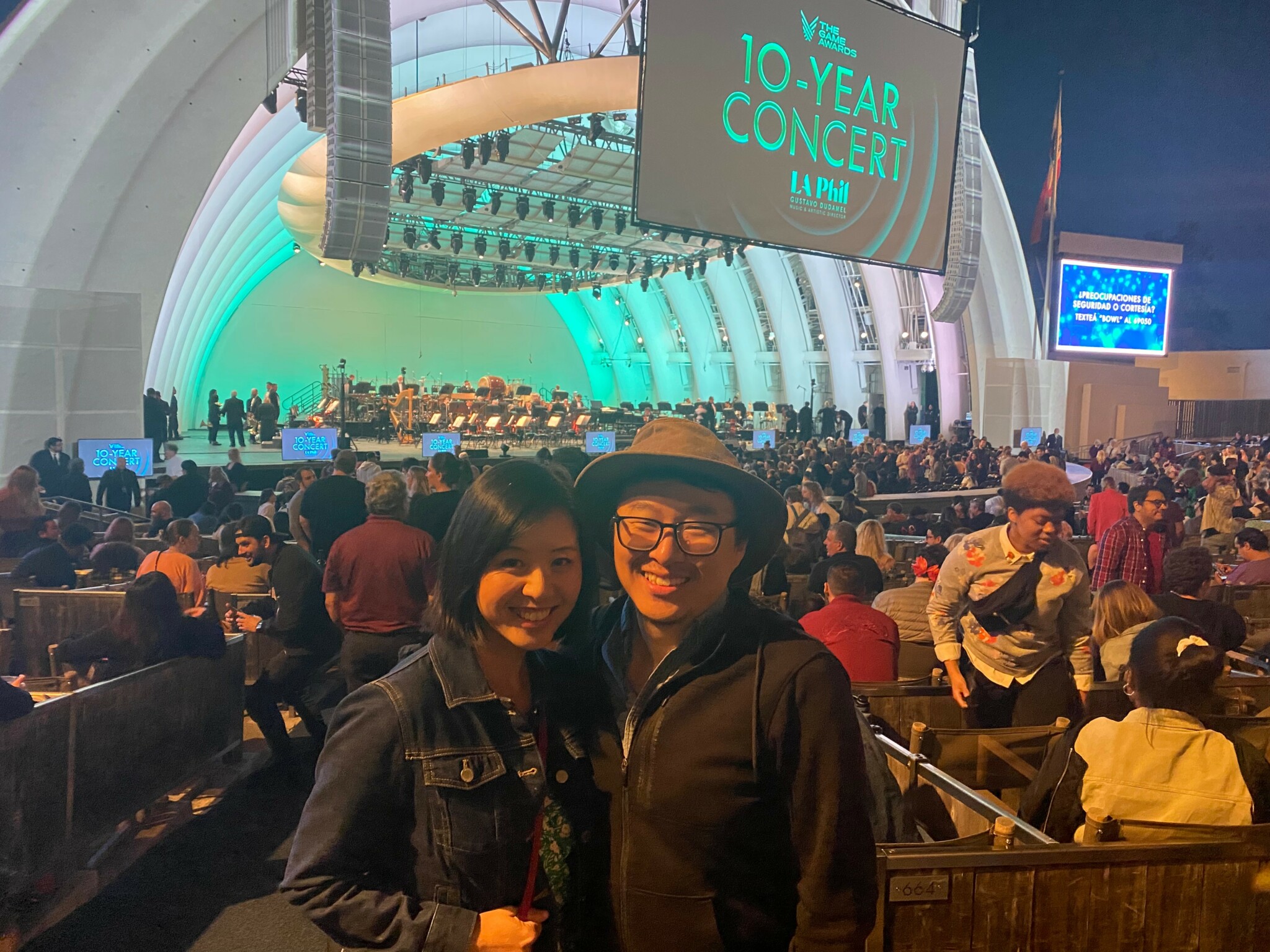
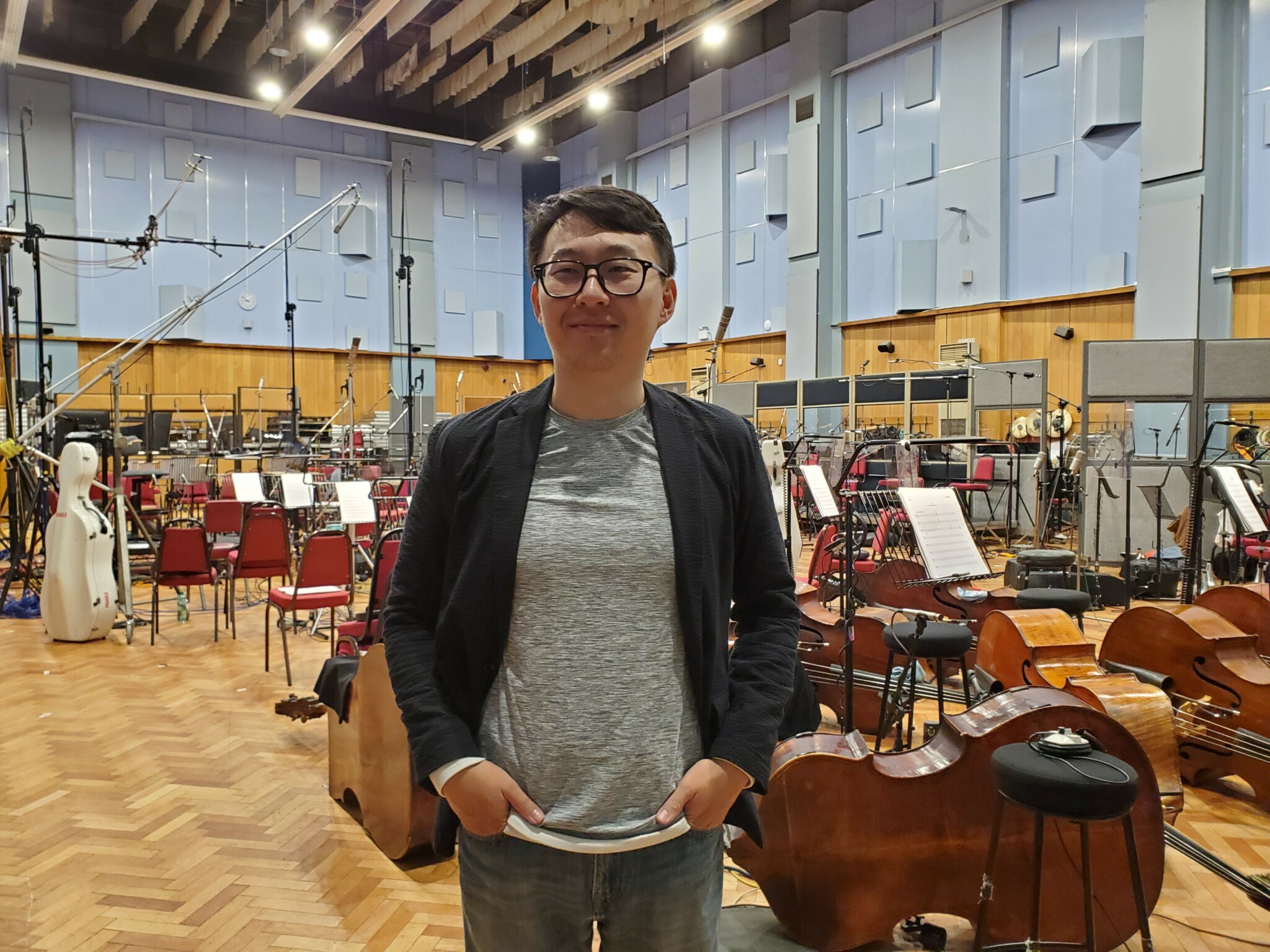
Image Credits
Linda Ting-Baehring