

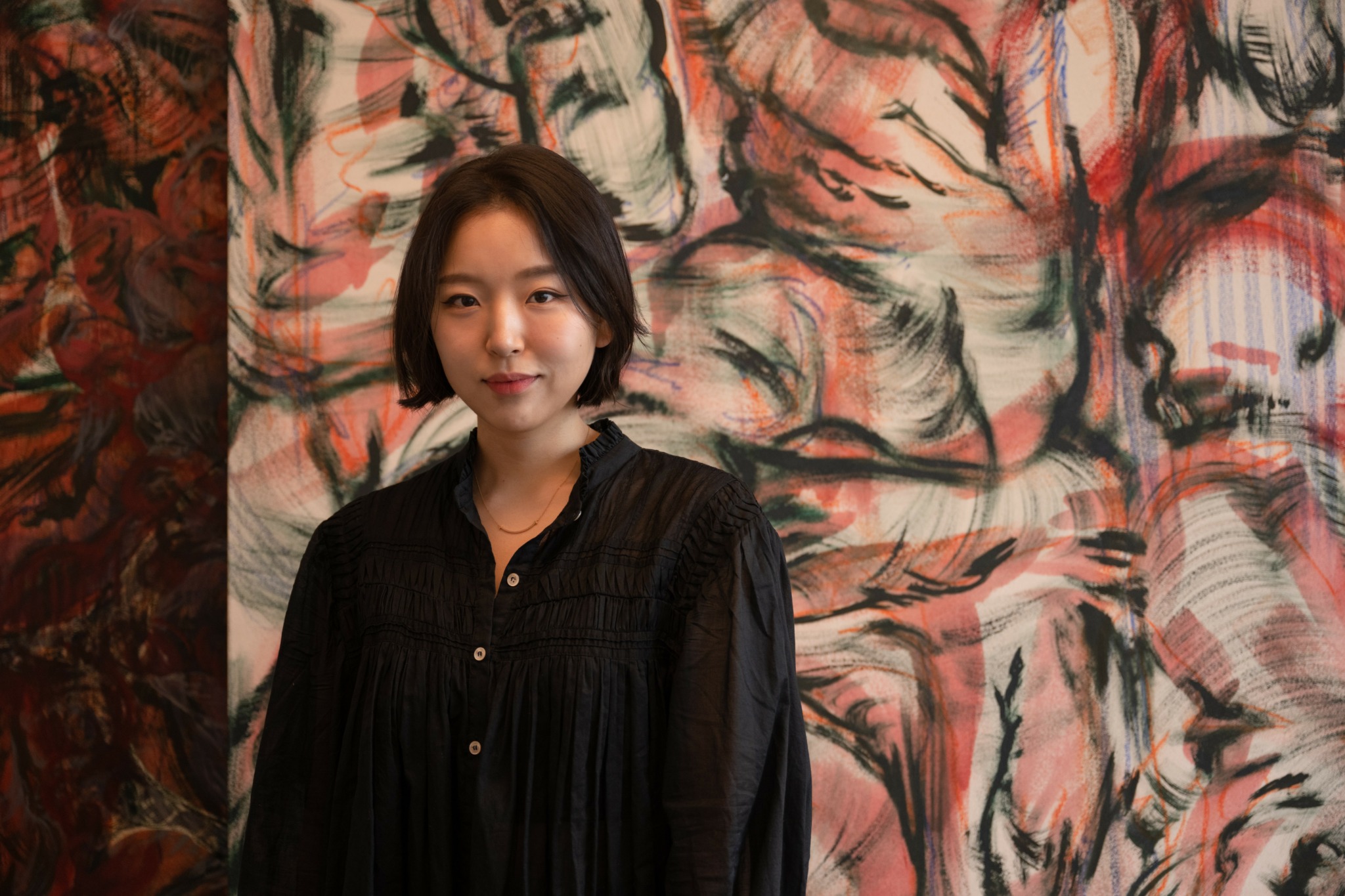

Alright – so today we’ve got the honor of introducing you to Yerang Moon. We think you’ll enjoy our conversation, we’ve shared it below.
Alright, Yerang thanks for taking the time to share your stories and insights with us today. Learning the craft is often a unique journey from every creative – we’d love to hear about your journey and if knowing what you know now, you would have done anything differently to speed up the learning process.
In many ways, I’ve been in the world of art since I was young. I’ve been exploring various craft skills like welding, woodworking, realistic painting, and building 3D forms since middle school, thanks to an educational institution that nurtured my interests. Looking back, that early start sometimes made me feel stuck in the art scene, or even bored. However, as I delved deeper into hands-on skills and enriched my understanding of art theory, practical applications, and history, I found myself increasingly captivated by the creative process.
A pivotal moment in my journey occurred during my junior year of undergrad. I decided to take a gap year, stepping away from formal education to explore uncharted territories. During this time, I ventured into the commercial industry, freelancing in areas like UI/UX design with a startup team, creating motion graphics for a company, and developing websites for online businesses. While I wasn’t an expert in these fields, I relished the opportunity to learn and work simultaneously. These experiences equipped me with practical skills, industry insights, and a fresh perspective on creativity.
Initially, my plan was to secure a job post-graduation. However, after my gap year experiences, I chose to continue my journey as an artist. I realized that I wanted to express my creativity on my own terms. Working within a team or company often involves clearly defined tasks, goals, and deadlines. Yet, I found myself drawn to endeavors that were more ambiguous and open-ended—projects that defied easy categorization. It was during this period that I began to view being an artist as a lifelong performance. Although it’s a path that’s hard to define, I find immense joy in continuously shaping, refining, and sharing my creations with the public.
One of the most valuable lessons I’ve learned is the importance of saying “yes.” This mindset is rooted in my reflections on mortality. I believe that our limited time is both a significant motivator and a considerable obstacle. That’s why I strive to embrace opportunities and experiences, understanding that each one contributes to my journey. A single affirmative decision can be transformative. This philosophy has become my personal motto.
That said, I often find myself saying “no” during the art-making process. Each decision requires a balance of rational thought and intuitive feeling. Being critical and self-reflective has strengthened me, while remaining open to others and new opportunities has facilitated my growth. Navigating the interplay between discipline and openness is central to my approach to life and art.
Yerang, before we move on to more of these sorts of questions, can you take some time to bring our readers up to speed on you and what you do?
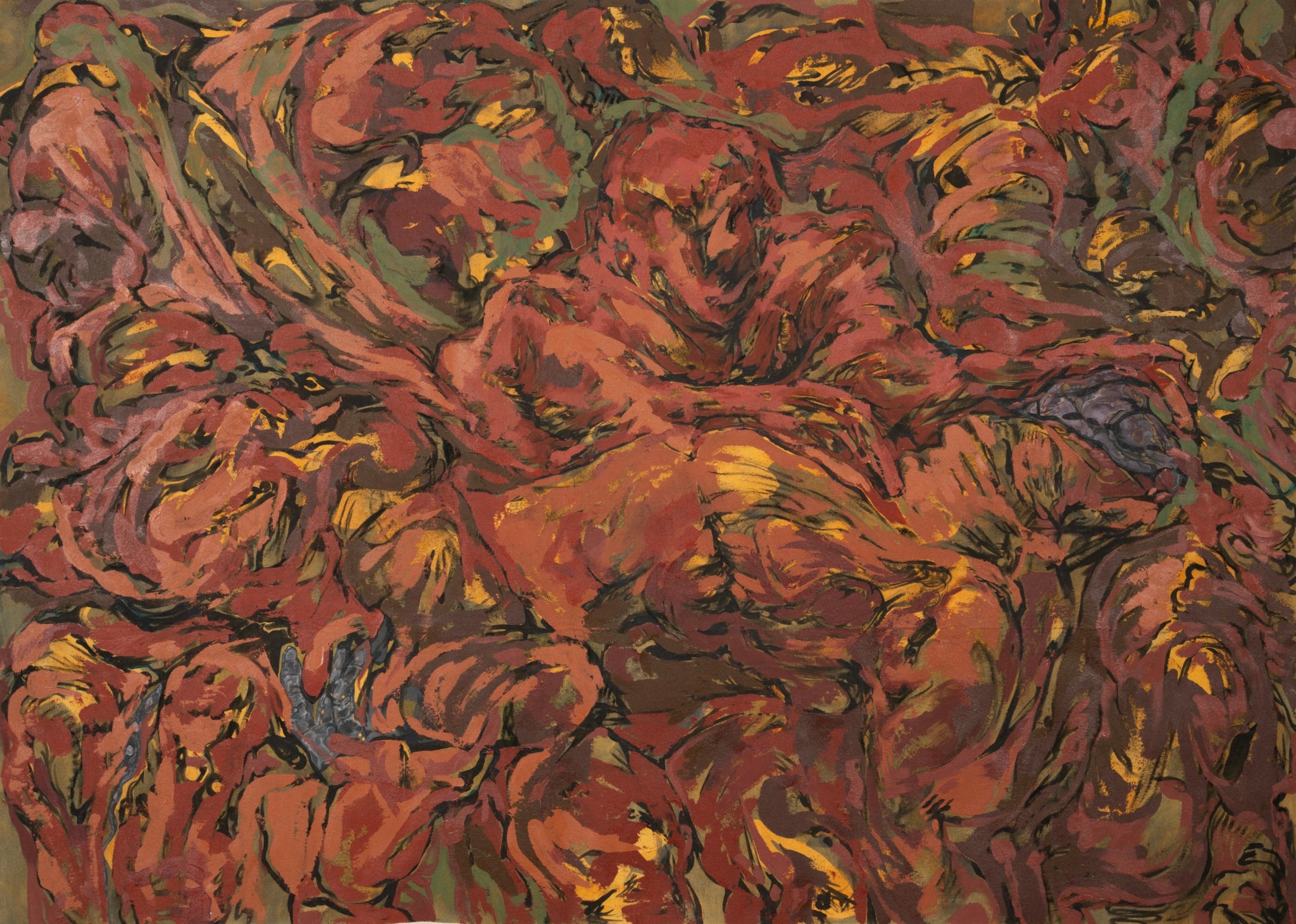
I’m a visual artist from Seoul, South Korea, currently living and working in Brooklyn, NY. My practice explores the fluidity of human identity through abstracted figurative forms. My journey into this field began with a deep fascination with the body, not just as a physical form but as a complex site of emotion, memory, and societal expectation. I studied sculpture at Seoul National University and am currently completing my MFA in Fine Arts at Pratt Institute as a Fulbright Scholar. My background in both traditional and contemporary art informs the hybrid nature of my work, which moves between painting, installation, and multimedia.
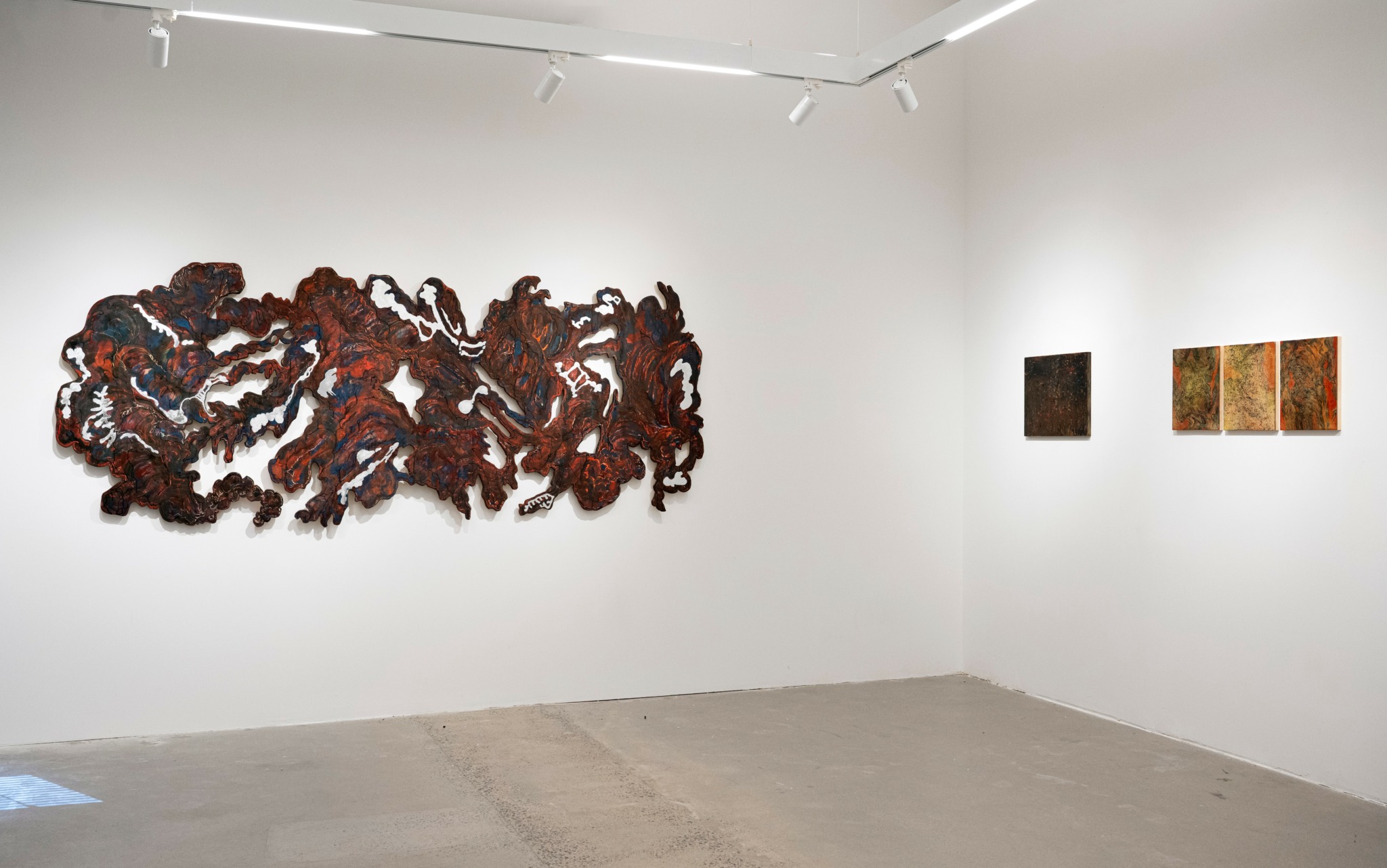
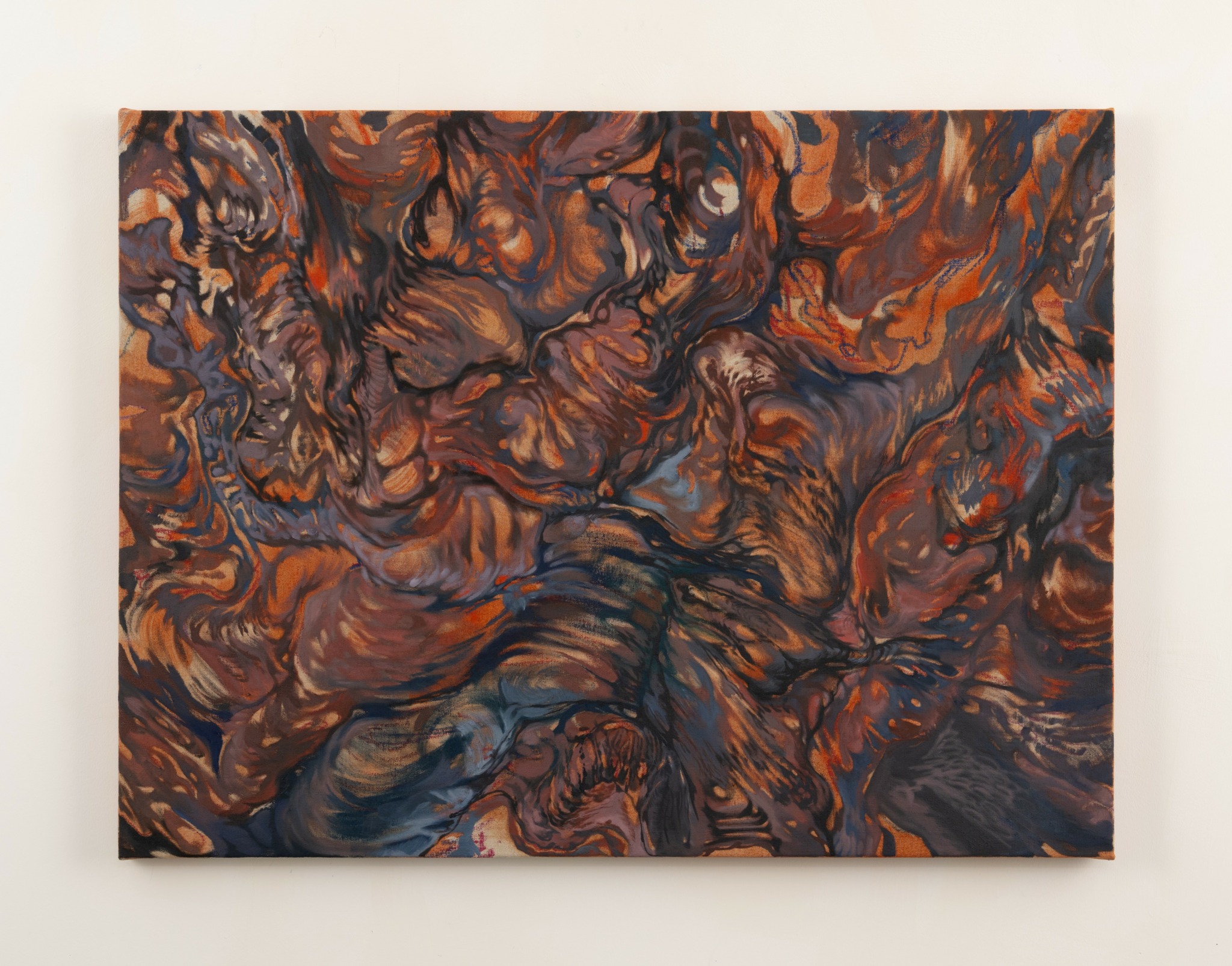
My works examine the tensions between individuality and collectivity, freedom and social roles, and the internal and external self. The figures in my paintings and installations often appear to dissolve, morph, or intertwine, floating in undefined spaces. Their bodies are dissected, erased, and magnified, losing orientation yet gaining psychological depth. These choices are not purely aesthetic. They are rooted in a desire to challenge rigid definitions of identity and the ways society assigns roles to bodies.
What sets my work apart is the method I use to create these figures. I layer vibrant pigments, sand them down, and reconstruct the imagery across multiple dimensions. Each layer reveals a different aspect of flesh, muscle, or artificiality. It is a way of making the invisible visible, uncovering the internal contradictions, conflicts, and complexities we all carry.
Through my exhibitions, I create spaces for reflection, empathy, and critical thinking. For viewers, collectors, or collaborators, my work invites questions about what it means to be human today, especially in a time of increasing social pressure, digital disconnection, and shifting norms.
What I’m most proud of is how my work resonates across cultural boundaries. Regardless of where it is seen, people connect with the emotional honesty in the figures, even when they are abstracted beyond recognition. At its core, my practice is about possibility. It speaks to the possibility of transformation, of reimagining identity, and of building connection in unexpected ways.
What’s the most rewarding aspect of being a creative in your experience?
What I find most fulfilling about being an artist is the way my work becomes a mirror of my inner life. Each piece I create carries traces of my memories, thoughts, philosophies, and fleeting emotions. But once the work is shared, it no longer belongs solely to me. Viewers interpret it through their own lens, and it begins to take on new meanings, expanding into their lives in ways I could never predict. This is also one of the most wonderful things about being an artist.
In the process of creating, everything I have accumulated like my experiences, thoughts, philosophy, and the emotions and spontaneity of the moment, comes together to form a single piece. When I look at the finished work, I often feel a complex mix of emotions. There are parts I’m not into, but I accept them, digest them, and sometimes I even cover up parts I like. The work is a creation born from rational judgment, but there are also many moments where improvisational choices are involved. Often, after the piece is completed, I reflect on why I made certain marks or formed particular shapes. In a way, it feels like I’m observing my own unconscious mind through the work. I think I enjoy these surprises the most. This is possibly because I’m the one who’s been there the longest, since the very beginning, when nothing existed, watching the piece grow, develop, and eventually stand on its own.
At times, it feels like the work leads me rather than the other way around. These moments remind me that the process of creating isn’t one-sided. It’s a dynamic relationship where both the work and I pull each other forward. The work challenges and guides me, just as I shape and develop it. It’s like having a wonderful companion in life. Recently, I’ve come to feel more fluent in the visual language my work speaks. And from this place of connection and growth, I can say with certainty that choosing to live as an artist has been one of the most rewarding decisions I’ve ever made.
What can society do to ensure an environment that’s helpful to artists and creatives?
From my perspective, especially in relation to New York’s art ecosystem, a powerful way to sustain artists and creative culture is to embed artistic experiences into the spaces and rhythms of ordinary life. In New York, art is not confined to traditional galleries or museums. Instead, it’s embedded in the city’s infrastructure like subway stations, construction sites, public parks, and unexpected corners all serve as spaces where people encounter creative work. This kind of integration makes art feel like a natural part of life, not something distant or exclusive.
What I find especially valuable is how artists here are eager to engage with these unconventional environments. They see alternative spaces as opportunities to connect with broader audiences and explore new ways of presenting their ideas. In turn, the public responds with curiosity and openness. Many people, regardless of their background in art, are eager to engage, reflect, and discover what resonates with them. That willingness to interact, to like or dislike based on personal experience, acts as a subtle yet significant form of communication between the viewer and the artist. It helps foster a dialogue between creators and viewers that is essential for a healthy creative ecosystem.
Even within more established art spaces, I’ve seen a spirit of accessibility. While some prominent galleries don’t host open calls, they remain open to emerging artists who show genuine interest, visit regularly, and build relationships within the community. This kind of openness reflects a broader understanding in the New York art world that the people behind the work are just as compelling as the work itself. In that way, the gallery is not a gatekeeping institution, but a space for shared exchange.
To further support a thriving creative community, I believe society can offer more platforms for artists to be directly involved through talks, performances, workshops, or collaborations with urban planning and public services. These opportunities don’t just benefit artists; they invite the public to engage with a wider range of expressions and perspectives, which is essential for a vibrant and evolving culture.
Contact Info:
- Website: https://www.moonyerang.com
- Instagram: @_moonyerang
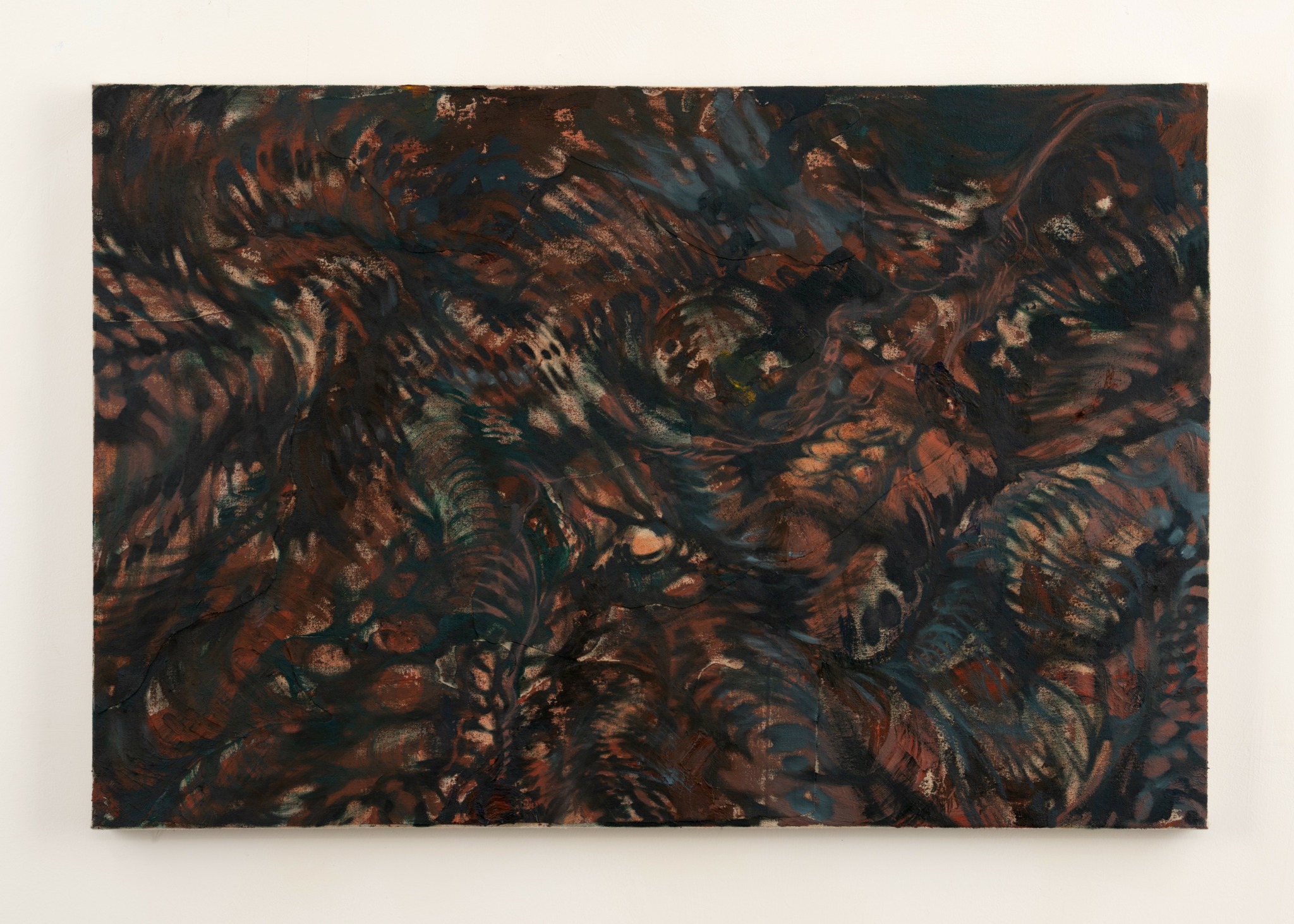
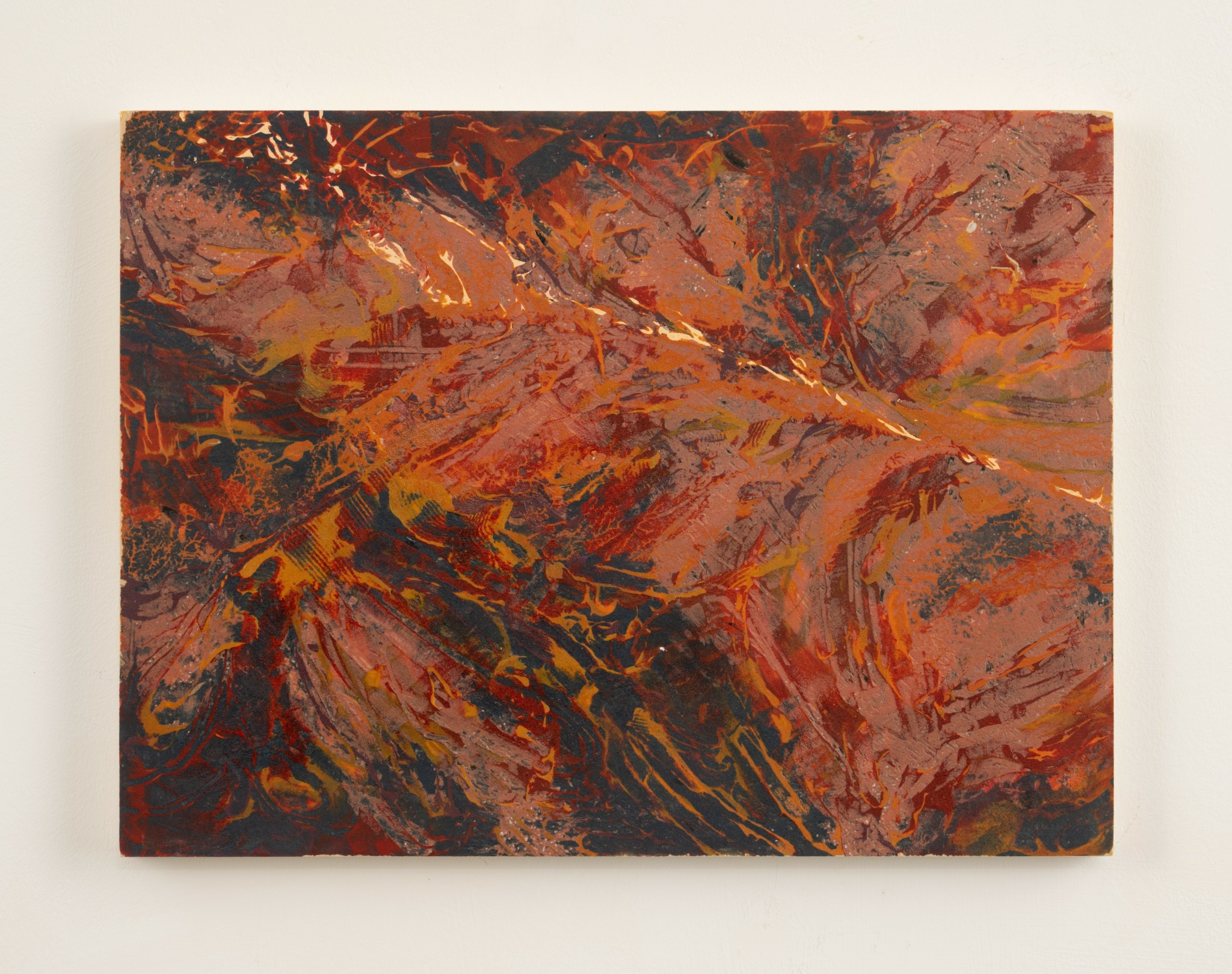
Image Credits
Federico Savini