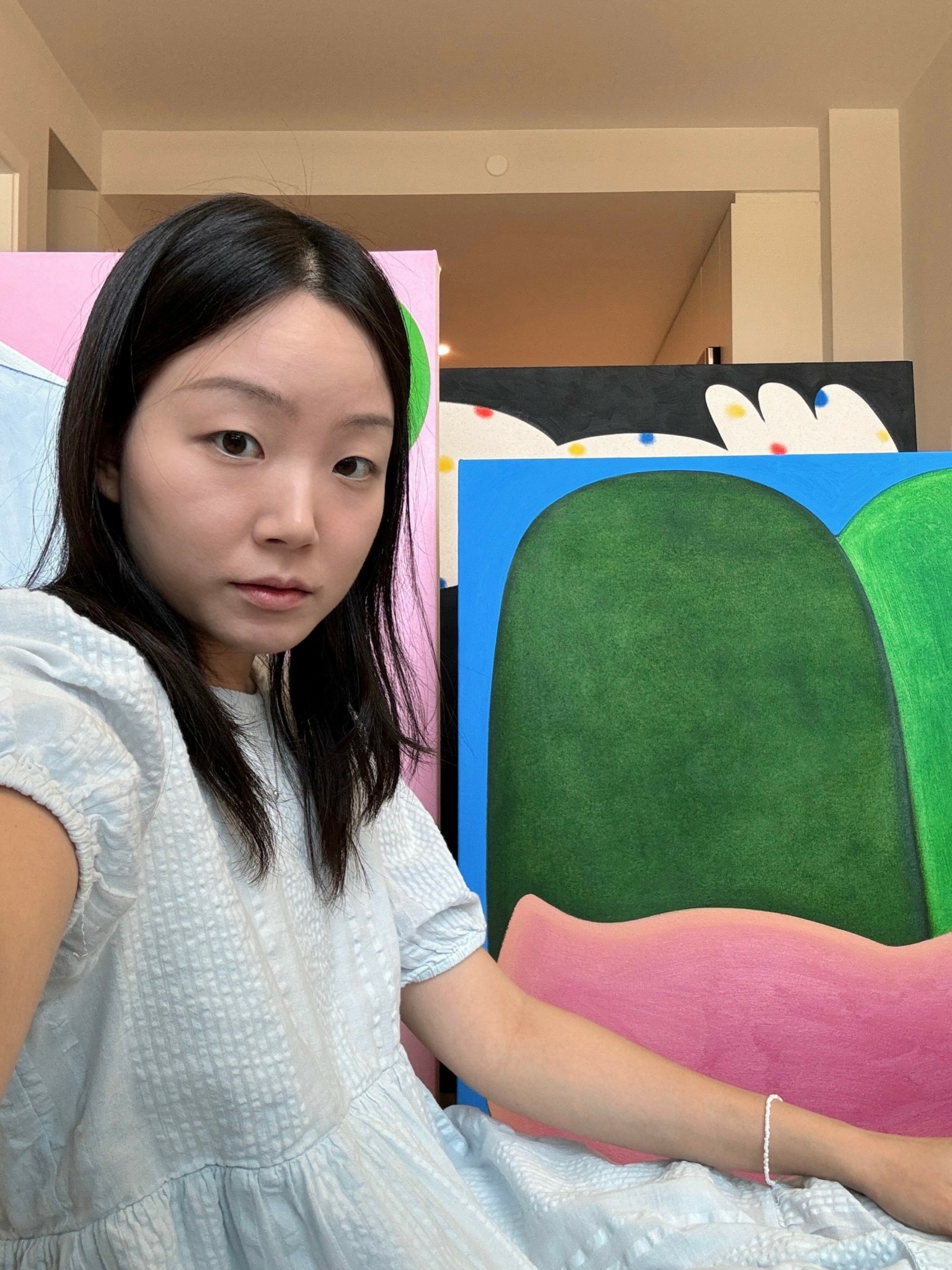

We recently connected with Yeonji Chung and have shared our conversation below.
Yeonji, appreciate you joining us today. We’d love to hear about a project that you’ve worked on that’s meant a lot to you.
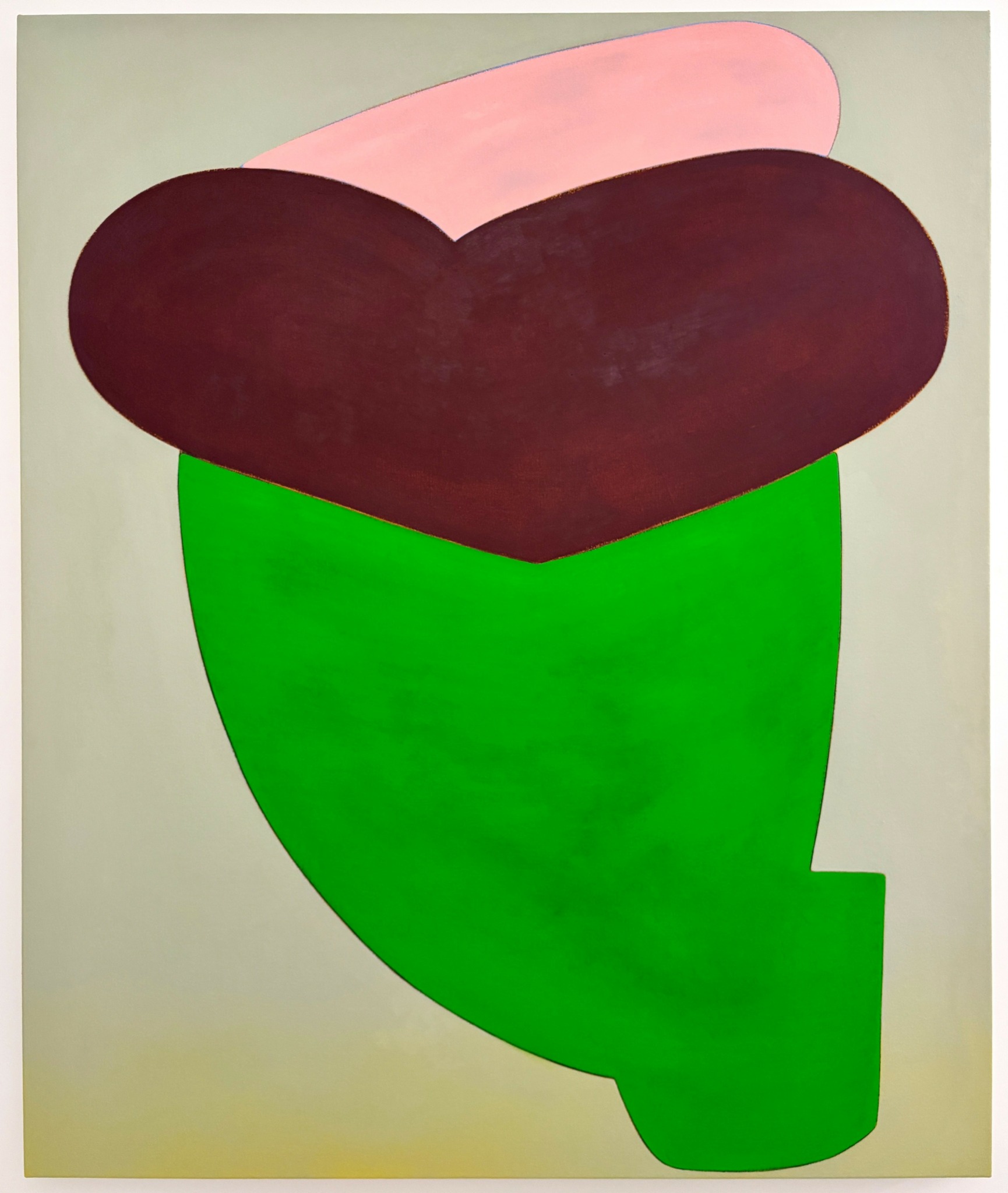
In a drawing class during my MFA, I was assigned to create a self-portrait in 25 parts. I broke an observational sketch down into 25 distinct shapes and reassembled them into a new abstract composition. My work was already slowly moving from figuration to abstraction at the time, and this assignment helped solidify that shift within my practice. By closely observing familiar things around me and extracting the shapes from them, I began to understand how abstraction could emerge from everyday life.
Yeonji, before we move on to more of these sorts of questions, can you take some time to bring our readers up to speed on you and what you do?
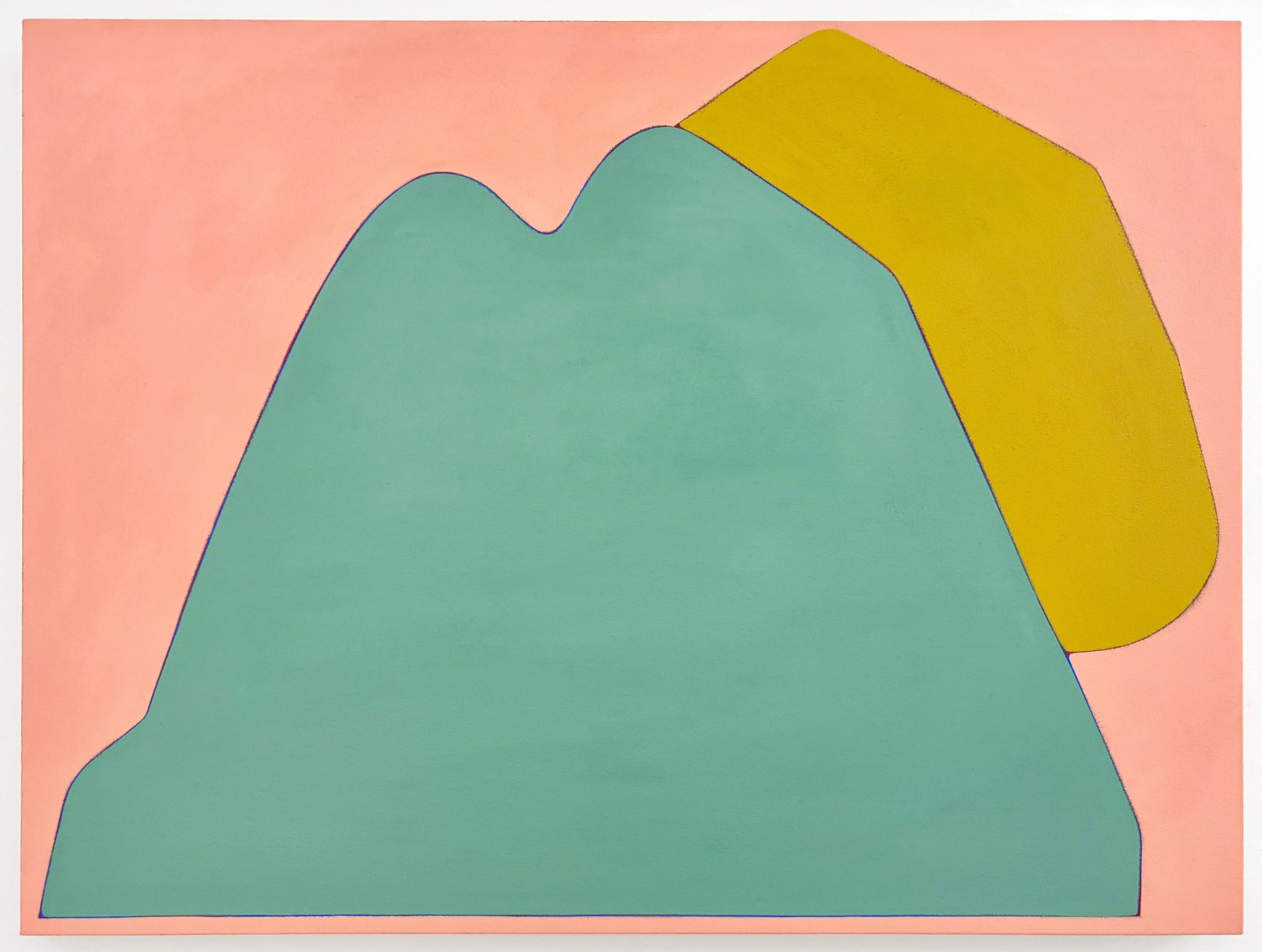
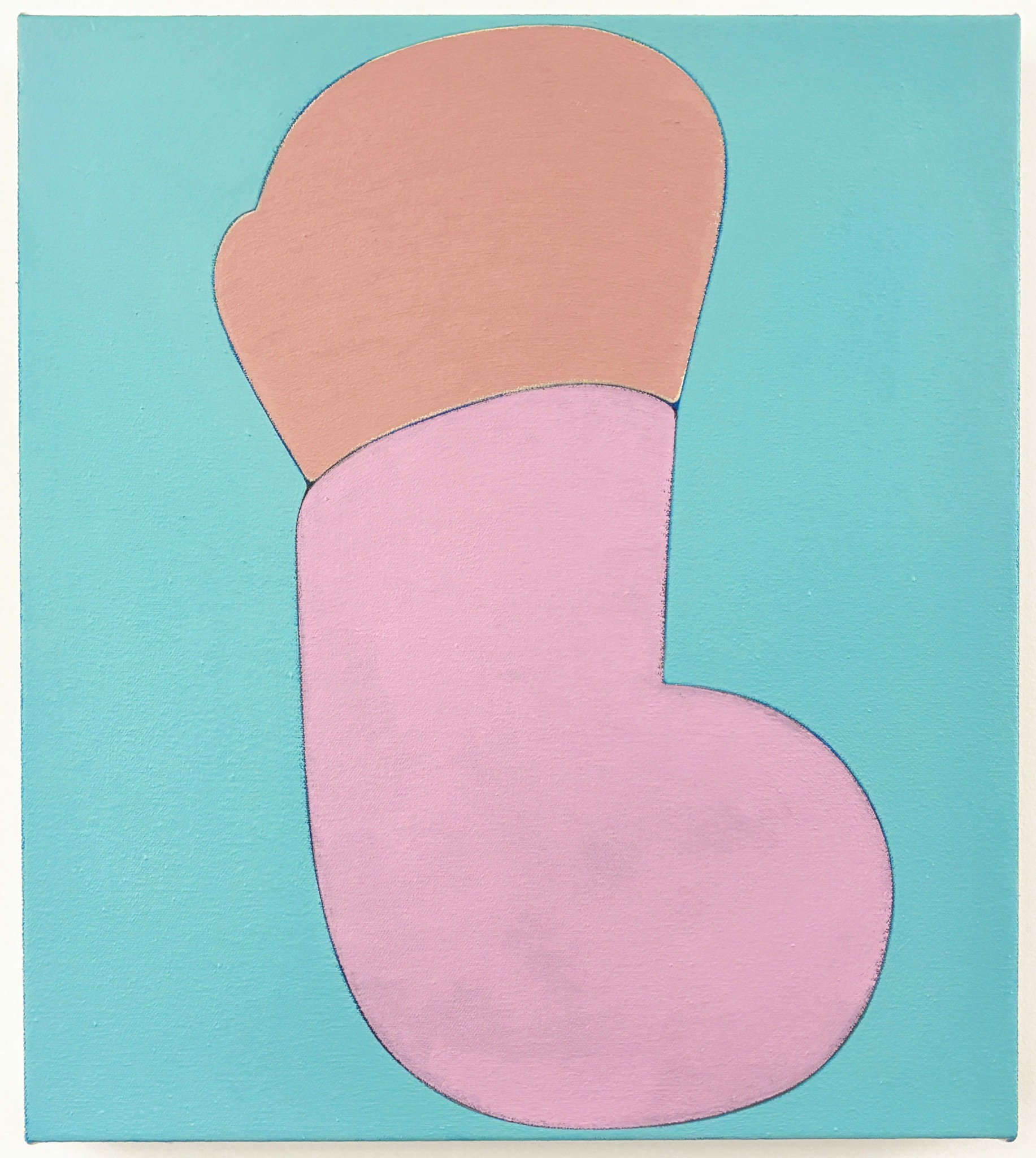
I’m a painter currently based in Brooklyn, New York. I grew up in Seoul, South Korea and moved to the US to pursue my career as an artist when I was 18. I make abstract paintings using shapes extracted from my daily observational sketches. My memory of a particular moment often becomes a starting point to determine a painting’s palette. I then adjust the colors intuitively, making spontaneous changes while maintaining careful control.
I’ve always loved making art since I was a kid. During my undergraduate studies in Chicago, I was able to fully focus on discovering what I wanted to paint and why. I spent a lot of time on my own, reflecting and thinking about my work, while also meeting many inspiring teachers and peers. Over time, my commitment to painting deepened, and that journey has brought me to where I am now.
Is there something you think non-creatives will struggle to understand about your journey as a creative? Maybe you can provide some insight – you never know who might benefit from the enlightenment.
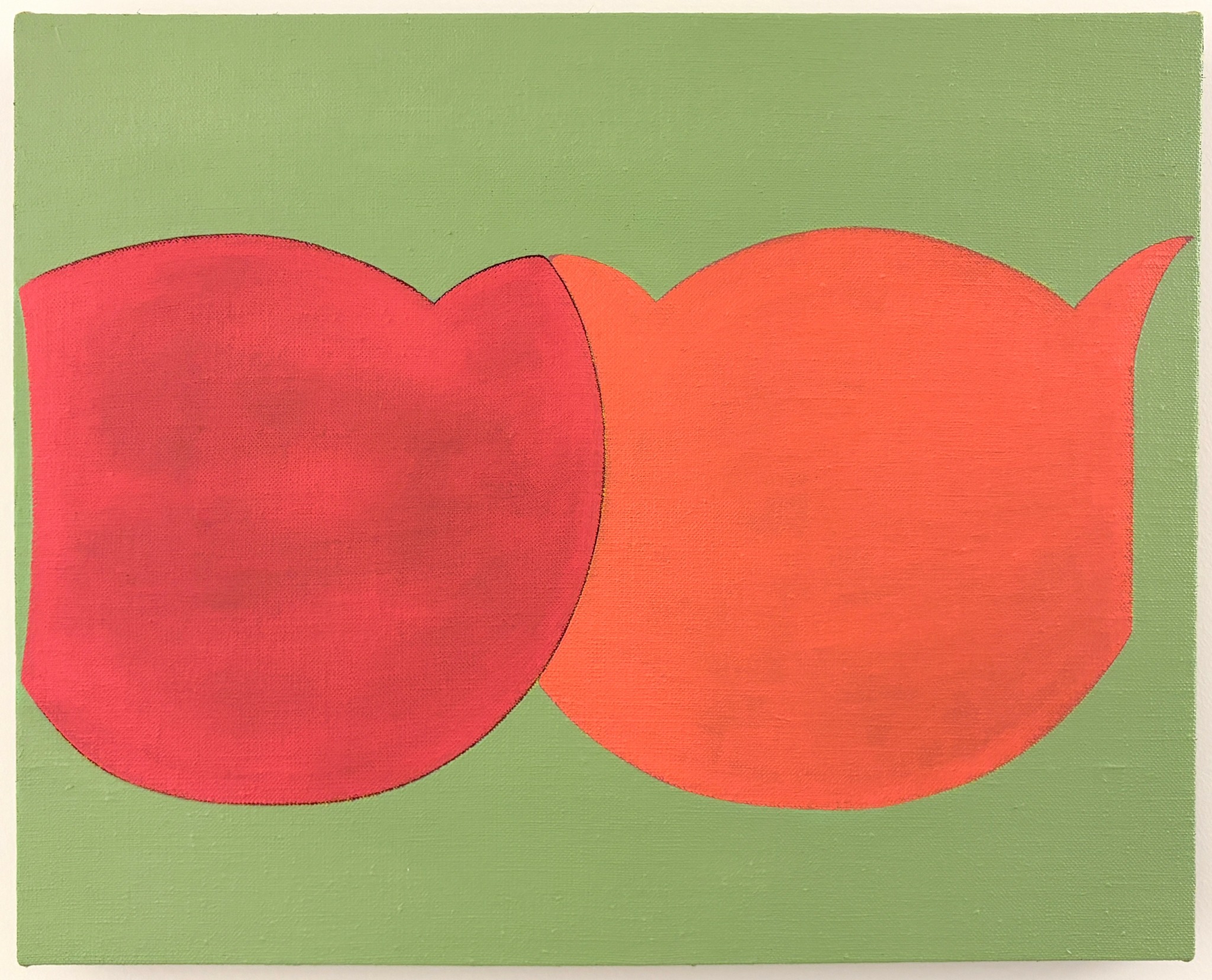
I think abstract painting is often perceived as difficult to understand and hard to relate to for non-creatives. In fact, many viewers of mine feel the need to identify exactly what my paintings are depicting. I wanted to encourage them to approach the painting as it is, without the pressure to decode it. Perhaps they could revisit memories associated with the forms they recognize, imagine entirely new narratives, or simply enjoy the colors. Abstract painting can be a space for open-ended meaning where the known and unknown coexist, shaped by both my own experiences and those of the viewer.
Let’s talk about resilience next – do you have a story you can share with us?
I remember seeing the word “Rejected” repeated over and over in the results column of the spreadsheet where I track the open calls I apply to. Around the same time, I was constantly seeing other artists announcing shows on social media. It was hard not to feel behind or question my pace. I wasn’t going to change my painting because I got rejected, though. The only thing I could do was to keep painting, and the consistency strengthened my resilience. I’m still at an early stage of my career, and I don’t think comparison will ever completely go away. But I’ve learned to keep working anyway.
Contact Info:
- Website: https://www.yeonjichung.com
- Instagram: @yeonjchng