Alright – so today we’ve got the honor of introducing you to Yafei Zhang. We think you’ll enjoy our conversation, we’ve shared it below.
Yafei, appreciate you joining us today. Too often the media represents innovation as something magical that only high-flying tech billionaires and upstarts engage in – but the truth is almost every business owner has to regularly innovate in small and big ways in order for their businesses to survive and thrive. Can you share a story that highlights something innovative you’ve done over the course of your career?
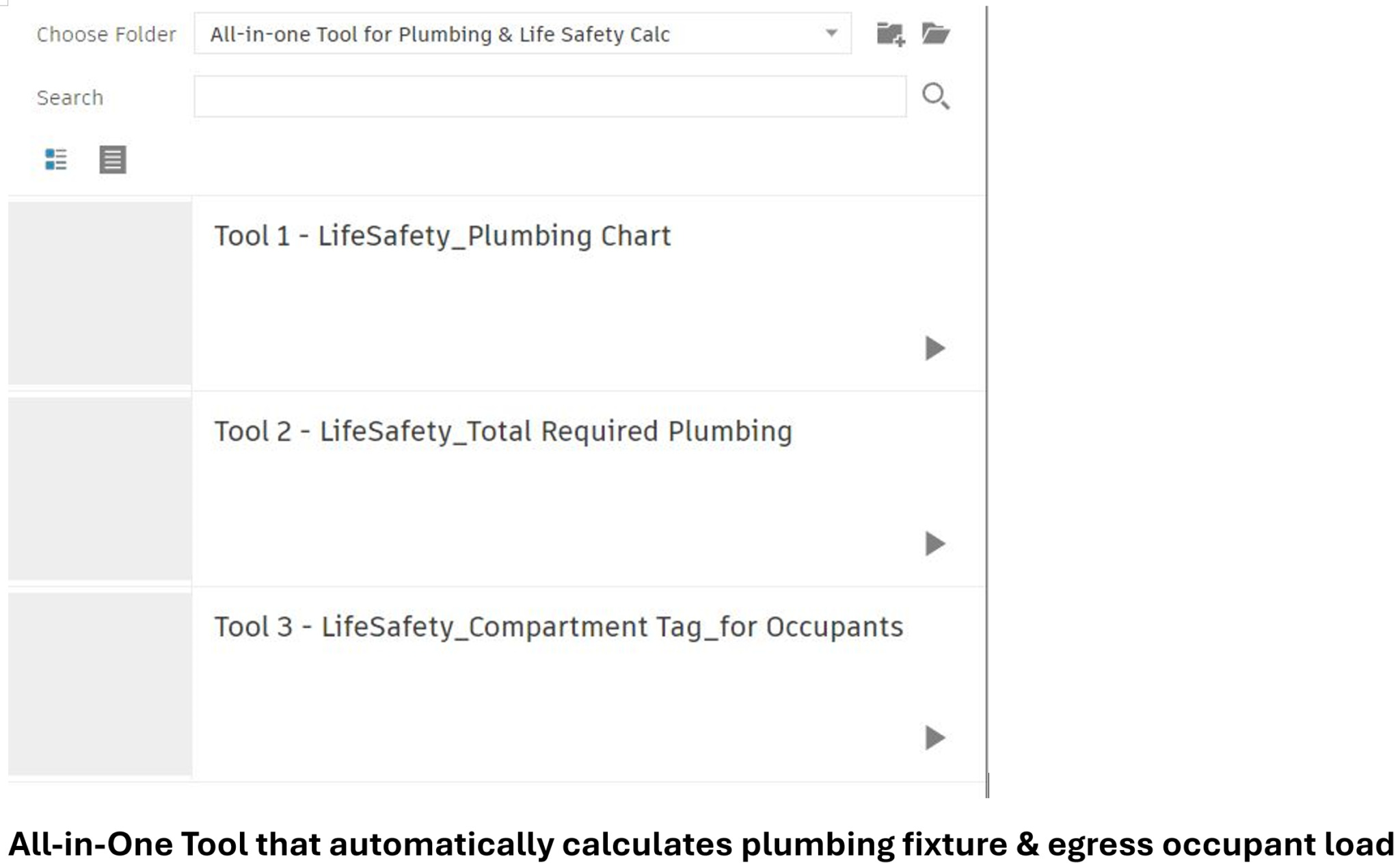
One of the most innovative achievements in my career was developing and implementing an All-in-One Tool that automatically calculates plumbing fixture and egress occupant loads—a tool that has significantly transformed building design processes. This solution has revolutionized workflows by eliminating the need for manual calculations, which are often time-consuming and prone to human error.
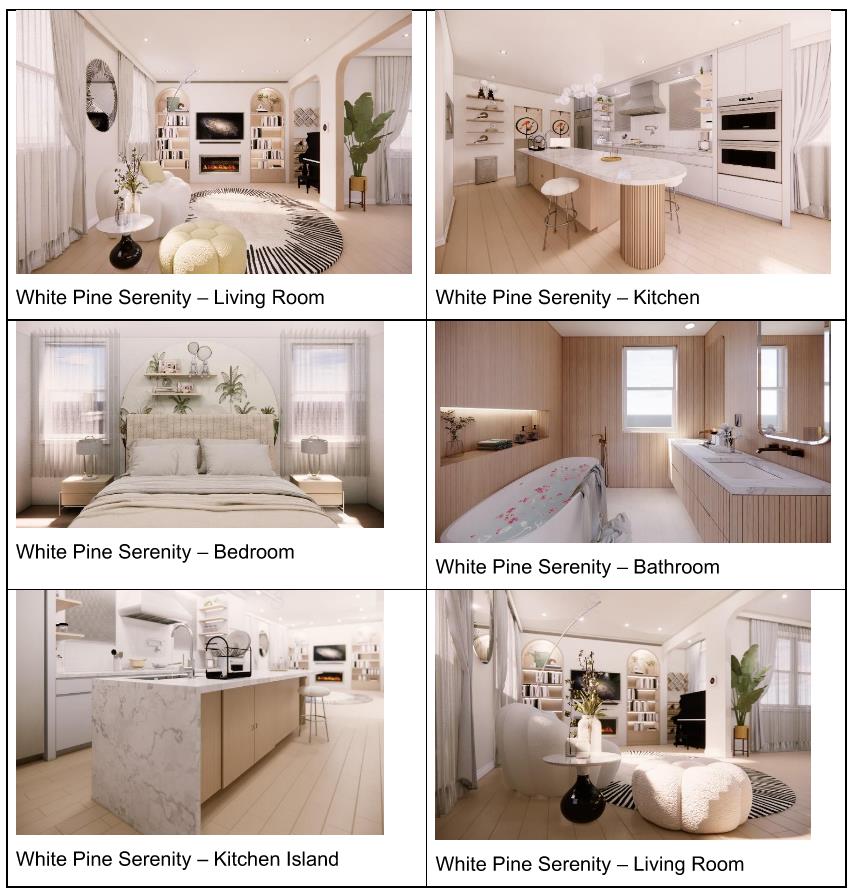
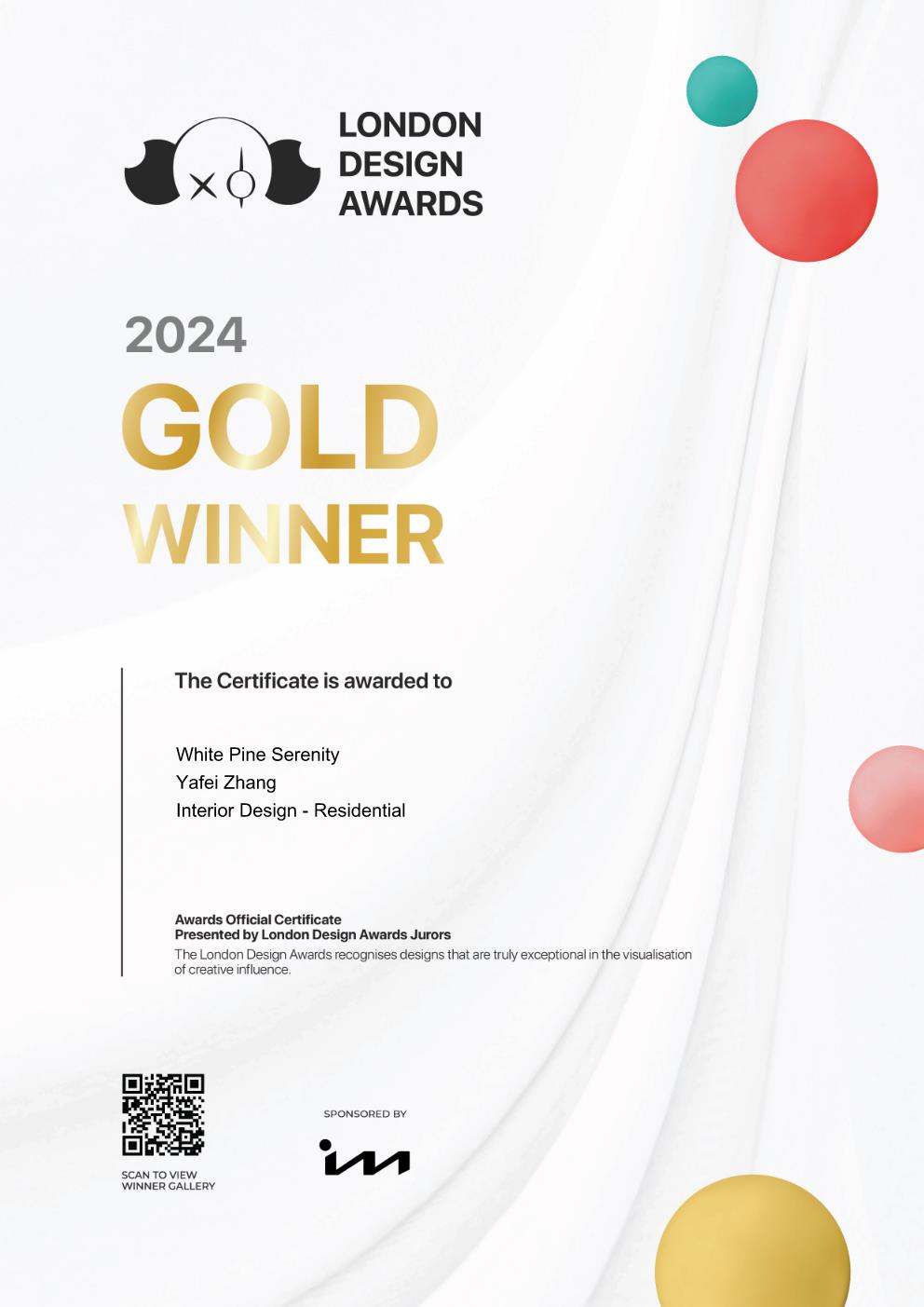
With this tool, I achieved an 85% reduction in calculation time, saving design teams approximately 500 hours per project. By automating complex calculations, this tool reduced human errors by 95% and increased compliance accuracy with building codes by 25%. The tool’s impact was substantial enough to earn the Gold Prize at the 2024 London Design Awards, and the Silver Prize at the 2024 Muse Design Awards, particularly for its application in the “White Pine Serenity” project, which went on to become a globally recognized, award-winning project.
Another notable application was the Meta Farley Renovation Project, located within the historic James A. Farley building in New York City, a landmarked former U.S. Postal Service office. Here, the tool’s precision was essential in updating and expanding spaces to meet modern code requirements while honoring the building’s architectural legacy. Through this tool, we streamlined compliance with safety and functionality standards, supporting Meta’s innovative workspace needs within a historical context.
This tool’s development underscores how innovation doesn’t always have to be a high-flying, tech-only endeavor. Instead, it can emerge from a clear need for efficiency and accuracy, meeting complex challenges with practical, impactful solutions that raise industry standards and transform project outcomes.
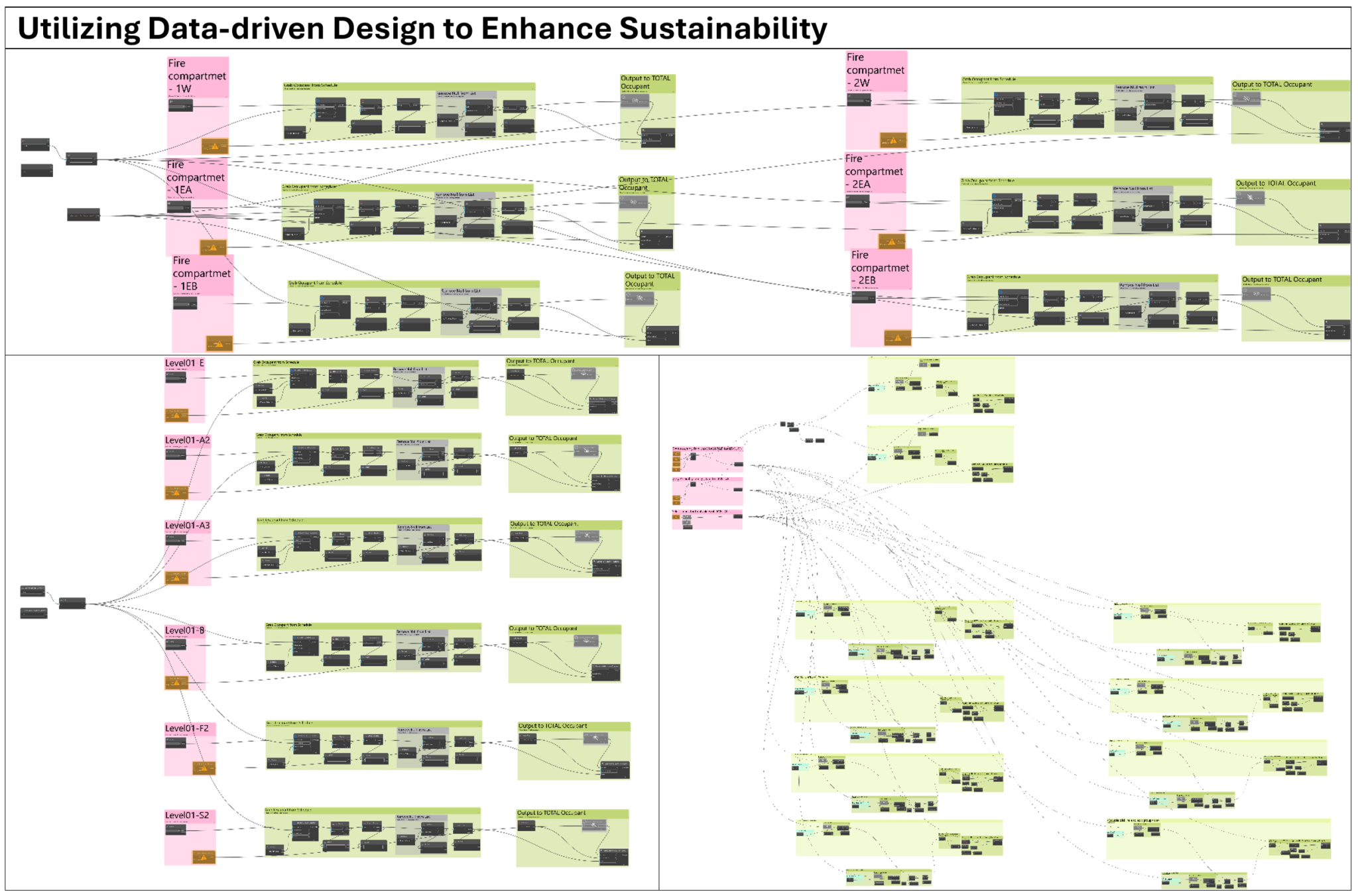
Another significant innovative achievement in my career has been utilizing data-driven design to enhance sustainability—a forward-thinking approach that directly addresses the growing need for environmentally responsible architecture. This methodology involved leveraging BIM technology to visualize and assess the environmental impact of materials and energy systems throughout the design process. By integrating data analytics into every design phase, we were able to make informed decisions about selecting eco-friendly materials, optimizing energy efficiency, and ensuring our buildings and infrastructure met stringent environmental and health benchmarks. This comprehensive approach not only reduced carbon footprints but also contributed to higher-quality urban living, aligning with the standards of modern, sustainable communities.
The problem this contribution addresses is critical because construction and building operations are among the largest contributors to global greenhouse gas emissions. Traditional design methods often overlook the long-term environmental impact of material choices and energy consumption, leading to increased resource depletion and negative environmental effects. These challenges are compounded by the complexity of integrating sustainable practices with high-performance design requirements.
My approach provided a unique solution by combining real-time data analysis with design, which allowed us to evaluate and minimize environmental impacts upfront. By visualizing the potential effects of different materials and energy systems, we could proactively choose sustainable options without compromising on functionality or aesthetics. This level of integration and foresight is what makes this solution innovative—it’s not just about building sustainably but embedding sustainability deeply into the design DNA of each project.
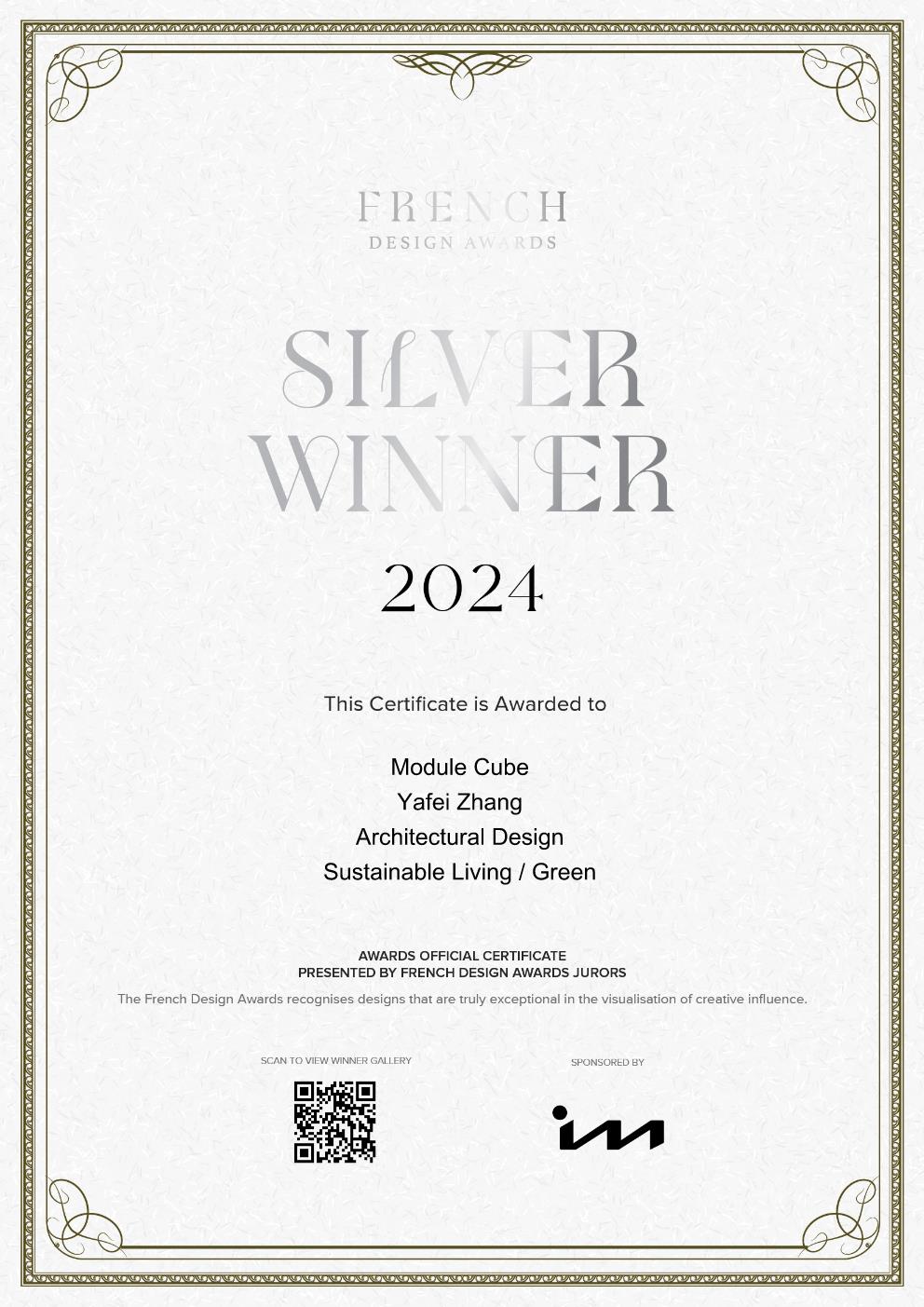
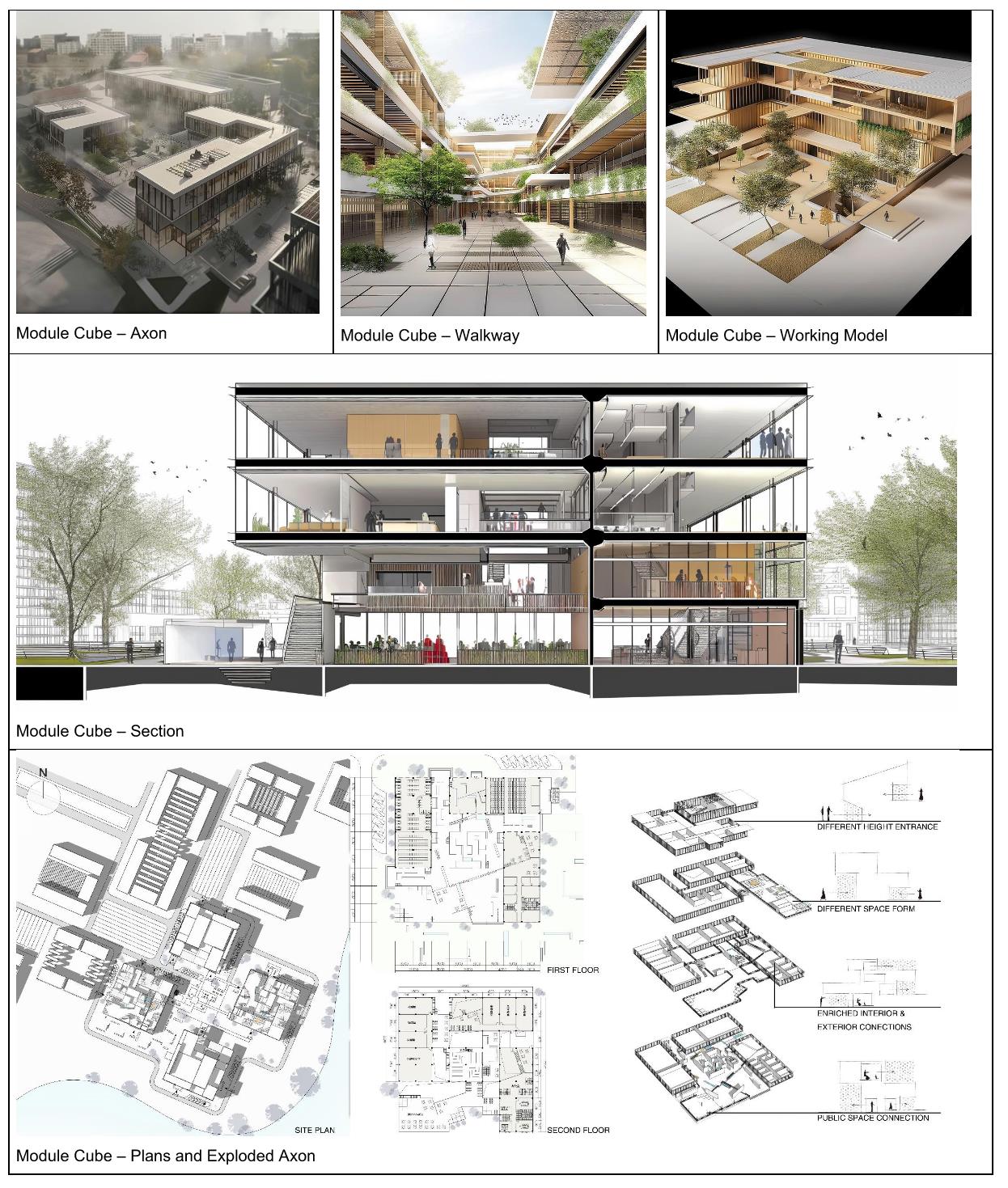
The Module Cube project’s success at the 2024 Muse Design Award, where it won the Silver Prize in the sustainability category, highlights the power of data-driven design for eco-friendly architecture. Through BIM, we analyzed the environmental impact of materials and optimized energy systems to ensure the project met stringent environmental and health benchmarks. By proactively addressing carbon footprint and energy efficiency at every design stage, Module Cube stands as a prime example of how sustainable design can elevate both environmental responsibility and urban quality of life. This approach sets a benchmark in sustainable architecture, showcasing a model for resilient, green urban spaces.
Awesome – so before we get into the rest of our questions, can you briefly introduce yourself to our readers.
I began my journey in architecture at UCLA’s Graduate School of Architecture, where my passion for sustainable and technology-driven design took shape. This foundation has led me into a dynamic career at the intersection of architecture, Building Information Modeling (BIM), Sustainable design, and human-centered design, areas I find incredibly rewarding.
Currently, I am the Regional Lead of Women in BIM, where I advocate for gender diversity and inclusivity in the tech and construction sectors. Additionally, I am the BIM Lead at KPF, where I specialize in leveraging BIM technology to enhance design precision and efficiency. Besides that, I serve as an adjunct professor at Kean University, a role that lets me share industry insights with aspiring architects and designers, especially about the transformative power of BIM in reducing construction waste and cost while enhancing design efficiency. My career has also allowed me to contribute to high-profile projects like the Meta Farley Project at New York, the University of Michigan Center for Innovation, and Bund Fosun Center at China.
I’m especially proud of my recent award-winning projects, such as “White Pine Serenity” and “Module Cube”—the former has earned the Gold Prize at 2024 London Design Award; the latter recently recognized with the Silver Prize at the 2024 Muse Design Award in sustainability. My work exemplifies a fusion of artistry and sustainability, addressing critical issues like environmental impact and long-term adaptability.
My work in BIM automation not only simplifies complex infrastructure but also optimizes workflows to streamline the entire construction process. This approach delivers efficient, cost-effective, and eco-conscious solutions for clients.
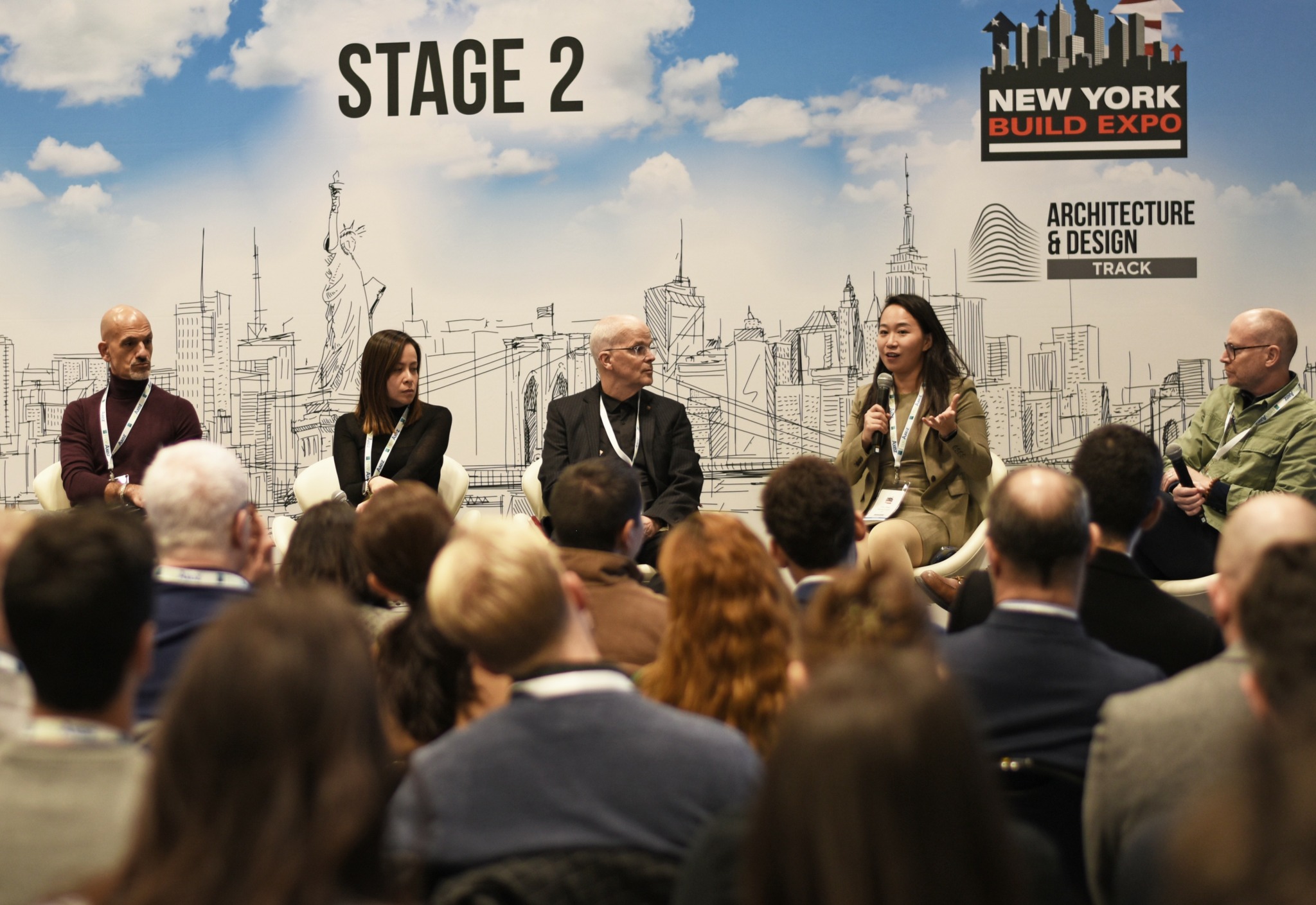
Through my work, I aim to bring clarity to complex projects and inspire new possibilities for architecture in our evolving world. Whether it’s mentoring, sharing insights at industry panels, or leading impactful projects, my goal is to create designs that resonate, serve real-world needs, and reflect the forward-thinking spirit as my design principle.
What do you find most rewarding about being a creative?
For me, the most rewarding aspect of being an artist or creative is the ability to shape and communicate ideas that can evoke emotions, inspire change, or even challenge the status quo. It’s the power of transforming a concept into something tangible that connects with others, whether through architecture, design, or any other medium. The creative process allows for continuous learning, growth, and expression, which is deeply fulfilling. Plus, seeing a project or piece come to life and knowing it has a lasting impact on people or spaces is incredibly rewarding. This process of problem-solving, storytelling, and transforming spaces in a way that respects both technology and human-centered design is what keeps me motivated.
But the most rewarding moments come when I hear feedback from others—whether it’s a colleague, a client, or even a passerby in the case of public installations. The way people interact with the spaces or art I’ve helped create—how they live, work, or experience them—adds an unexpected layer to the process. Sometimes, it’s not just the final product but the journey of collaboration, the learning along the way, and the ways in which those around you bring fresh perspectives and energy that make it all the more rewarding.
Ultimately, the ability to create something that resonates with others, challenges norms, and leaves a lasting impression—whether that’s through architecture, design, or any other artistic medium—is incredibly fulfilling. It’s about the joy of sharing a piece of yourself with the world and seeing how it connects.
Let’s talk about resilience next – do you have a story you can share with us?
A defining moment of resilience for me occurred during the Bund Fosun Center project, a brand-new and incredibly complex undertaking that combines art, design, and urban renewal. This multipurpose complex, inspired by the flow of water and Wuhan’s rich history, presented unique challenges due to its innovative design, which features iconic twin towers connected at multiple levels, as well as a mixture of office, hotel, retail, cultural, and residential spaces.
From the outset, the complexity of the design required advanced solutions to manage the integration of various programs while maintaining the fluidity of the concept. The team initially faced difficulties coordinating across such diverse functions, especially when it came to managing the interconnections between the different structures. BIM technology was crucial in overcoming these challenges. It allowed us to visualize and model the design in a way that ensured accuracy, addressed spatial conflicts, and optimized the building’s connections at all levels.
Despite some early resistance to adopting BIM, I persisted in showing the team how this technology could streamline coordination and enhance efficiency. Through persistent collaboration and problem-solving, we successfully integrated BIM across multiple teams, reducing errors and ensuring the design remained true to the vision of flowing water while meeting the functional needs of the complex. This project not only reinforced my resilience but also highlighted the power of collaboration and technological innovation in overcoming complex challenges.
This experience taught me that resilience isn’t just about pushing through obstacles on your own; it’s also about inspiring others to overcome their doubts and embrace change. The success of that project reinforced my belief in the power of persistence and teamwork.