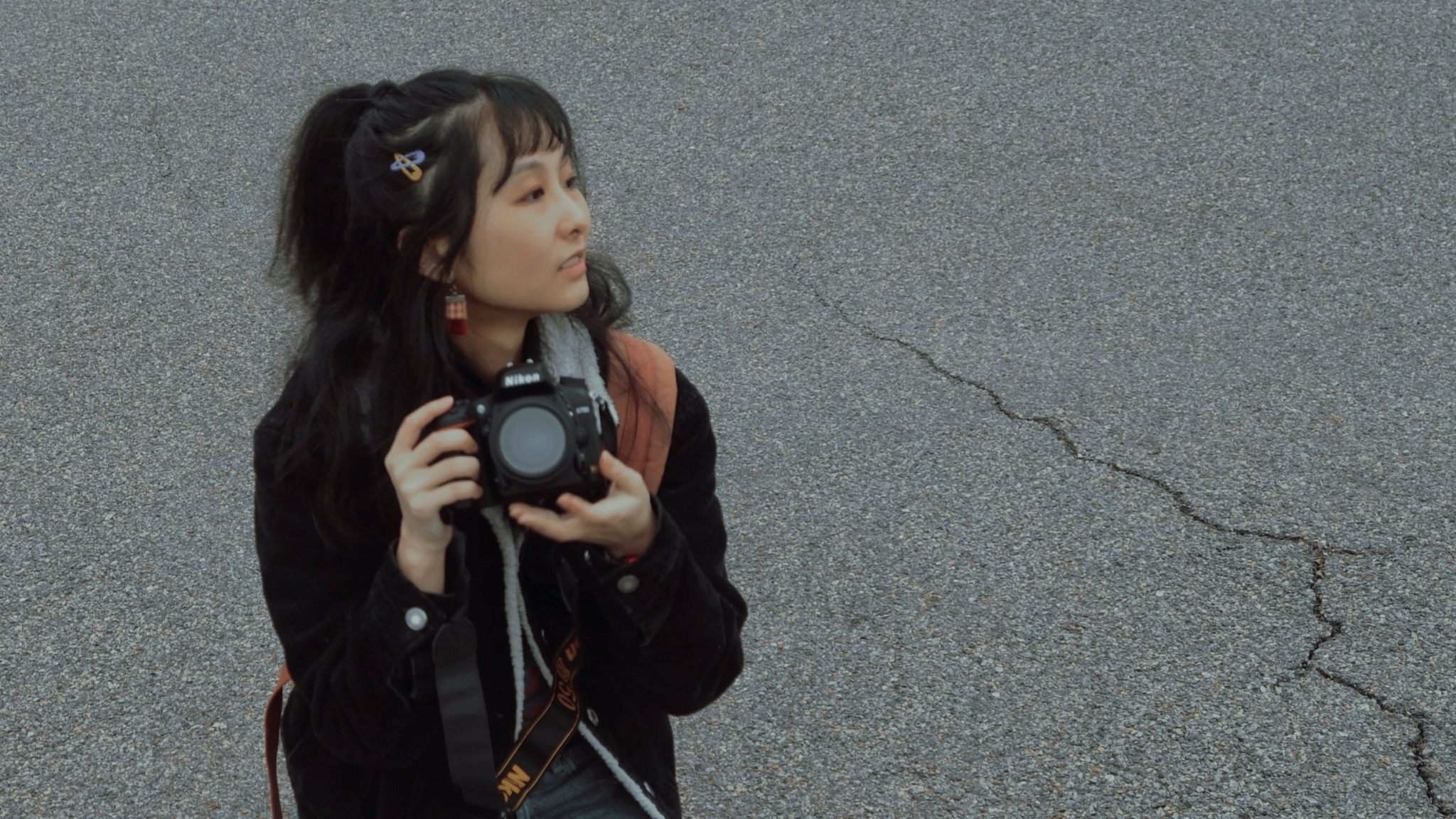

We caught up with the brilliant and insightful Xuan(Kristy) Huang a few weeks ago and have shared our conversation below.
Xuan(Kristy), thanks for joining us, excited to have you contributing your stories and insights. Are you able to earn a full-time living from your creative work? If so, can you walk us through your journey and how you made it happen?
Yes, I have been able to earn a full-time living from my creative work, though it was a gradual process rather than something that happened immediately.
I began working on creative projects in high school, where I was involved in video editing, on-set production, and early visual effects work for school events. While those projects were unpaid, they gave me hands-on experience and helped me build my first network of collaborators.
Over time, I developed a specialization in Houdini-based simulations and FX pipeline work. At the same time, because of my broad production experience, I’m able to handle the full workflow independently—from on-set problem solving to post-production and final delivery. This combination has made me particularly valuable to independent filmmakers, who often need someone who can both execute technically complex effects and adapt to multiple roles within a production.
At the beginning of my professional career, I worked with independent filmmakers and student productions, often at a low rate or sometimes unpaid, focusing on gaining real production experience and demonstrating my technical abilities. Those collaborations led to consistent referrals, as directors and producers began recommending me within their networks. As many of them progressed and secured funding for larger projects, they brought me back as a trusted collaborator.
In addition to film work, I have also worked on branded content projects, where I’ve been responsible for both creative and technical execution—from developing visual direction and brand design to producing commercial deliverables. This further expanded my client base and strengthened my ability to work across different types of productions.
Looking back, one thing I could have done to accelerate the process would be to position my work more strategically earlier on—by more actively showcasing my technical specialization and targeting higher-level projects sooner. However, the relationship-driven path I took ultimately helped me build a strong foundation of trust and long-term collaborators, which has been essential in sustaining a full-time career.
Xuan(Kristy), before we move on to more of these sorts of questions, can you take some time to bring our readers up to speed on you and what you do?
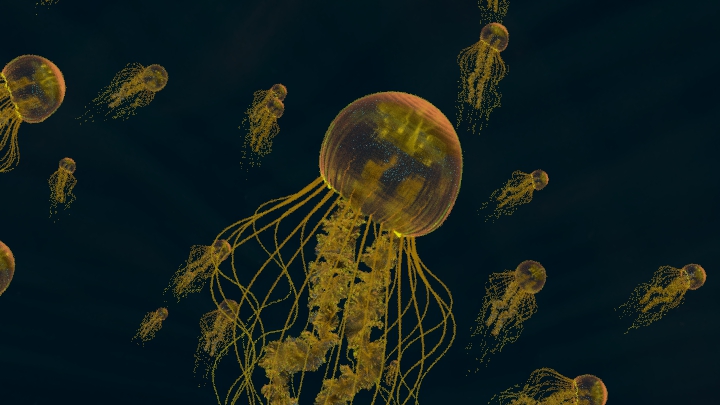
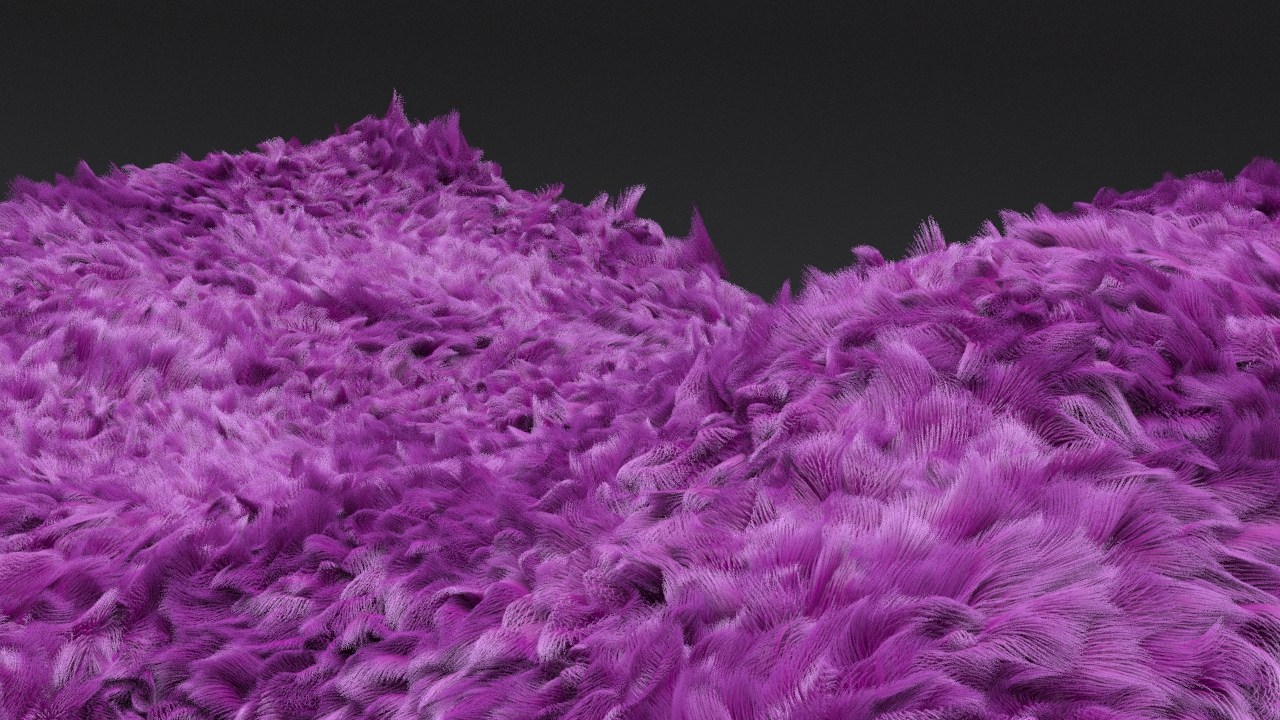
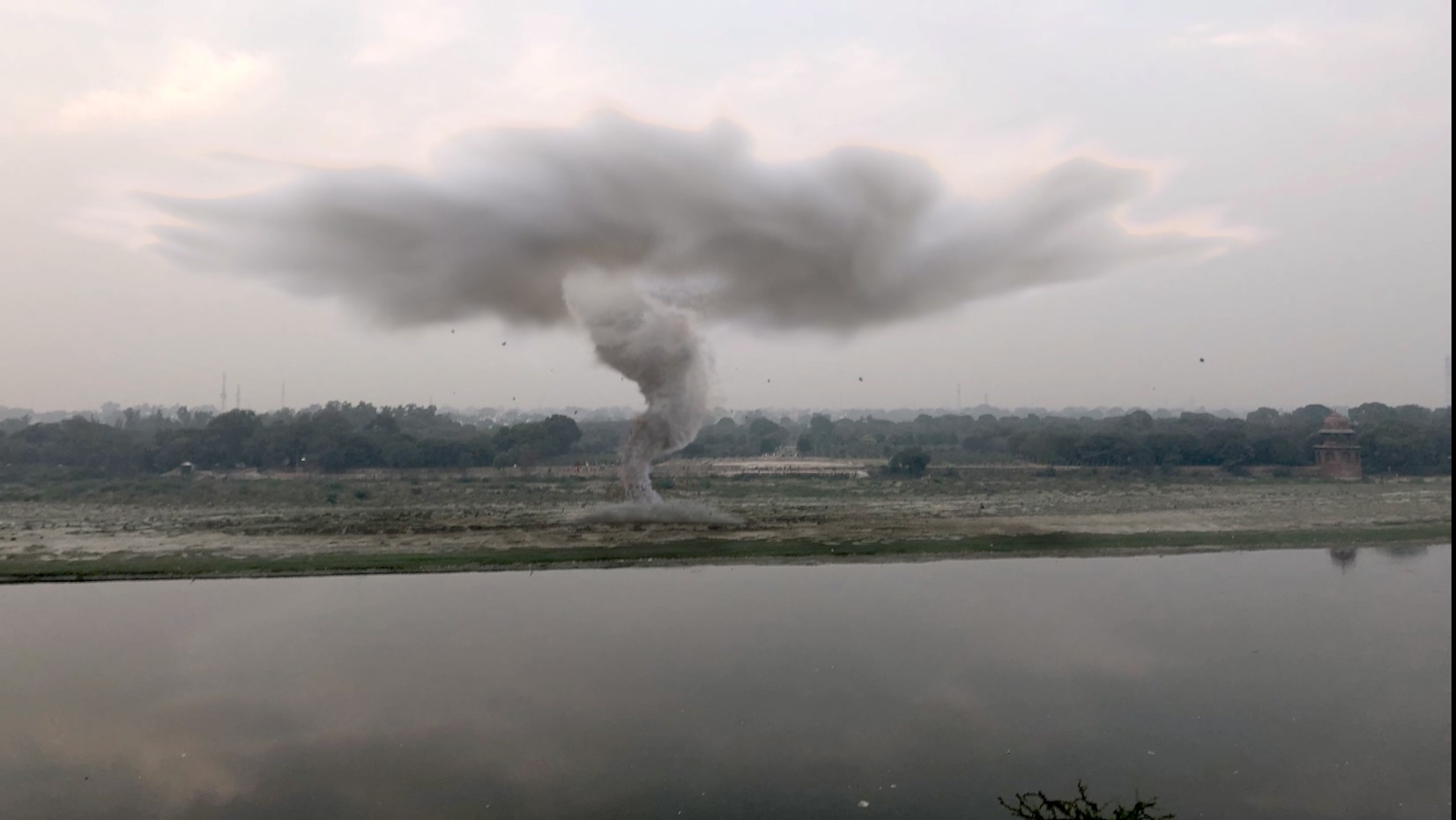
My name is Kristy Huang, and I am a visual effects (FX) artist specializing in Houdini-based simulations and procedural effects. My work focuses on creating realistic natural phenomena and complex dynamic environments for film and television.
I grew up in Guangzhou, China, where I developed an early interest in visual storytelling and media production. During middle and high school, I worked as a content creator for the student union, producing video content and participating in school media projects. This early experience gave me my first exposure to production workflows and confirmed my interest in pursuing a creative career.
My first professional role was at Guangdong Television Station, where I worked as an animator and motion graphics designer for broadcast production. This role provided me with hands-on experience across the television production pipeline and helped me understand how creative work is executed in a professional broadcast environment.
After two years in the industry, I returned to school to further develop my skills and specialize in visual effects. I attended the Savannah College of Art and Design (SCAD), where I studied Visual Effects and participated in multiple student film projects, one of which was selected for the Houston Film Festival.
After graduating, I worked as an FX artist in the film and television industry, contributing to productions including The Changeling, The Diplomat, and American Horror Story, where I focused on simulation work and complex environmental effects.
Following the recent industry strike period, I transitioned into freelance work. I am currently working independently as a freelance FX artist, collaborating with filmmakers and production teams on visual effects and simulation-based projects. This freelance work allows me to continue developing technical solutions across a variety of production environments while maintaining close collaboration with directors and artists.
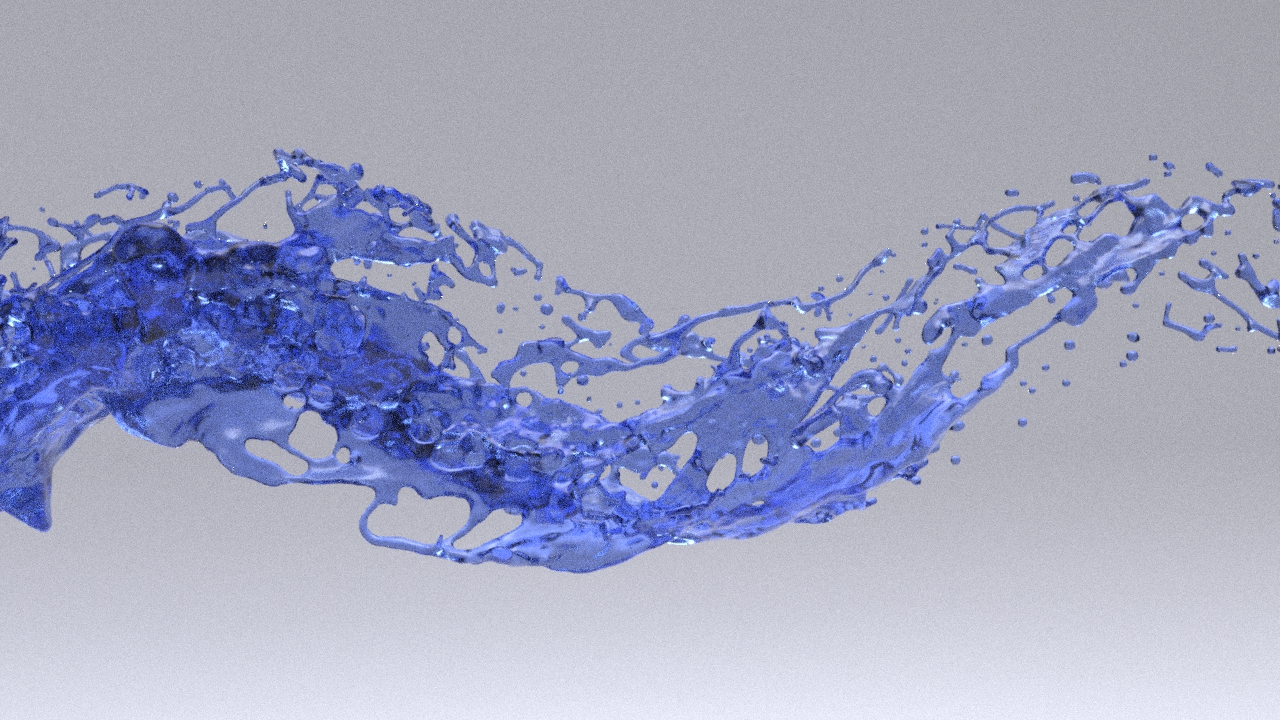
What I enjoy most about my work is translating real-world physics into digital simulations that support storytelling. I am particularly drawn to large-scale natural phenomena such as water, storms, and destruction effects, where both technical precision and artistic sensitivity are required.
In my current practice, I focus not only on FX execution, but also on solving production challenges—bridging the gap between creative vision and technical feasibility. My background across television, film, and independent productions allows me to adapt quickly and contribute effectively in different production contexts.
Looking ahead, my goal is to continue advancing my work in high-end visual effects for film and television, particularly in the area of natural and large-scale simulations.
Reflecting on my journey, I have learned that curiosity, adaptability, and persistence are the strongest drivers of growth in this field, and that exposure to different production environments has been essential in shaping my career.
Can you share a story from your journey that illustrates your resilience?
One of the strongest themes in my journey has been adapting to change and continuing to grow through uncertainty.
A major turning point for me was moving from China to the United States. That transition came with a reset in both environment and career direction, and it also made me realize I needed deeper self-development in my craft. That realization is what led me to return to school to further refine my skills and focus specifically on visual effects.
In the early stages of my career, I also did a lot of unpaid or low-paid work on independent and student projects. At the time, I viewed these opportunities as a way to learn and build experience rather than immediate income. Even now, I’m still open to taking on smaller or experimental projects if the work is creatively interesting, because I value growth and collaboration.
Another major challenge came during the industry strike period, which created uncertainty across the entire film and television industry. While it was a difficult time, it also shifted the landscape and created opportunities for smaller independent filmmakers to take on more ambitious projects. During this time, I transitioned into freelance work, which required me to become more flexible and proactive in finding and shaping projects.
Working with independent filmmakers has been both rewarding and challenging. Many of the projects I encounter involve limited resources and less structured workflows. In some cases, I am brought in at the early planning stage, which allows for a more efficient and creative process. In other cases, I am brought in at an emergency stage, where footage may already be incomplete or the edit is not fully planned, which can make the visual effects process significantly more complex.
These experiences have taught me how to adapt quickly, solve problems under constraints, and find practical solutions even when the production pipeline is not ideal. Over time, I’ve become more experienced in identifying these issues early and helping clients structure their workflow in a way that reduces cost and improves efficiency.
Overall, each stage of my journey—from international relocation, to early unpaid work, to navigating industry shifts, to freelance production challenges—has strengthened my resilience and shaped the way I approach both creative and technical problem-solving today.
Can you tell us about a time you’ve had to pivot?
A significant pivot in my career came when my visual effects and motion production work began expanding into broader visual storytelling for commercial and promotional content.
One of the early projects that led to this shift was with a wellness center. I was initially brought in to create promotional video content for their social media platforms. The collaboration was successful, and I continued receiving repeat work for video production.
While working closely with them, I observed that their visual presentation lacked a consistent identity, which limited the effectiveness of their promotional content. As they were preparing to expand their business, they expressed interest in strengthening their overall visual direction.
This led to my involvement in developing a more cohesive visual approach for their content, including motion-based visuals, promotional materials, and social media assets. While my core role remained within video production and visual effects, this project expanded the way I approached storytelling—moving beyond individual deliverables toward more unified visual communication.
After this project, the client introduced me to another startup founder who needed similar support in promotional video content and visual development. This led to additional collaborations where I applied both my motion production and FX background to help shape visual content for their brand communication.
Through these experiences, my freelance work naturally expanded to include more integrated visual production, combining visual effects, motion design, and production problem-solving. This has strengthened my ability to work across different types of projects while staying rooted in my core expertise in visual effects and simulation-based production.
Contact Info:
- Website: https://kristyayarin.github.io/
- Linkedin: https://www.linkedin.com/in/kristy-xuan-huang/