

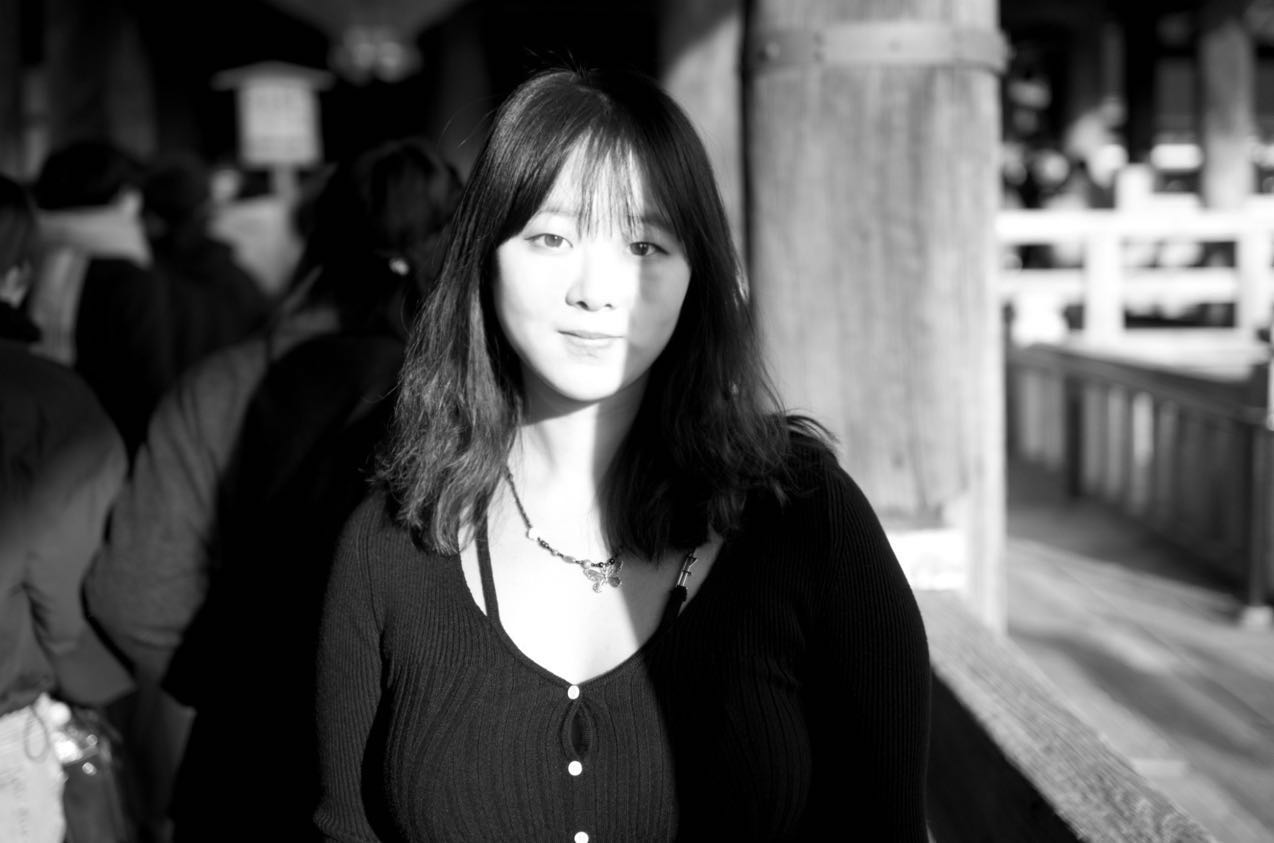

We were lucky to catch up with Xinzhen April Yang recently and have shared our conversation below.
Hi Xinzhen April, thanks for joining us today. It’s always helpful to hear about times when someone’s had to take a risk – how did they think through the decision, why did they take the risk, and what ended up happening. We’d love to hear about a risk you’ve taken.
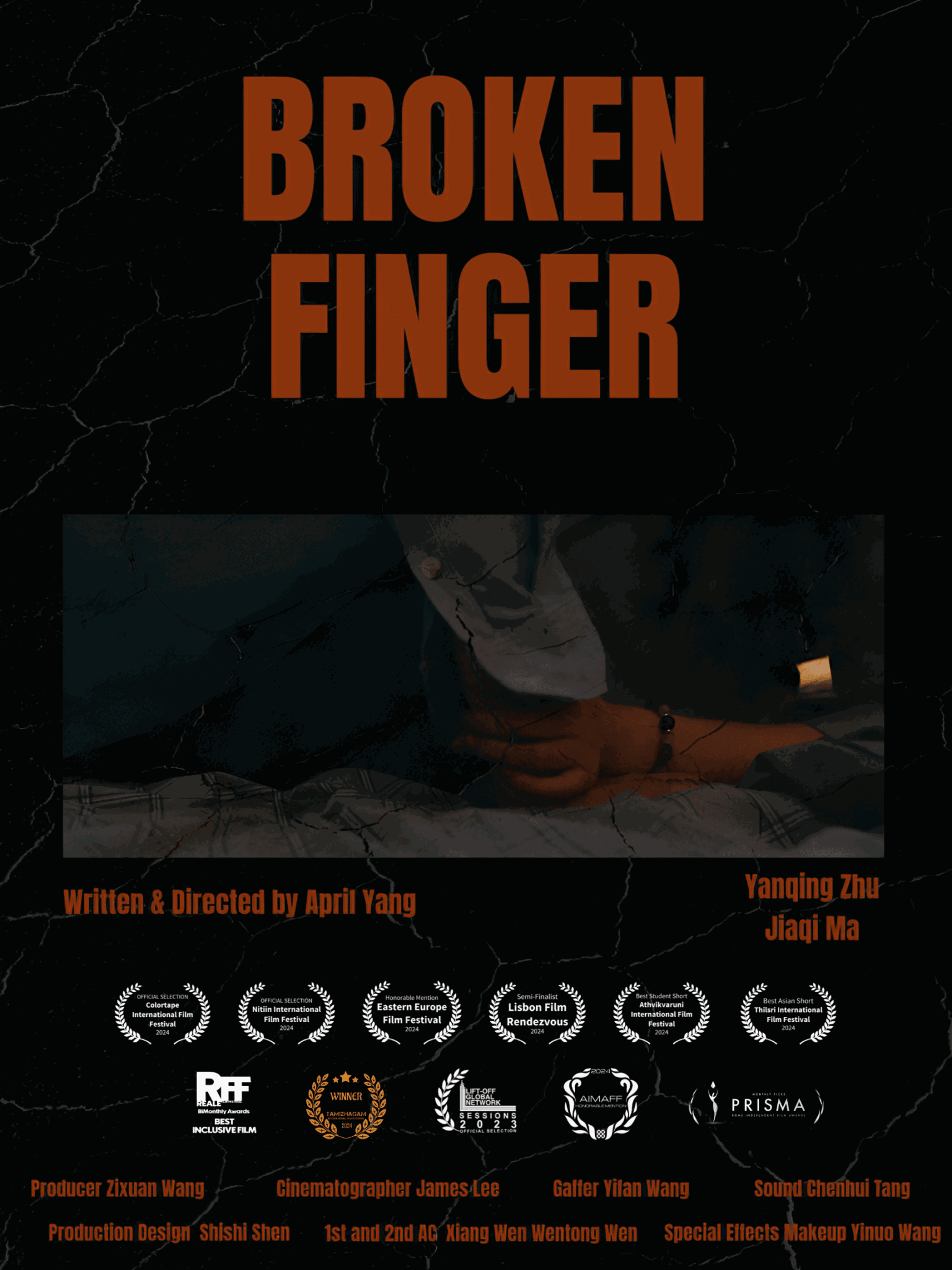
During the production of Broken Finger, I stepped into one of the most challenging projects of my career—a film that dared to explore the intricate themes of East Asian identity, societal expectations, and the emotional complexity of LGBTQ+ relationships. This wasn’t just a creative challenge; it was a logistical and emotional risk at every turn.
The casting process itself was a formidable obstacle. Finding actors willing to take on roles that required deep psychological vulnerability and authentic representation of LGBTQ+ experiences proved almost impossible. My executive producer, only half-joking, warned, “You might need to act in it yourself.” Faced with rejections and setbacks, I was forced to rethink my approach, leaning on my ability to connect with people and inspire their trust in the story. This delicate balance of persistence and sensitivity was a risk in itself—one that could have jeopardized the authenticity of the entire project.
Budget constraints added another layer of risk. With limited resources, I had to prioritize between critical elements like special effects for a severed finger scene and collaborating with experienced producers and sound designers. I chose the former, believing that the visual and emotional impact of the scene was essential to the story. This meant taking on additional responsibilities myself, from coordinating post-production to troubleshooting technical challenges—tasks I had little prior experience in managing.
The script and editing process was where I took the biggest creative risks. Across three months, the script went through 24 versions, and I produced 17 different edits of the film. Each iteration was an experiment. I tested multiple approaches to every scene, consulted diverse audiences—including those unfamiliar with the subject matter—and refined the narrative based on their feedback. This constant cycle of trial, error, and adjustment was exhausting, but it pushed me to think beyond my comfort zone.
In the end, Broken Finger became more than a film—it became a testament to resilience, creativity, and the courage to take risks. It was well-received by audiences and industry peers, but its greatest success lay in what it taught me: that embracing the unknown, with all its messiness and uncertainty, is what shapes a filmmaker’s voice. Every risk I took left a mark on the story, transforming it into something uniquely mine.
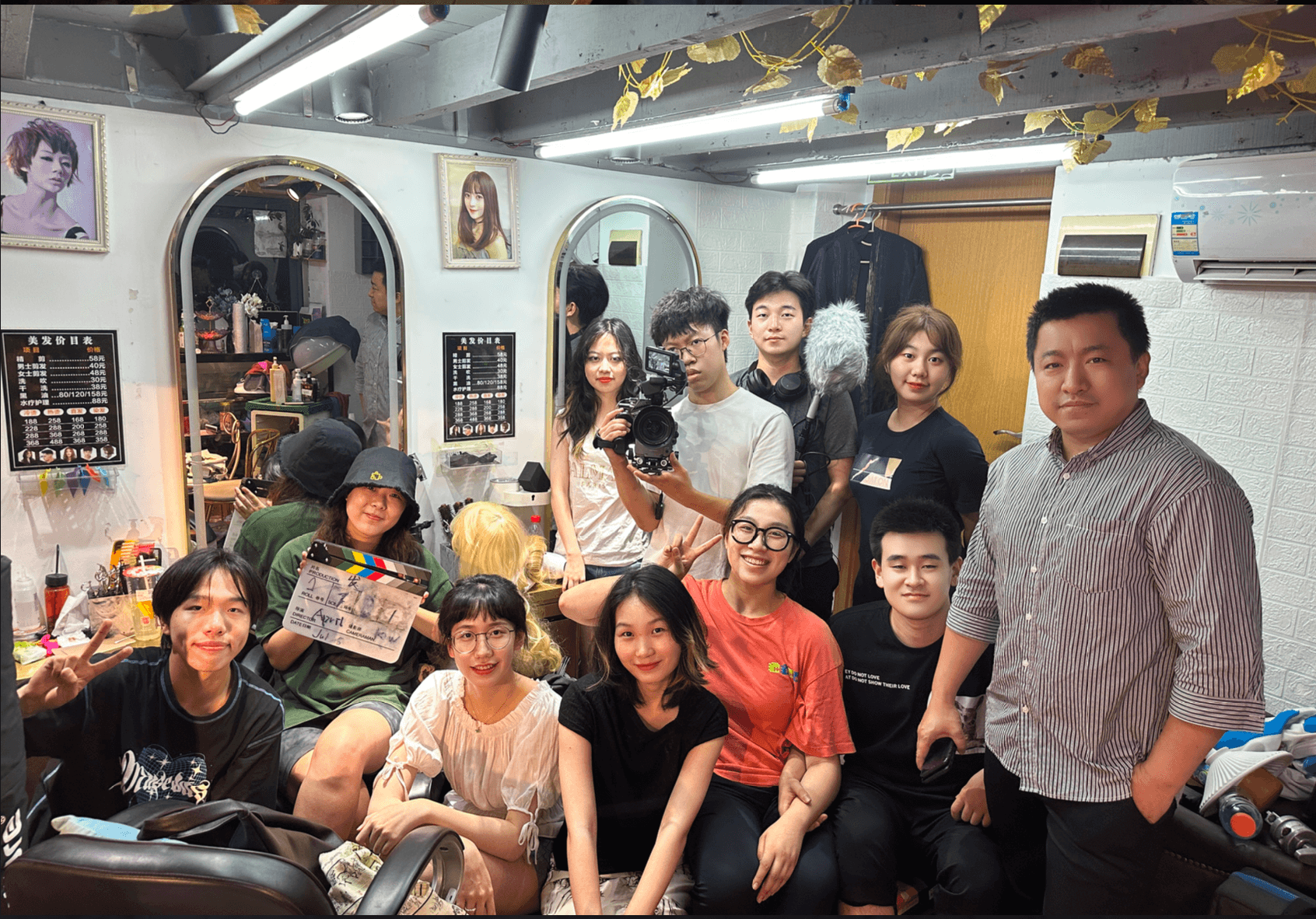
Great, appreciate you sharing that with us. Before we ask you to share more of your insights, can you take a moment to introduce yourself and how you got to where you are today to our readers.
I am a filmmaker and editor who, from a small village, passed on to the frantic pace of the street in Beijing, finally setting foot in the creative hotbed of Los Angeles. I had taken my route to filmmaking with this insatiable curiosity about all the untold human stories. As a child, I silently watched the lives of people around me, weaving in joys and struggles into complex narratives. This fascination grew when I moved to Beijing, with the diverse lives I encountered, inspiring me to tell stories as a craft.
I am a film editor and storyteller with an expertise in emotionally deep storytelling that can involve the issues of identity, societal expectations, and personal resilience. I practice film editing on short films and documentaries to experimental projects, and I often get inspired by those stories that amplify underrepresented voices. For example, my film Broken Finger weaves the intersection of East Asian identity, LGBTQ+ relationships, and psychological struggles into the limelight.
What makes me different is how I approach the storytelling. I subscribe to what I call a “prototype mindset,” where every project is an iterative process of discovery and refinement. I believe in the power of collaboration, drawing from a diverse pool of perspectives, and allowing each story the time and space to grow organically through feedback and experimentation. My editing style focuses on the emotional resonance and authenticity of the raw material as it’s transformed into a narrative that deeply connects with audiences.
One of the challenges I help my clients and collaborators overcome is the balance between authenticity and artistic expression. Whether it’s reconstructing a narrative during post or finding innovative ways to communicate complex ideas visually, I get charged by solving creative problems and delivering a final product that stays true to its vision.
What I am most proud of with my work is how it affects other people. What I do with film is to nurture empathy and comprehension through opening doors usually shut. I want people who may collaborate with me in the future, fans, and followers to understand that my work is built on a foundation that holds curiosity, perseverance, and commitment towards the stories that do matter. Through my journey, I have learned that every problem presents an opportunity to grow, and I carry that thought with me on every project I approach.
Can you share a story from your journey that illustrates your resilience?
Resilience, for me, isn’t some innate trait that people are born with—it’s something you build through deliberate choices and persistence. It’s what I call blunt sensitivity—the ability to push through the pain and challenges without overthinking or doubting. Instead of shying away from difficulties, I charge headlong into them, knowing that bruises and scars are part of the process. I believe that the more I face challenges, the more they mold me, turning adversity into my strength.
My guiding principle has always been to dive deep into whatever stirs my curiosity or passion. I listen to advice from those with experience, but I place greater value on my own journey of prototyping. Humans are not born with a comfort zone—babies crying when faced with newness is evidence enough of that. The only way to create that zone is to confront discomfort repeatedly until it becomes your second nature. And it’s in that process, where discomfort turns into familiarity, that resilience starts to blossom.
This resilience was put to the test during the production of my most recent film, Broken Finger. The project itself was a deeply personal exploration of societal expectations, people-pleasing, and the complexities of East Asian women’s experiences. Behind the scenes, however, it was even a more monumental challenge. From casting issues—finding actors comfortable with LGBTQ+ themes and psychological intricacies—to a tight budget and schedule, nothing came easily. My executive producer warned me, “Be prepared to act yourself if you can’t find someone brave enough for these scenes.” That’s how tough it was.
On top of that, we face tight schedules and funding pressures. I didn’t come from a Film school before studying at the American Film Institute. So I wasn’t surrounded by talented film people. I need to manage independently and build my own team. Because of the complexity of the severed finger scene, which includes intimate scenes, special effects and makeup, etc., I had to spend money on art and post-production. So I lost the opportunity to work with two producers and sound designers who had over 10 years of experience. But instead of letting these obstacles deter me, I saw them as chances to grow—embracing the “prototype” mentality of trying multiple solutions and learning from every failure.
There were three months of script discussions, 24 versions of the script, 17 versions of delivery. In all the processes and processes that I am not familiar with, I will try at least 3 different methods by myself first, and then discuss and consult with experienced professionals. After each delivery or script production, I invite three types of people: people who know nothing about the idea or production, people who might be interested in the topic, and people who have deep insights into the field. I will ask them to give their own opinions, and I will only be satisfied when I ensure that people of these three levels can get my ideas. And this process is actually dreaded by many people, who are afraid to accept opinions and suggestions. I think this process is complementary to the previous step I mentioned: “your unique prototype”. When you try a few possibilities, you’ll see if the ideas they give are feasible, and you’ll be able to judge whether their suggestions will “add to the beauty” of your work since you already had your own understanding. All of these were independent, only me and the executive producer discussed again and again… These even overlapped with my graduation project at that time, and now I think I actually don’t know how I survived. I can only put it down to that word: resilience.
So, just do it, don’t be afraid of failure, don’t be afraid of injury, the traces of growth will be engraved on your “muscles” in a physical and mental way, those will be your resilience.
What do you find most rewarding about being a creative?
What satisfies me most as an artist is the transformational power of storytelling: the taking of raw emotions, untold histories, and complex identities into something deeply resonant with others. The reward is not just in the creation but in connection-the bridging of gaps in experiences, the invitation of audiences into worlds they may not have seen otherwise.
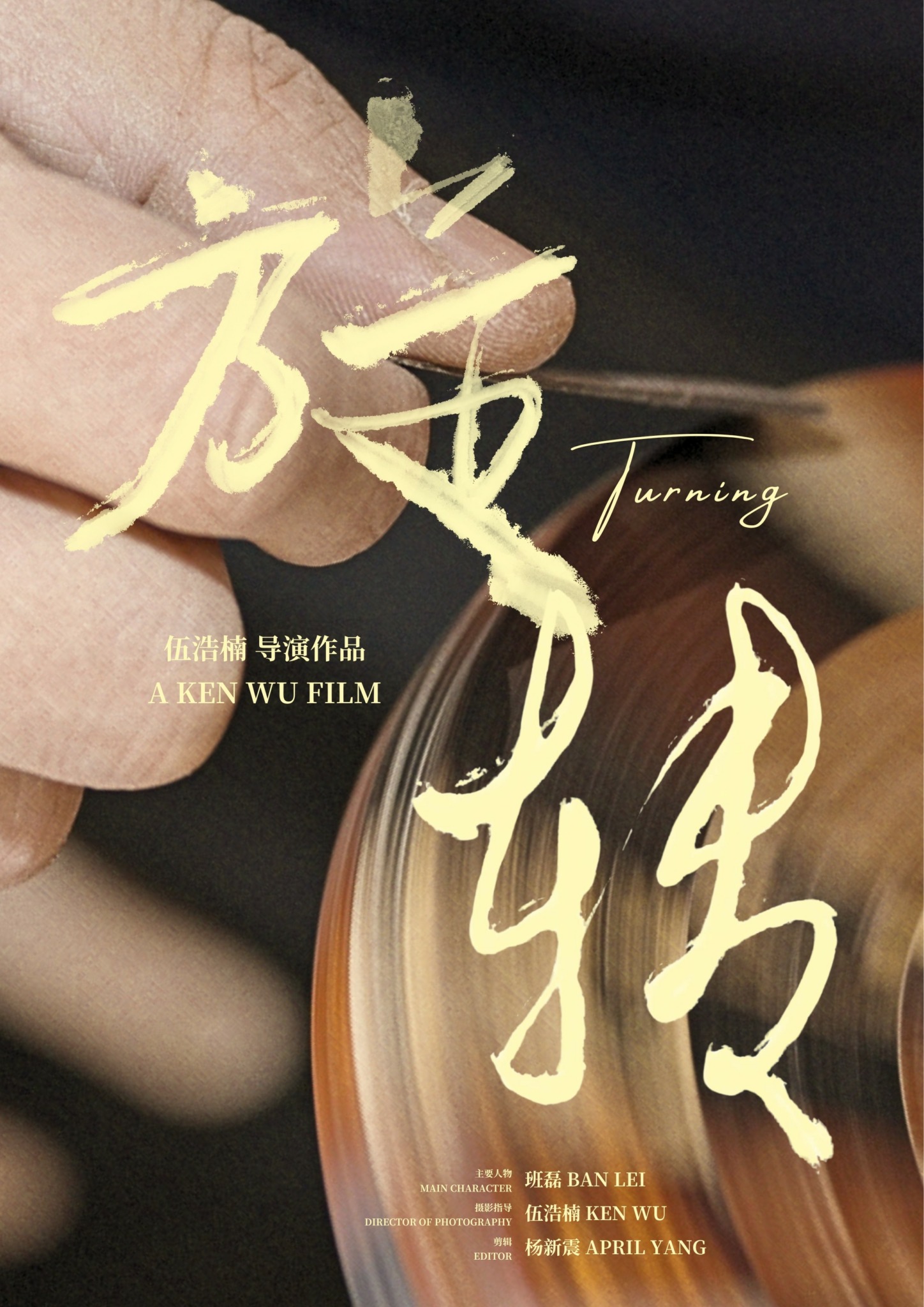
My commitment to the documentation of the human experience framed my journey as a filmmaker. I took time in the documentary Turning to delve into a lost musician who finds his way back through the perceptions of society. This really paralleled my path of revisiting base storytelling, balancing creative experimentation in the process with a relentless pursuit of raw emotional truth. It reminded me that, in the face of professional challenges, filmmaking is supposed to create empathy and connect with human emotions.
Likewise, my first documentary, Night, showed me the power of an intimate, unscripted moment. Set against the pulsating backdrop of Beijing, the film explored bonds and unseen layers of urban life. These experiences, though disparate, honed my ability to weave personal and universal narratives, providing a foundation for my current work.
The lessons learned from this are being applied now to a new project-an Armenian family legacy TV series, about resilience and identity, targeted for platforms such as Hulu and Netflix. Laced with the poignancy of a story rooted in real-life community experience and emotion, this show is both timely and timeless in offering a voice that is underrepresented, while challenging the boundaries of traditional storytelling.
The creative process is, in itself, another layer of reward. Testing edits, collaborating with diverse teams, or immersing yourself in the emotional core of each project-the growth and meaning derived for me come not just from the finished product but, above all, from the journey in itself. Being an artist to me has been all about those moments when stories transcend the screen and become part of someone’s life, perspective, or healing.
Contact Info:
- Website: https://www.aprilyang.space/
- Instagram: https://www.instagram.com/aprilyang201/
- Linkedin: https://www.linkedin.com/in/april-yang-a42109245/
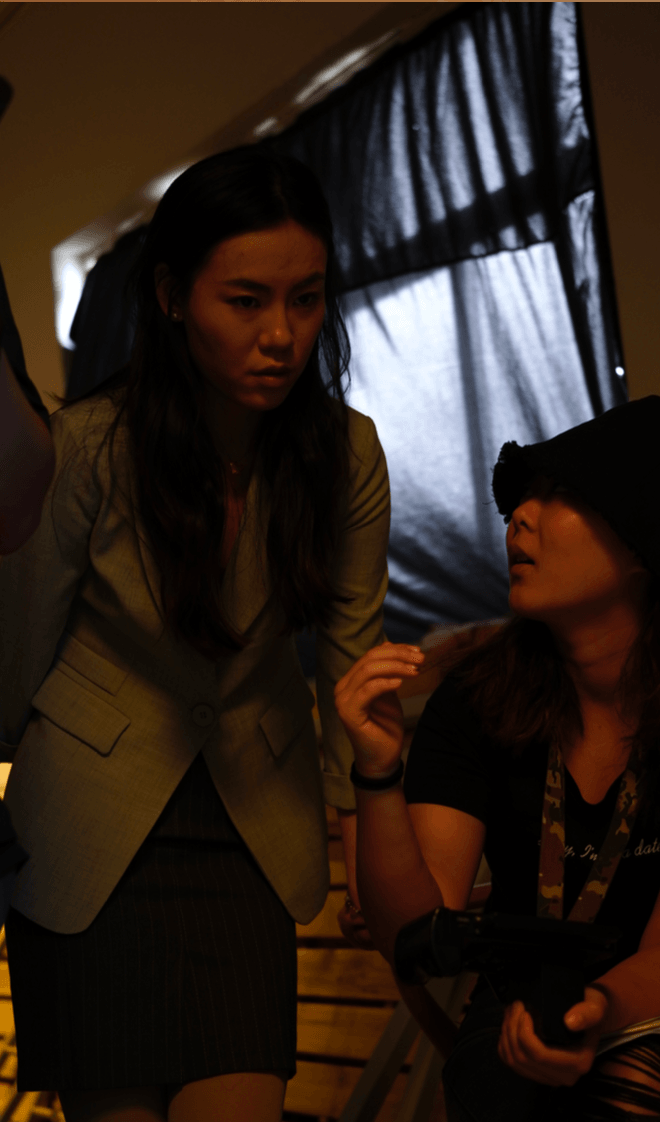
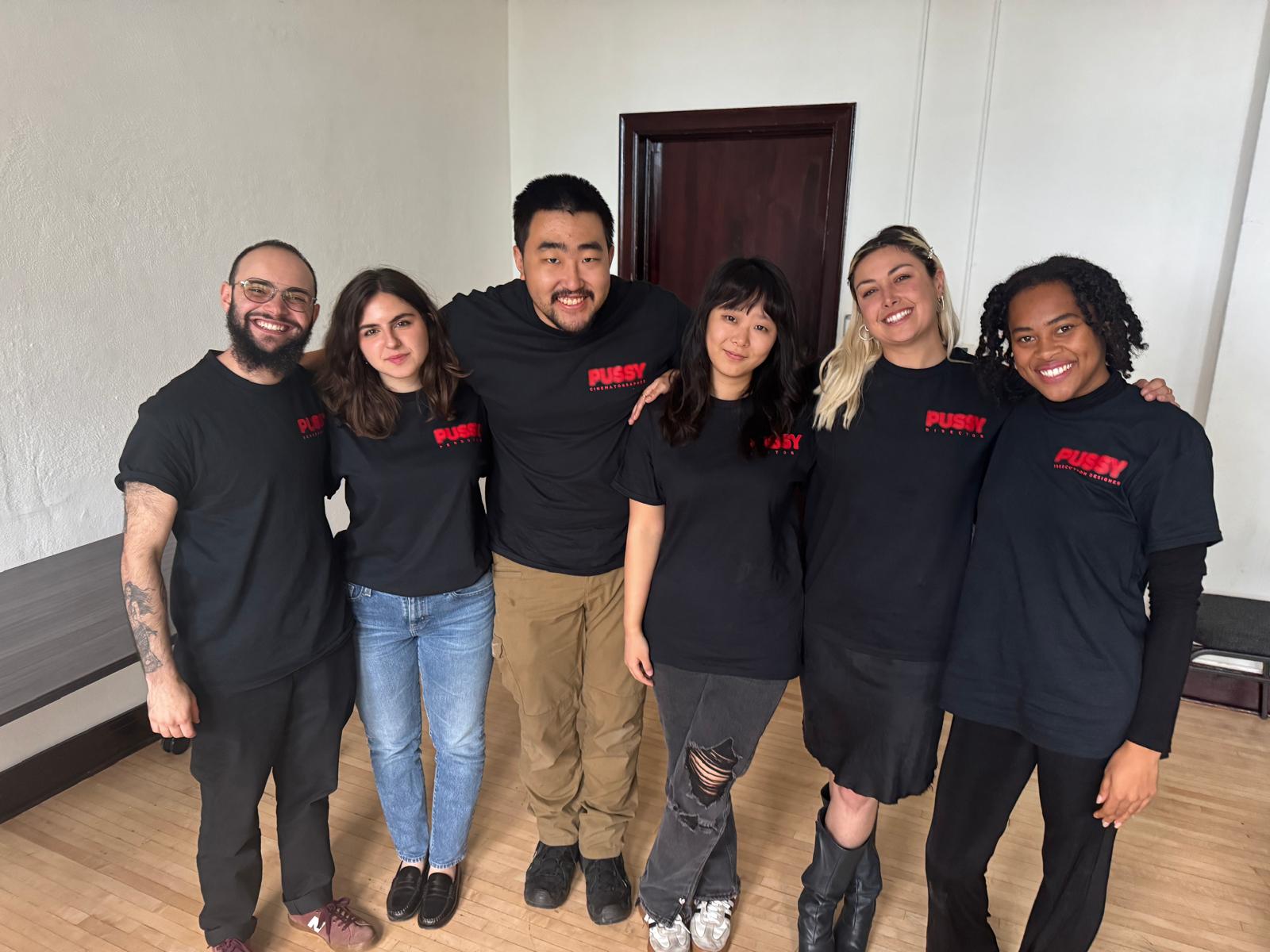
Image Credits
/