

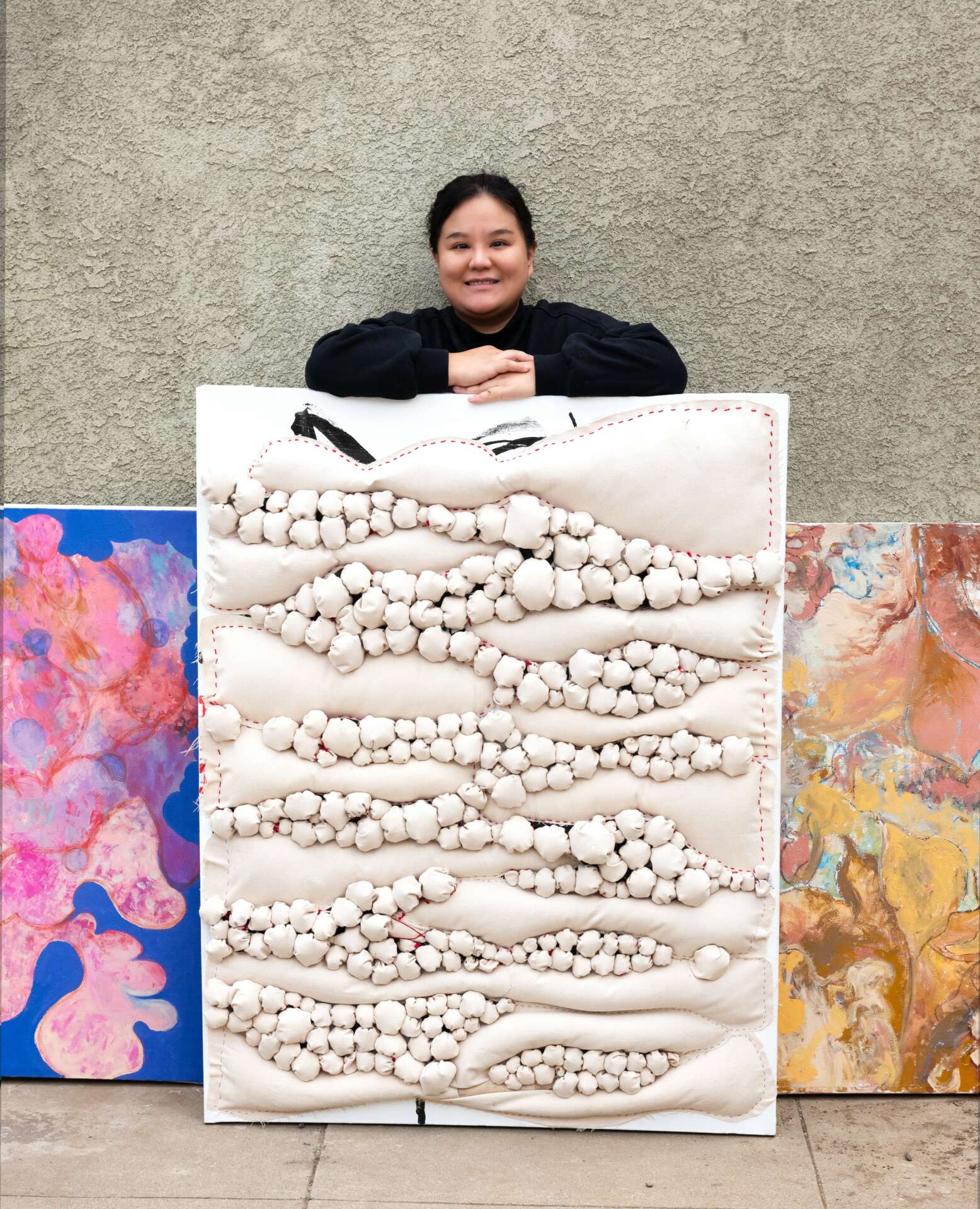

We recently connected with Xiaoxiao Wu and have shared our conversation below.
Alright, Xiaoxiao thanks for taking the time to share your stories and insights with us today. We’d love to hear about a project that you’ve worked on that’s meant a lot to you.
The most meaningful project I have participated in is the ARTDROP experimental art group. This group is an LA-based Experimental Artist Collective that focuses on creating site-specific, project-based work.
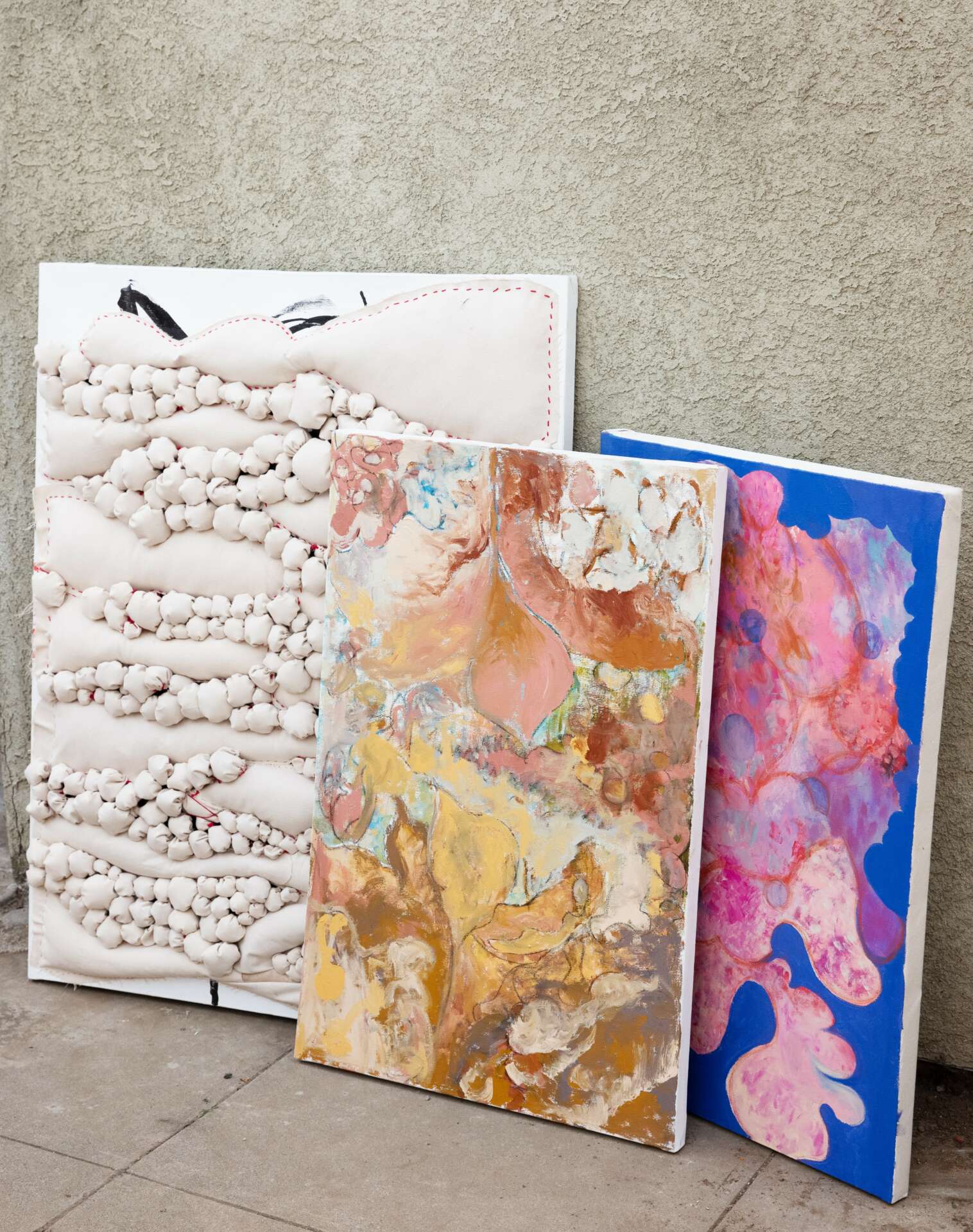
In this group, my main role is participating in weekly project panel discussions, where we discuss the choices of specific scenes and their underlying significance. As an artist in the project, I create works based on these specific scenes, emphasizing the theme of the project and the historical stories behind them.
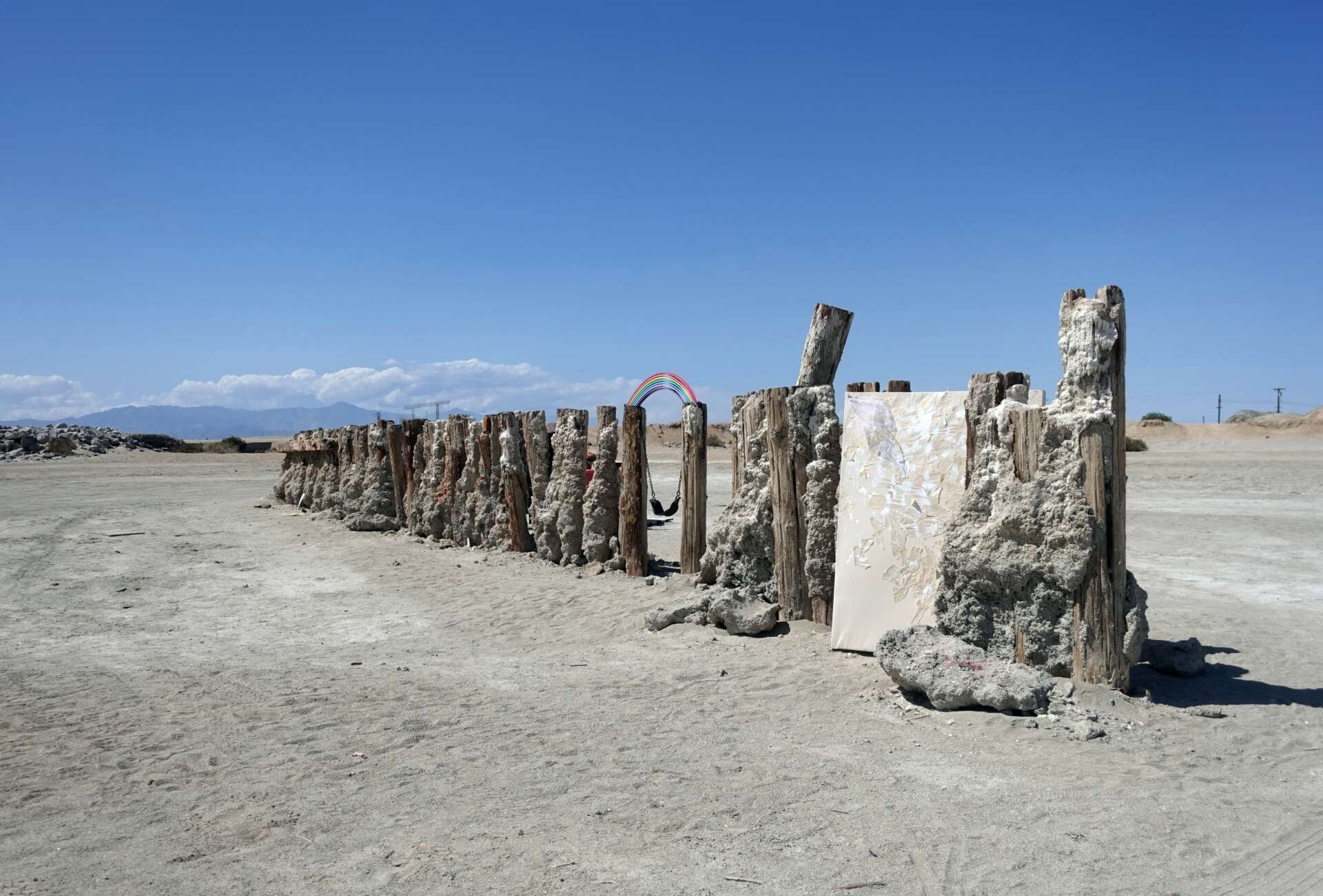
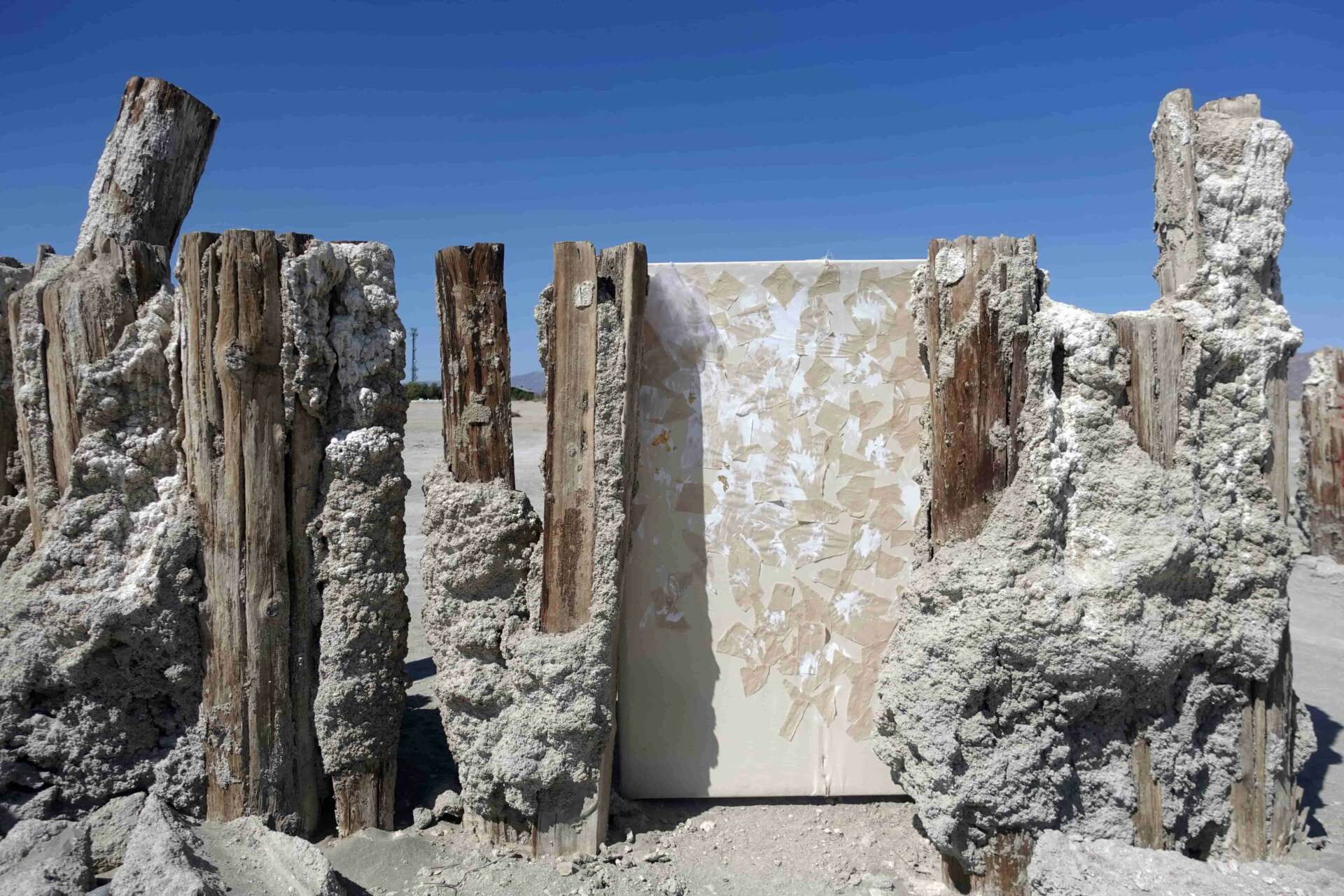
One project that had a special impact on me was the Salton Sea project. The Salton Sea is an abandoned city that became desolate due to environmental issues, resembling a ghost town. The choice of this scene is closely related to the theme of being forgotten and the state of dispersion. My personal experiences, from being a left-behind child in my childhood to later experiences in boarding schools and studying and working in different countries, have kept me in a constant state of dispersion.
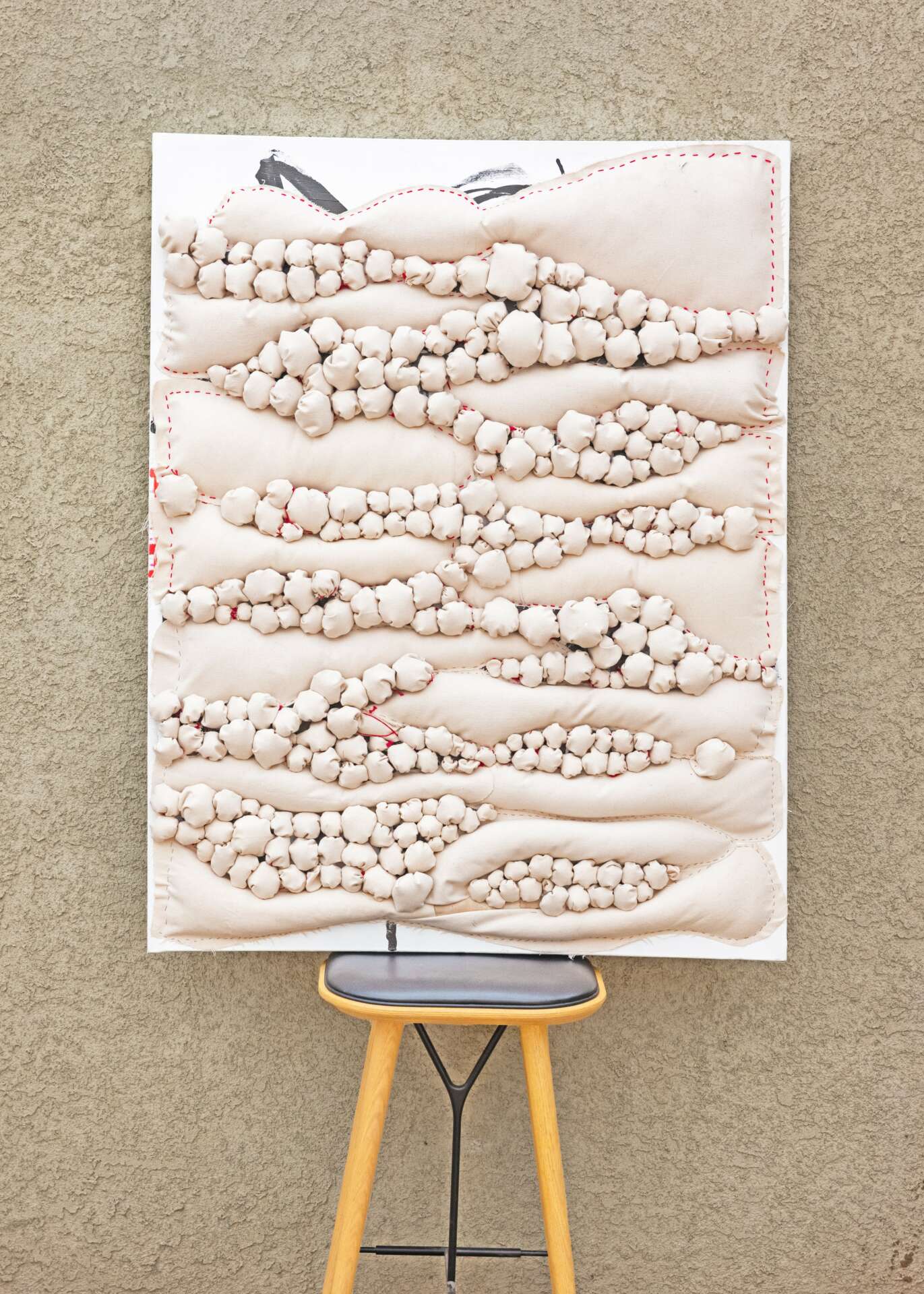
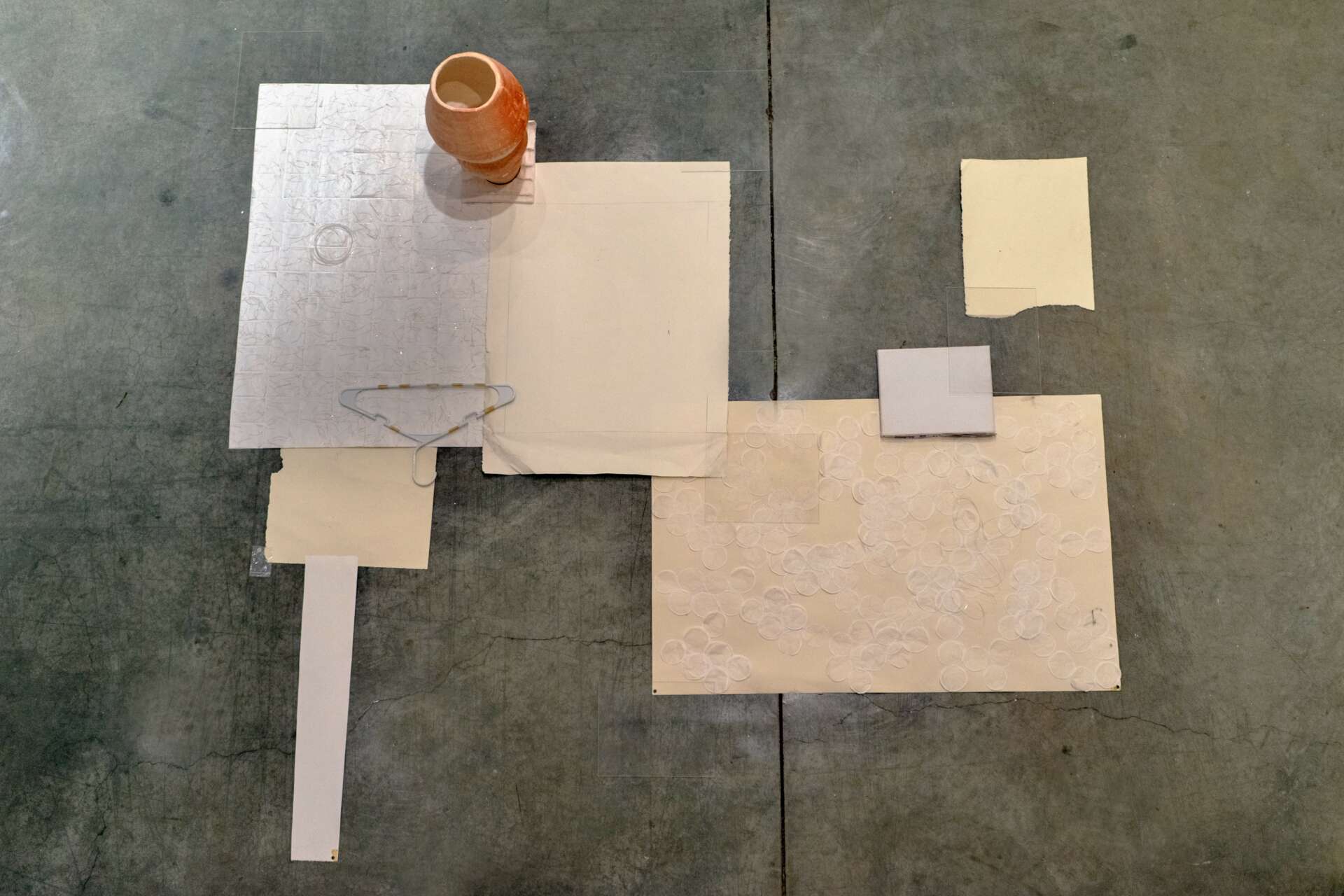
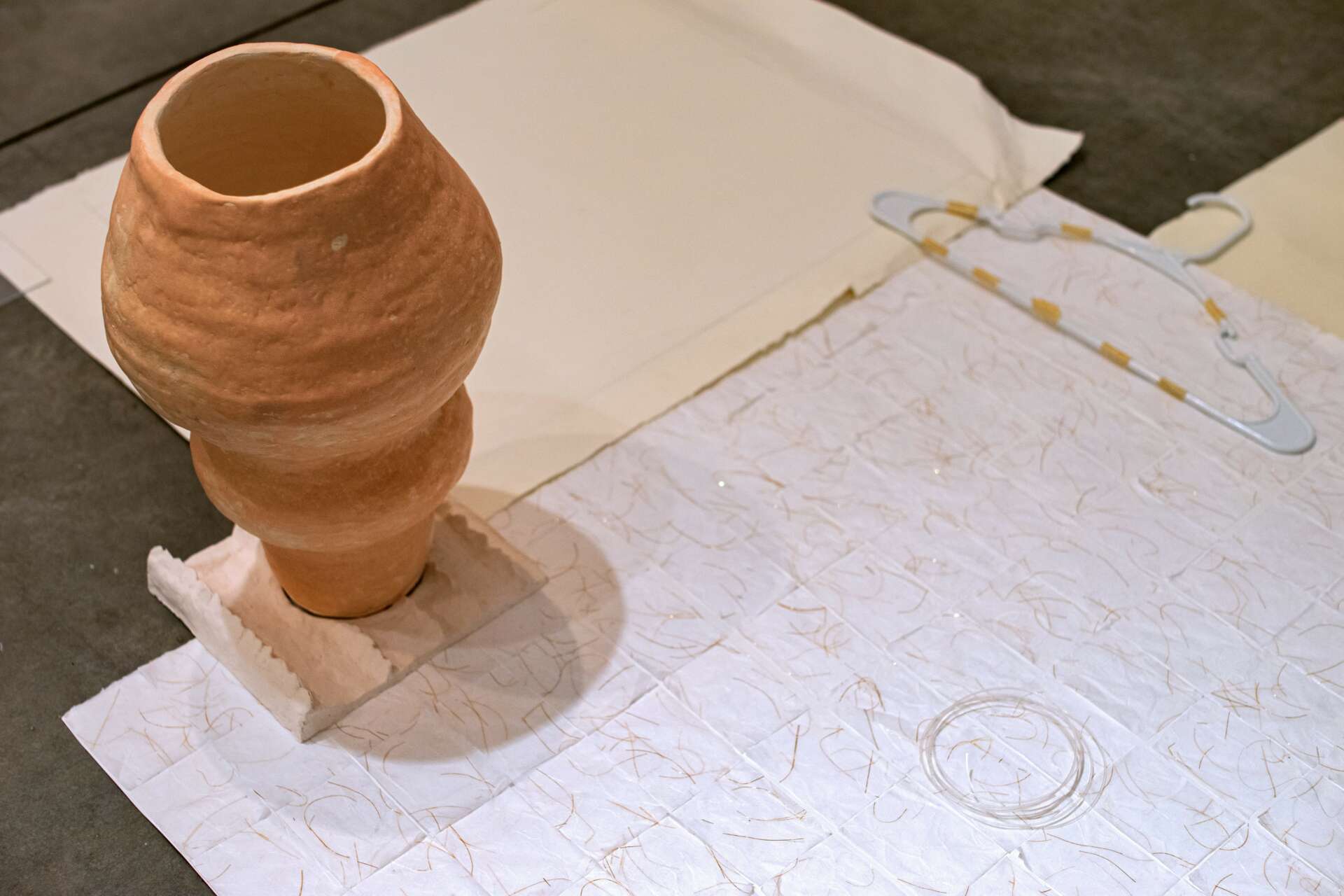
In the Salton Sea project, I employed the concept of embedding, literally embedding the painting into a broken wall. This creative approach accentuates the feeling of dispersion. Choosing rice paper as the material represents an Eastern element, infusing the artwork with rich cultural connotations. My artistic creation aims to deeply explore the theme of dispersion, blending personal experiences with art to create a visually immersive and emotionally resonant experience. Incorporating cultural elements and expressing art uniquely makes my work distinctive, prompting viewers to reflect on and resonate with the theme of dispersion.
Xiaoxiao, love having you share your insights with us. Before we ask you more questions, maybe you can take a moment to introduce yourself to our readers who might have missed our earlier conversations?
I am Xiaoxiao Wu, born in Shanghai, China. In 2017, I moved to Los Angeles, embarking on a new chapter in my life. I art practice focusing on installation and painting. After graduating from Otis College of Art and Design in 2020, I embraced the role of a full-time artist.
My interest in “beauty” blossomed at a young age, largely influenced by my mother and Japanese anime. The 90s in China marked a period of avid enthusiasm for animation, with bookstores filled with pirated manga and television airing a plethora of imported animated series. Moreover, numerous unofficially imported pirated animations dominated the scene. It seemed like everyone was a ‘Prometheus’ in that era. Under such influences, my understanding of beauty and art became diverse. This cultural amalgamation shaped my aesthetic perception and fueled my passion for art.
Of course, these early experiences and the budding phase of my artistic journey were just the beginning. As I’ve grown older, a stronger desire to express myself has emerged, becoming the driving force behind my decision to become a full-time artist.
With time, I found myself yearning for more profound means of expression. This desire for expression is an internal force propelling me to infuse my art with personal emotions, ideas, and reflections. I began to seek not only surface beauty but also to convey emotions and explore the possibilities of the inner world in my artistic creations.
How can we best help foster a strong, supportive environment for artists and creatives?
In many aspects, the field of art appears to be somewhat exclusive, resembling academia, where it can be challenging for outsiders to enter, and insiders may not readily step outside. Both art and academia prioritize specialized knowledge and depth. In the art realm, profound understanding and professional skills may create barriers, making it challenging for external individuals to participate. The unique norms and language within the art and academic communities might contribute to a sense of difficulty for those outside to comprehend, with specialized terms and concepts acting as obstacles to engagement.
When discussing breaking the perceived exclusivity of the art world, I believe there is a need for more public art projects. These projects, possibly not exclusively led by artists but more focused on participatory and experiential aspects, could serve as a connection between the art community and the broader public.
Expanding on this idea involves creating initiatives that make art more accessible, inclusive, and interactive. By promoting public art projects that prioritize participation and experiential engagement, we can dismantle the perceived barriers that keep art secluded. The goal is to invite everyone, regardless of their background or expertise, to actively engage with and contribute to the artistic experience. This approach not only democratizes art but also transforms it into a shared and inclusive cultural expression.
What do you find most rewarding about being a creative?
I feel that as an artist, I function more as an observer and recorder. It’s an interesting perspective, indicating that I may place greater emphasis on observing and documenting the details of the surrounding world, and using art to present these observations and records. This role also helps me capture moments, reflect the times, and express personal viewpoints and insights. In this way, my creations may become a unique narrative, documenting what I have experienced and perceived.
Contact Info:
- Website: https://www.xiaoxiaowu.work/
- Instagram: https://www.instagram.com/siaosiaosiusiu/
- Youtube: https://www.youtube.com/watch?v=-YNx__RTdxI
Image Credits
Christopher B. Stoltz and Cassia Danger Davis