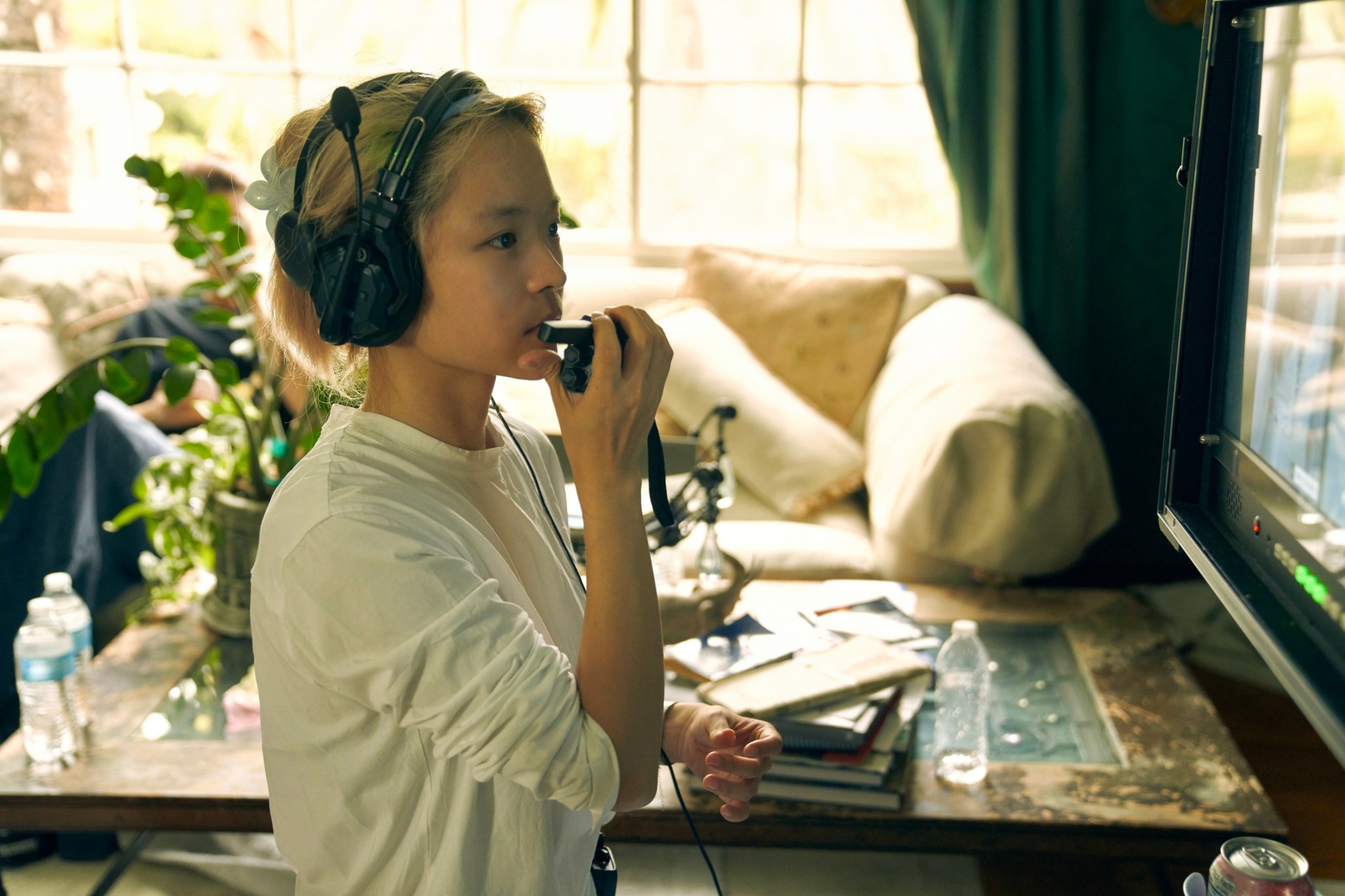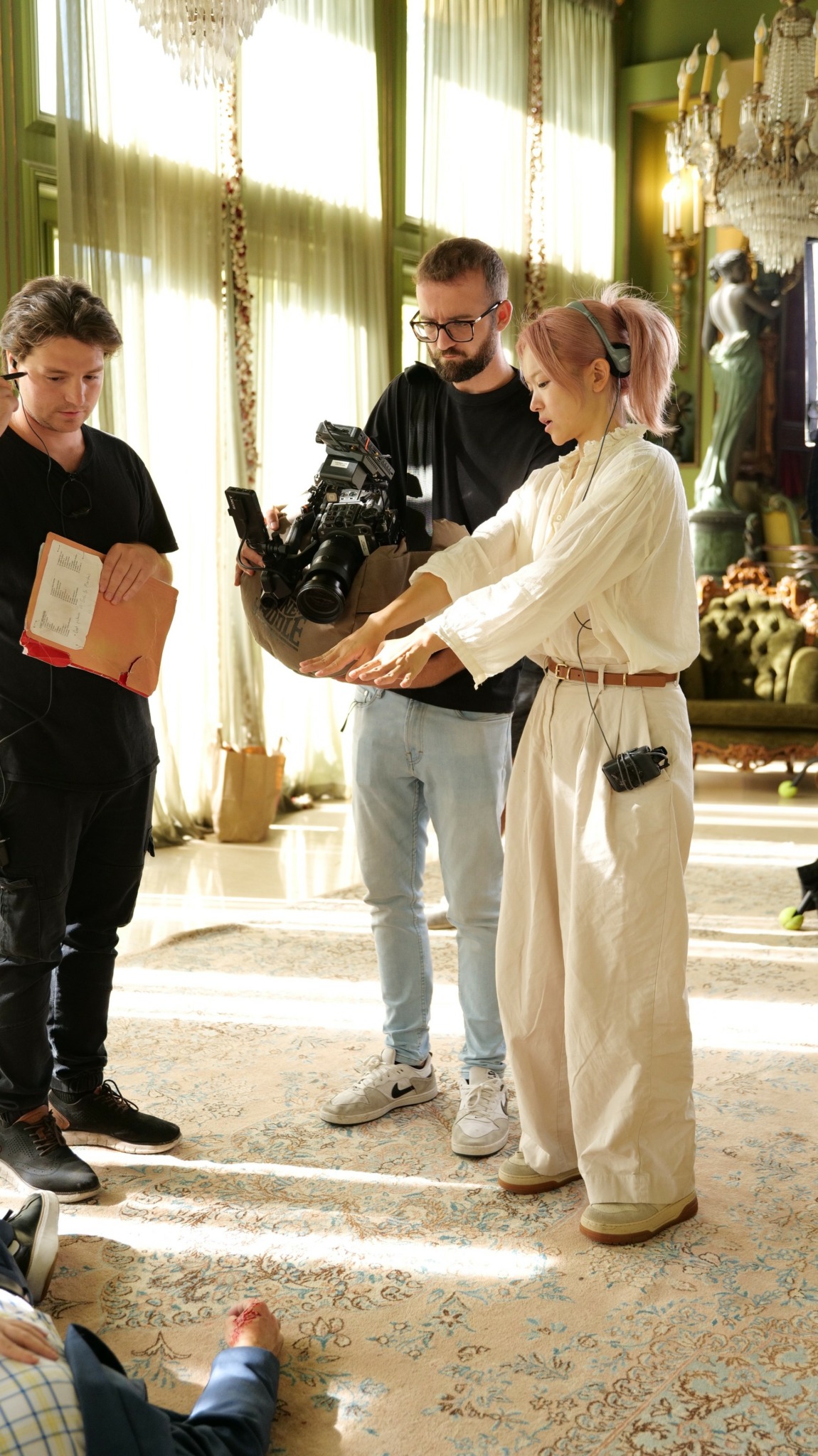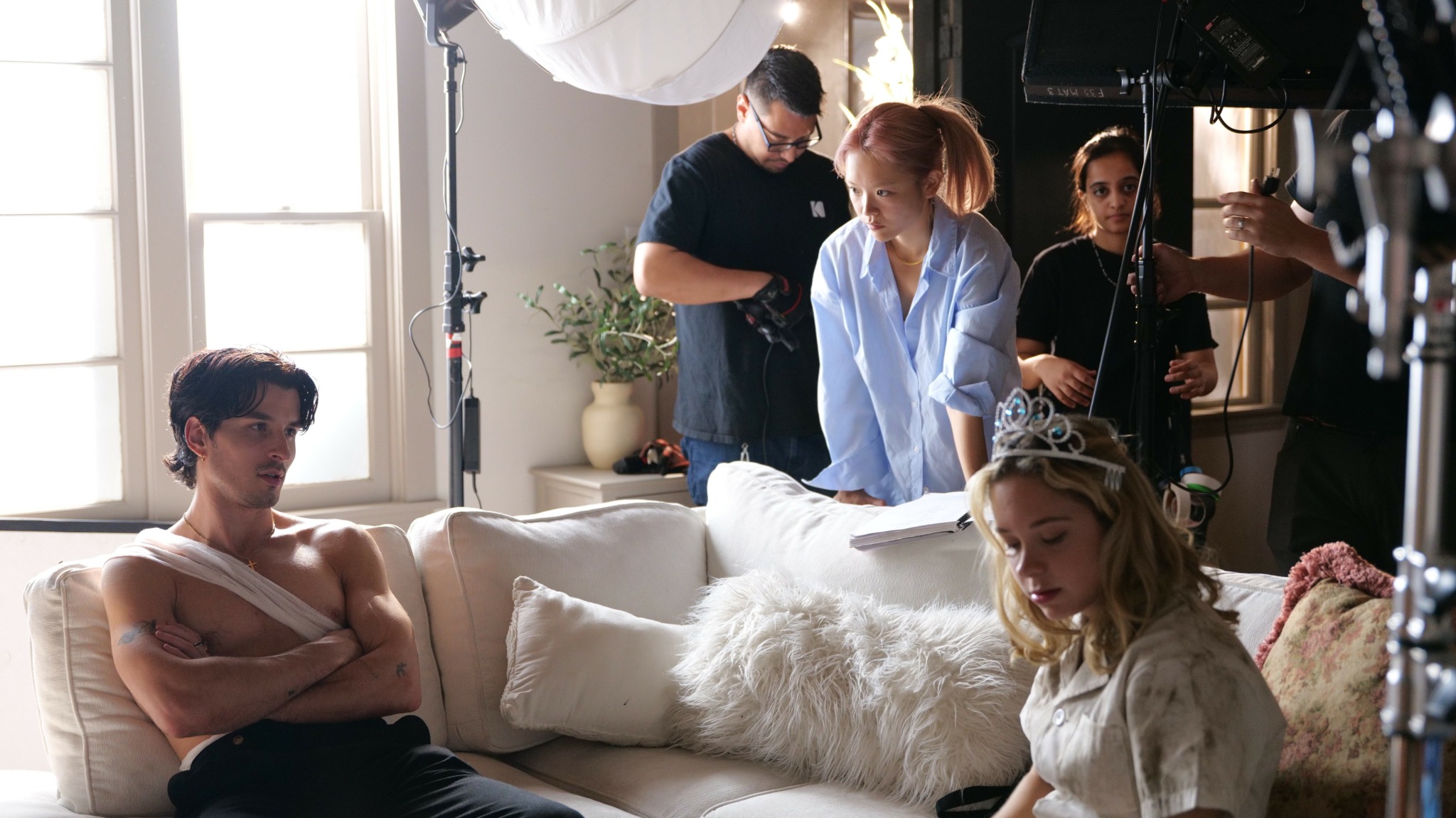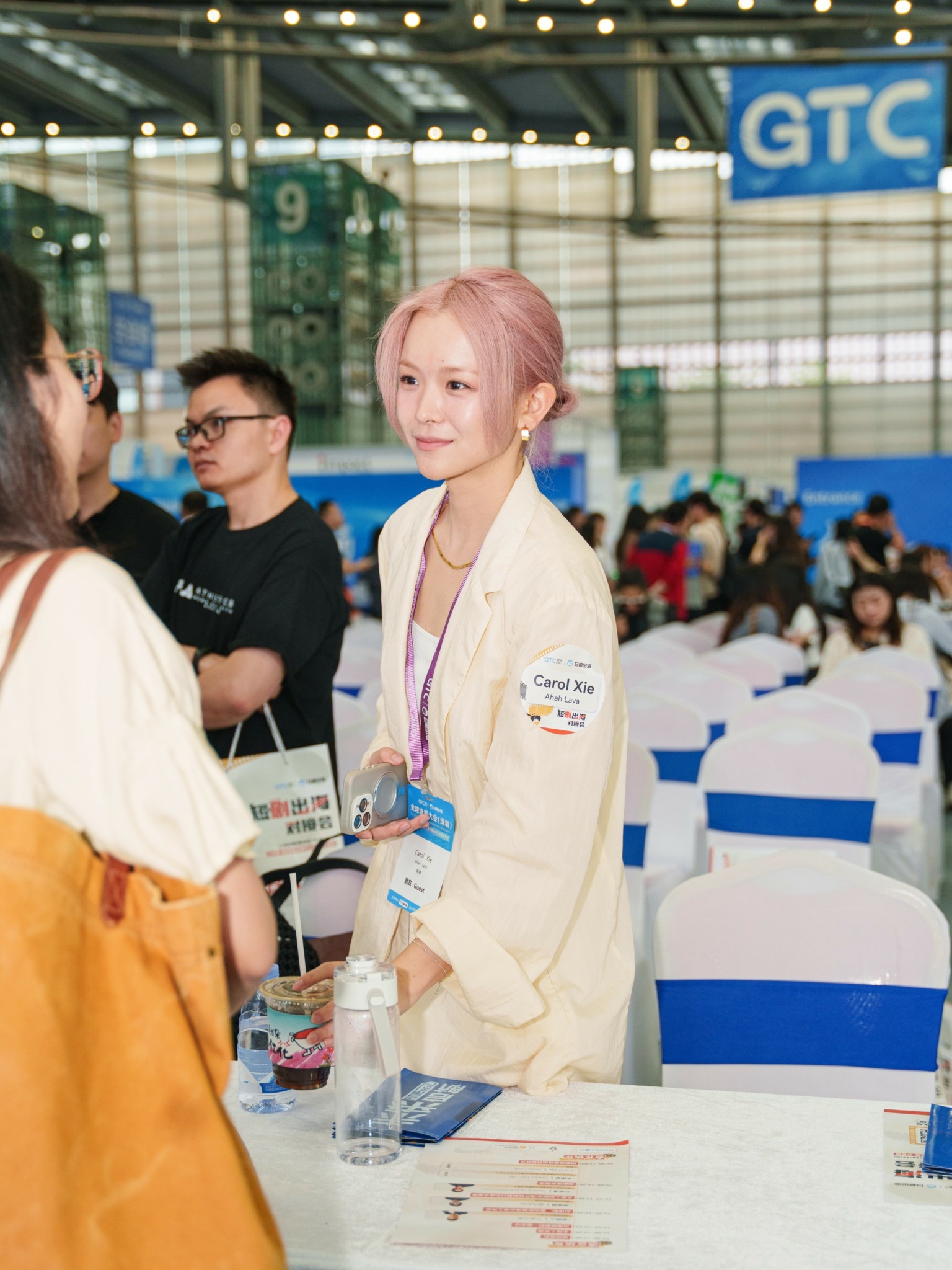

We’re excited to introduce you to the always interesting and insightful Xiangwu Xie. We hope you’ll enjoy our conversation with Xiangwu below.
Hi Xiangwu, thanks for joining us today. Can you walk us through some of the key steps that allowed you move beyond an idea and actually launch?
When I first started, I didn’t have a full business plan. It really began with noticing a shift in the market.
At the time, I was working on short films, commercials, and music videos. Projects like Remorse, Terre d’Hermès, and Under My Feet gave me a solid foundation in storytelling and production. But I started to see that audience behavior was changing quickly—especially with mobile viewing. Vertical short-form content was growing fast, but in the U.S., not many people were producing it with the same quality as traditional film.
That’s when the idea really started.
Instead of launching a company right away, I began by testing. I spent time studying the vertical drama space—how platforms work, how episodes are structured, what pacing keeps people watching, and how the business model functions. At the same time, I looked at my existing resources—my team, collaborators, and production experience—and figured out how to adapt them to a faster workflow.
Then I moved into execution.
I started producing a few early vertical drama projects with a small team. These were basically experiments. We had to figure everything out from scratch—how to shoot faster without losing quality, how to structure stories for retention, and how to work within tighter budgets and timelines. Every project helped us improve. We kept refining our process—camera setups, scheduling, editing pace, even how we worked with actors.
Once we saw that the model worked, I officially founded Ahah Lava.
At that point, the focus shifted to building a system. I needed a production workflow that could scale. So I built a stable team in Los Angeles, developed relationships with platforms like ReelShort, DramaBox, and NetShort, and structured our process so we could consistently produce one to two series per month.
Scaling was definitely the hardest part.
We had to balance speed and quality at the same time. I spent a lot of time refining how we combine professional filmmaking standards with the efficiency required for vertical drama. That includes everything from pre-production planning to post-production turnaround, as well as analyzing audience data—what stories work, what pacing keeps viewers engaged.
As the system became more stable, we started seeing real results.
Projects like Got Pregnant with My Ex-Boss’s Baby reached over 12 million views on YouTube and ranked No. 1 in revenue on SnackShort. The Mafia Boss’s Runaway Bride also performed strongly across platforms. That really confirmed for me that this model works—not just creatively, but commercially.
Looking back, the process was very step-by-step:
first observation, then testing, then building a system, and finally scaling.
What made the difference wasn’t just having the idea—it was constantly refining it based on real production experience and audience feedback. That’s how Ahah Lava grew from an idea into a working production company in the vertical drama space.
Xiangwu, love having you share your insights with us. Before we ask you more questions, maybe you can take a moment to introduce yourself to our readers who might have missed our earlier conversations?
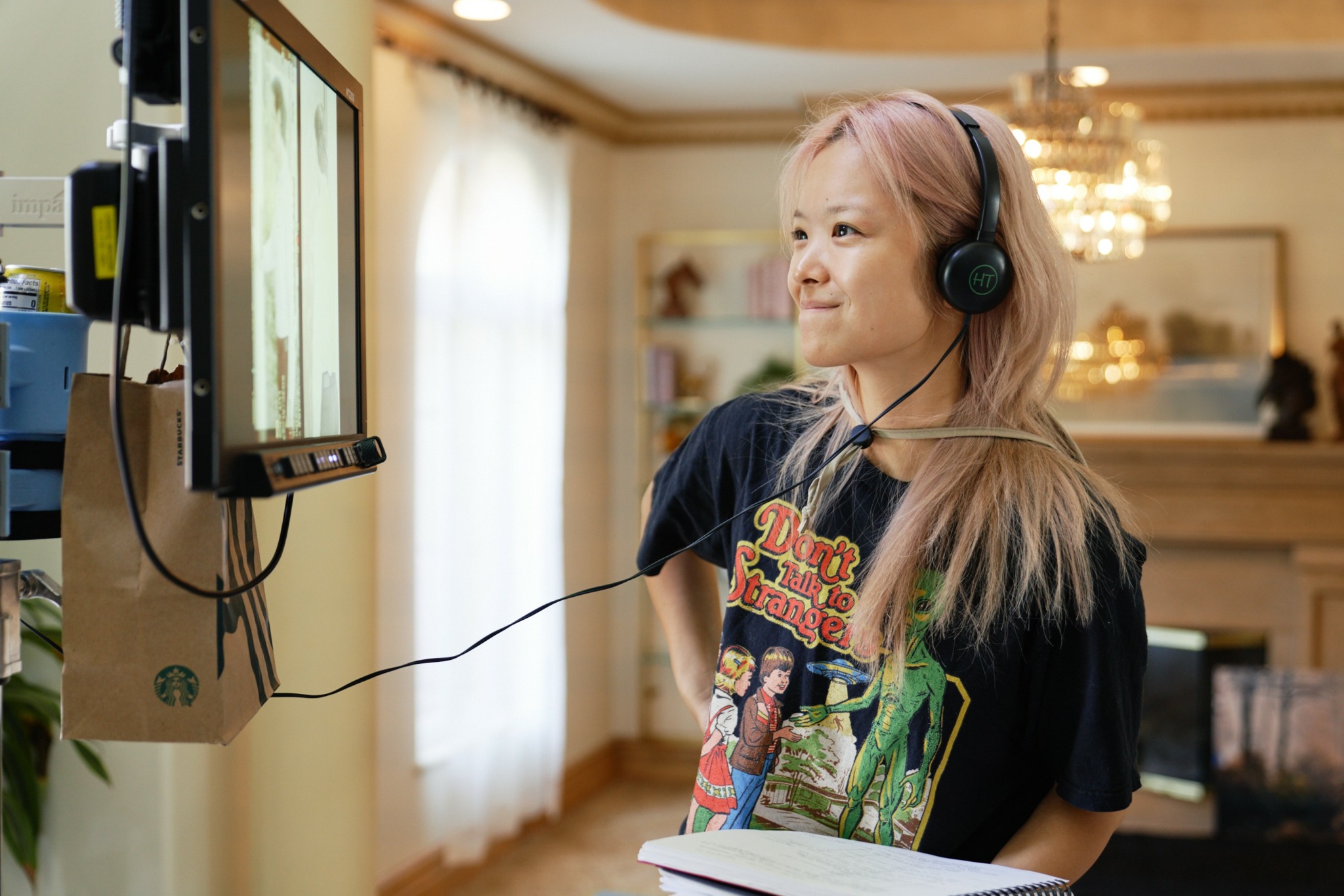
For those who may not be familiar with my work, I’m a Los Angeles-based director and producer, and the founder of Ahah Lava, a production company focused on vertical short-form drama.
I started my career in traditional filmmaking—working on short films, commercials, and music videos—which gave me a strong foundation in visual storytelling, performance direction, and production. Projects like Remorse, Terre d’Hermès, and Under My Feet helped me develop a style that balances emotional storytelling with strong visual language. But as I continued working, I became increasingly interested in how audience behavior was evolving, especially with the rapid growth of mobile viewing.
That curiosity led me into vertical storytelling.
At the time, vertical drama was still relatively new in the U.S., and I saw a gap: while the format was growing quickly, much of the content lacked the level of cinematic quality I was used to. I realized there was an opportunity to bring professional filmmaking standards into this emerging space. That’s how I transitioned into vertical drama and eventually founded Ahah Lava.
Today, my work focuses on directing and producing high-volume, high-quality vertical drama series for global platforms such as ReelShort, DramaBox, NetShort, and SnackShort. My team and I typically produce one to two series per month, combining efficient production systems with strong narrative design. These projects are designed for mobile-first audiences but still maintain a cinematic level of storytelling.
In terms of what we provide, we offer end-to-end production—from concept development and script localization to filming, post-production, and delivery. We specialize in creating emotionally engaging, fast-paced stories that resonate with international audiences. At the same time, we help platforms and partners solve a key challenge in today’s market: how to produce content at scale without sacrificing quality.
I think what sets me apart is my ability to bridge two very different worlds. On one hand, I come from a traditional film background, so I care deeply about storytelling, performance, and visual quality. On the other hand, I’ve built a system that allows us to move at the speed required by the vertical content market. That combination—cinematic quality plus scalable production—is not easy to achieve, and it’s something I’ve spent years refining.
Another important part of my work is cross-cultural storytelling. Many of our projects are designed for global audiences, so I focus a lot on how to adapt narratives, characters, and emotional beats across different cultural contexts while still keeping them authentic and engaging.
In terms of results, some of my projects have achieved strong performance across platforms. Got Pregnant with My Ex-Boss’s Baby has reached over 12 million views on YouTube and ranked No. 1 in revenue on SnackShort, while The Mafia Boss’s Runaway Bride has also generated millions of views globally. These outcomes reflect both audience connection and commercial success.
What I’m most proud of, though, is not just individual projects, but the system and team we’ve built. We’ve created a production model that allows us to consistently deliver content at scale while maintaining creative integrity. At the same time, we’ve contributed to the growth of the vertical drama industry in the U.S., creating opportunities for local crews, actors, and creatives.
Looking forward, what I want people to know about my work is that I’m not just making content—I’m helping shape a new way of storytelling. Vertical drama is still evolving, and I’m excited to be part of defining what that looks like on a global level.
What do you think helped you build your reputation within your market?
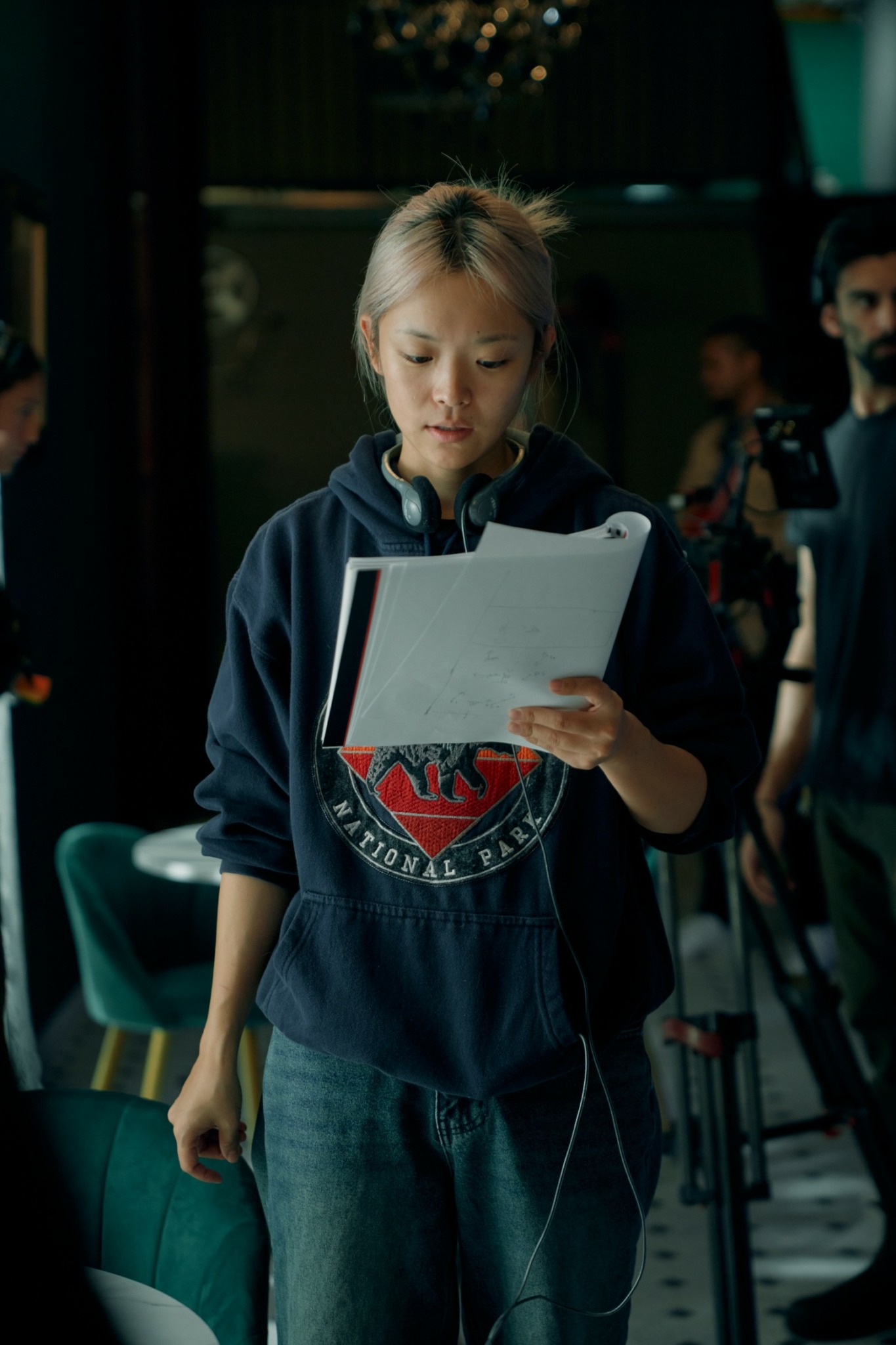
I think my reputation has really been built over time through a mix of consistency, adaptability, and real results.
From the beginning, I’ve always focused on how to capture the core emotional moments in a story—especially within limited time and budget—and then really amplify them. In vertical drama, things move fast, but for me, it’s always about making sure the emotional impact comes through clearly.
For every project, my team and I approach it differently. We design a shooting plan and creative direction that fits that specific story. For example, we’ll match each project with the right director and cinematographer, depending on the tone and genre. And when I’m directing, I’ll create a completely different visual style and performance rhythm for each series. That process helps us keep each project unique, even while producing at a high volume.
Adaptability is also a big part of it. This industry is evolving really quickly, so I spend a lot of time understanding audience behavior, platform trends, and how different markets respond to content. Whether it’s pacing, structure, or production workflow, I’m constantly adjusting based on what I learn.
And of course, results matter. Projects like Got Pregnant with My Ex-Boss’s Baby have reached over 12 million views on YouTube and ranked No. 1 in revenue on SnackShort, and The Mafia Boss’s Runaway Bride has also performed strongly across platforms. Those results help build trust with both audiences and industry partners.
At the end of the day, my reputation didn’t happen overnight. It’s really been about consistently delivering work, learning from each project, and building a way of working that can sustain that over time.
Is there mission driving your creative journey?
Yeah, definitely. This has always been a big part of what drives me creatively.
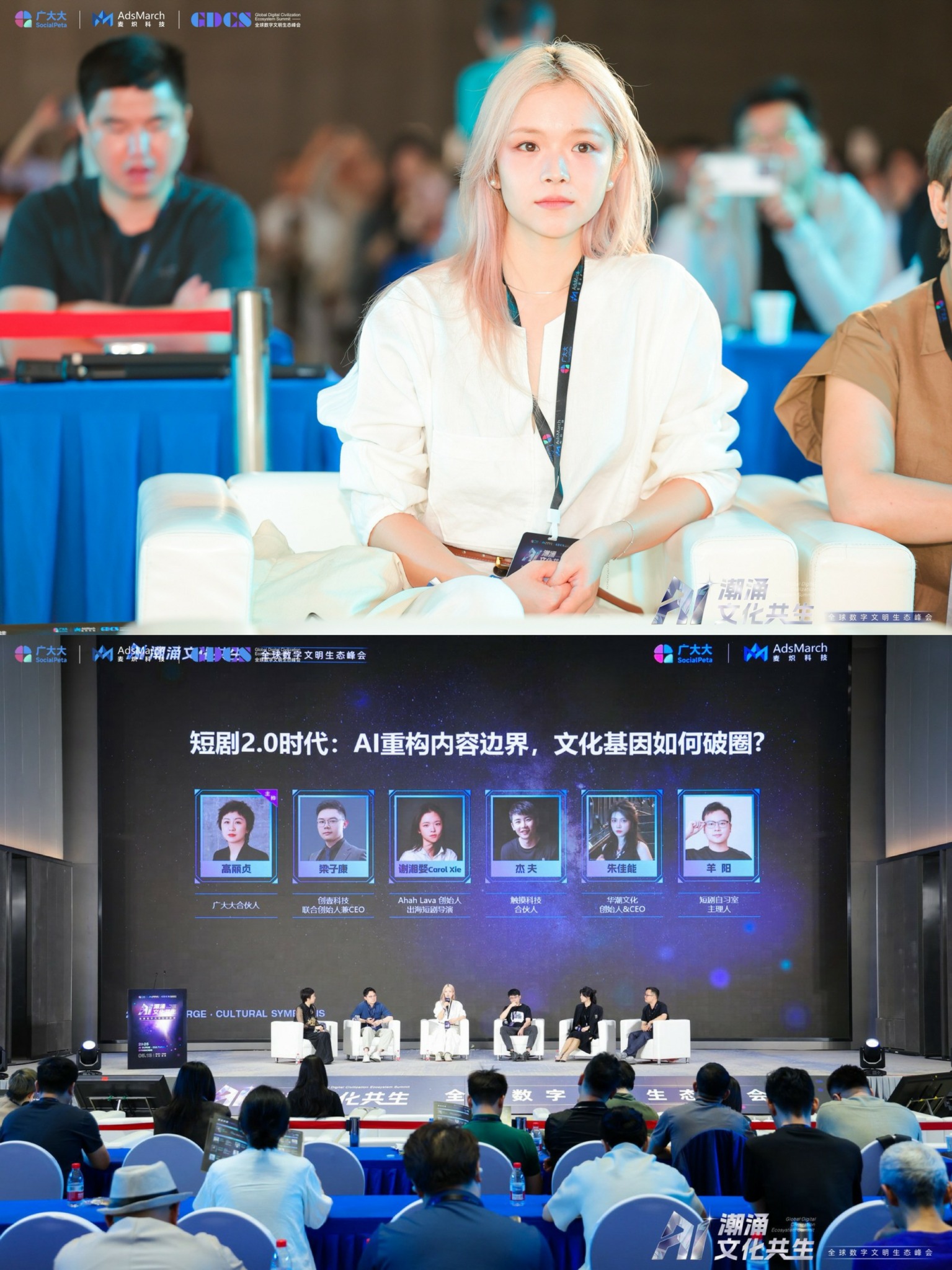
We’re in a moment where the way people watch content is changing really fast—especially on mobile. For me, micro-drama isn’t just a format, it feels more like a new language. It lets us tell stories in a way that’s much more direct and intimate. I’ve been really interested in how to use that to create stories that feel emotionally real, but can also connect with audiences from different cultures.
On a practical level, micro-drama also comes with its own rules. For example, you usually need tighter framing and brighter visuals, because that helps with how the content performs on platforms. Instead of seeing that as a limitation, I actually treat it as part of the creative process. I think a lot about how to design shots, camera movement, and visual language specifically for this format, and how to use those tools to push the emotion of a scene so it really lands with the audience.
Another thing I care a lot about is the story itself. One of the biggest issues people talk about with micro-drama is that the plots can feel repetitive or not very logical. So for me, I try to avoid repeating the same story beats and always look for fresh angles. Before we shoot, I spend time with the client and the actors building out character backstories and motivations, so every decision the character makes feels grounded, and the emotions don’t feel forced.
At the end of the day, I don’t see micro-drama as just a faster way to make content. I think it’s something that should be taken seriously as a storytelling format. My goal is to make work that people don’t just watch, but actually feel and remember.
Contact Info:
- Website: https://xangunosiren.wixsite.com/xiangwu
- Instagram: https://www.instagram.com/xiangwu_xie/?hl=en
- Other: Production company: https://www.instagram.com/ahah_lava/?hl=en
Standing sets studio in LA: https://www.instagram.com/film_stamp/?hl=en