

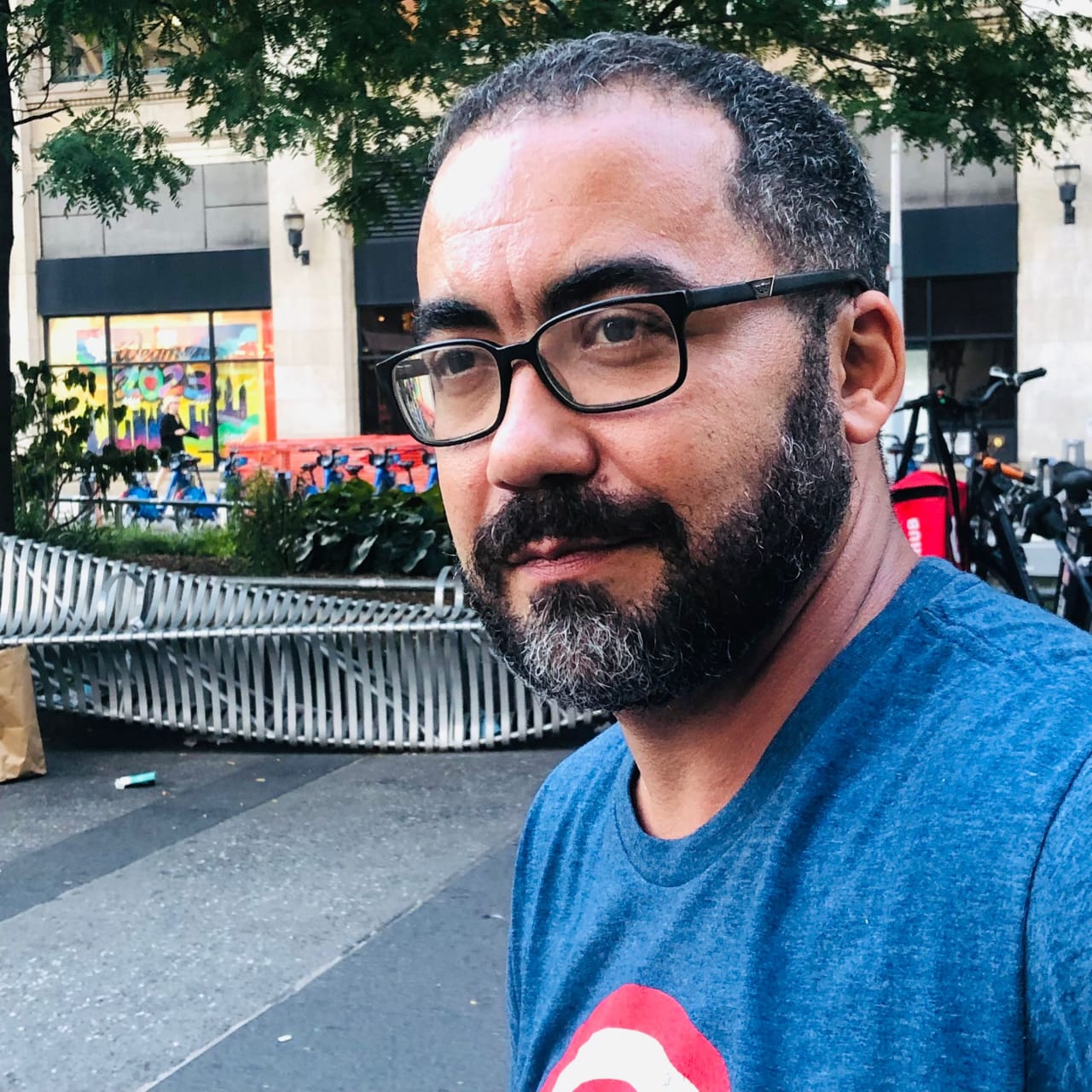

We were lucky to catch up with Xavier Dalencour recently and have shared our conversation below.
Xavier , thanks for joining us, excited to have you contributing your stories and insights. Did you always know you wanted to pursue a creative or artistic career? When did you first know?
In the beginning, I resisted the idea of becoming an artist. Though I always drew, painted, and wrote poetry, I didn’t want to be labeled as an artist at the time. My plan was to pursue a career in the corporate world.
The first time I knew I wanted to pursue an artistic path professionally wasn’t the result of a sudden realization, but rather the culmination of years of subtle immersion in art and creative expression. I was born into a family of teachers and intellectuals in Port-au-Prince, Haiti, and grew up surrounded by music and painting. My father, an amateur painter, taught me the basics of painting, and my aunt, a concert pianist, instilled in me a deep appreciation for classical music. Drawing filled my schoolbooks, but it never occurred to me at the time that art could become a vocation.
After completing my studies in management, social sciences, and political science in France, I returned to Haiti in 2007. By then, art had already taken up more and more space in my life, even though I hadn’t yet decided to commit to it fully. It was in the summer of 2004, during my time in Bordeaux, that I had my first solo exhibition at the Acoma Galery, thanks to the support of a painter and gallerist. The experience of seeing my work displayed in a gallery and engaging with the public stirred something within me—a realization that my passion for art went beyond a simple hobby.
The defining moment came during the 2010 earthquake in Haiti. I had planned a collective exhibition at the Ateliers Jérôme and contemporary and modern art galery in Petion-Ville, Haïti, but the devastation caused by the earthquake postponed everything. This forced pause gave me time to reflect. It became clear that art wasn’t just something I did in between other responsibilities; it was something I had to pursue wholeheartedly. Following this, I organized my first solo exhibit in Haiti at Villa Kalewès and co-founded Kolektif 509 in 2014, which deepened my commitment to not only creating art but also supporting other artists.
Since then, my creative journey has intertwined with my role as a curator, but the need to express my personal vision has never ceased. Each exhibition, each piece I create, feels like a continuation of that moment in 2010, when I decided that art wasn’t just something I enjoyed—it was the path I was meant to walk.
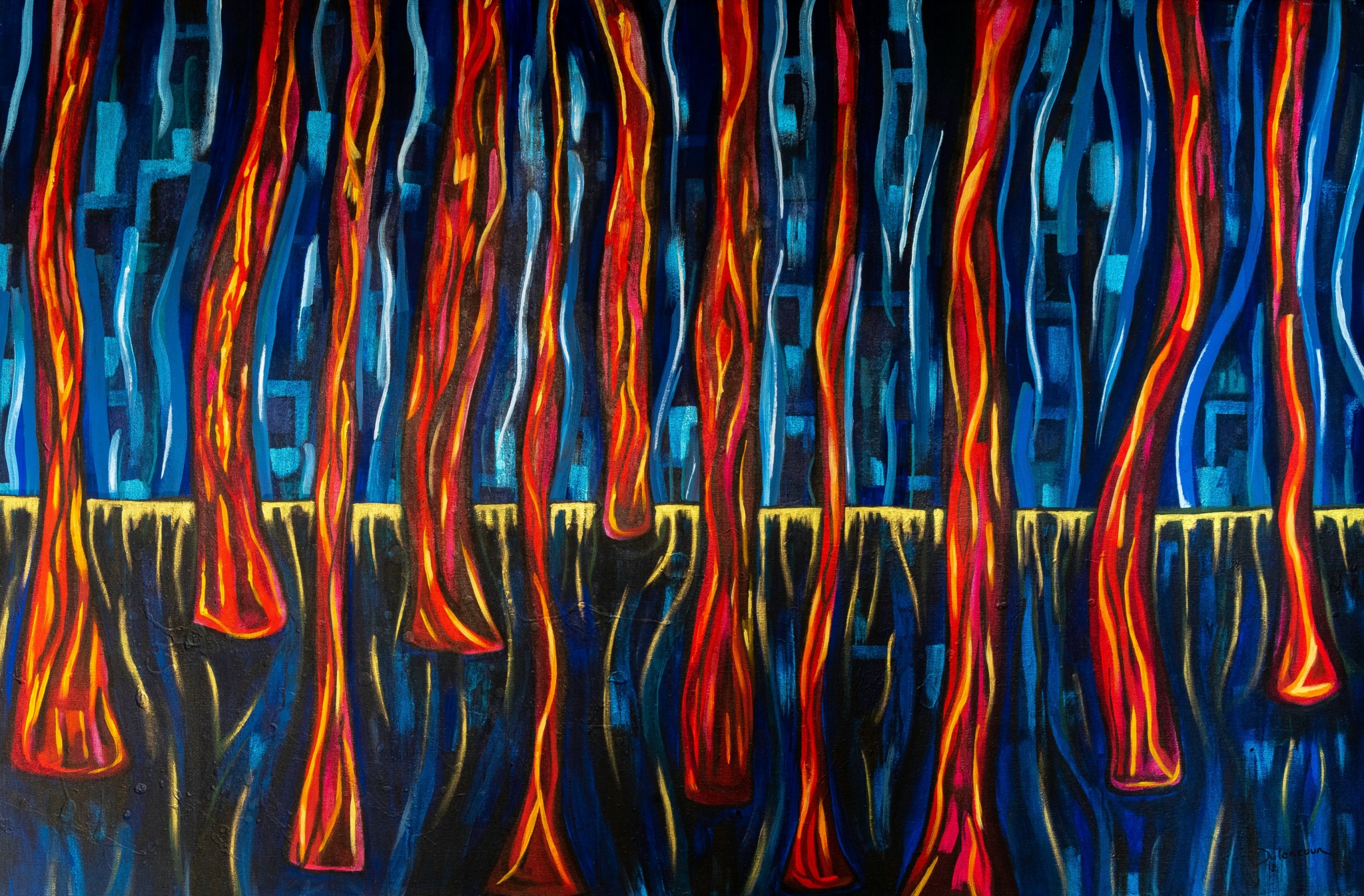
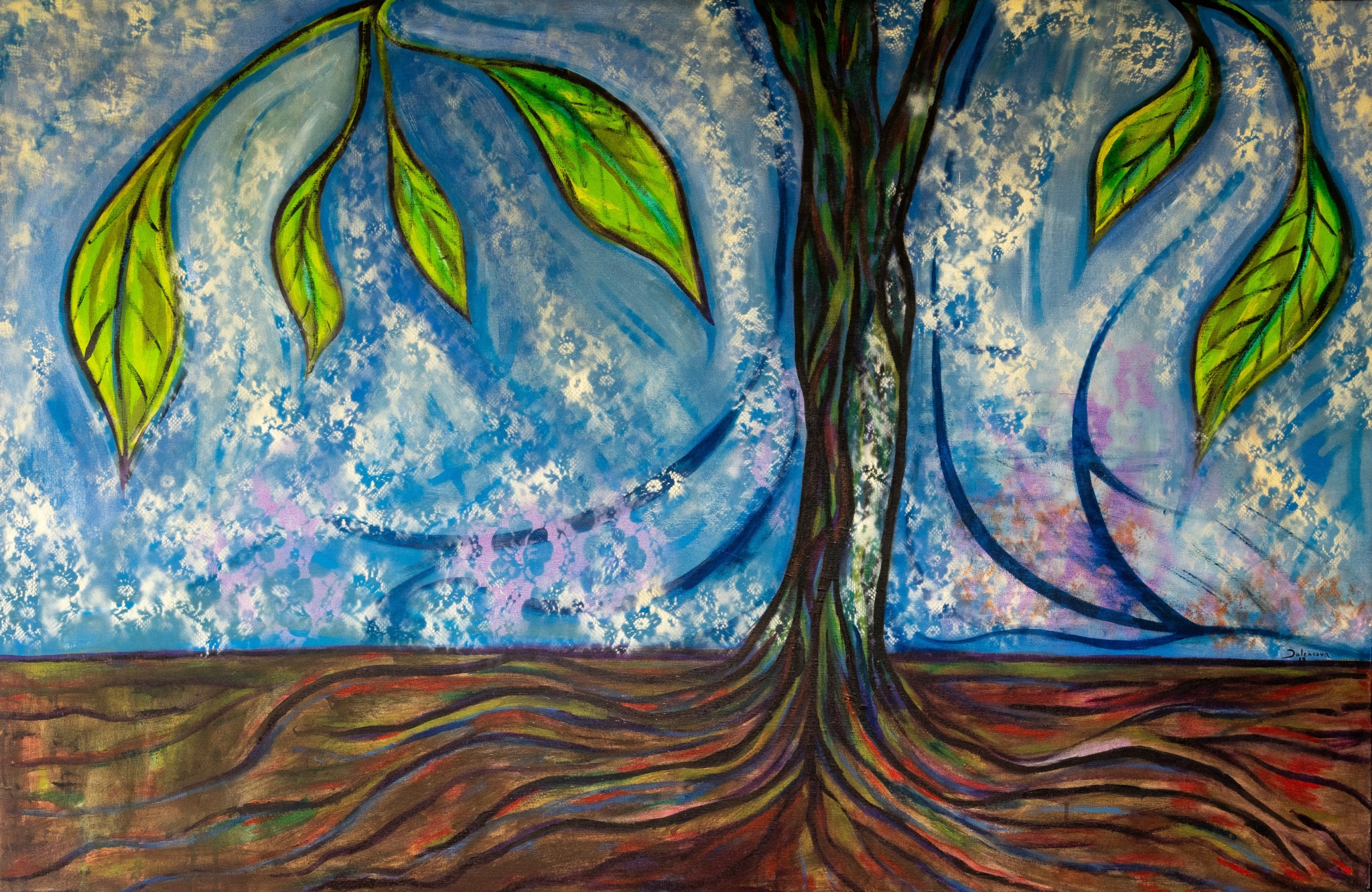
Great, appreciate you sharing that with us. Before we ask you to share more of your insights, can you take a moment to introduce yourself and how you got to where you are today to our readers.
I am a Haitian- French artist, curator, and writer, born in Port-au-Prince on February 17, 1981, into a family of teachers and intellectuals. I started drawing at an early age in my notebooks and schoolbooks; drawing and painting have inhabited my life without the thought of an artistic vocation ever arising. After finishing high school in 2000, I naturally turned to studies in management and social sciences at the University of Bordeaux from 2000 to 2007, where I completed a master’s degree in political science, a master’s degree in geography, and business administration. I did not complete my doctoral thesis in political science/international relations, partly due to the realities of life and the increasingly important role that painting and art in general occupied in my life.
My journey as an artist is deeply intertwined with the cultural and social challenges faced by my community. Following the earthquake, I not only focused on my own artistic expression but also took significant steps to support fellow Haitian artists through the establishment of Kolektif 509. This collective serves as a platform for emerging artists, helping them find their voice in a time of national crisis. My work often reflects the fragmentation of identity and the struggles of Haitian society, making art a powerful means of processing trauma and advocating for resilience.
Due to the weakness of the Haitian art market and the difficulty of showcasing my personal work and that of the Kolektif 509 artists abroad, I have had to manage various jobs in the petroleum industry, marketing consulting, and eventually as a teacher of geopolitics, geography, and economics. In addition to my artistic practice, I authored a bilingual book titled “Kolektif 509: A Haitian Contemporary Art Experience,” further amplifying the narratives of Haitian artists and contributing to the dialogue surrounding contemporary Haitian art.
My mission in life is to shine a light on Haitian and Caribbean artists and creatives, documenting their work and showcasing a part of the art world that has been neglected for years.
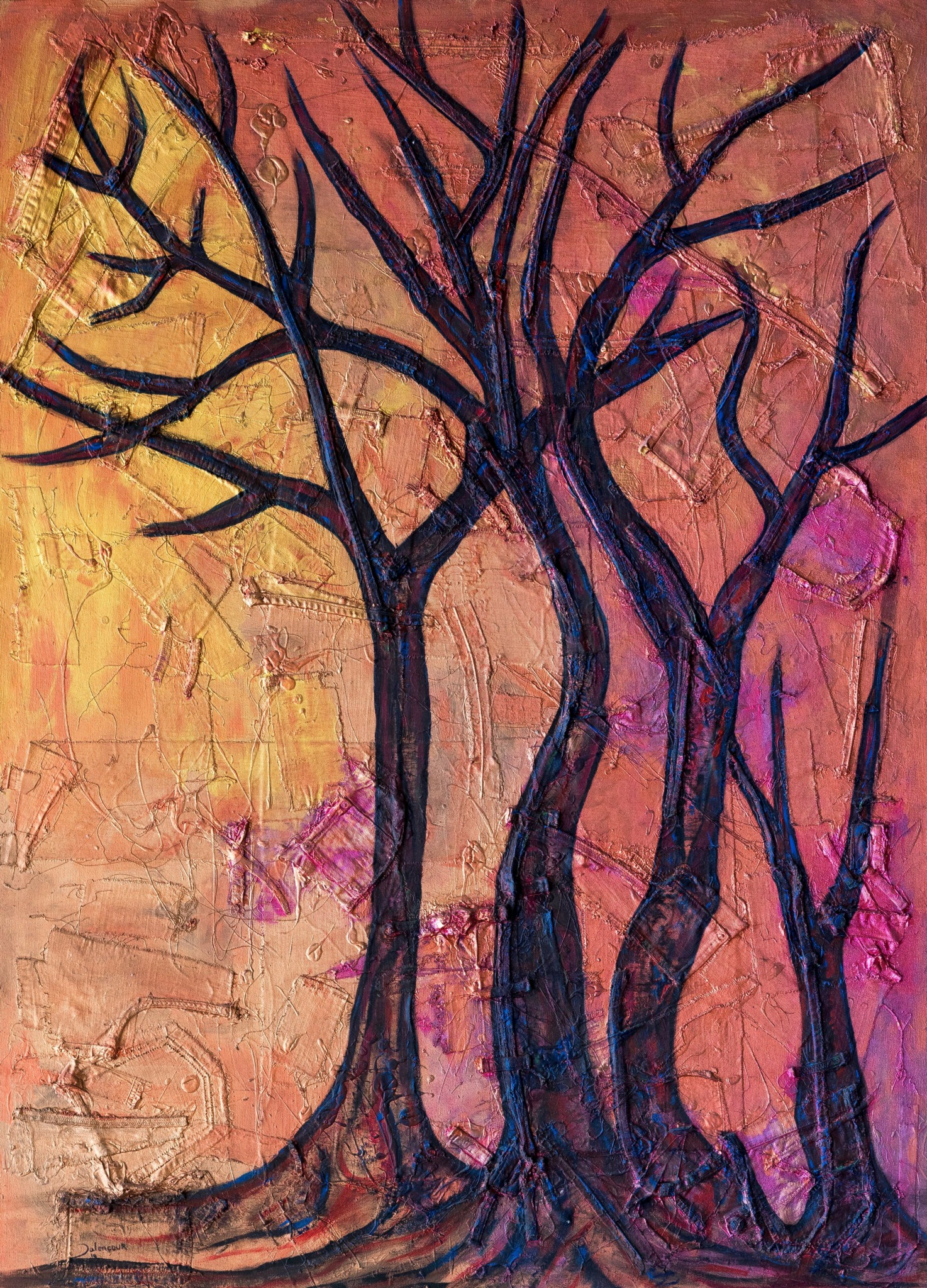
In your view, what can society to do to best support artists, creatives and a thriving creative ecosystem?
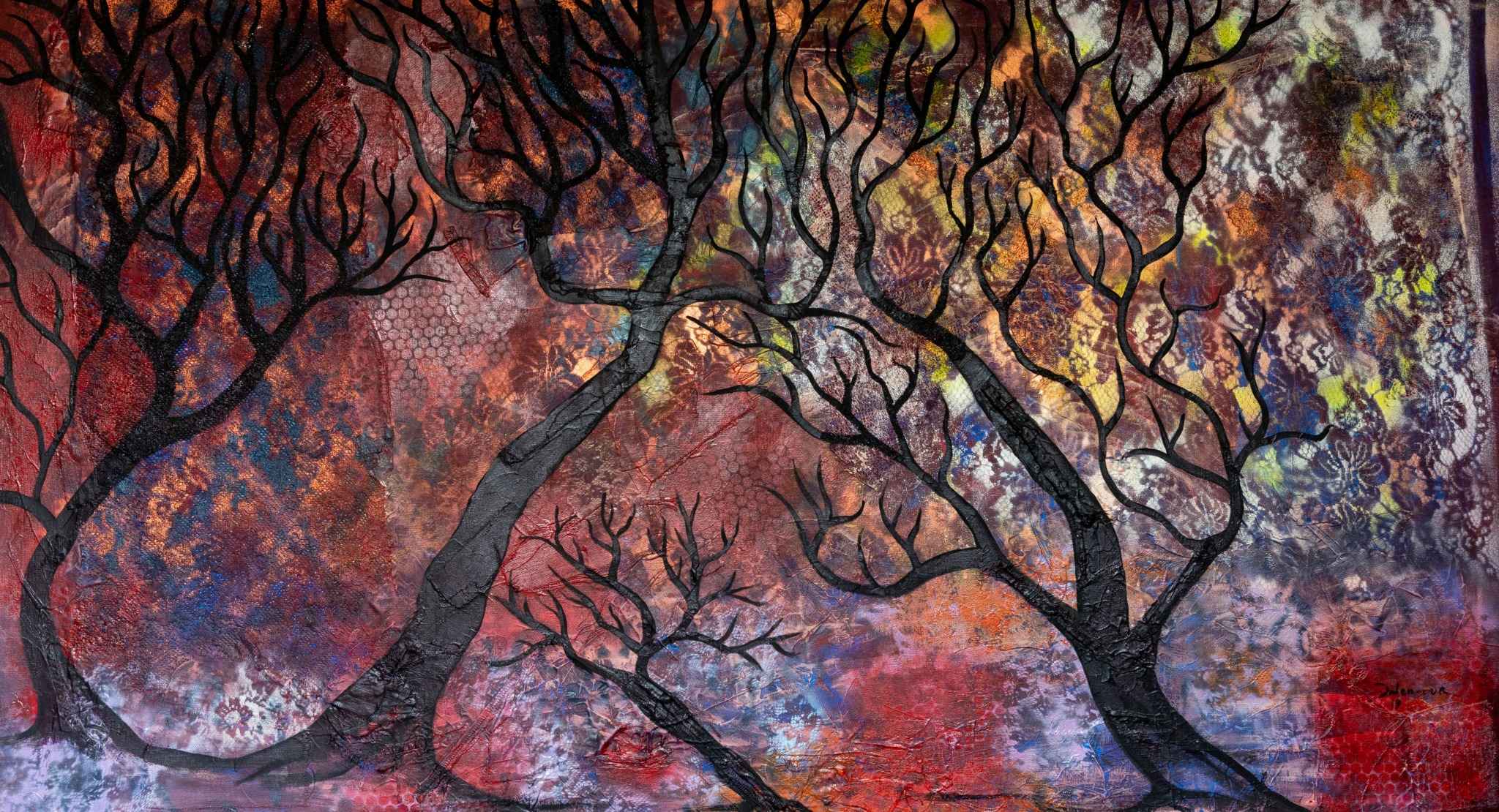
In my view, society can best support artists and a thriving creative ecosystem by recognizing the vital role that art plays in shaping culture, inspiring change, and fostering human connection. First and foremost, it’s crucial to create spaces where artists can experiment and express themselves freely. This could involve more government and private sector funding for the arts, ensuring that both emerging and established artists have access to the resources they need to create without financial constraints. They should be able to receive this support at the start of their careers, not only once they have already gained artistic and social recognition.
Additionally, arts education should be prioritized, starting from a young age. By incorporating creative thinking and artistic practices into school curriculums, society can nurture the next generation of artists, collector and foster a deeper appreciation for the arts among the general public. Public institutions, galleries, and cultural organizations also play a key role in providing platforms for diverse voices, particularly those from underrepresented communities.
In my own experience in Haiti, through the Kolektif 509, I’ve seen how collaboration and community-building are crucial. When artists come together and have the chance to exchange ideas and collaborate, the creative ecosystem strengthens. Therefore, society should encourage and fund initiatives that foster such collaboration, whether locally or globally.
Finally, beyond financial support, it’s important to cultivate a culture that values the contributions of artists not only as creators of beauty but as critical thinkers who challenge norms and provide new perspectives. Recognizing the intellectual and emotional labor behind artistic production is essential in creating a sustainable and thriving creative ecosystem.
Can you share a story from your journey that illustrates your resilience?
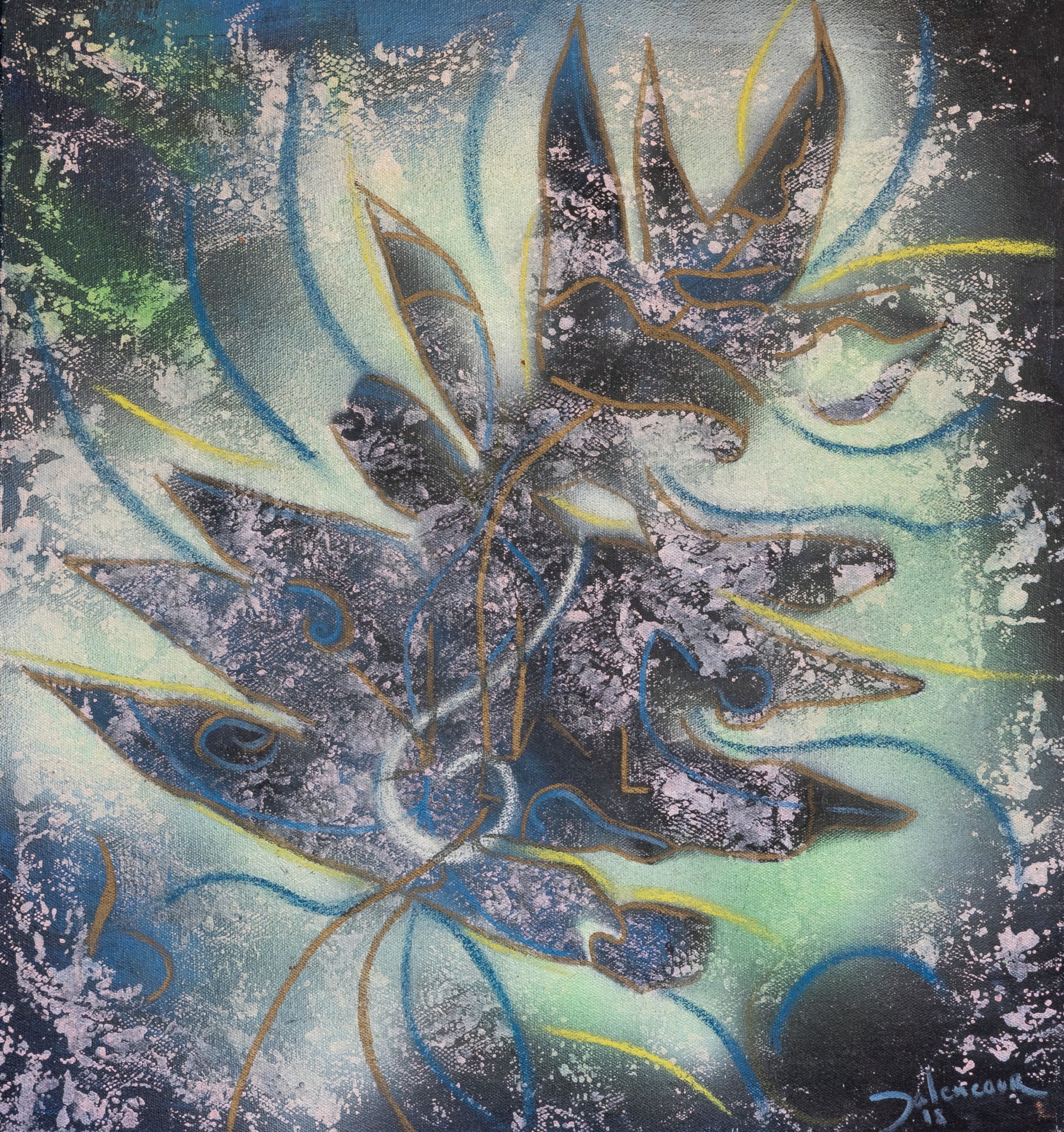
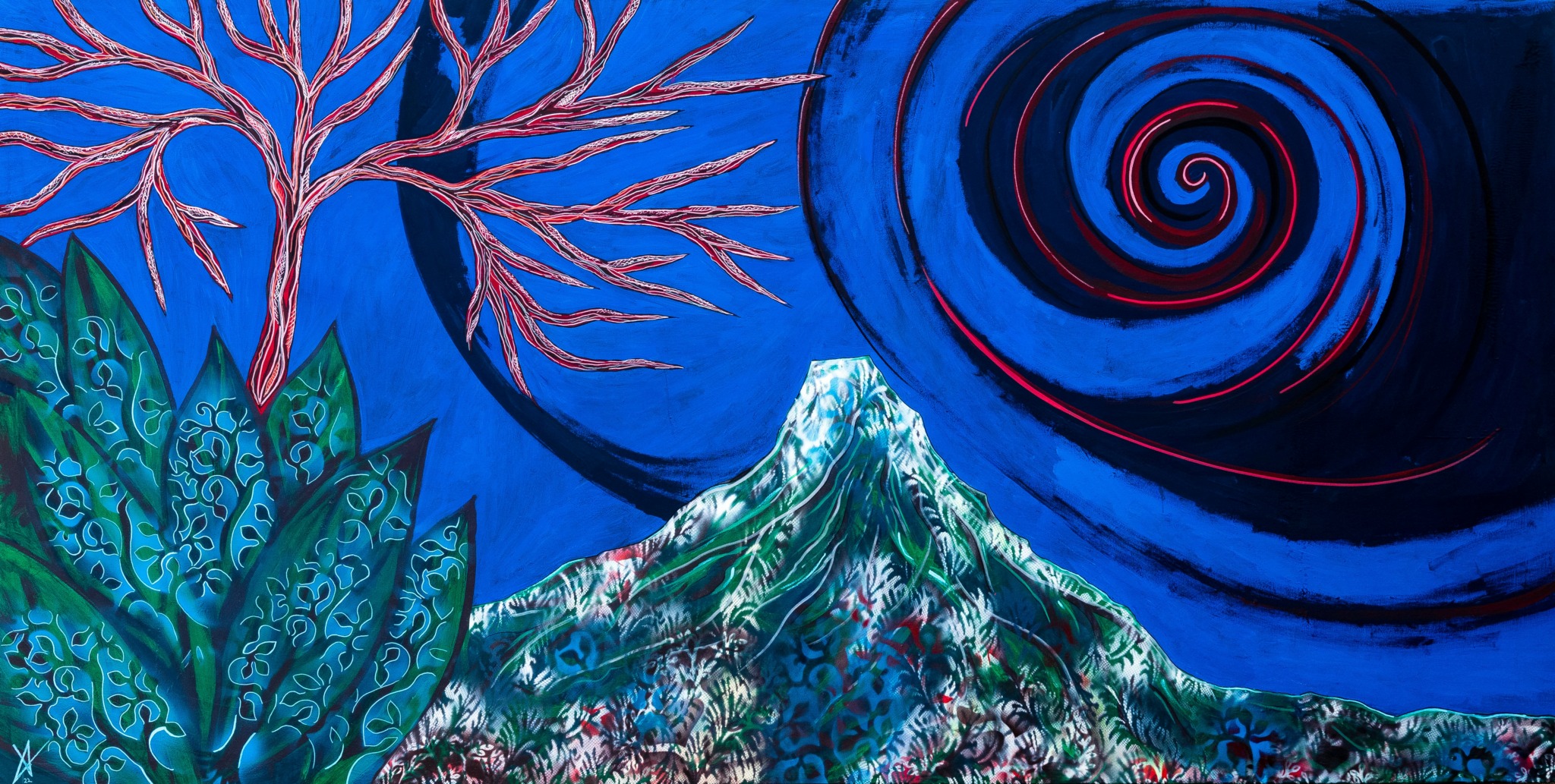
One story that illustrates my resilience as an artist occurred in 2010, following the devastating earthquake that shook Port-au-Prince and Haiti. On the very day of the earthquake, I had finalized plans for an exhibit at the Ateliers Jérôme gallery, focused on the theme of “Masks / Faces,” an exploration of identity. We were supposed to open the exhibit in February, but everything collapsed in an instant. The earthquake not only destroyed physical structures but also the cultural life of the city. In the face of such overwhelming tragedy, it became nearly impossible to focus on creative expression. However, I felt an internal calling to give voice to the pain around us, leading me to organize my first solo exhibition in Haiti at the Villa Kalewès. This act of defiance was a way to reclaim our creative space, and the artworks I displayed reflected the fragmentation in my life and that of my country.
Resilience also means rebuilding our creative community. After the earthquake, I realized it was essential to create a platform for other struggling Haitian artists, leading to the birth of Kolektif 509. Despite the ongoing political instability and economic hardships, we managed to organize exhibitions and elevate emerging artists, contributing to the rebirth of Haitian contemporary art. My journey hasn’t been easy, but resilience involves adapting and transforming pain into creative expression. My art tells a story of growth, reflecting our struggles and affirming that creativity can thrive even in the most adverse conditions.
In recent years, violence in Haiti has reached unbearable levels, forcing me to leave my home. This displacement was both physical and emotional, as I left behind not only my country but also a piece of myself. My work has increasingly become a space to process this trauma, with violence now central to my art. Through my paintings, I confront the chaos and scars left by Haiti’s ongoing crisis. Each stroke on the canvas carries the weight of my experiences—the sounds of gunfire, the uncertainty of survival, and the faces of the lost. Even living far from Haiti, the weight of violence influences my creative process, shaping the stories in my work. Through my art, I aim to bear witness to this ongoing crisis, despite the distance.
Contact Info:
- Website: https://www.xavierdalencour.com
- Instagram: @xavier_dalencour
- Facebook: @XavierDalencour
- Linkedin: https://www.linkedin.com/in/xavier-dalencour-6a384424/
- Twitter: @xavierdalencour
- Other: This is the link to purchase my book ” Kolekktif 509, Une experience Haïtienne d’art contemporain – a Haitian contemporary art experience” a bilingual édition in French and English.
https://splogisticsglobal.com/products/kolektif-509-a-haitian-contemporary-art-experience
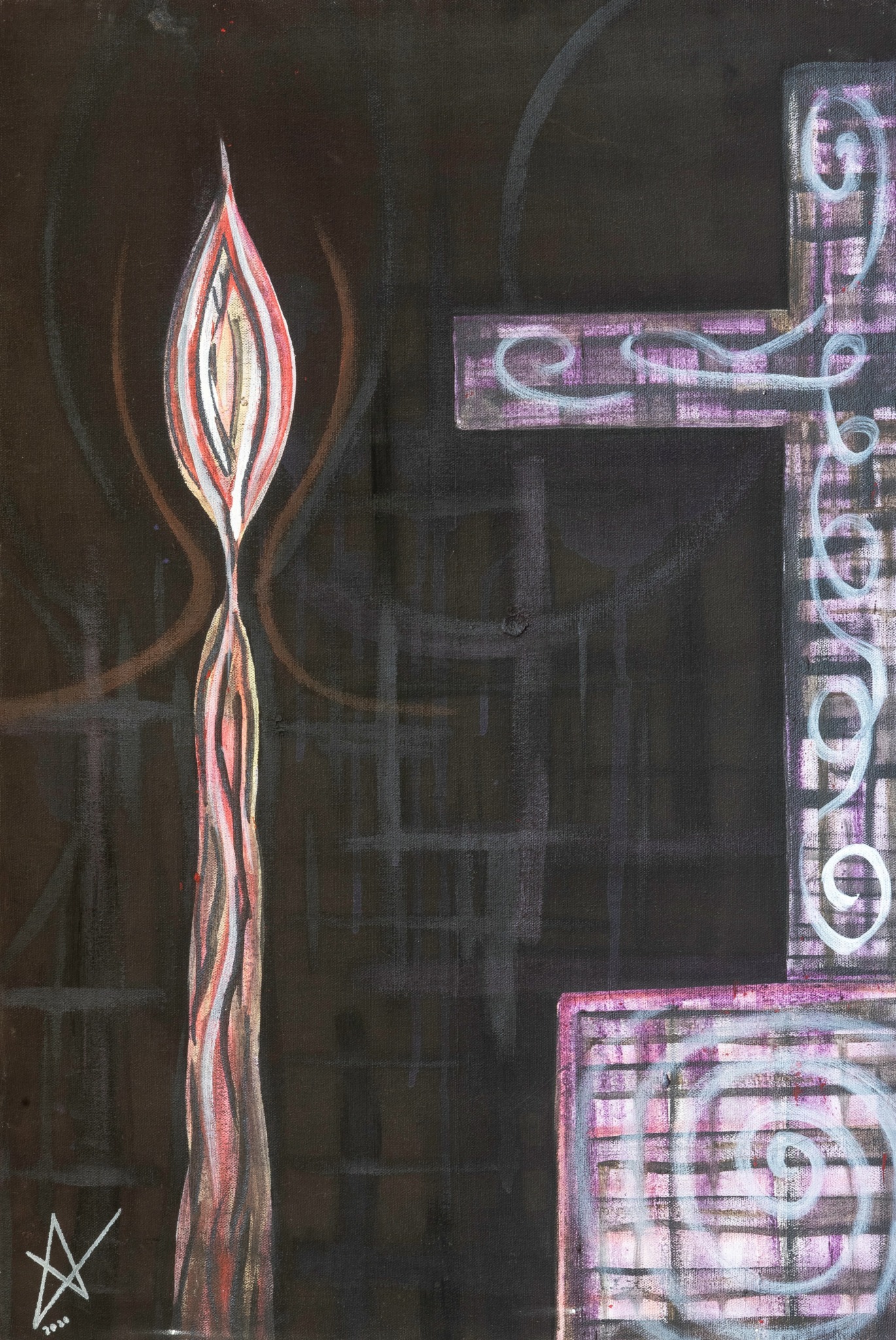
Image Credits
Marc Lee Steed