

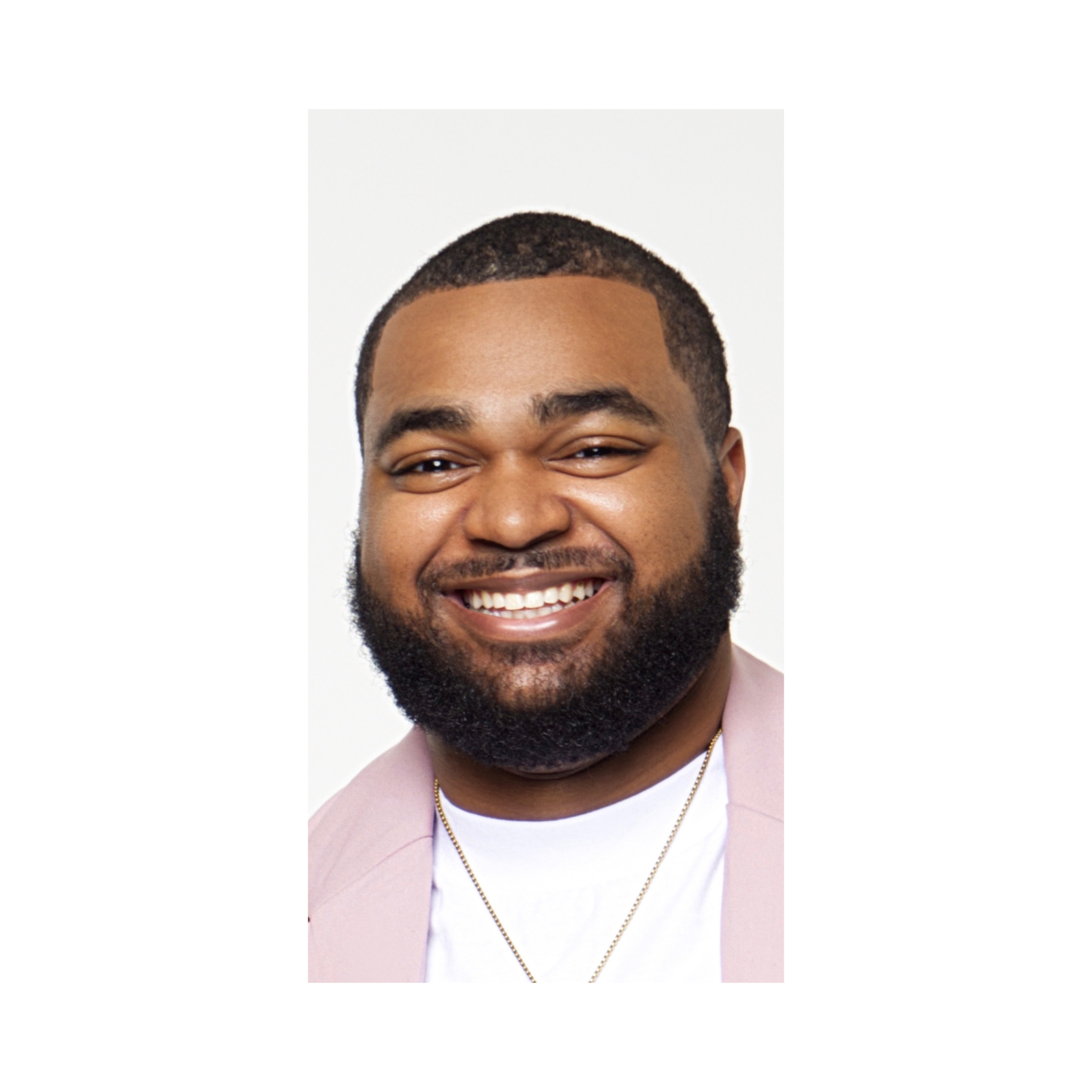

We were lucky to catch up with William Harris recently and have shared our conversation below.
William, looking forward to hearing all of your stories today. What’s been the most meaningful project you’ve worked on?
one of the most meaningful projects I’ve worked on was helping local businesses and creators completely reshape how they presented themselves online through visual storytelling and branding.
What made it meaningful wasn’t just the photography or content creation itself — it was the circumstances around it. A lot of the people I worked with were incredibly talented but overlooked. Barbers, small restaurant owners, artists, nightlife brands, and entrepreneurs who had the skill, work ethic, and vision, but their online presence didn’t reflect the quality of what they actually offered. In today’s world, perception is often the first opportunity someone gets, and many of these businesses were losing customers before people even walked through the door.
I started noticing how much stronger engagement became when businesses invested in intentional visuals instead of random phone uploads. So I began building content that felt cinematic, personal, and authentic — short-form videos, lifestyle shoots, branded imagery, event coverage, and social media strategy designed to make people feel something immediately.
One project that stood out was working with local service businesses that relied heavily on word-of-mouth but struggled digitally. After revamping their visuals and helping create a more premium identity online, they started getting more inquiries, more bookings, and stronger customer trust. Seeing someone go from “trying to survive” to genuinely believing in their own brand again made the work feel bigger than content creation.
It became meaningful to me because it blended creativity with impact. I wasn’t just making photos or videos — I was helping people see value in themselves and their businesses in a new way. A lot of entrepreneurs pour everything into their craft while doubting whether anyone notices. Helping change that narrative, even in small ways, stuck with me.
That experience also taught me that storytelling is powerful when it’s rooted in authenticity. The best projects weren’t always the biggest or most polished — they were the ones where trust was built, confidence grew, and people felt seen.
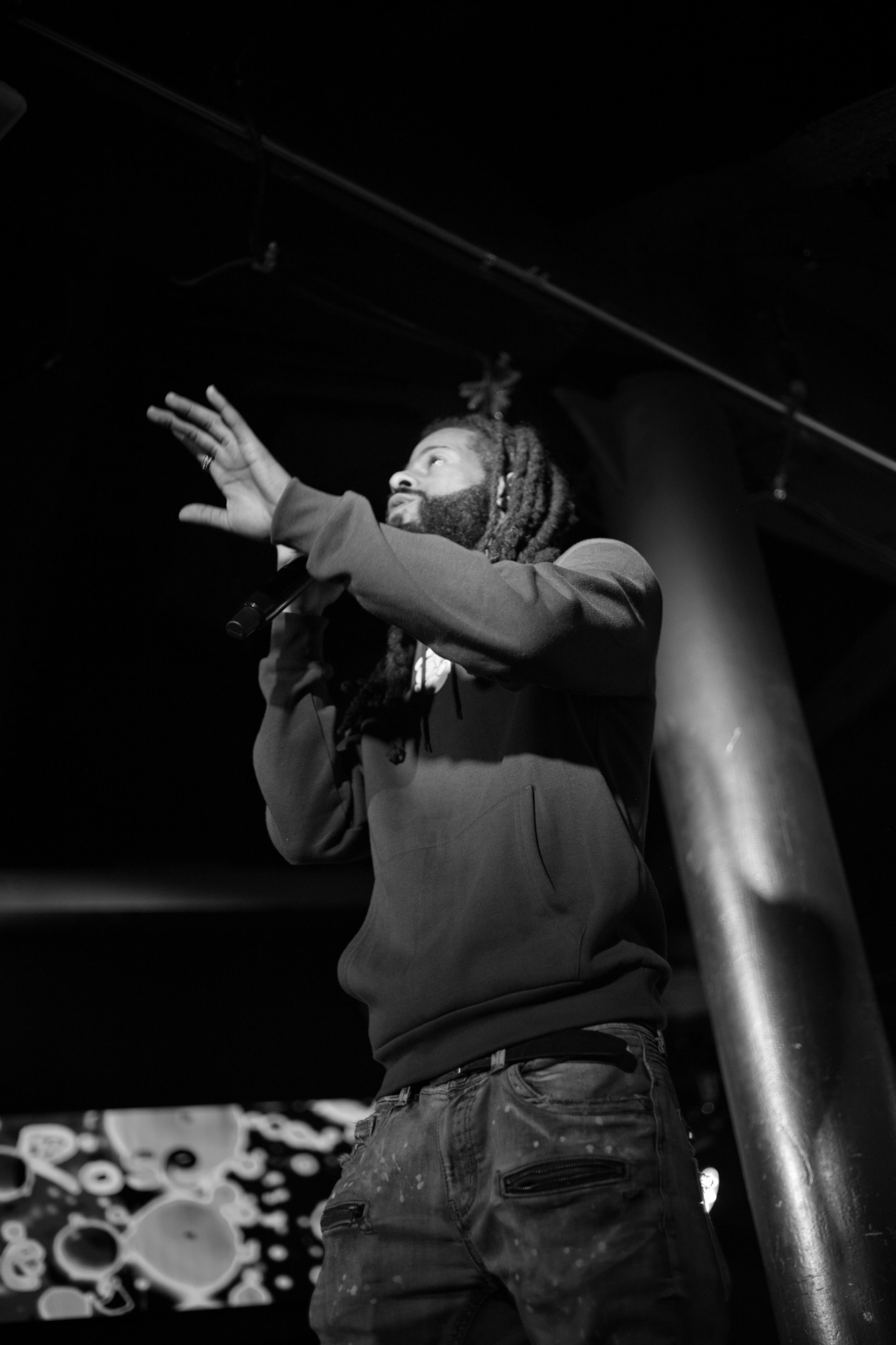
Great, appreciate you sharing that with us. Before we ask you to share more of your insights, can you take a moment to introduce yourself and how you got to where you are today to our readers.
I’m a visual storyteller and content creator focused on helping individuals and businesses turn their ideas, services, and identities into strong, compelling brands people actually connect with.
I got into this space pretty naturally at first — just through a curiosity for visuals and how much they influence perception. I started paying attention to how certain businesses and creators were able to stand out immediately online, even before someone experienced their product or service. At the same time, I noticed how many talented people around me weren’t getting the attention they deserved simply because their visuals didn’t reflect the quality of their work. That gap is what pulled me deeper into this industry.
What started as experimenting with photos and short-form videos turned into a full creative direction and branding focus. I began helping local businesses, entrepreneurs, and creators build more intentional content — not just random posts, but structured visual identities that tell a story. Over time, that evolved into offering services like content creation, brand visuals, lifestyle shoots, promotional videos, social media content strategy, and on-location storytelling for events and businesses.
What I really do is solve a perception problem. A lot of clients don’t need to change their product — they need to change how people experience it before they even walk through the door. I help bridge that gap between what they offer and how it’s perceived online. That means creating content that builds trust quickly, captures attention, and makes people feel something about a brand immediately.
What sets my work apart is the focus on authenticity and intentional storytelling. I’m not interested in overly staged or generic content. I try to build visuals that feel real, lived-in, and aligned with the identity of the person or business I’m working with. Every project is different because every brand has its own personality — and my job is to bring that out clearly and consistently.
I’m most proud of the impact behind the work. Seeing a business go from struggling with visibility to getting more engagement, more bookings, or more confidence in their own brand is what matters most to me. It’s not just about making something look good — it’s about helping people feel seen and helping their audience finally understand their value.
For anyone discovering my work for the first time, I’d want them to know this: I care about building things that last beyond trends. My goal isn’t just to create content that gets attention in the moment, but to help build a brand presence that actually grows with you. I’m focused on clarity, storytelling, and making sure your work is represented in a way that feels true to who you are and what you offer.
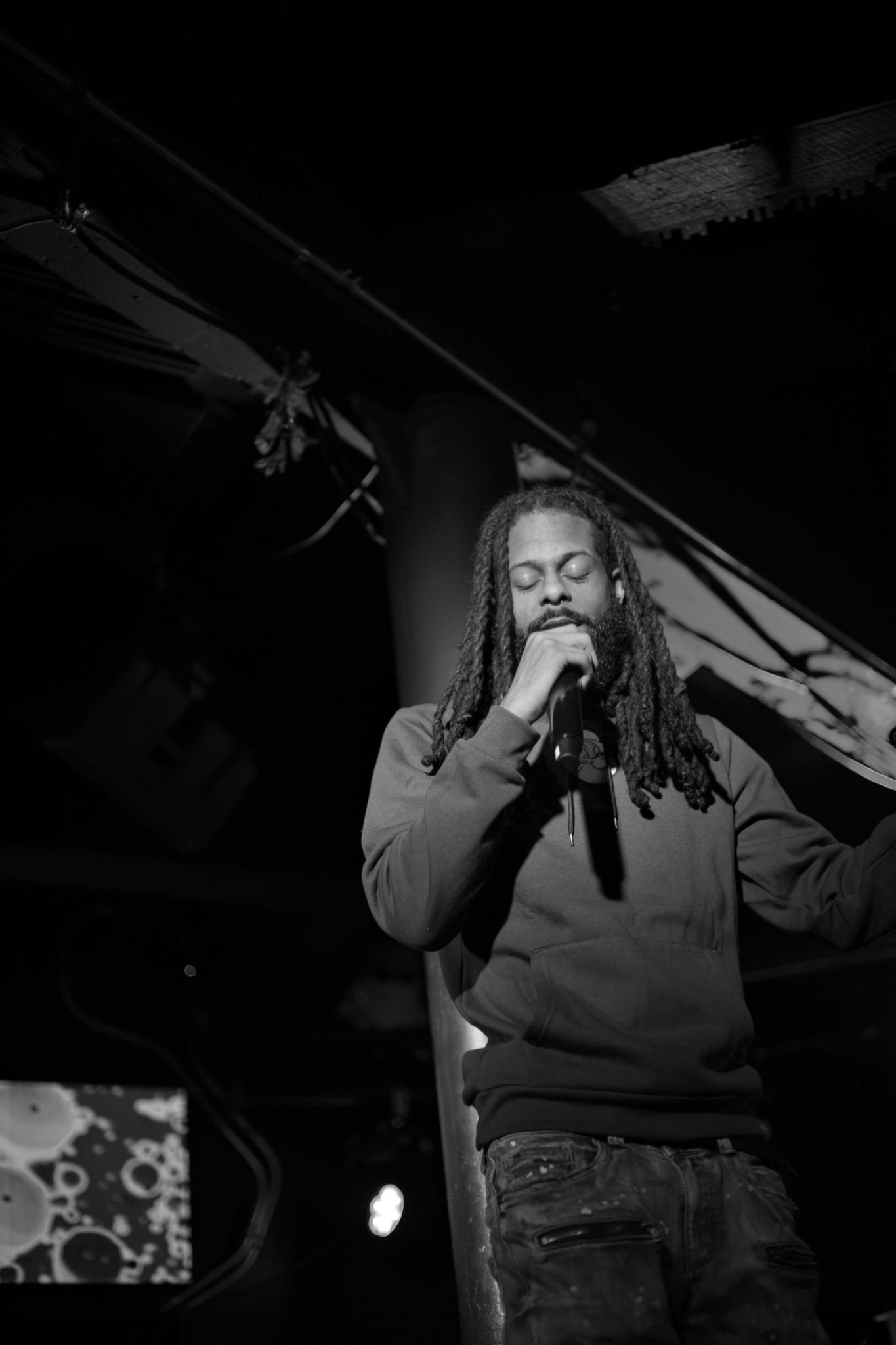
Learning and unlearning are both critical parts of growth – can you share a story of a time when you had to unlearn a lesson?
One lesson I had to unlearn is that “working harder automatically means you’re building something better.”
For a long time, I equated progress with constant output — more shoots, more edits, more posting, more saying yes to everything. The mindset came from wanting to prove myself and make things work quickly. I thought if I stayed busy enough, the results would eventually match the effort.
The backstory is pretty simple: early on, I’d take on anything I could get my hands on. I didn’t always filter projects based on alignment or long-term value — I just focused on staying active and building experience. That did help me improve technically, but it also led to burnout and scattered results. Some projects didn’t reflect the direction I actually wanted to grow in, and my creative energy started getting split in too many ways.
The shift happened when I started noticing that my best work wasn’t coming from the busiest seasons — it was coming from the most intentional ones. The projects where I slowed down, planned more, and actually focused on storytelling instead of just output were the ones that got the strongest response.
I had to unlearn the idea that being constantly busy equals being successful. Instead, I started focusing more on selectivity — choosing projects that align with my style, the type of clients I want to serve, and the level of quality I want to be known for. That meant saying no more often, which wasn’t easy at first, but it changed everything.
Now I look at my work differently. It’s less about volume and more about clarity, consistency, and impact. I’d rather build something meaningful and well-executed than rush through a hundred things that don’t reflect my best work.
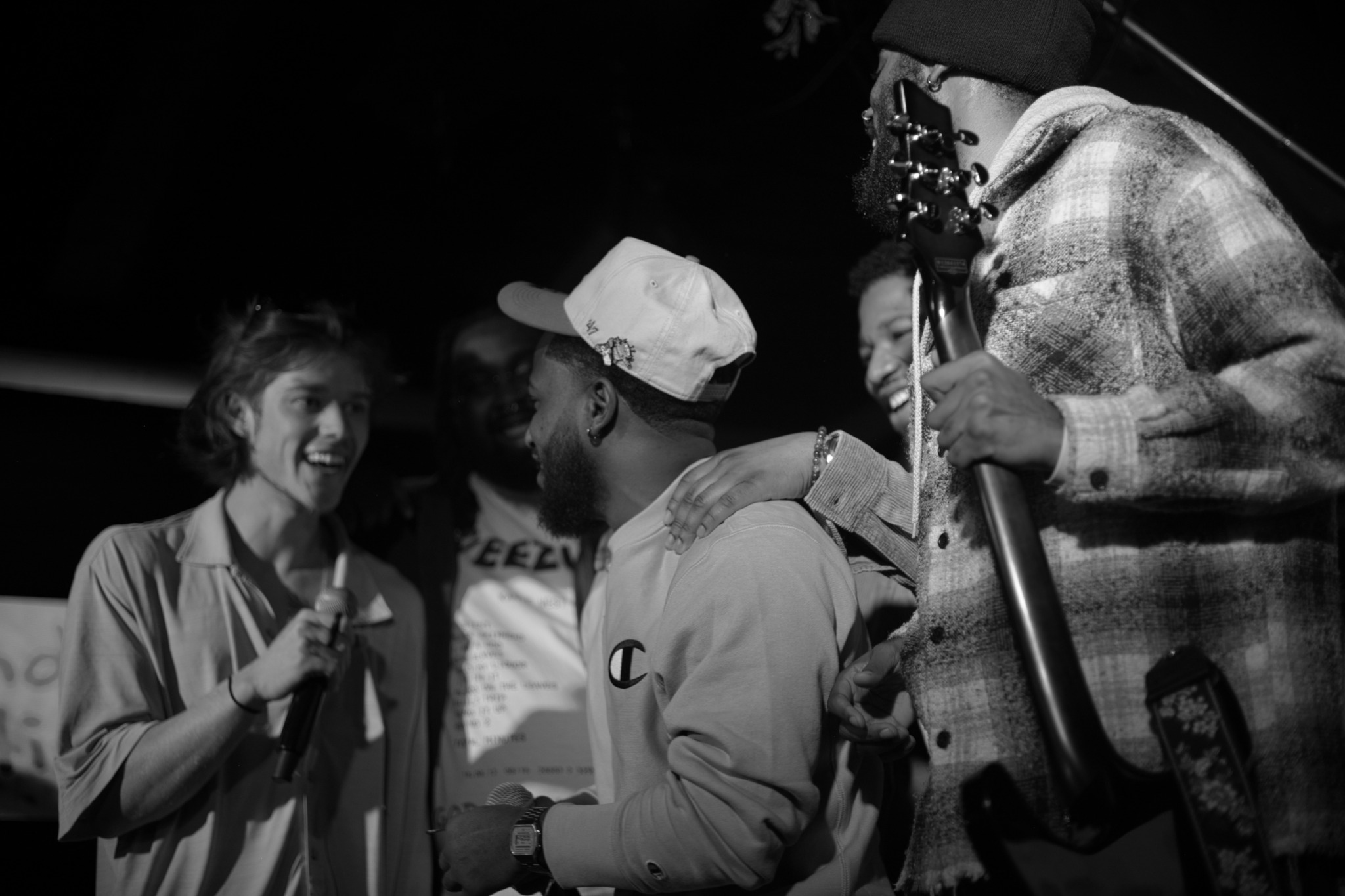
For you, what’s the most rewarding aspect of being a creative?
The most rewarding aspect of being a creative is seeing an idea turn into something that actually changes how people feel or how they see something.
It starts as something abstract — a thought, a mood, a concept — and then you slowly shape it through visuals, timing, sound, or storytelling until it becomes real. That process alone is satisfying, but the deeper reward is when it connects with someone else in a meaningful way.
A lot of the work I do is about perception — helping a person or business be seen more clearly and more intentionally. So when a client tells me their bookings increased, or their audience finally “gets” what they do, or they feel more confident sharing their brand, that’s the part that sticks. It’s not just about likes or views — it’s about recognition and alignment.
There’s also something rewarding about growth that isn’t always visible at first. Every project teaches you something — how to communicate better, how to refine your eye, how to understand people more deeply. Over time, you start to realize your craft is also shaping how you think, not just what you create.
But honestly, the biggest reward is freedom of expression. Being able to take an idea from your mind and turn it into something tangible that didn’t exist before — and knowing it might inspire, influence, or help someone else — that’s what makes it worth it.
Contact Info:
- Instagram: https://www.instagram.com/william_harris_photography/
- Youtube: https://www.youtube.com/@Willphoto247
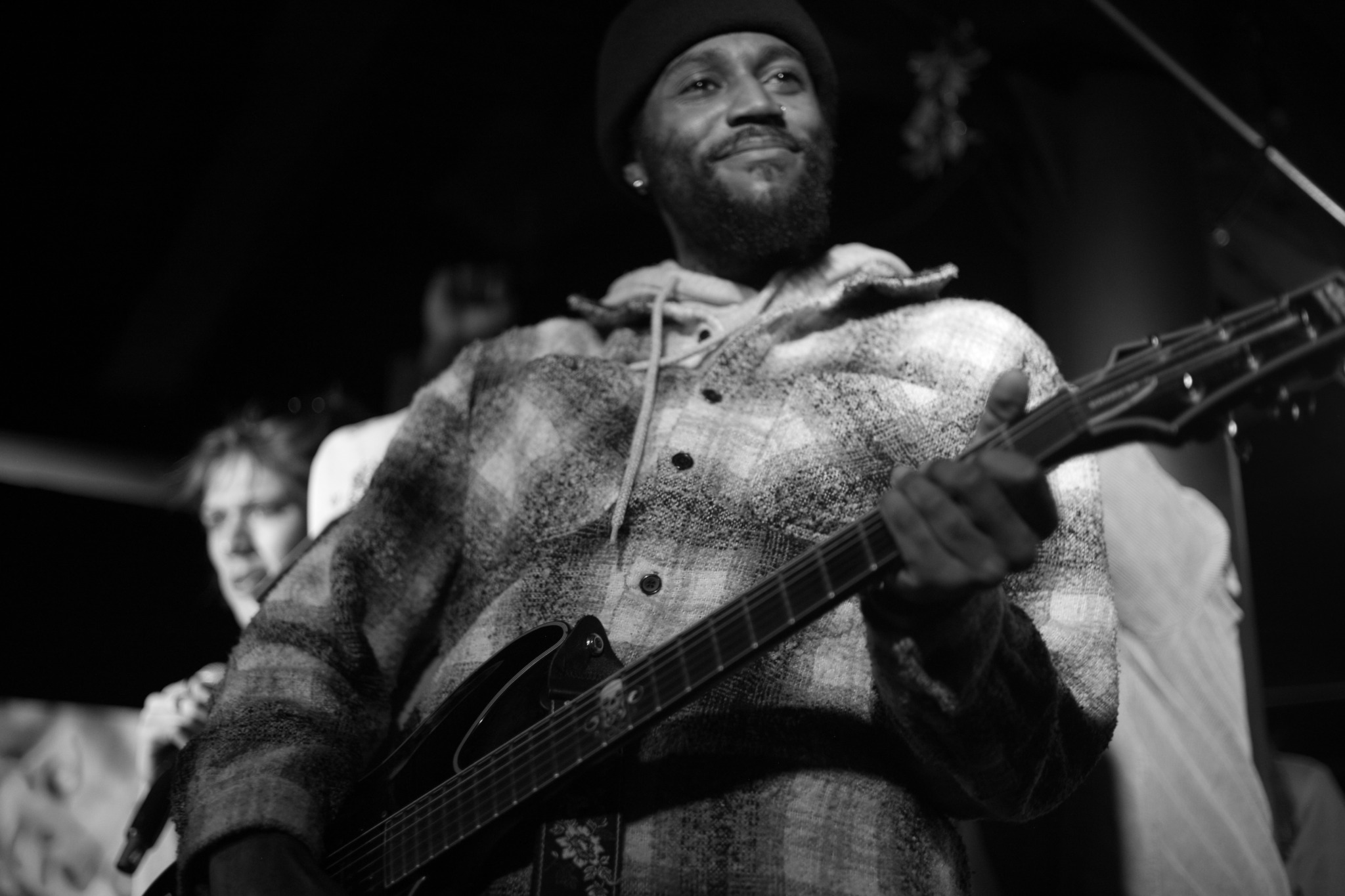
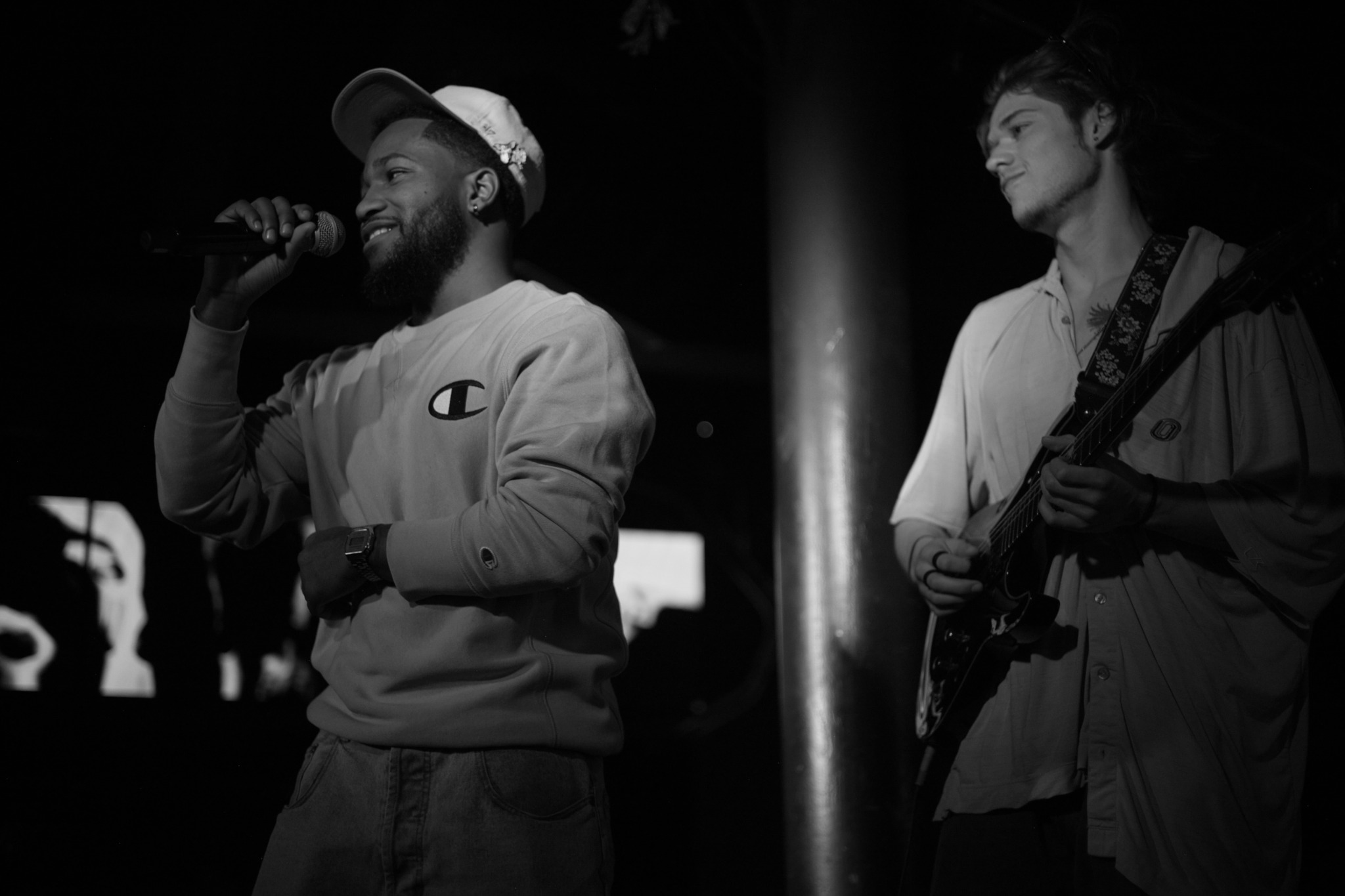
Image Credits
https://www.instagram.com/nineside._/
https://www.instagram.com/ricosview_/
https://www.instagram.com/thtkidker/
https://www.instagram.com/noah_weissman303/